








The French Press was born in 19th-century France, and thanks to its simple structure and easy operation, it remains a daily choice for many coffee lovers today. It uses immersion extraction, requiring only three steps to brew: add grounds, pour water, and press the plunger. But to consistently produce a good cup of coffee, the coffee-to-water ratio, grind size, water temperature, and steeping time all need to be carefully controlled. Drawing on extensive brewing experience, Front Street Coffee offers coffee bean recommendations and parameter suggestions suited to the French Press, and extends this into a complete method for making iced coffee with a French Press. In addition, the French Press can also serve as a cupping tool, a tea-making vessel, or even a milk frother, and there are specific techniques for disassembling and cleaning it.
For more specialty coffee knowledge, please follow: Front Street Coffee (Frontsteet Coffee) The French Press first appeared in 19th-century France, written in English as French Press, and in Chinese it is also often called a French-style press pot. As for exactly when it came into being, historical records are not definitive, but in 1852 the Frenchmen Mayer and Delforge founded the "Smith" company and applied for a patent for a piston-type coffee filtering device, naming it the "French Press," which is generally regarded as the starting point of the French Press becoming commercialized. The French Press's design is simple and convenient So-called simplicity is reflected in three aspects: its structure, principle, and operation. A heat-resistant glass body paired with a plunger with a metal filter mesh constitutes the entirety of the French Press. When brewing, coffee grounds and hot water are placed together in the glass container to steep, then the metal filter mesh is pressed down to separate the coffee grounds, yielding a relatively clear cup of coffee. The entire manual process involves only three steps: adding grounds, pouring water, and pressing the plunger.
The specific method for brewing coffee with a French Press Since the French Press uses immersion extraction, Front Street Coffee believes it is better suited to medium or medium-dark roasted coffee beans. If you want French Press coffee with floral and fruity notes, you can try Front Street Strawberry Candy Coffee, Front Street Mozart Coffee, or Front Street Sidra Coffee; if you prefer rich nutty flavors, Front Street Queen's Estate, Front Street Golden Mandheling, and Front Street Huila are recommended. All the above beans can be purchased at the Front Street Tmall flagship store or Front Street Taobao store, and orders are shipped within 24 hours.
The French Press mainly relies on immersion to extract coffee; at a fixed capacity, a set amount of water will evenly dissolve the soluble substances in the coffee grounds. During extraction, time is the most critical influencing factor—the longer the steep, the more substances are dissolved, until saturation or until further extraction becomes difficult; in other words, the longer the steeping time, the stronger the taste.
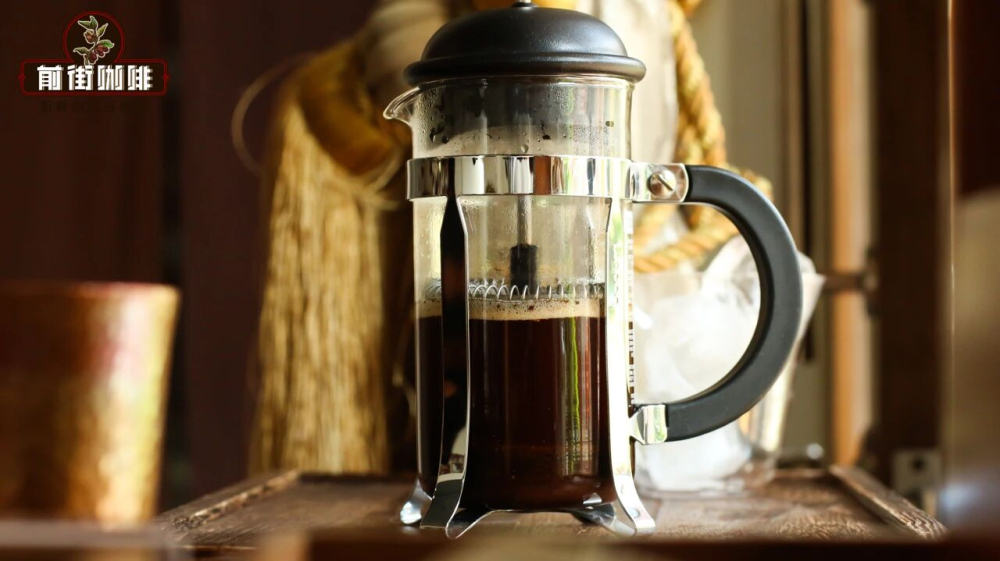
So the first step is to determine the coffee-to-water ratio. Front Street Coffee usually recommends a ratio of 1:15 to 1:16; this range has a high tolerance for error, and most coffees can present good mouthfeel and flavor at this ratio.
Next is determining the grind size. Front Street Coffee recommends a coarser grind for the French Press, because the French Press relies on a metal filter mesh, whose holes are visible to the naked eye, and a coarse grind helps better intercept fine particles. Grind size also varies with the roast level of the beans; measured by the passing rate through a No. 20 standard sieve, medium-light roasted coffee beans can use a finer grind (passing rate 72%–75%), while medium-dark roasted coffee beans should be ground coarser (passing rate 68%–71%).
Next, water temperature. The French Press is immersion extraction, and the coffee grounds and water are basically in a relatively static state, so the water temperature needs to be somewhat higher. For the same bean, the water temperature for French Press brewing is 2–3°C higher than for pour-over. For brewing medium-light roasted coffee, 91–94°C is recommended; for brewing medium-dark roasted coffee, 88–91°C is recommended. Finally, the steeping duration—as mentioned earlier, time is crucial for the French Press. After repeated comparative brews, Front Street Coffee believes that steeping most coffee beans for about 4 minutes according to the parameters given by Front Street yields the best taste and mouthfeel. You can also use this as a basis to figure out your own preferred brewing method.

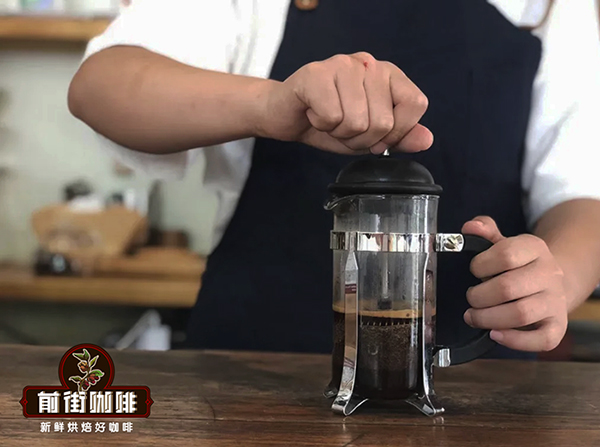
The actual operation is in fact very effortless. Taking 15 grams of coffee grounds as an example, pour the ground coffee into the pot, add 225–240 milliliters of hot water, lift the plunger, cover with the lid, and wait 4 minutes. Then slowly press down the plunger, letting the metal filter mesh stop at about one-quarter of the pot body, to avoid fine particles from the bottom churning up. The seemingly simple French Press is not limited to brewing coffee It can also serve as a cupping tool The process of making coffee with a French Press is quite similar to cupping—both are static immersion methods—so many people use it to evaluate coffee bean quality. The French Press brewing method recommended by James Hoffmann, author of The World Atlas of Coffee, is almost identical to the cupping procedure.
It can also be used to brew tea The French Press is a simple device that combines immersion and filtration; it can brew coffee, so naturally it can also brew black tea, and it is just as handy to use. If you pay attention, you will notice that many tea makers on the market have a structure very close to that of the French Press.
It can even froth milk The French Press can also be used to froth milk. If you want to make cold milk foam, you need a manual milk frother, and the construction of a manual milk frother is actually very similar to a French Press; pumping the French Press plunger back and forth can likewise create milk foam.
Some people ask: Can the French Press make iced coffee? Front Street Coffee was surprised at first too, but since a friend asked, we will share the French Press iced coffee method we summarized after repeated trials. Approach The French Press uses immersion extraction; given the same beans, the hot coffee it makes is usually more balanced and has a thicker mouthfeel than pour-over. So we referenced the approach of Japanese-style iced pour-over to make French Press iced coffee: first steep the coffee with a small amount of hot water to extract a more concentrated hot coffee liquid, then pour it over ice to dilute and cool it, forming iced coffee.
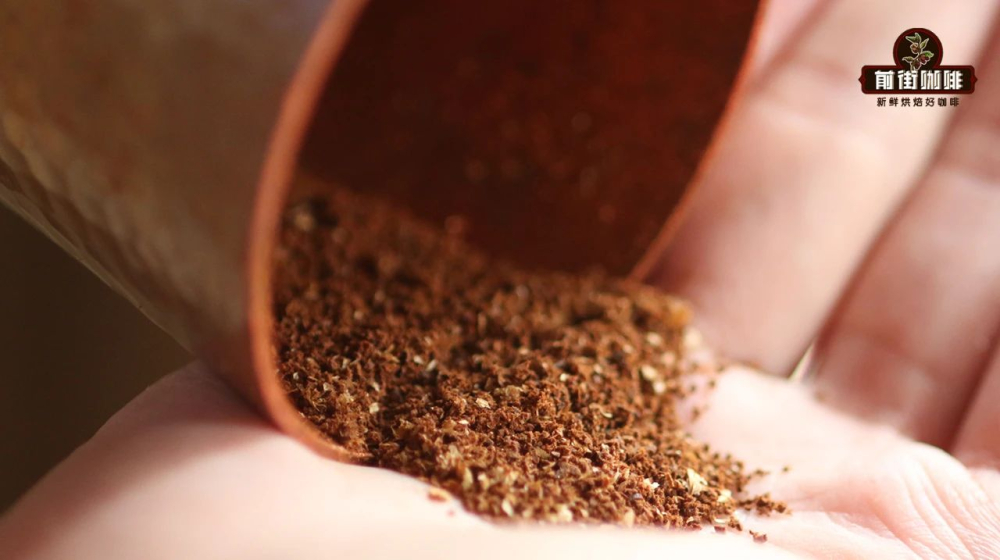
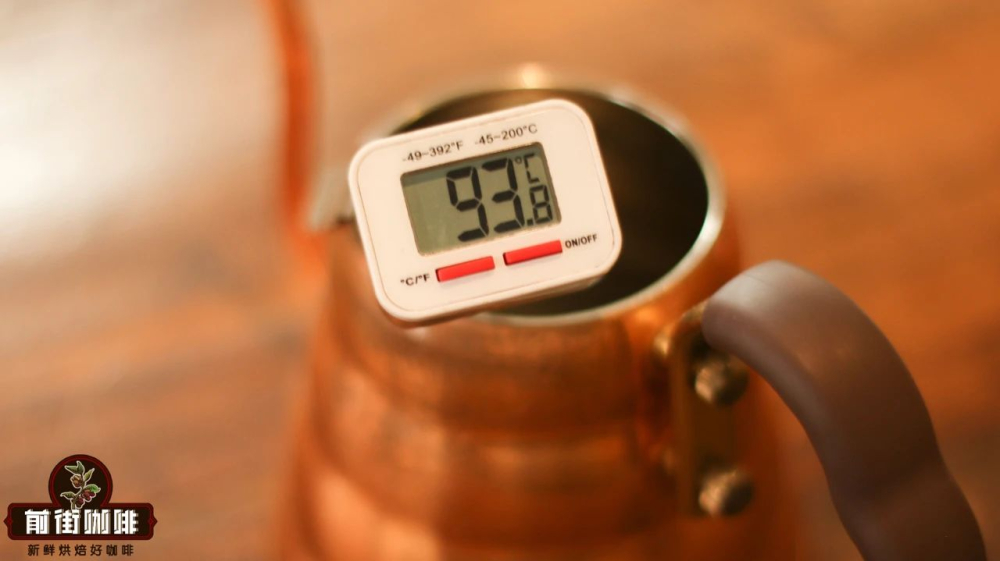
Considering the need to dilute the concentration with ice, higher-acidity light-roasted coffee is not suitable for making iced coffee. First, after dilution the mouthfeel easily becomes thin; second, steeping light-roasted coffee with acidity easily produces unpleasant flavors like almond and peanut skin. In the end, Front Street Coffee chose Honduras Sherry coffee beans; they have a rich mouthfeel and abundant vanilla and sherry aromas, making them very suitable for immersion extraction. Extraction plan ①Preparation stage: Prepare the French Press, electronic scale, glass cup, hot water, and ice cubes. The dose is 15 grams; to obtain a more concentrated hot coffee liquid, the ratio of coffee grounds to hot water is 1:8, and the water temperature is 94°C. As for grind size, since the French Press filters with a metal mesh, it is not recommended to improve extraction yield by adjusting to a finer grind; choose a medium-coarse grind (passing rate 65% through a No. 20 standard sieve).
②Grind the coffee and pour it into the French Press, add 120 grams of hot water and start timing; pour the water directly into the center. ③After 30 seconds, stir the coffee grounds layer with a stirring rod to increase the extraction yield; at this point three layers will form: coffee liquid, coffee grounds, and coffee foam.
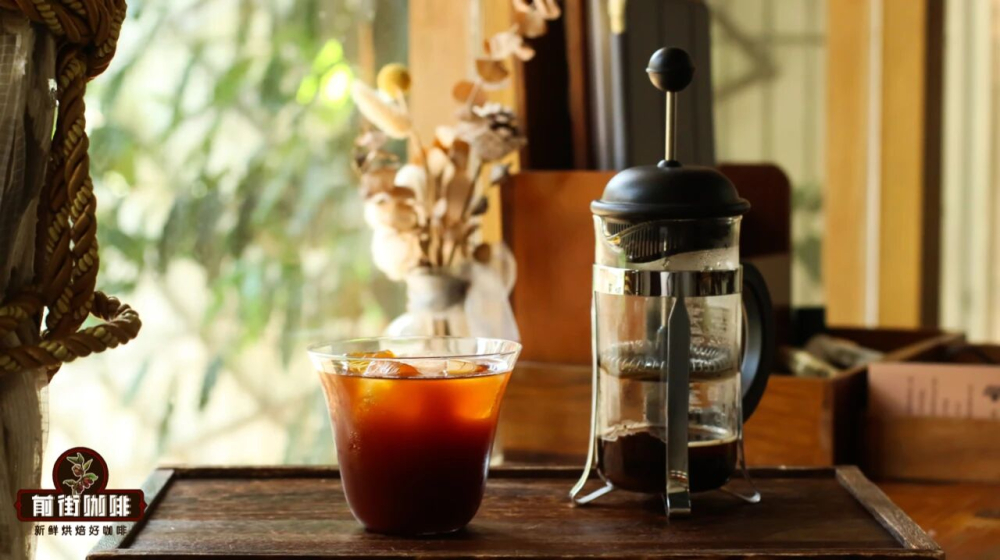
④Cover the French Press lid and wait until 3 minutes; during this time, put 105 grams of ice cubes into the glass cup. ⑤After 3 minutes, slowly press down the plunger and let it sit for 1 minute to let the coffee grounds settle. ⑥At the 4th minute, pick up the French Press and pour the coffee liquid into the glass cup containing ice cubes.
In this way, a cup of French Press iced coffee is complete. Because it is filtered through a metal mesh, the surface still retains a good amount of coffee oils, and the vanilla flavor of the Sherry coffee beans can be displayed very well—refreshing yet still rich. So, how should the French Press be disassembled and cleaned? As mentioned earlier, the French Press's metal filter mesh design retains coffee oils; although it is eco-friendly and lets you enjoy a pot of coffee without filter paper, it also requires more careful cleaning. If you are lazy about it, the coffee oils left on the pot will affect the taste of the next cup of coffee.
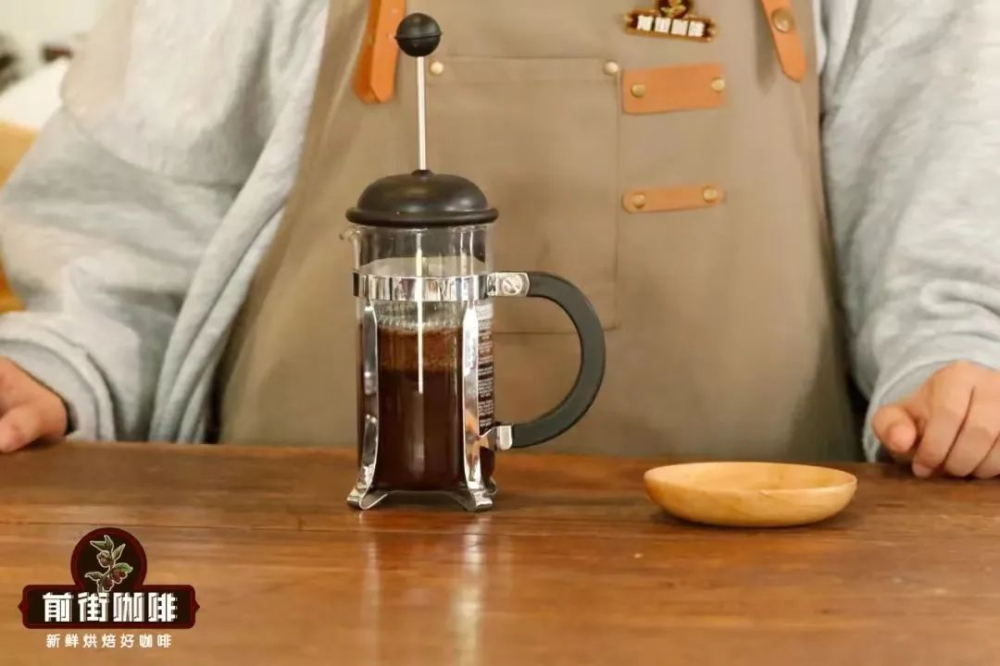
The French Press's structure is not complicated; it mainly consists of a glass body, a metal filter mesh, and a plunger. What mainly needs to be disassembled is the metal filter mesh part, because it is made up of several layers, and it is difficult to clean the inside thoroughly without taking it apart. First, grip the head of the plunger firmly with one hand, and with the other hand twist and loosen the metal filter mesh part. Then clean the remaining components; after draining the water, it can be reassembled.
The above content is compiled by CoffeeHunters, a coffee news website.


