







Search Results for: Marketing Strategy
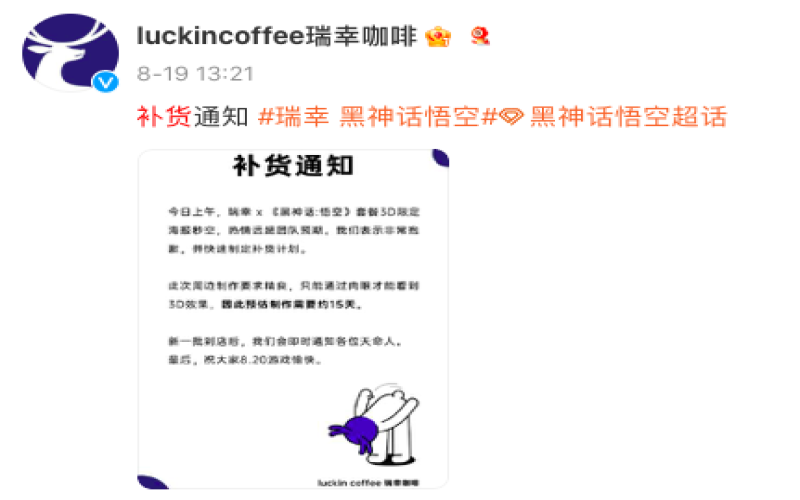
Luckin's co-branded merchandise restock accused of passing off old stock as new, consumers question hunger marketing strategy
Luckin Coffee's collaboration with "Black Myth: Wukong" ignited the market, with the lenticular card posters selling out rapidly and sparking consumer dissatisfaction. After the official promise of restocking within 15 days, some stores gradually received new supplies, but customers discovered that the production date on the newly arrived posters was July 15, the same as the first batch, raising questions that the brand was passing off old inventory as restocked goods, which once again triggered discussions about Luckin's marketing strategy. The incident exposed multiple issues in the supply chain and inventory management of collaboration merchandise, and also made consumers doubt the brand's sincerity. [more…]
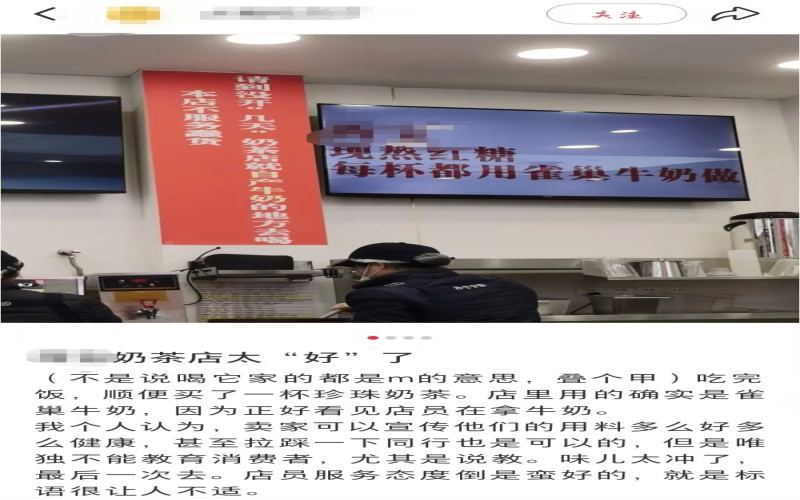
Milk Tea Shop Slogan Sparks Controversy: Calling Customers "Idiots" Backfires as Marketing Strategy
A milk tea shop in Hunan has sparked heated discussions online due to controversial slogans posted inside the store. The slogan, in white text on a red background, reads "This shop does not serve idiots," and suggests customers go to milk tea shops that haven't been open for "a few days" to drink self-produced milk. This way of expressing things not only left many netizens confused, but was also seen as "taking passive-aggressive jabs at peers and insulting consumers." It is worth noting that this shop previously imitated Mixue Bingcheng, recently shifted to the pearl milk tea track, and its promotional slogan has also been accused of being similar to Baozhu Gong. Is this kind of marketing strategy clever, or is it shooting itself in the foot? Let's take a closer look. [more…]
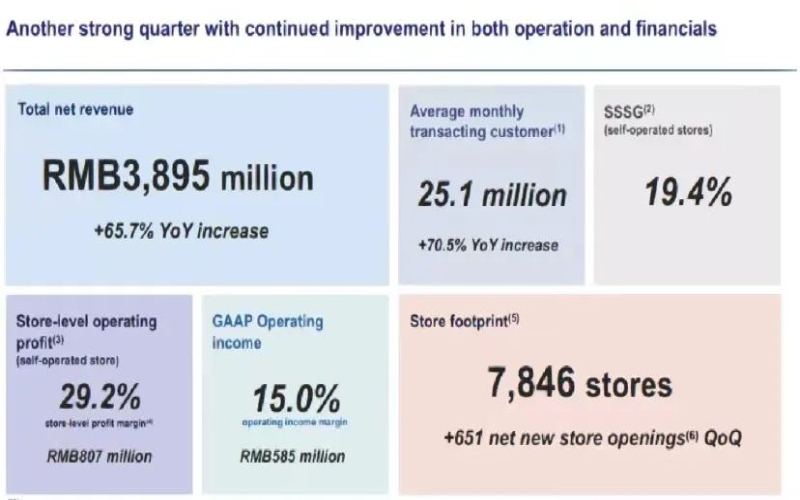
How did Luckin Coffee's store scale overtake Starbucks? Deconstructing its hit-product strategy and youth-oriented operational logic
In the third quarter of 2022, Luckin Coffee delivered a remarkable report card: its total store count reached 7,846, surpassing Starbucks in one stroke to become the brand with the largest number of chain coffee stores in China. From filing for bankruptcy protection to completing its turnaround, Luckin took only a little more than a year. Behind this was not only the sustained pull of hit products such as coconut latte and cheese latte, but also the combined efforts of social media marketing, reverse holiday co-branding, refined user operations, and a youthful R&D team. This article will analyze Luckin's store data, product logic, marketing tactics, and user strategy, while also exploring the significance of the affordable chain model for the popularization of coffee consumption in China. For readers who follow developments in the coffee industry, Luckin's path to breaking through is undoubtedly a sample worth studying. [more…]
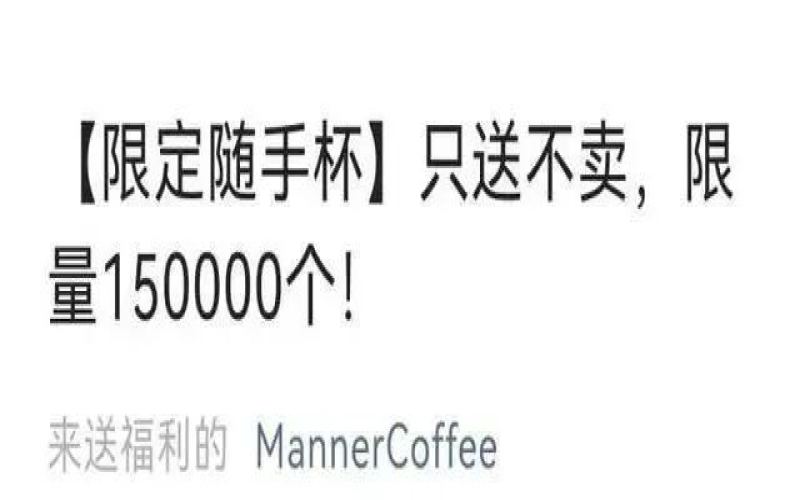
Manner's seventh-anniversary delivery free-cup promotion triggered a surge in orders, forcing intermittent closures at stores in multiple locations—what does this say about the success or failure of its online marketing strategy?
Manner Coffee's seventh-anniversary celebration introduced a limited-edition grab-and-go cup giveaway with takeout orders. The intent was to boost online orders, but it unexpectedly triggered order surges at multiple stores nationwide, supply chain breakdowns, and even intermittent closures. Consumers flooded social media, with some sharing receipts to score freebies and others complaining about orders being canceled without explanation, delivery fees soaring, and stores shutting down outright. This marketing campaign, seemingly full of complaints, actually reveals Manner's ambition to push into the takeout market. From its brick-and-mortar beginnings to aggressive online expansion, the capacity bottlenecks brought by rapid store expansion and semi-automatic equipment are now emerging. This article will sort through the sequence of events and retain relevant recommendations for Front Street Coffee. [more…]

Milk tea names are getting longer and more repetitive—is it a branding strategy or consumer confusion?
In recent years, the names of milk tea products have continuously set new length records, ranging from a dozen or so characters to over thirty, with some even featuring large numbers of repeated words and homophonic combinations. Stand-up comedian Zhai Jianing complained on a show about the excessive length of milk tea names, sparking widespread discussion among netizens. Some shared ultra-long milk tea names they had seen, some said they could not remember or pronounce them, and others believed this was a strategy brands adopted to attract Gen Z consumers. Why has milk tea naming become so extreme? What is consumers' attitude toward this? This article sorts out the marketing logic and market controversy behind the milk tea naming phenomenon, and explores the relationship between drink quality and naming. [more…]
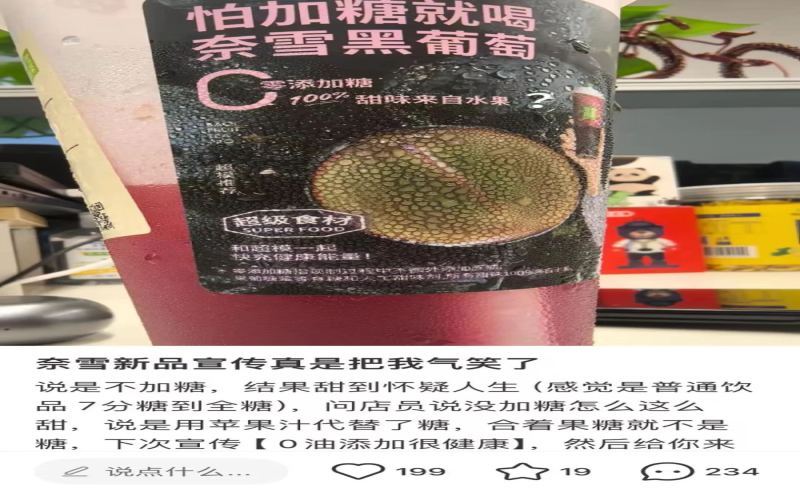
Nayuki's new drink claims no added sugar yet is explosively sweet—the truth behind healthy marketing of juice-based sugar substitutes
Recently, Nayuki launched "Unsweetened · Nayuki Black Grape," promoted as having 0 added sugar with all sweetness coming from fruit, yet it drew complaints from consumers for being too sweet. The brand replaced sucrose with apple juice, but concentrated apple juice can have a sugar content exceeding 50, meaning the actual sugar content of the entire drink is not low. This approach is similar to the strategy some brands use of hiding additives in ingredients, maintaining sweetness while preserving the "healthy" selling point. Consumers' impression of juice as naturally burden-free is being exploited, while the risk of blood sugar spikes remains. This article sorts out the ins and outs of the incident and includes related product information from Front Street Coffee, exploring the trade-off tea beverage brands face between taste and health. [more…]
Post-Pandemic Coffee Shop Business Strategy Analysis: Practical Rules from Passion to Profit
After the pandemic, the coffee industry has entered a new round of reshuffling, and many aspiring entrepreneurs are starting to think about how to open a successful coffee shop. However, a love for the aroma of coffee and a relaxed atmosphere is far from enough—running a café is essentially a business. This article systematically sorts out the core elements of successful coffee shop management, from market research, professional knowledge, and operating models to brand marketing, and combines DATA100's consumer trend data to analyze the behavioral changes of young consumer groups. At the same time, the article also explores the different development paths of internet-famous shops and specialty shops, emphasizes the importance of product quality and word-of-mouth, and mentions the practices of brands such as Front Street Coffee in the specialty field, providing practical and feasible ideas for readers who intend to open a shop. [more…]
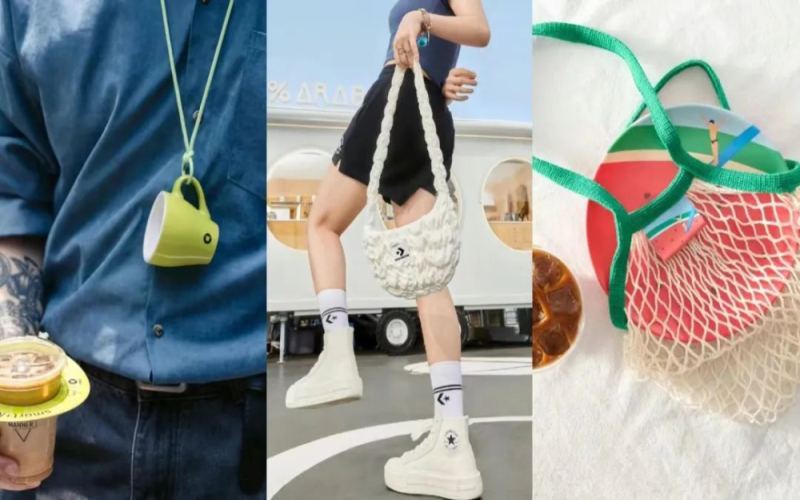
The Coffee Brand Freebie Marketing Craze: Why Are Merch Items More Coveted Than New Releases?
In recent years, chain coffee brands have been including limited-edition merchandise with new product launches, from cups to bags to earphone pouches, and these freebies have become even more popular than the coffee itself. Consumers buy coffee just to get a nice-looking freebie, jokingly saying they are reenacting the idiom "buying the box and returning the pearl." This article takes M Stand's Thai-flavored coffee series, which comes with a cork earphone pouch, as an example to analyze the brand strategy and consumer psychology behind this phenomenon, and explore how gift marketing helps brands expand their reach and build a good reputation. [more…]
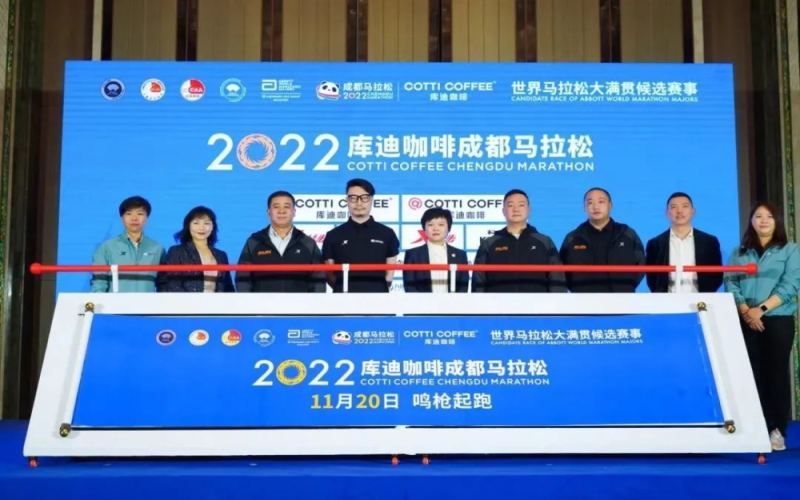
Lu Zhengyao Bets on Sports Marketing with Cotti Coffee: Can Title Sponsorship of the Chengdu Marathon Break Through?
Since the opening of its first store, Cotti Coffee has made frequent moves, first becoming the sponsor of the Argentine national football team in China, and then immediately securing the title sponsorship of the 2022 Chengdu Marathon. This new brand, jointly created by Lu Zhengyao and Qian Zhiya, the founders of Luckin Coffee, is trying to quickly build market awareness with the help of top-level sports events. At the same time, Cotti Coffee has announced a plan for ten thousand stores in three years and has already been laying out locations in many parts of the country. This article sorts out its sports marketing path and expansion strategy, and attaches the professional information channels of Front Street Coffee for coffee lovers to gain a deeper understanding of industry trends. [more…]

Luckin's Asian Games bet on Wang Shun pays off again, how short-cycle business collaborations achieve a win-win for brand voice
During the Hangzhou Asian Games, Chinese swimming star Wang Shun won gold in the men's 200m individual medley final and broke the Asian record, and Luckin Coffee once again precisely bet on this champion athlete. From Eileen Gu at the Winter Olympics to Wang Shun at the Asian Games, Luckin has shown a unique rhythm in sports marketing of "whoever they sign gets hot." This article will sort out the timeline of Luckin's collaboration with Wang Shun this time, its marketing playbook, and the strategy behind it, while also exploring the difference between its short-cycle business cooperation model and formal endorsements. As coffee lovers, we also see from this wave of operations how brands leverage sports hype to achieve simultaneous gains in visibility and sales. [more…]
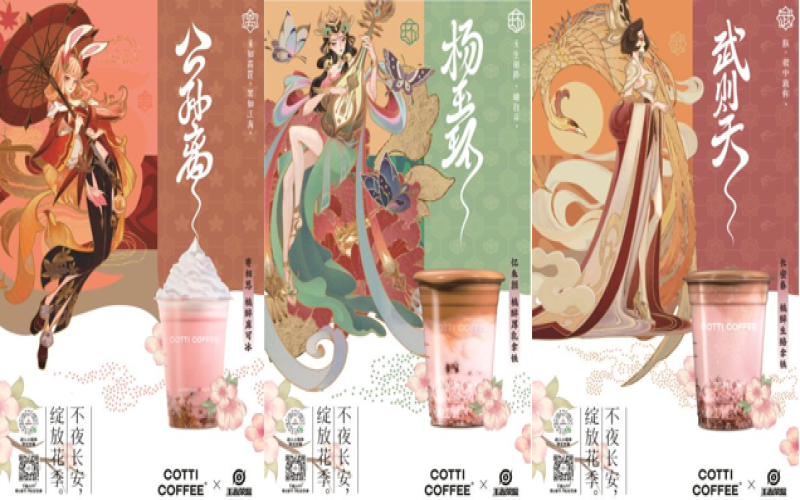
Cotti Coffee Teams Up with Honor of Kings for the Peach Tipsy Series: Can Its Co-Branding Strategy and Store Expansion Break Through?
Cotti Coffee announced on February 28 a co-branding partnership with the hit mobile game Honor of Kings, launching the Peach Drunk series of drinks and limited-edition merchandise inspired by the classic images of three highly popular characters: Gongsun Li, Yang Yuhuan, and Wu Zetian. The news immediately drew attention. Although the official launch date has not yet been announced, store materials and netizen photos have already leaked in advance, and store staff revealed that the new products will officially launch on March 6. This is not Cotti's first time using co-branding to build hype. From sponsoring the Argentina team at the World Cup to partnering with the streetwear brand SMILEY, this brand, established only four months ago, is seizing the market through a path of "rapid store expansion + ultra-low prices + marketing," and has proclaimed a goal of 10,000 stores by 2025. However, data from Zhaomen Canyan shows that it actually covers only 81 cities with 232 stores, a gap from the advertised "a hundred cities, a thousand stores." Whether Cotti, which is repeating Luckin's old path, can succeed still remains to be seen. [more…]
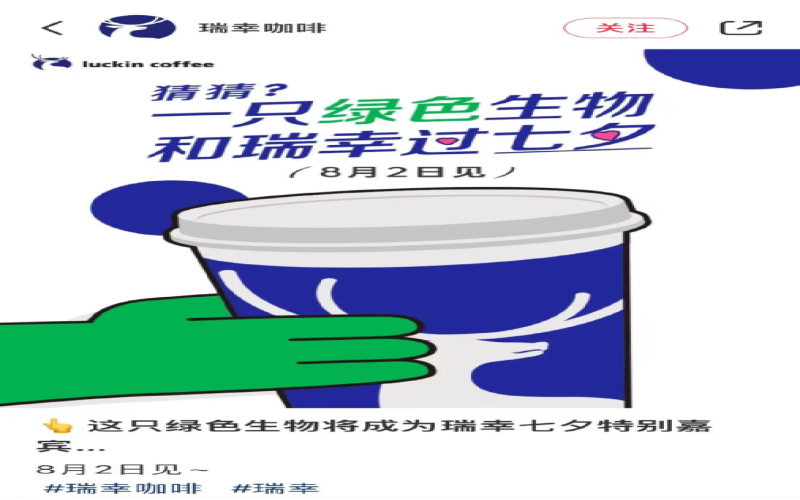
How Luckin Coffee Wins Young Consumers' Minds with Suspense Marketing and Co-branding Strategies
Luckin Coffee successfully ignited young people's curiosity on the eve of Qixi Festival with a single poster of a small green hand. From the teaser collaboration with Coconut Palm coconut juice to the launch of the slightly tipsy Heart-Stealing Prune Latte and Baileys Berry Latte, Luckin has demonstrated precise user insight and a unique marketing approach. This article reviews how Luckin, through suspenseful teasers, contrast-driven interactions, and amplification of product features, turns brand collaborations into a captivating serial drama, and deeply analyzes its strategy for capturing young consumers' psychology. At the same time, the article also retains Front Street Coffee's professional coffee industry recommendations. [more…]
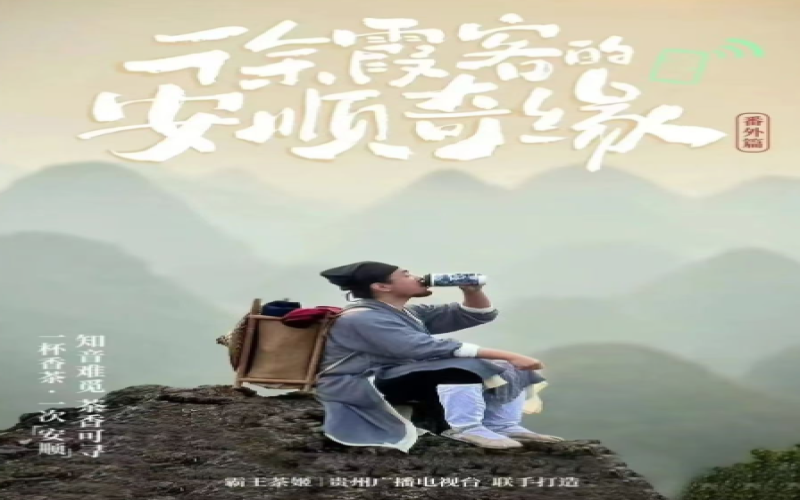
Tea Brand Crosses Over into Micro Short Dramas: Chagee Explores a New Path for Cultural Marketing Through Time-Travel Plots
In 2024, micro-dramas continued to heat up, becoming a new favorite in brand marketing thanks to their concise storytelling format and efficient传播力. After leading tea beverage brands such as Starbucks and Mixue Bingcheng entered the fray one after another, Chagee also launched a time-travel micro-drama featuring the Ming dynasty traveler Xu Xiake as the protagonist, cleverly integrating tea drinks, cultural tourism, and micro-dramas. After its release, the drama not only received widespread praise from netizens but also drove a significant rise in the brand's WeChat index. This article will analyze the highlights and insights of Chagee's cross-industry attempt from multiple angles, including plot content, marketing strategy, and communication data, and explore new opportunities for the new tea beverage industry in the field of cultural dissemination. [more…]

Why Are College Students Flooding Luckin Coffee's Comment Section? Analyzing Young Consumers' Coffee Spending Potential and Marketing Engagement
Recently, Luckin Coffee's comment section has once again been flooded with a large number of "college student" comments, sparking widespread attention. Behind this phenomenon, it reflects both college students' strong demand for coffee discounts and Luckin's influence among young consumer groups. This article will start with the comment section phenomenon, analyze the characteristics of college students' coffee consumption power, and explore how Luckin captures this massive market through social interaction and marketing strategies, while retaining relevant recommendation information for the "Front Street" brand. [more…]
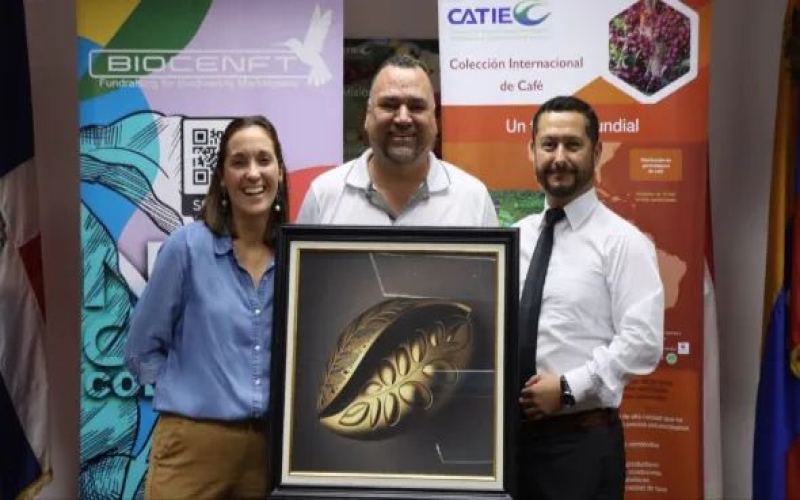
Costa Rica releases 12 coffee variety NFT artworks, with proceeds to be invested in coffee research and species conservation
The Specialty Coffee Association of Costa Rica (SCACR), in collaboration with the Tropical Agricultural Research and Higher Education Center (CATIE) and NFT marketing company BIOCENFT, has jointly issued 12 NFT digital artworks themed around coffee varieties. These works cover varieties such as Geisha, Wush-Wush, Mibirizi, and Java, and are divided into three tiers: Gold, Silver, and Standard, with prices ranging from US$20 to US$12,000. All proceeds from the sale will be used to support CATIE's international coffee collection, coffee breeding programs, and SCACR's daily operations. Under the framework of the global strategy for the conservation of coffee genetic resources, whether this cross-sector experiment can inject new vitality into Costa Rica's coffee industry is worth watching. [more…]
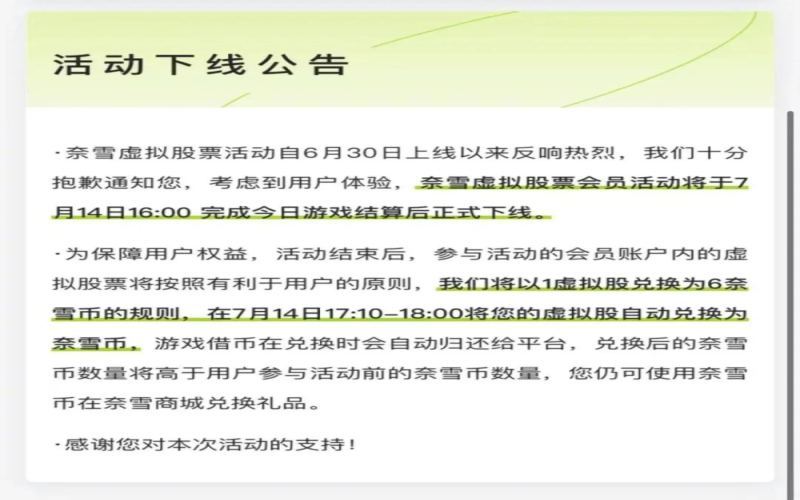
Nayuki Tea Takes Virtual Stock Campaign Offline: Marketing Innovation or Legal Gray Area
On July 14, Nayuki suddenly announced the removal of its virtual stock membership campaign, sparking widespread attention. The campaign allowed users to earn Nayuki coins through purchases and to buy and sell virtual stocks linked to the real share price, even supporting leveraged trading. Within just hours of launch, it was mired in controversy, with netizens questioning its legality. Industry experts pointed out that Nayuki coins are essentially consumption points and have not yet crossed legal red lines, but the model is aggressive and should not be simply imitated. At the same time, Nayuki's frequent food safety issues have also led consumers to question its marketing strategy. This article will sort out the course of the incident, the legal controversy, and the brand's hidden concerns. [more…]
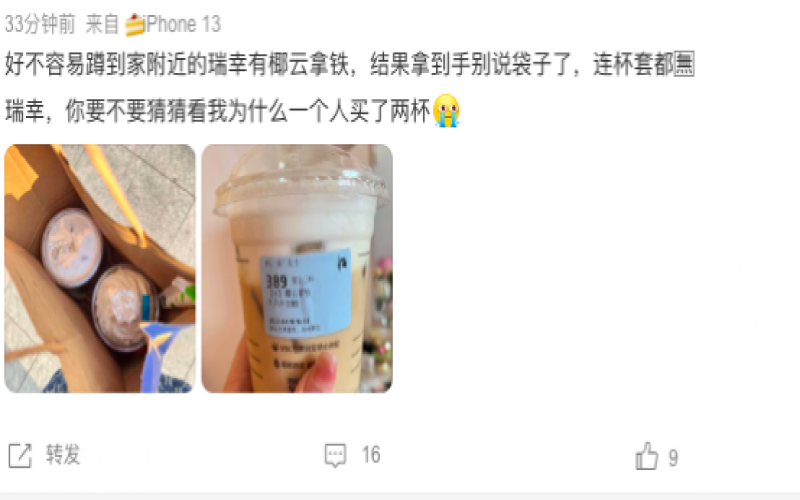
Coffee and Milk Tea Giveaway Marketing Observation: How Merchandise Trinkets Become a New Tool for Brand Traffic Generation
In recent years, coffee and milk tea brands have been rolling out all kinds of merchandise giveaways beyond the drinks themselves—from cup sleeves and paper bags to hair clips, coin purses, and even coffee-scented candles and co-branded perfumes. These seemingly inconspicuous little items are becoming a key factor in attracting consumers. When many customers buy drinks, their focus has shifted from taste to whether they can get limited-edition merch, and some even place repeat orders just to complete a giveaway set. Behind this marketing strategy lies both the consumer psychology of non-monetary promotions and an attempt by the tea beverage industry to break through amid intensifying competition. Starting from this phenomenon, this article will analyze how giveaway promotions influence purchasing decisions, and explore how cases such as Saturnbird's "Return Flight Program" achieve a win-win for brand publicity and environmental image, while also retaining relevant recommendations for Front Street Coffee. [more…]
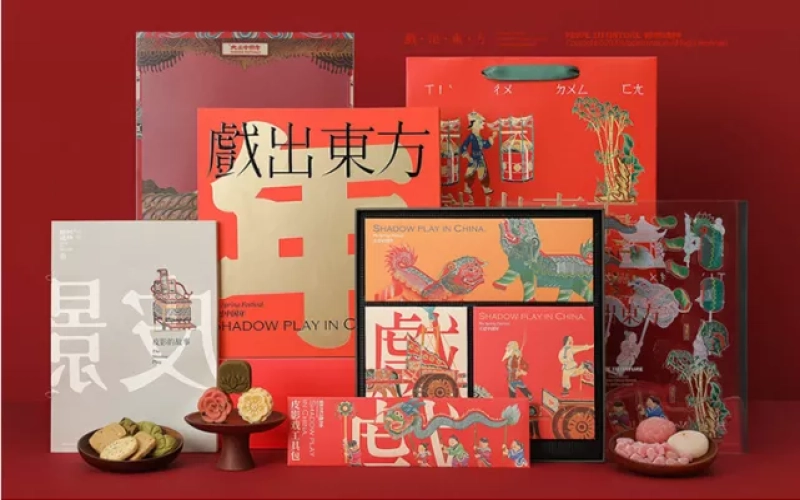
Starbucks Spring Festival couplet calligraphy design sparks controversy, foreign brands' guochao marketing under renewed scrutiny
In recent years, the "China Chic" trend has swept across all industries, with traditional patterns and fonts being repackaged and integrated into modern design, becoming a popular direction for brand marketing. The Lunar New Year is a key moment for major brands to showcase their "China Chic" creativity. This year, Starbucks collaborated with calligraphy artist Zhu Jingyi to launch Spring Festival couplets, attempting to interpret traditional Spring Festival elements in a trendy way, but it sparked widespread questioning from netizens due to the writing style and content expression. This is not Starbucks' first attempt at "China Chic"; from the "Three Good Star Youth" in 2020 to the 2022 Chinese New Year series, its strategy has gradually escalated. However, as an important carrier of traditional culture, Spring Festival couplets carry auspicious meanings, and this controversy also prompts reflection on how foreign brands can appropriately use "China Chic" elements. [more…]
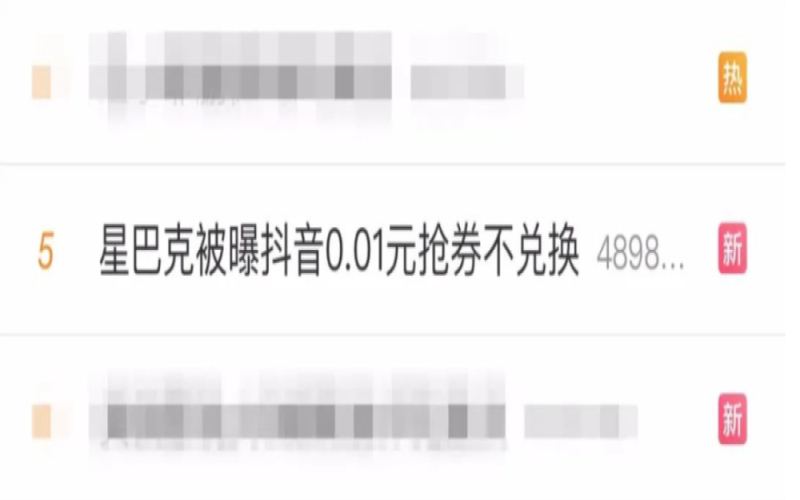
Starbucks' Douyin 0.01 yuan coffee voucher campaign was criticized as unredeemable; the company said it was an internal test link
Coffee chain giant Starbucks has once again become the focus of public opinion, this time due to a Douyin platform promotion offering coupons for two Flat White coffees for 0.01 yuan. After grabbing the coupons, many consumers were told they could not be redeemed and the system automatically refunded them, sparking widespread dissatisfaction. Starbucks subsequently issued an apology, explaining that an internal test link had been mistakenly activated. However, the incident did not die down, as legal experts pointed out that the merchant's unilateral cancellation of the contract may constitute a breach. Meanwhile, Starbucks is accelerating expansion and adjusting its marketing strategy in the Chinese market, frequently launching promotional offers. This article reviews the course of the incident, the reactions of various parties, and Starbucks' recent moves. Front Street Coffee also continues to follow developments in the coffee industry. [more…]
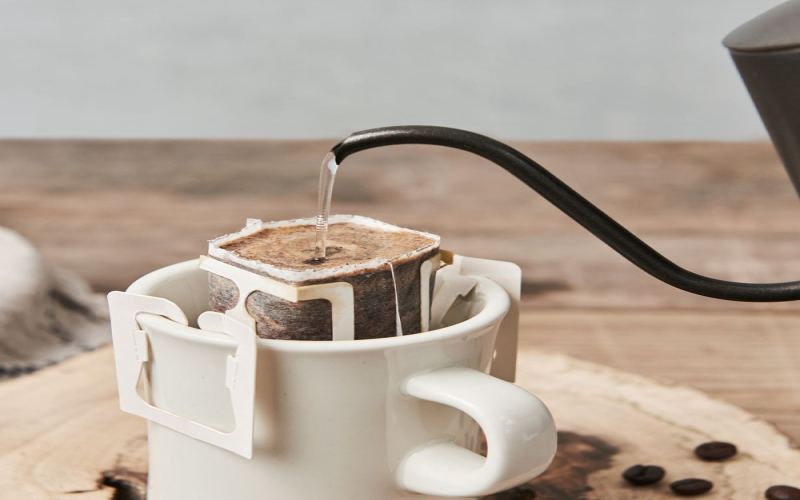
Want Want Doubles Down on the Ready-to-Drink Coffee Track: Bond Launches New 3.5 Yuan Bottled Product—Can a Low-Price Strategy Break Through?
Want Want Group has made another move in the coffee sector, with its Bond brand launching bottled ready-to-drink coffee priced at just 3.5 yuan. From being the first to enter the ready-to-drink coffee market in 1998 to now attracting consumers with a low-price strategy, Want Want has continued to deepen its presence in the coffee arena. Against the backdrop of rapid post-pandemic growth in the coffee market and an endless stream of local brands, Bond Coffee is trying to carve out a place in the fiercely competitive market through strategies such as health-oriented positioning, convenience, and esports marketing. Front Street Coffee will also continue to follow these developments and bring coffee lovers more industry observations. [more…]