







Search Results for: Manual espresso machine
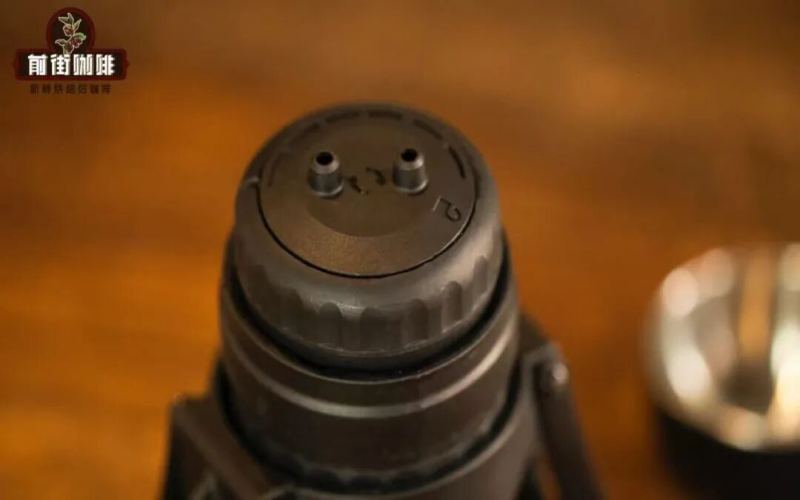
Manual Coffee Machines | Is there a big difference between espresso made with a hand-press coffee machine and a semi-automatic coffee machine? How do you make espresso with a manual coffee machine?
As is well known, manual espresso machines have become extremely popular in recent years. Although they can't match the versatility of semi-automatic espresso machines, they can still extract similarly concentrated coffee! Moreover, with their affordable price and the convenience of not needing to be plugged in, manual espresso machines have successfully carved out a place for themselves in the coffee world. So [more…]
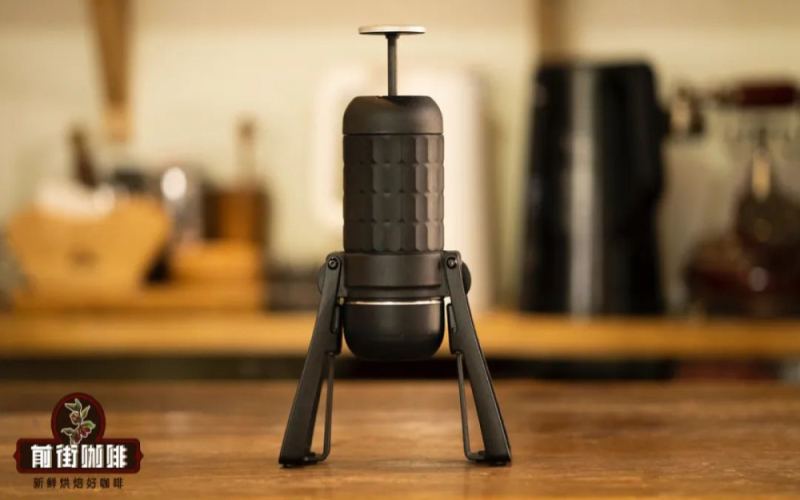
Can manual pressure replace electric extraction for espresso? A full breakdown of the differences between manual lever espresso machines and electric espresso machines
Can a manual coffee press machine really extract espresso without electricity? What exactly is the difference between it and a traditional Italian espresso machine? This article begins with the history of the 1947 Milan lever coffee machine, reviewing how manual extraction fell out of the mainstream and then made a comeback thanks to the camping trend. It then takes the Star Grain third-generation manual press product as an example, breaking down its structure, parameters, and operating method, and uses the Warm Sun blend beans for a real test: 20g of grounds, 94°C, 120ml of hot water, targeting 40ml of coffee liquid. Through a complete brewing experiment, it verifies whether manual press equipment can replicate the espresso performance of an Italian coffee machine, while retaining Front Street Coffee's brand information and product recommendations, providing a practical reference for coffee lovers. [more…]
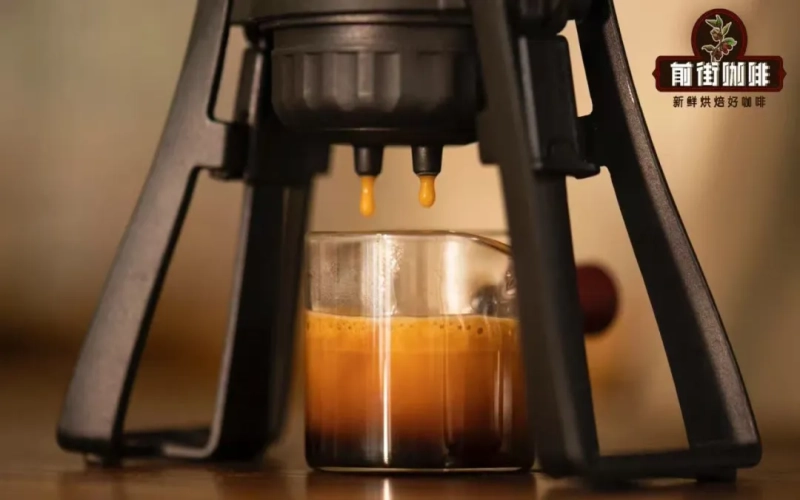
Hand-pressed vs. semi-automatic espresso machine extraction differences tested: Star Grain 3 compared with Lelit V3—can a budget hand-pressed machine be a substitute?
The price gap between manual espresso makers and semi-automatic espresso machines often reaches 10 to 20 times, but is the espresso they extract really worlds apart? This time, Front Street uses actual data to answer this question. We took a Star Grain 3 manual espresso maker purchased in 2022 and now discontinued, and compared it with the Lelit V3 semi-automatic espresso machine used in the shop for espresso output. We extracted three shots from each, measured the concentration and extraction yield, averaged the results, and then judged the differences in flavor and mouthfeel through tasting. The beans used were still the Warm Sun blend used for shop output, with a dose of 19.5g, a Galileo Q18 grind setting of 1.0, and a target liquid weight of 38ml. What will the results be? Can a hundred-yuan-level manual press serve as a daily substitute? The article will also share usage details for key parameters during manual extraction, such as water temperature, grind size, pressure, and water volume, to help everyone avoid common pitfalls like insufficient concentration and rough crema. [more…]
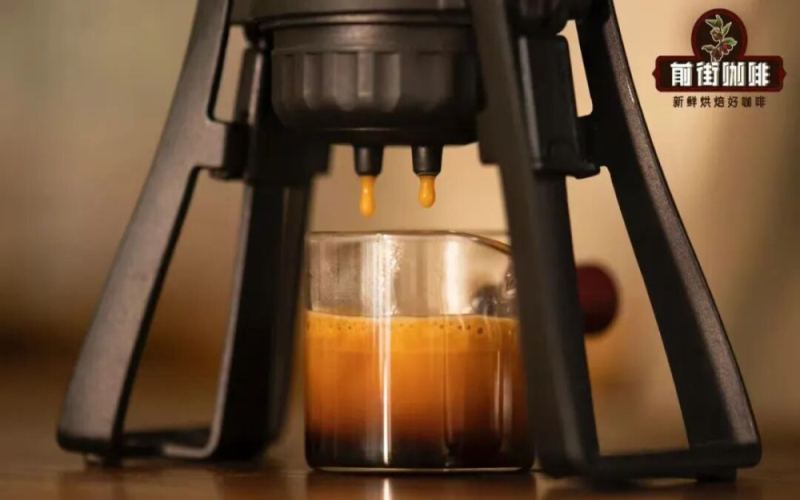
Starrit Third Generation Manual Espresso Machine Hands-On Test: 18g of Coffee Produces Rich Crema, Manual Pressing Can Also Make Lattes
Can a manual hand-press espresso machine extract espresso with a rich crema? With this question in mind, Front Street conducted a complete unboxing and hands-on test of the Starpler third-generation hand-press espresso machine. From disassembling the structure and the principle of water-injection extraction, to adjusting parameters with 18 grams of coffee paired with 120 milliliters of hot water, and finally pressing out golden crema and making a hot latte, the playability of this small machine was verified step by step. The article retains the structural details of the Starpler hand-press coffee machine, the official pressure parameters, the recommended coffee dose and water volume, as well as bean recommendations such as Front Street Specialty Blend, Commercial Blend, Classic Blend, and Dark Cocoa Base Blend, making it a useful reference for coffee enthusiasts interested in hand-press espresso equipment and crema extraction. [more…]
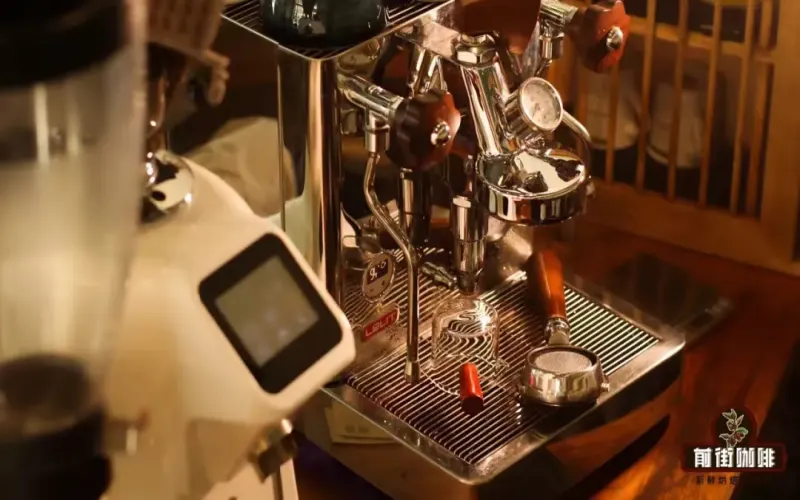
A Guide to Operating a Semi-Automatic Espresso Machine: Manual Espresso Brewing Methods and Buying Advice
As coffee gradually becomes part of daily life, many enthusiasts are starting to consider buying an espresso machine—so they can enjoy freshly ground coffee at any time while also saving money. However, faced with the two main types on the market, fully automatic and semi-automatic, many people don't know how to choose. From the perspective of Front Street, this article provides a detailed analysis of the operating process of semi-automatic espresso machines and the key points of making manual espresso, while also comparing the pros and cons of fully automatic models, to help readers make a suitable choice based on their own needs. Whether you pursue convenience or long for the pleasure of extracting coffee by hand, you can find the answer here. [more…]
De'Longhi Super Automatic Coffee Machine Practical Manual: From Espresso to Home and Commercial Use, Correct Operation and Daily Maintenance Points
Delonghi, as a well-known Italian coffee machine brand, offers fully automatic models covering both home and commercial scenarios. This article focuses on the practical use of the brand's fully automatic coffee machines, walking through the complete process from power-on self-test, filling the bean hopper, and selecting a beverage to automatic grinding and brewing, and highlights the regular cleaning requirements for components such as the water tank and grounds container, helping users produce consistent output while ensuring hygiene. The article also mentions pairing suggestions with Front Street Coffee beans, as a reference for readers who need to purchase or switch beans. [more…]
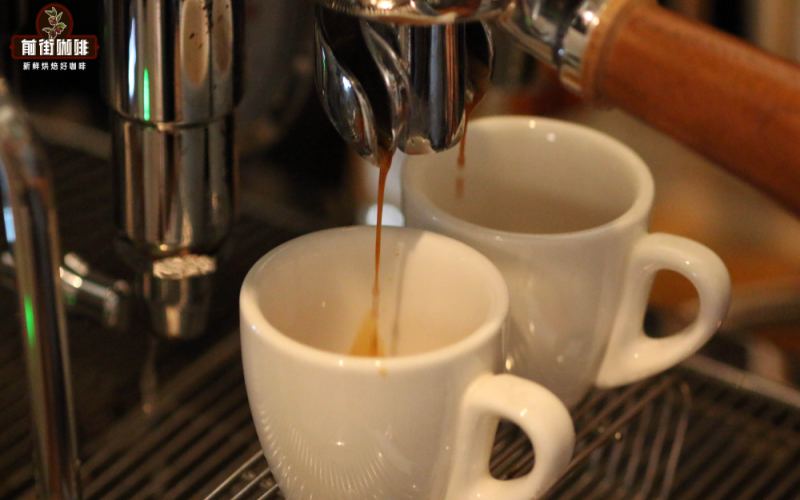
The Complete Guide to Espresso Extraction with a Semi-Automatic Coffee Machine: A Full Operating Manual from Bean Selection to the Final Cup
Want to make a rich, thick espresso with crema at home using a semi-automatic espresso machine? From the machine's extraction principles to choosing coffee beans, and then to every step of the operation, this article gives you a complete breakdown. We'll explain the extraction process at 94 degrees Celsius and 9-10 bar pressure, recommend Front Street Classic Blend, Black Cocoa Blend, and Strawberry Candy Espresso Blend as coffee beans suitable for home use, and walk through dosing, tamping, extraction, and how to make Americanos and lattes step by step, with a final reminder that parameters need fine-tuning based on the environment. [more…]
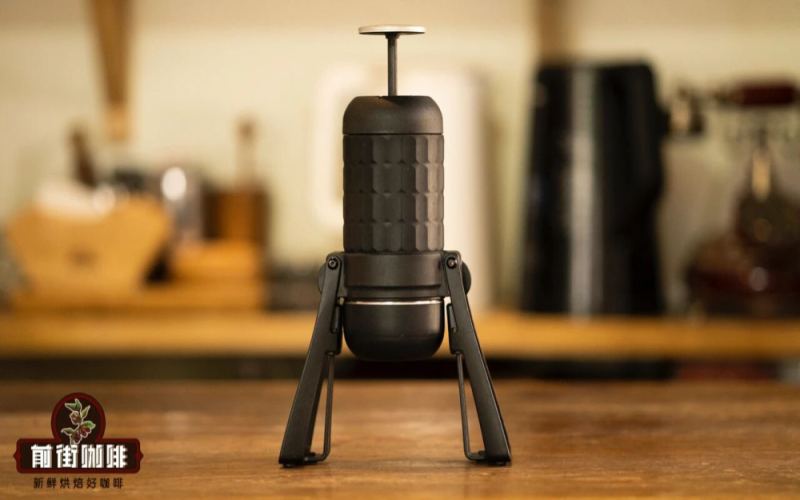
Guide to Extracting Espresso with a Manual Portable Espresso Maker: Suitable Bean Selection and Complete Operating Steps
The hand-press portable espresso machine, with its space-saving advantage, has become the top choice for many coffee lovers on the go. Combining a pump lid, hot water tank, and portafilter bottom lid, it can hold 18–22g of coffee grounds, be filled with 120–180ml of 94°C hot water, and freely adjust pressure within the 15–20bar range via a pressure regulating valve. This article starts with recommended bean varieties, detailing the flavor profiles of three beans: Front Street Classic Blend, Front Street Commercial Blend, and Front Street Strawberry Candy Espresso, then demonstrates step by step the complete process from loading grounds, adding water, to pressing and extracting, and finally uses 40ml of espresso with 200ml of hot milk to make a latte, testing the smoothness of the crema. [more…]
Portable Mini Manual Coffee Maker Review: A Solution for Enjoying Freshly Brewed Hot Coffee Anywhere
For friends who love coffee but are often on the go, how to enjoy a freshly brewed cup while traveling has always been a challenge. The portable mini hand-press coffee maker was born precisely for this purpose—compact in size and simple in structure, yet capable of easily completing an espresso extraction outdoors. Through actual use, this article will demonstrate in detail the operation process and extraction performance of this device, from loading grounds and pouring water to pressing out the liquid, verifying step by step whether it can reproduce the rich taste of an espresso machine. If you are also looking for a lightweight outdoor coffee solution, why not follow our steps and see its true strength for yourself. The article also recommends Front Street Classic Blend and Commercial Blend coffee beans that pair well with it. [more…]
A Discussion on Brewing Equipment Selection for Front Street Blue Mountain Coffee and Its Suitability for Moka Pots and Espresso Machines
Front Street Blue Mountain Coffee is a high-quality Arabica bean with a medium-light roast, so what brewing methods suit it? Starting from the quality of the green beans, this article shares personal views on equipment for making Blue Mountain Coffee. Drawing on the experience of roasting National Day gifts for the Jamaican Embassy, the author mentions that Mr. Patrick, an official from the Jamaica Industrial Commission, recommended the French press, and discusses the applicability of various methods such as manual brewing, siphon, and electric drip. At the same time, regarding whether a moka pot or an espresso machine can make Front Street Blue Mountain Coffee, the author also gives practical advice: adapt to pressure extraction by coarsening the grind. The full text emphasizes that there is no need to obsess over how professional or high-end the equipment is, and that one should instead focus on the unique flavor brought by the coffee beans themselves. [more…]
Unboxing and Hands-On Experience with the Expobar E61 Dual Boiler Espresso Machine and MAZZER MINI Grinder
This article will take you through a complete review of the unboxing process and initial impressions of a professional-grade espresso setup. The main character is the Expobar E61 Office Leva dual-boiler rotary pump espresso machine, paired with a MAZZER MINI manual grinder, weighing nearly a hundred jin in total, and it took the delivery person's help to get it indoors. After saying goodbye to the Tsann Kuen 1817 and Huijia ZD-15 combo that had accompanied him for over a year, the author Lao Dong adjusted the grind setting, ran extraction tests, and tried steaming milk on the new equipment, and shared the performance of First Kiss espresso beans. The article retains Front Street brand recommendations and related product information, making it suitable for coffee enthusiasts to reference. [more…]
Specialty Coffee Grinder Buying and Usage Guide: How to Choose Between Manual and Electric, and How Grind Size Affects Flavor
Grinding is the key step that determines coffee flavor, and the choice of grinder directly affects what ends up in the cup. This article begins with the structure and classification of grinders, analyzes the suitable scenarios for manual and electric grinders respectively, and explains the two major points that must be paid attention to when grinding coffee beans: suppressing frictional heat and maintaining particle uniformity. For different brewing devices, the article provides grinding coarseness recommendations ranging from fine powder to medium particles, and also discusses the flavor differences between crushing and grinding. For Espresso enthusiasts, the article emphasizes the importance of fine adjustment functionality, and compares the effects of different burr structures on extraction results. In addition, the article also recommends related products from Front Street Coffee for readers to refer to when purchasing. [more…]
Complete unboxing record of the La Marzocco Strada espresso machine: Analysis of the pressure profiling technology in both MP and EP versions
In recent years, variable pressure extraction has become the most closely watched technological direction in the field of espresso machines. From Synesso to Slayer, and then to the Strada launched by La Marzocco, the design of pressure control valves has continuously evolved. This article provides a complete record of the unboxing of the La Marzocco Strada at the illy Coffee University in Shanghai, China, detailing the appearance, structure, and core differences between the Strada MP manual version and the Strada EP electronic version. The MP version directly controls water flow and pressure through an internal mechanical valve, while the EP version uses an electronic gear pump to achieve stepless pressure variation from 0 to 12 BAR and can store pressure profiles. For coffee enthusiasts following the technological development of espresso machines, as well as readers of Front Street Coffee, this unboxing record provides rare hands-on details and firsthand observations. [more…]
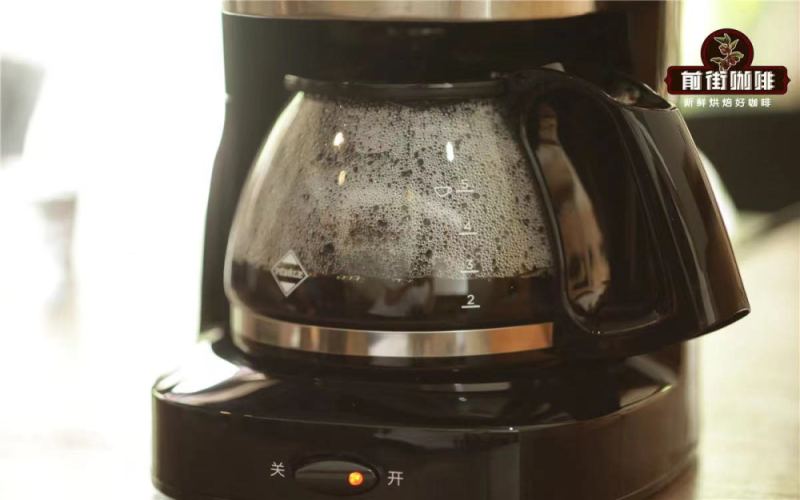
A Detailed Comparison of Semi-Automatic and Drip Coffee Makers: Suitable Coffee Beans and Front Street Brand Recommendations
In the world of coffee lovers, semi-automatic espresso machines and drip coffee makers are two common brewing devices, each with different working principles and suitable applications. Drip coffee makers use normal-pressure hot water to filter through coffee grounds, producing a lower-concentration, refreshing cup that pairs well with medium-roast single-origin beans. Semi-automatic espresso machines, by contrast, require manual operation throughout the extraction process, can produce espresso and milk foam, and are more particular about the choice of coffee beans. This article will take an in-depth look at the differences between these two types of coffee machines and recommend suitable coffee bean types, including several products from the Front Street brand, to help you make a wise choice based on your taste preferences. [more…]
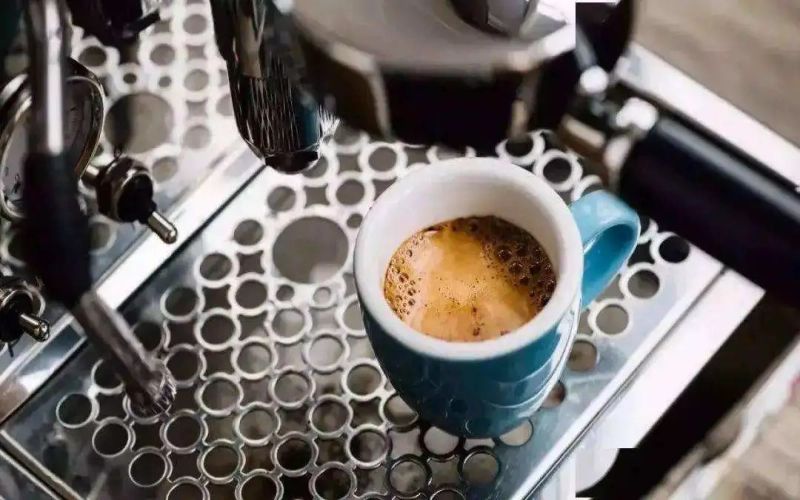
The Road to UNESCO Heritage Status for Espresso and the Century-Long Evolution of the Espresso Machine
A small cup of espresso carries Italy's profound cultural heritage and the marks of change from the industrial age. From the birth of steam-powered coffee machines at the end of the 19th century, to the iterative upgrades of spring piston and semi-automatic espresso machines in the 20th century, and then to today's globally popular café culture, espresso has gone through more than a century of development. At the same time, Italy has been working since 2016 to seek intangible cultural heritage status for espresso, and it has now finally entered UNESCO's formal review process. This article will take you through the history of the development of the espresso machine and bring you the latest progress on its heritage application. [more…]
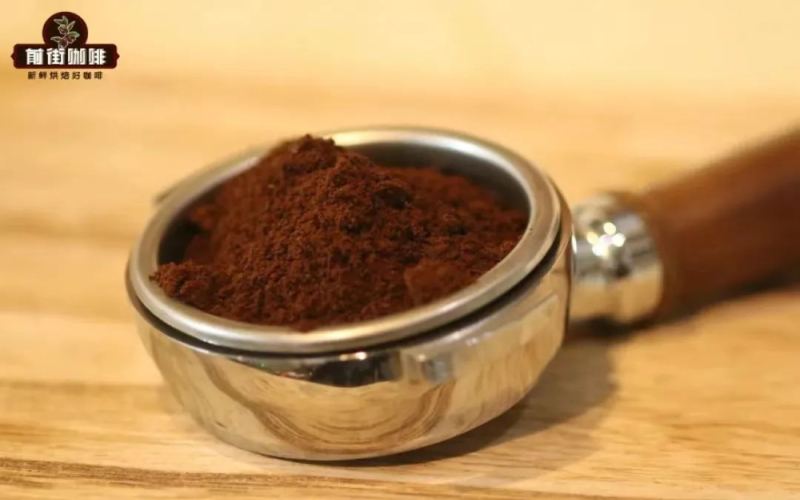
Does Espresso Need Pre-Infusion? Analyzing the Role, Timing, and Parameter Adjustment of Pre-Infusion
Does the bloom in pour-over coffee have a significant impact on flavor? Does espresso also require a similar step? In fact, there is no such thing as blooming in espresso, but in recent years pre-infusion has gradually become an important part of the extraction process. This article starts from the traditional approach to stable espresso extraction, analyzes the extraction fluctuations caused by the shortened resting period of coffee beans, and then explains in detail the three core functions of pre-infusion: releasing active gases, reducing the probability of channeling, and broadening the ways to adjust extraction. It will also explain how to judge manual pre-infusion, and that there is no fixed standard for pre-infusion duration—it needs to be flexibly adjusted according to the resting condition and grind ratio. [more…]
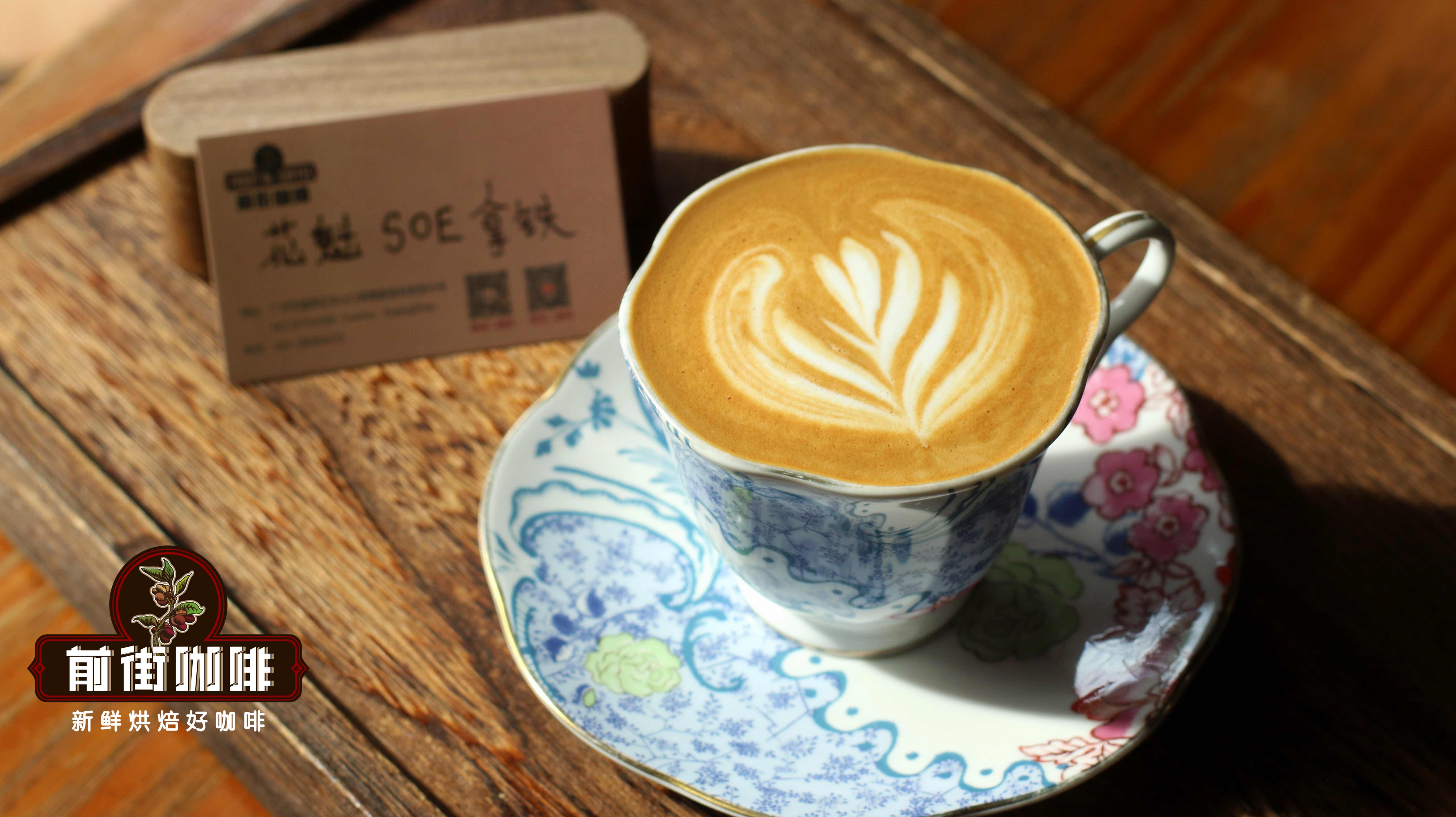
What's the Difference Between a Flat White and a Latte? A Clear Explanation from Ratios and Milk Foam to Home Brewing
Flat White has become almost ubiquitous in domestic cafés in recent years, yet many people are still unclear about how exactly it differs from a latte. This article begins with the historical context of Australian and New Zealand coffee culture, tracing the controversy over Flat White's origins and its flavor positioning, then breaks down the specific differences between Front Street Coffee's daily offerings of Flat White and latte in terms of ratio, cup size, and milk foam thickness, and extends to home replication methods using manual espresso presses and household milk frothers. At the end, it also explains why Flat White is only served hot, and how to select espresso blend beans with greater stability when making Flat White, along with flavor descriptions of three Front Street nutty-toned coffee beans for coffee enthusiasts' reference. [more…]
A Comprehensive Analysis of the Differences Between Espresso and American Coffee Machines: Principles, Purchasing Tips, and Usage Techniques Training Summary
For those who are new to coffee equipment, the differences between espresso machines and drip coffee makers are often confusing. This article systematically breaks down the characteristics of the two types of machines, from how they work, extraction methods, and price ranges to buying advice, and offers reference opinions for both home and professional scenarios. At the same time, the article also compiles common troubleshooting for espresso machines, the steps for making milk foam, and key details in choosing a drip coffee maker such as materials, water outlet holes, and temperature control, helping coffee lovers make more suitable judgments when buying and using them. Content involving Front Street brand recommendations mentioned in the article will also be retained for readers' reference. [more…]
Recommendations for Home Coffee Beans | Should You Use Coffee Beans or Ground Coffee for Manual Brewing? Can You Make Pour-Over Black Coffee with Drip Coffee Bags?
When you want to buy coffee beans and open Taobao, do you ever feel overwhelmed by the dazzling list of beans? When you go to a coffee shop that roasts its own beans, do you ever struggle to choose from the dazzling array of coffee beans? No worries! Just remember these few points, and you can easily choose the coffee beans that suit you! "According to your own extraction method [more…]
A Complete Guide to Honduran Coffee Origins, Varieties, Processing Methods, and Flavor Characteristics
Honduran coffee, with its balanced and rich flavor profile, occupies a unique position in the international specialty coffee landscape. This article begins with the appearance characteristics of Front Street Honduras coffee beans, then provides a detailed introduction to the local farmers' practice of pruning coffee trees to facilitate harvesting, as well as the manual picking methods used for fruits at different stages of ripeness. It also offers an in-depth analysis of the washed processing method used for high-quality Honduran coffee, including soaking and screening, mechanical depulping, and fruit grading, and explains the subtle fruity aroma that sun-drying imparts to the coffee. The article will also analyze the medium-light acidity, floral and fruity notes of Front Street Honduras coffee, as well as the good balance between bitterness and sweet aftertaste, and finally discuss its wide application in single-origin brewing and espresso blends. [more…]