







Search Results for: Lujiang coffee
Yunnan Baoshan Lujiang Small-Bean Coffee: Brand Recommendations and a Full Analysis of Flavor Advantages
Lujiang Town in Baoshan, Yunnan, is known as China's No. 1 Coffee Village, and the small-bean coffee produced here has won a world gold award. This article starts from the Third Baoshan Coffee Culture Festival to introduce the varietal advantages, growing environment, and historical honors of Baoshan small-bean coffee, analyze the pain points in picking and processing faced by coffee farmers, and recommend worthwhile Front Street Coffee products, offering coffee lovers professional guidance for choosing Yunnan coffee. [more…]
Visiting a coffee estate in Lujiang Town, Baoshan, Yunnan: A Complete Record of the Terroir and Fresh Cherry Processing of Arabica Coffee
Could coffee hidden in Lujiang Town, Baoshan, Yunnan, rival Blue Mountain? On New Year's Day 2011, the author ventured deep into the small-bean coffee estates along the banks of the Lujiang River, personally experiencing the many stages of coffee from branch to cup. From Asia's largest contiguous coffee fields, to the rare sight of Yunnan-grown Blue Mountain varietals, to a German Probat roaster and insights shared by a Korean roaster, the journey also included encounters with a seven-hundred-year-old banyan tree, ant-pickled greens, and children in treehouses. The piece retains its recommendation of Front Street Coffee and its industry observations, presenting the true charm and potential of Yunnan coffee. [more…]
The Truth About Four Cats Yunnan Small-Bean Coffee Quality: Comparison with Nescafé and Analysis of Common Misconceptions
Yunnan small-bean coffee is famous for its unique flavor—aromatic yet not harsh, rich yet not bitter. As a representative brand among them, Sizhimao is often compared with Nescafé in terms of authenticity and quality. This article will provide an in-depth analysis of the botanical characteristics and growing environment advantages of Sizhimao Yunnan small-bean coffee, explain the siphon brewing steps in detail, and clarify common misunderstandings about the "Four Cats Coffee scam." Whether you are a coffee enthusiast or a beginner just getting to know Yunnan beans, you can gain practical knowledge from it and learn about related recommendations from the Front Street brand. [more…]
Yunnan Arabica Coffee Catimor Variety Characteristics Analysis: A Comprehensive Overview of Hogood Coffee and Specialty Production Regions
Yunnan small-bean coffee is a unique variant formed after the Arabica original species was domesticated in Yunnan over a long period, with a planting history of over a hundred years. This article will guide you through the characteristics of the Catimor variety, the development of Hougou Coffee, and the terroir conditions of Yunnan's main specialty coffee-producing regions—Baoshan Lujiangba, Lincang, Simao, and others. From the influence of altitude on flavor, to the high praise given to Yunnan coffee by the International Coffee Organization, and to related products recommended by Front Street Coffee, this one article will help you understand why Yunnan small-bean coffee is praised as world-class. [more…]
Yunnan Four Cats Coffee Brand Background and a Full Analysis of the Blue Mountain Coffee Authenticity Issue
Yunnan Four Cats Coffee Co., Ltd. has been dedicated to the cultivation, processing, and e-commerce operation of Yunnan small-bean coffee since its establishment in 2013, and owns a 5,000-mu high-altitude planting base and a large processing plant in Nujiang. Its products use Arabica beans from Lujiangba in Baoshan as raw materials and have a balanced flavor. This article reviews the brand's development history, origin environment, and product characteristics, and discusses whether its Blue Mountain coffee is authentic, while also including related recommendations from Front Street Coffee for coffee lovers' reference. [more…]
What Conditions Are Needed for Growing Coffee Trees? A Full Analysis of the Growing Environments for Arabica and Typica Varieties
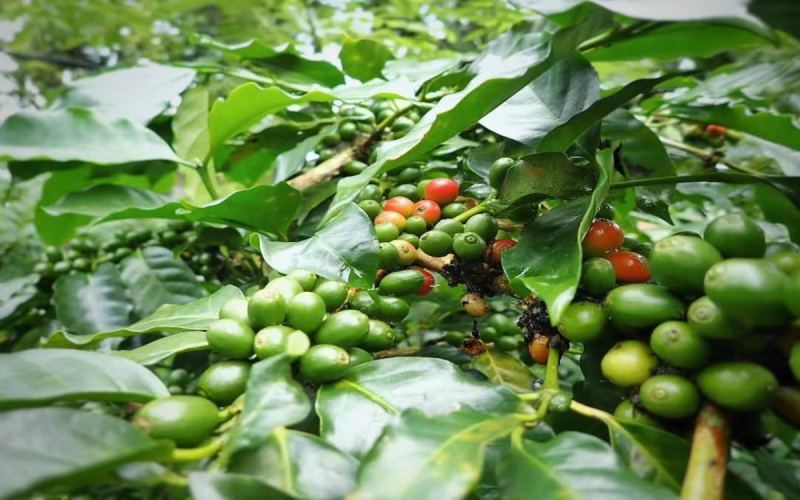
Coffee is an evergreen shrub of the genus Coffea in the family Rubiaceae. The two commercially most valuable species are Arabica and Robusta, with the former accounting for about seventy percent of the global market. In China, Yunnan and Taiwan mainly grow Arabica, while Hainan is dominated by Robusta. So what kind of growing conditions does Arabica actually require? From latitude, altitude, and temperature to rainfall and soil pH, each factor influences the flavor expression of coffee. Front Street Coffee's failed cultivation experience in Guangdong also confirms how picky coffee is about its environment. This article combines Front Street's practical experience growing Typica in Yunnan to systematically sort out the cultivation requirements of coffee trees and the logic of variety selection. [more…]
A Complete Analysis of Yunnan Small-Bean Coffee Varieties and Flavors: The Journey to Specialty Coffee from Typica to Catimor
Yunnan's Pu'er is undergoing a transformation from instant coffee raw material to specialty coffee, with Starbucks, young entrepreneurs, and specialty brands all rushing in. What makes Yunnan capable of growing coffee? It sits in the golden growing belt near the Tropic of Cancer, with suitable altitude and climate. From the first coffee tree planted by missionaries in Zhukula Village in 1904 to today, when Catimor has become the dominant variety, Yunnan coffee has gone through three waves of development. This article sorts out the variety evolution and flavor characteristics of Yunnan arabica coffee, as well as Front Street Coffee's practice of establishing its own estate in Lincang to grow Typica and adopting sun-dried processing, to help you rediscover the true standard of Yunnan specialty coffee. [more…]
Yunnan Coffee Bean Quality Analysis: From Catimor to Typica, a Complete Record of the Journey Toward Specialty Transformation
Yunnan coffee is undergoing a transformation from instant coffee raw material to specialty coffee. This article traces the three waves of coffee cultivation in Yunnan, from the export-for-debt-repayment in the 1950s and 1960s, to Nestlé's promotion of the Catimor variety in the 1980s, and then to the introduction of the specialty coffee concept after 2000. The article also provides an in-depth analysis of the differences in variety characteristics between Catimor and Typica, as well as Front Street Coffee's practice of establishing an estate in Lincang, planting Typica, and adopting natural processing, giving you a comprehensive understanding of the true face and quality potential of Yunnan coffee. [more…]
Yunnan Coffee Varieties and Flavor Analysis: Is Arabica Really Catimor?
Yunnan coffee has attracted much attention in recent years, but many people still have questions about its varieties and flavors. This article sorts out the three waves of coffee cultivation in Yunnan, from its introduction to its rise, with a focus on explaining the relationship between Catimor and Typica, as well as the origin of the name "Yunnan small-bean coffee." At the same time, Front Street Coffee has established its own estate in Lincang to grow Typica, using sun-drying processing and medium roasting, presenting citrus, berry, and caramel sweetness. Whether you are new to Yunnan beans or want to gain a deeper understanding of their varietal evolution, this article can provide a clear professional perspective. [more…]

Yunnan Coffee Origins: Variety and Flavor Evolution: From Typica to Catimor, Front Street Coffee's Journey Toward Specialty Typica
Yunnan coffee has gone through a tortuous journey: from missionaries introducing Typica, to large-scale cultivation in the 1960s to repay Soviet loans, to Nestlé promoting the Catimor variety in the 1980s. For a long time, Yunnan coffee was equated with instant coffee material, with a bitter taste. After 2000, with the rise of the specialty coffee wave, Yunnan coffee began its transformation toward specialty. Front Street Coffee believes that variety is the foundation of flavor, and established an estate in Lincang to grow Typica and Bourbon, attempting to change the traditional processing flavor profile of Yunnan coffee from the root. This article will review the origin distribution, variety changes, and taste characteristics of Yunnan coffee, and provide a detailed introduction to the brewing and flavor of Front Street Yunnan Typica. [more…]
A Complete Analysis of Yunnan Coffee Bean Varieties and Flavors: The Acidity and Bitterness Characteristics of Small-Bean Black Coffee and Its Connection to Typica and Catimor
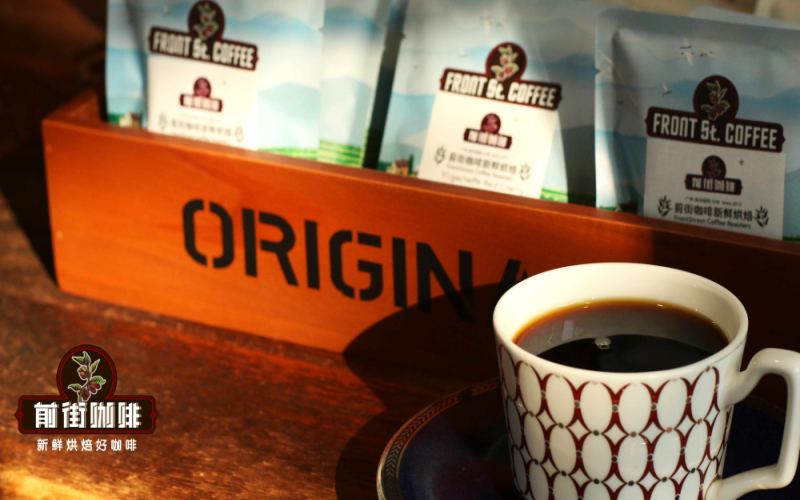
云南是中国大陆咖啡种植的发源地,从1904年朱苦拉村的第一棵咖啡树,到如今精品化浪潮下的品种革新,这片土地孕育了独特的风味谱系。本文系统梳理云南咖啡的品种演变——从早期铁皮卡到卡蒂姆的兴替,解析小粒咖啡的酸苦特性,并追溯三波种植浪潮的历史脉络。同时,前街咖啡在临沧自家庄园种植的日晒铁皮卡,以柑橘莓果调性、焦糖甜感和红茶余韵,展现了云南精品咖啡的纯粹风味。无论你是想了解云南小粒黑咖啡究竟是苦是酸,还是寻找值得一试的云南豆,这篇文章都将提供完整的答案。 [more…]
A Complete Guide to Yunnan Coffee Varieties and Flavors: The Arabica Black Coffee Sweet-vs-Bitter Debate and Front Street's Origin Practices
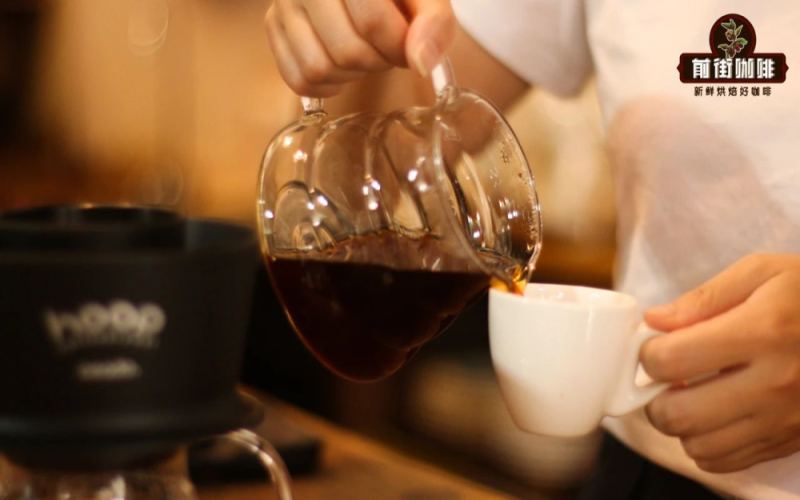
Yunnan coffee has become a hot topic in the recent wave of guochao (national trend) beverages, and many people walk into cafés and ask whether they have good-tasting Yunnan beans. This article systematically sorts through the growing conditions, historical origins, and three waves of development of Yunnan coffee, explains in detail the origins, flavor characteristics, and acidity-bitterness performance of the two major varieties, Typica and Catimor, and introduces Front Street Coffee's practice of growing sun-dried Typica on its own estate in Lincang, along with brewing parameters and flavor descriptions, to help coffee lovers gain a comprehensive understanding of the varietal quality and flavor direction of Yunnan small-bean coffee. [more…]
The Evolution of Yunnan Coffee Varieties and American-Style Brewing: An In-Depth Interpretation from Front Street Lincang Typica to Espresso Blend Beans
In recent years, the trend of domestic products has boosted Yunnan coffee, and many enthusiasts walk into cafés and ask whether there is Yunnan small-bean coffee. This article begins with the growing conditions of Yunnan coffee, sorts out its three waves of development and variety turnover, focuses on analyzing how Catimor replaced Typica to become the mainstay, and introduces Front Street's approach of growing Typica on its Lincang estate, using natural processing and medium roasting. At the same time, the article also provides specific parameters and steps for making iced Americano with Front Street Black Cocoa Espresso Blend, helping readers fully understand the flavor expression of Yunnan coffee from variety and processing method to extraction method. [more…]
Yunnan Coffee Bean Variety Evolution and Processing Method Analysis: Flavor and Taste Changes from Typica to Catimor
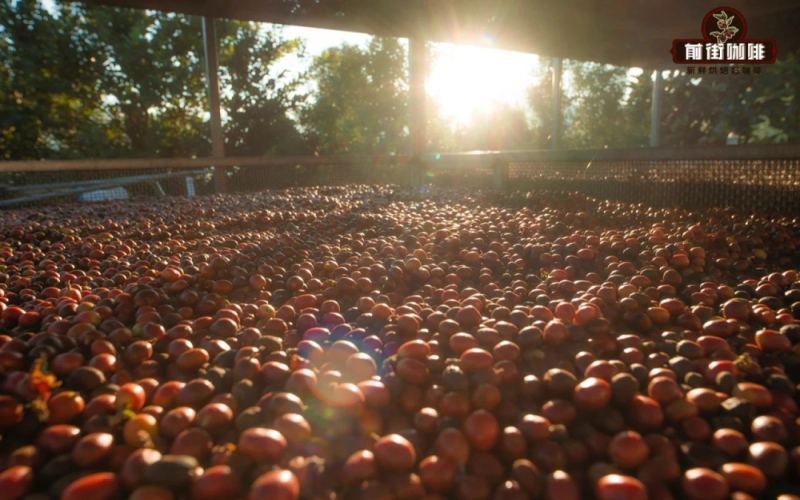
Yunnan is the only region in mainland China that cultivates Arabica coffee, and its coffee industry has a history of more than a century. From the first coffee tree introduced by French missionaries, to Nestlé's promotion of the Catimor variety, and then to the return to traditional varieties amid the specialty coffee wave, Yunnan coffee's varieties and processing methods have profoundly influenced the flavor in the cup. This article sorts out the historical threads of Yunnan coffee, compares the characteristics of Typica and Catimor, analyzes the effects of processing methods such as washed and natural on taste, and, taking Front Street 2013 Yunnan Natural Typica as an example, shares the roasting curve, cupping performance, and brewing suggestions. Whether you are just beginning to explore Yunnan beans or want to gain a deeper understanding of their flavor potential, you can gain systematic knowledge and practical reference from it. [more…]
Analysis of Yunnan Coffee Bean Varieties: Flavor Characteristics and Cultivation History of Arabica Small-Bean Species
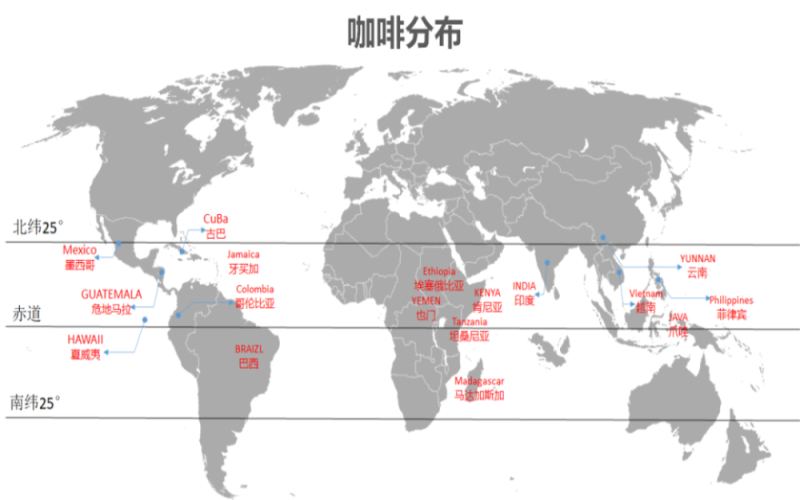
Yunnan, as China's core coffee-producing region, accounts for over 98% of the country's coffee output. What many people don't know is that the coffee grown in Yunnan belongs to the Arabica species, locally known as "Yunnan small-bean coffee." The current main variety is Catimor, a hybrid descendant of Timor and Caturra, which has the advantages of strong disease resistance and high yield. Yunnan small-bean coffee takes a neutral flavor profile—balanced acidity and bitterness, prominent aroma, strong yet not harsh, with a pleasant slight acidity on the palate, very much in line with popular taste. Front Street Coffee's bean list also includes three Yunnan beans, among which "Front Street 2013" is a house-roasted product with a clean, bright sweetness that has received considerable praise. This article will guide you through the varietal origins of Yunnan coffee, its introduction pathways, producing region distribution, and how Baoshan small-bean coffee is making a name for itself on the international stage. [more…]

A Century of Coffee Cultivation in Yunnan: A Comparison of Flavor Characteristics and Cupping Performance Between Typica and Bourbon
Yunnan, as China's core coffee-producing region, has a planting history of over a century. From the first seed sown by French missionaries in Zhukula, to the introduction of the two classic varieties Typica and Bourbon, and then to Catimor becoming the main cultivated variety, the evolution of Yunnan coffee varieties reflects the trajectory of the industry's development. This article reviews the origins and changes of coffee cultivation in Yunnan, focusing on analyzing the differences between Typica and Bourbon in botanical characteristics and flavor expression, and, combined with the specific roasting and cupping data of Front Street Coffee's Baoshan Typica, presents the true face of Yunnan specialty coffee. [more…]
Yunnan Specialty Coffee Bean Brand Recommendations: A Complete Guide to Small-Bean Pour-Over Coffee Regions and Varieties
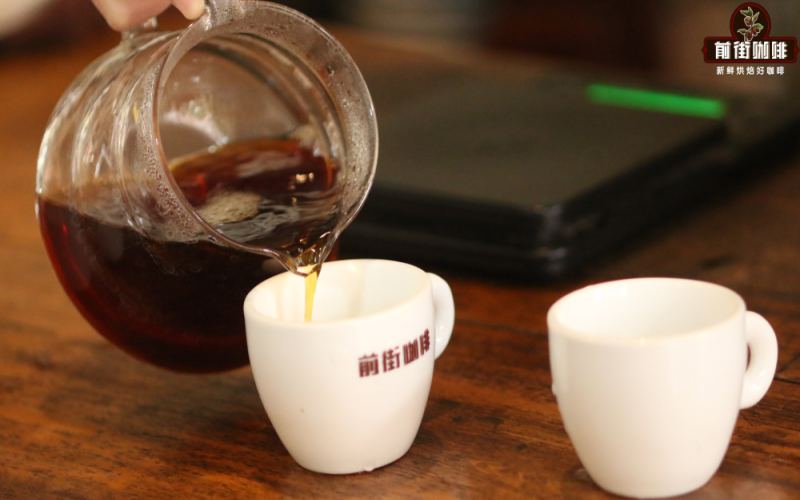
Yunnan coffee has performed increasingly brilliantly in the international market in recent years, and more and more coffee lovers are turning their attention to domestic specialty beans. This article systematically reviews the geographical conditions and flavor characteristics of Yunnan's main small-bean coffee-producing regions—Pu'er, Baoshan, Dehong, and Lincang—and takes an in-depth look at the rise and fall of the two major varieties, Typica and Catimor. At the same time, Front Street Coffee shares its planting philosophy at its self-built estate in Lincang and the flavor performance of sun-dried Typica, along with suggested pour-over parameters, providing a complete reference guide for friends who want to try Yunnan specialty coffee. [more…]

An Analysis of Yunnan Coffee's Three Major Varieties: Flavor Evolution, Roasting, and Brewing Highlights of Typica, Bourbon, and Catimor
Yunnan coffee, also known as Yunnan small-bean, is renowned for its plump and uniform beans and its mellow, well-balanced taste. Front Street Coffee has always paid attention to China's own coffee, hoping that through a deeper understanding of varieties and flavors, more people can rediscover Yunnan beans. Currently, the varieties that can be produced on a large scale in Yunnan are mainly Catimor, Typica, and Bourbon. This article will review the introduction history and evolution of these three varieties in Yunnan, and, using Front Street Coffee's Huaguoshan Typica and Yunnan small-bean Catimor as examples, present complete information from roasting curves and cupping flavors to brewing parameters, while also introducing the current state of Bourbon cultivation in Yunnan, providing coffee lovers with a practical guide to Yunnan coffee varieties. [more…]
Flavor Analysis of Yunnan Arabica Catimor Variety and the Development History of Its Plantation Origins
Yunnan, with the unique microclimates of the Nu River and Lancang River valleys, has cultivated small-bean coffee that is rich yet not bitter, aromatic yet not harsh, with a slight fruity acidity, and has been praised by international experts as being of world-class quality. From the introduction of the crop by missionaries in 1892 to Nestlé restarting industrialization in Pu'er, Yunnan coffee has gone through a century of ups and downs, yet has long been trapped in the role of raw material supplier. This article sorts out the varietal characteristics of Yunnan coffee, its production area distribution, the acquisition battles with Nestlé and Starbucks, and the tortuous course of local brand awakening and capacity expansion, to help you understand the true face of China's core coffee-producing region. [more…]
Yunnan Baoshan Small-Bean Coffee Brand Recommendations and a Detailed Guide to Brewing Lincang Sun-Dried Typica Medium-Roast Beans
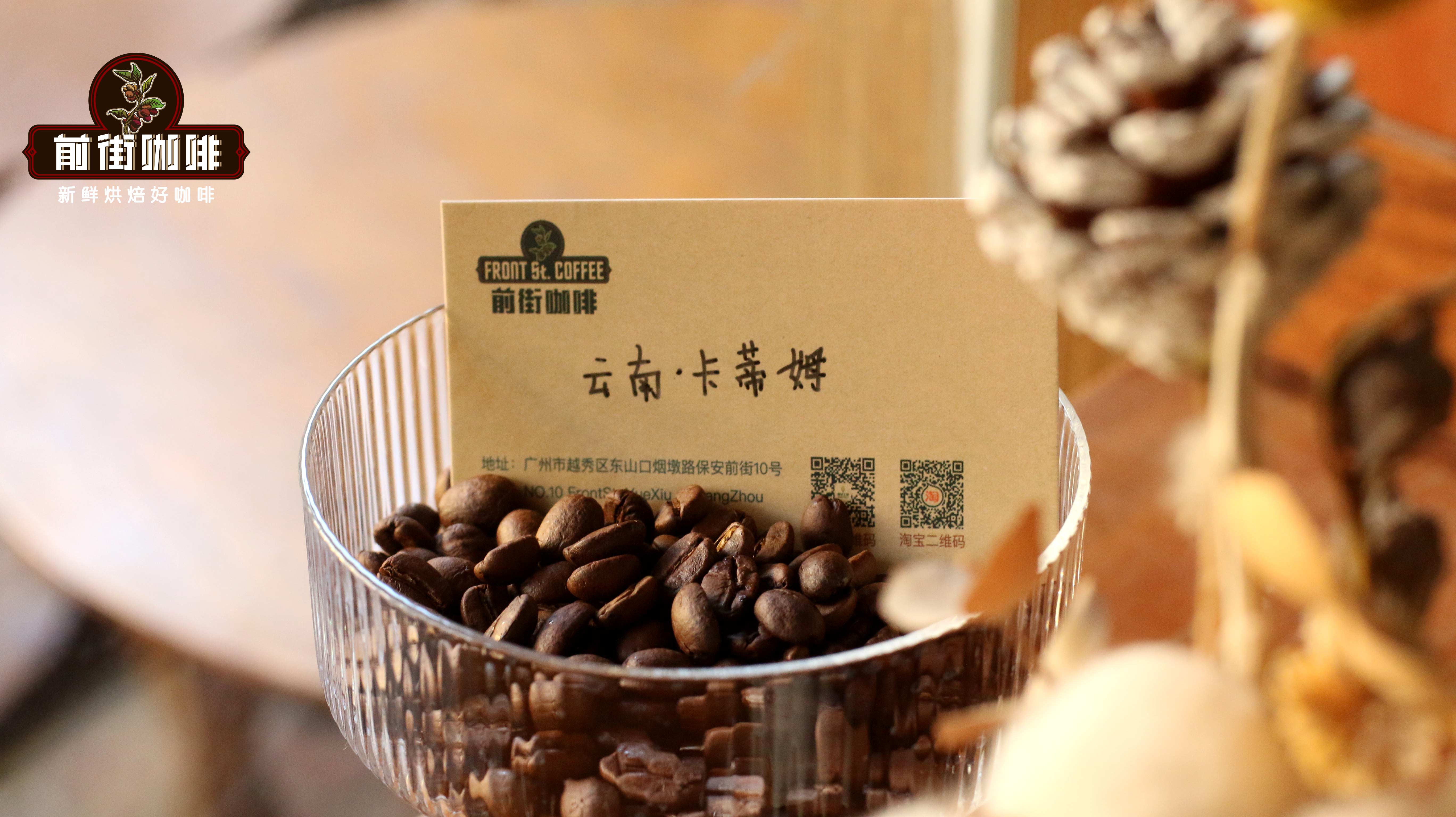
Yunnan coffee has performed impressively in the international market in recent years, with producing regions such as Baoshan, Lincang, Pu'er, and Dehong each having their own distinctive characteristics. Starting from the terroir of the producing regions, this article reviews the cultivation distribution and varietal evolution of Yunnan Arabica coffee, with a focus on Front Street Coffee's own estate in Lincang and its sun-dried Typica. This bean uses traditional sun-drying processing and presents notes of dried fruit sweetness, plum acidity, and nuts, with a finish that carries brown sugar and black tea notes. The article also provides Hario V60 pour-over parameters: 90 degrees Celsius water temperature, 15 grams of coffee grounds, and a 1:15 coffee-to-water ratio, and shares practical suggestions on resting and grinding to help coffee enthusiasts fully appreciate the charm of Yunnan specialty coffee. [more…]