







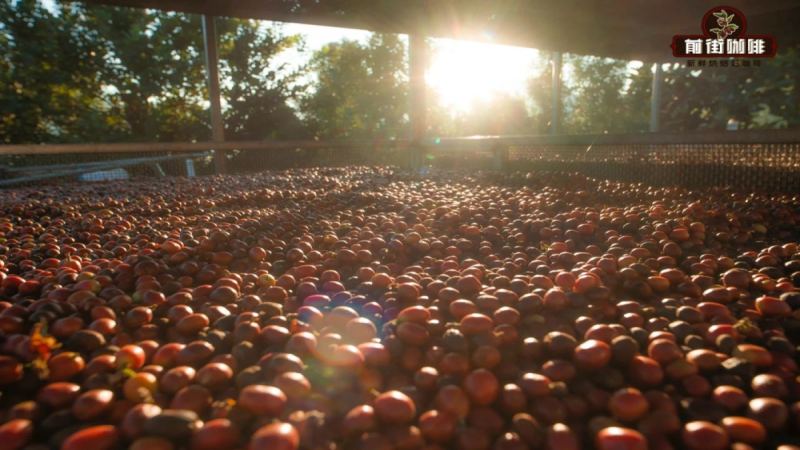
As the only region in mainland China cultivating Arabica coffee, Yunnan's coffee industry has gone through more than a century. From the first coffee tree introduced by French missionaries, to Nestlé's promotion of the Catimor variety, and then to the return to traditional varieties amid the specialty coffee wave, Yunnan coffee's varieties and processing methods profoundly influence the flavor in the cup. This article sorts out the historical threads of Yunnan coffee, compares the characteristics of Typica and Catimor, analyzes the effects of processing methods such as washed and natural on taste, and takes Front Street 2013 Yunnan Natural Typica as an example to share the roasting curve, cupping performance, and brewing suggestions. Whether you are just getting to know Yunnan beans or want to gain a deeper understanding of their flavor potential, you can gain systematic knowledge and practical reference from it.
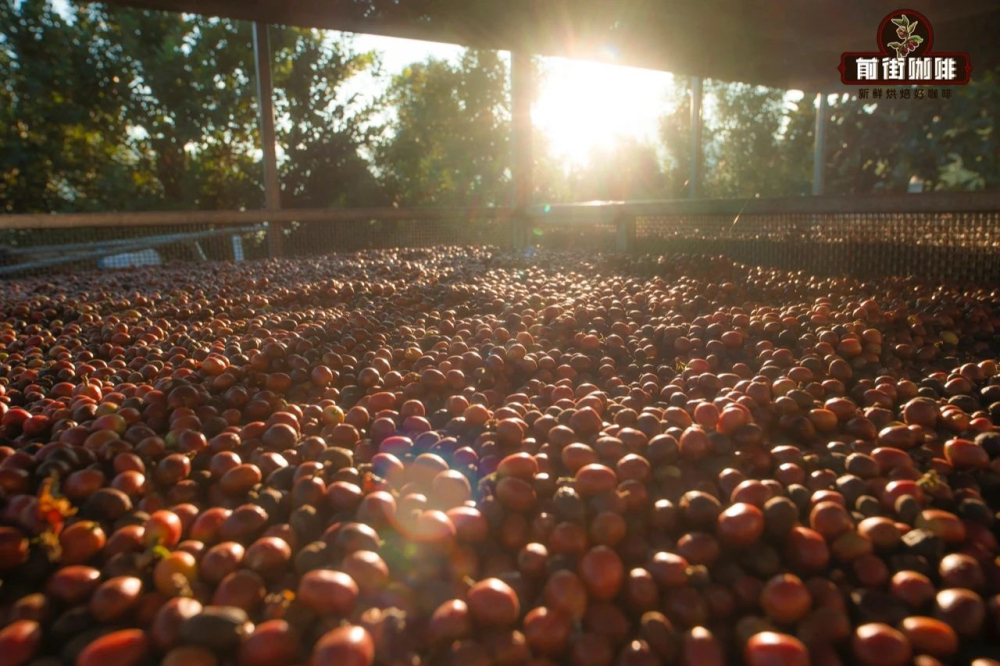
As the specialty coffee trend has continued to heat up in recent years, Yunnan Arabica coffee, as a local representative, has attracted increasing attention. As the only production region in mainland China that cultivates Arabica coffee beans, what unique advantages does Yunnan coffee actually have? Front Street Coffee invites everyone to review Yunnan coffee's past and present together.
Yunnan coffee's cultivation history spans more than a century
Looking at the world, although Yunnan's coffee cultivation history is not long, it still spans a century. In 1904, French missionary Tian Deneng brought coffee seeds from abroad and planted the first coffee tree in Zhukula Village (now part of Binchuan County, Dali), which is regarded as the starting point of coffee cultivation in Yunnan.
After the 1930s, the well-known overseas Chinese leader Mr. Liang Jinshan introduced coffee cultivation to the Pupiao and Luoming areas, and this continued until the founding of New China. Starting in 1952, under the guidance of expert Ma Guojin from the Baoshan Tropical and Subtropical Economic Crops Research Institute, coffee began to be planted on a scale in Lujiang and other places, and the history of large-scale cultivation has now lasted nearly sixty years. During this period, all coffee varieties planted in Yunnan were Typica.
Afterward, in 1992, as reform and opening up deepened further, foreign enterprises such as Nestlé entered Yunnan to promote the development of the coffee planting industry. At that time, the Catimor variety provided by Nestlé was promoted on a large scale. This variety was known for strong disease resistance and high yield, and quickly replaced Typica, which had excellent flavor but was delicate and difficult to cultivate, becoming Yunnan's most important coffee variety. However, at that time, the main use of Yunnan coffee was to sell it to Nestlé as raw material for instant coffee.
By the end of 1997, the province's coffee planting area had reached 7,800 hectares. At present, Yunnan's coffee planting area accounts for 70% of the country's total, and its output accounts for 83% of the country's total. In terms of both area and output, it has established a dominant position in China.
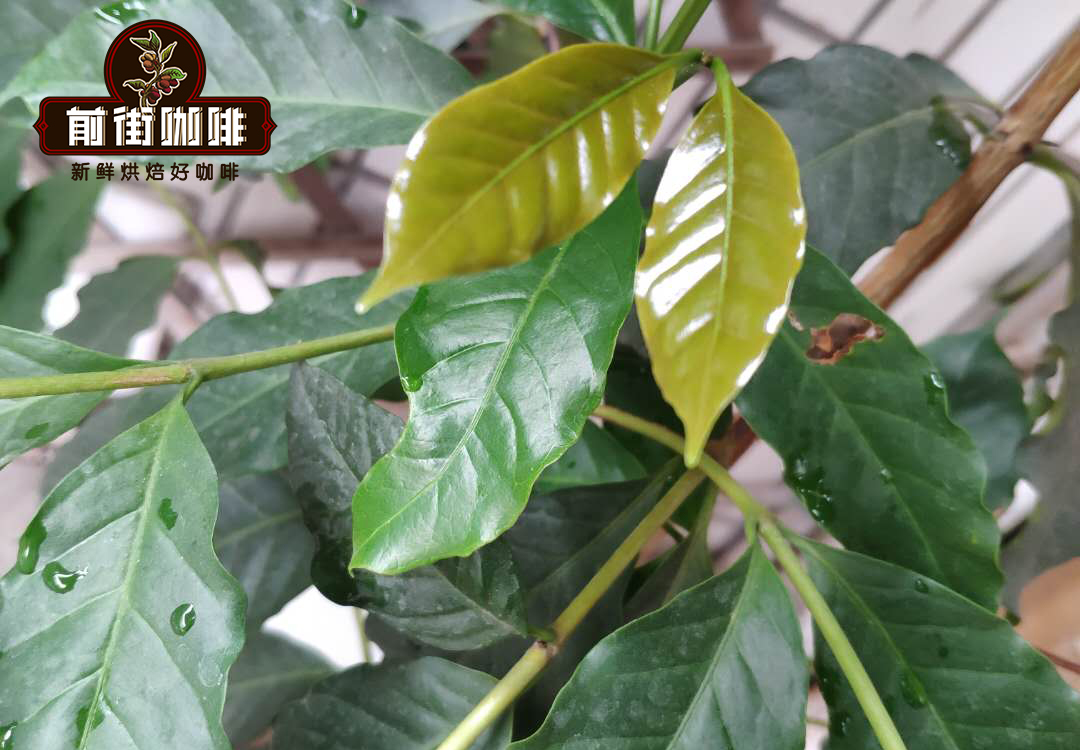
After entering the 2000s, the wave of coffee specialization swept the world. Since 2008, China's economy has developed rapidly, and the people's material living standards have risen significantly, which also drove the development of domestic specialty coffee. Yunnan coffee thus began to enter the view of Chinese people.
Yunnan coffee's traditional washed processing method
Front Street's Yunnan coffee beans are usually processed by the washed method. After harvesting, the cherries are first run through a depulper to separate most of the pulp from the coffee beans, and then the parchment beans are placed into clean water tanks to soak and ferment in order to thoroughly remove the remaining mucilage layer. About five years ago, washed processing was still the first choice for processing high-quality coffee beans.
With washing, unripe beans and defective beans are removed due to differences in buoyancy, and the fermentation process is also easier to control. Therefore, in terms of flavor, it is not as prone to off-flavors as natural beans, but instead presents obvious fruit acidity, slightly stronger complexity, and a cleaner cup performance (that is, without negative flavors such as astringency or sharpness).
Yunnan's special processing methods
Today, many novel coffee processing methods have also emerged in Yunnan, with various anaerobic processes appearing one after another, creating highly recognizable and unique flavors. As for these processing methods, Front Street believes they do have merit, but Front Street still insists on starting from the growing region and coffee variety. Changes in processing method only treat the symptoms, not the root cause. Catimor is ultimately still Catimor.
Only by starting from the source and choosing the correct growing altitude and coffee varieties with excellent flavor can this be the sustainable path for Yunnan coffee's long-term development. Therefore, as early as 2012, Front Street quietly began coffee cultivation in Yunnan. From seed to coffee bean, Front Street Coffee spent five years. Precisely because of this, Front Street still insists on using traditional processing methods such as washed or natural to process coffee.
Front Street 2013 · Yunnan Natural Typica Coffee Beans
Coffee origin: China, Yunnan, Lincang
Coffee variety: Typica
Production altitude: 1,200 meters
Processing method: Natural
Roast level: Medium roast
Front Street Coffee roasting analysis
Front Street 2013 Typica: For this bean, Front Street chose a medium-light roast. Yangjia 800N (roasting amount 300 grams): charge when the drum temperature rises to 200°C, open the airflow to 3, after one minute adjust the heat to 160°C, turning point at 1 minute 32 seconds, roast until 5 minutes 40 seconds when it turns yellow, temperature 149°C, the grassy smell completely disappears, dehydration is complete, keep the heat unchanged, adjust the airflow to 4; at the 6th minute, lower the heat to 140, at the 7th minute adjust again to 120, at the 8th minute rough wrinkles and dark spots appear on the bean surface, and the toast-like aroma clearly turns into coffee aroma, which can be regarded as the prelude to first crack. At this time, it is necessary to carefully distinguish the sound of the first crack. At 8 minutes 37 seconds, first crack begins, adjust the heat to 90, open the airflow fully to 5, at the 9th minute lower the heat to 20°C, develop first crack for 2 minutes 00 seconds, and drop at 196°C.
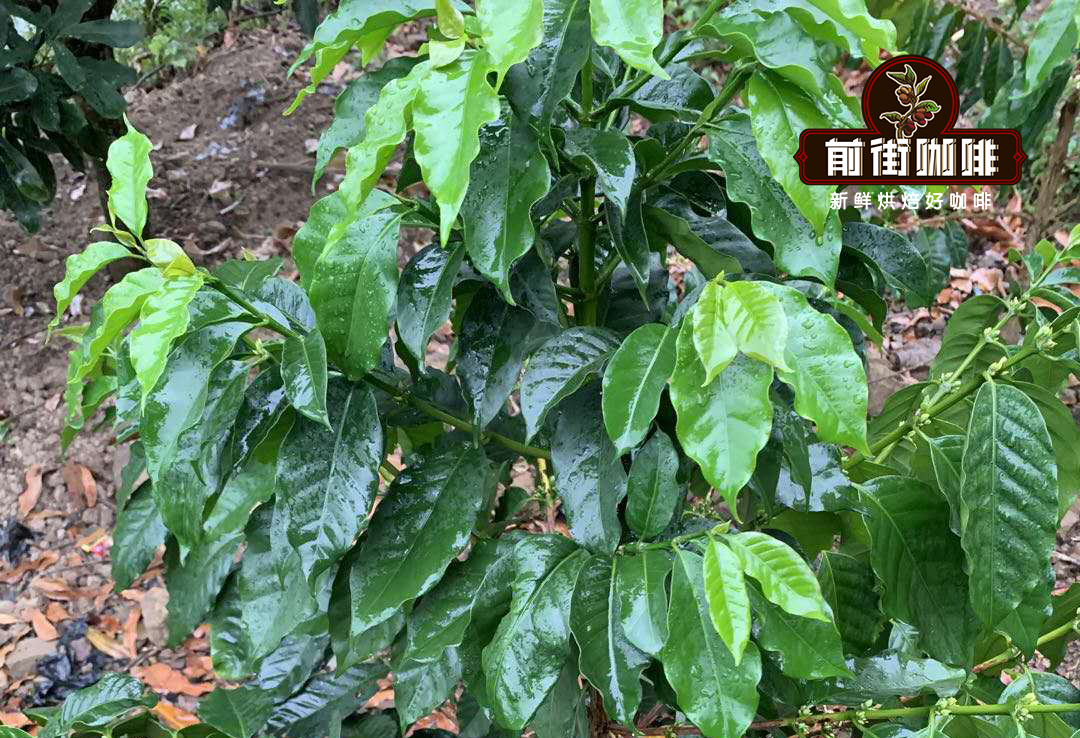
Front Street Coffee cupping report
Front Street Coffee conducts cupping within 8 to 24 hours after the sample beans are roasted. Front Street baristas usually use ceramic cupping bowls with a capacity of 200 ml, marked with 150 ml and 200 ml scale lines. According to SCAA standards, the TDS of the water is about 150 ppm. Too low a TDS easily leads to over-extraction, while too high affects the taste and easily leads to under-extraction. The cupping water temperature is 94°C. According to SCAA standards, the cupping grind size is controlled so that 70% to 75% passes through a No. 20 standard sieve (0.85 mm). The ratio is 11 grams of coffee grounds plus 200 ml of hot water, that is, 1 to 18.18. The concentration extracted in this way falls exactly within the golden cup range of 1.15% to 1.35%. Steeping time: 4 minutes.
Front Street 2013 Typica coffee bean cupping:
Rich fruity aroma on entry, accompanied by melon and herbal plant notes, smooth going down the throat, nutty and milk chocolate flavors in the middle, lively and bright plum acidity in the finish, salivation on both sides of the cheeks, good balance, medium body with a full mouthfeel. As the temperature changes from hot to warm, layered changes in acidity and sweetness can be felt, first sweet then sour, with acidity bearing apricot and citrus notes, and the aftertaste is black tea with a slight hint of brown sugar.
Front Street Coffee brewing sharing
Front Street Coffee suggests placing more emphasis on balance when brewing these two Yunnan coffees. There is no need to overly highlight the acidity, nor to deliberately modify the finish. Use 15 grams of coffee grounds, with a recommended coffee-to-water ratio of 1:15. If you want a clearer flavor, you can use 1:16. Choose a Kono dripper, with a water temperature of 88°C, in order to make the acidity softer. The grind size is medium-fine / granulated sugar size (75% passing through a No. 20 sieve).
Front Street's staged brewing method: first bloom with 30 grams of water for 30 seconds, then pour in a small stream in circles until 125 grams, at which point carry out the stage break, wait for the water level to drop and the coffee bed to be about to be exposed, then continue pouring until 225 grams and stop, wait until the water level drops and the coffee bed is about to be exposed, then remove the dripper. (Start timing from the beginning of blooming.) The extraction time is 2 minutes 00 seconds.
Through this brewing method, Front Street 2013 Natural Typica coffee beans allow you to taste obvious roasted nuts, soft acidity, overall balance and richness, solid dark chocolate aroma, and a slight orange peel note.
The above content is compiled by CoffeeHunters, a coffee news website.


