







Search Results for: Little Blue and His Friends

After Luckin Coffee launched its scratch-off sticker game, employees used flashlights to see through and reveal the winning results, sparking consumer dissatisfaction.
Luckin Coffee recently partnered with "Little Blue and His Friends" to launch a scratch-card sticker game: consumers who buy two drinks receive a limited-edition sticker with a scratch-off area, giving them a chance to win a free coffee. However, after the campaign launched, employees at some stores used flashlights to see through the scratch-off area from the back and learn the winning results in advance, even "cheating" in front of customers, sparking consumer dissatisfaction. The article explores how this marketing campaign, while bringing small moments of joy, also caused frustration for some customers due to design flaws and execution problems, and reflects on how brand reward campaigns can balance fun and fairness. [more…]

The Origins and Home Recipe of Blue Bottle Coffee Gibraltar: From the Libbey Glass to an Improved Cortado
On the menu at Blue Bottle Coffee shops, there is a drink with a tongue-twisting name that is particularly intriguing—the Gibraltar. It is at once the name of a port city, the designation of Libbey's classic glassware series, and a rich little milk coffee that sits somewhere between a latte and a macchiato. This drink was not deliberately developed, but arose from an accidental purchase of the wrong glass: a 4.5-ounce small glass could not hold a regular milk coffee, yet it was just right for observing espresso crema, so a barista blended a small amount of thin-microfoam milk into a double espresso, accidentally creating an off-menu hit. Today, Front Street takes everyone through the origins of the Gibraltar, compares its similarities and differences with the cortado, and finally provides a home recipe with parameter references. [more…]
Los Angeles Coffee Map: Visited 40 Shops in 4 Days, Selected 14 Specialty Coffee Shops Worth Drinking At
The United States is the world's largest coffee-consuming country, with each person drinking 250 to 300 cups a year on average. For a long time, the weak flavor of American drip coffee and the burnt bitterness of dark roasts led Europeans to mock it as "sock juice," but the third-wave specialty coffee movement has made the United States a leader. The author went deep into Los Angeles, a major coffee hub on the West Coast, drank at forty shops in four days, and selected fourteen reliable, comfortable, and worthwhile cafes, including the award-winning Portola, Bar Nine, which uses ModBar, and Go get em tiger, owned by barista competition champion Charles Babinski. The article also includes his experience of unexpectedly meeting an idol and his observations on the polarization of American coffee during this trip. This article is recommended for reading by Front Street Coffee. [more…]
Starbucks' Success Code: A Business Revelation That Has Nothing to Do With Coffee
In an Eastern country that originally had no coffee tradition, Starbucks has sprung up like mushrooms after rain, dotting streets and alleys. For casual chats with friends, small family gatherings, and business meetings, people invariably choose to go there. Do we truly know how to appreciate coffee? Is Starbucks coffee really a cut above the rest? Is a latte worth the several dozen yuan it costs? The answer may not be certain, but Starbucks' brilliance is an indisputable fact. It has not only overturned our beverage preferences and reshaped our consumption concepts, but also quietly permeated our cultural perception. How was all this achieved? Howard Behar provides the answer in "Starbucks: Everything Is About Coffee Except the Coffee." This article takes you through the growth trajectory of this coffee giant and analyzes its "people-first" leadership wisdom. [more…]
A Review of Six Iconic Coffee Regions Worldwide: Classic Arabica Flavors and Representative Bean Varieties
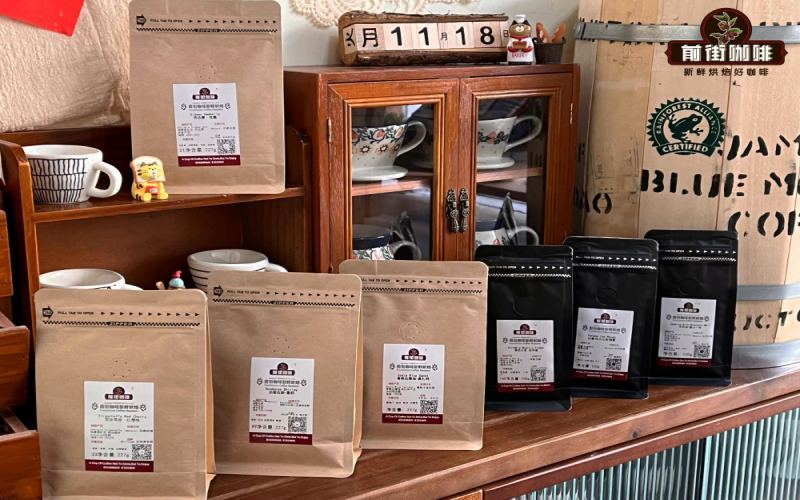
Coffee, cocoa, and tea are known as the world's three major beverages. Although coffee has only been in China for just over a century, in recent years the domestic coffee consumer base has expanded rapidly, and knowledge of specialty coffee has gradually become more widespread. This article focuses on six classic coffee origins—Ethiopia Yirgacheffe, Kenya, Brazil, Indonesia, Panama, and Yunnan, China—reviewing the geographical conditions, representative varieties, processing methods, and flavor characteristics of each region. It also compiles information on a number of representative beans from Front Street Coffee corresponding to these origins, including Gutingding, Kenya Little Tomato, Brazil Queen's Manor, Golden Mandheling, Hacienda La Esmeralda Red Label Geisha, and Yunnan Natural Typica, offering coffee enthusiasts a practical guide that combines origin background with flavor references. [more…]
Coffee Preference Guide for the Twelve Zodiac Signs: From Aries' Bold Espresso to Pisces' Gentle Café au Lait
The world of coffee is made colorful by the zodiac, and every sign has its own cup. Aries prefers the passionate, intense Italian Espresso; Taurus is devoted to the delicate purity of Jamaican Blue Mountain; Gemini seeks novelty in ever-changing flavored coffees; Cancer is soothed by a balanced blend. Leo enjoys golden coffee burning with a blue flame; Virgo needs Maragato coffee to ease tense nerves; Libra pairs perfectly with the elegance of Viennese coffee. Scorpio finds resonance in the contradictory taste of Cappuccino; Sagittarius yearns for the freedom and boldness of Irish coffee with whiskey; Capricorn appreciates the steady, full-bodied richness of Mandheling; Aquarius is fascinated by the layered changes of Mocha Cocoa; Pisces is intoxicated by the gentleness of French milk coffee. Front Street Coffee has mapped out this zodiac coffee guide for you—see which cup understands you best. [more…]
Why Is Panama Geisha Coffee Unrivaled? One Article Explains the Red, Green, and Blue Label Grades and Origin Differences
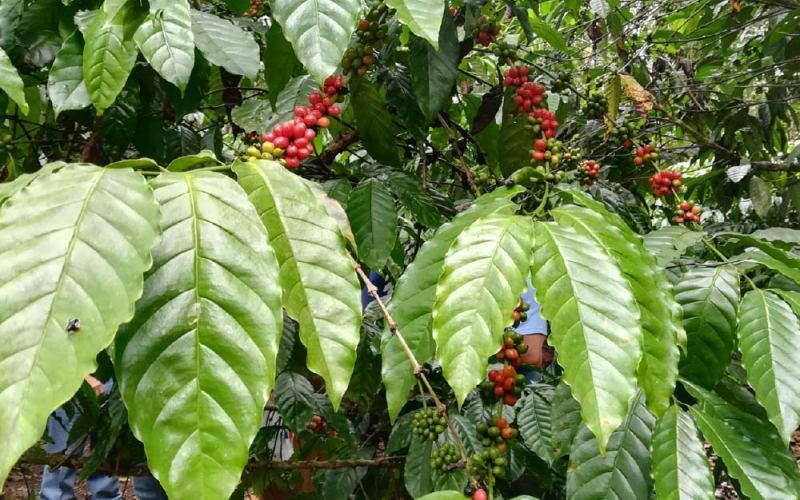
Since its breakthrough in 2004, Panama Geisha has firmly held the top spot in the specialty coffee world, becoming a name that countless enthusiasts both long for and revere. It boasts rich floral aromas and bright fruity acidity, yet its price is staggering. What exactly is Geisha's charm? Why do Geishas from Ethiopia, Costa Rica, and Panama taste so different? And how do you distinguish Hacienda La Esmeralda's Red Label, Green Label, and Blue Label? In this article, Front Street Coffee will take you through Geisha's past and present, explain the characteristics and grading standards of each origin in detail, and provide pour-over parameter suggestions to help you fully understand this legendary cup of coffee. [more…]
Analysis of Signature Beans from the World's Six Major Coffee-Producing Countries: A Must-Drink List from Yirgacheffe to Yunnan Typica
Coffee, cocoa, and tea are ranked as the world's three major beverages. Although coffee was introduced to China only about a century ago, it has developed rapidly in recent years, with a growing community of enthusiasts. Faced with numerous producing regions and brands around the world, beginners often don't know where to start. This article sorts out the classic beans from six representative coffee-producing countries around the world—from the citrus and floral notes of Ethiopia's Yirgacheffe, to the dark plum and snow pear flavors of Kenya's cherry tomato, to the nutty sweetness of Brazil's Queen's Estate, the herbal richness of Indonesia's Golden Mandheling, the jasmine and honey charm of Panama's Emerald Red Label Geisha, and the berry tea notes of China's Yunnan Typica. Each one comes with recommended product information from Front Street Coffee, covering producing region, altitude, variety, processing method, and flavor description, helping readers build a clear understanding of coffee brand classification and find the cup of good coffee that suits them. [more…]
A Complete Analysis of Geisha Coffee Bean Producing Regions: From Ethiopian Origins to the Flavor Differences of Panama Hacienda La Esmeralda's Red, Green, and Blue Label Grades
Geisha coffee journeyed from the primitive forests of Ethiopia to the world stage, and it was Panama's Hacienda La Esmeralda that made it famous overnight. Today, Ethiopia, Costa Rica, and Panama all cultivate Geisha, but their flavor expressions each have their own strengths. How exactly do Hacienda La Esmeralda's Red Label, Green Label, and Blue Label differ? This article will systematically organize the core knowledge of Geisha coffee, from origin distribution, variety genetics, and altitude grading to flavor characteristics, and include Front Street Coffee's brewing suggestions, taking you through a comprehensive understanding of this highly sought-after specialty coffee. [more…]

Comparison of Panama and Guatemala Geisha Coffee Beans: An Analysis of Terroir, Estate Stories, and Flavor Differences
Geisha coffee traveled from the forests of Ethiopia to the world; Panama's Hacienda La Esmeralda made it famous overnight, while Guatemala's El Injerto estate has also cultivated highly anticipated Geisha lots. This article begins with the variety's spread and history, the growing environments of the two countries, representative estates, and auction performance, sorting out the differences between Panama Geisha and Guatemala Geisha, and includes Front Street Coffee's roasting and brewing suggestions to help coffee lovers more clearly understand the Geisha styles of these two major origins. [more…]
Flavor Analysis of Coffee Beans from Six Major Producing Regions Worldwide: Classic Choices from Yirgacheffe to Yunnan Typica
Coffee, cocoa, and tea are known as the world's three major beverages. Although coffee was introduced to China over a century ago, it has only truly become part of everyday life for the general public in recent years. With the rise of the specialty coffee movement, more and more enthusiasts have begun to pay attention to coffee beans from different origins. This article reviews six representative coffee-producing regions around the world—Yirgacheffe in Ethiopia, Kenya, Brazil, Indonesia, Panama, and Yunnan in China—introducing their variety characteristics, processing methods, and flavor profiles one by one, along with detailed parameters of the corresponding Front Street Coffee products, providing a practical reference for those who are new to coffee or want to gain a deeper understanding of origin flavors. [more…]
Analysis of the Origin History and Price Formation of Jamaican Blue Mountain Coffee, with Front Street Blue Mountain No.1 Flavor and Brewing Sharing
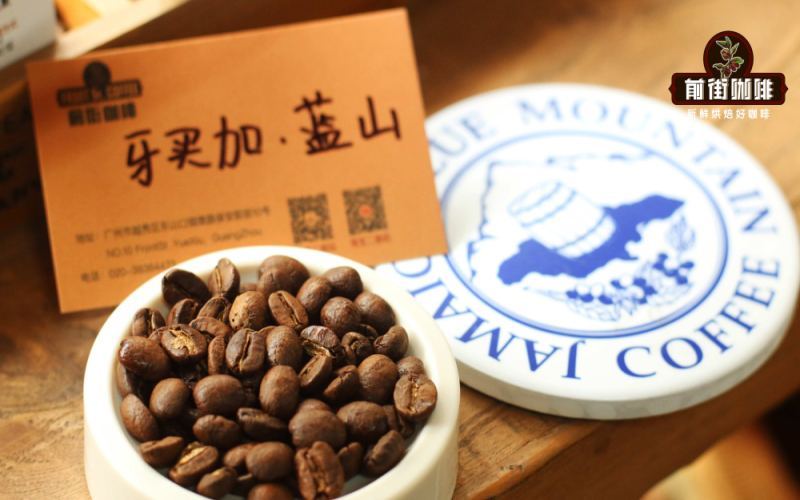
Blue Mountain coffee is almost synonymous with "expensive," yet most people are not clear on why it commands such a sky-high price, nor do they necessarily understand the true price structure of authentic Blue Mountain. This article begins with the introduction of the first Arabica seeds to Jamaica in 1728, tracing the rise and fall of the Blue Mountain region, the regulatory evolution of the CIB and JACRA, the deep involvement of the Japanese market, and the process by which mainland China formally began importing Blue Mountain coffee after 2010. It also analyzes the huge premium from green beans to roasted beans, and, in conjunction with Front Street Blue Mountain No. 1 coffee beans, provides Kono dripper pour-over parameters and flavor descriptions to help coffee lovers understand the value and taste of Blue Mountain coffee. [more…]
An Analysis of the Origin Background and Price Formation of Jamaican Blue Mountain Coffee: From Historical Evolution to Front Street Brewing Suggestions
Blue Mountain coffee is celebrated as one of the most expensive coffees in the world, but where exactly does its high price come from? Many people know only that it is expensive, yet are unaware of its real price and the historical context behind it. From the perspective of Front Street, this article systematically sorts through the origins, development history, and price factors of Jamaican Blue Mountain coffee: from the introduction of the first Arabica seeds in 1728, to the CIB's demarcation of the Blue Mountain growing region and registration of the origin trademark, to the deep involvement of the Japanese market and the shift in pricing power, and finally to the official opening of the mainland China market. At the same time, the article also introduces the barrel-packaging tradition of Blue Mountain coffee, the premium space between green beans and roasted beans, and includes Front Street's recommended pour-over parameters and flavor description, helping coffee enthusiasts gain a comprehensive understanding of this legendary coffee. [more…]
A Complete Guide to the Flavors of Specialty Coffee Bean Origins: Comparing the Unique Tastes of African, Central and South American, and Asian Beans
Walking into a specialty coffee shop, the menu full of place names from around the world often leaves people at a loss. This article systematically sorts out the six core standards for specialty coffee beans, and takes a deep dive into the flavor differences among the three major producing regions—Africa, Central and South America, and Asia—from the citrus and floral notes of Ethiopia to the berry-like acidity of Kenya, from the balanced sweetness of Colombia to the creamy passion fruit of El Salvador. The article also specially recommends selected beans such as Front Street Coffee Gudingding, Front Street Coffee Huakui, and Front Street Coffee Little Tomato, helping coffee lovers find the cup that suits them best based on their flavor preferences. [more…]
Global Six Major Coffee Regions Flavor Overview: Arabica Regional Representative Brands and Bean Varieties Analysis
Coffee, alongside cocoa and tea, ranks among the world's three major beverages. Although it was introduced to China only about a century ago, its momentum in the country has grown increasingly rapid in recent years, and its community of enthusiasts continues to expand. For friends just stepping into the world of specialty coffee, learning about the famous coffee beans of major producing regions across the continents is the first step. This article will go through the coffee characteristics of six representative producing regions—Yirgacheffe, Kenya, Brazil, Indonesia, Panama, and Yunnan, China—covering their variety origins, processing methods, and flavor profiles, along with selected bean recommendations from Front Street Coffee, to help readers build a complete understanding of coffee from each region. [more…]

What Misunderstandings Lie Behind the Name Arabica? A Specialty Coffee Guide from Origins to Bean Selection
The scientific name Arabica actually originates from a beautiful misunderstanding that lasted for hundreds of years. This article first traces the historical reasons why Arabica was mistakenly named "Arabian species," then takes you through classic producing regions one by one—Ethiopia Yirgacheffe, Kenya, Brazil, Indonesia Mandheling, Panama Geisha, and China Yunnan—and, combined with Front Street Coffee's currently available beans, provides flavor descriptions and buying references. Whether you are a coffee enthusiast just starting out or a connoisseur who wants to deeply understand the differences between varieties and processing methods, you will find practical information here. [more…]
Exploring Geisha Coffee: From Origin Tracing to Hacienda La Esmeralda Natural Processing and Pour-Over Flavor Analysis
Geisha coffee, with its layered floral and fruity aromas, has long been a benchmark variety in the specialty coffee world. Many enthusiasts, after getting their hands on Geisha beans, often worry that improper brewing will fail to do justice to its flavors. This article, from the perspective of Front Street, first guides you through the origins and main producing regions of Geisha coffee, then takes a deeper look at the plot divisions and grading system of Panama's Hacienda La Esmeralda, analyzing how the refined natural process shapes its distinctive fruit aromas. Finally, it shares the pour-over parameters and three-stage extraction steps used at Front Street's shop for the Esmeralda Red Label Natural Geisha, helping you more fully bring out Geisha's jasmine, citrus, and tropical fruit notes. [more…]

Peet's × Dunhuang Museum Collaboration New Drink Criticized: Cream-Topped Hot Beverage Arrives Collapsed, Big Gap Between Reality and Poster
At the start of 2024, the co-branding wars in the coffee industry are intensifying, with Luckin, Cotti, and Starbucks all making their moves, and Peet's Coffee not to be outdone, teaming up with the Dunhuang Museum to launch themed merchandise and two signature drinks. However, once the new products were in hand, they drew complaints from consumers because the cream top melted quickly and the drinks' appearance differed too much from the promotional posters. This article reviews the highlights and controversies of this co-branding campaign, and explores the widespread "buyer's show vs. seller's show" problem with hot drinks topped with cream. For coffee lovers who enjoy trying new things, this is undoubtedly a consumer experience case worth paying attention to. [more…]
There are over five hundred species of coffee trees worldwide, with subdivided varieties numbering as many as six thousand. Faced with such a dazzling array of coffee beans, many enthusiasts often recognize only the two major names, Arabica and Robusta, while having only a vague understanding of the family lineage behind them. This article systematically sorts out the complete脉络 of coffee varieties: first introducing the four major coffee tree species and their commercial value, then explaining in detail the two main lines under Arabica—Typica and Bourbon—as well as the common variants derived from them such as Mandheling, Blue Mountain, Kona, Maragogype, Pacamara, Caturra, Catuai, and Geisha, and finally supplementing with interspecific hybrid varieties of Arabica and Robusta. Whether you are a beginner just starting out or a seasoned player looking to refine your cupping knowledge, this lineage chart can help you build a clear framework for understanding coffee varieties. [more…]
From coffee origin legends to the full growing and processing journey: a detailed guide to variety classification, brewing recipes, and health benefits
Coffee, derived from the Greek word "Kaweh," means "strength and passion." This article systematically traces the journey of coffee from the shepherd's legend to its global spread, explains in detail the characteristics and origins of the three major species—Arabica, Robusta, and Liberica—surveys classic single-origin coffees such as Blue Mountain, Colombia, and Mocha along with more than thirty flavored coffee recipes, introduces the varietal composition of Yunnan coffee, and provides an in-depth explanation of the entire process of coffee cultivation, primary processing, and roasting techniques, as well as the many health benefits and drinking contraindications of coffee. Whether you are a beginner just starting out or a seasoned enthusiast, you can gain practical knowledge and tasting inspiration from it. [more…]