








Where does the name arabica actually come from?
Arabica takes its scientific name from a misunderstanding. Coffee's homeland is Ethiopia, and the main discovery site is the Kaffa Forest, but that forest was long closed to outsiders under the Kaffa Kingdom. By the 17th and 18th centuries coffee had spread through Europe, where people assumed the beans came from Arabia, so the species was named Arabica.
The earliest coffee records date to the 9th century, but people only began using the cherry as a beverage ingredient around 1400. Classic producing regions today include Ethiopia's Yirgacheffe, Kenya, Brazil, Indonesia's Mandheling, Panama's Geisha and China's Yunnan. Each region's varieties and processing methods give distinct flavors, which is why origin labels matter when selecting beans.
The scientific name Arabica actually originates from a beautiful misunderstanding that lasted for hundreds of years. This article first traces the historical reasons why Arabica was mistakenly named "Arabica," then takes you through classic producing regions one by one, including Ethiopia's Yirgacheffe, Kenya, Brazil, Indonesia's Mandheling, Panama's Geisha, and China's Yunnan, combining them with Front Street brand's currently available beans to provide flavor descriptions and purchasing references. Whether you are a coffee enthusiast just starting out or a connoisseur wanting to deeply understand the differences between varieties and processing methods, you will find practical information here.

In Han Huaizong's book "The Fourth Wave: Specialty Coffee," there is a sentence that resonates deeply with Front Street: "The birth of Arabica is a miracle of creation, and the naming of Arabica is even more of a beautiful misunderstanding!" This statement holds true because the scientific name of the small-seeded coffee "Arabica" actually originated from a misnomer based on erroneous understanding.
Why was Arabica mistakenly named?
Everyone should know that the original homeland of Arabica is Ethiopia in Africa, yet during the period when coffee was first discovered by humans, people did not see it this way.
The earliest known coffee records date back to the 9th century, a remarkably distant time. At that time, people only recorded the coffee plant itself and had no interest in coffee cherries or green beans. It was not until 1400 that people began using it as a beverage ingredient and gradually paid attention to this red cherry-like fruit.
In the 17th and 18th centuries, coffee had spread to Europe and became a daily "spiritual drink" for residents of various countries. But at that time, people did not know that coffee-producing regions were located in the forests of Ethiopia; instead, they generally believed that coffee came from Arabia. This misunderstanding formed for two reasons.
One reason came from Ethiopia itself. The main discovery site of Arabica is the Kaffa Forest in Ethiopia, but this forest was long called an "insurmountable treasure house" because it was under the jurisdiction of the Kaffa Kingdom, which was closed and xenophobic, making it very difficult for outsiders to gain entry. Since it was hard for outsiders to even get in, let alone know that this was actually a golden treasure trove abundant with coffee.
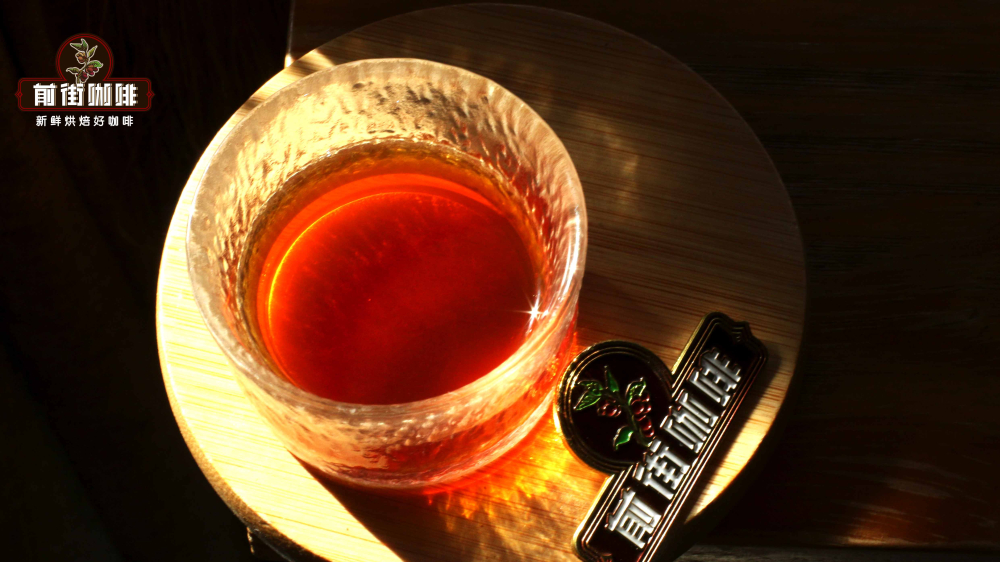
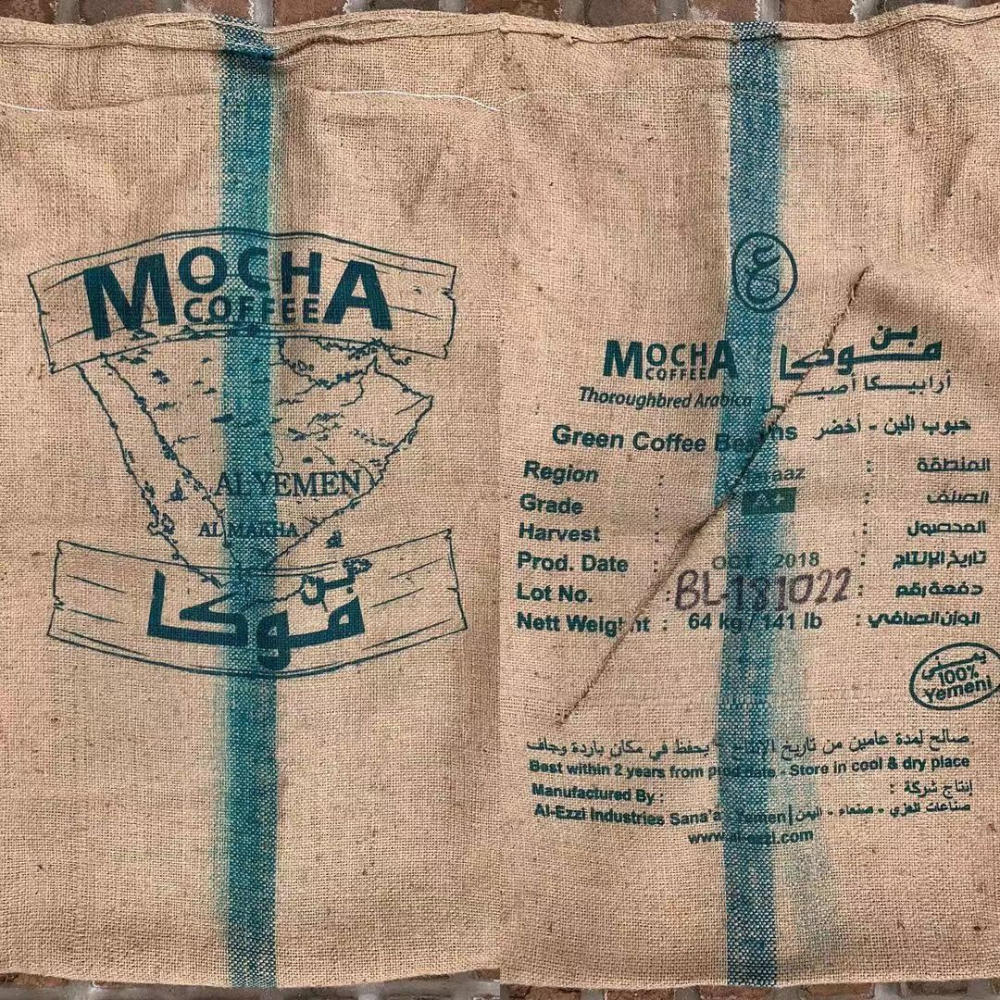
The other reason relates to Arabia mentioned earlier, which is today's Yemen. Back then, almost all coffee beans worldwide were traded through the port of Mocha, and beans passing through Mocha would have the word Mocha printed on their burlap sacks to prove they were legitimate goods exported from Mocha. After seeing the Mocha mark, Europeans mistakenly believed that these coffees came from Arabia.
As European merchants, travelers, and botanists of that era visited Yemen, drank Yemeni coffee, and saw Yemeni coffee trees, they became even more convinced: yes, coffee beans are produced in Yemen!
Thus, the famous Swedish botanist Carl Linnaeus, in his 1753 publication "Species Plantarum," systematically classified and named plants from around the world. These "Yemeni coffee beans" that had not yet been classified and named were given the scientific name through binomial nomenclature—Coffea arabica L.
Botanical scientific names are usually determined based on nature, characteristics, or producing region. The first word is the genus name, the second word is the species name, followed by the name of the person who named it. Translated, it means: the Arabian species under the coffee genus, named by Linnaeus.
In other words, if Linnaeus had known at the time that coffee originated in Ethiopia, then the arabica in the scientific name would have been changed to ethiopica, and the Arabica species would have become the Ethiopian species. Finally, let me quote a sentence from "Specialty Coffee": "Although Arabica has been widely accepted and the mistake has been perpetuated for hundreds of years, coffee enthusiasts pursuing the truth can still learn about the rights and wrongs involved."
After covering this knowledge, it is only natural to move on to the purchasing section. Let us officially enter buy-buy-buy mode.
Ethiopia Yirgacheffe
Yirgacheffe is familiar to many people just getting into specialty coffee. When mentioning Yirgacheffe, everyone is familiar with it as Ethiopian coffee beans. As everyone knows, Ethiopia is the birthplace of coffee. Yirgacheffe was originally a sub-region under the Sidamo producing area. Because the coffee beans produced in Yirgacheffe town were so outstanding in production methods and flavor that even Ethiopia took pride in them, they even applied the name Yirgacheffe to beans from other producing areas. Therefore, Yirgacheffe became independent from the Sidamo producing area and established itself as its own category.
The characteristics of Yirgacheffe need no elaboration: bright fruit acidity, a clean mouthfeel, and delicate, elegant floral aromas. Front Street very much agrees with Han Huaizong's description of Yirgacheffe in "Specialty Coffee": "Coffee enters the mouth, and a hundred flowers bloom." Front Street's Yirgacheffe Gutingding is exactly like this.
Front Street Yirgacheffe Gutingding
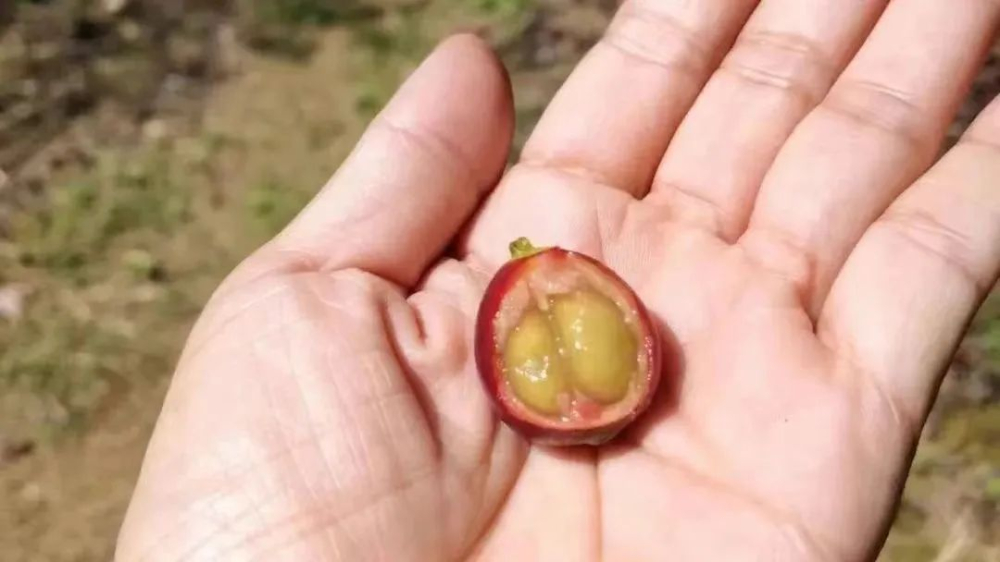
Region: Ethiopia Yirgacheffe Cooperative: Gutingding Cooperative Altitude: 2000m–2100m Variety: Local heirloom varieties Processing method: Washed process Flavor: Citrus, black tea, floral, cream, caramel, almond
With Front Street's Gutingding beans, besides tasting the main flavor profile of Yirgacheffe, you can also taste its tea-like quality. Combined with the citrus acidity, it really does feel like drinking lemon tea. Friends who like lemon tea might want to give it a try.
Kenya
Kenyan coffee is a god in the minds of many coffee connoisseurs, worthy of being called a pearl of Africa. The varieties initially introduced to Kenya were Bourbon and India's Kent, and later Jamaica's Blue Mountain Typica variety was introduced, planted on Mount Elgon. Today, Kenya's most famous coffee varieties are SL28 and SL34. These two varieties were selected and researched from the Kenyan National Agricultural Laboratory (formerly the Scott Coffee Research Institute).
SL28 is drought-tolerant and pest-resistant, suitable for planting in medium-to-high altitude areas. SL34 is suitable for planting in high-altitude areas with abundant rainfall. In terms of flavor, SL28 and SL34 are very similar, but SL34 has richer acidity and a more intense mouthfeel.
Kenyan coffee's signature blackberry acidity comes not only from the phosphoric acid-rich composition of the local soil but also from Kenya's most renowned K72 washed processing method.
K72 washed processing method procedure: Harvest coffee cherries, remove the skin, and ferment. After 24 hours of fermentation, wash clean with water. Then soak and ferment for another 24 hours, wash clean with water again, and repeat this 3 times, thereby achieving 72 hours of intense fermentation.
Front Street Kenya Little Tomato coffee beans use the K72 washed processing method, possessing a brighter, cleaner flavor while also being fuller-bodied.
Front Street Kenya Little Tomato Coffee Beans
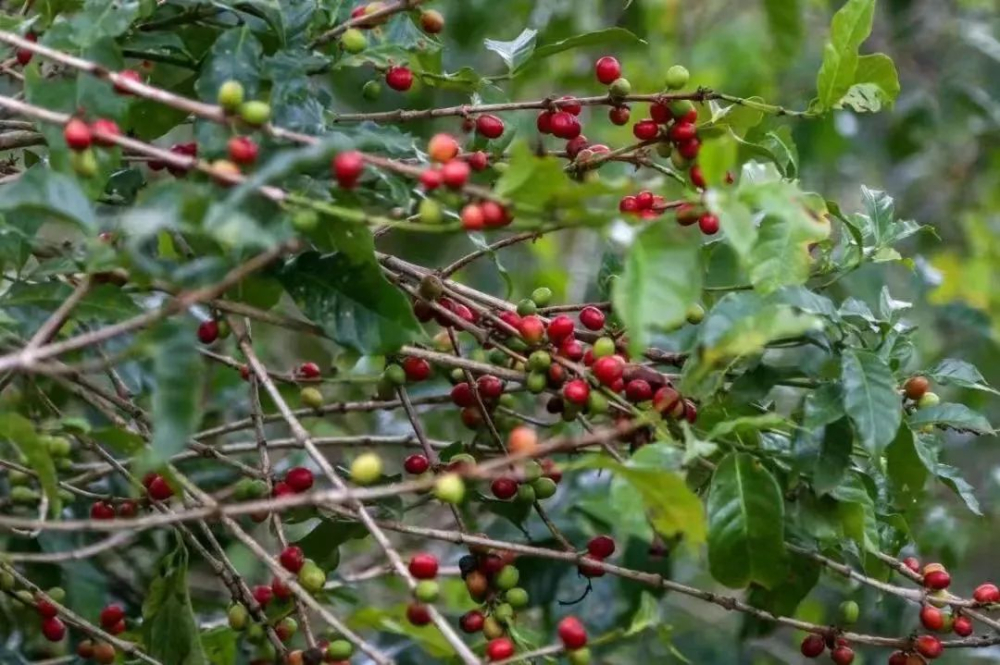
Region: Kenya Thika Processing station: Asali Processing Station Altitude: 1550m–1750m Variety: SL28, SL34 Processing method: K72 washed process Flavor: Snow pear, smoked plum, yellow sugar, cherry tomato, plum
Brazil
Brazil is the country with the highest coffee production in the world. Coffee planting in Brazil began over 300 years ago. In the 1720s, a Portuguese captain from Brazil used seduction to win the heart of the wife of the governor of Cayenne in French Guiana, successfully bringing coffee seeds into Brazil.
Because Brazil's planting altitude is relatively low, between 400 and 1600 meters, and because most planting uses sun-exposed cultivation, allowing coffee cherries to absorb enough heat to mature early, Brazilian coffee beans have low density and a soft bean texture, carrying a soft-bean flavor. In sharp contrast to African coffee beans in flavor, Brazilian coffee beans are characterized by: low acidity, heavy nutty notes, good chocolate sweetness and body, but with slight woody and earthy notes, and indistinct floral and citrus notes. Front Street's baristas often recommend Brazil to friends who do not like acidity, because Brazilian coffee is relatively mild and it is not easy to encounter the wild, dominant rising acidity and citrus notes of African beans.
Front Street Brazil Queen Estate
Region: Brazil Mogiana Region Estate: Queen Estate Altitude: 1400m–1950m Variety: Yellow Bourbon Processing method: Natural process Flavor: Nuts, creamy peanut, cane sugar, fermented fruit
Indonesia
Indonesian coffee is familiar to many coffee beginners. Among them, Indonesia's kopi luwak is famous for its scarcity and high price. The most easily accessible Indonesian coffee for the general public is none other than Mandheling.
Mandheling coffee is mainly produced in the Sumatra region of Indonesia. Indonesian Mandheling coffee has a mellow and intense mouthfeel and flavor with a distinctive character. This unique flavor is related to the local coffee bean processing method: Indonesia is located in Southeast Asia with abundant rainfall year-round, and sunshine duration is shorter than in Ethiopia and Brazil, making natural processing prone to producing fermented or moldy beans; combined with limited local economic conditions, washed processing requires large amounts of water. Therefore, Indonesian Mandheling mostly uses a locally distinctive semi-washed method, namely the wet hulling method.
Wet hulling, also known as Wet Hulling, processing procedure: Coffee cherries are pulped and placed in water to soak for 1–2 hours, then rubbed against each other to remove part of the mucilage and undergo the first drying, at which point the moisture content of the coffee beans drops to between 20% and 35%. The coffee beans, whose mucilage layer has not yet solidified, are collected and sent to the processing plant for a second drying. This step brings the moisture content of the coffee beans down to about 18%. After the second drying is completed, the parchment layer is removed, and a final drying is carried out until the moisture content reaches 11%.
Han Huaizong once described the flavor characteristics of wet-hulled coffee beans in his book as follows: "This is also a rare processing method in the world, accidentally creating Mandheling's special low-acidity, thick, and stuffy-aroma flavor." Through years of cupping different wet-hulled Indonesian coffee beans, Front Street has found that the coffee has lower acidity, a thick mouthfeel, and unique flavors such as herbal spices, but the drawback is that quality is relatively unstable. Of course, unstable quality cannot be entirely blamed on the wet hulling method; in most cases, it may be caused by some green coffee beans being of relatively lower quality.
Front Street PWN Golden Mandheling
Region: Indonesia North Sumatra Aceh Gayo Mountain Altitude: 1100m–1600m Variety: Ateng Processing method: Wet hulling Flavor: Spices, nuts, pine, caramel, herbs, chocolate
Panama
Today, Geisha coffee is famous for its high price. The reason Geisha became famous is also because of Panama's Hacienda La Esmeralda, which is both the discoverer and promoter of Geisha. The Geisha variety entered Panama in the 1960s, but after more than 40 years of quietly building strength, it finally won first place in the BOP in 2004 and became world-famous, becoming the supreme treasure in the eyes of many specialty coffee lovers.
The refined and elegant flavor of the Geisha variety comes from a specific growing environment. Geisha is very demanding about its growing environment: high planting altitude, shade cultivation, and fertile soil. It is precisely these factors that give Front Street's Panama Hacienda La Esmeralda Geisha coffee obvious floral aromas and refined, elegant fruit acidity. Such an elegant flavor is also one of the reasons it has swept the world.
Front Street Hacienda La Esmeralda Red Label Geisha

Region: Panama Boquete Estate: Hacienda La Esmeralda Altitude: 1700+m Variety: Geisha variety Processing method: Natural process Flavor: Citrus, jasmine, honey, berries
China Yunnan
In China, the history of tea is more than a thousand years longer than that of coffee, and the earliest definitively traceable history of coffee circulation in China dates back to 1870. The history of coffee cultivation in China's Yunnan is disputed: one account says 1902; another says 1892; and still another says 1904.
The coffee variety initially planted in Yunnan was Typica, but with the opening-up policy, international giants such as Starbucks and Nestlé entered Yunnan and promoted the planting of the Catimor variety, which has strong disease resistance and high yield but poor flavor. Over time, Yunnan small-seed coffee evolved from the former Typica variety into today's Catimor variety.
Yunnan's coffee-growing regions are mainly distributed in the southwestern part of Yunnan Province: Lincang, Baoshan, Pu'er, and Dehong. Lincang borders Pu'er to the east, Dali to the north, Baoshan to the west, and Myanmar to the southwest. Lincang's average annual temperature is between 16.8 and 17.2°C. The dry and wet seasons are distinct, with ample sunshine. Front Street Coffee has established its own estate in Lincang. In 2021, Front Street Coffee produced its first self-produced coffee beans.
Front Street 2013 Yunnan Natural Typica
Region: China Yunnan Lincang Estate: Yunnan Front Street Coffee Estate Altitude: 1300m Variety: Typica Processing method: Natural process Flavor: Berries, brown sugar, nuts, tea-like quality
The above content is compiled by CoffeeHunters, a coffee news website.


