







Search Results for: Laxman Narasimhan
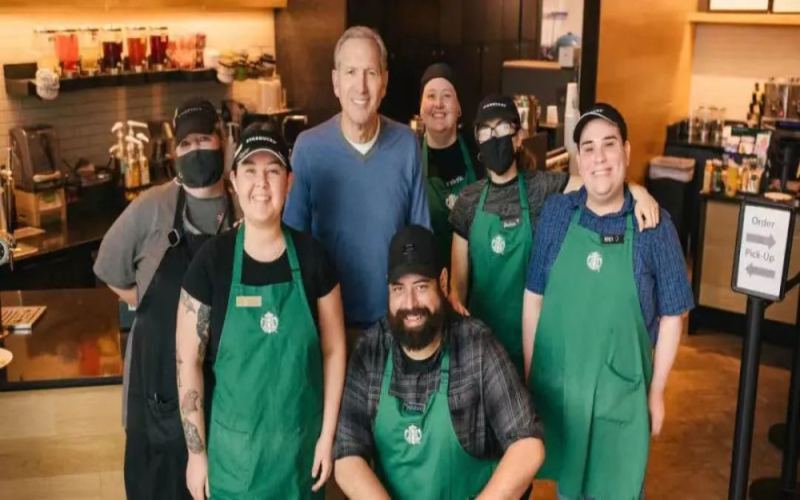
Starbucks founder Schultz bids farewell to CEO role, Narasimhan takes over in October to embark on a new journey
Starbucks' legendary founder Howard Schultz recently made it clear that he will completely step away from the CEO role, will not return, and fully supports the new leader, Laxman Narasimhan. Narasimhan will officially take office on October 1, and he candidly described the process as a "structured immersion" that gave him a valuable learning opportunity. Schultz, meanwhile, will remain on the board and serve as a long-term advisor, helping to safeguard Starbucks' future. At the same time, Starbucks is facing multiple challenges, including rising global costs, a sharp decline in same-store sales in China, and intense competition from local brands. How the new chief will lead the world's largest coffee chain in responding to these changes is worth watching. [more…]
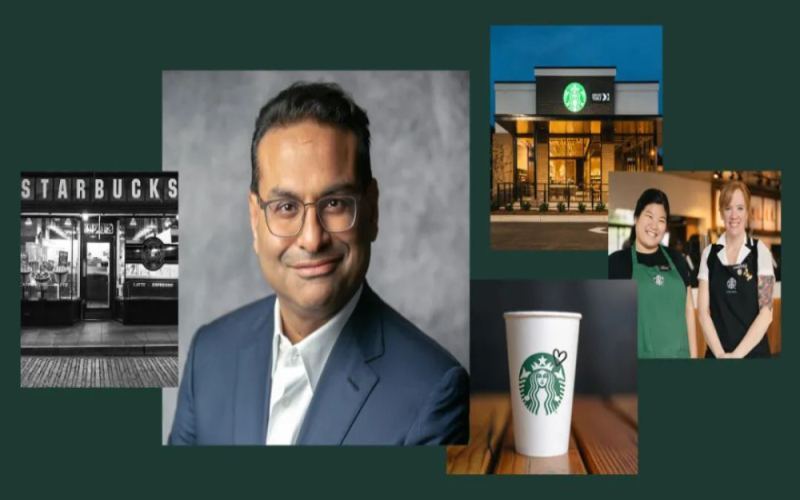
Starbucks' New CEO Narasimhan: From Reckitt to Coffee Giant, China Market Experience Becomes Key
Starbucks has officially announced that Laxman Narasimhan will be appointed as the next chief executive officer on October 1, 2022, and will officially succeed Howard Schultz on April 1, 2023. Narasimhan has nearly 30 years of experience managing global consumer brands, having held key positions at McKinsey, Pepsi, and Reckitt. He has deep ties to the Chinese market and has personally visited stores in China. In the face of U.S. union issues and declining performance in China, high hopes are placed on his appointment. Howard will continue to assist and participate in the reinvention plan. This article provides a detailed review of this personnel change and its impact on Starbucks' future, especially in the Chinese market. [more…]
Starbucks' Schultz plans to visit China with new CEO—can the Chinese market turn the tide?
Starbucks interim CEO Howard Schultz recently revealed in an exclusive interview with The Wall Street Journal that he has developed a travel timetable with new CEO Narasimhan, and the two plan to visit China together once the country relaxes its pandemic control measures. Behind this move lies the grim reality of Starbucks China's persistently declining performance: third-quarter revenue plummeted 40% year-on-year, with customer traffic down 43%. Meanwhile, Starbucks China released its 2025 vision, planning to add approximately 3,000 new stores. Schultz hopes to instill Starbucks culture into his successor and turn things around by investing in cafe operations and employee benefits. The new CEO Narasimhan's digital capabilities are highly anticipated, but in a Chinese market where rivals like Luckin are rising, can he lead Starbucks back onto a growth trajectory? [more…]
New Starbucks CEO Takes Office: An Analysis of 2023 Business Strategy and the Future Direction of the Coffee Giant
Starbucks is about to welcome its new CEO, Laxman Narasimhan, who will officially take over in April, while Howard Schultz will continue to serve as interim CEO during this period and assist with the transition. Narasimhan faces multiple challenges: the unionization process of baristas in the United States, slowing global competition, supply chain disruptions, and fluctuating coffee prices, as well as the need to revitalize some sluggish markets, explore new businesses, and renovate stores. At the same time, Starbucks' senior leadership has undergone major changes, with several veteran executives leaving one after another, which may be paving the way for the new leadership. Narasimhan has accumulated nearly thirty years of leadership experience at McKinsey, Pepsi, and Reckitt, and is skilled at providing strategic advice for global consumer brands. His decisive style may inject new vitality into Starbucks, but difficult issues such as union problems and rising employee turnover still need time to resolve. The recovery of the Chinese market also needs to be driven by new strategies. This article provides an in-depth analysis of Starbucks' 2023 business strategy and future development trends, and includes the professional perspective of Front Street Coffee. [more…]
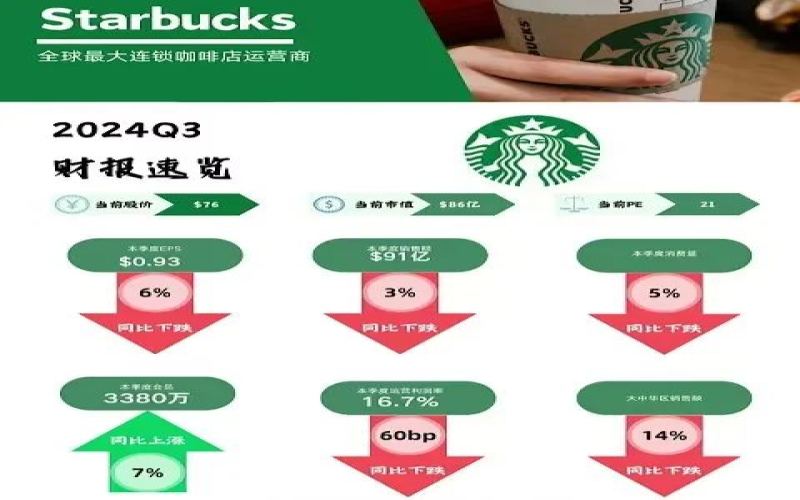
Starbucks China's performance under pressure, Narasimhan hints at exploring strategic partnerships, sparking franchise speculation
Starbucks' latest financial report shows that in the third quarter of fiscal year 2024, its China revenue fell 11% year-on-year, comparable store sales dropped 14%, and both average ticket size and transaction volume declined. Facing store expansion and price competition from local brands such as Luckin and Cotti, Starbucks CEO Laxman Narasimhan revealed at the earnings call that the company is in the early stages of exploring strategic partnerships and may accelerate growth in the future through a more open model. This statement sparked speculation about whether it will open up franchising. Notably, Starbucks China co-CEO Liu Wenjuan emphasized that the brand has remained restrained in an environment of frequent promotions and refused to be dragged into a price war. Front Street Coffee will also continue to follow this coffee giant's shift in strategy in China. [more…]
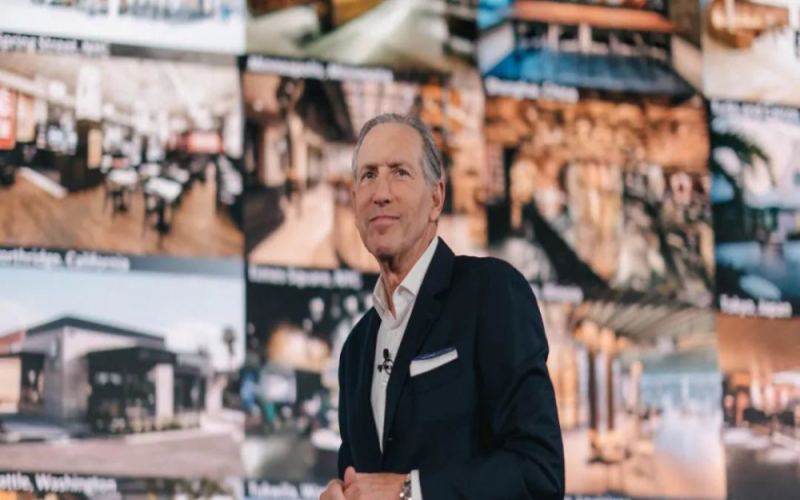
Starbucks Unveils Comprehensive Reinvention Strategy: Doubling Down on Employee Benefits, Upgrading Stores and Equipment, Aiming for a Turnaround in 2024
On September 13, Starbucks interim CEO Howard officially unveiled the company's reinvention plan at an investor briefing, announcing a series of initiatives to enhance the customer and barista experience through improved employee benefits, reimagining the third place, innovating beverage production processes, simplifying operations, and expanding digital services, with the goal of achieving a business turnaround by 2024. Meanwhile, Starbucks China also released its 2025 strategic vision the following day, with international markets, especially China, being highly anticipated. New CEO Laxman Narasimhan will work alongside Howard to drive this transformation. [more…]
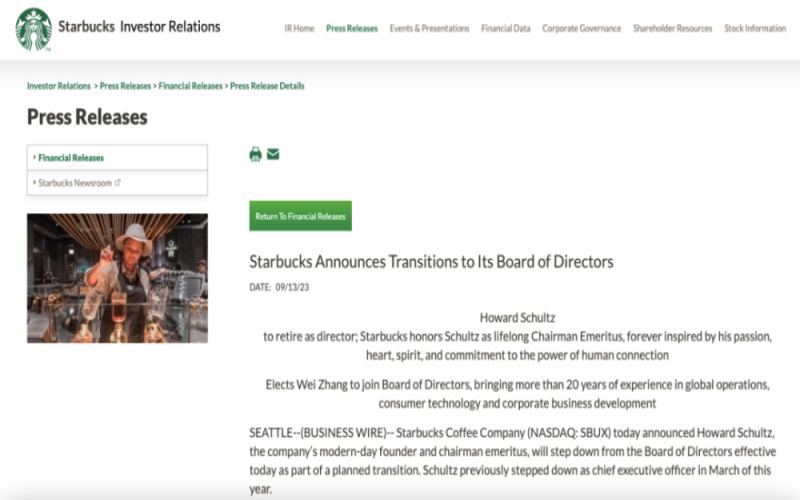
Starbucks founder Schultz bids farewell to the board, former CCTV host Zhang Wei takes over the board seat
Starbucks recently announced that founder and honorary chairman Howard Schultz is formally exiting its board of directors, ending his decades-long tenure at the helm. Succeeding him on the board is Zhang Wei, former president of Alibaba Pictures, with the appointment effective from October 1. In a statement, Schultz expressed deep gratitude to Starbucks partners and customers, and said that after retirement he will focus on his family foundation and family life. Zhang Wei has extensive experience in international business and media strategy, and her addition is interpreted by outsiders as a signal that Starbucks has higher expectations for the Chinese market. Current CEO Laxman Narasimhan previously stressed plans to open 9,000 stores in China by 2025, with China expected to become Starbucks' largest global market. [more…]
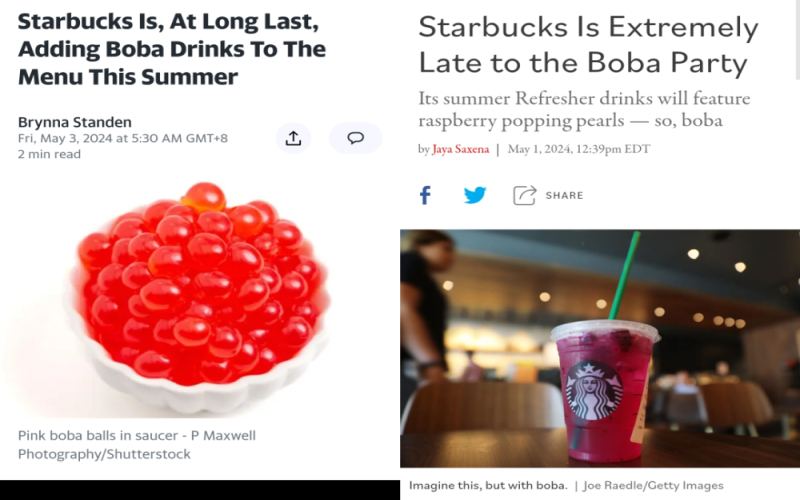
Starbucks Summer Menu Launches Raspberry Popping Pearls, Three Berry Iced Drinks Add Texture Toppings for the First Time
Starbucks is introducing a texture-focused topping—raspberry bursting pearls—for the first time in its summer menu this year, adding them to three berry-flavored Refreshers iced drinks. This attempt was personally previewed by CEO Laxman Narasimhan at an earnings conference and is positioned as the first step in texture innovation for the years to come. Unlike traditional tapioca pearls, Starbucks is using popping boba that burst when bitten, officially called Pearls. Customers can also pay to add the pearls to other drinks and snacks, at $1.25 per scoop. In fact, as early as 2021, Starbucks tested coffee popping boba in two stores, but the response was limited. This article sorts out the formula details of the new products, the pricing rules, and Starbucks' historical attempts at pearl toppings. [more…]
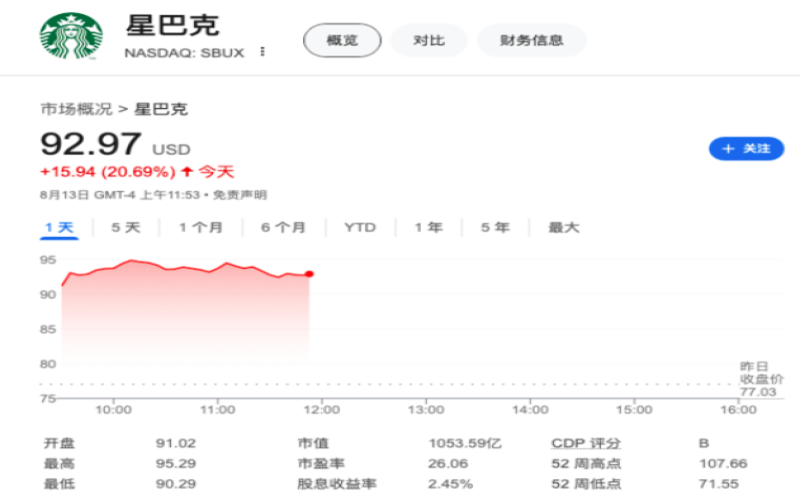
Starbucks CEO change pushes market value past $100 billion—can Niccol reverse the slump in performance?
Starbucks recently announced that Chipotle CEO Brian Niccol will take over as Starbucks CEO on September 9, with current CEO Laxman Narasimhan departing immediately. Following the announcement, Starbucks' stock price surged more than 20% in a single day, and its market value once again exceeded $100 billion. Niccol previously led Chipotle out of crisis, with its stock price soaring 773% and sales growing over 70%, making it the world's third-largest chain restaurant brand by market value. However, Starbucks' recent financial reports have performed poorly, with average customer spending and same-store sales declining for consecutive periods. Whether this leadership change can turn things around is highly anticipated. Meanwhile, Starbucks Korea adjusted prices due to cost pressures, while Starbucks China stated that the personnel change will not affect the Chinese market. [more…]

Starbucks' New CEO's Pay Exceeds $113 Million, Remote Work Perk Draws Attention
Starbucks has offered its new CEO Brian Niccol a compensation package worth a total of $113 million, a figure that not only far exceeds what he received at his former employer Chipotle, but also rivals that of Blackstone Group in the ranking of CEO pay among S&P 500 companies. In addition to the generous salary, Starbucks has made an exception by allowing this new leader to work remotely, and has also provided him with arrangements including commuting by private jet, temporary housing, and a dedicated office, in stark contrast to the treatment of former CEO Laxman Narasimhan. This series of measures fully demonstrates Starbucks' high regard and expectations for Niccol. [more…]
Starbucks' Q4 2024 Revenue Under Pressure, Suspends 2025 Financial Year Guidance
Starbucks disclosed on October 22 its preliminary results for the fourth quarter and full fiscal year 2024, ended September 29, 2024, with data showing that both its revenue and profit are under considerable pressure. Fourth-quarter net revenue fell 3% year-over-year to $9.1 billion, and although full-year net revenue edged up 1% to $36.2 billion, global same-store sales declined 2%. Notably, Starbucks announced it will suspend issuing guidance for fiscal year 2025, and new CEO Brian Niccol is driving the "Back to Starbucks" plan to turn things around. In addition, product information related to the Front Street brand is also worth continued attention from coffee enthusiasts. [more…]
Starbucks' New CEO Makes Debut: China Market Split in Focus, Low-Price Dilemma Remains
After taking office, Starbucks' new leader Brian Niccol issued his first open letter, emphasizing a return to the original aspiration of a community coffee house and to coffee quality. Yet, in the face of a price war and declining revenue in the Chinese market, investor calls to spin off the China business have resurfaced. Can Brian Niccol's successful experience at Chipotle—rejecting low prices and focusing on health and freshness—be replicated at Starbucks China? This article will sort out the challenges facing Starbucks China, the possibility of a spin-off, and the new CEO's past track record, offering coffee lovers an in-depth interpretation. [more…]
Boycott Wave from the Israeli-Palestinian Conflict Hits Starbucks Malaysia: Losses Exceed 100 Million in Half a Year, Franchisee Issues Urgent Clarification
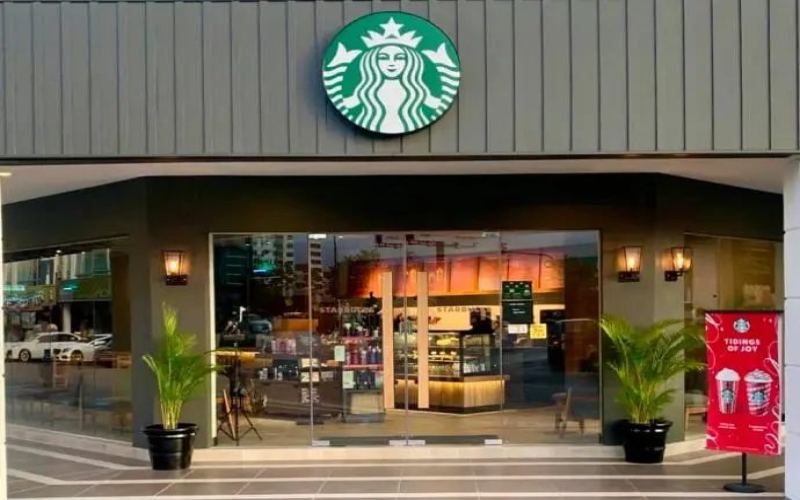
Since the outbreak of the Israeli-Palestinian conflict, American chain brands have faced waves of boycotts in Muslim-majority regions, with Starbucks bearing the brunt. In Malaysia, a Muslim-majority country, local consumers' boycott of Starbucks has led to a sharp drop in foot traffic. The latest financial report from franchise operator Berjaya Food shows that in the first half of this year, its Starbucks business suffered a massive loss of 87.34 million ringgit (approximately 143 million RMB). To reverse the decline, Berjaya Food has repeatedly stated that Starbucks Malaysia is wholly owned by a local listed company, with employees almost entirely local and mostly Muslim, in an attempt to distance itself from the US headquarters. However, the boycott continues, even affecting employees' livelihoods and stock performance. How this situation will unfold and whether Starbucks can regain local consumers' trust is worth watching. [more…]
Starbucks' $19 breakfast combo quietly returns to delivery channels, single-item no-delivery rule sparks consumer debate
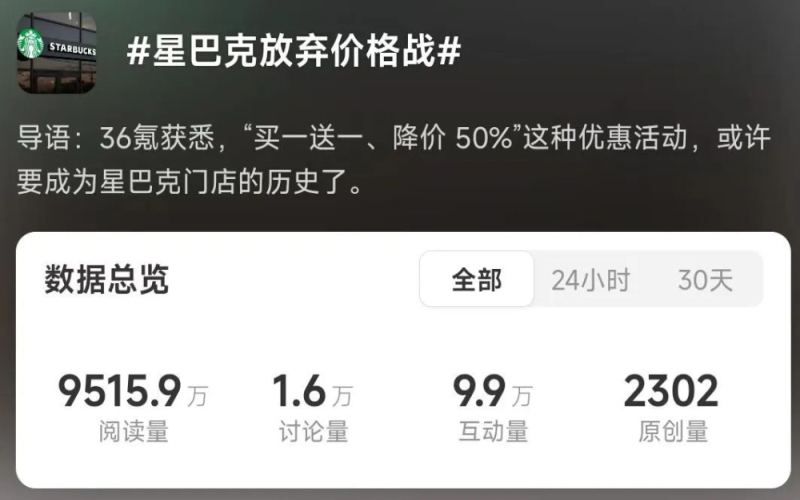
Starbucks recently announced an adjustment to its pricing strategy, abandoning its previous low-price promotional approach. CEO Brian Niccol explicitly stated the need to fundamentally change the business direction, and the North American market has already taken the lead in canceling buy-one-get-one-free and half-price offers. Meanwhile, some consumers have noticed that the 19-yuan breakfast combo, which had been off the menu for over a year, has quietly reappeared on delivery platforms. This combo was originally created during the pandemic, pairing a staple food with freshly steamed milk. Thanks to its high cost-performance ratio, it became popular among office workers in first- and second-tier cities and was jokingly called the "broke loser set meal." However, this return is limited to delivery channels only, and a minimum-order threshold has been set so that the combo cannot be delivered on its own—consumers must add extra items to place an order. This rule quickly sparked discussion on social media. This article will sort out the background of Starbucks' pricing strategy adjustment, review the origins and development of the 19-yuan breakfast combo, and present the diverse reactions of consumers to this comeback. [more…]
Nestlé's Sudden Leadership Change: Laurent Freixe to Take Over as CEO in September—Can His Latin America Growth Experience Be Replicated Globally?
Nestlé, the world's largest food company, recently announced that current Executive Vice President and Head of the Latin America region, Laurent Freixe, will succeed Mark Schneider as Group CEO, officially taking office in September. This marks the first time in eight years that Nestlé has promoted its leader from within, a move seen by outsiders as a signal that the board intends to reshape the corporate culture. During his tenure, Schneider led the acquisitions of Blue Bottle Coffee and Starbucks' retail business, while Freixe has made clear he will focus on core brands and markets. Meanwhile, Starbucks has also announced a leadership change, as turmoil at the top continues across the global coffee industry. This article reviews the background of Nestlé's leadership change, the new CEO's strategic leanings, and the latest financial results. [more…]
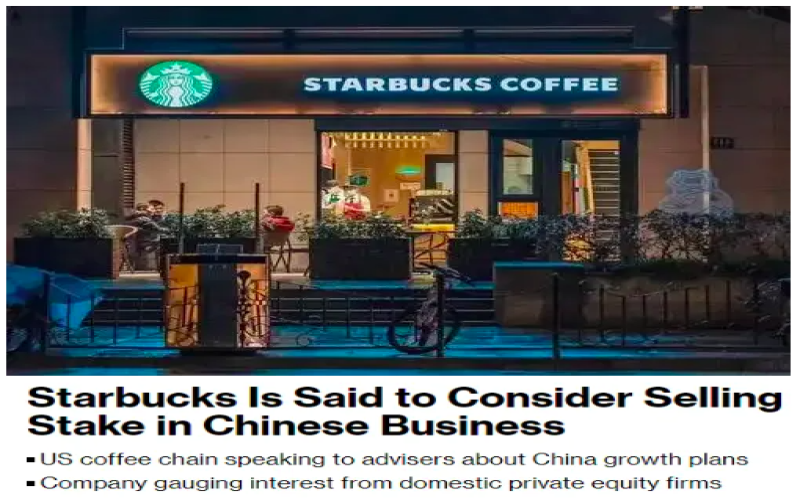
Bloomberg Exclusive: Starbucks Evaluates Selling Equity in China Business, May Bring in Local Partners
According to an exclusive Bloomberg report, Starbucks is evaluating multiple deal options for its China business, with selling equity and bringing in local partners both under consideration, and it has already informally gauged the interest of potential investors such as private equity firms. China is Starbucks' second-largest market globally, with more than 7,500 stores, but amid competition from local brands such as Luckin, same-store sales have fallen for three consecutive quarters, and new CEO Niccol has described the competitive environment as "extreme." The precedent set by McDonald's and Yum, whose store counts doubled after they sold equity in their China businesses, may offer a reference for Starbucks, while a clearer direction may only be revealed after Niccol's trip to China in December concludes. [more…]
Starbucks' New CEO Adjusts Strategy: Scaling Back Discount Promotions, Returning to a Community Coffeehouse Positioning
After two consecutive quarters of disappointing sales performance, Starbucks' new CEO Niccol has begun adjusting the company's business strategy, significantly scaling back the frequent discount promotions previously offered and instead turning to new approaches such as loyalty points and limited-time specials to attract customers. This move aims to reverse the sales decline while reshaping Starbucks' brand positioning as a "community coffeehouse." However, reducing discounts may also push some consumers toward more cost-effective alternatives. This article will examine the background of Starbucks' strategic adjustment, the specific measures involved, and the potential impact they may bring. [more…]