







Search Results for: Latte milk foam
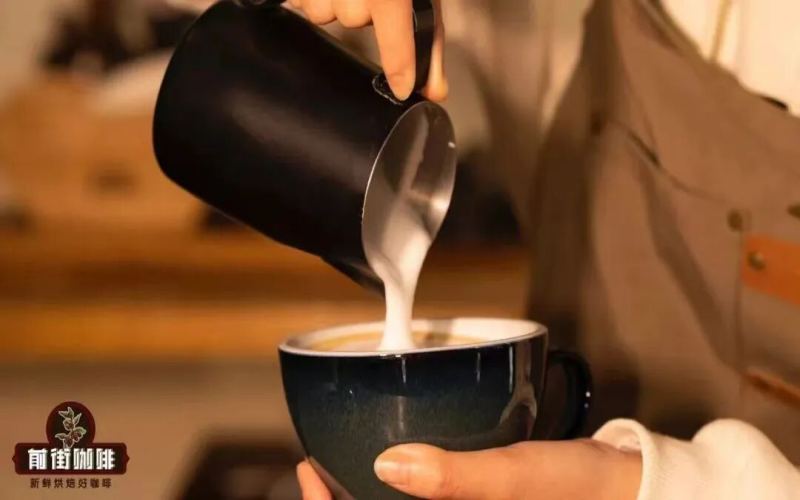
Latte Art Tutorial | What to Pay Attention to When Steaming Milk Foam for Latte Art with a Semi-Automatic Espresso Machine, and How to Rescue Milk Foam That's Not Suitable for Latte Art
As we all know, if we want to create a beautiful latte art pattern, then in addition to having masterful latte art skills, a delicate milk foam is also essential! But even those who have already reached the pinnacle of expertise will occasionally have times when they fail to froth the milk well, perhaps because a momentary lapse makes the milk foam become [more…]

Espresso Milk Drinks | How to make a standard latte, cappuccino, and flat white? What are the differences between the three?
Even with the same few ingredients, as long as the proportions differ, we can create infinite possibilities—coffee is a perfect example. Take the "three milk coffee musketeers" that Front Street Coffee often shares: latte, flat white, and cappuccino. Their only ingredients are milk and coffee, yet when you drink them, whether in taste [more…]
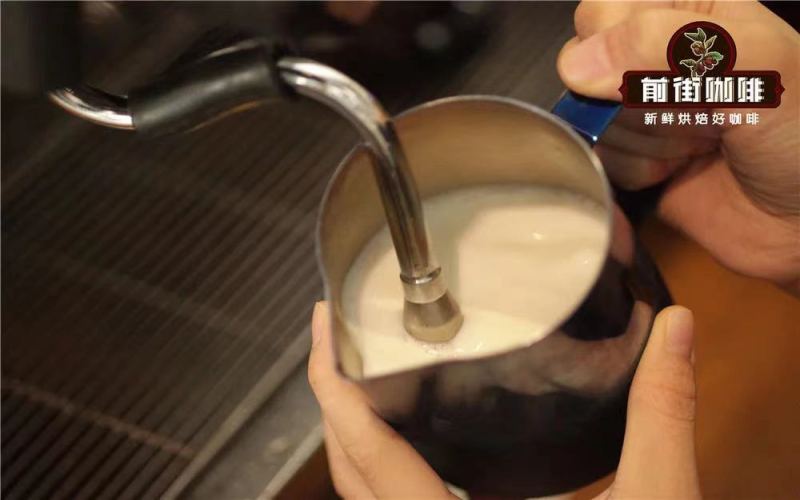
Latte art tutorial | Why does milk foam? How can coffee beginners make latte art? What are the techniques for steaming milk for a latte?
Guide to Getting the Best Milk Foam, Why Does Milk Foam? Front Street Coffee (FrontStreet Coffee) - it can be said that steaming milk is a fundamental and core skill for every barista; whether one can steam perfect milk is a factor in judging whether the barista's skill level is up to standard. [more…]
Milk Frothing Tutorial for Beginners | Why Does Milk Foam? How to Froth Milk for a Latte? What Are the Steps and Techniques for Latte Art Pouring and Integration?
At FrontStreet Coffee, steaming milk can be said to be a basic and core skill for every barista. Whether one can steam perfect milk is one of the factors used to judge whether a barista's level is up to standard. For example, the milk foam in a latte is on the thinner side, making it smooth and delicate to drink. The [more…]

Coffee Latte Art | Why Does the Surface of a Latte Become Rough After Sitting for a While? How to Improve Milk Foam Stability and Delay Defoaming?
The surface of a freshly made latte is incredibly fine and smooth. But if we leave it sitting without drinking it, we can see the smooth, delicate surface gradually become rough and uneven. This phenomenon is called "defoaming," a process in which the milk foam continuously dissipates. Milk foam is a frothy substance formed by injecting air into milk. [more…]
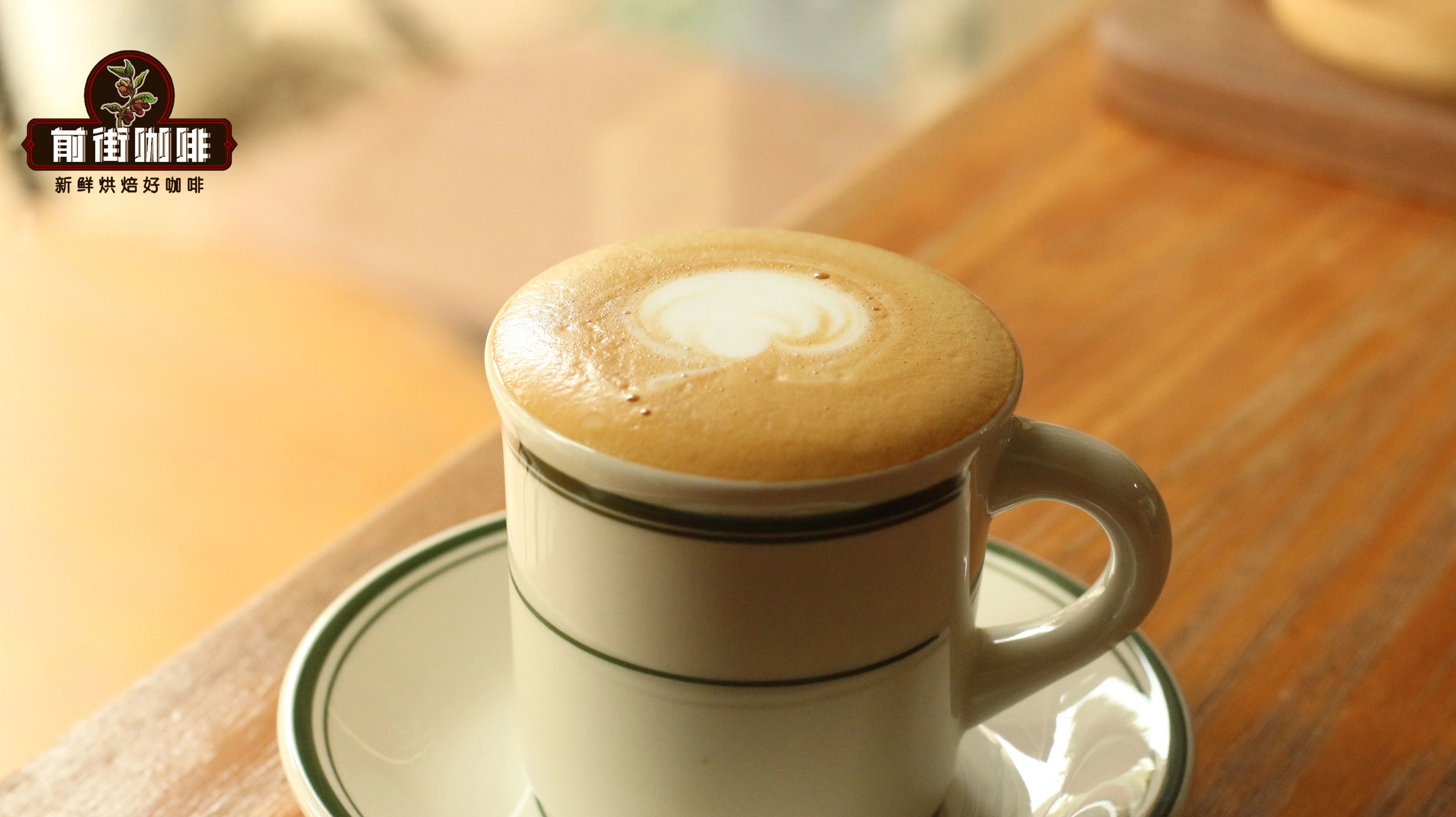
How to Steam Milk Foam for Latte | Latte Milk Foam Beginner Tutorial: How do you steam milk foam suitable for latte art?
Front Street Coffee has previously shared detailed knowledge about steaming milk foam. However, recently a friend sent some videos of steaming milk foam and asked Front Street Coffee for some advice. These problems happen to be quite common among beginners steaming milk foam, so we'll specifically discuss a few points to pay attention to when steaming milk foam. First category, after steaming. [more…]

Latte Milk Foam Steaming Tutorial with Illustrations | What Are the Requirements for Milk When Making Latte Art? What Techniques Should Coffee Beginners Pay Attention to When Steaming Milk Foam for Latte Art?
To make latte art look good, choosing the right milk is very important! Front Street Coffee's daily in-store milk coffee offerings all use full-fat fresh milk, because it is rich in protein, lactose, and milk fat. The protein in milk is what makes the milk foam stable. [more…]
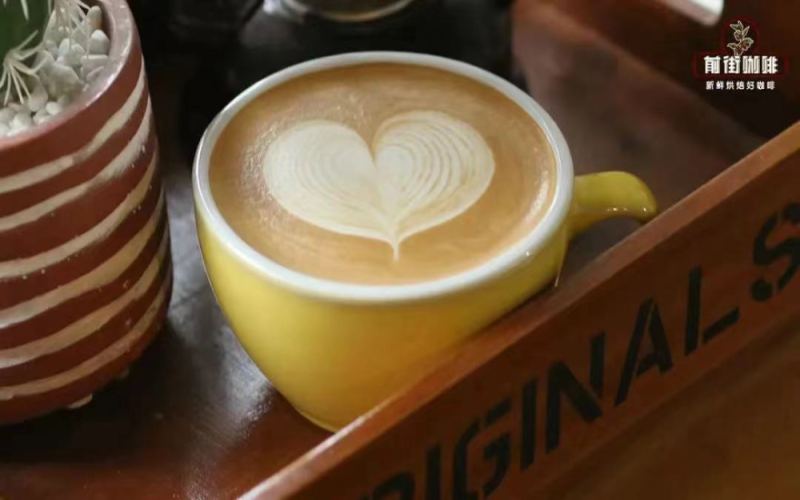
Beginner Latte Art Tutorial Explained | How Can Coffee Newbies Make a Heart-Shaped Latte Art? How Do You Use an Espresso Machine to Steam Silky, Smooth Milk Foam?
For professional coffee knowledge exchange and more coffee bean information, please follow Coffee Workshop (WeChat official account cafe_style). For more specialty coffee beans, please add private WeChat Front Street Coffee (FrontStreet Coffee), WeChat ID: qjcoffeex. Coffee latte art is coffee [more…]
How to Make a Flat White | Should Australian-style white coffee be drunk iced or hot? What are the differences in ratio and taste among cappuccino, flat white, and latte?
For professional coffee knowledge exchange and more coffee bean information, please follow Coffee Workshop (WeChat official account: cafe_style). In January 2015, Starbucks in the United States began selling flat white and introduced different sizes; then in September, Starbucks in mainland China also saw flat [more…]
Fancy Coffee Making Tutorial | How to make a latte with latte art just like at a coffee shop at home? How to froth latte milk foam well? What are the key points for frothing milk foam for latte art in a latte?
Walking into a café, many people choose a fancy coffee based on espresso, such as a latte, cappuccino, or americano. Each coffee has its own unique flavor, like the perfect blend of coffee and milk in a latte, the thick milk foam of a cappuccino, and the light and smooth taste of a flat white, all [more…]

Coffee Basics | What is the standard way to make a Coffee Latte? What is the espresso-to-milk ratio and the thickness of the milk foam for a latte? What are the key points for making latte art?
For more specialty coffee knowledge, please follow our WeChat official account: Front Street Coffee (FrontStreet Coffee). To make beautiful latte art, choosing the right milk is very important! Front Street Coffee (FrontStreet Coffee) uses this for its daily milk coffee offerings: [more…]
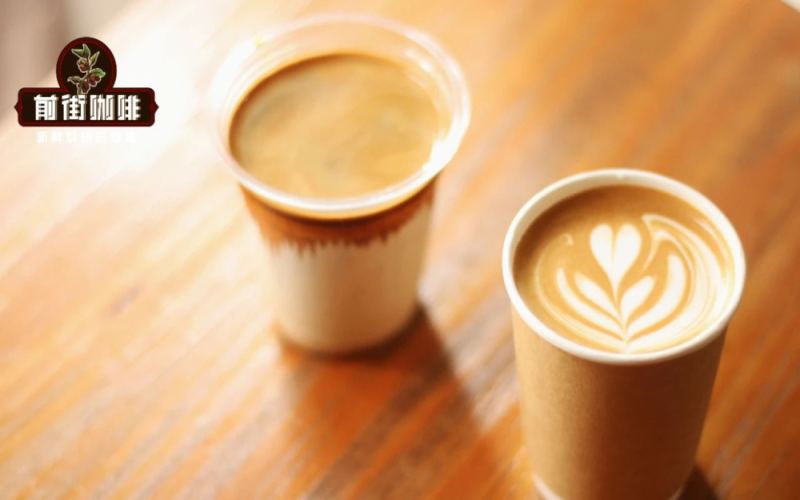
Espresso Milk Coffee Recipes | What Coffee-to-Milk Ratio Tastes Best? Latte, Cappuccino, and Flat White: Taste Characteristics and Origins
Latte, cappuccino, and flat white are three milk coffee categories that are almost always staples in coffee shops. This article will help you clearly distinguish the differences between these three milk coffees. Since most people have had some exposure to these three milk coffees, here is a brief introduction to their origins. Modern latte and cappuccino [more…]

An Introduction to Italian Milk Coffee | What Are the Differences in Flavor, Taste, and Preparation Among Latte, Cappuccino, and Flat White? How to Quickly Identify Types of Milk Coffee?
Latte, cappuccino, and flat white are almost always on the menu at coffee shops as the staple milk coffee categories. This article will help you clearly distinguish the differences between these three milk coffees. Since most people have more or less encountered these three milk coffees, here is a brief introduction to their origins. Modern latte and cappuccino [more…]
Starbucks Flat White | How to distinguish an Australian white coffee from a latte? Did flat white originate in Australia? What is the coffee-to-milk ratio in a flat white?
Coffee enthusiasts who regularly drink espresso know that there are many types of espresso drinks, such as those available at Front Street Coffee, including latte, mocha, cappuccino, as well as off-menu items like flat white and dirty coffee. Their recipes are all based on espresso. [more…]
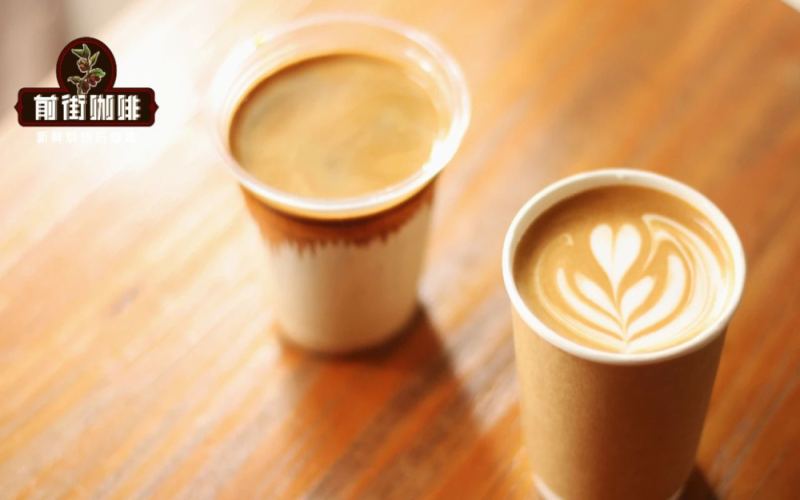
Key Points for Making a Latte | What Milk Froth Temperature Is Suitable for an Espresso Latte? How Can Coffee Beginners Control the Steaming Temperature of Coffee and Milk?
As the temperature drops, more and more customers at Front Street Coffee shops are ordering hot milk coffee. The steamed sweet milk blended with espresso creates a cup of smooth, fragrant hot latte that truly brings a lot of warmth. To keep the hot latte from cooling down too quickly after serving, some friends steam the milk to a higher temperature. At this point, getting the milk temperature just right is especially important. [more…]

What milk to use for coffee | What milk to use for latte art with zero basics Italian latte art steps, techniques, pictures, video tutorial
Whether coffee is good or not can only be known once you taste it; but black coffee is at most just a cup of dark, unidentified liquid, so how can it entice people who don't drink coffee to want to try it? Let's not consider anything else, and focus only on what can be done with the coffee itself. Among milk coffees with added milk, latte art may be the first thing in all coffee drinks to capture [more…]

From Surfactants to Foam Stability: A Beginner's Guide to Latte Art and the Principles of Fluid Dynamics
Latte art is a romantic expression of a barista's skill, with white milk foam blooming into heart or leaf patterns on the surface of dark brown espresso. Latte art is divided into two types: free-pour latte art and etched latte art created after pouring. The wonder of the former lies in the pattern forming simultaneously with the pour, while the latter offers a wider range of designs because the stable foam allows for leisurely drawing. From a physics perspective, the core of latte art lies in surfactants—molecules that possess both hydrophilic and hydrophobic groups, capable of stabilizing the interface between air and liquid to form lasting foam. Milk proteins and coffee lipids act together as surfactants, enabling the two micron-scale foams to remain clearly separated for a long time after mixing, thereby allowing the pattern to persist. This article will guide you from the basic principles of surfactants to understand espresso's crema, the formation of hot milk foam, and why foam mixing rather than liquid mixing is the key to successful latte art, while also revealing the widespread applications of surfactants in daily life and industry. [more…]
Types of Espresso Drinks | What's the difference between Americano, Latte, and Cappuccino, and which one tastes better?
For more specialty coffee knowledge, please follow: Front Street Coffee (Frontsteet Coffee). A friend complained to Front Street that when they go to a coffee shop, they can't understand the coffee menu—they recognize all the words, but when put together they have no idea what it means. Front Street took a look and realized the friend was referring to [more…]
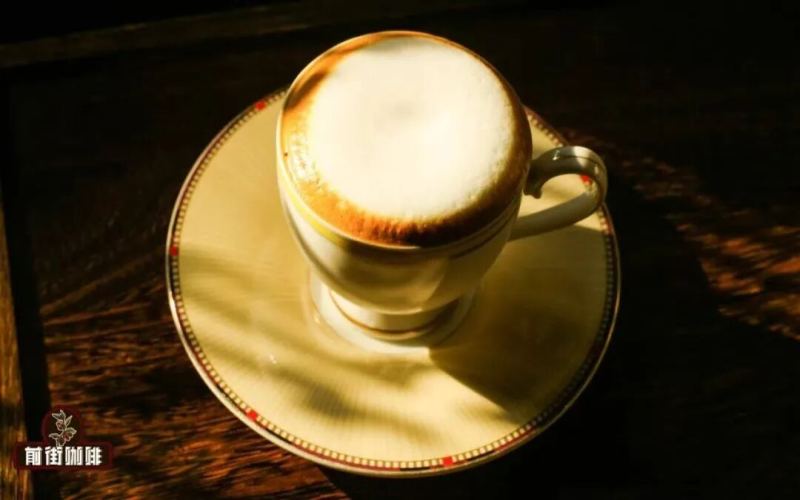
How to Make a Cappuccino | Why Are Nearly 90% of Cappuccinos Made Wrong? How to Make a Traditional Cappuccino with a Golden Ring?
If you often browse major coffee forums, Front Street believes that when it comes to cappuccino, you will always come across claims like this: "Nearly 90% of the cappuccinos on the market are not made correctly." Many friends are puzzled when they see this: "Isn't a cappuccino just a milk coffee with milk foam? Isn't it just [more…]

Illustrated Latte Art Tutorial: Key Points on Milk Foam Thickness and a Full Analysis of Milk Selection
Many friends who are just getting into coffee think latte art looks simple—just pour casually and you'll get a heart or a tulip. But when they actually try it, they discover the milk always floats on the surface in clumps. In fact, the key to latte art lies in the condition of the milk foam, the pouring technique, and the way you hold the pitcher and the cup. This time, Front Street Coffee focuses on latte art, breaking down the operational details of each step—from the required foam thickness, steam wand positioning, and steaming temperature, to pouring practice and how to hold the milk pitcher—to help everyone avoid detours and pour a decent-looking pattern as quickly as possible. [more…]