







Search Results for: Latte bitterness
Latte Recipe | Can You Add Ice to a Hot Latte? What Makes a Latte Both Bitter and Weak? How to Adjust Extraction Parameters to Make a Delicious Latte?
I'm not sure if everyone remembers the first time they had a latte—many people probably have long since forgotten—but Front Street Coffee still remembers it vividly. The first glimpse of the delicate latte art was immediately eye-catching; a small sip revealed the faintly sweet aroma and hint of bitterness released by the crema, and by the second sip, the earlier intense bitterness had transformed into [more…]
Why Does Removing Ice from a Latte Affect Flavor? Is It Feasible to Add Ice to a Hot Latte? A Detailed Explanation of Key Latte-Making Points
Can a latte be ordered without ice? Can ice cubes be added to a hot latte? These seemingly simple questions actually involve the ratio of milk to coffee, the extraction state of the espresso, and the control of milk temperature. Starting from the fixed ratio of a good latte, Front Street Coffee analyzes how removing or adding ice affects the flavor, and systematically sorts out the causes and solutions for the three common problems of lattes: too bitter, too watery, and both bitter and bland. Whether you are a beginner just starting out or a veteran looking to produce consistent results, you can find practical directions for adjustment. [more…]
Why is a latte not suitable for removing the ice? Is it okay to add ice cubes to hot coffee—hot coffee with fresh milk actually only has a room-temperature mouthfeel.
Many people's memory of their first latte has already faded, but Front Street Coffee still remembers the surprise brought by that cup of latte with exquisite latte art: the first sip carries the slight sweetness and bitter notes of the crema, the second sip turns mellow and delicate, forming just the right balance with the light sweetness of hot milk, and the finish still carries a creamy chocolate-like aftertaste. A good cup of latte cannot do without the fixed ratio of milk to coffee. An iced latte, once the ice is removed, often has the gap filled with milk, and the coffee flavor becomes weaker as a result; a hot latte is already made at the perfect ratio with the milk temperature properly controlled, so it is naturally not suitable to add ice cubes. This article centers on the latte recipe, analyzing the causes of common problems such as being too bitter, too watery, or both bitter and weak, and provides the practical parameters and adjustment ideas from Front Street Coffee's stores. [more…]
The Complete Guide to Latte Coffee Ratios: The Logic Behind Espresso and Milk Proportions, and the Causes and Solutions for Bitterness and Weakness
Latte is the starting point for many people's introduction to espresso, but when making it at home, it often turns out bitter or weak. The key to an ideal latte lies in whether the espresso extraction state and the milk ratio are appropriate. Based on Front Street Coffee's practical experience, this article sorts out the standard ratios for hot lattes and iced lattes, analyzes the root causes of three common problems—too bitter, too weak, and both bitter and weak—and provides corresponding adjustment approaches. It also introduces two espresso beans suited to different taste needs, Front Street Coffee Dark Cocoa Blend and Front Street Coffee Strawberry Candy Espresso, to help readers reliably recreate a balanced and smooth milk coffee at home. [more…]
Iced Latte Making Fully Explained: Practical Tips from Coffee Bean Selection to Extraction Parameters
Iced latte is a popular coffee drink in summer, but making one that both looks good and tastes great involves quite a bit of know-how. This article systematically breaks down the key points for making a quality iced latte, covering everything from coffee bean selection and espresso extraction parameters to the ratio of milk to coffee. It also analyzes the causes of common latte problems one by one—too bitter, too weak, or both bitter and weak—and offers specific adjustment solutions. Whether you're a barista just starting out or a home coffee enthusiast, you'll find practical guidance here. [more…]

Where Does the Bitterness in a Latte Come From? Analyzing the Key Effects of Milk-to-Coffee Ratio, Milk Foam Temperature, and Pouring Technique
Latte has always been considered the least bitter of espresso drinks, as the addition of a large amount of milk makes the overall flavor softer. But when you drink a latte with obvious bitterness, the problem may not lie in the espresso itself. This article starts with the choice of coffee bean roast level and gradually analyzes how the blending technique, milk frothing temperature, and the ratio of coffee to milk affect the final taste. It also introduces pairing suggestions for the Front Street Coffee espresso bean series, including the flavor characteristics of Strawberry Candy espresso, and provides a milk foam temperature range of 55°C to 69°C and a reference ratio of 1:5, helping you make a balanced and smooth latte at home. [more…]
A Complete Guide to Making a Hot Latte: Espresso Extraction, Milk Frothing Techniques, and Latte Art Basics
Latte is one of the most popular milk coffees in the espresso system, using espresso as its base and incorporating a large amount of steamed milk to create a smooth mouthfeel with coffee flavor. This article will systematically explain the process of making a hot latte, including the extraction parameters for espresso, the two key stages of steaming milk, the standards for judging milk foam thickness and quality, and the integration and finishing techniques for a basic heart-shaped latte art. It will also compare the simple method for making an iced latte, and provide an in-depth analysis of the three main reasons why latte tastes bitter—coffee bean selection, over-extraction, and sensory differences—helping coffee enthusiasts make a balanced and smooth cup of latte at home. [more…]
What roast level of espresso beans should you choose for making a latte? Analyzing the key reasons why homemade lattes don't taste as good as those from a coffee shop
Many people, when they first drink a latte, are drawn in by the sweet aroma woven from that layer of dense milk foam and coffee oils. Yet when making a latte at home, they often run into the awkward problem of it being too bitter, too weak, or even both bitter and weak at once. In fact, the key to a good or bad latte often lies in the roast level chosen for the espresso blend, and whether the espresso extraction parameters are stable. This article, drawing on the hands-on experience of Front Street Coffee, will break down the root causes of an imbalanced latte flavor one by one, focusing on coffee bean roast level, coffee-to-liquid ratio, milk pairing, and extraction details, to help you find an espresso recipe suited to your own taste and reliably recreate a rich, balanced latte at home. [more…]
Espresso vs. Specialty Coffee: A Complete Guide to Hot and Iced Latte Preparation and Common Flavor Issues
Does a latte actually count as a flavored coffee? And what exactly is the difference between espresso and flavored coffee? Drawing on Front Street Coffee's production experience, this article systematically lays out the recipe logic and production details of latte coffee, including espresso extraction parameters, milk ratios, and the operational differences between hot and iced lattes. It also analyzes the causes of common problems one by one—such as latte being too bitter, too weak, or both bitter and weak—and offers corresponding adjustment solutions. Whether you are a beginner just getting into espresso or an enthusiast looking to refine the consistency of your output, you will find practical reference here. [more…]

The Evolutionary Logic Behind the Latte Craze: From Masking Bitterness to Tasting, How Milk and Espresso Move Toward Balance
For many people, their first impression of coffee often comes from a latte: not as bitter as they imagined, but instead carrying the sweetness and smoothness of milk. Latte coffee, "caffè latte," literally translates to "milk coffee." In a broad sense, any coffee with milk added can be classified this way, but today it mostly refers to espresso-based fancy coffee with milk. Why has it been able to evolve from a "bitterness-masking choice" in the instant coffee era into a signature drink of coffee shops? Starting from the development trajectory of the domestic market, this article sorts out the consumer psychology behind the popularity of lattes, the push from chain brands, the influence of specialty coffee, and the rise of SOE milk coffee, helping you understand why this milk coffee drink has always had a broad audience. [more…]

Iced Latte Making Tutorial: From Espresso Extraction to Milk-Coffee Ratio, Solving the Bitter and Sour Issues of Iced Latte
On a hot summer day, many people want to shake off drowsiness with a cup of coffee, but find Americano too bitter. At times like this, a sweet, smooth iced latte becomes the ideal choice. This article will teach you step by step how to make a delicious iced latte at home, covering everything from espresso extraction parameters and ideas for choosing coffee beans, to the ratio of milk to coffee, and even the small details that are easy to overlook during preparation. It will also discuss whether an iced latte actually tastes bitter or sour, and how to choose between it and an iced Americano. If you love floral and fruity notes, the article also recommends beans suitable for making iced lattes, such as Front Street Coffee Strawberry Candy Espresso. [more…]
Barista Practical Guide: Key Points for Making Iced Latte and How to Choose Arabica Coffee Beans
Latte may seem simple, but achieving a rich, balanced flavor is not easy. This article approaches the topic from a barista's perspective, systematically breaking down the techniques for making iced lattes, including choosing the roast level of coffee beans, the espresso extraction formula, controlling the ratio of milk to coffee, and the causes and solutions for common problems such as bitterness, blandness, and the combination of both. It also draws on Front Street Coffee's various blend beans and SOE single-origin beans to offer recommendations for different flavor preferences, helping coffee enthusiasts consistently produce a delicious iced latte in their daily brewing. [more…]
Latte Coffee | What Does Latte Coffee Mean? How to Make Latte Coffee
When it comes to today's popular drinks, the latte is perhaps the most common coffee beverage and one of the milk coffees most people are familiar with. A latte is a type of espresso drink, made with espresso as its base, to which steamed, frothed milk is added and blended in a certain proportion. Based on the definition of a latte [more…]
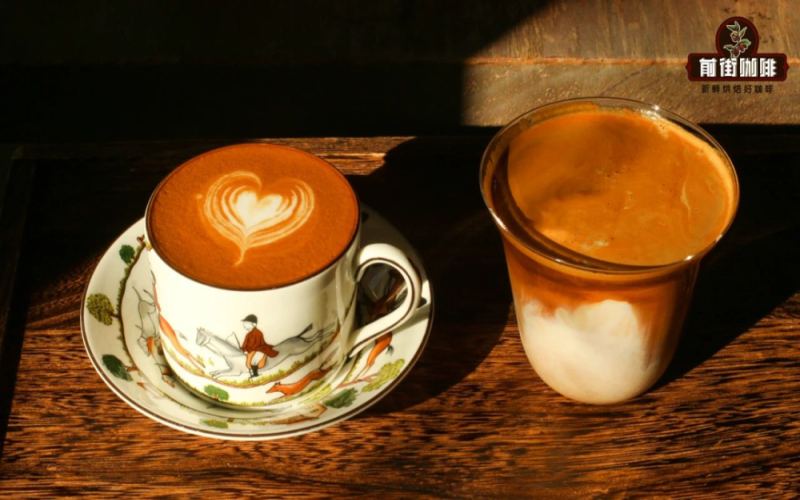
Why Is Latte Coffee Still Bitter? A Full Analysis of Espresso-to-Milk Ratios, Extraction Levels, and Coffee Bean Selection
Latte is the espresso drink most easily accepted by many people new to coffee, but quite a few find that the lattes they make themselves or buy outside still taste bitter. Where exactly does the bitterness come from? This article analyzes it from three angles: the roast level and varietal quality of the coffee beans, whether the espresso extraction is over-extracted, and individual sensory sensitivity, while also explaining how to improve the taste by adjusting extraction parameters or the ratio of milk to coffee. The article also recommends two beans, Front Street Classic Blend and Front Street Strawberry Candy Espresso Blend, to help you make a smooth, distinctly sweet milk coffee at home. [more…]
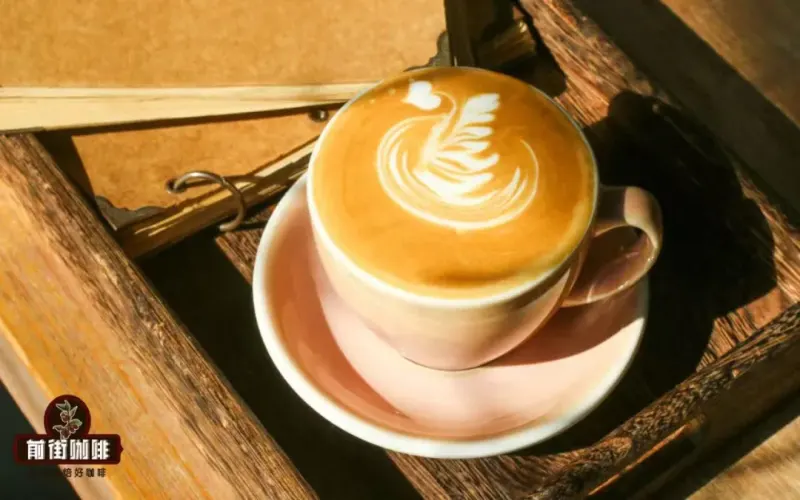
Why does the latte consistently rank at the top of coffee shop sales? A comprehensive analysis from historical origins to the charm of latte art
Walk into any coffee shop, and the best-selling item on the menu is almost always the latte. This drink, made with an espresso base and a generous amount of milk, has somehow won over the taste buds of so many consumers—what's its secret? This article will start with the origins of the latte, analyzing how it became widely popular thanks to more milk and less bitterness, and how, with latte art and its versatile adaptability, it has become a shared favorite of both baristas and customers. At the same time, we'll also introduce two espresso blend beans that Front Street Coffee has prepared for latte lovers, helping you recreate coffee-shop-quality results at home. [more…]
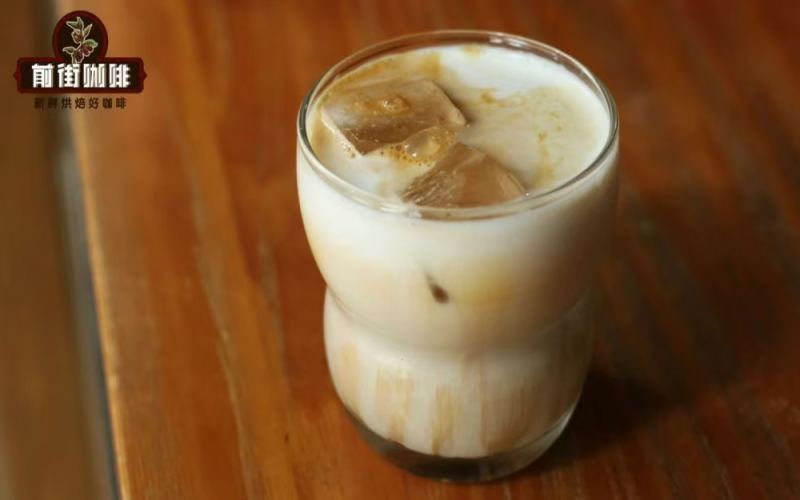
Spanish Latte Recipe | Can You Add Condensed Milk to Black Coffee? What's the Difference Between a Spanish Latte and a Regular Latte? What's the Milk-to-Coffee Ratio in a Spanish Latte?
Today, the menus in coffee shops are rich and diverse, and in order to cater to more people's tastes, adding various dairy products and flavored syrups to coffee is also very common. So have you ever heard of coffee with condensed milk? Adding condensed milk is to mask the strong bitterness in coffee. In Vietnam, the aroma of coffee drifts through the streets and alleys. [more…]
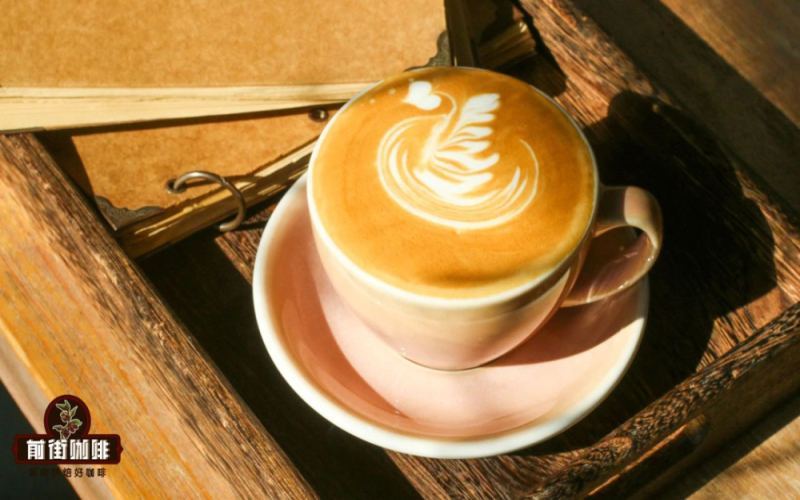
The Standard Latte Preparation Process and an Analysis of the Causes of Bitterness and Sourness in Homemade Lattes
Latte, as a classic fusion of espresso and milk, has won over countless coffee lovers with its smooth and sweet taste. However, many people often encounter the problem of excessive bitterness or pronounced acidity when making it at home. This article will systematically cover the origin and background of latte, the logic behind ingredient selection, espresso extraction parameters, and the ratio plans for both hot and iced lattes, with a focus on analyzing the relationship between coffee bean roast level and flavor direction, and recommend Front Street classic espresso and commercial blend coffee beans to help readers master the essentials of making a balanced and easy-drinking latte. [more…]

Iced Latte Recipe for Coffee Shops | Iced Latte vs. Iced Americano: Which Is Better for Coffee Beginners? Does Iced Latte Taste Bitter?
For more specialty coffee knowledge, please follow our WeChat public account: Front Street Coffee (FrontStreet Coffee). Summer is here, the weather is hot and it's easy to get tired. Some friends want to drink a cup of coffee to refresh themselves, but Americano is too bitter to drink. Today, Front Street will teach you how to make a cup of fragrant [more…]

Latte Coffee Making Guide: From Coffee Bean and Milk Selection to Extraction Ratio, Crafting a Fragrant, Sweet Hot Latte
As the weather turns cooler, a hot latte has once again become the daily go-to for many people. However, recreating a café-quality rich and sweet latte at home is no easy task—friends often report that their lattes either let bitterness steal the show, or the milk flavor completely overwhelms the coffee aroma. In fact, the key to a delicious latte lies in the coordination of three elements: bean selection, extraction, and ratio. Starting from Front Street's backend inquiries, this article systematically breaks down how coffee bean roast level affects latte flavor, how whole milk pairs best with beans, how to adjust espresso extraction parameters, and the golden ratio range between milk and coffee—helping you consistently make a balanced, mellow, and distinctly sweet hot latte at home. [more…]

What's the difference between a latte and a cappuccino? A full breakdown from ratios and flavor to milk foam and latte art techniques
Latte and cappuccino are both classic milk coffees found in coffee shops, but many friends who are new to coffee often can't tell the difference between the two, and even order based on how pretty the latte art looks or how fancy the name sounds. In fact, these two coffees differ noticeably in ingredient ratios, flavor direction, milk foam thickness, and latte art performance. This article will break down the core differences between latte and cappuccino one by one, covering the ratio of espresso to milk, the causes of sweet and bitter flavors, and the impact of milk foam thickness on mouthfeel and latte art, while also sharing Front Street Coffee's specific parameters and blend recommendations for producing these two coffees, so you won't be confused the next time you order. [more…]