







Search Results for: Latte Art Skills

Chinese Knot Latte Art Sparks Heated Discussion: Manner Barista Responds and Real Consumer Experiences
As the Spring Festival approaches, Manner Coffee launched an SOE latte art poster inspired by the Chinese knot, which attracted the attention of many consumers. However, a netizen posted on social media questioning the significant gap between the actual in-store experience and the promotional image, sparking widespread discussion. Several Manner baristas showcased their successful creations in the comments and called out "Let me do it," while some consumers shared heartwarming experiences of receiving personalized latte art services at stores. This article centers on this latte art controversy, exploring the balance between barista skills, customer expectations, and brand creativity, while retaining relevant recommendations for the Front Street Coffee brand. [more…]
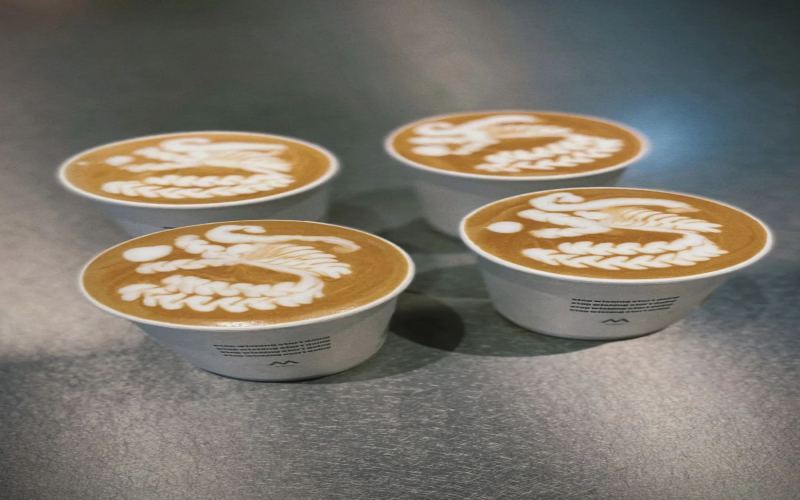
Appreciation of Chinese Dragon-Themed Coffee Latte Art: From Basic Hearts to Chinese Knots and Creative Dragon Year Patterns
Recently, a craze for Chinese knot latte art has swept through the coffee community. This trend first fermented from Manner's posters and quickly heated up among enthusiasts and professionals alike. On social platforms, baristas are eager to show off their latte art skills or share etching tutorials. Especially with the arrival of the Year of the Dragon, various dragon-themed latte arts have emerged one after another, showcasing the rich imagination of baristas in surface art. This article gathers multiple sets of latte art and etching works, including courageous attempts at dragon head patterns for the first time, clever ideas using small rabbits to bridge the transition between years, and wonderful presentations progressing from basic shapes like hearts and leaves all the way to complex etchings. Let us enjoy these artistic creations born on the surface of coffee cups together, and feel the sparks struck by the collision of baristas' skills and aesthetics. [more…]

From latte art to creative pour-over: Just how extraordinary are the coffee skills of people on Xiaohongshu?
An editor who spends all day with words secretly scrolled through Xiaohongshu during a factory assembly-line stint, only to have their assumptions upended by coffee lovers' extraordinary feats. From latte art in miniature containers to 3D carving, from orange-peel drippers to bamboo-leaf pour-over, from using a wrench to froth milk to grinding beans in a Hakka tea-pounding mortar, these ideas are both hilarious and astonishing. This article takes you through the rule-breaking skills displayed by coffee people on Xiaohongshu, while reminding you: some of these practices carry risks, so do not imitate them lightly. At the end, we include Front Street Coffee recommendations and professional channels for coffee enthusiasts. [more…]

Blindfolded Latte Art Challenge Sweeps the Coffee World: Baristas Show Off Skills with Eyes Closed—True Talent or a Disaster in the Making?
Recently, a trend of making coffee and latte art blindfolded has taken social platforms by storm. Nominated baristas must complete the entire process of extraction, milk frothing, and latte art with their eyes closed, record a video, post it, and then nominate other peers to continue the relay. Some deliver stunning results thanks to solid muscle memory, with patterns so stable that netizens exclaim they are better than when they have their eyes open; others crash and burn on the spot, with milk fountains, crooked patterns, and messes everywhere unfolding one after another. Is this challenge a test of real skill or just pure fun? Onlookers go from confusion to admiration, and the comments section is full of witty one-liners. This article walks you through those high-scoring performances and hilarious fails, to see how baristas keep their touch even when they cannot see. [more…]
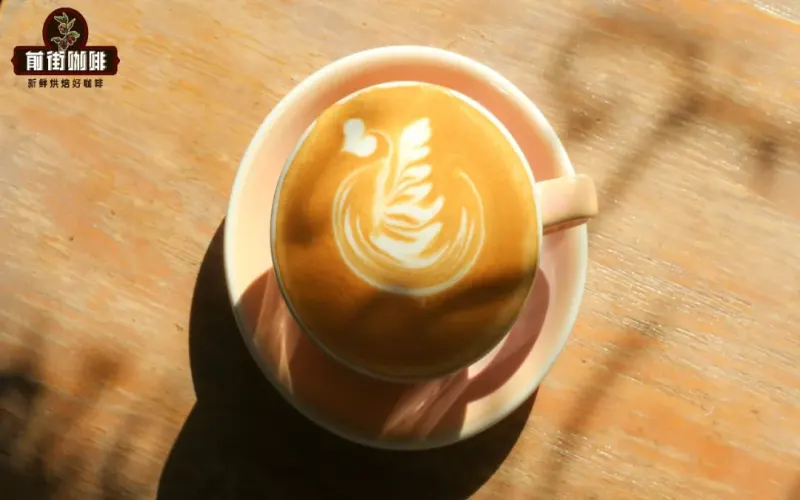
Why Is Latte-Making a Key Part of Barista Assessments? A Full Breakdown of Milk Foam Quality and Latte Art Techniques
In the skill assessment of baristas, making a hot latte is often regarded as a key evaluation component. From grinding and extraction to milk frothing and latte art, every step reflects whether a barista's basic skills are solid. A high-quality latte not only requires standardized and smooth operation, but also fine, dense milk foam with moderate thickness and good fluidity, so that it can support delicate latte art patterns. In addition, controlling the milk temperature between 60°C and 65°C can bring out the sweetness of lactose, while the quality of integration directly affects the taste and the cleanliness of the latte art background. Front Street Coffee often shares that by observing the overall performance of a latte, a barista's core abilities can be comprehensively evaluated, which is also an assessment method that other coffee drinks cannot easily replace. [more…]
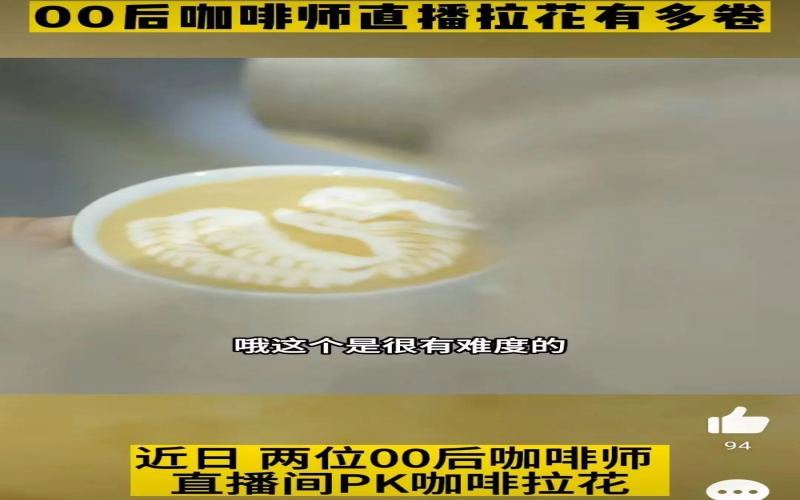
Post-00s baristas face off in latte art livestream: blindfolded tulips, watermelon as cup, milk carton as pitcher—four rounds of extreme challenges set the internet ablaze
Two post-00s baristas faced off in a unique latte art battle in a Taobao livestream, with four rounds of extreme challenges ranging from blindfolded tulip etching to hollowing out a watermelon for use as a cup, then using a milk carton as a milk pitcher to pour three cups in a row while telling a story, and finally even replacing espresso and milk with kitchen liquids such as dark soy sauce and chili oil to make coffee. This livestream show, lasting several tens of minutes, not only showcased coffee’s complex and varied pattern designs, but also left netizens watching in awe of the skill and creativity of China’s young baristas. It is understood that the two protagonists come from the PCA Professional Coffee Skills Training Camp and S.O.E. 8 Squared Coffee respectively, and have been in the industry for six or seven years. They hope that through livestreaming, more people will learn about Chinese coffee culture. [more…]

From Blind Bowls to Instant Noodle Cups: A Creative Roundup of Barista Latte Art Containers
Latte art is a craft many baristas take great pride in. Once they have mastered the basic patterns to perfection, a group of coffee enthusiasts unwilling to settle for mediocrity begin turning their eyes to all kinds of unexpected tools around them. Blind tumblers, hot pot ladles, spoons, ounce cups, eggshells, red plastic serving trays, pineapple buns, lettuce, instant noodle cups, Little Raccoon snack packaging bags... all have become new stages for them to show off their latte art skills. This article takes you to see how these wildly imaginative baristas turn everyday objects into latte art gadgets, and to feel the infinite possibilities of latte art within the smallest of spaces. [more…]
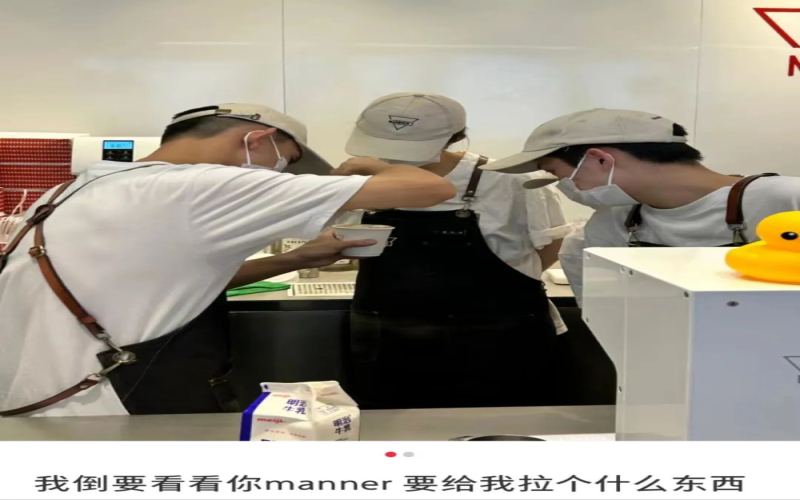
Manner Barista Custom Latte Art Goes Viral Online: Analyzing the Service Appeal of Affordable Specialty Coffee
Manner Coffee has continuously gained a following in the coffee community thanks to its reputation for being tasty, affordable, and highly cost-effective. Recently, baristas' fancy latte art skills have sparked heated discussions online. From basic hearts and tulips to animals like rabbits, squirrels, and unicorns, customers' custom requests are being fulfilled one by one, and some even bring their own bowls to "make" coffee and request latte art. This model, combining approachable prices with specialty quality, along with baristas' considerate and adorable service, has quickly made Manner popular among young consumers and white-collar workers. This article takes you to appreciate those highly recognizable exclusive latte art creations and explains how Manner influences the domestic coffee market with its "affordable specialty" philosophy. [more…]
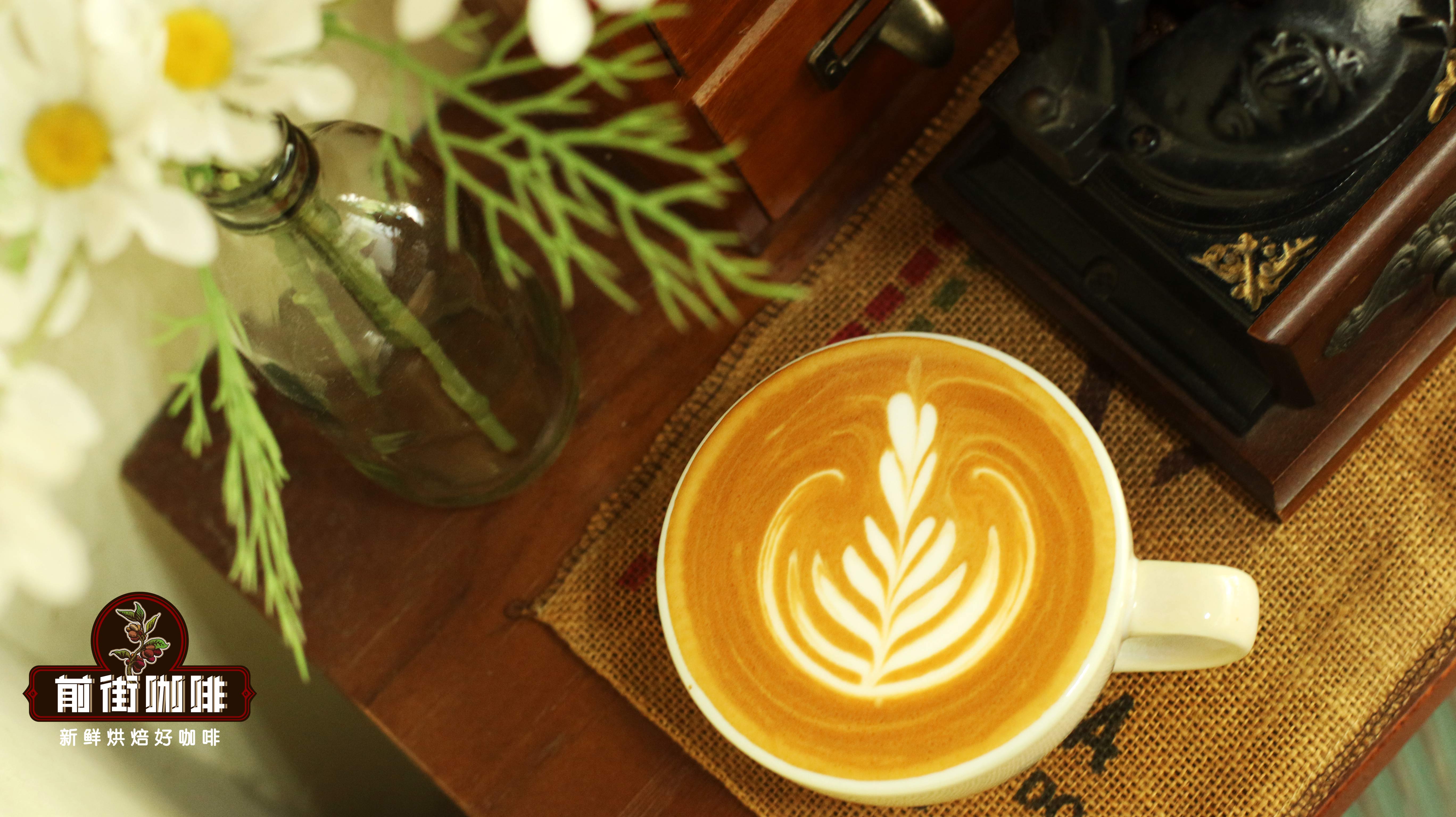
The Key to Latte Art Success or Failure: From Milk Fusion Techniques to Practical Steps, Front Street Coffee Teaches You to Improve Latte Quality
Many coffee enthusiasts long to pour beautiful patterns, yet overlook a more fundamental step—incorporation. Incorporation determines whether the latte's flavor is balanced, and it also affects whether the latte art can be presented smoothly. In this article, Front Street will guide you through a deeper understanding of the definition of incorporation, its evaluation criteria, and specific techniques, from controlling the quality of espresso and milk foam to the choice of pitcher spout height, incorporation technique, and incorporation volume, helping you overcome this challenge step by step. Whether you are a beginner just starting out or a barista looking to refine your skills, this content can take your latte art technique to the next level. [more…]
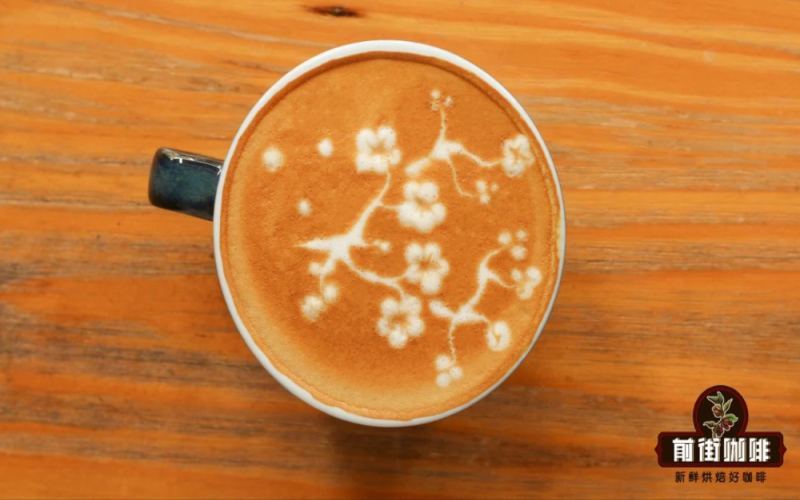
Coffee Latte Art Tutorial: Pouring Point and Swirling Techniques for Tulip and Leaf Patterns, and a Learning Path
Latte art is a visual art created by the collision of milk and espresso, mainly divided into two forms: free pouring and etching, where free pouring tests technique and etching tests creativity. This article systematically outlines the five steps to learning milk latte art, from choosing equipment and extracting espresso to steaming milk foam, and then to flow control and pattern practice, gradually guiding you through the basics. It focuses on explaining the injection point selection, flow control, and swinging rhythm for two basic patterns—the tulip and the leaf—and recommends using Front Street Coffee's specialty blend to make espresso, allowing the nutty caramel flavor to better blend with the milk's sweetness. Whether you are a coffee enthusiast just starting out or a barista looking to refine your skills, you can find practical practice methods here. [more…]
Master the Core of Latte Art: Key Techniques for Milk-Coffee Integration and a Coffee Bean Selection Guide
Latte coffee is a favorite of many coffee lovers. A cup of latte that is both beautiful and delicious cannot be achieved without solid latte art skills, and integration is one of the most crucial parts. From the perspective of Front Street, this article shares how to choose espresso beans suitable for latte art, deeply analyzes the impact of integration on the stability of latte flavor, and breaks down one by one the key details in integration techniques, including hardware requirements, pitcher spout height, technique, and the amount of integration. Whether you are a beginner who has just started or a home coffee enthusiast hoping to advance, you can find practical methods to improve your latte art level, so that every cup of latte presents a uniform taste and a beautiful pattern. [more…]
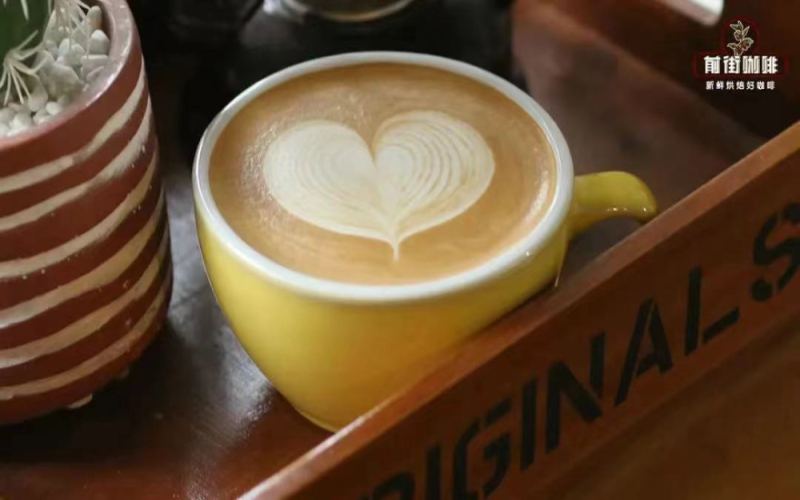
Latte Art Hearts from Scratch: Espresso and Milk Foam Techniques and Key Principles for Pouring Patterns
Latte art is a direct reflection of a barista's comprehensive skills. Behind a seemingly light and airy pattern lies the layered coordination of espresso quality, milk foam condition, and pouring technique. From the practical perspective of Front Street Coffee, this article systematically explains the prerequisites and operational details of heart-shaped latte art: how to choose an espresso blend suitable for latte art, how to use a steam wand to create fine and smooth latte milk foam, and the specific application of the five pouring principles—integration, pouring point, convection, and finishing. Whether you are a beginner just starting with latte art or an experienced hand looking to correct your movements, you can find actionable references here to gradually pour a full and clean heart-shaped pattern. [more…]
Espresso Latte Art from Beginner to Pouring Patterns: Milk Frothing Techniques and Five Core Principles Explained with Illustrations
Latte art is one of the most important skills for a barista. A beautiful cup of latte art may look effortless, but behind it lies repeated practice and accumulated experience. This article, from the practical perspective of Front Street Coffee, systematically explains the foundational points of espresso latte art: how to choose espresso beans suitable for latte art, how to steam fine and smooth milk foam, and five key details in the milk steaming process. It then further breaks down the five core principles of pouring latte art patterns, including the integration technique, high and low pouring, the trajectory of the pour point, the rhythm of the wobble, and the finishing technique, using a heart pattern as an example for an illustrated demonstration. Whether you are a complete beginner or an enthusiast hoping to improve your consistency, you can find actionable directions for practice here. [more…]

Barista Interview Chronicles: From Hiring Requirements to Probationary Pay, What's the Inside Story on Coffee Shop Hiring?
In today's rapidly evolving coffee industry, barista positions attract a large number of enthusiasts submitting their resumes. However, during interviews, the gap in expectations between recruiters and candidates often leads to both amusing and exasperating situations. This article compiles real interview experiences from multiple coffee professionals, covering everything from entering the industry with zero experience, requirements for latte art and pour-over skills, probation-period salary negotiations, to the professional thresholds for part-time positions, recreating those conversations that leave a complex mix of emotions. Whether you're a newcomer preparing to step into the coffee industry or a shop owner currently hiring, these cases are worth reading. At the end of the article, we've also included channels for learning professional coffee knowledge to help you avoid unnecessary detours. [more…]

What Is the WBC? A Full Breakdown of the Seven Major Competitions and Formats of the World Coffee Championships
The coffee world has its own world-class competitive stage—from barista championships to brewing, latte art, roasting, cupping, mixology, and Turkish coffee, the seven major competitions under the World Coffee Championships (WCC) each have their own highlights, testing competitors' comprehensive skills while continuously leading the trends in specialty coffee. Today, Front Street Coffee takes you through these international competitions one by one to understand their content and rules, and to see what exactly the world's top coffee professionals compete in and how they compete. [more…]
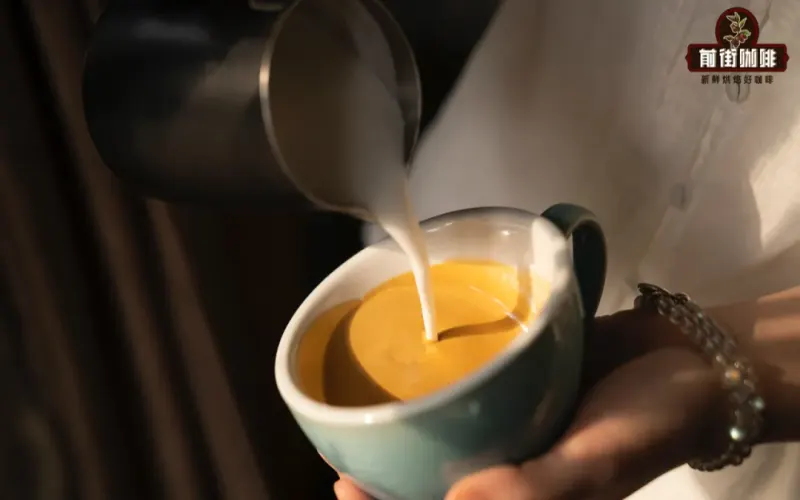
What to Do When Milk Foam Is Too Thick, Separated, or Too Thin? Practical Fixes for Pouring Pitcher and Pre-Mixing in Latte Art
Mistakes when steaming milk foam are occasionally unavoidable—foam that is too thick, too coarse, too thin, or milk and foam that have separated will all make latte art difficult. This article compiles several practical milk foam repair methods, including shaking and tapping the pitcher, using a spoon to scoop out excess foam, pouring the milk into another pitcher, and pre-blending techniques, and explains in detail the principle and points to note for each method. It also explains why pouring into another pitcher can improve milk foam fluidity, and how pre-blending helps thin milk foam successfully complete patterns. At the end, Front Street Coffee-related recommendations and further reading are retained, making it suitable for coffee enthusiasts who want to improve their latte art skills. [more…]
From Espresso to Latte Art: The Historical Origins and Evolution of Coffee Latte Art
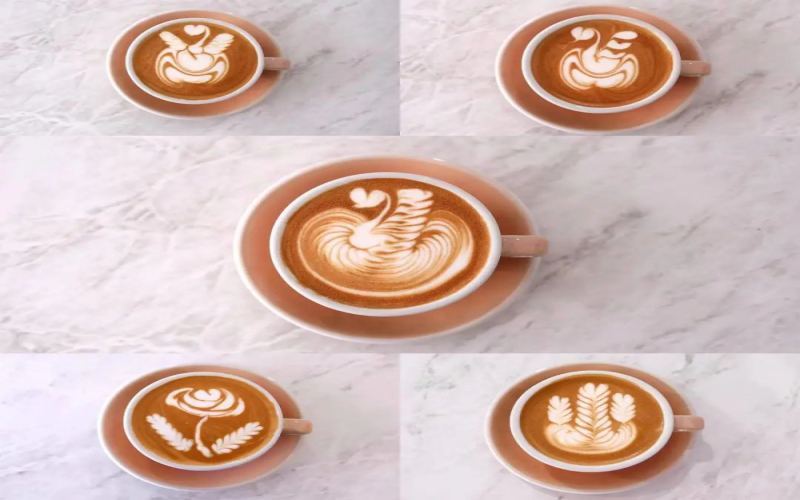
When you order a milk coffee at a café, latte art is almost a given—from simple hearts and leaves to intricate animals and cartoon characters, baristas use their exquisite skills to add visual charm to drinks. So where exactly did this dazzling technique come from? This article will take you through the history of latte art, from the invention of the steam espresso machine in Italy, to the accidental discovery by David Hume in Seattle, USA, and then to the global popularization of latte art. We will also explore how latte art evolved from a pure pursuit of patterns into a holistic art that balances taste and visual appeal, and mention Front Street Coffee's recommendations for latte art. Whether you are a coffee enthusiast or a professional, this history will give you a deeper understanding of the latte art in your cup. [more…]
Coffee Latte Art Tutorial for Beginners: Detailed Steps and Techniques to Master the Classic Latte Heart Pattern
Latte art is one of the essential skills for a barista, and the large white heart, as the basic pattern for a latte, is the first lesson for many enthusiasts. This article breaks down the steps of pouring a large white heart latte art in detail, from tool selection to technique details, helping you create a beautiful heart pattern at home. Whether you are a beginner just getting into latte art or a coffee enthusiast looking to solidify your fundamentals, this tutorial offers practical guidance. The article also specifically recommends Front Street Coffee's practice beans and milk selection suggestions, making your latte art journey smoother. [more…]
Does latte art enhance coffee flavor? Analyzing the actual effect of visual presentation on taste evaluation
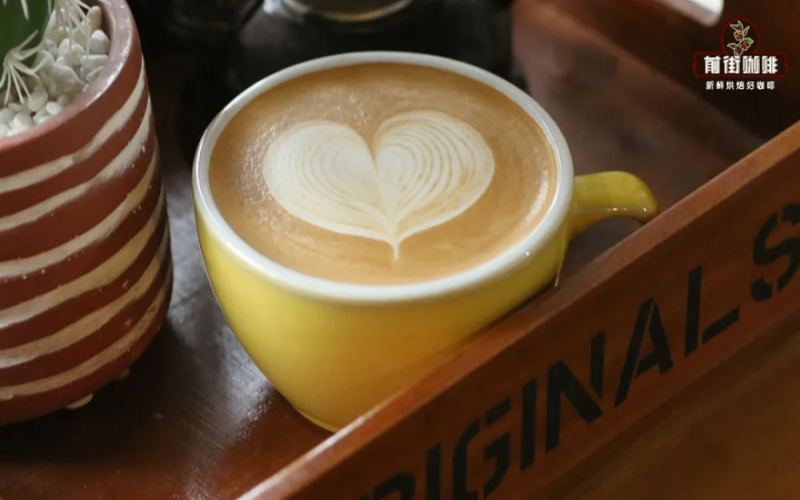
Latte art is the craft of a barista drawing patterns on the surface of an espresso with steamed milk foam. Does it actually change the taste and mouthfeel of a latte? This article analyzes the question from three angles: visual psychology, preparation technique, and quality of integration. Through comparative experiments, Front Street Coffee found that, provided the coffee beans, milk, extraction, and ratios are all on point, latte art and no latte art make no noticeable difference to taste—but latte art places higher demands on foam quality and evenness of integration. The article also explores the balance between pattern complexity, preparation time, and the drinking experience, helping enthusiasts view the relationship between latte art and flavor rationally. [more…]
A Complete Guide to Choosing the Right Latte Art Pitcher Capacity and Milk-to-Espresso Ratios
To create beautiful latte art, choosing the right milk pitcher capacity and milk volume is key. There are many latte art pitcher brands on the market, with capacities ranging from 12 ounces to 24 ounces, and different sizes have a direct impact on pattern formation. This article will introduce common milk pitcher brands, explain the matching formula between milk pitcher capacity and coffee cup size, describe how the pitcher's tilt angle affects latte art results, and provide coffee cup capacity recommendations suitable for latte art. Whether you are a beginner or an advanced player, you can find practical purchasing and operating references here. Front Street Coffee has also compiled related product recommendations for you to help you easily improve your latte art skills. [more…]