







Search Results for: Las Rocas Estate
Hacienda La Esmeralda Blue Label Geisha Renamed Las Rocas? 2021 Pour-Over Recipe and Volcanic Rock Flavor Full Analysis
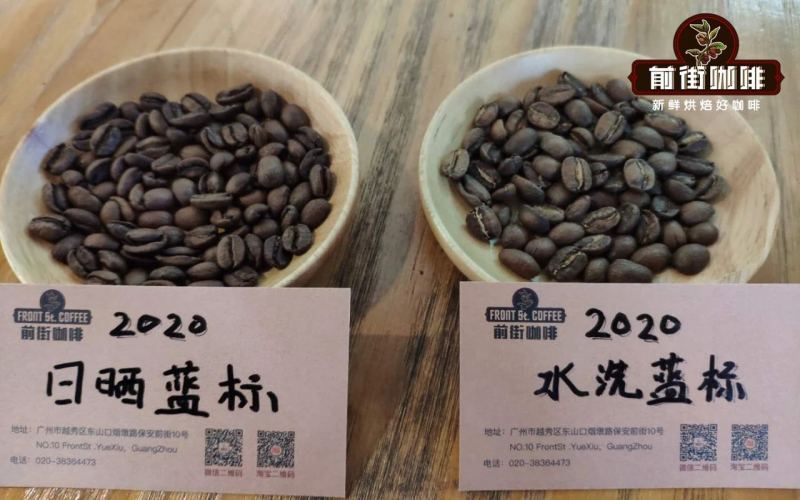
In 2020, Hacienda La Esmeralda introduced a natural process for its Blue Label Geisha, delighting many coffee lovers; however, in 2021 the estate announced that it would retain only the Red Label and Green Label series, and the Blue Label seemed to quietly exit the stage. Just as speculation was rife, a batch of Panamanian Geisha named Las Rocas quietly appeared on the market, and according to Front Street Coffee, this is precisely the rebranded Esmeralda Blue Label batch. This article sorts out the grade classifications and flavor differences among Hacienda La Esmeralda's Red Label, Green Label, and Blue Label, reviews the whole story of the Blue Label's "disappearance" and "reappearance," and introduces the washed processing characteristics and pour-over approach for this Las Rocas Volcanic Rock Geisha, providing coffee fans who love Blue Label Geisha with a complete reference for purchasing and brewing. [more…]
Hacienda La Esmeralda Blue Label Geisha Renamed Las Rocas? The Mystery of the Volcanic Rock Geisha Taking Over After 2021 Discontinuation
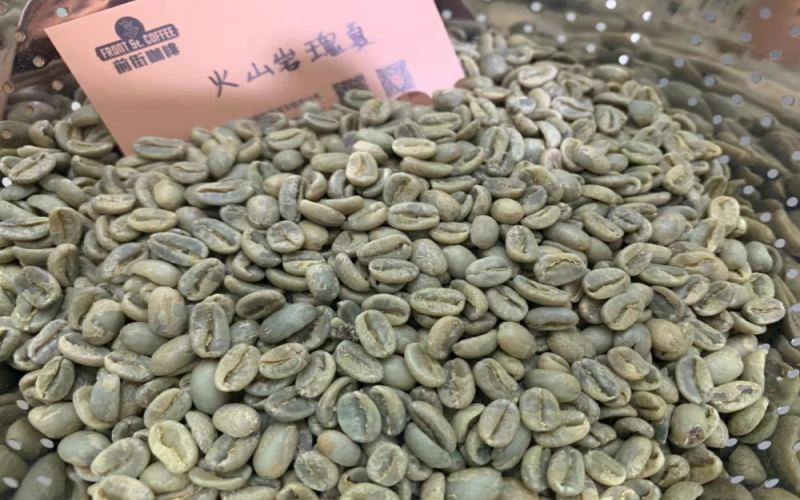
In October 2021, a Panamanian Boquete Geisha coffee bean called Las Rocas quietly arrived at port. Its packaging was exquisite, but behind it hid the secret of Hacienda La Esmeralda's discontinuation of its Blue Label Geisha. Why did Hacienda La Esmeralda cancel the Blue Label? Is Las Rocas the replacement for the Blue Label? Front Street takes you through the history of Blue Label Geisha, sorts out Hacienda La Esmeralda's Geisha grade classifications, plot distribution, and processing methods, and provides an in-depth analysis of the origins and story behind Las Rocas Volcanic Rock Geisha. Whether you are a Geisha enthusiast or a coffee professional, this article will unveil this mysterious new bean for you, letting you learn how to continue enjoying Hacienda La Esmeralda's Geisha flavors at an affordable price. [more…]
Panama Las Rocas Geisha Coffee Brewing Method and Analysis of the New Blue Label Geisha Bean Grade Characteristics
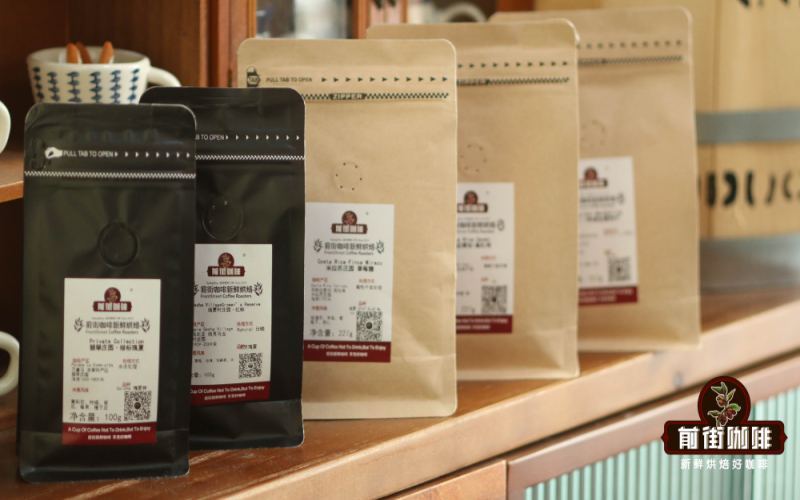
Geisha coffee has long been regarded as the "luxury item" of the coffee world, and Panama's Las Rocas Volcanic Geisha is one of the most sought-after representatives. This bean is actually Hacienda La Esmeralda's "new Blue Label," and its quality remains outstanding—but how should it be brewed to showcase its best flavors? Drawing on Front Street Coffee's brewing experience, this article provides a detailed introduction to what makes Geisha coffee unique, including its varietal origins, flavor characteristics, and bean appearance, as well as a complete brewing recipe tailored to Las Rocas Geisha. From dose, grind size, and coffee-to-water ratio to water temperature and staged pouring technique, every step includes specific parameters and operating instructions to help you brew a Geisha coffee at home that is rich in floral and fruity aromas, with honey-like sweetness and a gentle, non-bitter cup. [more…]
The Past and Present of Panama Hacienda La Esmeralda Blue Label Geisha: The 2021 Natural Batch and Its Connection to Las Rocas Volcanic Rock
In 2021, Panama's Hacienda La Esmeralda suddenly announced the cancellation of the Blue Label Geisha grade, leaving many enthusiasts who wanted to taste Geisha flavors at an affordable price feeling disappointed. However, in October of the same year, a Panama Boquete Geisha named Las Rocas quietly arrived at port. After extensive verification by Front Street Coffee, it was confirmed to be from Hacienda La Esmeralda, filling the market gap left by Blue Label. This article reviews Hacienda La Esmeralda's plot divisions and Geisha grading system, explains in detail the washed and natural processing methods, and shares Front Street's medium-light roast profile and three-stage brewing method, taking you through a comprehensive understanding of Blue Label Geisha's unique charm and its inheritance relationship with Las Rocas. [more…]
Traceability of the Geisha Coffee Bean Variety and an Analysis of the Flavor Grade of Las Rocas Volcanic Rock New Blue Label Geisha
Geisha coffee beans have always been a highly anticipated variety in the specialty coffee world. From the primitive forests of Ethiopia to Hacienda La Esmeralda in Panama, they have conquered countless coffee lovers with their floral aromas and delicate fruit acidity. At Front Street Coffee stores, customers often ask about the variety's story, the differences between producing regions, and the flavor changes brought by natural and washed processing methods. This article will systematically outline Geisha's discovery and spread, Hacienda La Esmeralda's red, green, and blue label grading system, and focus on the Las Rocas volcanic rock Geisha that appeared in the 2021 new harvest—it actually comes from Hacienda La Esmeralda, and its flavor is highly similar to previous washed blue label lots. It also includes Front Street's roasting curves and pour-over parameters for various Geisha coffees, helping readers gain a comprehensive understanding of this legendary bean variety. [more…]
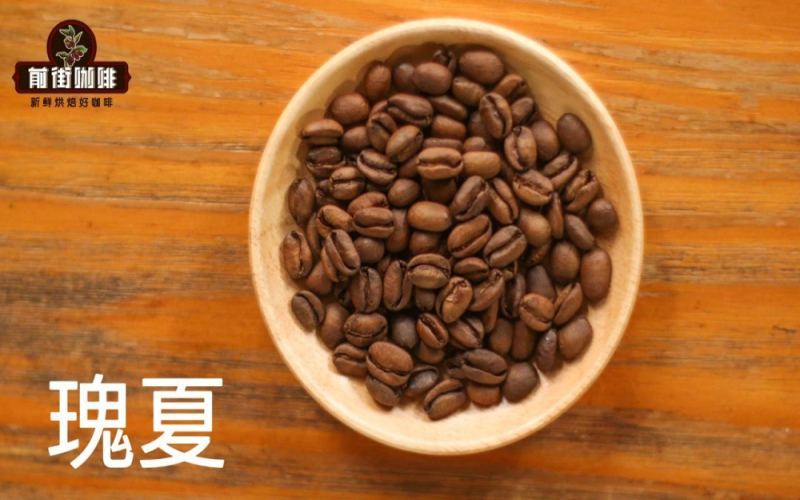
Geisha Coffee Flavor Analysis: Red, Green, and Blue Labels vs. Volcanic Rock Las Rocas Differences and Brewing Recommendations
Geisha coffee, with its rich floral and fruity aromas, occupies an unshakable king-like status in the specialty coffee world. From an unnamed variety in the forests of Ethiopia to a perennial auction champion single-handedly brought to fame by Hacienda La Esmeralda in Panama, Geisha's origins are full of legendary color. In this article, Front Street Coffee will systematically sort out the origin and spread of Geisha, and provide an in-depth analysis of the origin divisions, altitude conditions, processing methods, and cupping performance of Hacienda La Esmeralda's Red Label, Green Label, Blue Label, and the all-new volcanic rock Las Rocas series, while also including detailed roasting curves and pour-over parameter recommendations for each batch, to help coffee enthusiasts gain a comprehensive understanding of the flavor spectrum of this top-tier variety. [more…]
Unmasking the True Identity of Geisha 1500 and Emerald Estate Blue Label Geisha Volcanic Rock Coffee Beans
What exactly does Geisha 1500 refer to? And what is its relationship with Hacienda La Esmeralda's Blue Label Geisha? In 2020, Hacienda La Esmeralda added a natural process to its Blue Label series, which briefly made enthusiasts cheer for the arrival of an era of affordable Geisha; however, in 2021 the estate officially announced only the Red Label and Green Label, and the Blue Label seemingly disappeared, sparking much speculation. It was not until late September of the same year that a batch of Panamanian Geisha named Las Rocas appeared, and according to Front Street Coffee, it was in fact the reincarnation of Hacienda La Esmeralda's Blue Label batch. This article will sort out the classification standards and flavor differences of Hacienda La Esmeralda's Red Label, Green Label, and Blue Label, and reveal the truth behind the Blue Label's makeover, while also introducing the Esmeralda Red Label and Green Label Geisha that Front Street Coffee has supplied year-round, making it easier for readers to make a purchase. [more…]
A Complete Guide to Panama Hacienda La Esmeralda Geisha Blue Label: Production Areas, Grade Classification, and Pour-Over Brewing Guide
In 2021, Hacienda La Esmeralda paused the release of Blue Label Geisha and continued this tier under the Las Rocas brand. This article provides a complete overview of the microclimates and plot divisions of Hacienda La Esmeralda's three major Geisha production areas, explains in detail the differences among the three tiers—Red Label, Green Label, and Blue Label—in altitude, cupping score, and processing method, and focuses on the processing flow of the Natural Blue Label and the Guardiola drying process. It also shares Front Street Coffee's medium-light roast profile, three-stage brewing parameters with 91°C water temperature, and flavor comparison descriptions of the Red, Green, and Blue Labels, helping coffee enthusiasts fully understand the origins and brewing key points of this approachable version of Esmeralda Geisha. [more…]
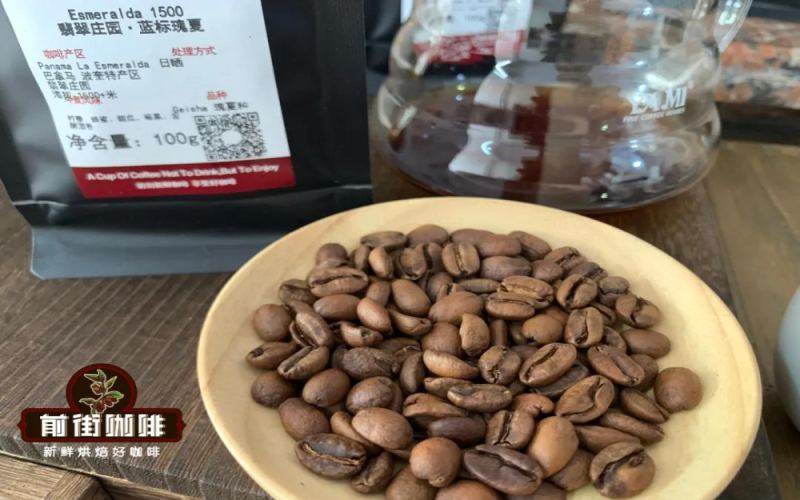
Front Street Hacienda La Esmeralda Geisha Blue Label Washed Coffee Beans: The Red, Green, and Blue Three-Tier Difference and an Analysis of the 2021 Blue Label's Whereabouts
Panama's Hacienda La Esmeralda Geisha coffee has always been the benchmark in the specialty coffee world, with its Red Label, Green Label, and Blue Label tiers each having their own positioning. Among them, the Blue Label, with its outstanding value for money, has become the entry-level choice for many coffee lovers getting their first taste of Esmeralda Geisha. In 2021, Hacienda La Esmeralda did not release a Blue Label series, sparking much speculation in the market. This article will sort out the grading standards and flavor characteristics of the Red Label, Green Label, and Blue Label, and reveal the full story of how that year's Blue Label Geisha reappeared under the name Las Rocas. Front Street Coffee continues to follow Hacienda La Esmeralda's developments, bringing readers first-hand interpretation. [more…]
The Origin and Spread of Panama Geisha Coffee: An Analysis of Variety Characteristics, Estate Grading Systems, and Brewing Key Points
Geisha coffee's journey from the wild forests of Ethiopia to the world stage of specialty coffee owes much to the discovery and promotion by Hacienda La Esmeralda in Panama. This article will trace the spread of the Geisha variety, compare the flavor differences of Geisha from origins such as Panama and Ethiopia, explain in detail Hacienda La Esmeralda's Red, Green, and Blue Label grading system and the characteristics of each, and introduce the flavor profiles and brewing suggestions for several Geisha coffee beans sourced by Front Street Coffee, helping coffee enthusiasts gain a comprehensive understanding of this legendary variety. [more…]

The Full Story of the Discontinuation of Panama Hacienda La Esmeralda Geisha Blue Label in 2021 and an Analysis of the Flavor of Natural-Process Blue Label
In the 2020 harvest season, Hacienda La Esmeralda introduced a sun-dried Blue Label Geisha for the first time, and Front Street Coffee was the first to bring it in for comparison. The Blue Label has always allowed enthusiasts to experience the charm of Hacienda La Esmeralda Geisha at an accessible price. However, in 2021 Hacienda La Esmeralda suddenly discontinued the Blue Label tier, drawing widespread attention. This article provides a detailed overview of Hacienda La Esmeralda's three major plot distributions, its Geisha grading system, and its washed and sun-dried processing methods, along with Front Street Coffee's roasting and brewing recommendations. At the end, it reveals the news that the Blue Label is returning to the market under the new brand Las Rocas, bringing a pleasant surprise to readers who love affordable Panamanian Geisha. [more…]
The Origin of Geisha Coffee Beans, Flavor Differences Between Hacienda La Esmeralda's Red, Green, and Blue Labels, and Front Street Brewing Guide
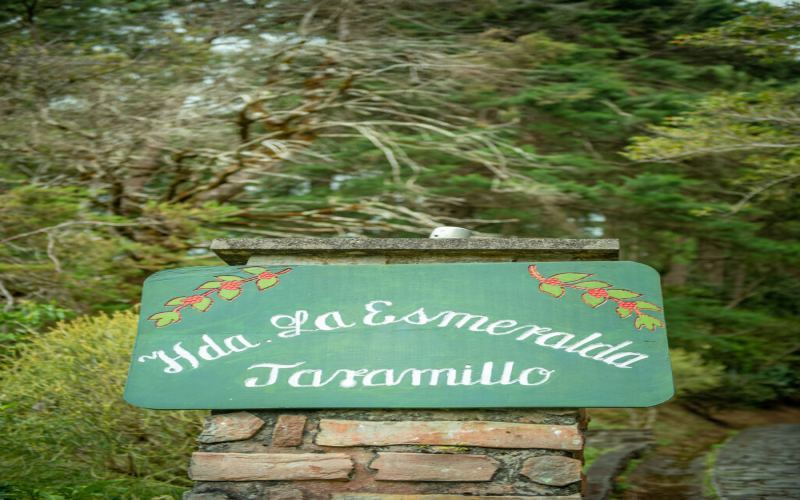
Geisha coffee beans, with their iconic floral aroma and delicate fruit acidity, have become one of the most sought-after varieties in the specialty coffee world. From the perspective of Front Street Coffee, this article traces Geisha's journey from the forests of Ethiopia to Hacienda La Esmeralda in Panama, analyzes the microclimate differences among the estate's three major plots—Jaramillo, Cañas Verdes, and El Velo—and explains one by one the processing methods, flavor profiles, and Front Street roasting curves for the three grades: Red Label, Green Label, and Blue Label. The article also documents Front Street's actual brewing parameters for Geisha—coffee-to-water ratio, water temperature, and staged pouring technique—helping coffee enthusiasts understand the taste differences brought by different processing methods. [more…]
The Origins and Flavor Characteristics of Panama Geisha Coffee: A Comprehensive Analysis of Core Producing Estates Worldwide
Geisha coffee is hailed as the shining pearl of the specialty coffee world. From the wild forests of Ethiopia to the auction stage of Hacienda La Esmeralda in Panama, it has traveled a legendary journey. This article traces the spread of the Geisha variety, analyzes the flavor differences among major origins such as Panama, Colombia, Costa Rica, and Ethiopia, and provides a detailed introduction to the classification criteria and brewing suggestions for Hacienda La Esmeralda's three grades: Red Label, Green Label, and Blue Label. Front Street Coffee has selected several representative Geisha beans to give you a comprehensive understanding of this elegant variety's unique charm and key tasting points. [more…]
Geisha Coffee: The Variety Legend from Ethiopian Forests to Panama Champion and a Full Analysis of Origin Flavors
Geisha coffee, also known as Gesha coffee, is one of the most dazzling varieties in today's specialty coffee world. It was first discovered in the Geisha forest of Ethiopia, then made its way through Kenya, Uganda, and Costa Rica, and finally rose to fame at Hacienda La Esmeralda in Panama. This article traces the complete spread of Geisha coffee and its varietal characteristics, and introduces the Geisha flavors of representative origins such as Colombia, Costa Rica, and Ethiopia, as well as the Red Label, Green Label, and Blue Label grade classifications of Panama's Hacienda La Esmeralda. Drawing on years of sourcing experience, Front Street Coffee shares the cupping performance and brewing suggestions for each Geisha coffee bean, helping coffee lovers fully understand this legendary variety. [more…]
Hacienda La Esmeralda Blue Label Geisha Coffee Explained: A Full Breakdown of Grades, Natural Processing, and Brewing Parameters
The Blue Label Geisha from Hacienda La Esmeralda has long been regarded as the entry point for experiencing top-tier Geisha flavors at an accessible price. In the 2020 harvest season, Hacienda La Esmeralda released a naturally processed Blue Label version for the first time, and Front Street Coffee was among the first to import it for a comparative review. This article systematically outlines the distribution and microclimates of Hacienda La Esmeralda's three major plots, the specific classification criteria for the Red Label, Green Label, and Blue Label grades, and explains in detail the differences between the washed and natural processing methods. It also shares Front Street Coffee's medium-light roast profile and three-stage brewing recipe for the Blue Label Geisha. The article additionally compiles flavor descriptions for the Red Label, Green Label, and Blue Label across different processing methods, as well as the story behind the discontinuation of the Blue Label in 2021 and the emergence of Las Rocas Volcanic Geisha as its replacement product. [more…]
A Complete Analysis of Geisha Coffee Bean Origins: From Ethiopian Beginnings to Cultivation and Flavor at Panama's Hacienda La Esmeralda
Geisha coffee, also known as Gesha coffee, is widely recognized as a top-tier variety in the specialty coffee world. It originated in the Geisha forests of Ethiopia, then spread through Kenya, Uganda, and Costa Rica before arriving in Panama. It was not until 2004, when Hacienda La Esmeralda won the Best of Panama (BOP) competition, that it truly came into the public eye. Geisha is extremely demanding when it comes to its growing environment—high altitude, cloud cover for shade, and fertile soil are all indispensable, and this is what gives it its refined and elegant floral aroma and fruity acidity. Today, Colombia, Costa Rica, Guatemala, Peru, and even Ethiopia itself are all cultivating Geisha, with each origin offering its own distinctive flavors. Among the many Geisha coffee beans that Front Street Coffee has sourced are Panama Hacienda La Esmeralda's Red Label and Green Label, as well as representatives such as Colombia Hanami, Costa Rica Mirazu, and Ethiopia Gesha Village. This article will systematically outline Geisha's history of dissemination and the characteristics of each origin, along with Front Street's brewing recommendations and flavor descriptions, to give you a comprehensive understanding of this legendary coffee. [more…]
A Comprehensive Analysis of Geisha Coffee Flavor Characteristics and Notable Producing Regions, Estates, Varieties, and Processing Methods
Geisha coffee, with its clean and refreshing taste and rich sweet-and-sour flavor, has become one of the most sought-after varieties in the contemporary specialty coffee world. This article will take you through Geisha's legendary journey from the forests of Ethiopia to the estates of Panama, analyze the flavor differences and grading systems among Emerald Estate's red-label, green-label, volcanic-rock, and other grades of Geisha, and introduce the Geisha products and brewing suggestions offered by Front Street Coffee, presenting coffee lovers with a complete guide to Geisha coffee knowledge. [more…]
Costa Rica Las Piedras Estate Blueberry Coffee Beans: Full Analysis of Anaerobic Heavy Honey Processing Flavor and Variety
Costa Rica, with its diverse microclimates and volcanic soils, became one of the first countries in Central America to cultivate coffee. Piedra Grande Estate, located in the Brunca region in the south, takes its name from the indigenous "secret stone spheres" unearthed nearby. At an altitude of 1,400-1,700 meters, the mixed red and gray clay soil gives the coffee high density and excellent sweetness. The estate grows two varieties, Bourbon and Catuai, and employs anaerobic heavy honey processing: first low-temperature anaerobic fermentation, then 20-25 days of raised-bed drying and greenhouse resting, and finally aging the beans to 11% moisture content. Front Street Coffee's Piedra Grande Blueberry coffee presents a flavor profile of rose, blueberry gummy candy, fermented notes, and mint, making it well worth savoring for coffee enthusiasts. [more…]
A Review of Famous Costa Rican Coffee Estates: The Flavors and Regional Characteristics of Tarrazú and Hacienda Colosal
In Spanish, Costa Rica means "rich coast." Volcanic soil, Pacific Ocean currents and monsoons, and mountains at varying elevations together create unique microclimates that provide superior conditions for coffee cultivation. After coffee beans were introduced from Cuba in the early 18th century, the country became the first in Central America to grow coffee and the first to cultivate it on a large scale because of its commercial value. A relatively strong economic foundation, together with government policy support for high-quality Arabica, has kept Costa Rica's coffee industry among the world's leaders for a long time. This article reviews Costa Rica's representative coffee estates, focusing on the Tarrazu region and the巨石 Estate in the Brunca region, and includes Front Street Coffee's daily-drink bean recommendations to help you understand the flavor characteristics of these regions. [more…]
Geisha Coffee Tasting Guide: From Brewing Parameters to Flavor Differences Across Three Major Origins and Brand Recommendations
Geisha coffee is known for its delicate floral aroma and elegant fruit acidity, but Geisha from different origins varies noticeably in flavor, and the brewing method must also be adjusted according to the beans. This article begins with the origin of the Geisha variety and its rise to fame, sorts out the red, green, and blue label grading system of Panama's Hacienda La Esmeralda, and compares the cupping performance and pour-over recommendations of three Geishas from Costa Rica, Ethiopia, and Colombia. At the same time, Front Street Coffee will share water temperature, grind size, and staged extraction plans for light-roast Geisha, helping you understand more completely the flavor logic of this "luxury of the coffee world." [more…]