







How Should Geisha Coffee Be Brewed at Home
Panama Las Rocas Volcanic Geisha, Hacienda La Esmeralda's new Blue Label, is brewed to show floral and fruity aromas, honeyed sweetness, and a soft, non-bitter cup. A complete plan covers dose, grind size, brew ratio, water temperature, and staged pouring, with specific parameters for each step so the same bean can be reproduced at home.
Geisha is a variety name, like Typica and Bourbon, and its recognition grew after Hacienda La Esmeralda won the BOP championship. Beans are pointed at both ends and plump in the middle. A cost-effective alternative is Front Street's Granja Estate Geisha from Ethiopia, a natural-process single origin with apricot, cream, citrus, and blueberry flavors.
Geisha coffee has always been regarded as the "luxury item" of the coffee world, and Panama's Las Rocas Volcanic Geisha is one of the hottest representatives. This bean is actually Hacienda La Esmeralda's "new Blue Label," and the quality remains excellent—but how should it be brewed to show its best flavor? Starting from Front Street's brewing experience, this article will introduce the unique qualities of Geisha coffee in detail, including its varietal origin, flavor characteristics, bean appearance, and a complete brewing plan for Las Rocas Geisha. From dose, grind size, and brew ratio to water temperature and staged pouring, every step comes with specific parameters and operating instructions, helping you brew a Geisha coffee at home with intense floral and fruity aromas, honeyed sweetness, and a soft, non-bitter cup.
During Double 11, many coffee lovers picked up some pricey coffee beans, especially Geisha, which is generally on the expensive side. When brewing, it's only natural to be extra cautious—but that caution can end up costing you the truly stunning flavor. Today, Front Street will talk about how Geisha coffee should be brewed.
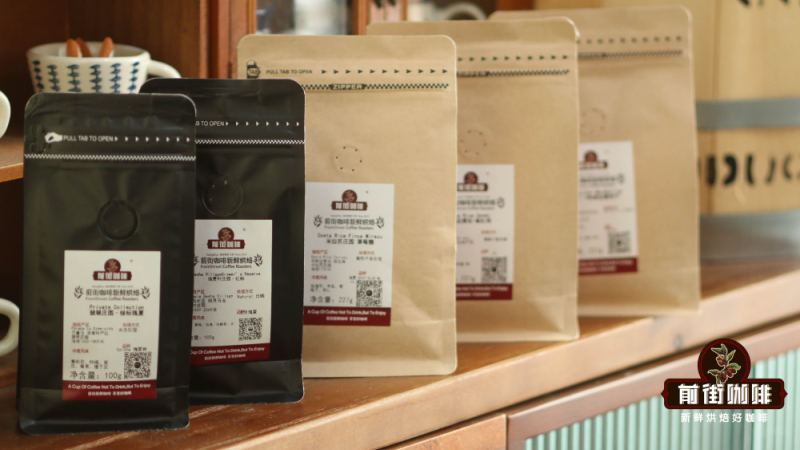
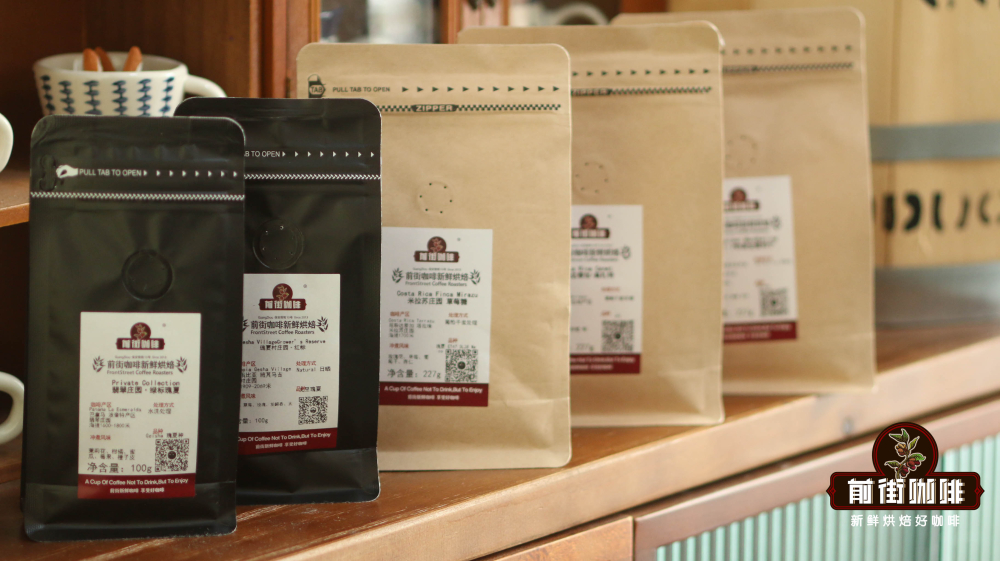
If you're looking for a cost-effective option, Front Street's Granja Estate Geisha is worth recommending. It comes from Ethiopia and is a natural-process single origin; the high-altitude growing conditions let the heirloom Geisha show more apricot, cream, citrus, and blueberry flavors.
What exactly makes Geisha so special?
Many people compare Geisha to a luxury item in coffee. In fact, "Geisha" is the Chinese elegant translation of Geisha; it is simply one coffee variety, and like Typica and Bourbon, it is a varietal name. In reality, few products are directly called Typica coffee beans or Bourbon coffee beans—these names usually appear only in the variety field. But Geisha is often written into product names.
This all goes back to the year Hacienda La Esmeralda won the BOP championship with Geisha. Geisha coffee has extremely high flavor recognition and is itself very appealing, clearly setting it apart from other varieties. Combined with a series of promotional and marketing efforts, Geisha gradually replaced the former Blue Mountain and became the new king of coffee, even successfully breaking into the mainstream.
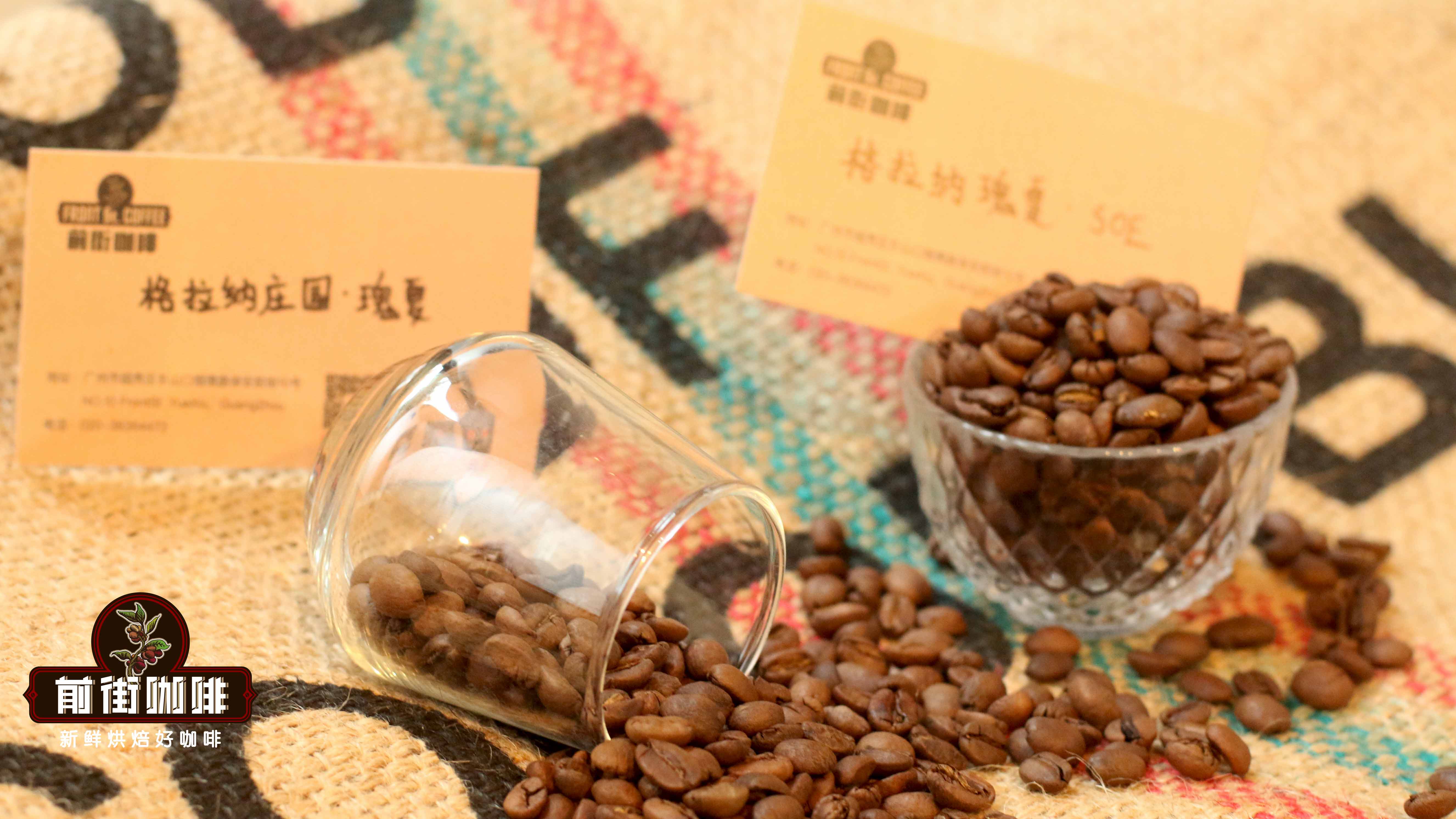
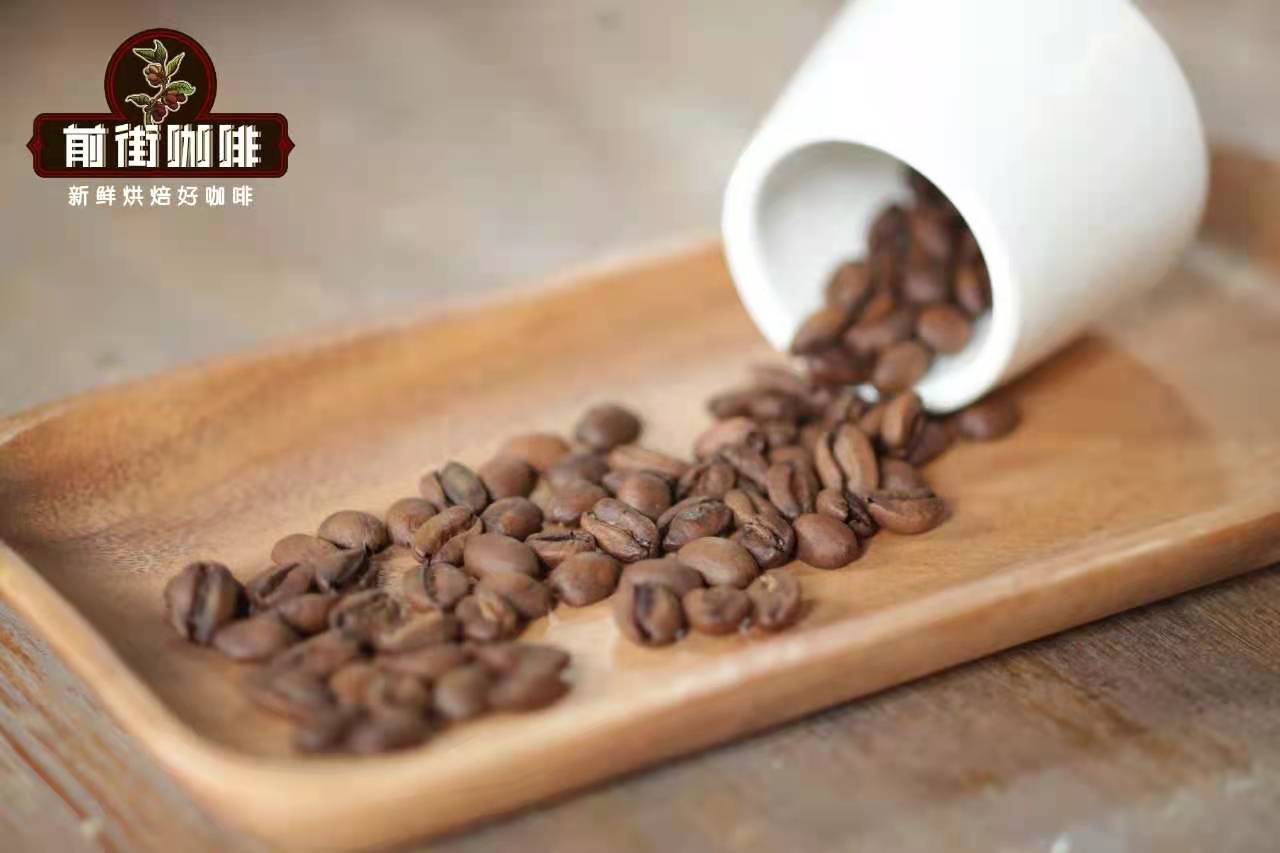
Take Panama Geisha as an example: the beans are pointed at both ends and plump in the middle, and after roasting they give off a faint floral aroma—distinctive features that make them easy to remember. Geisha grown at high altitudes has harder bean density than other varieties; the brewed coffee has prominent floral notes, bright and clean citrus acidity, a honey- or brown-sugar-like sweetness, and a finish that brings aromas reminiscent of green tea, oolong tea, or jasmine tea.
So how should Geisha coffee be brewed?
Since Geisha's flavor is so distinctive and its price is relatively high, it would indeed be a shame not to fully bring out its characteristics. So we can create a dedicated brewing plan for Geisha.
This demonstration uses Las Rocas Volcanic Geisha coffee beans from the 2021 new crop season. This bean is actually Hacienda La Esmeralda's "new Blue Label," and its quality remains outstanding.
For the dose, Front Street still chooses 15g, paired with a small Hario V60 dripper. The grind will be slightly coarser than Front Street's usual output, with a 78% pass rate on a No. 20 sieve. The main reason is that Geisha beans are relatively hard, tend to sink to the bottom, and can clog the drainage holes.
The brew ratio is adjusted accordingly to 1:16. On one hand, more water is used to maintain the extraction yield; on the other hand, the coffee concentration is kept between 1.15% and 1.25%, the range where the coffee's best flavor is most perceptible. The water temperature stays at 91°C.
During brewing, first pour 25ml of hot water and bloom for 30 seconds. Because Geisha beans are hard, their water absorption is not that strong; 25ml of hot water is basically enough to wet the surface of the coffee grounds. If more water is used for the bloom, the excess water will essentially just fall straight into the server. During the bloom, you can be gentler, pouring in small circles from the center outward—this gives the best bloom hydration.
After the bloom ends, move on to the second pour. In this stage, pour 120ml of water, pouring in a "mosquito-coil" pattern from the center outward to lift the coffee bed. The pour takes about 1 minute to complete. Then wait for the water level to drop; under normal conditions it will fall steadily and slowly, reaching the halfway point at about 1 minute 10 seconds to 1 minute 15 seconds, forming a "bowl" shape.
At this point, begin the final pour. In this stage, pour 90ml of water, pouring in circles about half the size of the water surface, and finish pouring at about 1 minute 35 seconds. All that's left is to wait for all the coffee liquid to drip into the server, then remove the dripper. The whole process is completed in about 2 minutes to 2 minutes 5 seconds.
Geisha coffee brewed this way will show intense floral and fruity aromas, along with the sweetness of fruit and honey, and is soft and not bitter overall. If you like it, give it a try!!!
For professional coffee knowledge exchange and more coffee bean information, please follow: Front Street Coffee (FrontStreet Coffee)
The above content is compiled by CoffeeHunters, a coffee news website.


