







Search Results for: La Palma y El Tucan
A Comprehensive Analysis of the Location and Coffee Varieties of Palm Tree Toucan Estate
La Palma y El Tucan estate is located in Colombia and is renowned for its innovative cooperative model and experimental processing. Founders Carlos, Elisa, and Felipe launched the "Neighbors & Crops" project, partnering with more than 200 surrounding smallholder farmers to build sustainable relationships through training in picking, premium purchasing, and nursery support. The estate not only carefully processes each batch of cherries, but also cultivates varieties such as Gesha, SL28, Bourbon, and Caturra under high-altitude microclimates, which will be harvested in the coming years. Front Street Coffee recommends paying attention to this estate's unique flavors and quality potential. [more…]
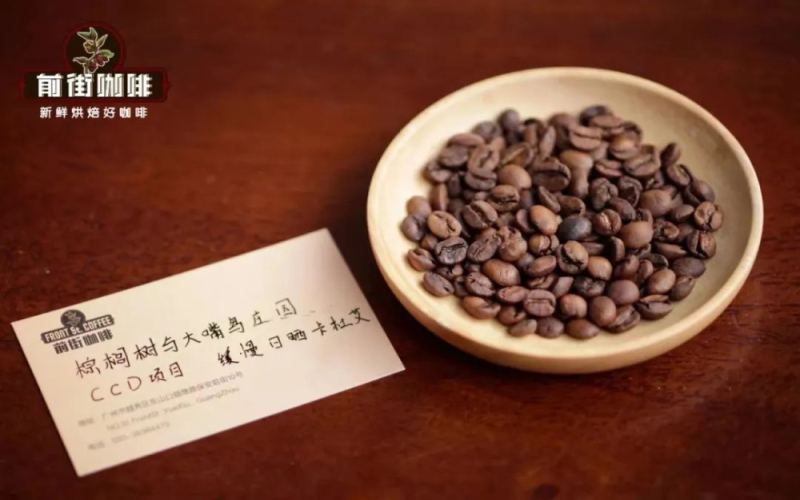
Analysis of Panama CCD Innovative Processing Projects: From Concept to Practice at Palm Tree and Toucan Estate
In 2018, Panama launched a creative coffee-producing region initiative called CCD, short for Creative Coffee District, aimed at modernizing traditional coffee processing methods to give coffee more distinctive flavors. The project not only introduced advanced equipment and technology, but also attracted Colombia's renowned Finca Palma y Tucán to join forces with Panama's Finca Altieri. One side provides the beans, while the other contributes processing expertise. Through the clash of diverse processing methods such as low-temperature anaerobic fermentation, static and dynamic fermentation, and super natural, many uniquely styled coffee flavors have been born. This article will guide you through the origins of the CCD project, how it operates, and the estate stories behind it. [more…]

The Colombian Sidra Favored by WBC Champions: Variety Origins, Genetic Lineage, and Flavor & Brewing Analysis
In the past two years, a coffee variety called "Sidra" has rapidly risen to fame in the specialty coffee circle. Two WBC champions each won with Sidra lots from Colombia's Palma y El Tucán estate and Finca El Diviso, propelling this experimental variety—once relegated to the fields—onto the world stage. In Spanish, Sidra means apple juice or cider. It is generally considered a hybrid descendant of Typica and Red Bourbon, but WCR genetic identification shows it is closer to Ethiopian landraces, and its origins remain unclear to this day. In this article, Front Street Coffee will sort through Sidra's origin story, genetic research, plant characteristics, and flavor performance, and share a cupping experience and pour-over recommendations for Finca El Diviso's anaerobic natural Sidra, giving you a comprehensive understanding of this champion variety that combines floral aromatics with high-sweetness fruit notes. [more…]
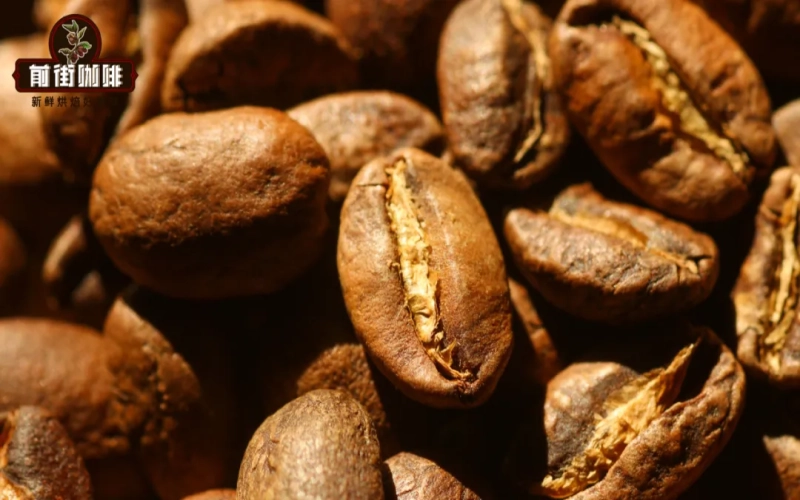
Lactic Acid Fermentation in Green Coffee Processing: Principles, Applications, and Flavor Impact
Lactic acid fermentation is widely used in the food industry, from kimchi to yogurt, it is indispensable. In the processing of green coffee beans, this technique is increasingly being adopted by more and more estates to create richer floral and fruity notes and a fuller body. This article guides you through the mechanism of lactic acid bacteria, their role in washed processing, and how controlled fermentation can achieve flavor breakthroughs. At the same time, the practical case of the Palm Tree and Toucan Estate in Colombia demonstrates the potential of lactic acid fermentation in specialty coffee. Front Street Coffee will also recommend related products worth trying. [more…]
A Complete Guide to Colombian Sidra Coffee Beans: From Huila's Finca La Divisa to Fame via Two WBC Champions
The Sidra variety has risen to fame in the specialty coffee world in recent years, becoming a focal point after being chosen by two World Barista Championship winners. It originally came from Ecuador, developed by crossbreeding Typica and Red Bourbon, and genetic testing shows it has a genetic connection to Ethiopian landraces. It is currently mainly grown in Ecuador and Colombia, with Finca El Diviso in the Huila region of Colombia drawing much attention after Anthony Douglas's championship win. Front Street Coffee has also introduced this bean, using a double anaerobic washed process and a medium-light roast, presenting rich fruit flavors of apricot, citrus, and grape. This article will guide you through the origins of Sidra, the story of Finca El Diviso, the variety's characteristics, and Front Street's brewing recommendations. [more…]
Sidra Coffee Variety Origin and Champion Bean Analysis: Colombia Finca El Diviso Flavor and Front Street Brewing Parameters
The rare variety Sidra came into the public eye thanks to its selection by two World Barista Championship winners. It originally comes from Pichincha Province, Ecuador, and genetic research shows it is related to Ethiopian native varieties. It is currently grown mainly in Ecuador and Colombia. The anaerobically fermented Sidra lot from Finca El Diviso in the Huila region of Colombia, selected by 2022 WBC champion Anthony Douglas, has further driven the estate and the variety's rising popularity. This article will sort out Sidra's origins, plant characteristics, and flavor profile, and introduce the Sidra coffee beans from Finca El Diviso brought in by Front Street Coffee, along with brewing suggestions, providing a complete reference for coffee lovers. [more…]
The Same Sidra Coffee as the 2022 WBC Champion: A Complete Analysis of the Flavor and Origin of Colombia's Sidra Variety
At the 2022 World Barista Championship, Anthony Douglas claimed the crown with a Sidra coffee from Colombia's Finca El Diviso, making this rare variety once again the focus of the specialty coffee world. In fact, back in 2019, Korean champion Jooyeon Jeon had already chosen an Ecuadorian Sidra to take the WBC stage. Where exactly does Sidra come from, and why can it rival Geisha? This article will walk you through the origins of the Sidra variety, the background of Colombia's Finca El Diviso, and the flavor profile and pour-over recommendations for this championship bean. Front Street Coffee has also brought in a Sidra lot from Finca El Diviso, using double anaerobic washed processing and a medium-light roast, presenting rich fruity notes of apricot, citrus, and grape. [more…]
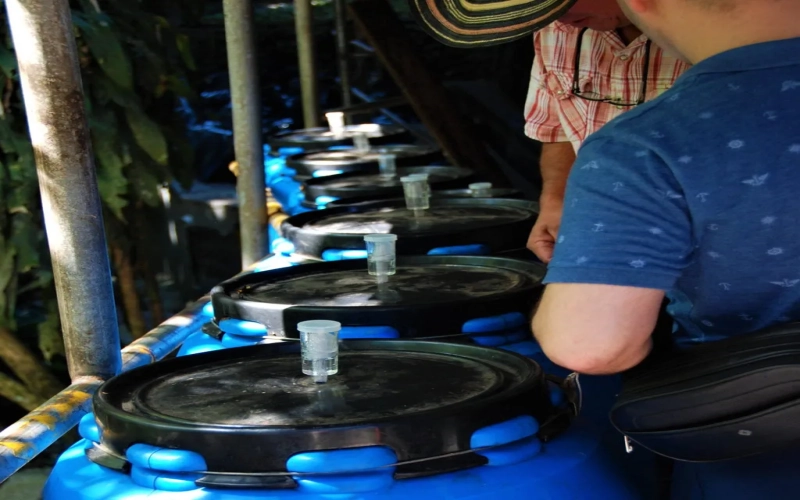
How Do You Distinguish Anaerobic-Processed Coffee from Flavored Coffee? Is Added Flavoring Harmful to Health? A Detailed Explanation of Special Processing Methods
In recent years, the processing method descriptions on coffee bean labels have become increasingly long, with various special processing methods, primarily anaerobic, emerging one after another. When many consumers drink anaerobically processed coffee with unique flavors, they wonder whether flavorings were added during roasting. This article sorts out the differences between anaerobic natural and anaerobic washed, explains why special processing methods are mostly led by well-funded estates, and cites the views of world champion Sasa to clarify the essential differences between flavored coffee and the addition of enzymes or yeast fermentation. It also answers questions such as whether anaerobic coffee is equivalent to flavored beans and whether it harms health, helping coffee lovers understand more transparently where the flavors in their cup come from. [more…]
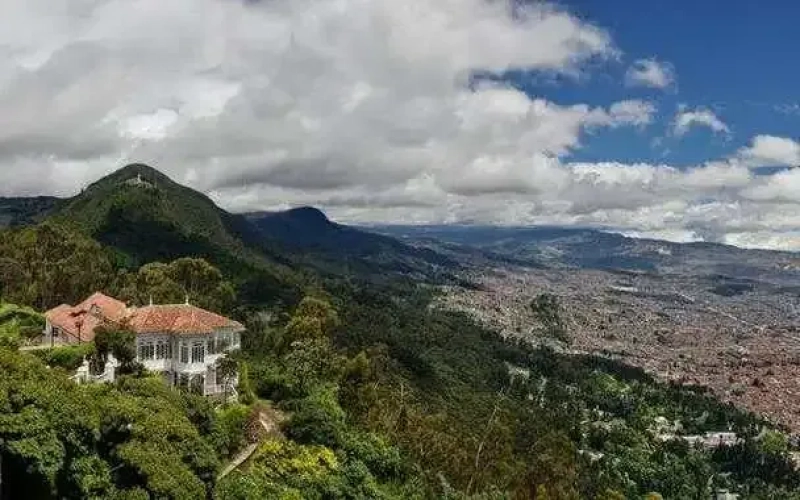
Colombia's Antioquia Coffee Region: From Historical Turbulence to the Rise of Specialty Chiroso
South America is an important coffee-producing region in the world. Colombia, with its three Cordillera mountain ranges and fertile volcanic soil, has become the world's third-largest coffee producer. Among its many producing regions, Antioquia stands out for both its output and quality. This article will begin with the ups and downs in Colombia's coffee history, trace the background of FNC's founding, and then focus on Antioquia's geographical advantages and La Palma estate, telling how the Echavarría family promoted the Chiroso variety and won 8th place with 89.39 points in Colombia's 2023 COE competition. Front Street Coffee will also combine the characteristics of the producing region to interpret for you its flavor potential and representative products. [more…]
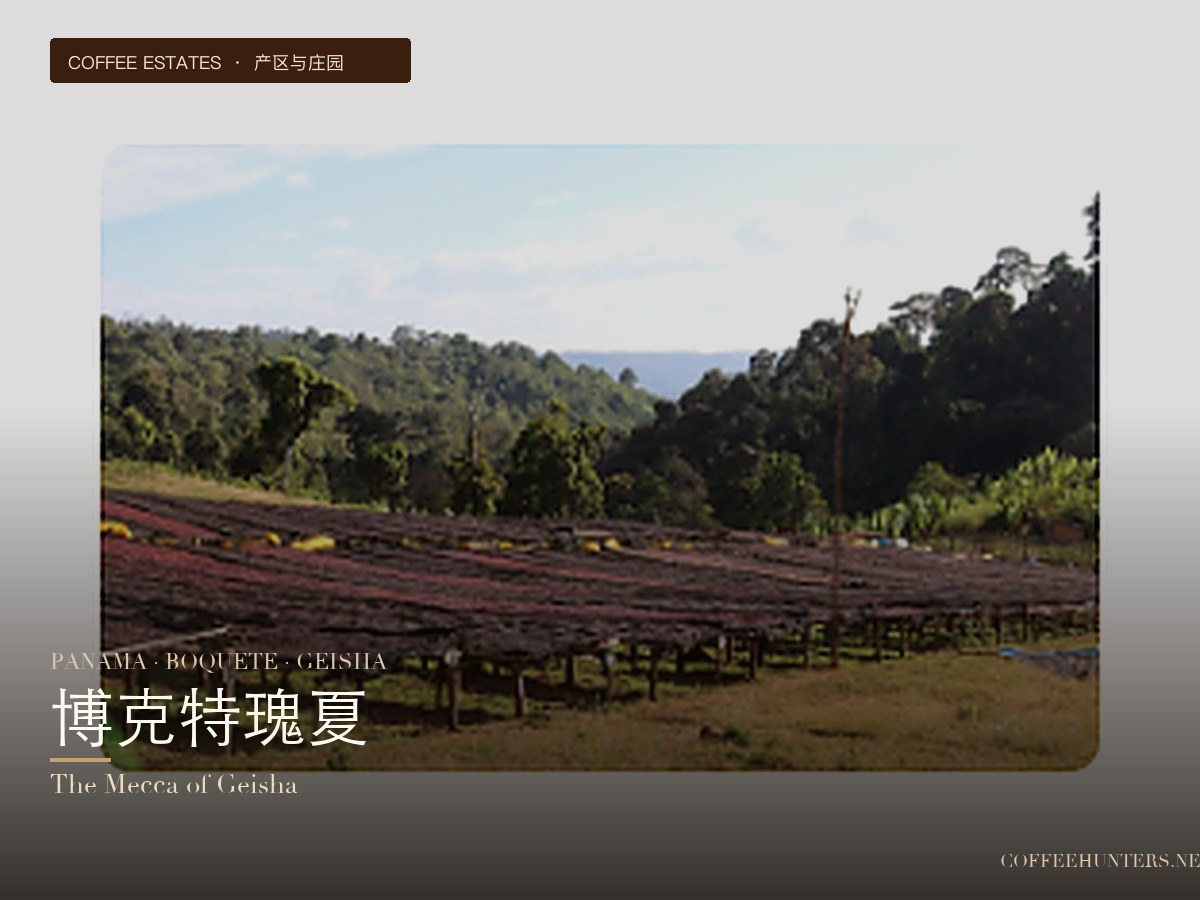
Panama · Boquete and Hacienda La Esmeralda: The Geisha Pilgrimage Site
Boquete is Panama's most famous coffee-producing region, and Hacienda La Esmeralda is the birthplace of the world's most expensive Geisha coffee. This article takes you through the geography of Boquete, the history of Geisha, the miracle of Hacienda La Esmeralda, and the mystery of Geisha's flavor. [more…]
Colombia Finca El Paraiso Double Anaerobic Washed Coffee Beans: Variety Characteristics, Roasting Recommendations, and Pour-Over Brewing Guide
Luckin Coffee's recent launch of the Finca El Paraiso SOE has brought this Colombian coffee into more people's view. Finca El Paraiso is located in Colombia, and its owner, Diego Samuel, has been managing this land since 2008. Through continuous research into the production methods of specialty flavors, he won first place in a regional competition in 2015. Front Street Coffee has also imported the estate's Cherry coffee beans, which use a double anaerobic washed process and are of the Castillo variety. Front Street presents its authentic flavor with a light roast, and in cupping one can perceive notes of mugwort, basil, mint, berries, and osmanthus. This article will guide you through the background of Finca El Paraiso, its processing methods, and variety characteristics, and share Front Street's brewing parameters and extraction insights to help you better savor this unique anaerobically processed coffee. [more…]
A Complete Guide to Colombian Specialty Coffee Flavors: Brewing Guides for Representative Beans from the Three Major Regions of Huila, Santander, and Cauca
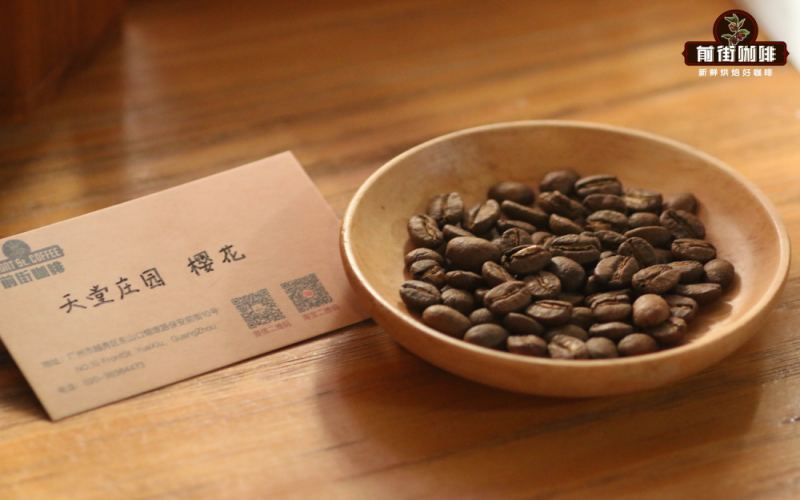
Colombian coffee has always been renowned for its rich sweetness, full-bodied character, and intense aroma, with exceptionally high balance, often accompanied by nutty notes and elegant fruity acidity, and is regarded by many baristas as a premium choice. The Colombian beans selected by Front Street Coffee mainly come from growing regions in the south at elevations above 1,500 meters, such as Huila, Cauca, and Santander, where the coffee produced has delicate berry notes and caramel sweetness. This article will review, one by one, the regional backgrounds, processing methods, and brewing flavors of Front Street's various Colombian single-origin beans, including Huila, Flower Moon Night, Rose Valley, and Hacienda del Cielo Sakura, and will also share Front Street's V60 brewing parameters and techniques, taking you through a comprehensive understanding of the diverse charm of Colombian coffee. [more…]
Flavor Analysis and Brewing Parameters of Colombia Finca El Paraiso SOE Double Anaerobic Washed Coffee Beans
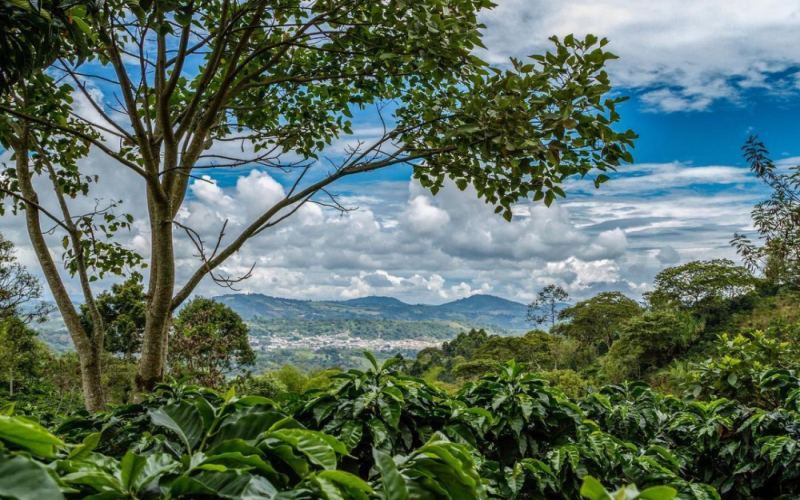
Colombia, as the world's third-largest coffee producer, holds a special position in the international coffee market thanks to government regulations restricting the country to growing only Arabica varieties and the support of NFC institutions. Recently, Luckin Coffee launched its Little Black Cup series, featuring a Finca El Paraiso SOE, bringing this estate in the Cauca region into the spotlight. Finca El Paraiso was founded by Diego Samuel in 2008, starting as a small 2.5-hectare family estate, and rose to fame in a regional competition in 2015 through technological innovation. Front Street Coffee's bean list happens to include a Finca El Paraiso Sakura coffee bean, produced using a double anaerobic washed process, of the Castillo variety. This article will provide a detailed interpretation of this bean, covering its regional background, the principles of its processing method, variety characteristics, roasting approach, and pour-over brewing plan. [more…]
The Origin of Panama Finca El Fuego Coffee and an Analysis of Panama's Coffee Grading System
How did coffee from Panama's Fuego y Piedra estate enter the specialty coffee world? And what is the background of its Catuai variety? Meanwhile, what are the grading standards for Panamanian coffee beans? This article will focus on Fuego y Piedra Estate's honey-processed Catuai, covering everything from the variety's origins, terroir, and cupping performance to brewing parameters, and will also outline Panama's coffee-growing regions and grading system, giving you a complete picture of this bean. The article also includes recommendations and product information from Front Street Coffee, making it suitable for coffee enthusiasts to read in depth. [more…]
Flavor Analysis of Colombia Finca El Paraiso Anaerobic Natural Coffee Beans and SOE Extraction Guide
Finca El Paraiso is a family-run coffee estate in Colombia's Cauca region, renowned for its innovative processing methods. Its anaerobic natural coffee beans, with their pronounced fermented character and sweetness, have become a favorite among many coffee enthusiasts. In this article, Front Street Coffee will take you deep into this bean's regional background, varietal characteristics, and processing techniques, and share a complete set of insights ranging from the roasting curve to cupping flavors, all the way to V60 brewing and SOE extraction. Whether you're a pour-over enthusiast or an espresso player, you'll find practical reference parameters and key operating points here. [more…]
Colombia Cauca Finca Paraiso Strawberry 2.0 Coffee Beans: Double Anaerobic Washed Processing and Pour-Over Flavor Analysis
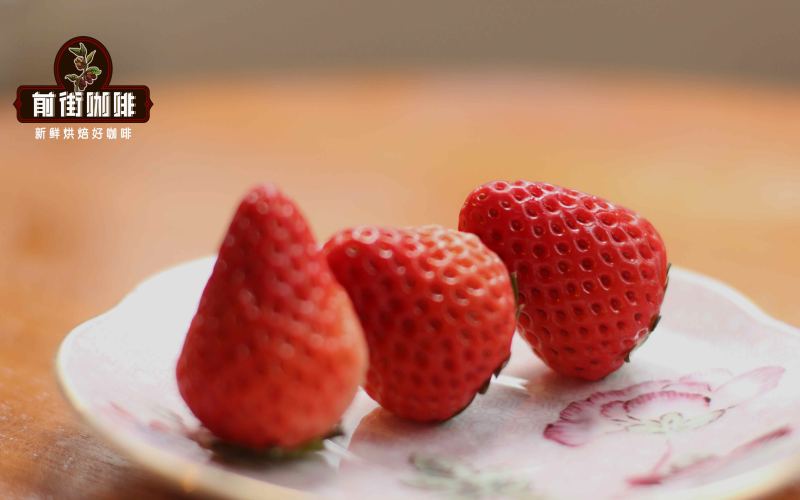
Strawberry-flavored coffee has attracted much attention in recent years, and Strawberry 2.0 from Finca El Paraiso in Colombia's Cauca region is one of the most talked-about examples. This bean uses a double anaerobic washed process, is of the Castillo variety, and is grown at an excellent elevation of 2,050 meters, bringing aromas of strawberry yogurt, strawberry-juice-like acidity, and a long honey-like finish. In response to the higher moisture content of beans from the new harvest season, Front Street Coffee's roaster adopted a medium-light roast to highlight their floral and fruity character, and provided detailed V60 pour-over parameters and a three-stage pouring method. This article will comprehensively analyze the terroir of the Cauca region, the background of Finca El Paraiso, the principles of double anaerobic fermentation, and Front Street Coffee's cupping and brewing recommendations, taking you deeper into the unique charm of this Strawberry 2.0. [more…]
2025 Imported Roasted Coffee Bean Price Overview: How Much Per Catty for Front Street Coffee's New-Crop Single-Origin Beans?
The 2025 new-crop bean list from Front Street Coffee has been officially released. Every year, the bean-sourcing team tests over 300 sample lots, and in the end only about 50 make it onto the shelves—a clear sign of just how strict the selection criteria are. This article compiles the latest prices for the entire lineup of imported roasted coffee beans currently on sale this season at Front Street, covering classic representative beans from major producing regions such as Ethiopia, Kenya, Papua New Guinea, Indonesia, Jamaica, Hawaii, Panama, Costa Rica, and Colombia. From COE auction-winning beans to everyday washed Yirgacheffe, from Blue Mountain No. 1 to Hacienda La Esmeralda Geisha, each one is labeled with its origin, processing method, and flavor description, making it easy for coffee lovers to choose according to their needs. [more…]
Why Does Americano Have a Sour Taste? Exploring the Causes and Flavor Pros and Cons of Sour Americano
American coffee is, in many people's minds, synonymous with a bitter, burnt pick-me-up. Yet in recent years, more and more Americanos have taken on a bright acidity, delighting some drinkers while confusing others. This acidity is not a sign of spoilage, but rather the result of a shift in flavor trends and evolving roasting philosophies within the coffee industry. From the perspective of Front Street, this article explores the deeper reasons behind American coffee turning sour, sorts out the differences between Italian roasting and ultra-light Nordic roasting, and discusses how SOE Americano pushes fruity acidity to the extreme. Whether you prefer a rich, bittersweet cup or favor floral and fruity sweet-tart notes, you'll find the cup that suits you. [more…]
The Cultivation Story, Flavor Characteristics, and Brewing Tips of Papua New Guinea Coffee Beans
Papua New Guinea's coffee industry has followed a unique path of development, with more than 70% of its coffee beans coming from small local farms, many of them scattered deep in the forests or among the highlands. A growing environment at elevations of 1,300 to 1,800 meters gives the beans higher quality, and natural cultivation methods also give their flavor a distinctive character. From the development opportunity brought by the Brazilian frost in 1975, to the quality fluctuations and policy adjustments of the 1990s, and now to the steady performance of A-grade and AB-grade coffee, Papua New Guinea coffee has traveled a winding road that is well worth understanding. This article will introduce you to its cultivation background, grade classifications, and flavor characteristics, and share suitable brewing approaches. [more…]

El Niño Expected to Wind Down in April, La Niña to Return in the Second Half of the Year and Potentially Batter Global Coffee-Producing Regions Again
The latest meteorological forecasts indicate that the El Niño condition is expected to come to an end around April 2024. After a brief neutral phase, La Niña may form between June and August and persist through the second half of the year. Previously, El Niño brought extreme weather such as heavy rain, drought, and high temperatures to coffee-growing regions in Brazil, India, Vietnam, Indonesia, and other places, causing reduced production and driving up international coffee prices. As La Niña takes over, southeastern Brazil may face reduced rainfall and the risk of frost, while Indonesia may experience heavy rainfall and even floods, and the coffee berry harvest may be hit again. Front Street Coffee will also continue to monitor the impact of climate change in producing regions on the coffee supply chain. [more…]