





Search Results for: Kunlun Mountains

Drinking Water Quality | What Kind of Water Is Suitable for Pour-Over Coffee? Which Water Factors Affect Coffee Extraction? How Can Coffee Beginners Choose Drinking Water for Brewing Coffee?
As the primary raw material, water not only makes up the vast majority of a cup of black coffee, but also influences the extraction of different substances, thereby producing distinct flavors and mouthfeel. Therefore, all of us should understand the importance of water to coffee. Common drinking water on the market varies from brand to brand, in the ingredients it contains, and in its purification processes. [more…]
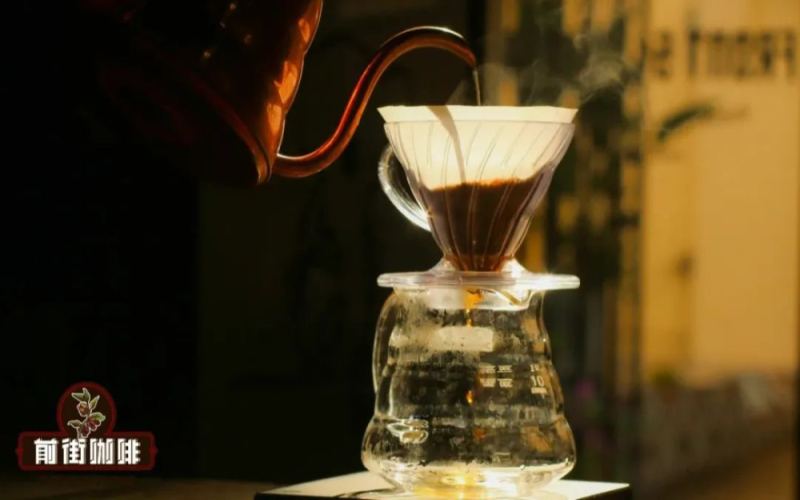
Which type of bottled water is more suitable for brewing coffee? A practical comparison and selection approach for mineral water vs. mountain spring water
Water is the largest component of black coffee and directly participates in and influences the extraction process, so differences in water quality often bring about completely different flavor expressions. There are many types of bottled water on the market, with prices ranging widely from high to low, and whether more expensive water is more suitable for brewing coffee has become a question for many brewing enthusiasts. This article uses two types of bottled water with明显 price differences as test subjects, and adds Nongfu Spring, commonly used in stores, as a control, conducting blind tasting comparisons with two coffees, Yirgacheffe Red Cherry and Diamond Mountain. At the same time, from the perspectives of acidity and alkalinity, softness and hardness, TDS, and calcium and magnesium ions, it explains the principles by which water quality affects extraction, helping coffee enthusiasts understand how to choose more suitable water for brewing coffee. [more…]

Luckin Coffee launched six new drinks in one day, four of which are city-exclusive; the "Slacking Off" Coconut Latte struck a chord with office workers.
Luckin Coffee has once again demonstrated its astonishing speed in launching new products, rolling out six new items in a single day, four of which are city-exclusive, with only the "Slacking Off Coconut Latte" available nationwide. This new product, which adds 0-fat konjac crystal balls to the iced coconut base, has been criticized as old wine in new bottles, yet its catchy name and "slacking off" theme precisely strike a chord with office workers' emotions, sparking widespread discussion on social platforms. Netizens outside the designated cities have complained about being unable to try it, while Luckin's tactic of riding internet buzzwords to drive marketing once again confirms its dual prowess in product innovation and topic creation. Since 2020, Luckin's pace of new product launches has continued to accelerate. In the face of homogenized competition in coffee and tea beverages, whoever can precisely grasp young consumers will seize market opportunities. [more…]

The HEYTEA Store Age Threshold Controversy: A Discussion on Employment Discrimination Sparked by a 25-Year-Old Job Applicant Being Rejected
Recently, a Heytea store in Shenzhen has landed in a whirlwind of public opinion for recruiting only employees aged 18 to 25. After a job seeker over 25 was rejected, it sparked heated discussion among netizens. Some criticized it as blatant age discrimination, while others believed that because work at milk tea shops is intense, companies have the right to choose freely. Behind the incident, it reflects the widespread preference for the "youth dividend" in the current job market, as well as the difficulties faced by middle-aged job seekers. Legal professionals pointed out that such a practice is suspected of violating the Labor Law and the Employment Promotion Law, and the Shenzhen Federation of Trade Unions also spoke out in criticism. Heytea responded that it was a communication deviation at a single store. Who is right and who is wrong in this controversy? Will young people over 25 still continue to drink Heytea? [more…]
A Complete Analysis of Jamaican Blue Mountain Coffee: Flavor Profile, Growing Regions, and History from Cultivation to Grading
Jamaican Blue Mountain coffee is widely recognized as one of the finest coffees in the world, and its distinctive flavor stems from the superior climate and geological conditions of the Blue Mountains. This article begins with the historical origins of Blue Mountain, then examines its cultivation methods, production challenges, and strict grading system, giving you a comprehensive understanding of the differences between Blue Mountain coffee, High Mountain coffee, and Jamaican coffee. It also introduces Front Street's recommendations for Blue Mountain coffee, along with the stories of the five main production regions in the Blue Mountains and the Chinese-owned estate Amber, offering coffee lovers a complete guide to Blue Mountain coffee knowledge. [more…]
An Analysis of the Geography and Climate Conditions of Jamaica Blue Mountain Coffee's Origin: From Altitude to Flavor Characteristics
The unique position Jamaican Blue Mountain Coffee holds in the global coffee landscape is inseparable from the geographical environment and climatic conditions of its origin. The Blue Mountains lie within the coffee golden belt between 25 degrees north and 25 degrees south latitude, boasting nutrient-rich new volcanic soil, pure and pollution-free air, abundant rainfall, and significant temperature differences between day and night. Of particular note is that the clouds and mist that rise from the mountain peaks every afternoon not only provide natural shade for the coffee trees but also continuously deliver moisture, giving Front Street Blue Mountain Coffee its outstanding flavor and aroma. Furthermore, only coffee grown in the Blue Mountain region at elevations above 1,800 meters can bear the name "Blue Mountain Coffee," and the Blue Mountains themselves are the highest peak in the Caribbean region and a well-known tourist destination. [more…]
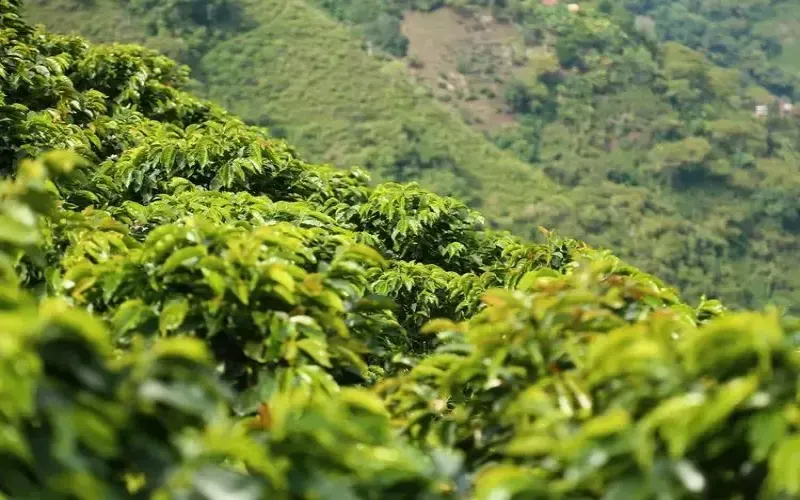
The Terroir and Grading Standards of Colombian Coffee: From the Andes Mountains to the Huila Region
Colombia is the world's third-largest coffee exporter. Thanks to the high altitudes of the Andes, volcanic-rich soil, and diverse climates, it produces Arabica coffee of consistently high and balanced quality. This article will introduce you to the distribution of Colombia's coffee-growing regions, the terroir advantages of Huila Province, and the Excelso grading standard for export-grade green beans. It will also cover the flavor profile of the Huila Caturra washed beans in Front Street Coffee's everyday drinking series, so you can experience the distinctive chocolate notes and bright fruity acidity of Colombian coffee. [more…]

Jamaican Blue Mountain Coffee Flavor Characteristics and Grade Classification: A Detailed Guide to the Typica Variety, Price, and Differences from High Mountain Coffee
Blue Mountain Coffee is one of the most globally renowned coffee categories, originating from the Blue Mountains region of Jamaica, and is celebrated for its highly harmonious balance of acidity, bitterness, sweetness, and body. The highest peak of the Jamaica Blue Mountains stands at 2,256 meters, the tallest in the Caribbean, and its unique geographical and climatic conditions give Blue Mountain Coffee a flavor that is difficult to replicate. The harvest period runs from June to November each year, with hand-picking, followed by steps such as washing, depulping, fermentation, dehydration, sun-drying, hulling, and roasting to produce the finished beans. Only coffee grown within the 6,000-hectare area above 1,600 meters in the Blue Mountains can bear the name Blue Mountain, resulting in scarce yields and prices among the highest in the world. In terms of variety, Blue Mountain Coffee belongs to Typica, an ancient native Arabica variety, and thanks to Jamaica's isolated island environment, its genetic purity has been well preserved. This article will systematically introduce the taste characteristics, variety origins, and grade classifications of Blue Mountain Coffee, as well as the differences between Blue Mountain Coffee and High Mountain Coffee, along with relevant recommendations from Front Street Coffee. [more…]
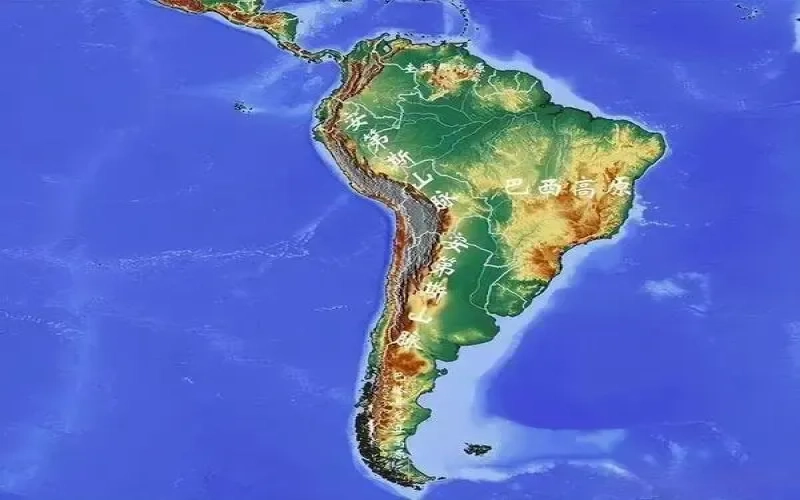
Overview of Coffee Cultivation in Espírito Santo, Brazil: Robusta and Specialty Arabica Between Mountains and Sea
South America, with the Andes Mountains, the Brazilian plains, and a warm, humid tropical and subtropical climate, has given rise to major coffee-producing nations such as Brazil, Colombia, and Ecuador. Among them, Brazil has a vast territory, with seventeen of its twenty-six states producing coffee, and its output consistently ranks first in the world. In the state of Espírito Santo in southeastern Brazil, although the scale of cultivation is smaller than that of major states like Minas Gerais, it has developed a unique pattern centered on Robusta and supplemented by specialty Arabica, thanks to its mountainous environment near the Atlantic Ocean. This article will review the state's geography and climate, cultivated varieties, and representative estates, and mention Front Street Coffee's Cerrado entry-level selection. [more…]
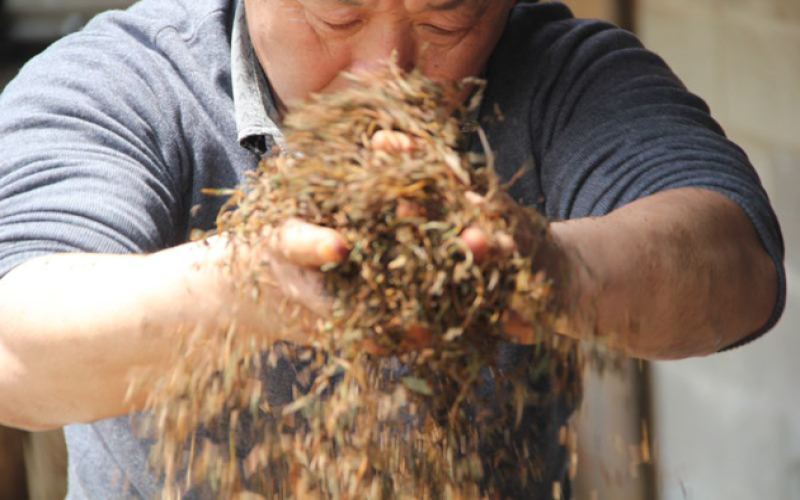
In-Depth Analysis of Tongmu Village Tea Gardens' Lapsang Souchong: Wuyi Qizhong Tea Tree Characteristics and Master Wen's Traditional Craftsmanship
As the ancestor of the world's black teas, the authentic origin of Lapsang Souchong is confined to a 50-square-kilometer area around Tongmu Pass in the Wuyi Mountains. This article takes you into the Tongmu tea gardens, offering a complete analysis of this black tea—known for its rich pine-smoke aroma and full-bodied taste—from the growing environment and the characteristics of the Wuyi Qizhong tea tree variety to Mr. Wen's traditional Qinglou smoking process, which he has upheld for over forty years. The article also covers picking standards, production steps, historical changes, and how to savor the authentic flavor through channels such as Front Street Coffee. Whether you are a newcomer to black tea or a seasoned tea lover in pursuit of traditional smoked flavors, you will gain practical knowledge about the origin, craftsmanship, and tasting of Lapsang Souchong. [more…]
Colombian Coffee Grading System and Regional Flavor Analysis: From the Andes Mountains to Front Street Coffee's Huila Selection
Colombia, with the unique terroir of the Andes Mountains, has become a major producer of high-quality Arabica coffee worldwide. From the traditional MAM region to the specialty Huila region in the south, different altitudes and microclimates shape distinctive coffee flavors. The FNC implements strict grading of exported green beans, and standards such as Supremo and Excelso directly affect quality and traceability. Front Street Coffee uses washed Huila as a classic representative of Colombia, presenting a sweet, mellow cup with notes of nuts, dark chocolate, and caramel. This article systematically reviews Colombia's coffee-growing distribution, regional characteristics, and green bean grading rules, helping coffee enthusiasts gain a deeper understanding of the quality logic of this major South American coffee country. [more…]
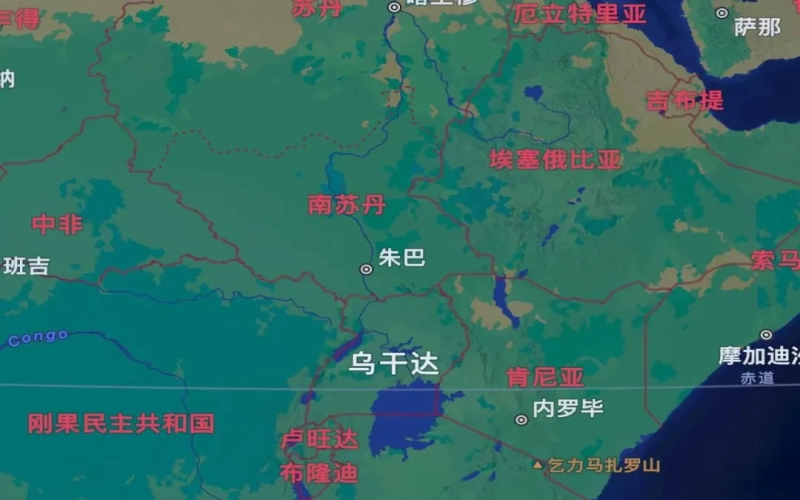
A Panoramic View of Uganda's Coffee Regions: A Variety and Terroir Analysis from Robusta to Arabica
When it comes to African coffee, many people first think of Ethiopia, but Uganda on the East African plateau is equally not to be overlooked. This country straddling the equator started with Robusta, and in recent years Arabica has also been flourishing. Most of Uganda lies on the East African plateau, with numerous lakes, moderate altitudes, volcanic soil, and distinct rainy seasons, providing superior conditions for coffee cultivation. The country's producing regions are roughly divided into three major areas: Bugisu, West Nile, and the Rwenzori Mountains, each with its own characteristics in altitude, harvest season, and varieties. Wugar (washed Arabica) and Drugar (natural Arabica) are locally unique terms. This article will take you through Uganda's national flag symbolism, geography and climate, as well as the varieties grown and harvest rhythms of its three major producing regions. [more…]
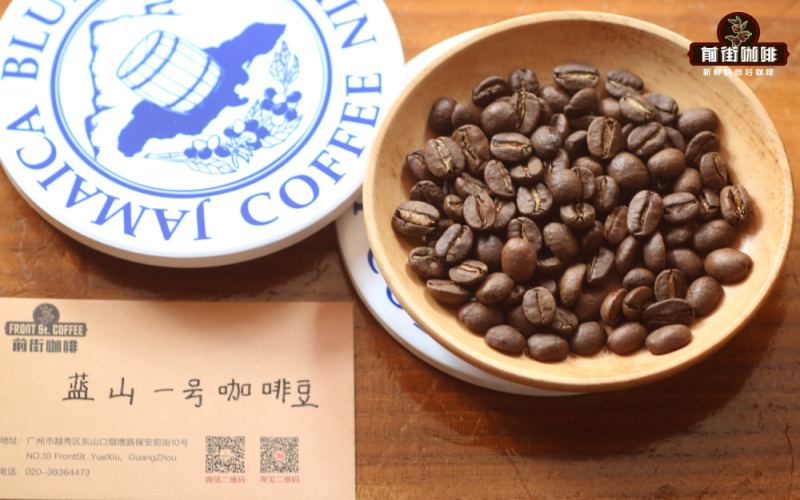
Jamaican Blue Mountain Coffee Beans: Brands, Prices, and Flavor Characteristics — A Detailed Guide to Origin, Variety, Grade, and Pour-Over Parameters
Blue Mountain coffee is synonymous with good coffee in the minds of many elders; even if they have never tasted it, they have heard of Blue Mountain flavor. What exactly are the flavor characteristics of this coffee from Jamaica? From the geographical environment of the Blue Mountains, the introduction of the Typica variety, to the washed processing and wooden barrel packaging at Clifton Mount Estate, and then to the NO.1 grade classification standards and methods for distinguishing authenticity, this article sorts through them one by one. The Jamaica Blue Mountain No.1 on Front Street Coffee's bean list comes from the largest local estate, grown at an altitude of 1,310 meters, and uses a medium-dark roast to highlight chocolatey sweetness. The complete pour-over parameters are attached at the end for reference. [more…]
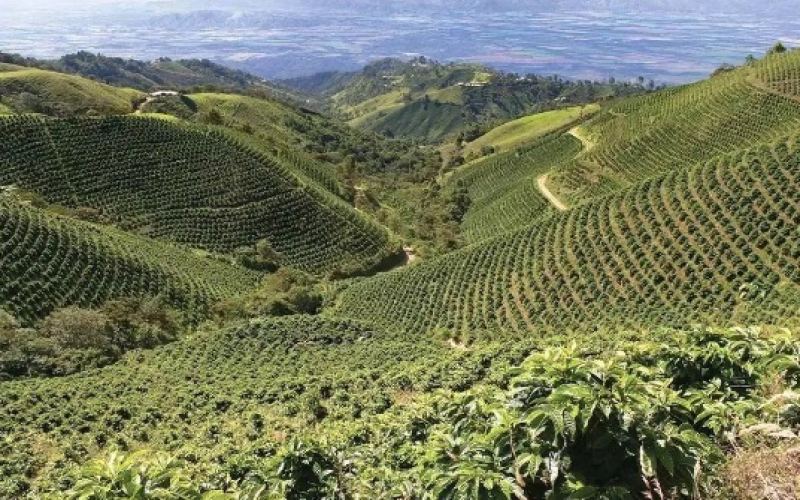
Colombia | Coffee growing regions in Colombia
Colombia is one of the most famous coffee producing areas in the world and is known for its high-quality coffee. Colombian coffee is also one of the few single-origin coffees sold in the world under the name of the country. The full name of Colombia [more…]
A Complete Analysis of Jamaican Blue Mountain Coffee Flavor: Taste Layers, Growing Region Conditions, and Brewing Key Points
Blue Mountain Coffee has long been regarded as the benchmark of the coffee world. Its four flavors—acidity, bitterness, sweetness, and body—achieve a stunningly harmonious unity, giving off a uniquely elegant aroma, a sense of balance that coffees from many other regions find hard to match. Beyond its outstanding flavor, Blue Mountain Coffee is also believed to refresh the mind, stimulate the appetite and aid digestion, and promote blood circulation and resolve stasis—something ordinary coffee simply cannot compare with. Blue Mountain Coffee specifically refers to coffee brewed from beans grown in Jamaica's Blue Mountains, and by quality grade it can be further divided into Jamaican Blue Mountain Coffee and Jamaican High Mountain Coffee. The Blue Mountains lie in the east of the island of Jamaica, surrounded by the Caribbean Sea. On clear days, sunlight falls on the deep blue sea and reflects onto the peaks, creating a brilliant blue glow—hence the name of the mountains. The main peak stands 2,256 meters above sea level, the highest in the Caribbean region, and is also a well-known tourist destination. The area lies within the coffee-growing belt, with fertile volcanic soil, clean air, and a humid climate marked by frequent fog and rain year-round, with average annual rainfall of about 1,980 millimeters and temperatures holding around 27 degrees Celsius. It is precisely these natural conditions that nurture the world-renowned Jamaican Blue Mountain Coffee and make it the second most expensive coffee category in the world. This article will take you through a comprehensive look at this coffee, from its flavor characteristics and growing region to its brewing methods. [more…]
An Analysis of the Origin Environment, Grade Classification, and Market Prices of Jamaican Blue Mountain Coffee
Blue Mountain coffee is hailed as the "Beauty of Coffees," and its balanced, elegant flavor is inseparable from Jamaica's unique natural conditions. This article begins with the growing environment of Front Street Jamaica Blue Mountain coffee, analyzing the geographical advantages of the Blue Mountains, the characteristics of the Typica variety, and how volcanic rock soil, sea breezes, and rainfall together shape its smooth, mellow taste. At the same time, the article will also introduce the grading of Blue Mountain coffee, the tradition of wooden barrel packaging, the regulatory role of the Jamaica Coffee Industry Board (CIB), and the international market supply-demand pattern caused by Japan's priority purchasing rights, helping readers gain a comprehensive understanding of the price factors and quality characteristics of authentic Blue Mountain coffee. [more…]

A Complete Guide to Jamaican Blue Mountain Coffee: Origin, Growing Regions, Grading Standards, and Authentic Flavor Characteristics
Blue Mountain coffee is hailed as the king of coffee, yet few truly understand it. This article will take you through the history of Jamaican Blue Mountain coffee cultivation, from the 18th-century French king's order to introduce the crop, to the strict regulation by the Coffee Industry Board, and to the grading of Blue Mountain, High Mountain, and Jamaican coffee. At the same time, it analyzes the source of Blue Mountain coffee's unique flavor—the commitment to the washed Typica variety, along with the microclimate of the Blue Mountains and the support of volcanic soil. Front Street Coffee's Clifton Farm Blue Mountain No. 1 is a representative of this classic flavor. [more…]
How Are Jamaican Blue Mountain Coffee Bean Varieties Classified? A Complete Guide to the Correct Brewing Method, Flavor Characteristics, and Pour-Over Ratios
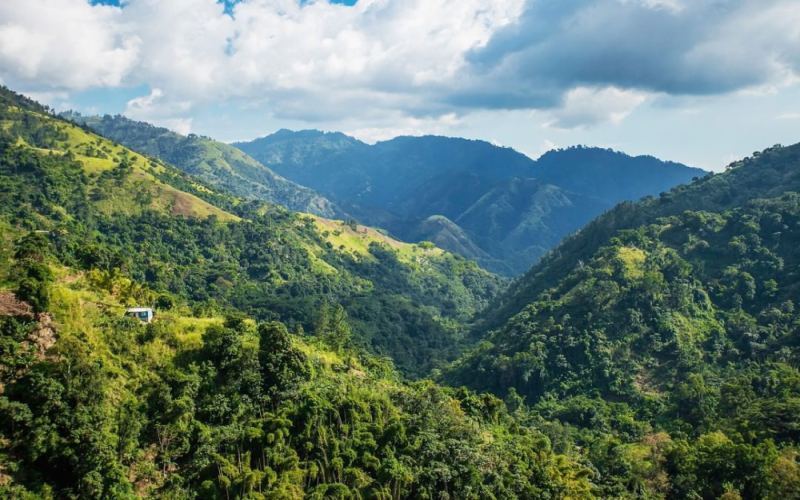
Blue Mountain coffee is hailed as the king of coffee, but how exactly is genuine Jamaican Blue Mountain coffee graded and identified? This article begins with the geography and microclimate of the Blue Mountains, traces the history of Jamaican coffee cultivation since the 18th century and the CIB quality regulatory system, analyzes the distinctive washed Typica flavor profile unique to Blue Mountain coffee, explains the grading distinctions among Blue Mountain coffee, High Mountain coffee, and Jamaican Prime coffee, and includes Front Street Coffee's three-stage brewing steps, parameter ratios, and tasting points using Clifton Farm Blue Mountain No. 1 as an example, helping coffee enthusiasts systematically understand the correct way to drink Blue Mountain coffee. [more…]
A Comprehensive Analysis of the Origin Conditions, Historical Development, and Quality Standards of Jamaican Blue Mountain Coffee
Front Street Blue Mountain Coffee originates from the Blue Mountains of Jamaica, named after the blue glow reflected off the azure sea embraced by the Caribbean. Only coffee grown on 6,000 hectares of land at elevations above 1,600 meters can bear the name "Blue Mountain." This region boasts fertile volcanic soil and a tropical climate with year-round mist and rain, creating a top-tier coffee with a balanced harmony of sweetness, acidity, and bitterness, along with exceptional aroma. This article will comprehensively trace the origins and development of Front Street Blue Mountain Coffee from the perspectives of terroir, historical development, geographical conditions, and quality control, introducing you to this rare coffee treasure that is scarce in production, high in price, and perpetually in short supply. [more…]
A Curated Selection of Jamaican Blue Mountain Coffee Bean Brands: A Comprehensive Analysis of Flavor Characteristics, Price References, and Pour-Over Parameters
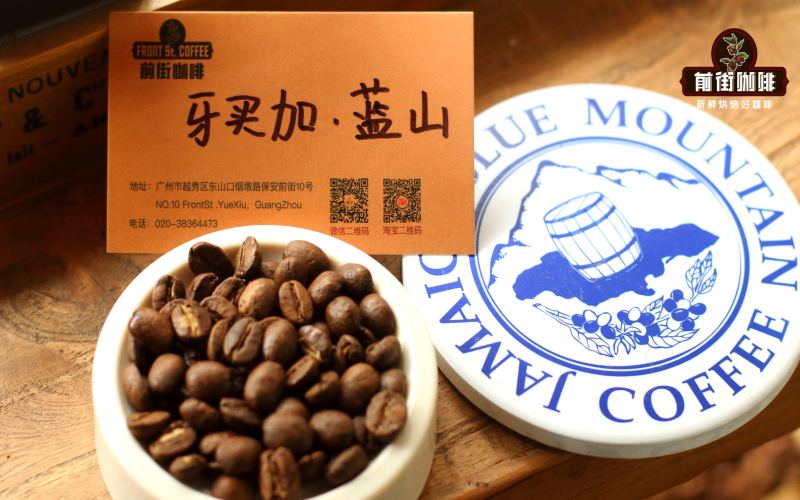
Blue Mountain coffee has long been regarded as the pinnacle of specialty coffee, and authentic beans truly originating from Jamaica's Blue Mountains are even rarer and more precious. This article starts from the origins of Blue Mountain coffee and its geographical and climatic conditions, introduces the flavor profile of Front Street's authentic Blue Mountain coffee beans, and includes specific pour-over brewing parameters and techniques, helping coffee enthusiasts gain a comprehensive understanding of this legendary bean's unique charm while also providing a reference for purchasing and gifting. [more…]