







Search Results for: King Bourbon
King Bourbon Coffee Variety Analysis: From Origin History to Flavor Profile and Brewing Parameters
In the Bourbon coffee family, besides the common Red Bourbon, Yellow Bourbon, and the Pink Bourbon that has gained popularity in recent years, there are also some extremely rare members worth noting. Bourbon Rey is one of them, currently found only at the Dota Estate in Costa Rica. This coffee tree differs in form from common Bourbon varieties, and its beans are noticeably larger. Front Street Coffee brewed a pot of Bourbon Rey using an anaerobic honey process this time, employing staged extraction to showcase its flavor layers. This article will introduce the variety origin, plant characteristics, and actual brewing performance of Bourbon Rey, helping you get to know this little-heard Bourbon variant. [more…]
Reunion Island's Pointed Bourbon: The Rise and Fall of a Naturally Low-Caffeine Legendary Variety and Its Flavor Characteristics
Bourbon Pointu is one of the most legendary varieties in the coffee world, sharing fame with Geisha yet standing apart due to its naturally very low caffeine content and delicate flavor. It originated on Réunion Island (formerly known as Bourbon Island) and is a natural mutation of Bourbon coffee, with an elongated bean shape and sharp points at both ends. In the 18th century, it was favored by King Louis XV of France and the writer Balzac. Around 1800, annual production reached 4,000 metric tons, but it nearly disappeared due to hurricanes, fire ants, leaf rust, and other disasters. By 1942, only 200 kilograms remained and were shipped back to France, and it was widely considered extinct. It was not until 1999 to 2007, through joint efforts by France and Japan, that it was successfully revived. This article will review the cultivation history, flavor characteristics, and caffeine data of Bourbon Pointu, and include Front Street Coffee recommendations and V60 pour-over parameters. [more…]
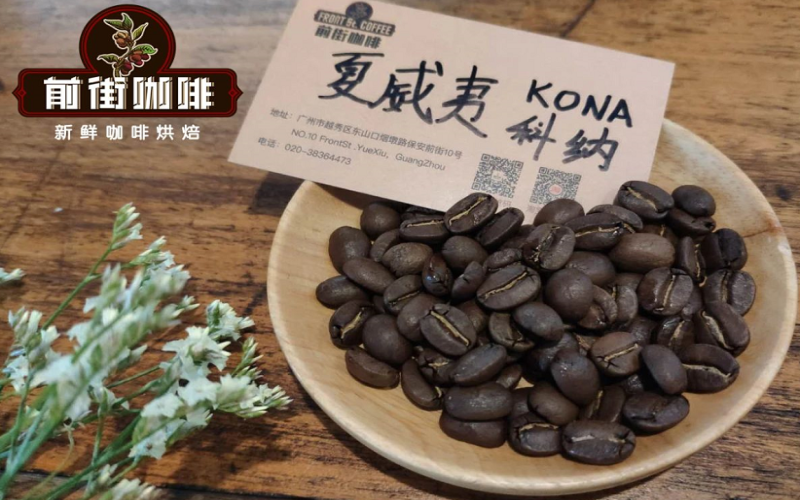
An Analysis of the History and Grade Classification of Hawaiian Kona Coffee Planting, and How Does Queen Estate Typica Taste?
Hawaiian Kona coffee has long enjoyed the reputation of being the king of island coffees, and together with Jamaican Blue Mountain it is known as the "king and queen" of the coffee world. This article will take you deep into the cultivation history of Kona coffee, the terroir conditions of its producing region, and the characteristics of its grade classifications, while focusing on the top-tier Kona coffee beans produced by Queen Estate—grown at an altitude of 1,100 meters, of the Typica variety, washed processed, and medium roasted, offering a rich fruity profile weaving together mulberry, black plum, plum, and maltose when brewed as pour-over, with a juice-like mouthfeel that leaves a deep impression. In addition, at the end of the article there is a purchasing recommendation from Front Street Coffee to help you find the Kona flavor you desire. [more…]
Colombia Cauca Finca El Nube Laurina Natural Low-Caffeine Beans: Flavor Characteristics and Low-Caffeine Processing Explained
For people who are sensitive to caffeine yet cannot live without coffee, there is often a dilemma between "wanting to drink" and "not being able to drink too much"—and decaf coffee was born precisely for this. This article begins with artificial decaffeination methods, introduces the common Swiss Water Process on the market and its principles, then traces the legendary history of the naturally low-caffeine variety Bourbon Pointu—from the rise and fall of Réunion Island to its revival by UCC in Japan, and finally to its establishment at Finca San Roque in Colombia's Cauca Valley. You will discover this bean's complete profile, its flavor performance, and its unique balance between caffeine content and mouthfeel, and you will also learn why Front Street Coffee recommends it as the preferred choice for decaf coffee. [more…]
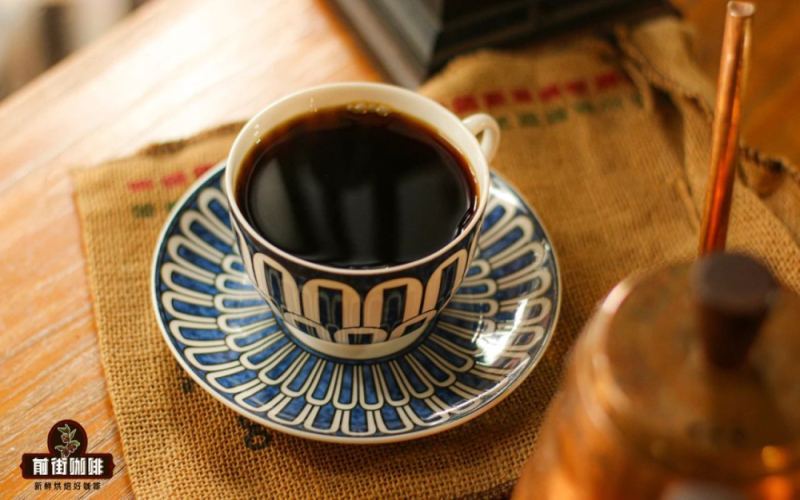
What is Laurina Pointed Bourbon Coffee? The Near-Extinction and Revival of a Naturally Low-Caffeine Variety, and a Flavor Analysis
In the coffee world, low caffeine often means artificial processing, but nature has given us an exception—Laurina, academically known as Coffea Laurina. Due to genetic degeneration, this variety naturally contains only 0.5% caffeine content and has outstanding flavor, yet it is rare and expensive because of its extremely low yield. It once swept across Europe in the 18th century, with even King Louis XV of France and the literary giant Balzac among its devotees, but it nearly became extinct due to disasters such as hurricanes and pests and diseases. It was not until Yoshiteru Kawashima of Ueshima Coffee in Japan spent years searching that this legendary variety was revived. This article will introduce the origin, extinction, and revival story of Laurina, as well as the brewing parameters and flavor performance tested by Front Street Coffee. [more…]
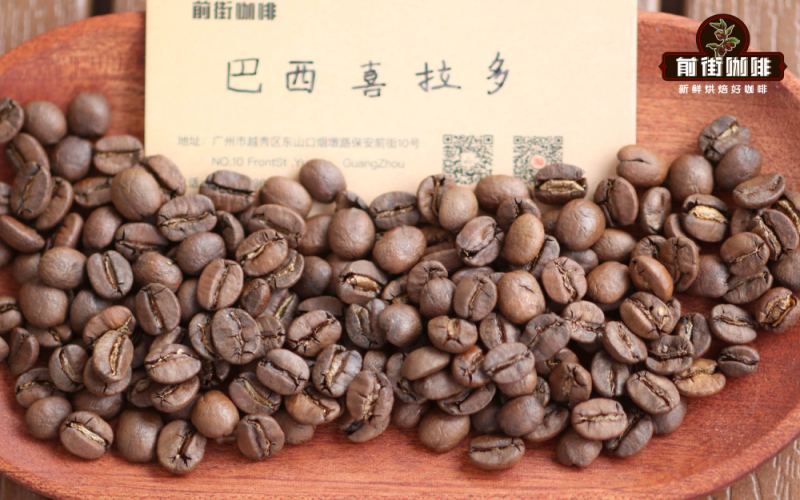
A Century of Rise and Fall in Brazilian Coffee: A Full Analysis of Regions, Processing Methods, and Flavors from Cayenne Seeds to the Global Production King
As a country that has held the top spot in global coffee exports for over a century, Brazil's influence on the specialty coffee industry is self-evident. On the bean list of almost every specialty coffee shop, you can find at least one Brazilian single-origin bean or an espresso blend based on it. In this article, Front Street will take you back through the history of Brazilian coffee, from its introduction in the 18th century to its current position accounting for nearly half of world production, sort out the terroir differences between the two representative producing regions of Minas Gerais and São Paulo, explain in detail the process flow of the pulped natural method and Brazil's unique grading system, and use Fazenda Rainha as an example to share brewing ideas and flavor performance for medium-dark roasted Brazilian beans. [more…]
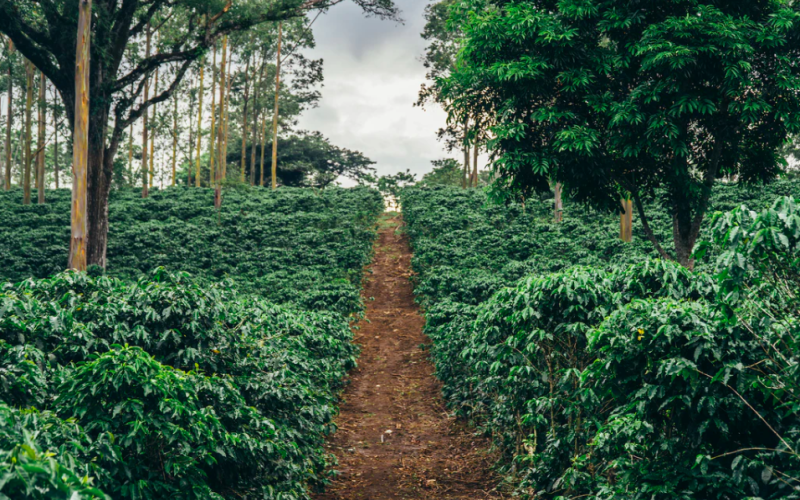
Costa Rica Brumas Estate Honey-Processed Coffee: A Complete Analysis of Honey King Flavor and Mouthfeel
Costa Rica is renowned for its consistently high-quality Arabica coffee, with honey processing being particularly iconic. Brumas Farm, located in the Central Valley, won the Best Coffee title in 2006 and is hailed as the "Honey King." This article guides you through Costa Rican coffee varieties and regional characteristics, offers an in-depth analysis of the flavor layers of Brumas Estate honey-processed coffee, and recommends two beans worth trying—Front Street Strawberry Candy and Front Street Blackberry—so you can experience the sweetness and complexity that honey processing brings. [more…]
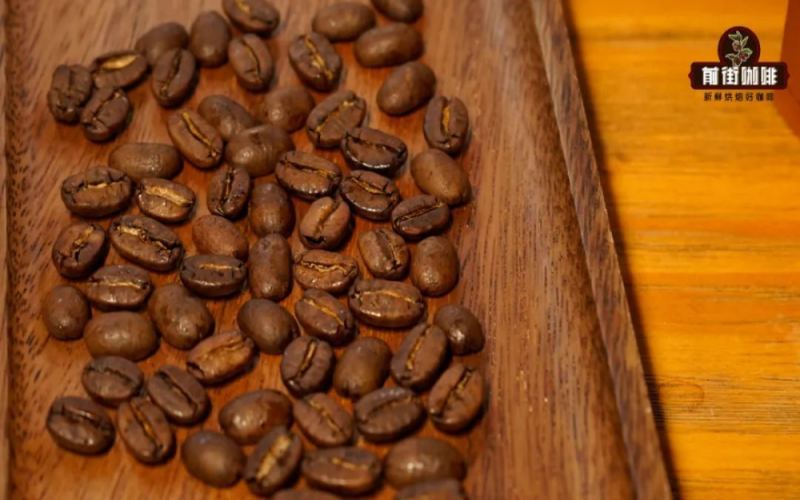
Estimating coffee beans without a scale: how many beans make 15 grams for different varieties?
In the daily routine of pour-over coffee, a digital scale is certainly important, but there are occasional times when no scale is at hand, and at such moments, how to roughly judge the amount of 15 grams of coffee beans becomes a practical question. Front Street Coffee shares a rather unique approach—counting the beans directly. Coffee beans from different origins and varieties differ noticeably in size, and the number of beans for the same weight also varies. This article selects five representative coffees—Yirgacheffe, Blue Mountain No. 1, Brazil Yellow Bourbon, Panama Emerald Green Label Geisha, and Golden Mandheling—weighing three sets of 15-gram samples of each and counting them, to arrive at a fairly reliable range for the number of beans, for everyone to refer to when no scale is available. [more…]
Top Ten Most Expensive Coffee Beans in the World: A Complete Guide to Origins and Flavors of Geisha, Kopi Luwak, Blue Mountain, and Other Famous Varieties
Coffee is grown in over seventy regions around the world. As cultivation and processing techniques continue to advance, a diverse array of coffees has emerged, with prices spanning an extremely wide range. If we judge by selling price, which coffees can claim a place among the most expensive? In this article, Front Street Coffee takes you through the world's top ten most expensive premium coffees one by one, covering Panama Geisha, Indonesian Kopi Luwak, St. Helena, Hawaiian Kona, Brazil's Fazenda Santa Ines, Jamaican Blue Mountain, El Salvador's Los Planes, Honduras's El Esperanza, Rwanda's Blue Bourbon, and Puerto Rico's Yaucono Select. From terroir and varietal characteristics to flavor expression and market conditions, we present a comprehensive picture of these rare coffees' unique allure and the reasons behind their high prices. [more…]
An Analysis of the Variety Classification, Origin, and Flavor Profile of Geisha Coffee Beans
Is Geisha actually an Arabica variety? It emerged from the wild forests of Ethiopia, journeyed through Kenya, Uganda, Tanzania, and Costa Rica, and finally made a stunning debut in Panama, becoming the new king of the specialty coffee world. This article will trace Geisha's variety classification and transmission path, review its championship history at the Panama Best of Panama cupping competition and the SCAA International Grand Reserve cupping competition, and describe its green bean appearance, aroma characteristics, and key points in choosing roast level. Whether you are a beginner just encountering Geisha or a seasoned connoisseur wanting to understand this bean in depth, you will gain a clear and complete understanding from it. [more…]
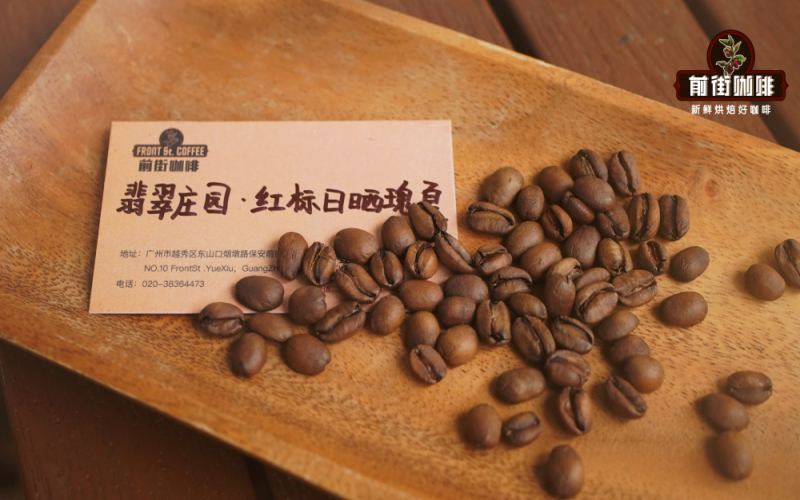
Are Geisha and Geisha coffee the same thing? Why Panamanian Geisha is so expensive and money-saving buying advice
Geisha coffee, known in English as Geisha and often translated as "Geisha coffee," is widely recognized in the specialty coffee world as the newly crowned king. Starting from the Gesha Mountains in southwestern Ethiopia, it traveled through Kenya, Tanzania, and Costa Rica, eventually taking root in Panama and flourishing there. It won the Best of Panama green bean competition for three consecutive years from 2005 to 2007, even overshadowing Jamaica Blue Mountain and Hawaii Kona. Today, Geisha from Latin American origins such as Panama, Guatemala, Colombia, and Costa Rica is particularly outstanding, with complex and elegant flavors resembling a cup of fruit tea. Faced with the dazzling array of Geisha coffees on the market, ordinary consumers often do not know how to choose. This article compiles a practical buying guide, covering brand reputation, roasting freshness, and origin flavors, and recommends several high-value Geisha coffees from Front Street Coffee to help you easily find your ideal choice. [more…]
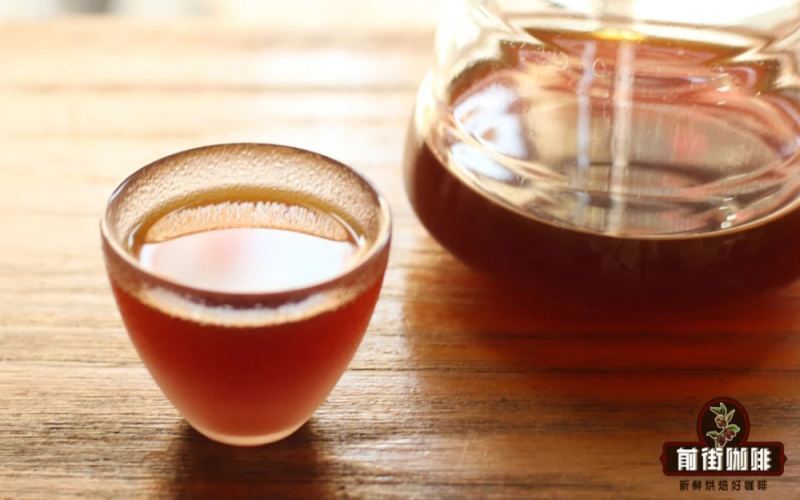
What Do Coffee Experts Drink? A Roundup of Twelve Common Coffee Flavors and Pour-Over Bean Lists
Coffee has long been more than just a pick-me-up; some people are captivated by its layers of flavor, while others savor the ritual of brewing. Those who truly understand coffee often prefer the humble yet refined pour-over method, and the choice of beans is even more crucial. This article begins with pour-over equipment setup, systematically sorts through the types and flavor characteristics of twelve common coffees, and provides detailed flavor analyses of popular single-origin beans such as Front Street Yirgacheffe, Hacienda La Esmeralda Geisha, Sherry, Blue Mountain No. 1, Kenya AA, Brazil Queen's Estate Yellow Bourbon, Costa Rica Blueberry Gummy, and Panama Butterfly. Whether you are a beginner just starting out or a seasoned connoisseur seeking an upgraded daily brew, you can find the perfect cup for yourself in this bean list. [more…]
How to Choose Coffee Beans for Pour-Over Beginners? Front Street Recommends Six High-Value Everyday Beans
For friends who are just getting into pour-over coffee, choosing beans is often more of a headache than practicing technique. Well-known beans are pricey, while cheap ones risk being a letdown. In fact, there are plenty of beans on the market with outstanding flavor and friendly prices that work both for practicing brewing and as an everyday staple. In this issue, Front Street Coffee has selected six pour-over beans suited to beginners, covering origins such as Brazil, Ethiopia, Panama, Costa Rica, and Colombia—ranging from clean and sweet to floral and fruity, each with its own representative—along with a recommendation rating, flavor description, and reference price for roasted beans to help you quickly lock onto your target based on your taste preferences. [more…]
Essential Reading for Pour-Over Coffee Beginners: From Choosing Fresh Coffee Beans to Front Street's Seven Cost-Effective Everyday Recommendations
Those new to pour-over coffee often find themselves at a loss when faced with the bewildering array of coffee beans on e-commerce platforms. This article is built around the three core considerations when buying pour-over beans: judging the roast date and optimal flavor window, choosing coffee bag materials and storage methods, and how to narrow down your targets based on your own taste preferences. At the same time, the article sorts out seven coffees from Front Street Coffee for enthusiasts with different flavor orientations, covering Brazil Cerrado Red Bourbon, Ethiopia Washed Yirgacheffe, Panama Butterfly, Costa Rica Tarrazu, Colombia Huila, Yunnan small-batch, and Indonesia Mandheling, explaining each one's flavor characteristics, roast level, and suitable scenarios, helping beginners find a daily staple bean that suits them. [more…]
Top 10 Popular Single-Origin Pour-Over Coffee Beans: A Bean Selection Guide from Yirgacheffe to Blue Mountain Kenya
Coffee is an imported product. Some drink it for a touch of petty-bourgeois elegance, some rely on caffeine to stay alert, and some are purely captivated by its aroma. Today, with pour-over coffee all the rage, light-roast single-origin beans are best presented via pour-over. A basic pour-over setup—gooseneck kettle, dripper, filter paper, carafe, grinder, thermometer, and digital scale—can get you started for about 1,500 yuan, estimates Front Street Coffee. The beans used for pour-over are mostly outstanding single-origin coffees, and based on this Front Street Coffee has compiled ten popular beans for reference: from the white-floral and citrus notes of Ethiopia Yirgacheffe, to the legendary backstory of Panama Hacienda La Esmeralda Geisha, to the rum-barrel flavors of Honduras Sherry, the classic balance of Jamaica Blue Mountain, the hefty acidity of Kenya AA, the all-purpose character of Brazil Queen Estate Yellow Bourbon, the blueberry gummy candy notes of Costa Rica巨石 Estate, and the affordable way to taste Geisha—Flower Butterfly. [more…]
A Global Roundup of the Ten Most Distinctive Coffee Varieties: From Panama Geisha to Puerto Rico Yauco Selecto
Nowadays, there are more and more coffee enthusiasts in China, and many people are no longer satisfied with an ordinary cup of coffee, but instead take the initiative to study the origins, processing methods, and flavor characteristics of specialty coffee. In this article, Front Street Coffee sorts out ten coffee beans of outstanding quality from around the world for everyone, covering Panama Geisha, Indonesian Kopi Luwak, St. Helena, Hawaiian Kona, Brazil's Fazenda Santa Ines, Jamaican Blue Mountain, El Salvador Los Planes, Honduras Esperanza, Rwanda Blue Bourbon, and Puerto Rico Yauco Selecto. Each one has an irreplaceable flavor profile due to its unique growing environment, varietal characteristics, and processing techniques, and is worth getting to know one by one for coffee lovers. [more…]
How to Choose Beans for Pour-Over Coffee? Six High-Value Everyday Beans Recommended with Flavor Profiles Explained
It is often said that a great cup of coffee starts with quality coffee beans. Those famous, expensive beans are certainly outstanding in quality, but the market also offers plenty of options that are both flavorful and affordable. In this article, Front Street Coffee will focus on beginners just getting into pour-over coffee as well as everyday drinking needs, sorting out six coffee beans that combine good value with strong flavor performance, covering origins such as Brazil, Ethiopia, Panama, Costa Rica, and Colombia. From recommendation rating, flavor characteristics, and brewing difficulty to reference price, each one will be explained one by one to help you find the daily staple bean that suits you. [more…]
Flavor, Grade Classification, and Recommended Famous Brands of Hawaiian Kona Coffee Beans Typica Variety
Kona coffee and Blue Mountain coffee were once known as "one king and one queen," representing the pinnacle of island-style specialty coffee. Although the growing elevation in Hawaii's Kona region is mostly between 200 and 700 meters, unable to reach the 1,200-meter standard often cited for specialty coffee, its unique terroir and strict grading system have kept Kona coffee beans firmly among the top-tier coffees. This article will systematically review the historical origins of Kona coffee, the localization process of the Typica variety, and the five grades of Type 1 standard beans, with a focus on introducing the Queen Estate Extra Fancy-grade Kona coffee selected by FrontStreet Coffee, including its region information, roasting parameters, and brewing suggestions, to give you a comprehensive understanding of this Hawaiian treasure with elegant floral aromas and a smooth mouthfeel. [more…]
Beginner's Guide to Buying Pour-Over Coffee Beans: Six Budget-Friendly Everyday Beans and Their Suitability for Drip Coffee Makers
Choosing coffee beans isn't a matter of the more expensive the better—there are plenty of affordable options on the market with outstanding flavor. This article is aimed at enthusiasts who are just getting into freshly ground pour-over coffee, and it compiles six high-value coffee beans suitable for everyday drinking, covering producing regions including Brazil, Ethiopia, Panama, Costa Rica, and Colombia, explaining each one's flavor characteristics, brewing difficulty, and reference price. Among them, several Front Street Coffee products combine the advantages of being easy to get started with and compatible with multiple brewing devices—whether it's pour-over, a moka pot, or an espresso machine, they deliver consistent performance. At the end, the article also answers the question of whether pour-over coffee beans can be used in an American-style drip coffee maker, helping beginners buy according to their needs. [more…]
Naturally Low-Caffeine Rare Variety Laurina: The Legendary Coffee from Extinction on Bourbon Island to Revival and Rebirth
Bourbon Pointu is a rare coffee variety with elongated beans and pointed ends, discovered on Bourbon Island in 1810. Its caffeine content is only half that of ordinary Bourbon, making it a naturally low-caffeine coffee. During the 18th and 19th centuries, it was widely cultivated, with annual production once reaching 4,000 metric tons. However, disasters such as hurricanes, fire ants, and leaf rust followed one after another. After 1942, it completely disappeared from Réunion Island and was considered extinct by the coffee world. It was not until Japanese Ueshima Coffee expert Yoshiaki Kawashima spent years searching that in 2001, more than thirty surviving plants were discovered in the wild on Bourbon Island. Subsequently, French scientists collaborated with Ueshima Coffee to carry out revival efforts, and only in 2006 was the first small batch of beans harvested. This article introduces the origin of the name Bourbon Pointu, its historical rise and fall, flavor characteristics, and expensive price, as well as Front Street Coffee's recommendation and interpretation of this legendary variety. [more…]