







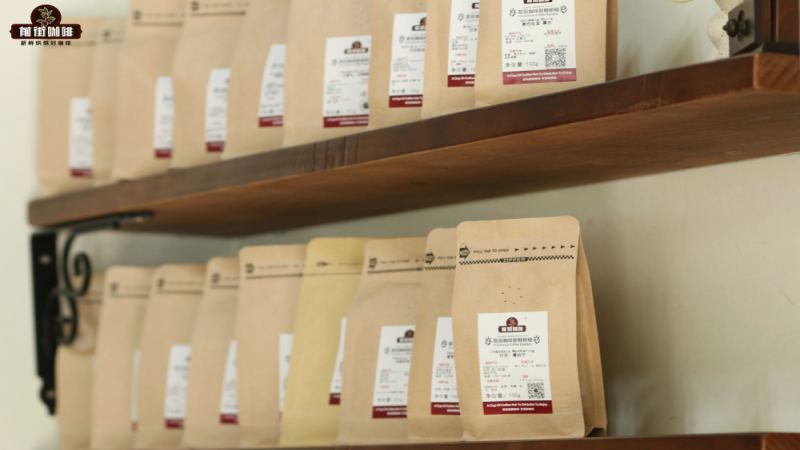
Today, there are more and more coffee enthusiasts in China, and many people are no longer satisfied with an ordinary cup of coffee but actively research the origins, processing methods, and flavor characteristics of specialty coffee. In this article, Front Street Coffee (FrontStreet Coffee) sorts out ten outstanding coffee beans from around the world for everyone, covering Panama Geisha, Indonesian Civet Coffee, St. Helena, Hawaiian Kona, Fazenda Santa Inês, Jamaican Blue Mountain, El Salvador Los Planes, Honduras Mi Esperanza, Rwanda Blue Bourbon, and Puerto Rico Yauco Selecto. Each one has an irreplaceable flavor profile due to its unique growing environment, varietal characteristics, and processing techniques, and is worth learning about one by one for coffee lovers.
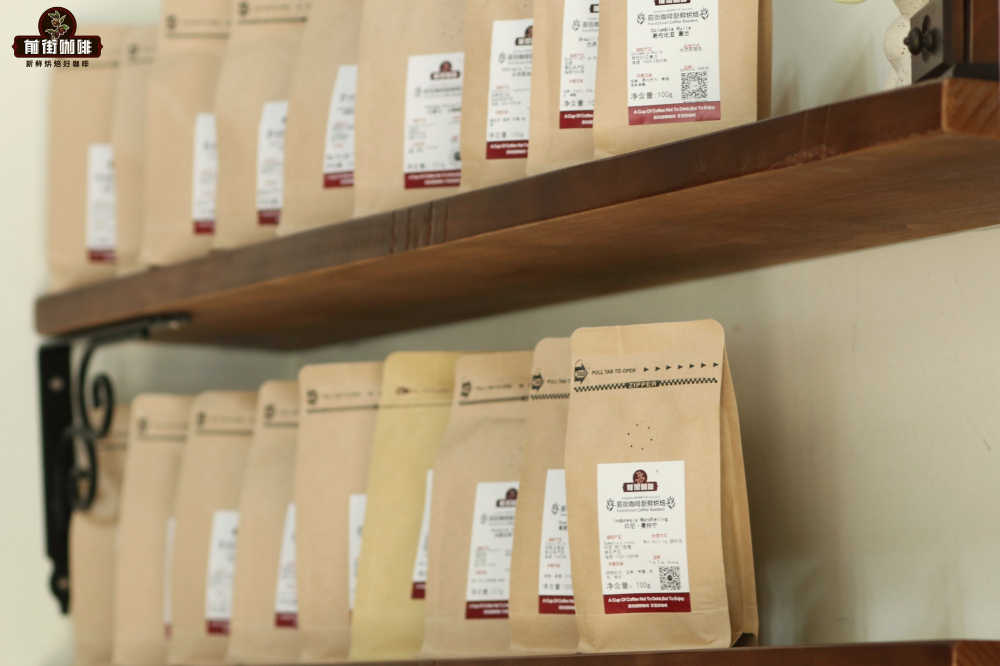
There are more and more coffee drinkers in China, and many enthusiasts have begun to actively study the origins, processing methods, flavor trends, and brewing methods of specialty coffee. In this article, Front Street Coffee (FrontStreet Coffee) introduces 10 excellent coffees worth trying, and together we will take a look at those high-quality coffee beans from around the world.
1. Panama Geisha Coffee
If the coffee world also had ranks, then Geisha would absolutely be a top-tier existence that needs no concession. Over the past two decades, the popularity of Gesha has been almost unmatched. Counting from its discovery in the primitive forests of Ethiopia, seventy years later, in 2004 it became famous overnight, successively winning championships in world-class competitions and quickly sweeping through the global coffee scene. The price of Geisha also climbed all the way. At the 2013 Best of Panama coffee auction, Hacienda La Esmeralda's natural batch Geisha sold for $350.25 per pound; by the 2019 green bean competition, Geisha even set a sky-high record of $1,029 per pound.
Geisha is extremely demanding regarding growing conditions, requiring high altitude, fertile soil, and cloud cover or plant shading, and cannot be directly exposed to the sun. The owner of Hacienda La Esmeralda once mentioned that a large number of shade trees are needed in the estate to block sunlight for the delicate Geisha, and in the early planting stage traditional pruning methods must also be used, otherwise the plants easily die. Geisha planted at higher altitudes has a longer fruit maturation cycle and also shows more complex and unique flavors. Unlike other varieties, the leaf system of the Geisha coffee tree is very thin, photosynthesis efficiency is relatively low, and the roots are fragile, absorbing water and nutrients very slowly, so yields are extremely low. Combined with the high-altitude environment, the fruit also matures relatively late.
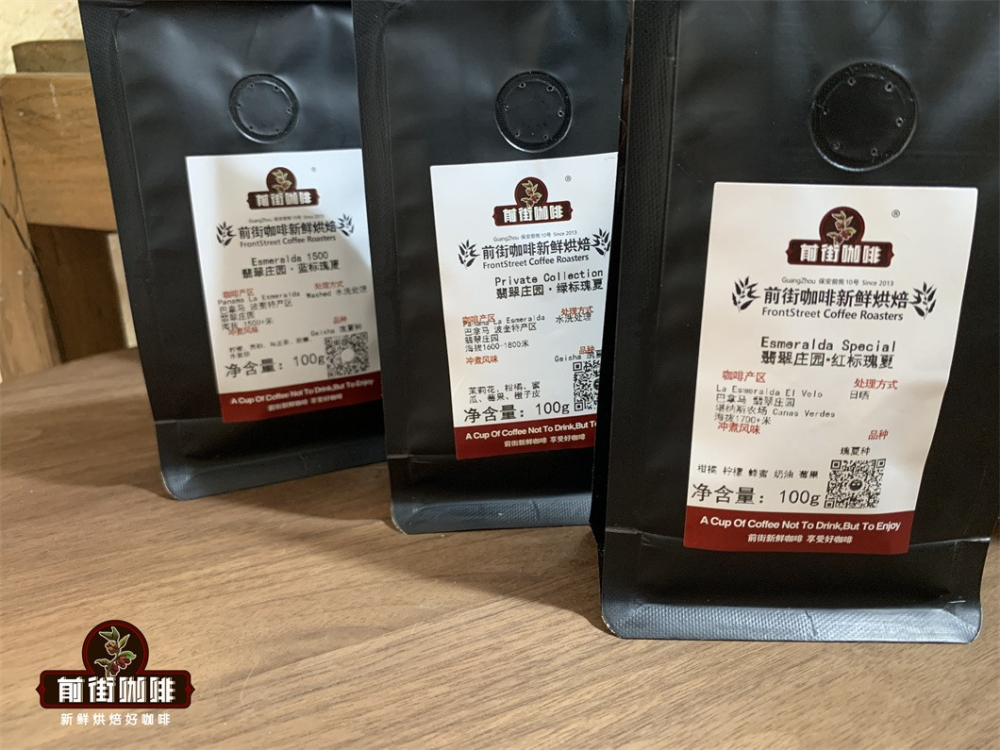
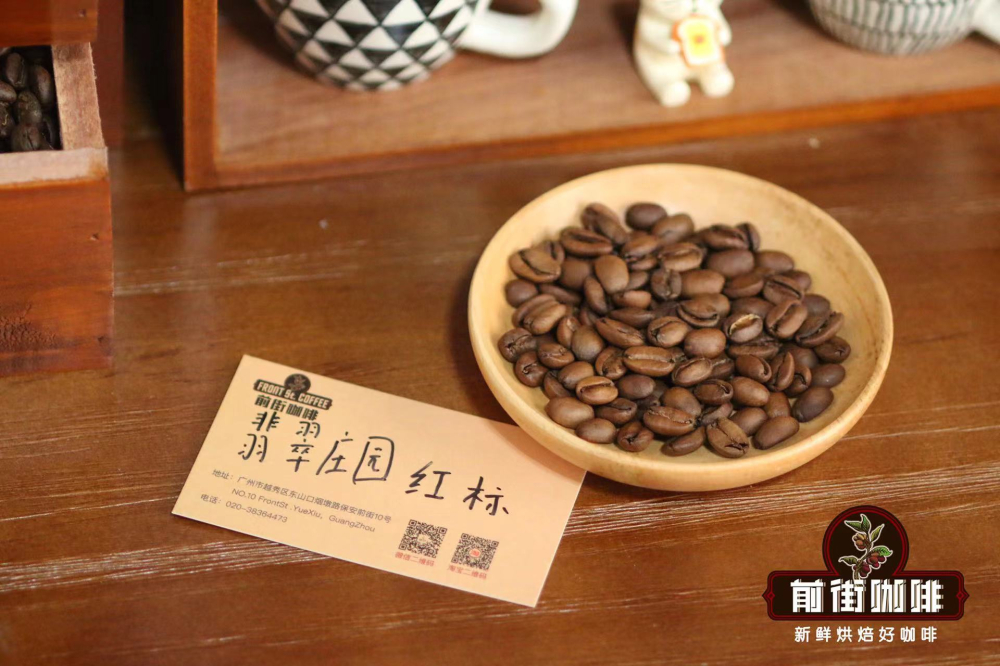
At present, Geisha is grown in many regions around the world and can be called the new king of specialty coffee. Among them, Latin American countries such as Panama, Guatemala, and Colombia produce relatively high quality, and Panama Geisha is the finest of the fine. When it comes to Geisha coffee, the most popular one on Front Street's bean list is the famous Hacienda La Esmeralda Geisha, which is further divided according to different characteristics into Red Label Geisha, Green Label Geisha, and Volcanic Rock Geisha. High-quality Geisha coffee exudes the fragrance of roses, citrus, berries, and honey, and is deeply loved by coffee people.
2. Civet Coffee
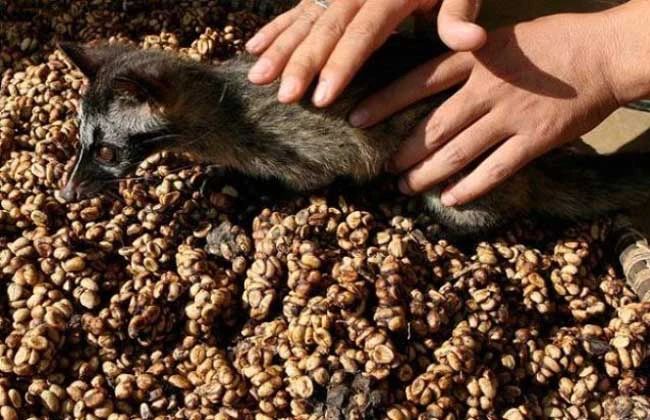
The raw material of civet coffee is taken from coffee beans in civet feces, which is what everyone often calls "cat poop coffee," and its origin is Indonesia. After checking relevant materials, Front Street learned that due to the cumbersome processing and scarce output, wild civet poop coffee beans can sell for as much as about 50,000 yuan per kilogram, with an average price of over a thousand yuan per cup.
In the early 18th century, the Dutch established coffee planting bases in some parts of Indonesia and at the same time prohibited locals from picking and eating their own coffee beans. Indonesians accidentally discovered that the Indonesian palm civet, that is, the civet, especially loved eating these fruits, and after fermentation, digestion, and excretion, then artificial processing produced coffee beans with a unique flavor. As civet coffee became popular, local coffee farmers, in pursuit of high profits, caught wild civets and raised them at home to increase output. Because this practice is too cruel, and out of consideration for wildlife protection, civet coffee is also becoming increasingly rare on the market.
3. St. Helena Coffee
St. Helena is located near the South Atlantic and is a volcanic island, a remote small island with a subtropical climate. The coffee trees on the island grow entirely depending on natural conditions, making it absolutely green and organic cultivation. Front Street learned that the reason its taste is so unique first benefits from varietal advantage—St. Helena coffee belongs to a fine type within the Bourbon variety, Green Tip Tall Bourbon, and has the characteristic of naturally low caffeine, with an elegant and pure flavor. As a volcanic island, St. Helena's soil quality differs from that of the outside world, and because the island is relatively isolated, the coffee also retains its original regional flavor. In addition, local coffee farmers collect bird droppings on the island as natural fertilizer, providing more nutrients for the growth of the coffee trees.
In 1815, after Napoleon was defeated, he was escorted to St. Helena and placed under house arrest. He drank coffee every day and praised St. Helena coffee highly. The celebrity effect made this coffee extremely popular for a time, and it received countless extremely high evaluations at the time. In 1845, it reached the top spot in the London market at a price of 1 penny per pound, becoming the most expensive and most unique coffee in the world at that time.
4. Hawaiian Kona Coffee
The Kona region is located in the Hawaiian Islands of the United States and has an island-type climate. The volcanic black mud soil is rich in nutrients, the acidity is moderate, hillside planting provides natural drainage, mornings are clear with ample sunlight, afternoons are cloudy and foggy (even though Kona uses unshaded cultivation, the afternoon cloud layer also forms natural shade), and nights are clear and cool. This unique climate, neither too cold nor too hot, is very suitable for the growth of coffee trees. The unique region and climate give Kona coffee beans a perfect appearance, and the fruit is very plump. After processing and roasting, they present slightly acidic and mild characteristics, rich aroma, and a lasting finish, with vinous notes and a mixed aroma of fruits and spices.
Because of its unique flavor, Kona coffee beans have remained high in reputation and price due to small output and high cost. A coffee tree on average produces only about 22 pounds of coffee cherries. Calculated at a 14% green bean yield from coffee cherries, after processing only 3 pounds of coffee beans are obtained. Moreover, Kona is planted on hillsides, and the production process is time-consuming and labor-intensive, allowing only manual harvesting. The single cultivation cost per pound of Kona coffee may exceed $14–15. Including labor, marketing, shipping, taxes, and so on, the cost per pound may reach $40–60.
5. Fazenda Santa Inês Coffee
Fazenda Santa Inês is a well-known coffee estate under Brazil's century-old coffee family group Sertão, and is also the origin of Brazil's Onica specialty coffee. Fazenda Santa Inês is at an altitude of about 900–1,100 meters. The soil in this area is rich in minerals and has volcanic rock components. It also has natural sparkling mineral water with excellent water quality and diverse composition. Combined with changeable microclimates, such superior geographical conditions create high-quality coffee beans and make it a major producing area for important Brazilian specialty coffee beans.
Thanks to its superior geographical conditions, the coffee beans produced by Fazenda Santa Inês have always attracted much attention. The estate still grows coffee in traditional ways, using manual rather than mechanical harvesting. The coffee produced here has strong fruit acidity, sweet berry flavors, and nutty or caramel sweetness, with a long finish. In recent years, Fazenda Santa Inês has become one of Brazil's leading coffee-growing areas, and has repeatedly won championships in the world-famous specialty coffee competition Cup of Excellence (COE).
6. Jamaican Blue Mountain Coffee
The Blue Mountains are the highest part of Jamaica, and the layered mountain terrain forms a unique microclimate. The rainforest climate brings concentrated rainfall, and together with nutrient-rich volcanic ash soil, the coffee trees growing here do not need excessive irrigation and fertilization. Surrounded by mist and with a cool and comfortable high-altitude growing area, it is very suitable for the growth of various crops, and locals usually plant coffee trees together with banana trees. In order to stabilize the high quality of Blue Mountain coffee, the Jamaica Coffee Industry Board stipulates that only Typica variety coffee at altitudes between 910 and 1,700 meters can bear the name "Jamaica Blue Mountain."
The high-altitude areas of the Blue Mountains have uneven terrain, making management and picking very difficult, so the skill level required of pickers is very high, further affecting output. In recent years, less than 15% of the coffee beans produced in Jamaica can be labeled Blue Mountain coffee, about 900 tons. After picking, the coffee cherries are immediately transported to the processing plant for processing, using the washed method to remove the coffee skin and pulp and then dry it.
In the 1960s, Jamaica was affected by hurricane disasters, and many industries fell into difficulty, and the coffee industry was no exception. At this time, the Japanese company UCC provided financial assistance to Jamaica's coffee industry and introduced scientific ecological planting methods. The Jamaican government signed a 30-year contract with Japan, agreeing to supply 90% of the quota of high-quality Blue Mountain coffee to Japan, which also led to the phenomenon that Blue Mountain coffee was hard to obtain at a high price. During the 2008 global economic crisis, Jamaica allocated more of the Blue Mountain coffee quota to other countries. With the expansion of demand in China's coffee market, many merchants in China are now able to directly import Blue Mountain coffee beans from Jamaica.
Front Street's Jamaica Blue Mountain No. 1 coffee is produced by the historically long-established Clifton Estate locally, uses traditional washed processing, and after roasting presents a refined coffee aroma, a smooth and balanced taste, low acidity, and a lasting sweet aftertaste.
7. El Salvador Los Planes Coffee
El Salvador, once the world's fourth-largest coffee-producing country, had its entire coffee-growing industry dragged down by decades of civil war. As the civil war ended, local coffee also regained its vitality. Los Planes coffee is a famous coffee from El Salvador, a country in Central America.
The coffee is grown in the Chalatenango mountain production area, and the grower is the Sergio Ticas Yeyes family, who have run coffee plantations for generations. Their coffee won second place and sixth place respectively in the Cup of Excellence competition in 2006 and 2011. Its quality is unquestionable, and its unique and balanced flavors of orange, caramel, and brown sugar also make it the favorite of many coffee lovers.
8. Honduras Mi Esperanza Coffee
Honduras is a mountainous country located in northern Central America. It borders the Caribbean Sea to the north, the Gulf of Fonseca of the Pacific Ocean to the south, Nicaragua and El Salvador to the southeast, and Guatemala to the west. More than three-quarters of the entire territory is mountains and plateaus, with mountain ranges extending from west to east, inland lava plateaus, many intermontane valleys, and coastal plains. It has a tropical climate, and the coastal plains have a tropical rainforest climate. Honduras has a growing environment for good coffee: microclimates, altitude, soil, and abundant rainfall. The winey coffee on Front Street's bean list—Sherry Wine Barrel—comes from the Honduras production area.
Mi Esperanza Coffee stands out especially. At an online green bean auction, an international buyer bought 1,320 pounds of Mi Esperanza coffee beans at a record-breaking unit price ($35.10 per pound). This coffee bean grows in a superior natural environment and presents layered flavors of fruits, nuts, chocolate, and spices, with a rich aroma and no bitterness in the aftertaste, and is deeply loved by coffee fans.
9. Rwanda Blue Bourbon Coffee
Rwanda is located in the central region of Africa and is a standard landlocked country, and none of its neighboring countries is anything but a major coffee-producing country. Known as the "Land of a Thousand Hills," Rwanda is mostly mountainous and plateau terrain, and most coffee trees are planted on mountains at altitudes between 1,700 and 2,000 meters. Most of Rwanda has a tropical highland climate and tropical savanna climate, mild and cool. There are about 33,000 hectares of coffee plantations, and 500,000 people work in coffee cultivation. Its unique growing conditions make Rwandan coffee beans taste different from others, with the fresh sweetness of fruit, the delicate fragrance of flowers, and a finish like black tea.
The locally grown Bourbon is one of the original varieties of Arabica coffee. It was first produced locally in Rwanda. In 2004, Starbucks decided to introduce this Bourbon coffee and put its own label on it. Starbucks Rwanda Blue Bourbon is now available worldwide. It has high acidity, aromas of cherry, butter, and various nuts, and a long finish.
10. Puerto Rico Yauco Selecto Coffee
Puerto Rico has a very long history of coffee cultivation. As a Caribbean island country, as early as the 1860s, commercial coffee cultivation had already begun to rise here. The nineteenth century was the heyday of Puerto Rican coffee, mainly with the Typica variety, with an annual output of 15,000–28,000 tons, making it the world's sixth-largest producing country at the time. The renowned Yauco Selecto AA has mild fruit acidity, excellent viscosity, overturning the criticism that island beans are as light as water, and also has a strong nutty flavor. It was once hailed as the king of island coffee and became an object that island-producing countries competed to learn from.
The Yauco production area is rainy, especially in the high-altitude mountainous areas, and the soil is mostly nutrient-rich clay. Under these superior conditions, the quantity of Coffee Yauco Selecto AA produced is limited, with a full body, buttery flavor, and a chocolate note in the finish.
For professional coffee knowledge exchange and more coffee bean information, please follow Coffee Workshop (WeChat public account: cafe_style)
For more specialty coffee beans, please add the private WeChat of Front Street Coffee (FrontStreet Coffee), WeChat ID: qjcoffeex
The above content is compiled by CoffeeHunters, a coffee news website.


