







Costa Rica is renowned for its consistently high-quality Arabica coffee, with honey processing being particularly iconic. The Brumas farm in the Central Valley, once awarded the title of Best Coffee in 2006, is known as the "Honey King." This article introduces you to the varieties and regional characteristics of Costa Rican coffee, delves into the flavor layers of Brumas Estate honey-processed coffee, and recommends two beans worth trying—Front Street Strawberry Candy and Front Street Blackberry—to experience the sweetness and complexity that honey processing brings.
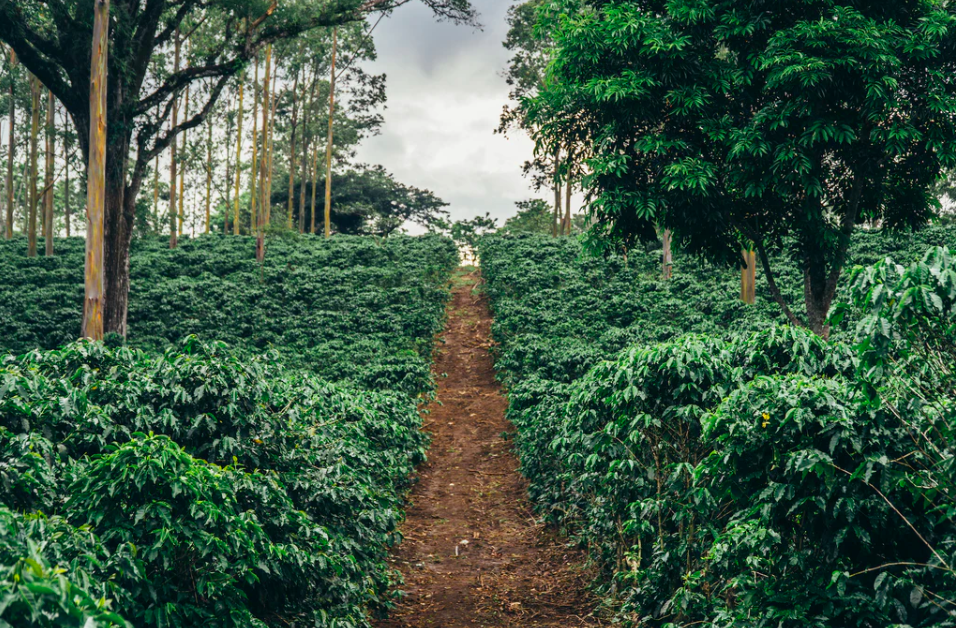
Costa Rica has long been known among Central American coffee-producing countries for its stable and outstanding quality, with a coffee cultivation history that dates back quite far—it was already exporting to the UK as early as the 1800s. Due to its long, narrow territory, significant differences in latitude, altitude, soil, rainfall, and temperature have given rise to an extremely rich variety of coffee. However, the country's laws explicitly prohibit the cultivation of Robusta, allowing only Arabica varieties. Common sub-varieties include Caturra, Catuai, Villa Sarchi, Geisha, Bourbon, Villalobos, and others, making it one of the countries with the most varieties. Well-known producing regions include Tarrazu, Tres Rios, and the Central Valley.
In Central American countries, the washed method is the most common way to process coffee beans, but in recent years natural beans and the once-popular honey-processed beans have become increasingly common—and this honey processing trend actually originated in Costa Rica.
Costa Rica has a wide variety of coffees, with honey processing being the most iconic category. If you're trying it for the first time, Front Street Strawberry Candy is the top choice—a blend carefully selected by Front Street combining high-altitude coffees from two producing regions. It combines Panama's washed Geisha and Costa Rica's honey-processed coffee. To maximize the strengths of both origins, Front Street uses a medium roast, allowing the coffee to retain rich floral and fruity notes while also highlighting its roasted aroma. When brewed, it presents caramel, raisins, dried fruit, and a sweet, intense rose fragrance.
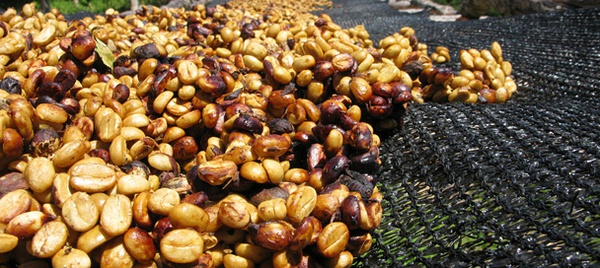
If you want a coffee with more pronounced fermentation aromas, get Front Street Blackberry—a single-origin Costa Rican bean processed with black honey. It retains the most complete pectin during processing, which gives rise to rich, sweet aromas. Front Street Blackberry coffee features the sweetness of longan, grape, and honey, with light floral notes, a smooth and full body, and a strong, lingering finish with high sweetness. It's suitable for those who don't like too much acidity but want a rich mouthfeel. The coffee has a lasting sweet aftertaste, makes a fragrant Americano, and is neither sour nor bitter, with a relatively balanced taste.
The core philosophy of the micro mill is to enable every small farm to have its own bean processing system, with everything from harvesting to processing and bagging completed independently by the farm, without relying on others. This allows them to process their own coffee beans in the most suitable way, achieving optimal quality, and the farm can also earn better profits. However, this also means that small farms must take responsibility for the coffee they produce and process.
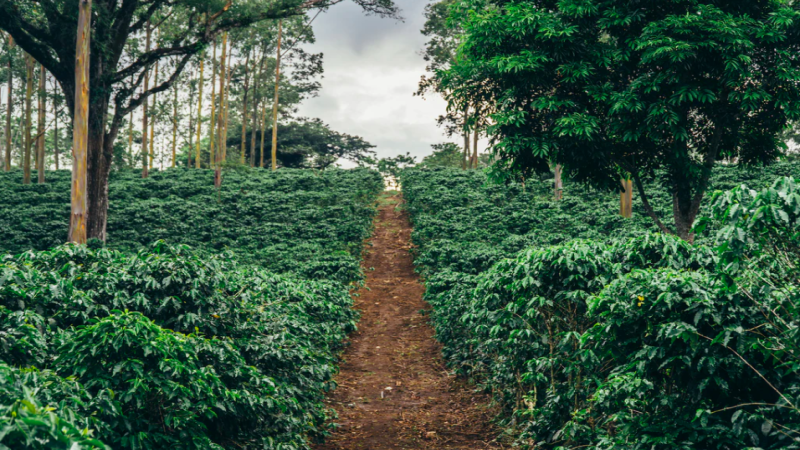
Costa Rica's Brumas del Zurqui Estate is an excellent honey-processing farm. In 2006, it won Best Coffee and earned the reputation of "Honey King." The estate is located in a valley full of clouds and mist in the Central Valley, at an altitude of 1,350–1,600 meters. The coffee has a subtle citric acidity and honey sweetness.
Farm Name: Brumas del Zurqui Estate
Region: Central Valley
Country: Costa Rica
Altitude: 1,350–1,600 meters
Variety: Caturra
Processing Method: Honey Process
After removing the peel and pulp, the coffee is dried directly with its thin mucilage layer on raised bamboo racks in the drying yard, and then the parchment coffee is removed by machine. The purpose is to increase sweetness and complexity.
Flavor: Peanut, hazelnut, legume, apple, honey, chocolate, toffee, genmaicha
Acidity: Lemon, citrus, mint, red plum; the acidity is somewhat old-school and low-key—sweet, smooth, and mild
Complexity and Other: Milky and creamy smoothness, genmaicha character, complex flavor and mouthfeel, a lingering sweet-and-tart finish, an excellent curve of acidity turning to sweetness, and a pronounced charcoal-roasted tea sensation, especially after the coffee cools
Overall Style Profile: Medium intensity, balanced acidity and sweetness, with tea notes
The above content is compiled by CoffeeHunters, a coffee news website.


