







Search Results for: Kenyan Coffee Grading
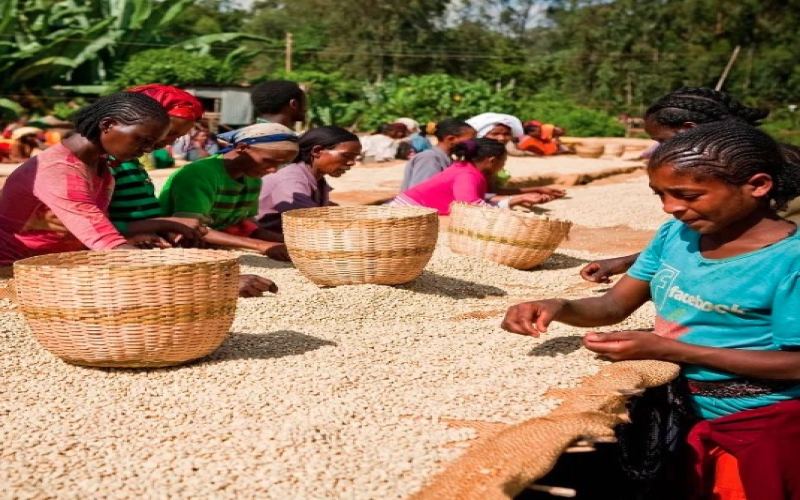
Coffee Grading | What are AA and AB in Kenya? What is the difference between AA TOP and AA?
Previously, we talked about the coffee grading in Ethiopia. Today, let's take a look at what the coffee grading in Kenya is like! After all, when we see Kenyan coffee, we will see things like AA and AB. What exactly do these refer to? What is AA TOP? [more…]
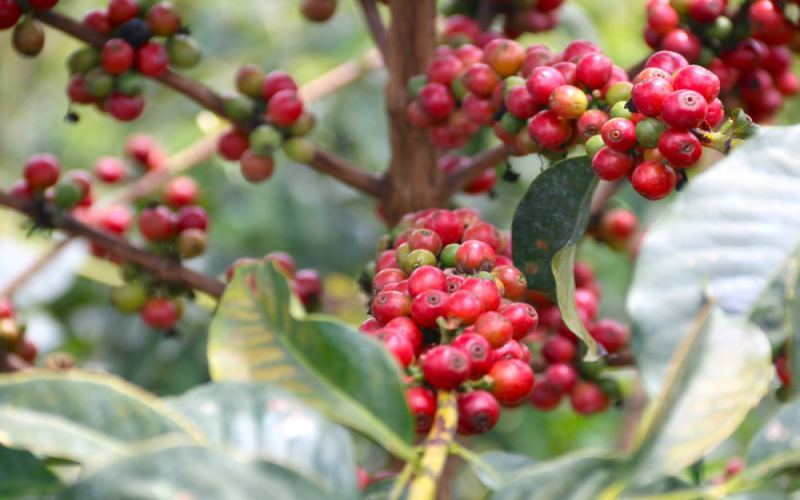
How Are Kenya Coffee AA and AA+ Grades Distinguished? A Detailed Explanation of Kenya Coffee Bean Grading Standards and Flavor Characteristics
Kenyan coffee is famous for its bright fruit acidity and rich flavors, making it a favorite among many coffee lovers. But when faced with grading labels such as AA, AA+, and AB, many people feel confused. From the perspective of Front Street Coffee, this article sorts out the development of Kenya's coffee industry, analyzes the origins and specific standards of its grading system, focuses on explaining the differences between AA grade and AA+ grade, and introduces the impact of the K72 washed processing method on flavor. At the end, it also includes the origin information and brewing parameters of Front Street Kenya Little Tomato coffee beans for daily reference. [more…]
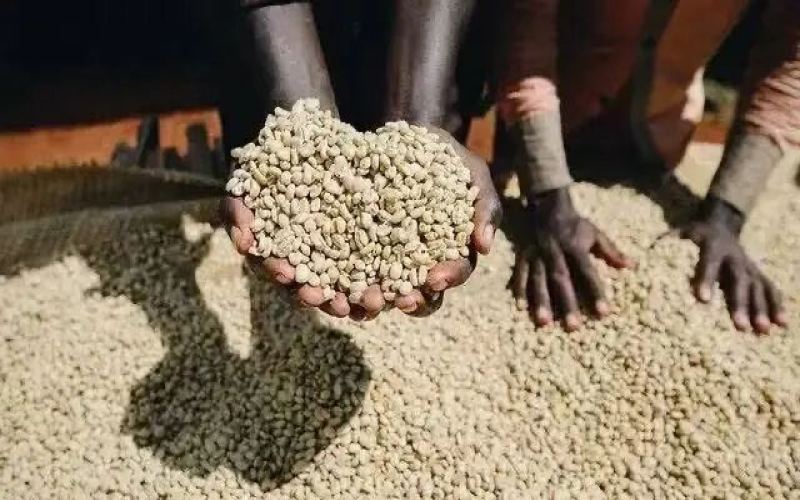
kenya coffee|What do Kenya coffee AA, AA+, and Top mean? What are the green bean grading standards for Kenyan coffee?
Friends who frequently buy coffee beans will surely notice that most coffee bean names are followed by English suffixes such as AA and AB. This is especially true for Kenyan coffee beans—Kenya AA, Kenya AB, Kenya PB, Kenya AA+, Top, and so on. "So what do these suffixes mean? [more…]
An In-Depth Analysis of Kenyan AA Coffee: Origin Terroir, Grading System, and the Causes of Its Bright Fruit Acidity
On the African continent, beyond Ethiopia, Kenya is equally a presence that cannot be overlooked in the specialty coffee landscape. Anyone who has come into contact with specialty coffee, after experiencing how remarkably vivid coffee acidity can be, will almost always ask the same question: where does the coffee with the most prominent acidity come from? The brewers at Front Street Coffee often point to Kenya in their answer. Kenyan coffee is renowned for its clean and translucent cup, full and rounded body, and highly recognizable fruity acidity, conquering the taste buds of countless coffee lovers. This article will systematically review Kenya's coffee-growing terroir, historical evolution, characteristics of the top ten producing regions, and official grading standards. Using the washed fermentation process as an entry point, it will explain the reasons behind the formation of its signature flavors, and finally include the specific brewing recipe for Front Street Kenya Azalea for reference. [more…]
Kenyan Coffee Beans | Introduction to the AA Grading and Flavor Characteristics of Kenyan Coffee Beans
For more specialty coffee knowledge, please follow: Front Street Coffee (Frontsteet Coffee) Kenya AA coffee has always been regarded as one of the best specialty coffees in the world. For some friends who are not very familiar with Kenyan coffee, Front Street is often asked what AA means. Besides [more…]
Kenya Coffee Beans | Origin, Grading, and Flavor Characteristics of Kenyan Coffee Beans: An Introduction to Water Temperature and Grind Size Parameters for Kenyan Pour-Over Black Coffee
For more specialty coffee knowledge, please follow our WeChat official account: Front Street Coffee (FrontStreet Coffee). The bright fruit acidity and vivid, full, outstanding mouthfeel of Kenyan coffee make it unforgettable to anyone who has tried it. Front Street Coffee has cupped quite a few coffee beans from different producing regions in Kenya. If we were to say that high [more…]
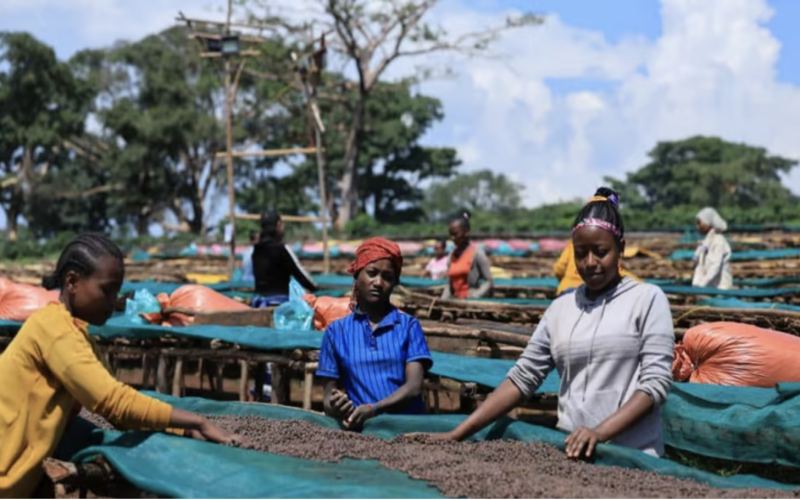
The grading system of Ethiopian coffee beans, the Yirgacheffe G1 and G2 grades.
We know that the grading method of coffee beans usually depends on the actual situation of the growing country, such as being divided according to the size of the coffee beans, like Kenyan coffee; being divided according to the altitude, like Blue Mo [more…]
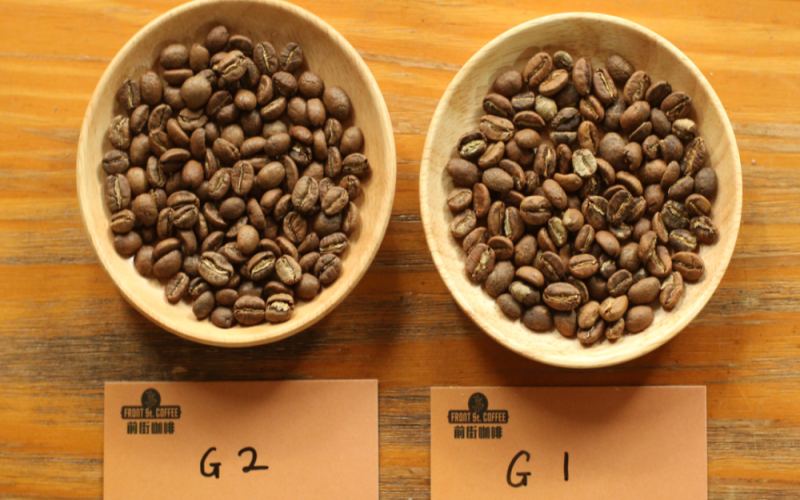
An Introduction to Green Coffee Bean Grades | A Comparison of Coffee Bean Characteristics, Flavor, and Taste Across National Green Coffee Bean Grading Systems: G1, G2, AA, PB, SHB
For more specialty coffee knowledge, please follow our WeChat official account: Front Street Coffee (FrontStreet Coffee). Many friends, while drinking coffee at Front Street, ask our baristas, "What is Yirgacheffe G1 and Yirgacheffe G2?" "What is Kenya AA, AB?" What is Guate... [more…]
Kenya Coffee Bean Brewing Tutorial Sharing
With the rise and popularity of the specialty coffee concept, emphasizing the flavor of origin—that is, the taste of the bean itself—has become a consensus, at least among some people. And after 2000, the third wave emphasized origin and light-roast flavors, and many single-origin coffees became increasingly well known. Among them, Kenyan coffee is known for its bright acidity. [more…]

Yirgacheffe Coffee Grading | Is There a Big Difference Between G1 and G2 Yirgacheffe Single-Origin Beans? Must-Buy Light Roast Pour-Over Coffee Beans for Coffee Lovers
We know that coffee bean grading methods are usually based on the actual conditions of the growing country. Some are graded by bean size, such as Kenyan coffee; some by altitude, such as Blue Mountain coffee; and some by defect rate, such as Ethiopian coffee. As the gene pool of Arabica, Ethiopia has a wide variety of coffee varieties. [more…]
An In-Depth Analysis of Tanzania's Coffee Bean Grading System and the Flavor of the Kilimanjaro Region
Tanzanian coffee is grown in the fertile soils of the East African Rift Valley, structured around bright acidity and medium body, interwoven with blackcurrant, sweet citrus, and floral notes, suitable for both hot and iced drinks. This article systematically reviews its washed processing characteristics, estate bean grading logic, and transportation aging risks, explains in detail the terroir of core producing regions such as Kilimanjaro, Moshi, and Arusha, and introduces representative brands such as Africafe and Tanica Cafe as well as the cultural origins of the "coffee gentleman." It also focuses on industry developments such as Tanzania's promotion of domestic sales and the addition of six new coffee-producing regions, providing coffee enthusiasts with a comprehensive and professional guide to the producing region. [more…]
Complete Guide to Arabica Coffee: Origins, Variety Characteristics, and Processing Method Flavor Guide
Coffee belongs to the Rubiaceae family, with over a hundred known species, but commercial cultivation is dominated by three major types: Arabica, Robusta, and Liberica. Among them, Arabica, with its outstanding aroma and flavor, accounts for over seventy percent of global production and is the core raw material for single-origin and specialty coffee. This article will systematically review the varietal characteristics, advantages and disadvantages, and sub-varieties of Arabica, and introduce one by one the cultivated varieties, processing methods, grading standards, and flavor profiles of representative producing countries such as Brazil, Colombia, Panama, Guatemala, Costa Rica, Jamaica, Ethiopia, Kenya, and Indonesia. It will also incorporate Front Street Coffee's sourcing experience and recommendations to help coffee enthusiasts build a complete framework for understanding origins. [more…]

Top Ten Coffees in the World | Which brand of coffee beans tastes best? Which single-origin beans have high reputation and good quality? Which coffee beans can coffee beginners start with?
For more specialty coffee knowledge, please follow: Front Street Coffee (Frontsteet Coffee). At Front Street Coffee (FrontStreet Coffee), the coffee beans produced by the physical stores offer over 50 different coffee beans from various origins, satisfying different tastes. [more…]
Pour-over coffee brewing method | How to brew drip bag coffee, how many times can it be brewed? How much water is needed to make a cup of drip bag black coffee?
For more specialty coffee knowledge, please follow: Front Street Coffee (Frontsteet Coffee). Newcomers to coffee may misunderstand the difference between pour-over coffee and drip bag coffee. Due to the packaging cost of drip bag coffee, the price of drip bag coffee made from the same coffee beans will be higher than that of whole beans. [more…]
Drip Bag Coffee Flavor | How to Brew Drip Coffee Bags Correctly? How Many Times Can You Reuse a Drip Coffee Bag? How Much Water and How Long to Brew a Drip Coffee Bag?
For more specialty coffee knowledge, please follow our WeChat official account: FrontStreet Coffee. Beginners who have just gotten into coffee may have some misunderstandings about the difference between pour-over coffee and drip bag coffee. Due to the packaging cost of drip bag coffee, the price of drip bag coffee made from the same coffee beans will [more…]

Specialty Coffee Drip Bag Black Coffee Recommendations | Illustrated Tutorial on How to Brew Drip Bag Coffee: What Are Common Mistakes in Drip Bag Coffee Brewing?
For the same beans, freshly roasted coffee and drip bags will have certain differences in flavor, because once coffee is ground into powder, its natural aromas disappear quickly. Of course, Front Street Coffee also has quite a few regular customers who request that the beans be ground before shipping, and in such cases Front Street Coffee generally recommends drinking it as soon as possible. Of course, compared with pour-over, drip bags are [more…]

Specialty Drip Bag Black Coffee Brand Ranking | How to Properly Brew Drip Bag Coffee? What Are the Key Considerations for Drip Bag Coffee Brewing Ratio, Extraction Time, and Water Temperature?
For the same beans, freshly roasted coffee and drip bags will have some differences in flavor, because once coffee is ground into powder, its natural aroma disappears quickly. Of course, Front Street Coffee also has many regular customers who request that the coffee be ground before shipping, and in such cases Front Street Coffee generally recommends drinking it as soon as possible. Of course, compared with pour-over, drip bags are [more…]
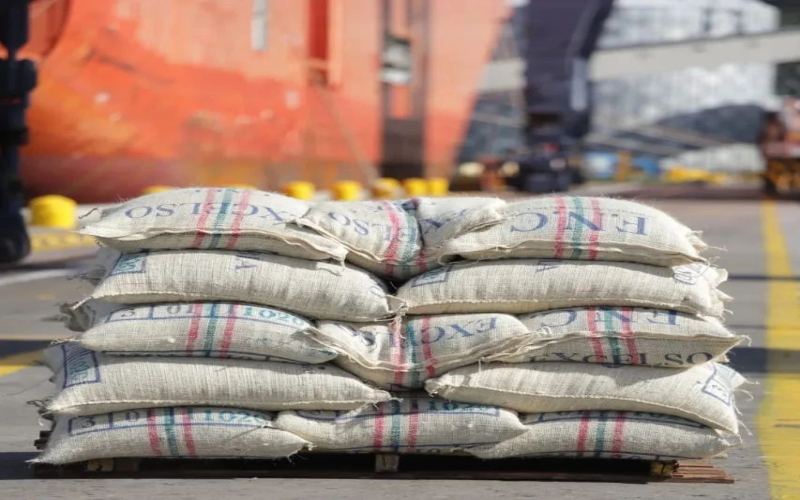
A Detailed Explanation of Colombian Green Coffee Bean Grading: The Meaning of Excelso and Supremo, and Front Street Brand Recommendations
Colombian coffee occupies an important place in the world of specialty coffee, and its green bean grading system is based primarily on defect rates and bean screen size. When buying Colombian coffee, what exactly do the words "Supremo" and "Excelso" commonly seen on burlap sacks mean? This article will systematically sort out the grading rules for Colombian green coffee beans from multiple angles, including export standards, defect scoring, and screen-size classification, and explain the specific differences among the three grades UGQ, EP, and Supremo. At the same time, the article will also introduce common Colombian coffee bean brands on the market, including product information recommended by Front Street Coffee, to help coffee lovers more clearly understand the grade and quality of the bag of beans in their hands. [more…]

A Comprehensive Interpretation of the Quality Characteristics and Grading Standards of Yunnan Coffee Beans
As the core production region for China's domestic coffee, Yunnan's coffee bean quality and grading system have always attracted much attention. From the perspective of Front Street Coffee, this article systematically reviews the history of coffee cultivation in Yunnan, the current state of varieties, and the existing grading standards, while exploring in depth the opportunities and challenges Yunnan coffee faces on its path toward specialty status. At the same time, drawing on its own planting experience in Lincang, Yunnan, Front Street recommends representative washed and natural Yunnan arabica coffees, offering coffee lovers a reference for understanding the regional taste of Yunnan. [more…]
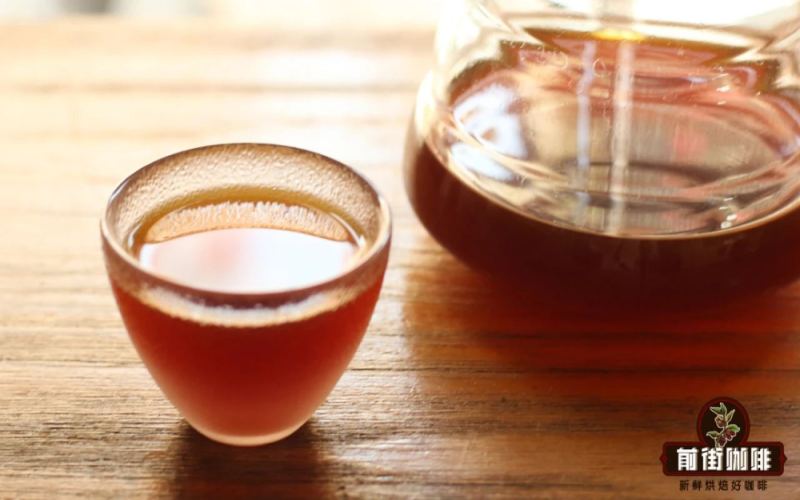
12 Common Coffee Varieties | What Coffee Do True Connoisseurs Drink? An Introduction to the Flavor Profiles of Yirgacheffe, Emerald Geisha, Jamaican Blue Mountain Single-Origin Beans
Coffee is an imported product, and everyone drinks coffee for different reasons. Some people are enjoying a petty bourgeois lifestyle, some are dependent on caffeine, and others simply like the taste of coffee. Front Street is here to take stock of which coffee those who know coffee must drink. Pour-over coffee is undoubtedly the most popular coffee-making method in the world today. [more…]