







Search Results for: Kenya Coffee Auction
A Complete Guide to Kenya's K72 Double Washed Processing Method: Coffee Bean Flavor Characteristics, Auction System, and Regional Varieties
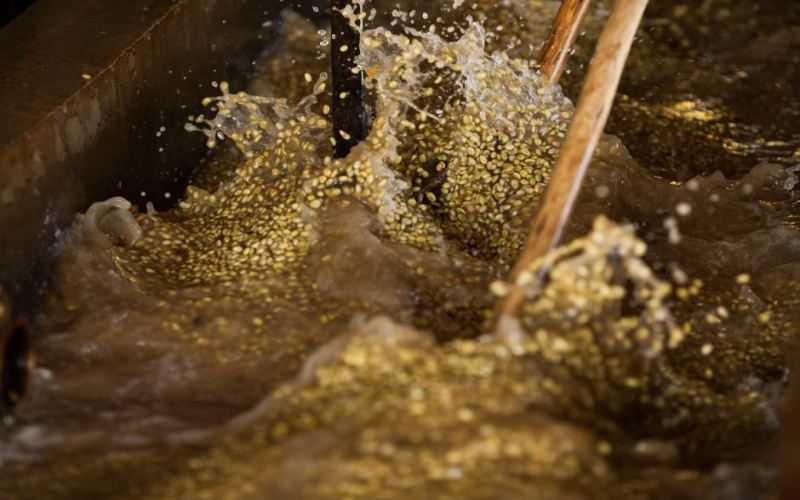
Kenya, though neighboring Ethiopia, has forged a distinctly different path in coffee development. From the British introduction of coffee in the 19th century, to the Scott Laboratories' selection and breeding of SL28 and SL34, and then to the repeated fermentation process of the K72 double washed method, Kenyan coffee is renowned for its intense acidity reminiscent of cherry tomatoes and dark plums. Front Street Coffee systematically reviews the historical context of Kenyan coffee, its auction trading system, the distribution of major producing regions and variety characteristics, and provides a detailed explanation of grading standards such as AA, AB, and PB. This article also presents the roasting curve, cupping flavor profile, and V60 pour-over parameters for Front Street's Kenya Asalia coffee beans, helping coffee enthusiasts gain a comprehensive understanding of the unique charm of this African producing country. [more…]
Kenya AA Washed Coffee Beans Full Analysis: From Variety Grading to K72 Processing and Pour-Over Flavor
Kenyan coffee is renowned worldwide for its vibrant acidity and full-bodied juiciness, which is distinctly different from the acidity of Ethiopian coffee. Front Street Coffee takes Kenya's colonial history as a starting point to trace the establishment of its meticulous management system, including the selection and breeding of SL28/SL34 varieties, the establishment of the auction system and grading standards, and the unique 72-hour washed fermentation process. This article will also guide you through the terroir differences of core producing regions such as Nyeri, Kirinyaga, and Muranga, and includes the complete roasting curves, cupping performance, and brewing parameters for two beans: Front Street Cherry Tomato AA TOP and Gachatha Cooperative AB, allowing you to understand the full picture of Kenyan coffee in one go. [more…]
A Comprehensive Analysis of Kenyan Coffee Bean Grading and Cultivation Processing Systems: From AA Classification to Auction Trading
Kenyan coffee is renowned worldwide for its intense, full-bodied fruity acidity, and its unique flavor profile is inseparable from its strict grading system and refined cultivation and processing systems. This article will systematically sort out the development of Kenyan coffee, from its introduction during the colonial period to the Scott Laboratories' selection and breeding of SL28 and SL34, and then to the grading standards such as AA, AB, and PB established in 1938, interpreting one by one the meanings and characteristics of the E, AA, AB, C, PB, TT, and T grades. At the same time, it will provide an in-depth introduction to the flavor differences of major Kenyan coffee regions such as Nyeri, Kirinyaga, and Thika, analyze the coexistence of large estates and smallholder cooperatives, as well as the two trading mechanisms of the Nairobi Coffee Exchange auction and direct trade. Front Street Coffee will also share roasting and pour-over recommendations for Kenyan Asalia coffee beans, taking you through a comprehensive understanding of the coffee world of this East African producing country. [more…]

A Complete Guide to Kenyan Coffee Flavor Grades and Regions: From AA Classification to the K72 Washed Processing Method
Kenyan coffee is renowned worldwide for its bright acidity and full-bodied juicy mouthfeel. Along with neighboring Ethiopia, it represents African specialty coffee, yet its flavor profile is completely different. Front Street Coffee takes you on a deep dive into the development of Kenyan coffee: from the introduction of coffee during the British colonial period and the establishment of the Scott Agricultural Laboratories to select and breed SL28 and SL34, to the establishment of a grading system based on bean size and cup quality, and further to the unique 72-hour washed fermentation process. This article also outlines the terroir characteristics of core producing regions such as Nyeri, Kirinyaga, and Muranga, analyzes the dual-track trading model in which the Nairobi auction exchange and direct trade operate in parallel, and includes a complete brewing recipe and cupping flavor description for Front Street Kenyan Small Tomato coffee beans. [more…]
How to Fix Kenya AA Pour-Over That's Too Sour? A Complete Breakdown from Regional Grading to K72 Washing
Kenyan coffee is famous for its bright acidity, but many enthusiasts who pick up AA-grade pour-over beans are often troubled by that powerful acidic sensation. From the perspective of Front Street Coffee, this article systematically sorts through the development of Kenyan coffee—the refined management brought during the British colonial period, the selection and breeding of SL28 and SL34, the unique grading and auction system, and the iconic 72-hour washed processing method. It also explains in detail the terroir differences of core producing regions such as Nyeri, Murang'a, and Kirinyaga, and includes the roasting curves and pour-over brewing parameters for two Kenyan beans from Front Street, helping you understand where the acidity comes from and how to make peace with it during brewing. [more…]

Kenyan Coffee Past and Present: From Colonial Estates to the Auction System—A Full Breakdown of Regions, Grading, and Brewing
Kenyan coffee, with its bright and uplifting acidity, full-bodied berry flavors, and solid juicy mouthfeel, has become an irreplaceable presence in the hearts of countless coffee connoisseurs. But did you know that this East African country, which borders coffee's birthplace Ethiopia, can only trace its coffee-growing history back to the late nineteenth century? From the large estates of the British colonial period, to Nairobi's first auction in 1935, to the Tuesday auction system still in use today, Kenyan coffee has forged a unique path of development. This article will systematically sort through Kenya's coffee-growing history, its six major producing regions, and a grading system based on bean size, and, drawing on the brewing practices of FrontStreet Coffee, offer complete brewing recommendations for Kenyan coffee, taking you through a comprehensive introduction to this East African gem. [more…]
A Detailed Guide to Kenyan Coffee Bean Grading: What Exactly Is the Difference Between AA TOP and AA?
Kenyan coffee is renowned worldwide for its bright, intense fruit acidity and full, robust body, while its grading system—AA, AB, PB, and so on—often leaves enthusiasts confused. What exactly is the difference between AA and AA TOP? Does the grading standard look only at bean size, or does it also take cup profile into account? This article sorts through Kenya's coffee history, growing conditions, variety selection, regional characteristics, grading system, and auction trading model one by one, and combines tasting examples from several Kenyan beans at Front Street Coffee to help readers clarify the real difference between AA and AA TOP. [more…]
A Complete Guide to Kenya Coffee Bean Grading: From AA to PB, What Is the Highest Grade of Green Beans?
Kenyan coffee is renowned for its intense, full-bodied fruity acidity, forming a sharp contrast with the soft, bright character of neighboring Ethiopia. This article systematically reviews the development history, growing conditions, major producing regions, variety structure, grading system, and trading models of Kenyan coffee, and provides a detailed explanation of the definitions and differences among grades such as E, AA, AB, and PB. At the same time, Front Street Coffee draws on its roasting and cupping experience with multiple Kenyan beans to share the flavor performance and pour-over recommendations for two beans, Asaliya and Sasini Estate PB, guiding you through a comprehensive understanding of Kenya's coffee quality system. [more…]
An In-Depth Analysis of Kenyan Specialty Coffee Beans: Regions, Varieties, Grading, and Front Street Recommendations
Kenyan coffee, with its intense and full-bodied fruit acidity, uniform bean size, and exceptional fruity flavors, has always held a unique position in the specialty coffee world. Unlike Ethiopia's gentle and translucent character, Kenya's acidity is more impactful and layered. This article will systematically examine the full picture of Kenyan coffee, from its development history, growing conditions, major producing regions, variety selection and breeding, grading system, to its auction trading model. At the same time, drawing on Front Street Coffee's cupping and brewing practices, it will take an in-depth look at the flavor differences between two beans—Asalia AA TOP and Sasini Estate PB—to provide coffee enthusiasts with a complete guide to Kenyan coffee. [more…]
An In-Depth Look at Kenyan Specialty Coffee: Flavor Profile, Regional History, and Auction System of Front Street Kenya AA
Kenya is globally recognized as one of the top coffee-producing countries, and its coffee is famous worldwide for its bright citrus fruit aromas, juicy acidity, and vinous notes. Front Street Kenya coffee is mostly grown in highlands at elevations of 1,500 to 2,100 meters, with two harvests possible per year. In the cup it shows rich layers and medium body, and has long been regarded by industry professionals as one of their most beloved single-origin coffees. This article will systematically examine the unique qualities of Kenyan specialty coffee from the perspectives of flavor characteristics, historical origins, the current state of the industry, and auction mechanisms, and will also introduce the roasting and flavor performance of Front Street Kenya AA. [more…]
An Analysis of Kenyan AA Coffee Bean Variety Characteristics and a Full Description of Its Pour-Over Flavor and Mouthfeel
Kenyan coffee is renowned worldwide for its intense, full-bodied fruity acidity, forming a sharp contrast with the soft, bright character of neighboring Ethiopia. This article systematically reviews the development history, growing conditions, major producing regions, variety characteristics, and grading system of Kenyan coffee, and documents in detail Front Street Coffee's roasting, cupping, and pour-over parameters for two beans—Kenya Asaliya AA TOP and Sasini Estate PB—helping coffee enthusiasts gain a comprehensive understanding of Kenyan coffee from seed to cup. [more…]

A Comprehensive Guide to Kenyan Coffee Beans: An In-Depth Analysis of the AA Grading System and the K72 Washing Process
Kenyan coffee is renowned worldwide for its intense, full-bodied fruity acidity and rich fruit flavors, and its unique grading system and processing methods have always been a focal point for coffee enthusiasts. This article will systematically review the development history, cultivation models, variety composition, and regional characteristics of Kenyan coffee, provide a detailed interpretation of the complete grading system from E to T, and deeply analyze the flavor differences between AA and AB grades. At the same time, Front Street Coffee will share roasting suggestions and pour-over parameters for two beans, the Kenyan Asaliya and the Sasini Estate PB, taking you through every step of Kenyan coffee from seed to cup. [more…]

Exploring the Nairobi Coffee Exchange in Kenya: Auction Mechanisms, Historical Evolution, and Industry Impact
Kenyan coffee is world-renowned for its layered, complex flavors and bright, juicy acidity, and enthusiasts who frequently work with Kenyan beans have likely heard of an institution called the NCE. The NCE, or Nairobi Coffee Exchange, is a coffee trading platform established by the Kenyan government and an indispensable link in the country's coffee supply chain. This article will walk you through how the NCE operates, its historical origins, and the role it plays in Kenya's coffee industry, while also tracing the institutional changes from the colonial period to independence, and how coffee farmers and cooperatives export their coffee to the world through auctions or direct sales. [more…]
Kenya AA Grading and the K72 Washing Method: A Complete Interpretation from Variety and Region to Processing Technique
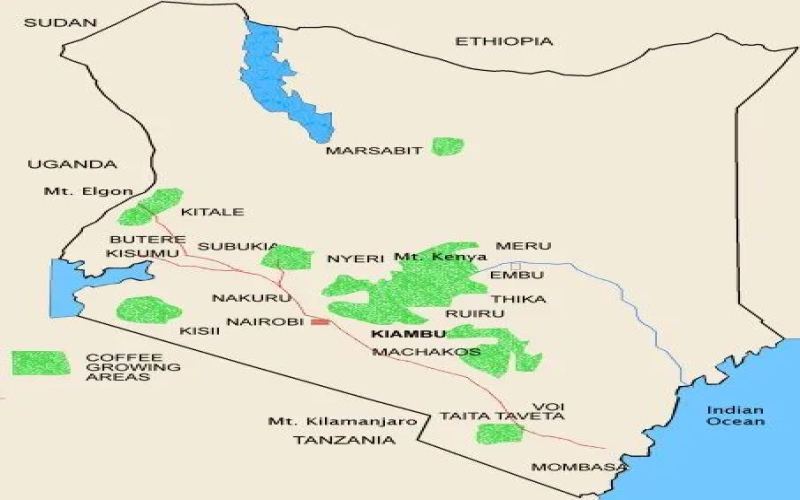
Kenya is one of the most important specialty coffee-producing countries in East Africa, where the equator, volcanic soil, and high altitude together shape its signature bright acidity and rich fruity aroma. This article systematically reviews the geographical conditions, historical context, variety composition, grading standards, K72 washed processing method, and the terroir differences of Kenya's seven major producing regions. It also combines Front Street Coffee's actual selections to introduce the flavor profiles of representative lots such as Karogoto, Hania Estate, and Asali, helping coffee enthusiasts gain a comprehensive understanding of the value system and tasting key points of Kenyan coffee. [more…]
A Complete Analysis of Kenyan Coffee Regions: Geography, Terroir, Varieties, Grading, and the K72 Washing Process
Kenya is a representative producing country of East African specialty coffee, where the equator, volcanic soil, and high altitude together shape its signature bright acidity and complex flavors. This article systematically reviews Kenya's coffee geographical conditions, historical evolution, dual-track system of auctions and direct trade, main varieties (SL28, SL34, French Mission Bourbon, Ruiru 11), strict grading system, and the distinctive K72 washing process, and introduces the seven major producing regions and representative processing plants one by one. Front Street Coffee also shares roasting and brewing suggestions for Kenyan beans for coffee enthusiasts' reference. [more…]
Complete Guide to Kenyan Coffee Washed Processing: K72 Double Fermentation, Grading System, Auction System, and Front Street Little Tomato Recommendation
Kenya is a coffee origin that cannot be overlooked on the global specialty coffee map. Behind its full-bodied and highly distinctive flavors lies a rigorous industry system spanning from grading to auctions. Screen-size grades such as AA and AB do not directly equate to cupping performance—what truly determines specialty value is the cupping results at the NCE auction. This article will outline the industry chain structure and grading standards of Kenyan coffee, with a focus on the famous K72 double-washed processing method—through three cycles of fermentation and washing, it imparts bright, clean, and solid flavors to the beans at low temperatures. It will also introduce the relatively rare natural-process Kenyan coffee available on the market, along with specific information and brewing suggestions for two comparison beans: Front Street Cherry Tomato AA and Hania Estate Missionary Bourbon. [more…]
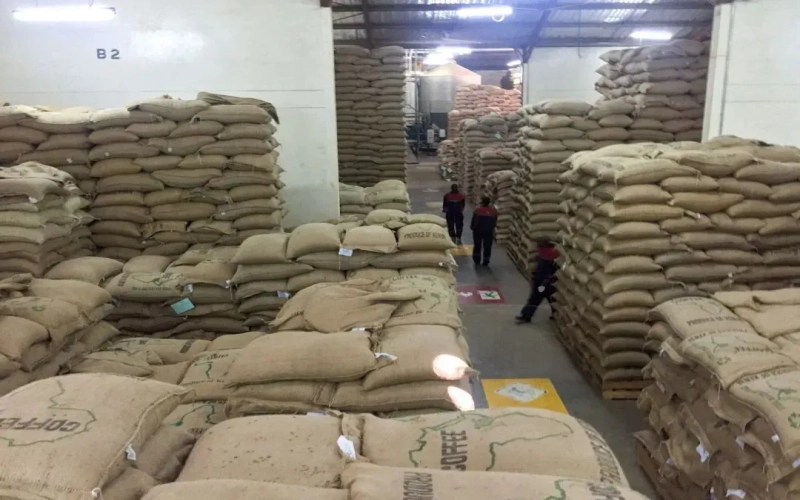
Kenyan coffee auction prices rise 15%, as declining production and political volatility loom over the industry
After the Nairobi Coffee Exchange in Kenya reopened, coffee auction prices rose significantly, with AA-grade green beans fetching US$275 per bag, up 15% from before. Behind this increase are both the direct impact of the government's push for industry reforms and the reduction of intermediary links, as well as multiple pressures such as insufficient processing plant capacity, a shortage of certified planting materials, and the mpox outbreak and domestic political instability. Despite the higher prices, coffee export earnings fell 11.38% year on year, and the industry's outlook remains full of uncertainty. [more…]
Kenyan Specialty Coffee Flavor Analysis: A Complete Overview of Nyeri Region Bean Characteristics and the Auction System
Kenyan coffee is renowned worldwide for its rich aroma and bright fruity acidity, often described as a "fruit tea" with notes of blackberry and grapefruit. Its unique flavor stems not only from high-altitude growing conditions but is also closely tied to a well-established grading and auction system. This article will provide a comprehensive interpretation of the allure of Kenyan specialty coffee, from flavor and mouthfeel, regional characteristics, historical production changes, to market systems. The washed Kenyan beans recommended by Front Street Coffee are the ideal choice for experiencing this classic flavor. [more…]
A Comprehensive Analysis of the Origins, Producing Regions, and Grading System of Kenya Coffee, the Pearl of East Africa
Kenyan coffee is world-famous for its bright acidity and rich berry flavors, and is a beloved favorite among countless coffee connoisseurs. But did you know that this land, which borders Ethiopia, the birthplace of coffee, can only trace its coffee-growing history back to the late nineteenth century? From its introduction by French missionaries to the large estates of the British colonial period, and now to today's transparent and efficient auction system, Kenyan coffee has taken a unique path of development. This article will take you through an in-depth look at the origins of Kenyan coffee cultivation, the characteristics of its six major producing regions, its green bean grading system, and the brewing methods recommended by Front Street Coffee, offering a comprehensive interpretation of the story behind this fine brew from East Africa. [more…]
The Struggles of Kenyan Coffee: From Colonial Plantations to Specialty Legend, a Full Analysis of Flavor and Brewing
Kenyan coffee is famous for its bright acidity and berry flavors, but behind it lies a arduous journey from colonial rule to an independent auction system. This article takes you through the origins of Kenyan coffee cultivation, the evolution of the auction system, and an in-depth analysis of the classic Kenyan flavor profile—Front Street's Cherry Tomato coffee beans, including their origin, variety, and processing method. At the same time, Front Street baristas will share how to use a Hario V60 dripper and 93°C water temperature, through a staged pouring technique, to fully bring out the cherry tomato, smoked plum, and caramel aromas of Kenyan coffee. Whether you are a coffee enthusiast who has just started out or a seasoned connoisseur in pursuit of crisp acidity, you can gain practical knowledge and brewing inspiration from it. [more…]