







How Did Kenya Coffee Become a Specialty Favorite?
Kenya coffee is known for bright acidity and berry-like flavors, but that reputation grew from a difficult history. Coffee first reached the country in 1893, when a French missionary brought trees from Réunion, and the first harvest followed in 1896 under British colonial rule. Cultivation later expanded into an independent auction system and smallholder farming.
Kenyan coffee cultivation is often discussed through its varietals and processing. The article traces how the sector moved from colonial-era plantations to today's auction model, and then examines a classic Kenyan profile, Front Street Cherry Tomato Coffee Beans, covering origin, variety and processing. It closes with brewing guidance for a Hario V60 at 93°C using staged pouring.
Kenyan coffee is famous for its bright acidity and berry flavors, but behind it lies an arduous journey from colonial rule to an independent auction system. This article takes you through the origins of Kenyan coffee cultivation, the evolution of the auction system, and an in-depth analysis of a classic Kenyan flavor—Front Street Cherry Tomato Coffee Beans—including their origin, variety, and processing method. At the same time, Front Street Coffee's baristas will share how to use a Hario V60 dripper and 93°C water temperature, through a staged pouring technique, to fully bring out the cherry tomato, smoked plum, and caramel aromas of Kenyan coffee. Whether you are a beginner coffee enthusiast or a veteran chasing crisp acidity, you can gain practical knowledge and brewing inspiration from it.
For more specialty coffee knowledge, please follow the WeChat official account: FrontStreet Coffee
Most people who are new to coffee begin building their understanding from names like Yirgacheffe or Mandheling. Once they gradually clarify their taste preferences, they head in different directions. Some prefer a rich, full-bodied style with almost no acidity, and Mandheling, Blue Mountain, and Brazil are often on their list. Others cannot do without acidity, and the brighter and more refreshing it is, the more fascinated they become; Kenyan coffee and Panama Geisha are the goals pursued by these seasoned lovers. Many coffee connoisseurs, when describing the flavor of Kenyan coffee, often mention a cherry-tomato-like acidity, bright acidity, and a mouth-filling berry sensation. Hearing such descriptions, you probably can't help but swallow, right?
The History of Kenyan Coffee Cultivation
Anyone with a little knowledge of East African geography will notice that Kenya borders Ethiopia, and the latter is recognized as the birthplace of coffee. However, Kenya's coffee cultivation history did not truly begin until the end of the nineteenth century.
While consulting the specialty coffee book The World Atlas of Coffee, Front Street noted that Kenya's coffee industry developed much later than that of its neighbor Ethiopia. The earliest record currently available of coffee being introduced to Kenya is that in 1893 a French missionary brought coffee trees from Réunion to this land, and Kenya's first coffee harvest was in 1896.
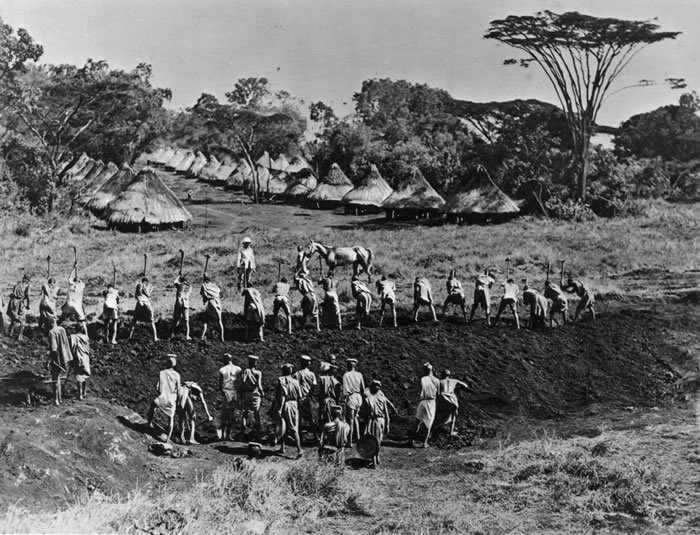
At that time, Kenya was under British colonial rule and was classified as part of Britain's so-called "East Africa Protectorate." As coffee was an important cash crop, local people were forbidden to cultivate it privately. Therefore, Kenya's earliest coffee was almost entirely grown on large estates controlled by British colonists, and the harvested coffee beans were shipped to London, England, for auction sale.
By 1933, the Kenya Coffee Board was established, and coffee sales affairs were transferred back to Kenya itself. In 1934, the auction system was established, and the following year, 1935, Kenya's first coffee auction in history was held in Nairobi, and this auction system has continued to this day.
In the early 1950s, the Kenyan authorities passed an agricultural act that enabled local families to increase land ownership and, in addition to meeting self-sufficiency needs, also allowed them to grow cash crops to increase income.
Almost all Kenyan coffee must be sold through the coffee exchange in Nairobi. Every Tuesday during the coffee harvest season, the exchange holds an auction. Licensed traders receive green bean samples in advance, select the beans they like after cupping, and then the highest bidder wins at the auction. This trading method is considered one of the most transparent and efficient forms of trade, and to a certain extent it also incentivizes coffee farmers to pursue quality.
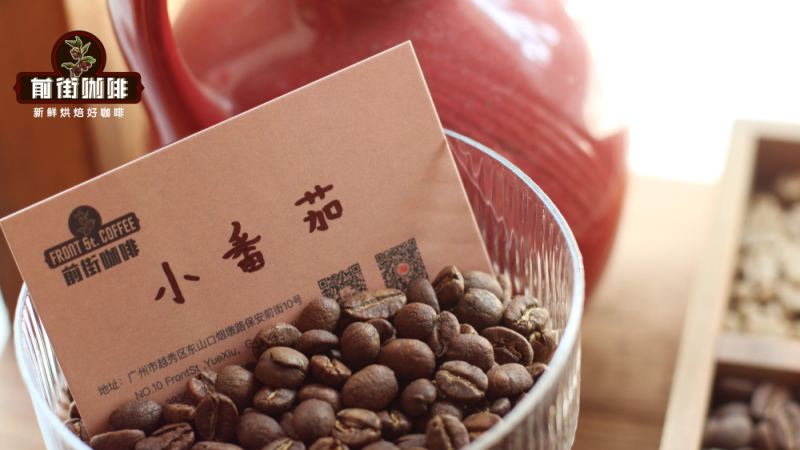
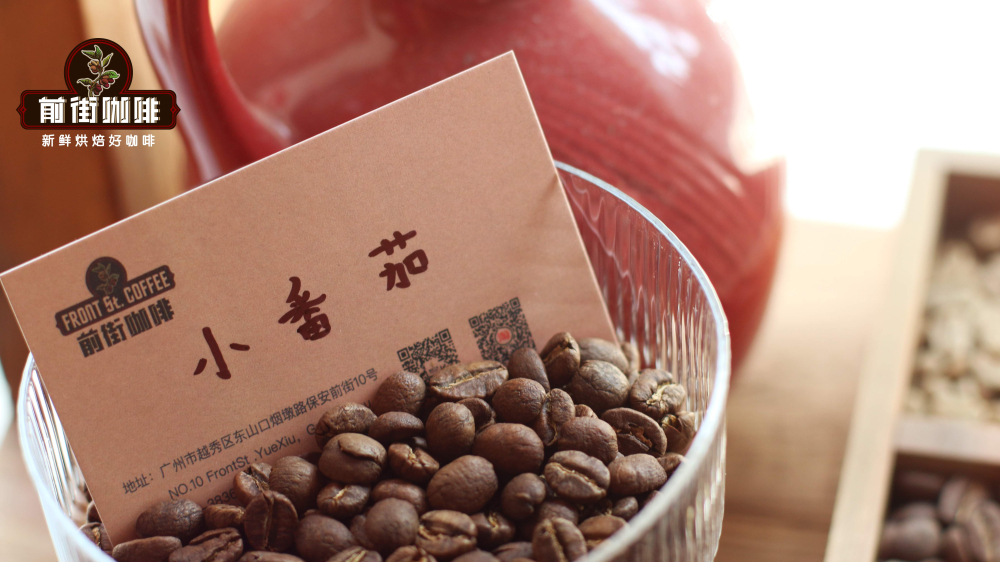
Today, Kenya has long secured its place in the specialty coffee world with its unique flavor profile. If you also want to taste the classic Kenyan flavor, Front Street Cherry Tomato Coffee Beans are recommended. This is a coffee produced in the Thika region, processed by double washing, with varieties SL28 and SL34, featuring aromas of cherry tomato, smoked plum, and caramel. You can purchase it at Front Street's Taobao store or Front Street's Tmall flagship store.
FrontStreet Coffee Kenyan Cherry Tomato Coffee
Region: Thika, Kenya
Washing Station: Asali Honey Washing Station
Altitude: 1550m——1750m
Variety: SL28, SL34
Processing Method: K72 Washed Processing
How to Drink Kenyan Coffee?
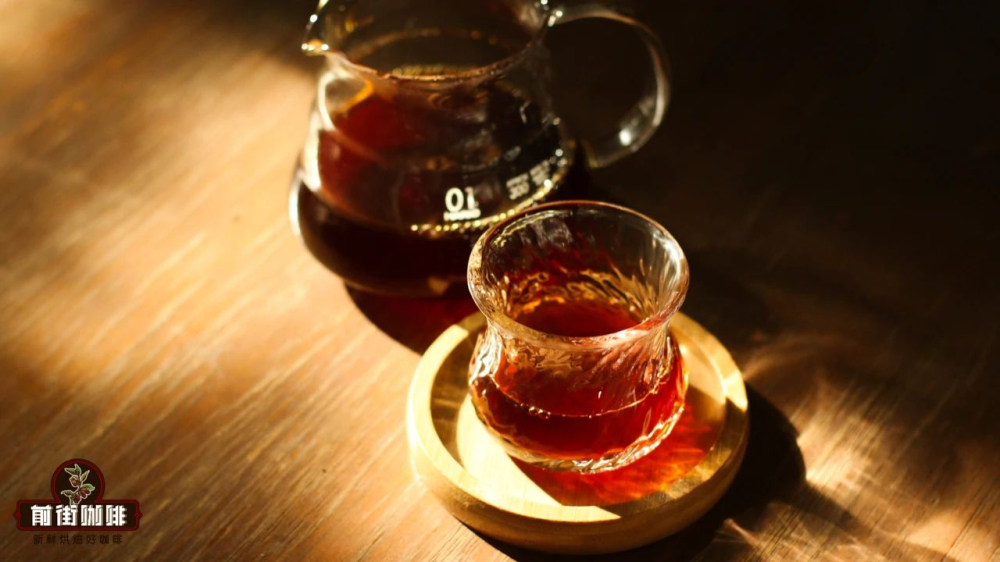
When brewing Kenyan coffee, the baristas at FrontStreet Coffee take into account that these beans are medium-light roasted and use a water temperature of 93°C for extraction, using the high temperature to release the bright acidity. At the same time, to avoid over-extraction caused by high temperature, they choose the Hario V60 dripper. The V60 dripper's spiral rib design can speed up the flow of water, better highlighting the finished cup's uplifted acidity, clean mouthfeel, and high-quality aroma.
Dripper: Hario V60
Water Temperature: 93°C
Dose: 15 grams
Coffee-to-Water Ratio: 1:15
Grind Size: EK43s#10 (80% passing rate with a No. 20 standard sieve)
First, pour 30 grams of water for a 30-second bloom, then pour the second stage of water up to 125 grams for staged pouring. When the water level drops to the point where the coffee bed is about to be exposed, pour the third stage of water up to 225 grams. Wait until the water in the dripper has completely dripped into the server, then remove the dripper. The total extraction time is about 2'00".
The above content is compiled by CoffeeHunters, a coffee news website.


