







Search Results for: K72 Fermentation
Analyzing Kenya K72 Double Washed Processing: Flavor Characteristics of Coffee Beans and the Source of Their Unique Acidity
Kenyan coffee is renowned for its bright and rich notes of dark plum, cherry tomato-like acidity, and juicy sweetness. This is inseparable from the country's favorable geography and climate, high-quality varieties such as SL28 and SL34, and, more crucially, its unique K72 washing process. How exactly did the K72 process evolve? How does it differ from ordinary washed processing? From the perspective of Front Street Coffee, this article will sort out the flavor origins of Kenyan coffee, the historical background and craft details of the K72 process, and introduce the K72 washed coffee beans currently on sale at Front Street Coffee from the Asali Processing Plant in the Thika region. [more…]
An Analysis of the Differences Between Kenyan K72 Washed and Regular Washed Processing: A Comprehensive Introduction to SL28 and SL34 Coffee Beans from Asalia in the Thika Region
Kenyan coffee stands out in the global specialty coffee scene with its distinctive notes of black plum and cherry tomato acidity, along with a juicy sweetness. The formation of this flavor profile benefits from the region's superior geographical and climatic conditions, as well as high-quality varieties like SL28 and SL34, and the highly distinctive K72 washing process. This article will start from the ordinary washing process, detail the origin and evolution of the K72 method, compare the key differences between the two in fermentation duration, process flow, and cost investment, and introduce the currently available Front Street Coffee SL28 and SL34 coffee beans from the Asali Processing Plant in the Thika region, giving you an in-depth understanding of the logic behind Kenya coffee's unique flavor. [more…]
Why Is Kenyan Coffee Acidity So Intense? Unraveling the Secrets of the K72 Processing Method and the SL28 and SL34 Varieties
Kenyan coffee stands out in the world coffee landscape with its distinct and intense acidity, contrasting with the crisp and bright style of neighboring Ethiopia. This unique flavor is inseparable from the phosphoric acid-rich volcanic ash soil of the Kenyan highlands, the carefully selected SL28 and SL34 varieties, and the renowned K72 washed processing method. This article will delve into the sources of Kenyan coffee's acidity, dissecting its flavor code layer by layer—from the geographical environment and the history of variety selection to the 72-hour fermentation process. At the same time, we will introduce a Kenyan bean from Front Street Coffee, sourced from the Salia factory in the Thika region, featuring SL28 and SL34 varieties, processed with the K72 washed method, presenting bright acidity reminiscent of cherry tomatoes and smoked plums, along with a sugarcane-like sweetness. [more…]
A Comprehensive Analysis of Kenya's Double Washed Process: Operational Workflow, Flavor Changes, and Comparison with K72 and Dry Fermentation
As one of the most traditional green bean processing methods, the washed process significantly enhances coffee quality and cleanliness through its depulping and washing steps, making it highly favored by enthusiasts. With the rise of the specialty coffee wave, new terms such as double washed, K72 washed, and dry fermentation washed have emerged endlessly—how exactly do they differ from traditional washing? From the perspective of Front Street, this article first traces the historical origins and procedures of traditional washing, then delves into the origins, operational details, and flavor expression of Kenyan double washing, and further introduces the characteristics of K72 washed and dry fermentation washed, helping readers understand how variables such as soaking time and number of soaks in the fermentation stage shape the final flavor of coffee. [more…]

Kenyan Coffee K72 Washed Processing Method Explained: From AA Grading to Front Street Coffee Medium-Light Roast Brewing Guide
Kenyan coffee occupies a unique position in the global specialty coffee scene, thanks to its distinct berry flavors, robust fruit acidity, and sweet, juicy mouthfeel. The formation of this flavor profile is related not only to the local soil's high phosphoric acid content but also, crucially, to the famous K72 washing process—a three-stage fermentation lasting up to 72 hours. This article will provide a detailed analysis of the K72 fermentation process and Kenya's steel bed drying method, outline the Kenyan coffee bean grading system and exporter cup grading, and share Front Street Coffee's roasting approach and pour-over parameters for AA-grade Kenyan Asaliya, helping readers fully understand the flavor logic of Kenyan coffee from processing to cup. [more…]
A Detailed Explanation of the Washed Process for Kenyan Specialty Coffee: K72 Fermentation and AA Grade Flavor Analysis
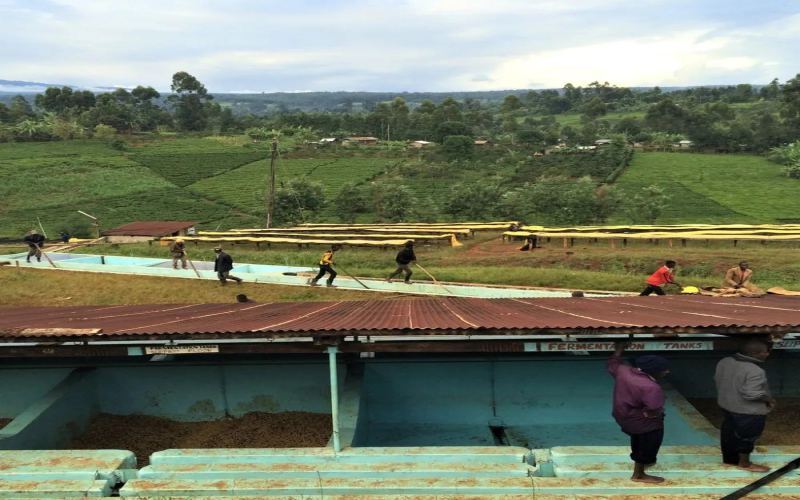
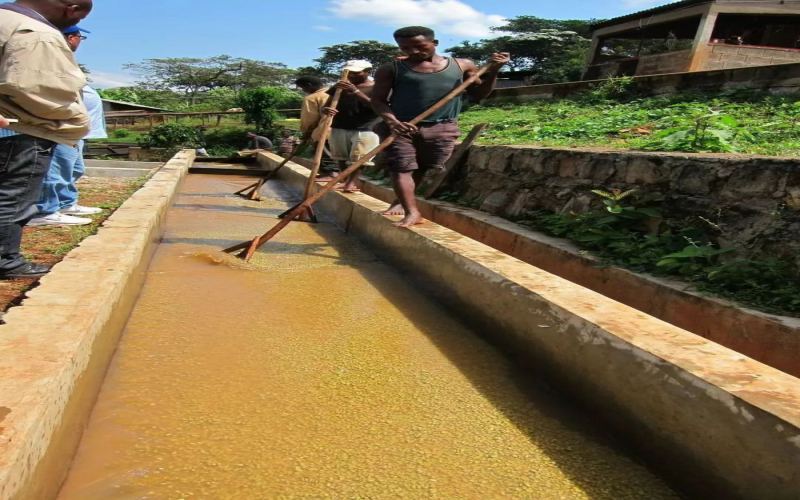
Kenyan coffee is renowned worldwide for its distinctive berry notes and robust fruit acidity, and the K72 washed processing method plays a crucial role in this. This unique technique splits the fermentation process into three rounds, each lasting 24 hours with fresh water, totaling 72 hours, which gives the coffee beans a more vibrant acidity. The drying stage is equally ingenious, with farmers using raised steel beds to dry the beans evenly, avoiding any earthy off-flavors from the ground and resulting in the clean, bright cup profile characteristic of Kenyan coffee. Front Street Kenya Cherry Tomato coffee beans are made from SL28 and SL34 varieties, classified as AA grade, and presented with a light-medium roast to highlight their full floral and fruity flavors. This article will provide a comprehensive analysis of the K72 processing details, the grading system, and Front Street's roasting and brewing parameters, giving you an in-depth look at the flavor secrets of these beans. [more…]
In-Depth Analysis of Kenyan AA Washed Coffee: Comparing the K72 Double Fermentation Process with Sun-Dried Bourbon Flavors
Kenyan coffee is world-renowned for its bright and complex acidity, and the K72 washed processing method pushes this characteristic to the extreme. This article will take you deep into Kenya's coffee origins and variety composition, break down every step of the K72 double fermentation process in detail, and compare and taste the flavor differences brought by washed and natural processing methods. From the Asali Honey Processing Station in the Thika region to the French Mission Bourbon at Hania Estate, we will use two coffees of distinctly different styles as samples to analyze their aroma, acidity, sweetness, and aftertaste. Whether you are a beginner just getting to know Kenyan coffee or an experienced enthusiast looking for brewing inspiration, this article can provide you with valuable reference. [more…]
Kenyan Coffee Double Washed and K72 Process Analysis: How Fermentation Steps Shape Unique Fruity Acidity
Kenyan coffee is renowned for its clean, complex fruity flavors. Behind this lies not only the advantages of high altitude and varietals, but also masterful washed processing techniques. From traditional wet processing to double washing, K72 washing, and then to water-saving dry fermentation washing methods, how do the subtle differences in the fermentation stage affect the cup performance? Front Street Coffee guides you through the origins and distinctions of these processing methods, and recommends two representative beans, Kenya Cherry Tomato and Asaliya, to experience the bright acidity reminiscent of cherry tomatoes, preserved plums, and smoked plums. [more…]
Kenyan Coffee Flavor Characteristics, K72 Double Washing Process, and Iced Pour-Over Practical Guide
Kenyan coffee is renowned for its bright, uplifting fruit acidity and full, rich berry mouthfeel, making it a unique presence among African specialty beans. This article will draw on Front Street Coffee's cupping experience to outline Kenya's growing terroir, the background of the two major varieties SL-28 and SL-34, and break down in detail the region's signature K72 double washed processing method. It will also combine the Little Tomato coffee beans and the Asalia processing station beans currently sold at Front Street's stores to provide specific parameters and operating steps for iced pour-over, helping coffee enthusiasts understand the source of Kenyan coffee's acidity and the extraction methods best suited to it. [more…]
Analysis of the Flavor and Estate Story of Guatemala Santa Felisa Estate Red Pacamara Maragogype K72 Process
Pacamara Maragogipe is a cross between the Pacas and Maragogipe varieties, combining rich flavor with an elegant texture. Guatemala's Santa Felisa Estate, founded in 1904, is located in the Acatenango Valley and is known for its eco-friendly farming methods, eight processing methods, and insistence on hand-picking at 21 degrees Brix, consistently ranking among the top in the COE. The estate weathered the impact of leaf rust, losing its organic certification yet still upholding its ecological philosophy. Its K72 processing method combines repeated fermentation with washed and sun-dried techniques, giving the coffee bright, clean flavors of citrus notes, dried tangerine peel aroma, cherry, and sweet persimmon. Front Street Coffee recommends brewing with a Hario V60, 90°C water temperature, and a three-pour method to showcase this Red Pacamara Maragogipe's lingering sweetness and smooth mouthfeel. [more…]

Why Is Kenyan Coffee's Acidity So Outstanding? A Complete Analysis from Volcanic Soil to K72 Washing
Kenyan coffee is renowned worldwide for its vibrant acidity, with flavor layers reminiscent of black plum, cherry tomato, and sugarcane that captivate countless coffee enthusiasts. This distinctive acidity is no accident, but rather the result of the combined effects of altitude, volcanic geology, latitude, variety, and processing methods. This article will start with Kenya's growing environment, analyze the origins of the legendary SL28 and SL34 varieties, and delve into Kenya's iconic 72-hour fermentation washed method (K72) as well as its unique steel bed drying process, helping you understand the interconnected flavor logic behind a cup of Kenyan coffee. [more…]
Kenyan Coffee Flavor Analysis: A Complete Guide to the K72 Double Water-Wash Processing Method and Pour-Over Parameters
Kenyan coffee has always stood out in the specialty coffee world for its vivid fruit tones and bright acidity. This article breaks down the flavor code of Kenyan coffee layer by layer, from the terroir of its producing regions and historical origins to the K72 72-hour fermented washed process. Front Street Coffee's Little Tomato Azalea coffee beans are a typical example—from the Asali processing plant in the Thika region, using SL28 and SL34 varieties, they present layers of dark plum, cherry tomato, and caramel interwoven under a medium-light roast. The article also provides SCA-recommended pour-over coffee-to-water ratios and water temperature parameters, making it suitable for coffee lovers who want to gain a deeper understanding of Kenyan beans or are looking for brewing solutions. [more…]
Kenya AA Pour-Over Coffee-to-Water Ratio and Flavor Full Analysis: Brewing Key Points for K72 Washed, SL28/SL34, and Medium-Light Roast
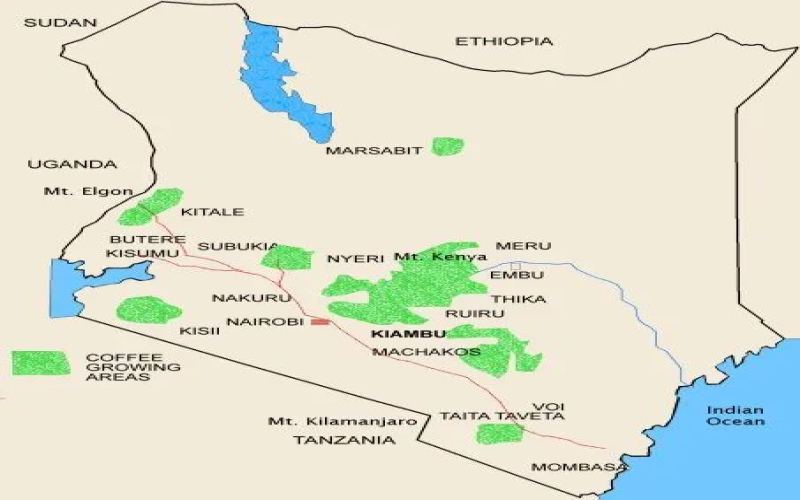
Kenya AA is a highly recognizable grade in specialty coffee, known for its bright berry acidity, substantial juicy body, and cleanliness. This article focuses on Front Street Coffee's Kenya Small Tomato, an AA-grade coffee, to sort out its flavor sources and processing details: from the phosphoric acid components in the local soil, to the famous K72 72-hour washed fermentation, and then to the impact of Kenyan steel bed drying on cleanliness. It also explains the size grading such as AA and AB, as well as the TOP, PLUS, and FAQ flavor grades set by exporters. Finally, it gives Front Street's medium-light roast approach and pour-over parameters: 1:15 coffee-to-water ratio, 15g coffee, 225ml water, 91°C, V60, along with a staged pouring rhythm and brewing flavor description. [more…]
Where Does Kenyan Coffee Flavor Come From? A Full Breakdown of Varieties, K72 Double Washing, and Iced Brewing
Kenyan coffee is renowned worldwide for its bright, uplifting fruit acidity and full, berry-juice-like mouthfeel. The formation of this unique flavor is inseparable from the local high-altitude volcanic soil, the two major varieties SL-28 and SL-34, and the signature K72 double washed processing method. This article will systematically sort out the core characteristics of Kenyan coffee, from terroir and variety origins to processing techniques, roasting, and extraction, and introduce the flavor performance of several representative Kenyan beans available at Front Street Coffee shops. In addition, it will share three iced drink methods suitable for showcasing Kenya's acidity—ice hand pour, ice drip, and cold brew—to help coffee lovers who enjoy fruity acidity brew a refreshing and pleasant cup of Kenyan coffee at home. [more…]
A Complete Guide to Kenya K72 Washed Processing: SL28 and Other Variety Distribution, Flavor Characteristics, and Brewing Guide
Kenyan coffee is famous in the specialty coffee world for its bright, clean acidity. Its iconic K72 washed processing method, together with varieties such as SL28 and SL34, creates its unique flavor. From the perspective of Front Street Coffee, this article systematically reviews the complete process of Kenyan-style 72-hour fermentation washing, analyzes the origins and characteristics of major varieties such as SL28, SL34, Ruiru11, and Batian, introduces Kenya's coffee growing conditions and grading system, and includes the roasting curves and brewing parameters for two Front Street beans, Kenya Asaliya and Sasini PB, to help coffee lovers fully understand the flavor code of Kenyan coffee. [more…]
An Analysis of Kenya's SL28 and SL34 Varieties: The Origin of K72 Washed Processing Flavors and Front Street Coffee Brewing Recommendations
Kenyan coffee is famous for its bright fruit acidity and clean mouthfeel, and the K72 washed processing method along with the SL28 and SL34 varieties deserve much of the credit. From the perspective of Front Street Coffee, this article outlines the 72-hour cyclic fermentation process of the K72 processing method, analyzes the growing conditions of the Kenyan highlands, the origins and flavor differences of the SL series varieties, and introduces improved varieties such as Ruiru11 and Batian. It also compiles Kenya's coffee grading system and includes the roasting and brewing data for Front Street's Kenya Asalia and Sachini PB, helping coffee enthusiasts understand the causes of Kenyan coffee's unique cherry tomato acidity. [more…]
The Fruit-Acid Code of Kenyan Coffee: A Breakdown of Varieties, Origins, K72 Washing, and Roasting Key Points
Kenyan coffee is renowned for its intense acidity and fruity notes reminiscent of smoked plum and cherry tomatoes, making it a favorite among specialty coffee enthusiasts. Starting from the flavor profile of Front Street Kenya coffee, this article systematically reviews the cultivation history of Kenyan coffee, its main producing regions, the characteristics of the SL28 and SL34 varieties, and how the famous K72 washing process shapes its bright acidity. It also introduces roasting and brewing recommendations for Front Street Little Tomato coffee beans, giving you a comprehensive understanding of why Kenyan coffee is so rich in fruity acidity. [more…]
Exploring Kenya's K72 Washed Processing Method: How SL28 and SL34 Create Explosive Fruit Flavors
In the ever-diversifying wave of specialty coffee processing methods, Kenya's K72 washed process stands out with its unique three-cycle fermentation technique, becoming the key to shaping bright, clean flavors. This article will provide an in-depth analysis of the complete K72 process, from green bean selection to raised-bed sun drying, revealing how it imparts coffee beans with vibrant fruit acidity and delicate layers. At the same time, the article will systematically review Kenya's growing conditions, the origins and characteristics of the main varieties SL28 and SL34, and Kenya's coffee grading system. Finally, Front Street Coffee will share the roasting and brewing data for two Kenyan beans, taking you on a comprehensive journey through the signature cherry tomato and smoked plum flavors of Kenyan coffee. [more…]
A Detailed Guide to Coffee Washed Processing: From Traditional Wet Processing to the Process Differences of K72 and Double Washed
As one of the most traditional methods of processing green coffee, the washed method has long been favored by coffee enthusiasts for the cleanliness and consistent quality that come from the depulping and washing steps. With the growth of specialty coffee, a variety of new names have appeared on the market, such as "double washed," "K72 washed," and "dry-fermented washed." How exactly do they differ from traditional washed coffee? In this article, from the perspective of Front Street, we will trace the historical origins and process characteristics of the washed method, and then examine one by one the fermentation details and flavor profiles of these derivative processing methods, helping readers more clearly understand how different washed processes affect the coffee in the cup. [more…]
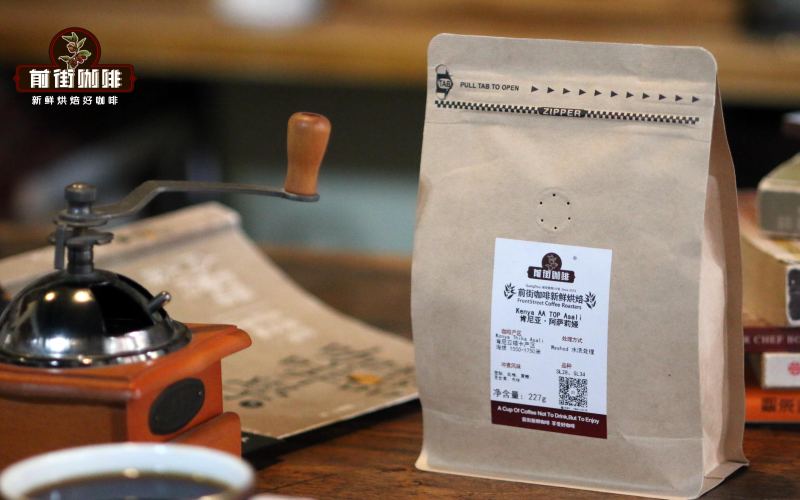
Kenya AA Coffee Bean Grading Standards Explained: A Full Analysis of Thika Region Flavor, K72 Washing, and SL28/SL34 Varieties
Kenya AA is the highest grade in Kenya's coffee classification system, renowned for its plump beans and bright flavor. Starting from the grading logic of Kenyan green beans, this article provides an in-depth analysis of the cultivation history and terroir characteristics of the Thika producing region, explains how the classic Kenyan-style 72-hour double fermentation washed process (K72) operates, and focuses on the two varieties, SL28 and SL34, which account for ninety percent of Kenya's high-quality coffee production. The article also combines Front Street Coffee's Front Street Kenya Asalia coffee beans to recreate its light roast approach and V60 three-pour brewing parameters, presenting the typical Kenyan flavor profile of black plum, smoked plum, apricot, and black tea aftertaste. [more…]