







Search Results for: James Hoffmann
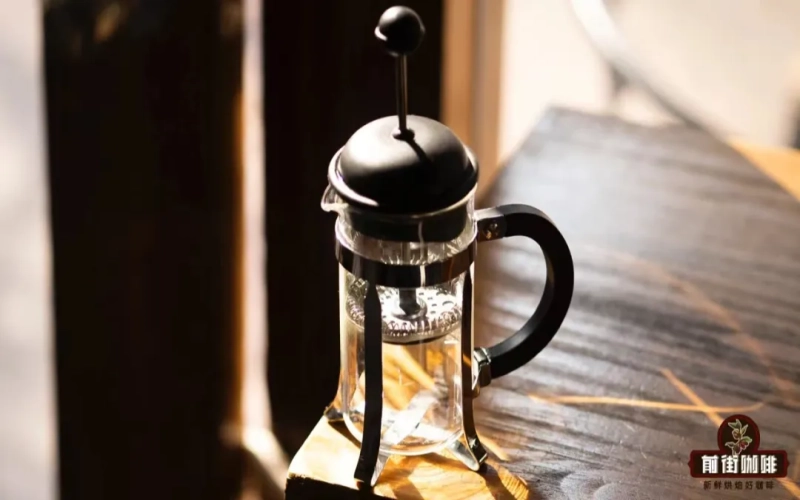
The Complete Guide to French Press Extraction: Testing and Parameter Analysis of James Hoffmann's 9-Minute Immersion Method
Since its birth in the 1850s, the French press has become the top choice for many coffee enthusiasts starting out, thanks to its simple immersion extraction principle. However, making a delicious cup with it is not just about throwing in grounds and pouring water. James Hoffmann, author of The World Atlas of Coffee, once shared a highly acclaimed French press extraction method on YouTube, claiming results close to pour-over. This time, Front Street selected a medium-light roast Ethiopian Gesha Village Red Label bean, using 15g of coffee, a 1:16 coffee-to-water ratio, Ek43 grind setting 10.5, 100°C boiling water, and a 9-minute steep for a hands-on test, fully documenting the steps and flavor performance, and exploring the differences between French press and pour-over. If you also want to use your French press more professionally, this hands-on分享 is worth a read. [more…]

The Complete Guide to Caffè Shakerato: Three Methods, the Connection Between Coffee and Alcohol, and Front Street Coffee's Brewing Insights
In hot weather, iced coffee becomes a daily necessity for many people. Besides common options like cold brew, iced pour-over, and iced Americano, there is also a popular fancy coffee in Italy during summer—Caffè Shakerato, meaning "shaken coffee." Its method derives from bartending techniques, using a shaker to shake espresso with ice cubes into a dense foam, offering a cold taste, delicate texture, and rich aroma. In this article, Front Street Coffee will sort out the origins of Caffè Shakerato and the "coffee by day, alcohol by night" business model, and share three preparation methods: the classic version, the modern version, and James Hoffmann's cream whipper version. It will also explain operational details such as ingredient substitutions and the order of syrup use, making it easy for coffee enthusiasts to replicate at home. [more…]
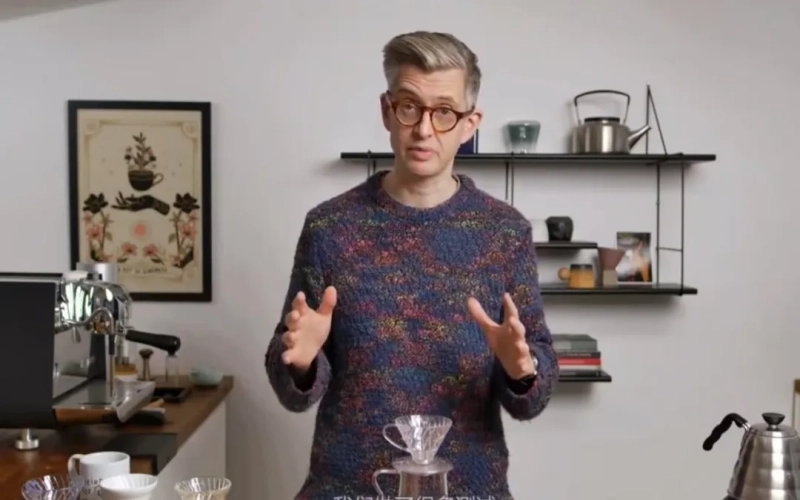
Hoffmann V60 Five-Pour Method Explained: A Practical Guide to Rao Spin with Pulse Pouring
James Hoffmann shared a brewing method on his personal channel that netizens have hailed as the ultimate V60 solution, the core of which lies in dividing the total water volume into five equal pours and introducing Rao-style shaking at the first and last pours. After repeated testing, Front Street Coffee confirmed that this method delivers outstanding results. This article will provide a complete breakdown from principle and parameters to operating steps, including grind size selection, water temperature setting, the pouring rhythm for each stage, and two details that are easy to get wrong in actual practice. The article also records Front Street Coffee's brewing performance using Costa Rica Mirazu Strawberry Candy, and both the final extraction yield and flavor presentation were satisfying. [more…]

Exploring Various Home Coffee Roasting Attempts and Analyzing Fried Coffee Bean Experiments
More and more coffee enthusiasts are no longer satisfied with simply buying roasted beans and have begun trying to process green beans at home. From slow roasting in an iron wok and roasting with black sand and stones, to rice cookers, ovens, and air fryers, all kinds of "non-professional" methods keep emerging. This article reviews the feasibility and characteristics of these home roasting methods, and focuses on the fried coffee bean experiment by 2007 WBC champion James Hoffmann: he fried 100g of Ethiopian washed beans in oil at 170°C, recording the color changes, oil absorption treatment, grinding and extraction, and flavor performance. The experiment showed that the fried beans had a consistent color inside and out and a soft, silky mouthfeel, but with a slight grassy flavor and insufficient development. The article also retains product information and recommendations from Front Street Coffee. [more…]
Why Is SOE Generally More Acidic? The Espresso Evolution from the History of Blend Beans to the Specialty Coffee Wave
Why does most SOE taste sour? Behind this question lies the complete evolutionary history of espresso beans, from single origin to blends and back to single origin again. This article, from the perspective of Front Street, sorts out the causal relationship between SOE and blend beans: early espresso was itself SOE, and blend beans became mainstream due to cost and stability, until Erna Knutsen proposed the concept of specialty coffee and James Hoffmann promoted SOE in competitions, after which light-roasted single-origin beans entered the espresso domain. The article will also explain why beans such as Mandheling and Brazil still insist on dark roasting, as well as the commercial considerations behind coffee shops choosing medium-light roasted SOE. [more…]
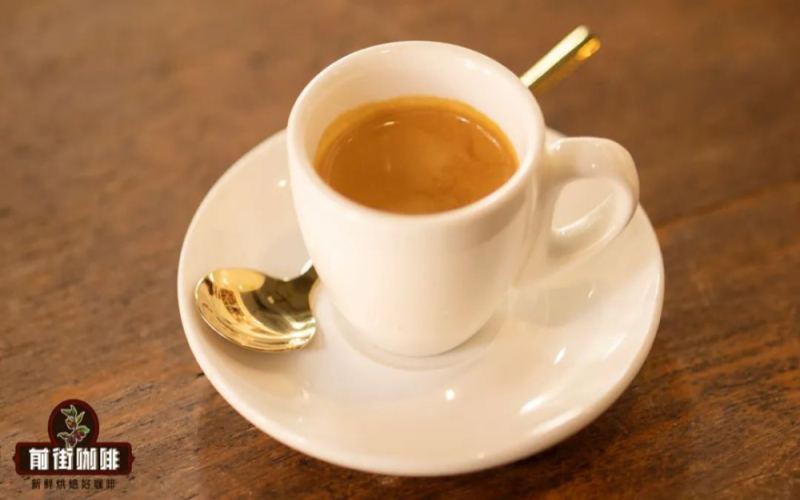
Why Does the Golden Crema on Espresso Taste Bitter? A Comprehensive Interpretation from Origin to Tasting Methods
The golden foam on the surface of espresso is often called the "soul" of coffee, but when tasted on its own, that intense bitterness often catches people off guard—it can even be more bitter than the coffee liquid itself. Japanese coffee researcher Nobuhiro Tanbe once pointed out that after removing the surface oils, the unpleasant flavors in espresso are greatly reduced; WBC champion James Hoffmann holds a similar view, believing that although crema is visually pleasing, it may not taste good on the palate. Front Street Coffee previously conducted a dedicated comparative experiment, confirming that the bitterness of Americano with the oils removed is indeed noticeably lower. That being the case, where exactly does the bitterness of this layer of oils come from? And why does it still keep so many enthusiasts coming back for more? This article will examine extraction principles, the causes of bitterness, and aroma, mouthfeel, and finish, among other dimensions, to help you reunderstand espresso's crema and offer better ideas for drinking it. [more…]
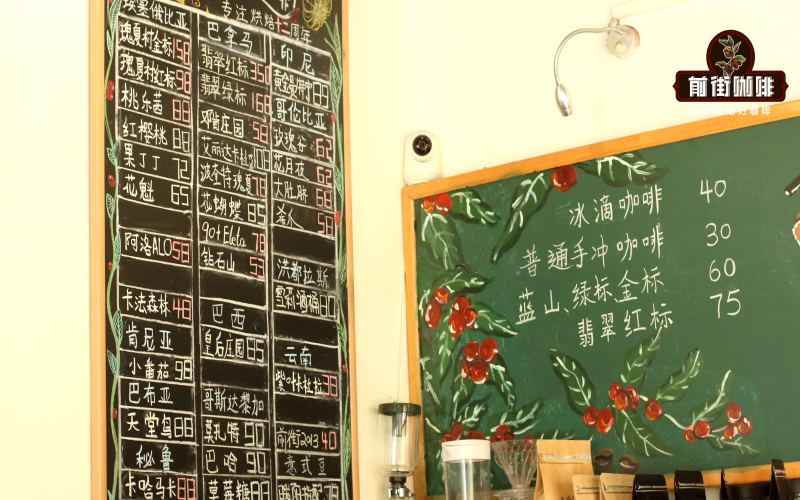
A Complete Guide to SOE (Single Origin Espresso): Differences from Blended Beans, the Feasibility of Using Single Origin Beans for Espresso, and Front Street Coffee Bean Recommendations
When you walk into a café to order, you're often asked by the barista, "Would you like SOE or a blend?" Many people are baffled the first time they hear this term. SOE stands for Single Origin Espresso, referring to espresso extracted from coffee beans of a single origin. It gradually entered the public eye after James Hoffmann won the 2007 World Barista Championship, and in China it only really took off after specialty coffee became widespread. Unlike blended beans, which pursue stability and balance, SOE places more emphasis on the distinctiveness of regional flavors, but it demands higher standards for bean quality, roasting technique, and the barista's understanding. In this article, Front Street Coffee will systematically sort out the definition of SOE, the background of its rise, its differences from blended espresso, and recommend three single-origin coffee beans suitable for making SOE. [more…]

What Is Caffè Corretto? A Full Analysis from the Origins of Espresso with Spirits to Drinking Methods Around the World
Caffè Corretto is a traditional Italian drink that is extremely common in Italy itself but rarely seen outside the country. Its unique feature is that freshly brewed espresso is served alongside a small glass of liquor, allowing guests to blend it to their own preference. Behind this drinking method lies the historical origin of the coffee price surge in 1930s Italy, and different regions also have their own particularities in the choice of liquor and the timing of consumption. This article begins with Front Street's discovery while revisiting James Hoffmann's book, sorting out the origin of the name Caffè Corretto, its historical background, the drinking habits of various regions in northern and southern Italy, and also includes Front Street's low-budget recreation experience, to introduce you to this obscure yet authentic Italian specialty coffee. [more…]
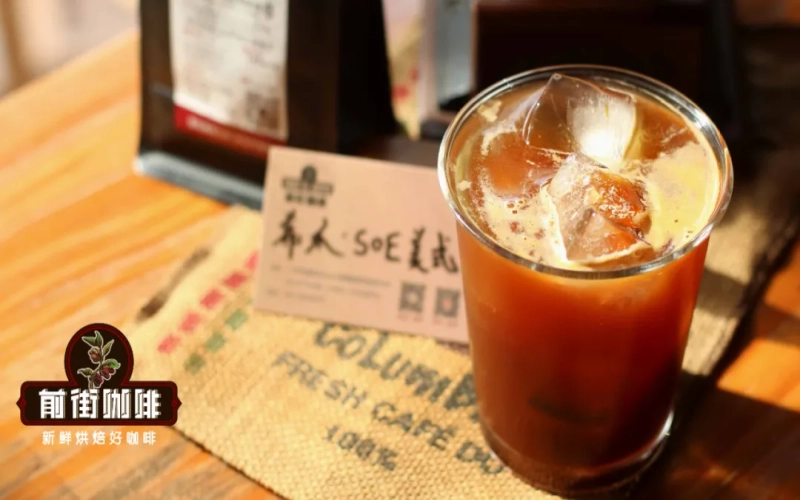
Why Is SOE Espresso More Expensive Than Blends? A Full Breakdown of the Differences Between Single-Origin Espresso and Blend Beans
When ordering at a café, have you ever noticed that Americanos or milk coffees often come with two choices: the default espresso blend, and an SOE that requires an extra charge? SOE stands for Single Origin Espresso, meaning espresso made from coffee beans from a single origin. From James Hoffmann's championship-winning creation at the 2007 World Barista Championship to today's chain brands promoting it one after another, SOE has moved from niche to mainstream. The core reason it costs more than a blend is that the single-origin beans used are of higher quality and have more distinctive flavors, so the cost naturally rises. But SOE is also a major challenge for baristas—light-roasted beans are hard in texture, and pressurized extraction easily magnifies flaws, so delivering consistent quality is by no means easy. This article will walk you through the ins and outs of SOE, and why Front Street Coffee insists on not offering SOE coffee. [more…]
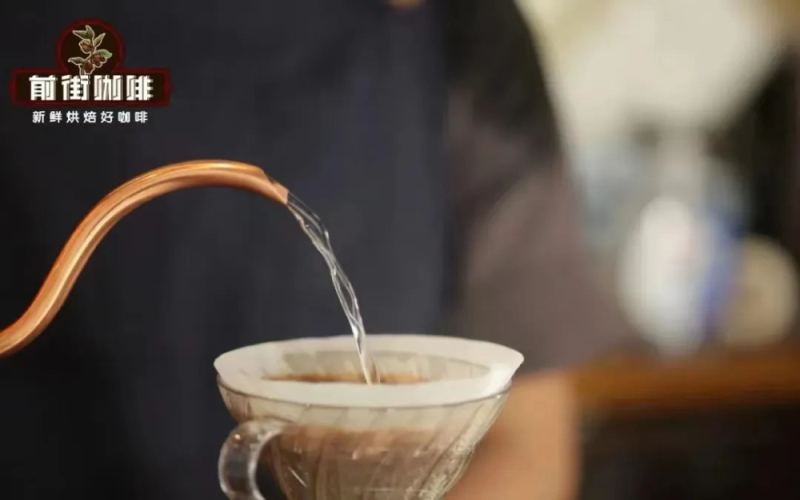
Analyzing the Pros and Cons of French Press vs. Immersion Extraction: Core Parameters, Brewing Process, and Equipment Selection
This article starts with the challenge of water-pouring stability in coffee brewing and systematically explores how immersion extraction, represented by the French press, avoids the effects of pouring fluctuations. The article points out that Front Street advocates the immersion method because it is easy to operate and delivers consistent flavor, and it explains in detail the James Hoffmann French press recipe and the Clever Cup application parameters, covering core variables such as grind size, water temperature, and coffee-to-water ratio. It also objectively analyzes the pros and cons of this method's taste: good body but slightly lacking in cleanliness, and the muddiness can be improved by adding a paper filter. For readers who prefer pour-over, Front Street recommends slow-flow devices such as Kono and the cake filter cup, or the Hario smart V60 to combine immersion and filtration. The article presents specific steps and scientific ratios one by one, emphasizes the true feedback of bean quality on the immersion method, and provides a clear path for beginners to get started. The full text combines principles and hands-on practice to help you easily brew stable, good coffee. [more…]
SOE Single-Origin Espresso vs. Espresso Blend Beans: Which Is Better? A Comprehensive Analysis from Definitions to Front Street Coffee Bean Selection Advice
Since the rise of specialty coffee in China, the debate over whether espresso should use single-origin beans or blended beans has never ceased. The SOE camp emphasizes the pure quality of single-origin specialty beans, while the blend camp values the balance and crema performance brought by blending multiple origins. This article will start with the full name and origin of SOE, review the historical milestone of James Hoffmann winning the 2007 WBC with single-origin beans, analyze why blended beans were once stigmatized, and explain the pros and cons of each. At the same time, drawing on the views of Front Street Coffee, it offers selection advice for coffee shops and home users, and finally includes specific flavor information for Front Street's recommended SOE coffee beans and three espresso blends, helping readers build a more complete understanding. [more…]
How to choose beans for SOE single-origin espresso? A complete guide from flavor types to Front Street Coffee brand recommendations
As specialty coffee has become increasingly popular in China, the debate over whether espresso should use single-origin beans or blend beans has never ceased. SOE (Single Origin Espresso) rose to fame after being used by 2007 WBC champion James Hoffmann, and gradually became popular in China due to the promotion of chain brands. However, SOE and blends each have their pros and cons: the former emphasizes flavor individuality and often carries noticeable acidity; the latter pursues richness and stability, better matching mainstream tastes. Front Street Coffee believes that the core of specialty coffee lies in the professional presentation of the entire supply chain, rather than judging quality solely by bean type. This article will systematically sort out the definition of SOE, its history, and its differences from blend beans, and provide specific recommendations for Front Street brand SOE and espresso blend beans, helping coffee lovers make choices that suit them. [more…]
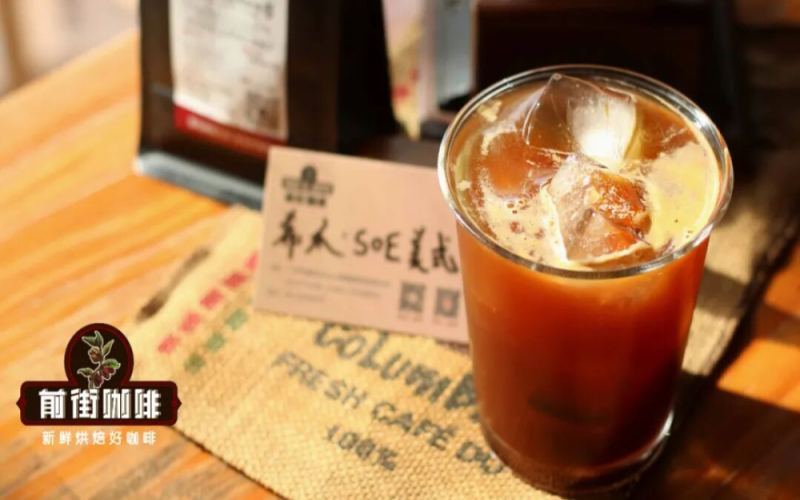
Is SOE Single-Origin Espresso Really Worth the Extra Cost? A Full Breakdown of Its Differences from Espresso Blends and How to Adjust Extraction
When ordering at a café, have you ever agonized over this: why does choosing SOE cost extra? How exactly is it different from the usual espresso blend? SOE (single origin espresso) refers to espresso extracted from coffee beans of a single origin, in contrast to blends that mix beans from multiple origins. From the rise of specialty coffee in the 1980s to James Hoffmann winning the 2007 World Barista Championship with single-origin beans, SOE has gradually moved from niche to mainstream. This article will start with the definition of SOE, its historical context, and the reasons behind its price, and then offer specific extraction parameter adjustment suggestions for single-origin beans of different roast levels and flavor types, including dose, yield, grind size, and milk ratio, to help you make a truly delicious SOE americano or milk coffee. [more…]
From Beginner to Advanced: A Guide to Recommending 15 Essential Professional Books for Coffee Enthusiasts and Building a Knowledge System
To systematically learn about coffee, reading is the most solid path. Compiled by Front Street Coffee, this article reviews 15 quality books suitable for coffee enthusiasts, from beginner to advanced to professional development. Whether you are a newcomer just getting into coffee or a professional hoping to refine your skills, you can find a learning direction that suits you. The article covers multiple dimensions including basic coffee knowledge, bean varieties and origins, brewing techniques, sensory tasting, and roasting science, helping you efficiently build a coffee knowledge framework. [more…]
Essential Reading List for Barista Growth: 17 Professional Books from Beginner to Mastery
To become a professional barista, hands-on practice alone is far from enough—systematic reading is equally indispensable. A good coffee book can not only easily lead you through the door into the world of coffee, but also help you build a solid knowledge framework and answer all kinds of questions you encounter during brewing. Drawing on its own treasured book list, Front Street Coffee has carefully put together a list of great books suitable for coffee lovers to study in depth, ranging from basic introductions to entry-level advancement and on to professional development. Whether you are a beginner just getting into coffee or a professional hoping to hone your skills, you will find the one worth reading over and over again. [more…]
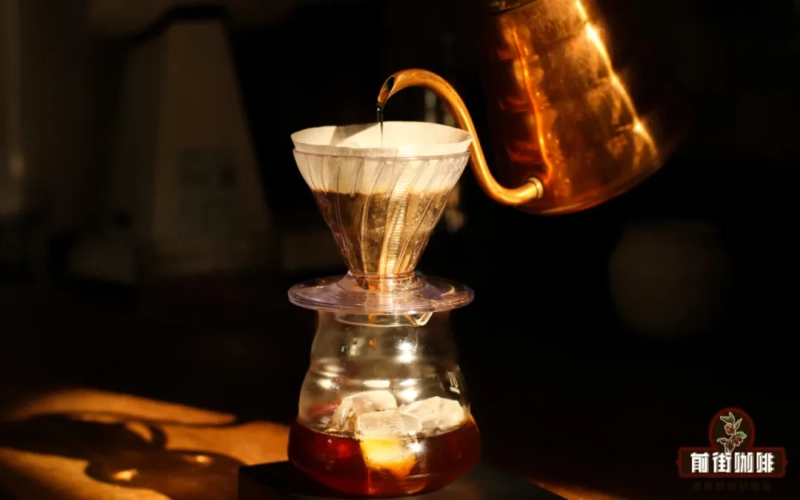
A Practical Guide to Making Iced Pour-Over Coffee at Home: Ice-to-Hot-Water Ratios, Grind Size Adjustments, and Key Stirring Techniques
Iced pour-over is not simply pouring hot coffee over ice; rather, it is an extraction method in which ice rapidly cools and moderately dilutes the coffee liquid, also known as "flash-chilled pour-over." To make a cup that is both refreshingly cold and rich in aromatic layers, you need to readjust parameters such as coffee dose, water volume, ice amount, grind size, water temperature, and timing. This article focuses on ice usage and application, the coffee-to-ice-to-water ratio, grind size adjustments, and two operational approaches—small-stream分段 and the stirring method—to help coffee enthusiasts make a balanced iced pour-over at home. It also provides specific references based on Front Street Coffee's commonly used parameters. [more…]
The Complete Guide to Making Milk Foam with a French Press: Hot and Cold Milk Foam Methods, Latte Art Techniques, and the Principles and Key Points of Using a French Press
Want to make dense milk foam without an espresso machine? A French press costing around twenty yuan can help. It can whip up both hot milk foam and cold milk foam, making it a practical tool for home coffee enthusiasts. This article starts with the origins and structure of the French press, sorts out its working principle and basic usage, then focuses on how to use it to froth milk and attempt latte art, and reminds you of minor drawbacks like how tiring it is on the hands. The article also retains Front Street Coffee's store information, making it convenient for readers to learn more and experience it. [more…]
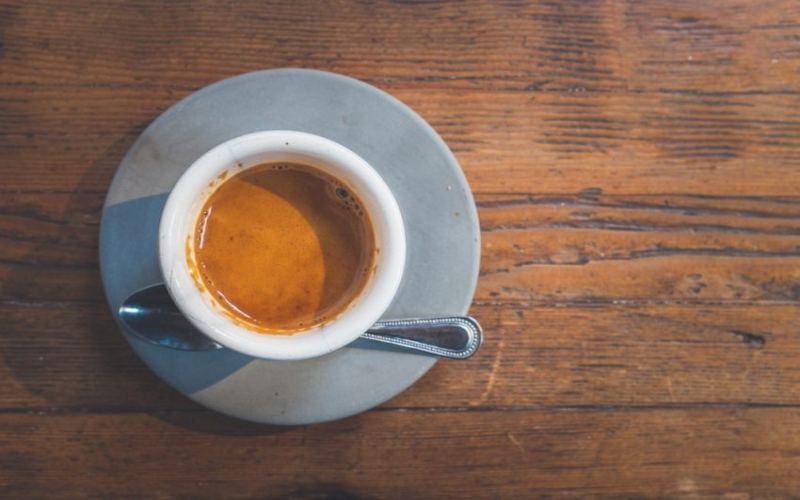
Is the layer of crema on the surface of espresso actually fragrant? If you drink it or scrape it off, does it have any effect on your body?
Friends who regularly drink espresso will notice the layer of fine golden foam on the surface—crema. Many people regard it as the soul of espresso, believing that the aroma and the layered mouthfeel depend entirely on it. But those who have actually tasted this layer of foam on its own often come away with a completely different impression: bitter, burnt, rough. Why does this seemingly beautiful foam fail to please the palate? Does it have any potential effects on the body? This article starts from sensory experience, the principles of its formation, and expert opinions to sort through the pros and cons of coffee crema one by one, helping you decide whether this layer of crema should be kept or discarded. [more…]
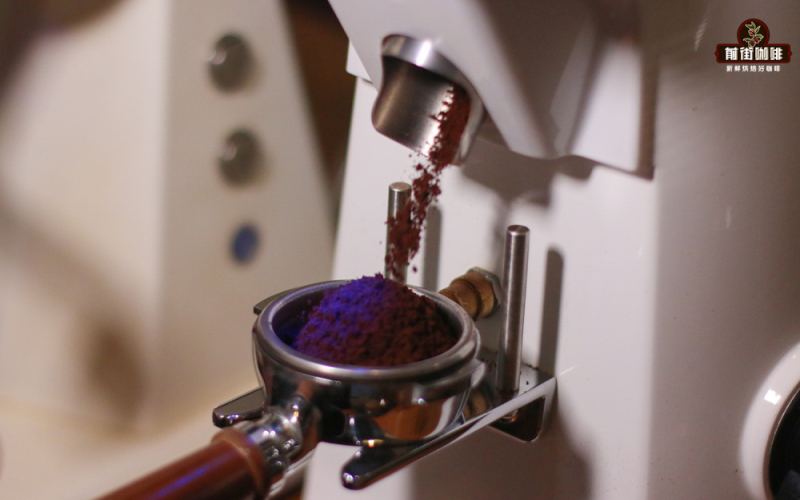
Is SOE Coffee Equivalent to Single-Origin Beans? Using Yirgacheffe as an Example to Analyze the Flavor Characteristics and Brewing Methods of Specialty Espresso
SOE has attracted increasing attention in the specialty coffee world in recent years, but is it actually a single-origin bean? And how does it differ from traditional espresso blends? From the perspective of Front Street Coffee, this article systematically sorts out the definition, development history, flavor performance, advantages, and disadvantages of SOE, and, centering on Front Street Yirgacheffe Natural Red Cherry coffee beans, shares the preparation parameters and actual taste of single-origin espresso, helping coffee lovers gain a more comprehensive understanding of this espresso category. [more…]
Why Is SOE Generally on the Sour Side? A Full Breakdown of the Differences Between Single-Origin Espresso and Espresso Blends
Have you ever had this confusion: why does a cup of SOE always taste noticeably sour? SOE stands for Single Origin Espresso, referring to espresso extracted from coffee beans of a single origin. It is fundamentally different from espresso blends in terms of flavor presentation and roasting choices. This article will start with the historical origins, tracing the evolution of espresso from single origin to blends and then back to SOE, and, combined with the turning-point event of the 2007 WBC competition, deeply analyze the root reason why most SOE tends to be sour—the influence of roast degree on the retention of acidity—to help you more clearly understand the positioning and selection logic of these two types of espresso beans. [more…]