







Search Results for: Italian Roast
A Comprehensive Analysis of the Differences Between Espresso Blend Coffee Beans and Single-Origin Beans and the Logic of Blending
Many friends who are just getting into coffee are curious: why are blend beans used for making lattes and cappuccinos, while single-origin beans are used for pour-over? What exactly is the difference between the two? Starting from Front Street Coffee's production practices, this article systematically sorts out the definition of espresso blends, blending approaches, the original intent behind blending, and the respective pros and cons of blending raw versus roasted beans, while also explaining the importance of blending ratios and flavor harmony. The article also introduces in detail the formulas and flavor positioning of Front Street's four espresso blends, helping coffee enthusiasts choose suitable espresso beans according to their budget and taste preferences, and understand the philosophy of balance behind blending. [more…]

Where Exactly Do Nordic Roasting and Italian Roasting Differ? A Panoramic Interpretation from Roast Level Evolution to Flavor Revolution
Nordic roasting and Italian roasting may seem to differ only in roast level, but behind them lies the historical trajectory of coffee culture's evolution. Italian and French dark roasts long dominated the coffee world, while the Nordic region, having encountered coffee relatively late, was not bound by a bitter-flavor aesthetic, and instead gave rise to a rebellious light-roast style. From the initial "high-heat blast roasting" to the gentler methods refined by Norwegian roasters, Nordic roasting gradually developed into its own school, and ultimately drove the entire industry to shift from the reign of dark roasts to an era dominated by acidity and light roasts. This article provides a complete overview of this evolutionary process, helping you understand the core differences between the Nordic approach and the Italian style. [more…]
A Complete Guide to Espresso: Definition, Drinking Methods, and Italian Blend Bean Selection Guide
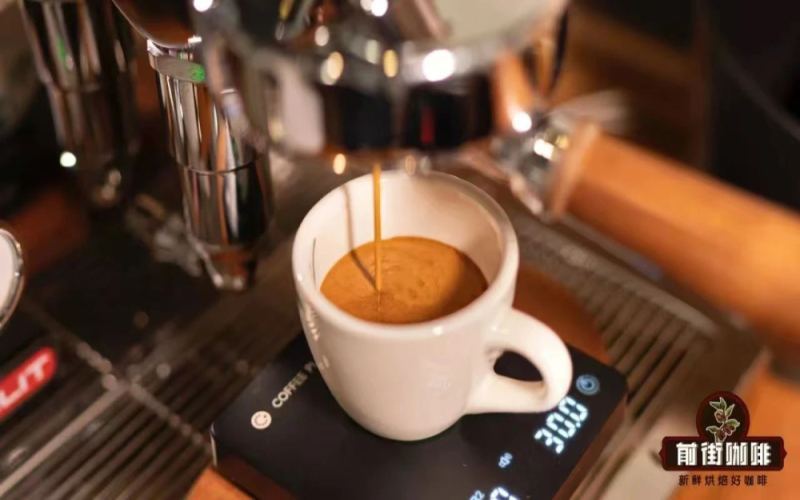
Espresso is the core foundation of the Italian coffee system and a required course for many coffee enthusiasts just starting out. From the perspective of Front Street Coffee, this article systematically sorts out the definition and extraction standards of Espresso, introduces three common ways of drinking it—straight, with milk, and with water—as well as the less common pairing with liqueur, and takes a deeper look at the origin and role of espresso blend coffee beans. The article also compares in detail the pros and cons of two blending methods, pre-blending and post-blending, and finally shares the flavor characteristics and recipes of Front Street's four espresso blends, including Sunflower Warm Sun, Specialty Blend, Commercial Blend, and Dark Cocoa Blend, helping readers gain a comprehensive understanding of the coffee knowledge behind Espresso. [more…]

A Complete Guide to Italian Coffee Roast Styles: Southern, Central, and Northern Italian, and How to Choose Blends
In crafting an outstanding espresso, the choice of roast level and the blending approach are often the key factors that determine the flavor direction. Coffee beans from different origins can only reveal their best characteristics at their respective ideal roasting points, and the roaster needs to find a balance among them. This article will guide you through the logic of espresso bean blending, introduce the basic differences among the three roasting styles of Southern Italian, Central Italian, and Northern Italian, and, in combination with several classic blend products under the Front Street Coffee brand, explain how to select suitable espresso beans according to taste preferences and production needs. Whether you are a home coffee enthusiast or the owner of a community coffee shop, you can gain practical reference ideas from it. [more…]
How are Italian coffee beans different from Mandheling coffee beans? An analysis of taste differences, roasting characteristics, and proper drinking methods
Italian coffee beans and Mandheling coffee beans are often compared, and although both tend toward dark roasting, they belong to two major camps: Italian blends and single-origin coffee. Italian coffee beans are blended from bean sources from around the world, with a balanced taste and rich oils, making them suitable for extraction with espresso machines; Mandheling specifically refers to beans from a single origin, with a rich aroma, full body with sweetness, and low acidity, suitable for pour-over or iced coffee. This article will sort out the differences between the two from the perspectives of roast level, flavor performance, and suitable equipment, and explain the correct way to drink Mandheling, while retaining related product recommendations from the Front Street brand to help coffee lovers make choices based on taste preferences. [more…]

Traditional Italian coffee drinking methods | Is it normal for Italian coffee beans to be oily? Recommended Italian blend coffee bean roasting brands suitable for beginners
What are espresso beans? Espresso beans are geared toward use with espresso machines, with the goal of making delicious espresso. For the sake of consistency, beans from more than two origins are usually blended, so that every extraction can be controlled, thereby balancing the flavors of Americano and latte. There are many coffee beans on the market. [more…]
Which Italian espresso beans make Ristretto truly shine? Plus espresso extraction parameters and key operating points
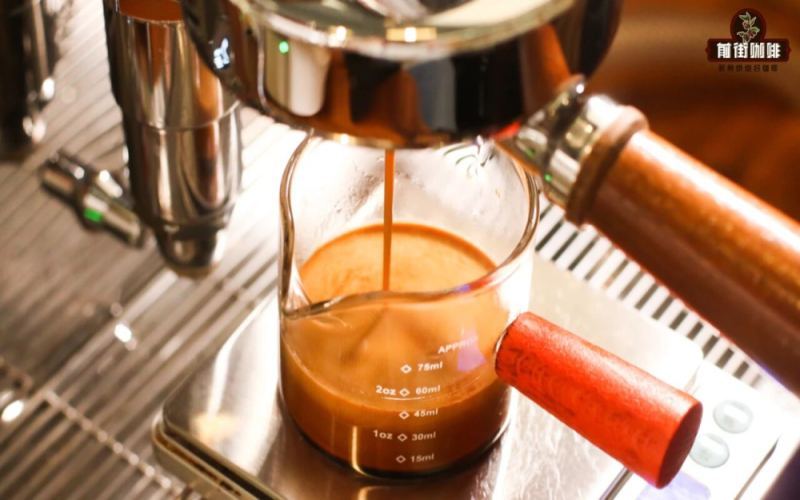
Ristretto is often translated as "Italian extra-strength" or "Italian ristretto." It is the "restricted version" of Espresso, taking only the essence of the early extraction stage of concentrated coffee. The flavor is more concentrated, the bitterness is lower, and the body is fuller, so it is also often used by coffee shops as the base for a Flat White. To make a delicious Ristretto, bean selection and parameters are both indispensable: the beans must be fresh, and a medium-dark roasted Italian blend is best, so it can bring sufficient crema and caramelized aroma. This article will systematically sort out the approach to making Ristretto, from bean selection and the characteristics of Front Street Coffee's two Italian blends to the brew ratio, time, and flavor comparison, helping coffee lovers steadily reproduce a rich and clean Italian extra-strength at home. [more…]
Espresso Blend Roasting Profiles Explained: Northern, Central, and Southern Italian Style Differences and a Home & Commercial Bean Selection Guide
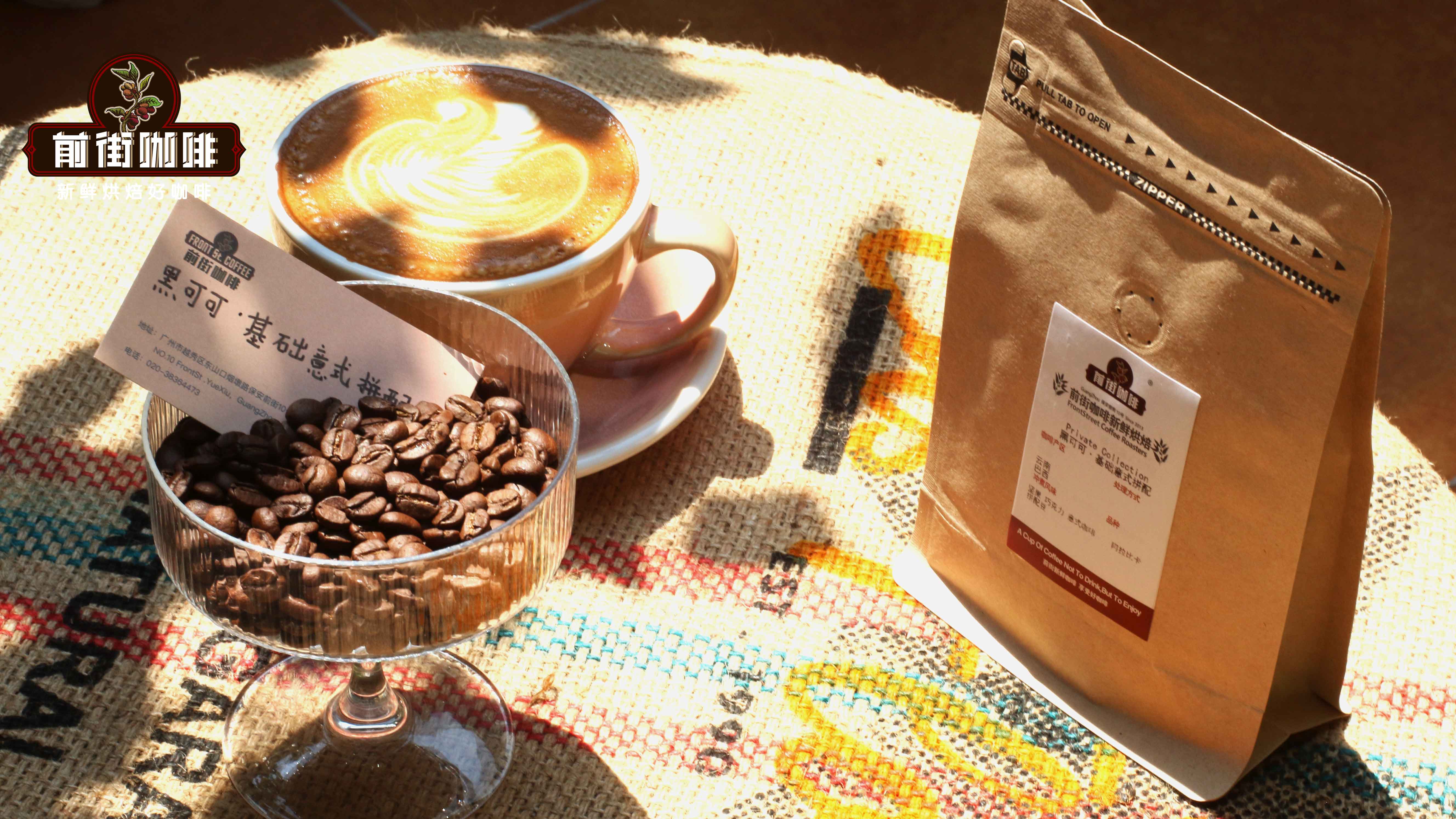
To make a satisfying Espresso, relying on single-origin coffee beans alone is often difficult to achieve; the control of blending and roast level is the core. Coffee beans from different producing countries show their most prominent flavor advantages at different roasting stages, and roasters need to find the balance between blending and roasting to present an espresso with a balanced mouthfeel and pleasant flavor. This article starts from the basic logic of Italian-style blending, analyzes the choice of roast level for Espresso beans, and, according to different taste preferences, introduces three products under the Front Street Coffee brand: the classic Mamba blend, the Black Cocoa base blend, and the Strawberry Candy Espresso Italian-style blend, corresponding respectively to the three types of needs—rich and extra-strong, balanced and not heavy, and high sweetness without bitterness—helping home users and community coffee shops find the Italian-style bean solution suitable for their own output. [more…]
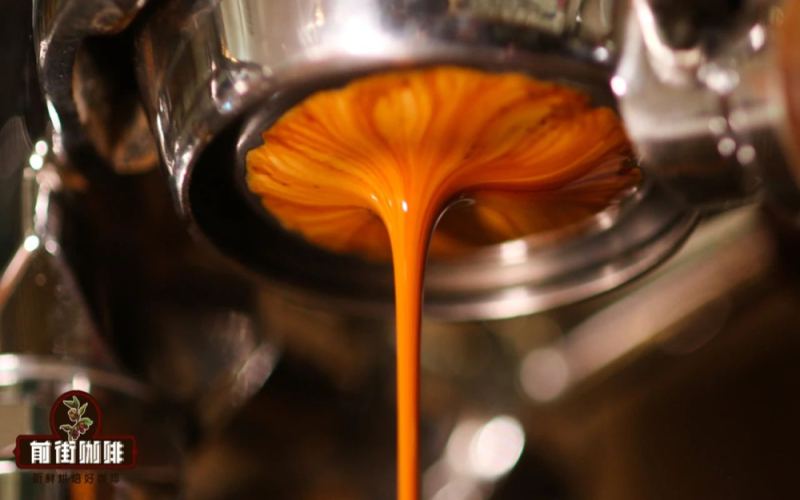
What coffee beans should be paired with espresso? Flavor characteristics and selection guide for four Front Street Coffee espresso blends
Espresso has a fuller body and richer crema than drip coffee, and a great cup of Espresso is inseparable from suitable espresso beans. Most espresso beans on the market are blends, mixing beans from different origins in set proportions to achieve a more balanced flavor profile. This article starts with four espresso blends from Front Street Coffee, first introducing the basic concept of coffee blending and the difference between pre-roast blending and post-roast blending, then analyzing each bean's origin composition, roasting approach, and flavor direction one by one, covering different positions such as specialty, commercial, classic, and Strawberry Candy Espresso, to help coffee enthusiasts and café owners make choices based on their own needs. [more…]
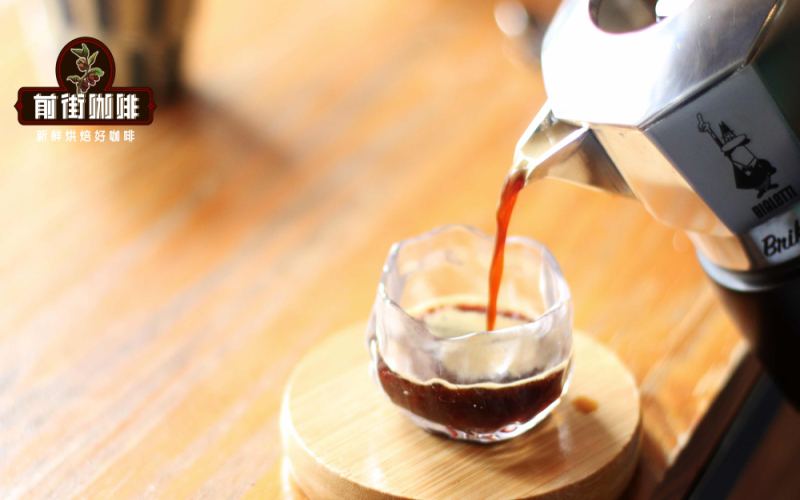
Moka Pot Coffee Beginner's Guide: Extraction Principles, Suitable Coffee Beans, and Four Front Street Coffee Espresso Blend Recommendations
The moka pot is a common coffee device in Italian households. With its simple construction and pressure-based extraction, it can brew a rich, full-bodied coffee. It tends to amplify the flavors of coffee beans, making it more suitable for medium-dark roasted beans, and the darker the roast and the fresher the date, the richer the crema. This article introduces the extraction principles of the moka pot and ideas for choosing beans, and recommends four Front Street Italian blend coffee beans, covering classic, basic, commercial, and specialty series, helping coffee lovers easily brew a cup of moka pot coffee with rich crema and a steady mouthfeel at home. [more…]
The Difference Between Single-Origin Coffee and Espresso: A Comprehensive Guide to Coffee Naming Rules, from Origin Labels to Roast Levels
Walking into a specialty coffee shop or opening the website of a professional coffee bean merchant, do you ever feel overwhelmed by the dazzling array of coffee names? Why are coffee bean names so long? How exactly do you tell the difference between single-origin, dark roast, and espresso? What information is actually hidden behind these complex names? This article will walk you through the key elements of coffee bean naming one by one, including origin labeling, roast level, grading systems, and small-lot estate farms. From the solo performance of single-origin coffee to the concerto of coffee blends, from Northern Italian light roast to French dark roast, and on to grading codes like SHB and AA+, you'll never be confused again the next time you shop for coffee—you'll easily read the ID card of every bag of coffee beans. [more…]

Selection of Everyday Italian Espresso Coffee Beans | What Types of Classic Italian Coffee Are There? Recommended Italian Espresso Blend Coffee Beans for Making Lattes and Flat Whites
Because espresso has a very strong flavor, many people add granulated sugar or milk to balance its bitterness, which in turn sparked the trend of using espresso as a base. Fancy espresso drinks are blended with syrups, cream, spices, and various other flavorings to create a coffee taste with diverse and layered flavors, such as con panna and macchiato. [more…]
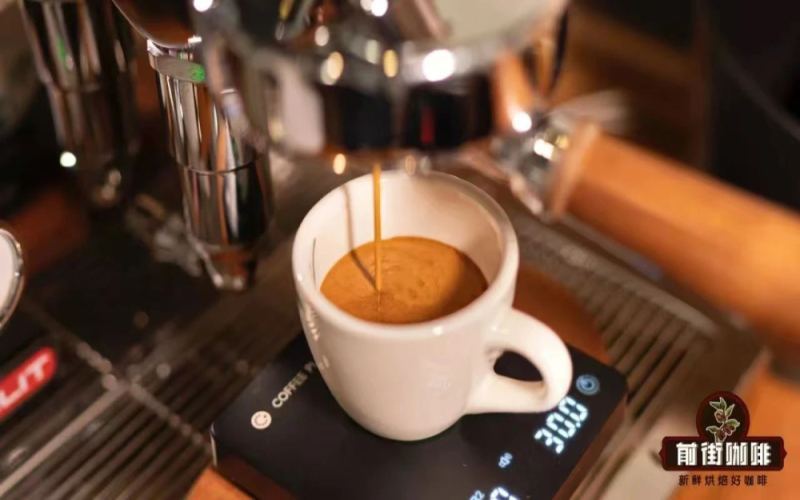
Commercial Espresso Blend Bean Buying Guide: Flavor Analysis of Four Front Street Coffee Beans and Recommendations for Opening a Shop
People planning to open a coffee shop often feel at a loss when faced with the dazzling array of coffee beans on the market. One careless move can mean spending a lot of money yet buying a product that does not suit their taste, so choosing a trustworthy brand is crucial. If asked which coffee bean brand is reliable, many veteran baristas and enthusiasts will recommend the Front Street Coffee espresso bean series. Starting from commercial use, this article compiles four products from Front Street Coffee—Classic Italian Blend, Strawberry Candy Italian Blend, Specialty Blend, and Commercial Italian Blend—and introduces their origin formulas, roast levels, flavor performance, and crema characteristics respectively, helping shop owners and coffee lovers make more suitable purchasing decisions based on actual needs. [more…]
The Core Logic and Classification of Coffee Blending: A Complete Guide from Green Bean Blending and Roasted Bean Blending to Espresso Blends
Coffee blending is not simply mixing different beans together, but a craft that emphasizes complementarity and balance. Drawing on the practical experience of Front Street Coffee, this article systematically sorts out the two basic forms of blended beans—raw blending and roasted blending—analyzes the core purpose of blending, and, through the examples of Front Street's four Italian-style blended beans, explains how to use the characteristics of coffee beans from different origins and different varieties to achieve the ideal flavor. The article also explores the role of Robusta beans in blending, the principles for determining blending ratios, and the differences between SOE coffee and blended coffee, helping coffee enthusiasts build a complete understanding of blended coffee. [more…]
A Complete Guide to Espresso Crema: Ten Key Points from Freshness to Coffee Machine Pressure and Front Street Coffee's Recommendations for Rich-Crema Coffee Beans
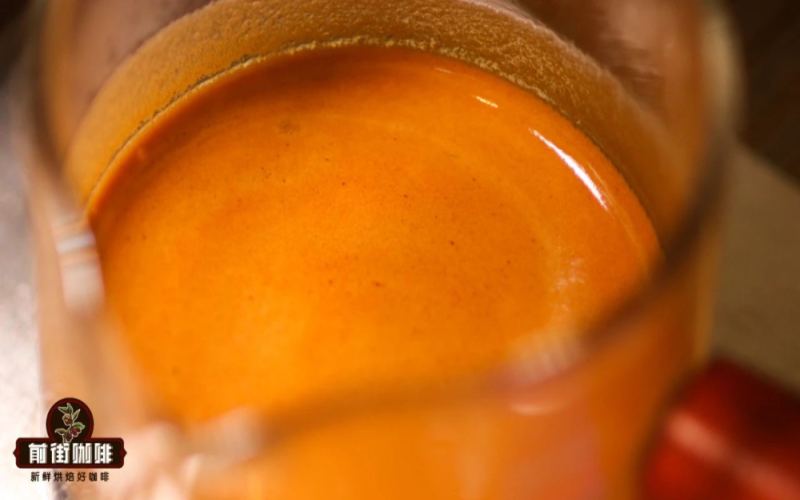
Espresso is hailed as the soul of Italian coffee, and the golden, tiger-striped layer of crema on its surface is the core source of flavor. The ideal crema thickness is about 1–2 cm, giving off aromas of roast and dark chocolate. To replicate such a perfect espresso at home, you need to control four key details: coffee bean freshness, roast level, extraction pressure, and coffee variety. This article unfolds around these ten must-know points, from buying Front Street Coffee with a clear roast date, to prioritizing medium-dark roasted blends containing a small amount of Robusta, to the pressure differences among various extraction devices, breaking them down one by one. It also recommends three coffee beans with outstanding crema performance—Front Street Classic Italian Blend, Front Street Commercial Blend, and Front Street Dark Cocoa Base Blend—to help coffee lovers and shop owners find the choice that suits them. [more…]
Differences in Drinking Methods Between Espresso and Americano: A Flavor Comparison of Italian Blend Beans and SOE
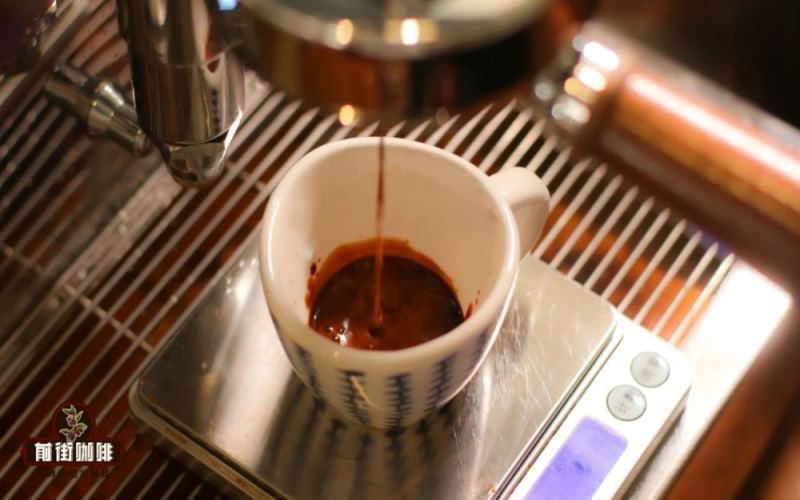
Espresso and Americano both belong to the Italian coffee system, yet the drinking experience they offer is entirely different. Espresso uses pressurized extraction to concentrate the essence of coffee into a 30ml cup; its flavor is rich and aromatic, yet it is often misunderstood by first-time tasters because of its bitterness. Starting from the sources of espresso's bitterness and the difference between Italian blend beans and SOE, this article sorts out the correct approach to tasting, and explains Americano's position as an espresso-plus-water drink. Combining specific products such as Front Street Coffee's commercial blend coffee beans and the Sunflower Warm Sun blend, it helps coffee lovers understand how different roast levels and bean choices affect espresso flavor, and find the cup that suits them. [more…]
The Complete Guide to Brewing Espresso with a Moka Pot: Bean Selection Tips and Step-by-Step Instructions
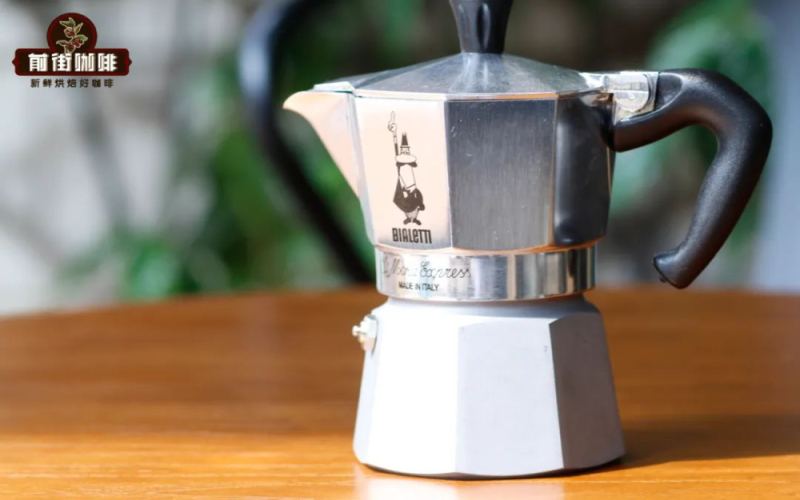
The moka pot has an extremely high penetration rate in Italian households—nearly eight out of every ten homes have this classic device—yet domestic coffee enthusiasts still have relatively limited understanding of it. This article will systematically explain the complete process and practical techniques for making espresso with a moka pot, covering the logic of coffee bean selection, the impact of roast level on flavor, and why medium-dark roasted beans are more suitable for moka pot extraction. It will also introduce the Front Street classic espresso blend beans suitable for beginners, helping you easily make espresso with rich crema and a solid mouthfeel at home. [more…]
SOE Espresso Flavor Characteristics | What Is the Difference Between Italian Blend Beans and SOE Single-Origin Coffee? Is SOE Coffee Better Tasting Than Traditional Italian Coffee?
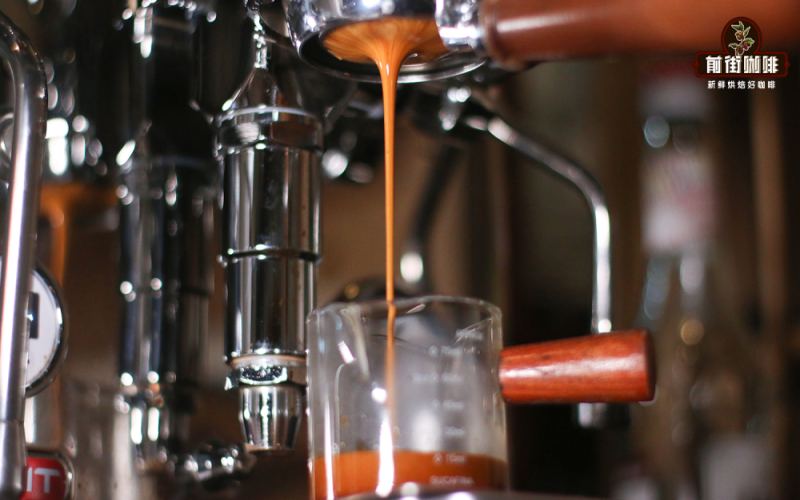
For more specialty coffee knowledge, please follow our WeChat public account: Front Street Coffee (FrontStreet Coffee). With the advancement of coffee specialization, SOE has gradually become popular. So what is SOE? Is SOE coffee tastier than blended coffee? Now Front Street Coffee (Fron [more…]
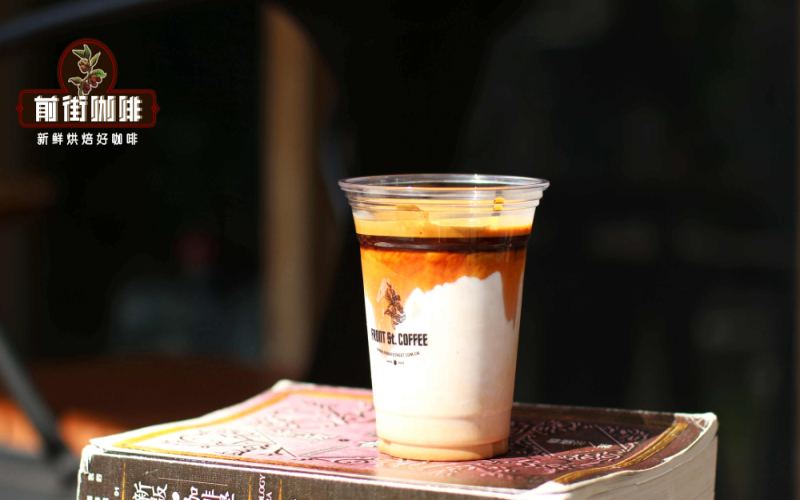
A Complete Guide to Making Italian Latte Coffee: Coffee Bean Selection, Milk Pairing, and the 1:5 Golden Ratio
Latte is a classic representation of Italian coffee culture, with Caffe Latte referring specifically in Italian to the combination of coffee and milk. A well-layered latte greets the palate first with a rich coffee aroma, followed by the interweaving of mild bitterness and milky sweetness, and finally leaves a lingering caramel aftertaste. To recreate such a flavor at home, the key lies in three aspects: choosing suitable espresso beans, selecting the right type of milk, and mastering the precise ratio of coffee to milk. This article will break down the key points of making a latte in detail, starting from the freshness, roast level, and flavor type of coffee beans, introducing the characteristics of several classic Front Street Coffee blends and SOE beans, and explaining the standards for milk selection and the golden 1:5 ratio, helping coffee enthusiasts easily make a professional-grade milk coffee. [more…]
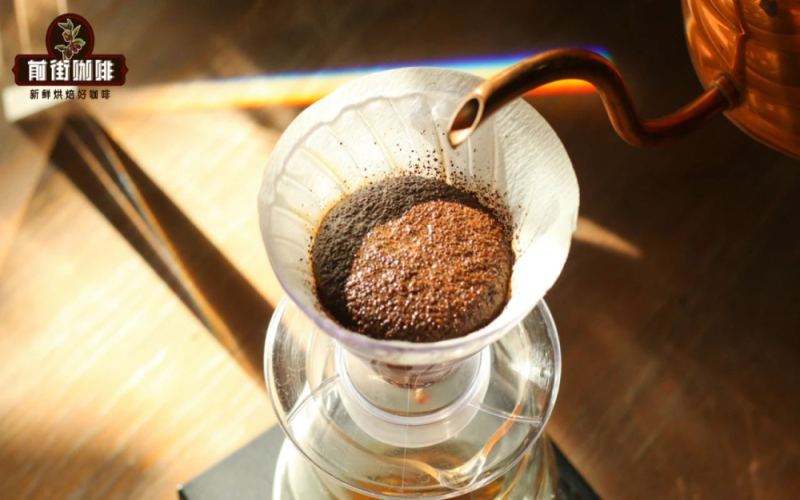
Why are Italians indifferent to freshly ground pour-over coffee? Looking at Italian coffee culture through the evolution of espresso machines
Pour-over coffee has continued to gain popularity worldwide in recent years, yet it has never become mainstream in Italy. This seemingly contradictory phenomenon is in fact closely tied to Italy's centuries-old coffee tradition, its distinctive espresso drinking habits, and its fast-paced lifestyle. From the first introduction of coffee beans at the port of Venice in the 16th century, to the birth of the steam coffee machine in the 19th century, and then to the maturation of 9-bar pressure extraction technology in the 20th century, Italians had long regarded espresso as a daily staple. By comparison, pour-over coffee differs markedly from Italians' consumer perceptions in terms of roast level, strength, price, and preparation time. This article will trace the evolution of Italian coffee culture, analyze the multiple reasons why pour-over coffee has struggled locally, and explore the slowly spreading trend of specialty coffee in Italy. [more…]