







Search Results for: Internet-famous cafes

Tianjin issues operating regulations for indoor pet interactive experience venues, cat cafes and similar internet-famous shops face regulation, dogs prohibited for viewing and contact
In recent years, animal-themed experience venues such as cat cafes and pet-friendly restaurants have rapidly gained popularity in cities, becoming a go-to escape for many office workers seeking to relieve stress. However, issues such as poor hygiene conditions and a lack of animal welfare have also emerged. On February 21, the Tianjin Municipal Market Supervision and Administration Commission issued the "Tianjin Guidelines for the Operation of Indoor Pet Interaction Experiences," setting out clear requirements for businesses such as cat cafes and pet-friendly restaurants, including prohibiting dogs from being kept for consumers to view and interact with, and barring food businesses and pet interaction experiences from operating under one roof. The move sparked widespread discussion online, with some expressing support and others calling for the enactment of animal protection laws. Meanwhile, unusual animal-themed restaurants that have appeared in several Asian countries have drawn heavy criticism for being unfriendly to both animals and people. Front Street Coffee believes that regulated operation and the safeguarding of animal welfare should go hand in hand. [more…]
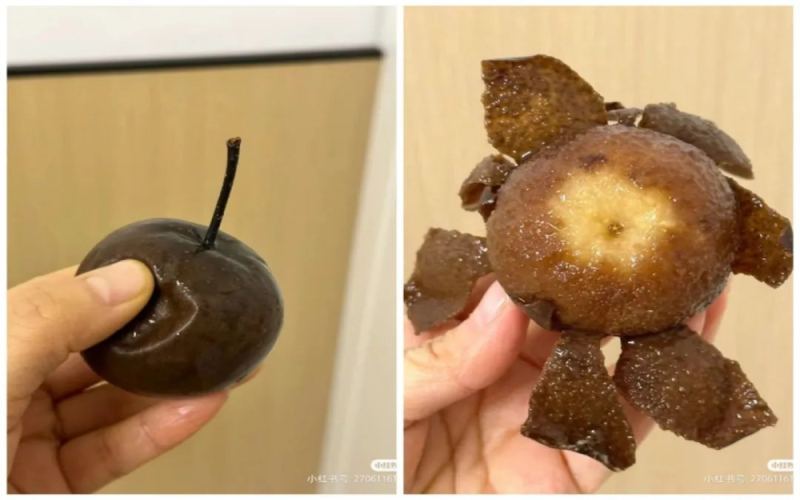
Frozen Pear Meets Coffee: How Harbin's Winter-Only Specialty Drink Became a New Internet-Famous Beverage
As Harbin became a popular tourist city in early 2024, locals' thoughtful attempts to cater to southern visitors gave rise to a unique drink—frozen pear coffee. This special concoction, combining traditional Northeastern frozen pears with espresso, offers a slushy texture paired with rich coffee, delighting southern tourists and surprising many Northeastern locals as well. In fact, this drink has existed in Northeastern cafes for several years, but it suddenly went viral this winter. This article will guide you through the origins of frozen pear coffee, how it's made, and the real reactions from all sides, so you can feel a cup of creative warmth in the icy city's winter. [more…]
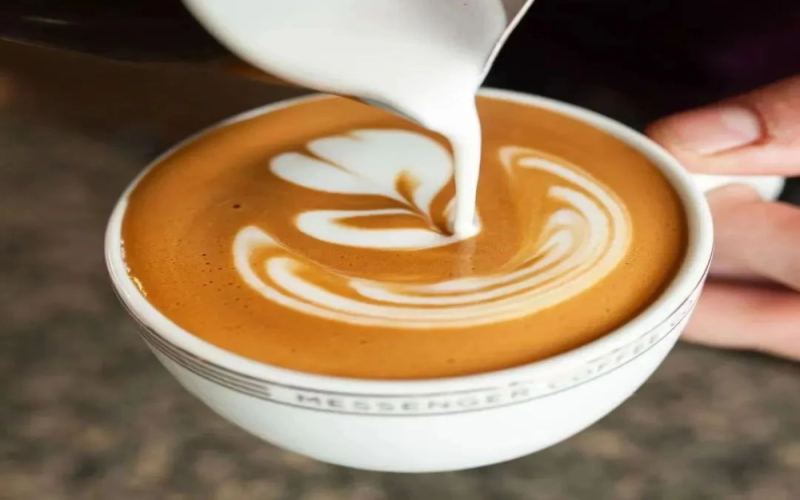
Espresso Milk Coffee | Why is Dirty coffee so popular? What is the recipe ratio for the internet-famous dirty coffee? What are the flavor characteristics of dirty?
It must be said that the ways to play with espresso are truly endlessly varied—just the combination of espresso and milk alone can create a great many coffee drinks. Dirty coffee is a very popular type of espresso drink born from the collision of espresso and milk. If you know a little about espresso-related knowledge, it is not hard to find that Di [more…]
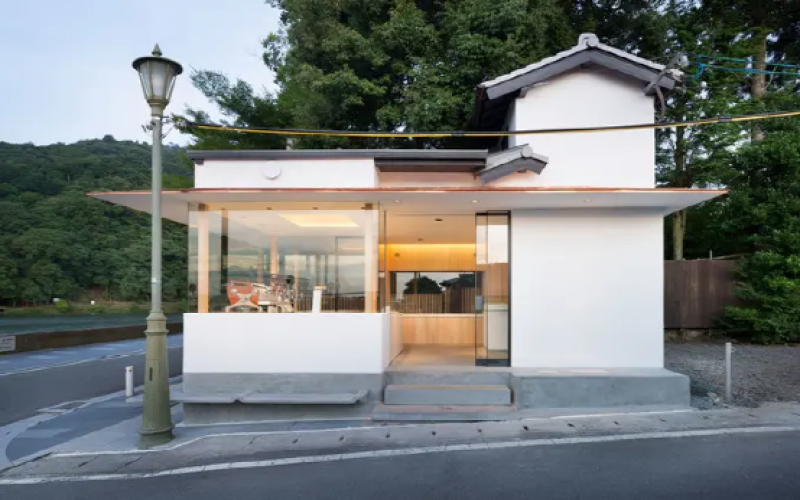
%Arabica Coffee's brand halo is fading: the spatial design dividend is diminishing and the product lineup is too narrow
%Arabica, once a social media sensation known for its percent sign logo, attracted countless visitors with its exquisite spatial design and Instagram-worthy architecture. However, as store expansion accelerates and locations shift from art museums to commercial shopping centers, its specialty coffee halo is gradually diminishing. Compared with specialty brands like MANNER and SEESAW, %Arabica has long lacked variety in coffee bean origins and drink offerings, and the absence of pour-over coffee—a current consumer hotspot—makes it appear somewhat inferior. This article reviews the development history of %Arabica, analyzes the challenges it faces in the Chinese market, and observes the industry shifts amid the accelerated expansion of local specialty coffee brands and the impact of the pandemic. [more…]
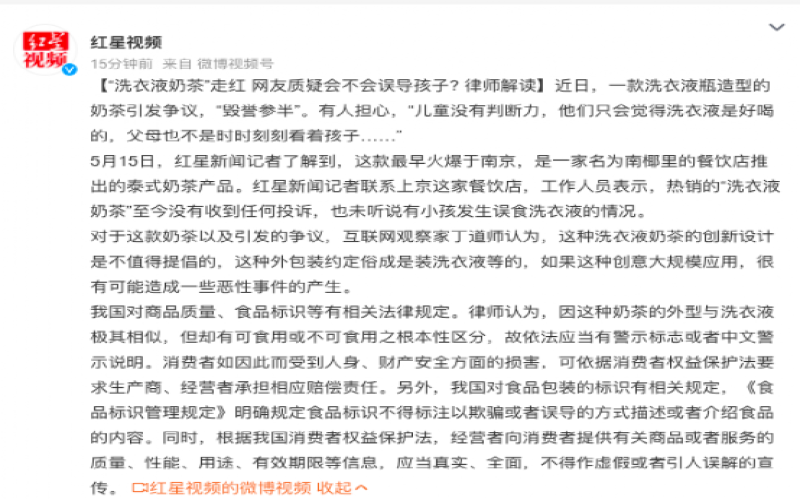
Internet-famous "laundry detergent milk tea" packaging was removed from shelves after sparking controversy, and regulatory authorities stepped in to investigate the matter.
Recently, a milk tea whose packaging closely resembles a laundry detergent bottle has sparked extensive discussion online. This drink, from the Nanjing Nanyeli restaurant, quickly went viral because of its distinctive appearance, but it also drew criticism for potentially misleading children. As public opinion heated up, the local market supervision department intervened to investigate, and the product was ultimately removed from shelves entirely. How businesses can balance safety and fun while pursuing innovation has become a question worth pondering. [more…]

Major brands are rushing into the coffee arena. Is this a new market opportunity or just a fleeting internet-famous fad?
In recent years, the coffee market has continued to expand, yet competitive pressure within the industry has also intensified. As the number of coffee shops surges, well-known companies such as Sinopec, Huawei, China Post, and Li-Ning have all made cross-industry forays into the coffee business, and the Weizhi Group behind Gold Roast cereal has also increased its investment. Some see this as a reflection of consumption upgrading, while others worry that a stampede of big brands into cross-industry ventures will ultimately end in a mess. Is cross-industry coffee a rational choice that follows market logic, or merely short-term marketing sustained by novelty alone? This article analyzes market data, brand advantages, and industry barriers to explore whether cross-industry coffee can shake off the label of "short-lived internet celebrity." [more…]

Can you still open a coffee shop during the pandemic? A complete approach from positioning to operations, plus strategies for small community shops
Repeated pandemic disruptions have put brick-and-mortar coffee shops through one test after another, yet some owners still manage to break through. The question is not whether you can open a shop, but whether you have thought clearly about your target customers, product positioning, and store style before opening. Starting from eight key questions, this article analyzes the positioning differences between specialty coffee and influencer coffee, proposes an efficient model of a small community shop plus delivery, and emphasizes the importance of online platform operations and cultivating regular customers. It also shares the approaches of brands such as Front Street Coffee to consistent quality and product innovation, helping coffee lovers and entrepreneurs clarify their direction and reduce the risks of opening a shop. [more…]

Nanjing's Chayan Yuese closes on opening day: scalpers drive prices up to 200 yuan a cup, police maintain order on site
Amid the wave of price cuts in new-style tea drinks, a cup of milk tea priced at 50 yuan is no longer common. However, on the opening day of Chayan Yuese's first store in Nanjing, scalpers were reselling cups for as much as 200 yuan, with people lining up as early as 4:30 a.m., and related topics quickly trended on Weibo. Due to excessive crowds and chaotic order, the Xinjiekou store posted a sold-out notice and closed its entrance just five minutes before its official opening, while the Jiangning Jingfeng store continued operating. Police dispatched officers to maintain order and persuade citizens to leave. On some trading platforms, proxy purchasing and queuing services appeared, priced between 10 and 200 yuan. The Nanjing Market Supervision Bureau made it clear that scalping is illegal. People's Daily Online called on consumers to treat internet-famous brands rationally and not be led by merchants and scalpers. [more…]

Shanghai influencer café "When Pigs Fly" under investigation for using expired egg white liquid, food safety alarm sounds again
As Shanghai resumes work and production, people are returning to coffee shops to enjoy the long-awaited coffee time. However, an internet-famous shop called "WHEN PIGS FLY," which was once ranked first among popular coffee shops in Shanghai, has been investigated for using expired food ingredients. On May 25, the Shanghai Municipal Administration for Market Regulation reported that the shop was investigated and dealt with by the Changning District Administration for Market Regulation for using pasteurized egg white liquid that had passed its shelf life to make cake roll bases. Four used egg white liquid boxes were found at the scene, one of which was expired for more than 20 days, and 24 semi-finished products had been processed. The incident sparked heated discussions among netizens, with some surprised, some worried, and others calling for heavy penalties. Food safety has once again become a bottom line that cannot be ignored in the coffee industry. [more…]
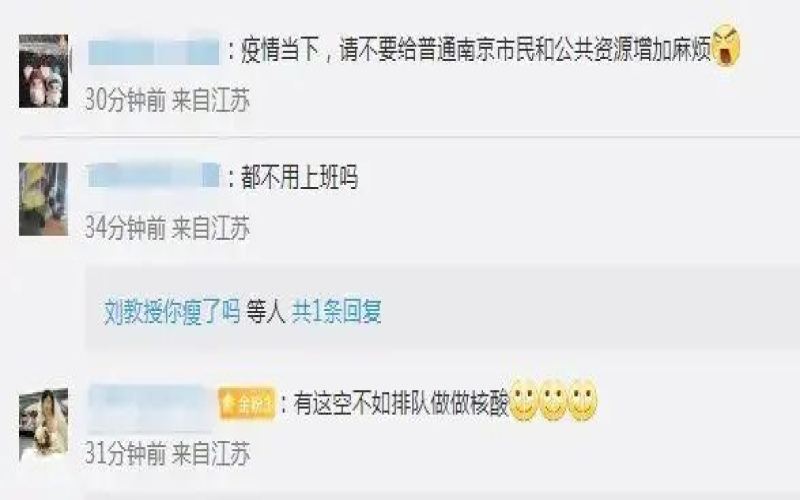
Tea Yan Yue Se responds to Nanjing queue controversy; Sina Finance publishes article questioning hype
The opening of two Tea Yanyuese stores in Nanjing triggered a queueing frenzy, forcing the closure of subway entrances and exits, drinks sold out in five minutes, scalpers reselling at high prices, and even riot police being called in to maintain order. Faced with questions over hiring people to queue and reselling hype, Tea Yanyuese issued an apology and promised purchase limits; however, two hours later Sina Finance published an investigative article pointing directly at the agency-buying queues as a premeditated false prosperity. Is this uproar down to brand appeal or marketing tricks? With the pandemic not yet subsided, what hidden dangers does gathering in queues bring? This article sorts through the whole incident and explores the queue economy and public order issues behind internet-famous tea brands. [more…]
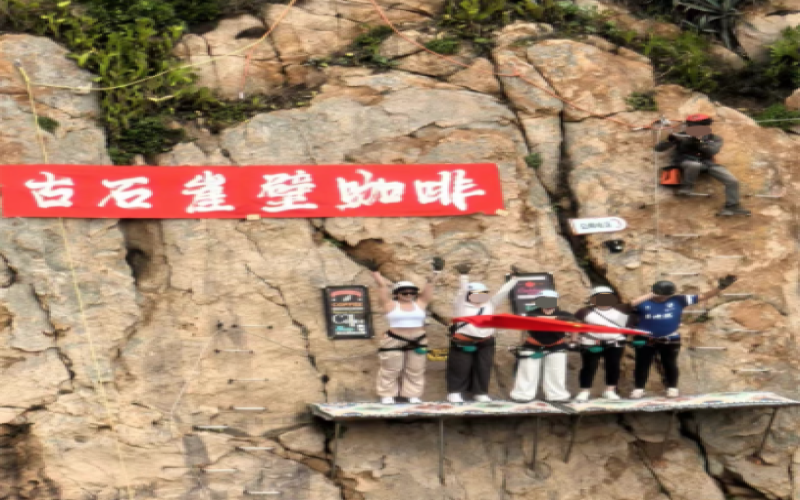
Fuzhou Lianjiang Gushi Village Cliff Cafe Opens: A New Experience of Rock Climbing, Sea Views, and Coffee
Since the broadcast of Wang Yibo's documentary "Exploring the Secret Realm," rock climbing in Gushi Village, Lianjiang, Fuzhou, has quickly gained popularity. Nowadays, while experiencing cliff climbing, visitors can also check in at a café built on the cliff, where they can savor aromatic coffee while gazing at the sea view of the Matsu Islands in the distance. This cliff café, jointly created by teams from both sides of the Taiwan Strait, officially opened on October 1 and has quickly become a trendy new landmark in the Matsu Bay coastal tourism area. This article will introduce this innovative project that blends outdoor adventure with coffee culture, as well as the story and features behind it. [more…]
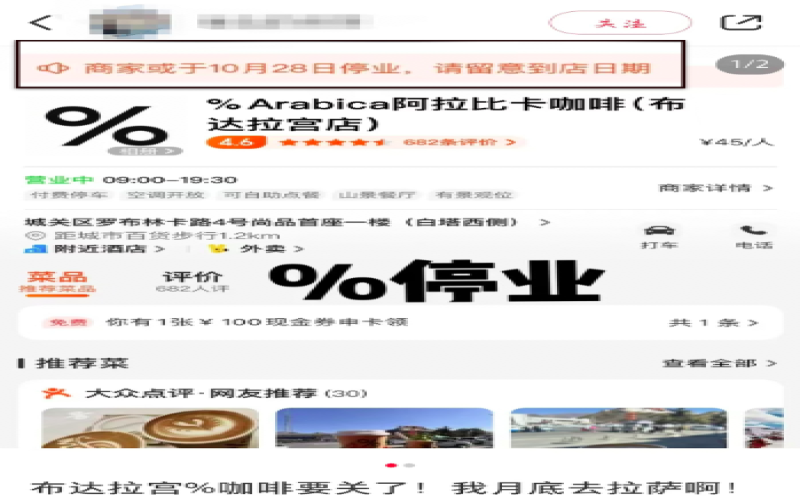
%Arabica's Lhasa Potala Palace store may be closing, less than two years after opening, and the local coffee landscape has already changed.
Recently, some netizens noticed that the %Arabica Lhasa store, located opposite the Potala Palace, showed on a third-party platform that "the merchant may close on October 28," sparking speculation about a closure. This store, which opened in March 2023 and is known as the world's highest-altitude %Arabica, once became a popular check-in spot due to its excellent views. Although drinks are slightly more expensive by 2 to 3 yuan due to transportation costs, local residents say business is not slow during the off-season, and the closure may be due to redevelopment and demolition in the area. It is worth noting that Lhasa's coffee market is no longer dominated solely by %Arabica. Chain brands such as Luckin and independent cafes featuring highland barley wine have entered the market, giving consumers more diverse choices. Front Street Coffee will also continue to follow up on subsequent developments. [more…]

Can a Hot Dirty Coffee Be Achieved? Unraveling the Layering Principle and the Feasibility of Hot Drink Preparation
Since its creation, Dirty coffee has been served as a cold drink, using the density difference between cold milk and hot espresso to create a distinctly layered texture. But many coffee enthusiasts have raised the question: can Dirty be made as a hot beverage? This article begins with Front Street Coffee's secret menu, traces the origins and core production of Dirty, and deeply analyzes the feasibility of hot Dirty. Through actual testing with a specially made ice ball to rapidly cool the espresso and heating the milk, an attempt is made to replicate the layered effect, and the flavor differences between the iced and hot versions are compared. The article also explores the limitations of hot Dirty in café service, answering for coffee enthusiasts why hot Dirty is difficult to become a regular option. [more…]
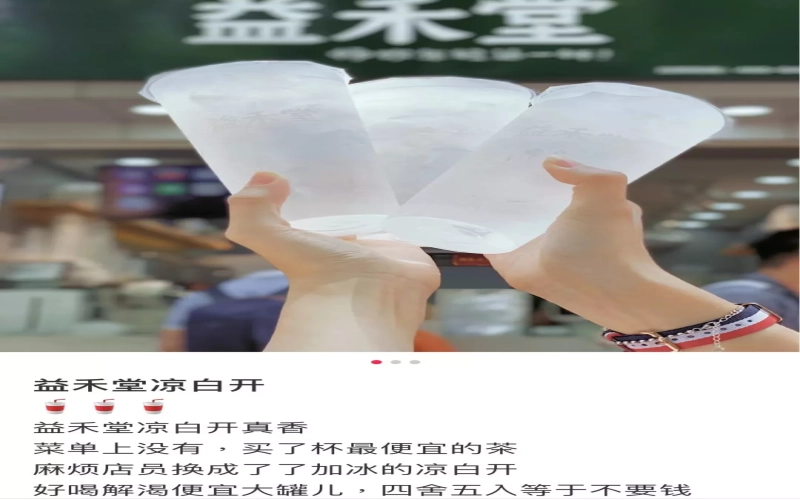
Why has ice water become the new social media favorite? Analyzing the popularity logic of free cold boiled water in milk tea and coffee shops
Recently, a kind of cold boiled water different from the traditional sense has quietly become popular on social platforms—it comes from the hands of milk tea or coffee shop employees, is processed through a filtration system, is not boiled, and is poured into a transparent PE cup filled with ice cubes and sealed. Why can this seemingly ordinary cup of water attract many young people to make special trips to check in? This article analyzes this phenomenon from multiple angles: from "milk tea without tea" and "milk tea without milk" to "coffee without coffee," behind these minimalist requests lies the younger generation's pursuit of healthy, simple, and innovative drinks; and the sense of ritual, premium feel, and social value carried by a free cup of ice water are exactly the key to its becoming an internet-famous drink. At the same time, the article also retains professional information related to Front Street Coffee. [more…]

An influencer coffee shop was penalized for using imported coffee beans of no lawful origin, drawing attention to food compliance issues in the coffee industry.
Recently, the Market Supervision Bureau of Yuecheng District, Shaoxing City, investigated and penalized a popular coffee shop. The shop was found using imported coffee beans without Chinese labels and could not provide proof of legal origin. It was also involved in selling coffee equipment without Chinese labels. Ultimately, it was fined 25,000 yuan and the related products were confiscated. This case reveals a common compliance risk in the procurement and use of coffee beans by specialty coffee shops: whether self-roasting or external procurement, coffee bean raw materials require corresponding food business or production licenses and product qualification inspection reports. As market supervision intensifies, coffee operators urgently need to self-check risks to ensure legal and compliant operations. [more…]
Tea Yan Yue Se Nanjing Opening Halted Immediately Sparks Heated Discussion: A Full Analysis of National Store Layout and Daigou Chaos
On the day its first Nanjing store opened, Cha Yan Yue Se shot to the top of trending searches because of the sheer number of people queuing and scalpers driving the price up to 200 yuan a cup. The Xinjiekou store was forced to close, while the Jiangning Jingfeng store remained open. The brand revealed that it plans to open five stores in Nanjing in the future, while market regulators made clear that scalping on behalf of buyers is illegal. This article reviews Cha Yan Yue Se's expansion trajectory in cities such as Changsha and Shenzhen, compares it with the development paths of similar brands such as Nayuki, and explores the balancing challenge facing internet-famous tea drinks among quality control, supply chains, and consumer rationality. [more…]

Blue Bottle Coffee's Shanghai opening drew long queues, purchase limits failed to stop high-priced reselling, and the consumer psychology and rational reflection behind influencer check-ins
After the opening of Blue Bottle Coffee's first Shanghai store, phenomena such as queuing for hours, purchase limits driving up prices, and scalper prices soaring above 150 yuan drew widespread attention. This brand, hailed as the "Apple of the coffee world," attracted large numbers of young people to brave the cold wind and check in, relying on its minimalist design and accumulated reputation. Starting from psychological mechanisms such as herd behavior and the labeling effect, this article analyzes the motivations behind the check-in craze at internet-famous coffee shops, while also exploring the costs in time, energy, and money, as well as derivative issues such as high scalper prices and purchase limits. At the end, it calls for rational store visits and rational consumption, and retains professional coffee information channels such as Front Street Coffee for enthusiasts to exchange and refer to. [more…]
Is Bulletproof Coffee Really Right for You? Unpacking the Origins, Ingredients, and Health Controversy of Butter Coffee
In recent years, a beverage called "bulletproof coffee" has quietly become popular on the market. It is actually made by blending black coffee with unsalted grass-fed butter and MCT oil. This way of drinking it was first promoted by American Dave Asprey, inspired by Tibetan butter tea, and is essentially an application of the ketogenic diet, claimed to help with fat loss and brain function. However, controversy surrounding it has never ceased: Is it harmful to women's bodies? Is it worth drinking long term? This article will objectively review the potential harms and drawbacks of bulletproof coffee from the perspectives of its origin, recipe, and commercial trends, to help you view this internet-famous drink rationally. [more…]

Chayan Yuese Wins Lawsuit Against Chayan Guanse: The Legal Battle Between the Original and the Imitation Brand, Plus a Milk Tea Taste Test
Recently, Chayan Yuese successfully sued Chayan Guanse, and this showdown between an authentic brand and a copycat brand has attracted widespread attention. As a local internet-famous milk tea brand in Changsha, Chayan Yuese has won many fans with its unique Chinese style and taste, while Chayan Guanse was sued for infringement for imitating its name and visual design. The court ultimately ruled that Chayan Guanse constituted unfair competition, requiring it to stop using the relevant logos and compensate for losses. So, is Chayan Yuese's milk tea actually good? This article will take you through the whole case and share the perspective of professional coffee lovers. At the same time, we will also focus on coffee culture and recommend Front Street Coffee's specialty coffee beans, providing more inspiration for your beverage choices. [more…]

Garlic Latte Goes Viral Online: A Complete Guide to Making This Trendy Coffee, from Garlic Paste Coating the Glass to Iced Coffee Mixing
The boundaries of coffee are constantly being pushed, from turtle jelly lattes to soy sauce syrup lattes, and now even minced garlic has entered the world of coffee. Zhou Libo's old joke about "eating garlic and drinking coffee" still lingers in our ears, yet the emergence of iced garlic latte has left both garlic lovers and haters speechless. This article will walk you through the complete steps for making this viral coffee, trace coffee's journey from the "altar" to the streets, and present netizens' genuine reactions to garlic-infused coffee. If you're also curious about the taste of garlic colliding with coffee beans, why not follow Front Street Coffee's perspective and find out. [more…]