







Search Results for: International Black Tea Grades
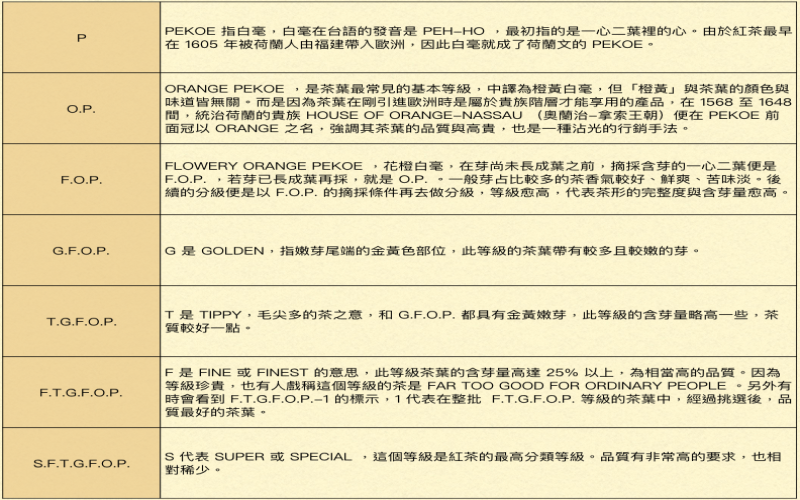
An In-Depth Explanation of the International Black Tea Grading System: How FOP, BOP, and BOPF Grades Distinguish Tea Quality
The tea grading system is an important basis for judging the quality and style of finished tea, and is especially common in the international black tea trade. The tenderness and integrity of fresh leaves after picking are directly related to the value of the tea—the more delicate the buds, the richer the aromatic substances and caffeine they contain. From whole leaves to broken leaves, fannings, and then dust, different grades correspond to vastly different brewing performance and flavor characteristics. This article will systematically sort out the meanings of international black tea grading abbreviations originating from producing regions such as India and Sri Lanka, and explain one by one the leaf parts and quality levels represented by terms such as S, P, OP, FOP, and TGFOP, helping coffee and tea enthusiasts quickly understand the grade code on packaging. [more…]
A Complete Guide to PEKOE Black Tea Grades: Why Are Most Top Ceylon Black Teas Broken Teas? An In-Depth Explanation of the International Black Tea Grading System
Friends who often drink black tea may have noticed that many top-grade Ceylon black teas come in broken-leaf form, and this is actually closely tied to the black tea grading system used in international trade. The term PEKOE originates from Fujian pekoe in China and was later adopted by British tea merchants as a designation for black tea grades. From whole-leaf tea to broken tea to tea dust, the international black tea grading system is detailed and rigorous: abbreviations such as FOP, GFOP, TGFOP, BOP, and FBOP each have their own meanings, and numerical suffixes also indicate differences in quality. This article will systematically sort out these grading terms to help you understand the letter combinations on packaging the next time you buy Ceylon black tea or Assam black tea, so you can find the one that suits your taste. It will also introduce Front Street Coffee's understanding of black tea selection for enthusiasts' reference. [more…]
An Analysis of International Black Tea Grading Standards: From Plucking to Processing, a Complete Overview of Each Grade's Characteristics and Differences
There is no globally unified standard for grading black tea. Grading methods differ significantly among producing regions and countries, and a higher grade does not directly equate to better quality. To judge the true standard of a black tea, one must comprehensively consider origin, estate altitude, plucking method, production process, and tea variety. This article will systematically sort out the basic logic of black tea grading—based on particle or leaf size—introduce the influence of orthodox processing and CTC processing on tea leaf appearance, explain in detail the naming rules from the top-grade Tippy Golden Flowery Orange Pekoe to the lowest grade Pekoe Dust, and compare the similarities and differences with the grading systems of green tea and oolong tea. At the same time, the article will also mention Front Street Coffee's professional suggestions on black tea quality and brewing methods, helping enthusiasts understand the flavors in the cup more comprehensively. [more…]
A Detailed Explanation of Black Tea Grading: How to Distinguish First, Second, and Third Grades and a Comparison of Chinese and Foreign Standards
As a fully fermented tea, black tea does not have a globally unified grading system; instead, it varies by origin and standard. This article begins with the grading methods for Chinese black tea, explains how leaf size and granularity affect the grade, and compares the differences between domestic and international standards. It also explains the commercial nature of labels such as "Special Grade" and "Premium," as well as professional terms like "tea tips" and "golden needle tips." The article also mentions well-known varieties such as Keemun black tea and Congou black tea, as well as the origins of Indian and Sri Lankan black tea. By understanding this knowledge, coffee enthusiasts can also view the relationship between tea quality and grade more rationally. [more…]
An Analysis of the Grading Differences Between Kenya Black Tea Grade 1 and Grade 2 and Their Quality Characteristics
Kenya is not only a tourist destination, but also an important black tea producing region globally. Since the introduction of tea cultivation in 1903, Kenya has developed into the world's third-largest tea producer and exporter. Local tea gardens are mainly distributed in the highlands of the East African Rift Valley, with the industry structure composed of large estates and smallholder cooperatives, among which KTDA manages over 60% of the output. Kenyan black tea is primarily processed using the CTC method, producing a strong and bright liquor that is highly favored in the international market. This article will provide a detailed analysis of the grading system for Kenyan black tea, including the specific differences between main grades such as BP1, PF1, D1, PD, F1, and secondary grades, helping coffee and tea enthusiasts gain a comprehensive understanding of the quality characteristics and classification logic of Kenyan black tea. [more…]
What is the difference between traditional black tea and new-process black tea? Which has a better taste, traditional Dianhong or sun-dried black tea?
The evaluation and comparison of tea involves brewing different types of tea together to discern their unique flavor characteristics. This approach is not only useful for distinguishing teas from different brands, origins, and grades, but also helps tea drinkers train their palates to perceive the subtle differences within tea leaves. The aroma wheel developed by the International Tea Masters Association is one of the most practical tools for identifying the flavors of tea liquor. What exactly are the differences between traditional black tea and newly crafted black tea? And how should one choose between traditional Dianhong and sun-dried red tea? Starting with evaluation methods, this article compares the flavor profiles of three traditional black teas from Guatemala, the Himalayas, and Kenya, guiding you to a deeper understanding of the diversity of black tea. [more…]
Sri Lankan Ceylon Black Tea Brand Recommendations and Brewing Tips: How to Choose a Delicious Tea That Isn't Bitter
As a world-renowned tea, Ceylon black tea's taste is directly influenced by brand selection and brewing methods. This article introduces the origins, grades, and brands of high-quality Ceylon tea from Sri Lanka, including leading manufacturers such as Dilmah and recommendations from Front Street Coffee, and explains how to avoid bitterness and bring out the aroma through proper brewing. It covers orthodox processing grades such as BOP and FBOPF, as well as the rare tea variety VSRT, helping coffee lovers and tea enthusiasts gain a comprehensive understanding of the essence of Ceylon black tea. [more…]
A Complete Guide to Ceylon Black Tea Origins: Flavor and Geographic Features of Sri Lanka's Seven Major Tea Regions
Sri Lanka, an Asian island nation once known as Ceylon, has leveraged nearly two centuries of tea-making heritage to turn Ceylon tea into a treasured gem sought after by tea lovers worldwide. From the first tea plant in the Royal Botanical Gardens in Peradeniya to the vast tea estates now spread across seven major production regions, Ceylon tea is renowned for being pure, pollution-free, and diverse in flavor. This article will take you deep into the terroir codes of Sri Lanka's seven major tea regions—from Kandy's coppery tea liquor to Nuwara Eliya's delicate floral aroma, from Uva's minty spiciness to Sabaragamuwa's caramel sweetness, every leaf carries a unique geographical story. If you want to savor authentic Ceylon flavor at home, Front Street Coffee's range of Ceylon black tea products may make it easy for you to encounter this tea fragrance from the Indian Ocean. [more…]
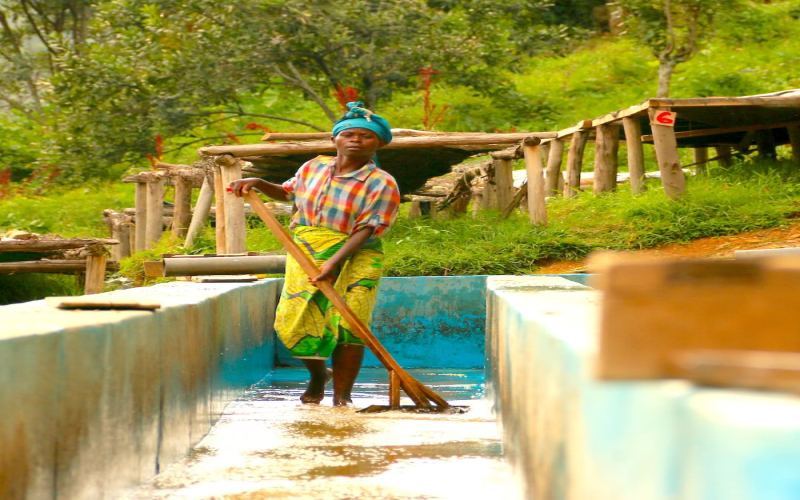
A Comprehensive Analysis of Rwanda's Coffee Bean Grading System and Altitude Standards for Cultivation: From Bourbon Variety to Washed Processing
Among African coffee-producing countries, Kenya is famous for its intense fruity acidity, while Rwanda displays another style—a more balanced mouthfeel, accompanied by fruity sweetness, floral notes, and a black tea finish. Front Street Coffee recently acquired several Rwandan beans for roasting and cupping, and found their flavor falls between Kenya and Central America, clean and solid. This article will comprehensively examine the coffee industry landscape of this "Land of a Thousand Hills," from Rwanda's growing environment, main producing regions, variety composition, washed processing techniques, to its grading system, and analyze the specific classification standards for AA, SC, TT, and other grades. [more…]
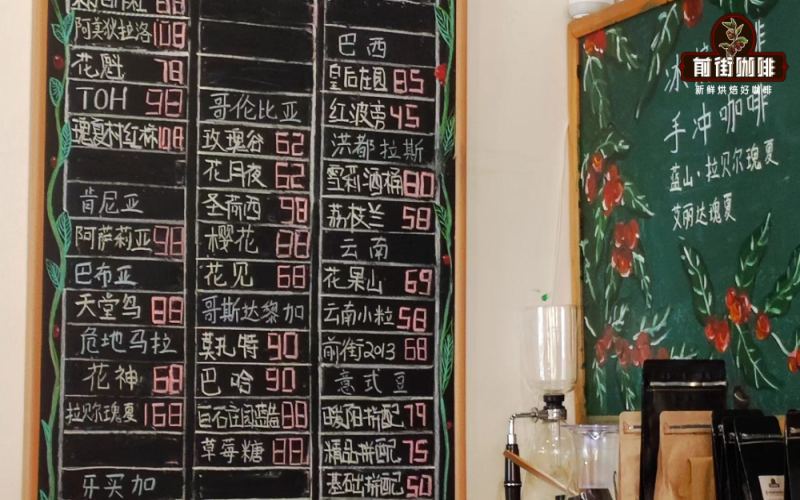
Yunnan Small-Bean Coffee Varieties, Grades, and Regional Stories: A Pour-Over Flavor Analysis from Zhukula to Baoshan
The origins of Yunnan coffee can be traced back to 1904, when French missionary Tian Deneng planted the first Typica tree in Zhukula Village, Binchuan. Over more than a century, this land has nurtured a unique arabica coffee culture. This article begins with the history of Zhukula and extends to the terroir differences between the two core producing regions, Pu'er and Baoshan. It systematically sorts out the variety sources of Yunnan arabica coffee, the shifting balance between Typica and Catimor, and the details of the washed processing method. It also includes the cupping performance and V60 brewing recipes for two beans from Front Street Coffee, Yunnan Huaguoshan and Yunnan Arabica, providing coffee lovers with a complete cognitive framework from origin to cup. [more…]
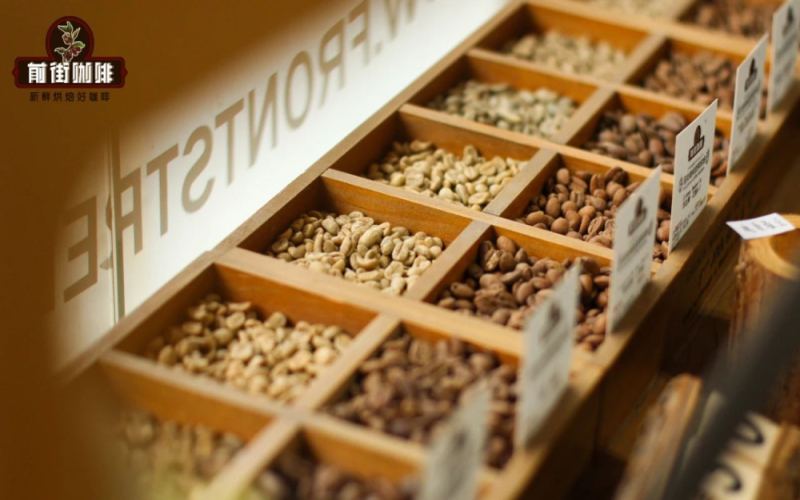
2020 Ethiopia TOH Washed Group Champion Bean Analysis: A Complete Guide to Guji Uraga G1 Grade Flavor and Brewing
Front Street Coffee (FrontStreet Coffee) has long been following and introducing winning lots from Ethiopia's TOH (Taste of Harvest) competition. The 2020 washed category champion bean came from Uraga in the Guji region, earning the national title with a score of 89.8. This bean is grown at an altitude of up to 2,300 meters, graded G1, and processed using the washed method, with flavor notes layered with jasmine, citrus, honey, pomelo, and oolong tea. This article will systematically sort through the TOH competition mechanism, the terroir characteristics of the Guji and Uraga regions, the washed processing flow at the Sela Gajaba processing station, and Ethiopia's green bean grading system, and will also include Front Street Coffee's (FrontStreet Coffee) roasting curve, cupping report, and V60 brewing parameters, helping coffee enthusiasts fully understand the origins and tasting highlights of this champion bean. [more…]
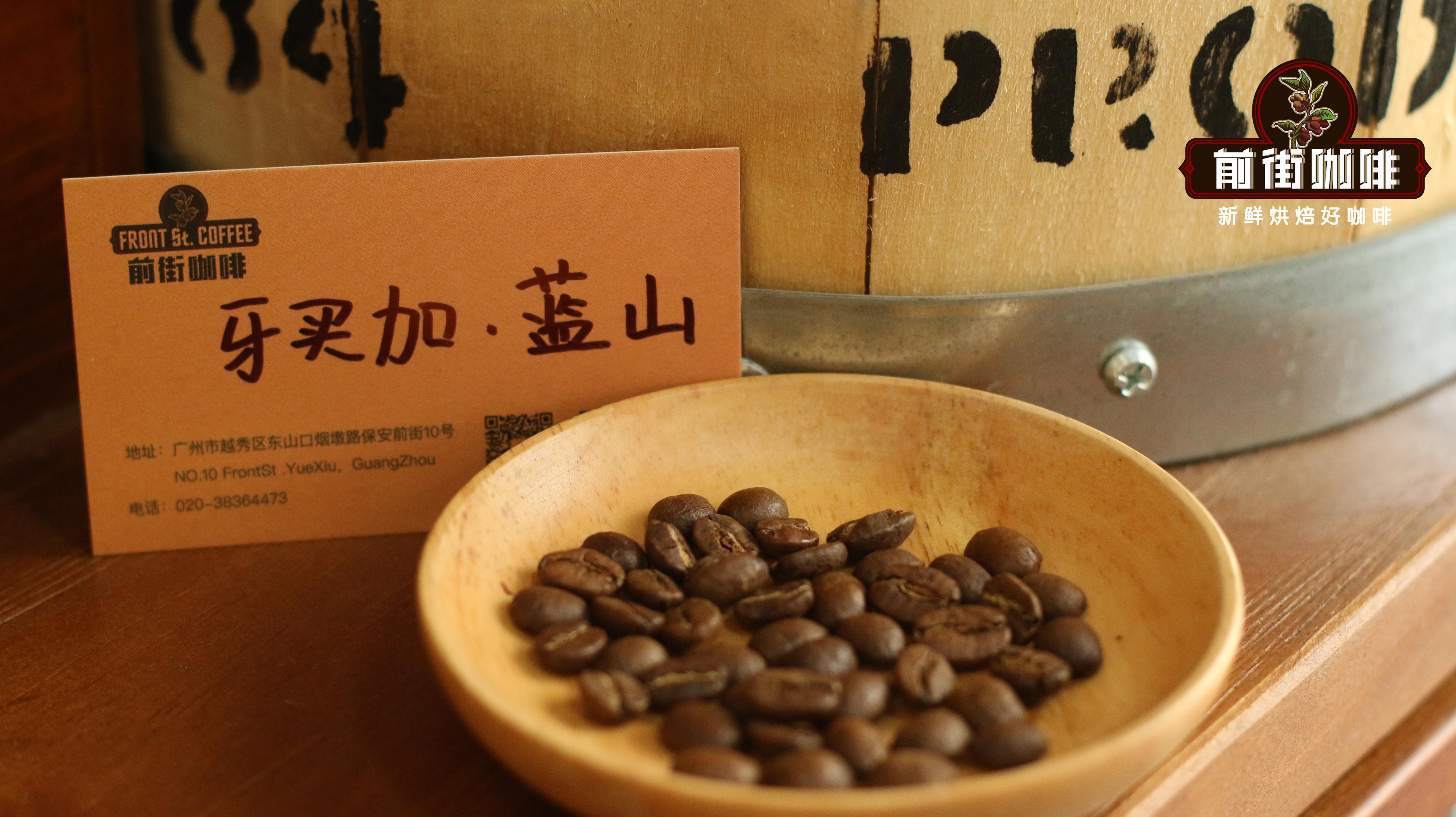
Blue Mountain Coffee Bean Grades | Is Authentic Blue Mountain No.1 Coffee Bean Expensive? Jamaican Blue Mountain Coffee Flavor, Taste Characteristics, Grind Size, Water Temperature Parameters
For a long time, many media outlets have been perpetuating the claim that there is no genuine Blue Mountain coffee in China, but in fact, this situation began to change in 2010. Blue Mountain coffee has a mellow taste and is a very standard cup of black coffee, and because it is produced in small quantities, it is called the king of coffee. At one point, it was quite difficult to buy domestically, which is true, and [more…]
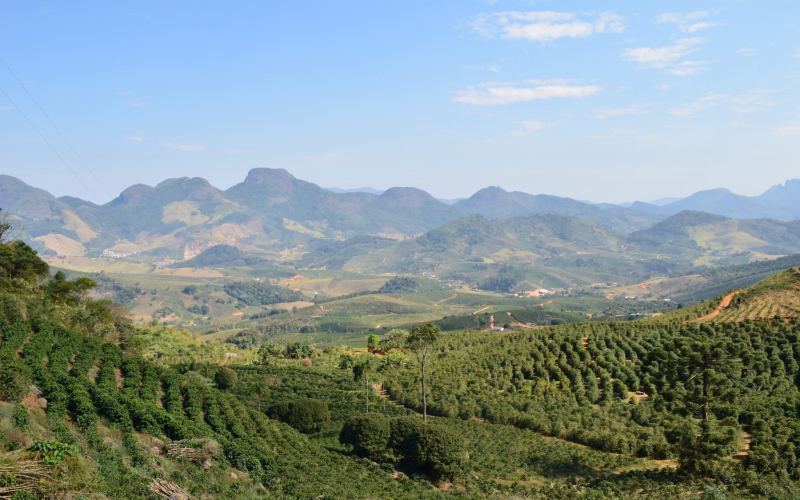
A Complete Analysis of Brazilian Coffee Bean Flavor Characteristics, Varieties, Grades, and Producing Regions: From Cultivation History to Brewing Suggestions
Brazil is the world's largest producer of Arabica coffee, contributing about 30% of the global Arabica bean supply each year, and fluctuations in its output directly affect international futures prices. From the first landing of Typica in 1727, to the full replacement by Bourbon varieties, and then to the formation of the three major specialty production regions of Minas, Bahia, and São Paulo, Brazilian coffee has traveled a unique path of evolution. This article will systematically review the cultivation history of Brazilian coffee, the differences among its main varieties, and its distinctive semi-washed processing method, and will also include detailed information on the two Brazilian beans currently sold by Front Street Coffee along with medium-dark roast brewing parameters, helping coffee lovers fully understand the flavor logic of Brazilian coffee's low acidity and mellow body. [more…]

Jamaica Blue Mountain Coffee Origin, Varieties, and Grades: A Complete Guide from the Blue Mountain Terroir to Front Street Blue Mountain No. 1 Brewing Guide
Blue Mountain Coffee is hailed as the finest of coffees, produced in the Blue Mountains of eastern Jamaica, an island nation in the Caribbean. This region boasts volcanic soil and a high-altitude microclimate marked by year-round fog and frequent rain, nurturing a unique flavor with a perfectly balanced interplay of acidity, bitterness, and sweetness. Front Street Blue Mountain Coffee is Jamaica's highest-grade Blue Mountain No. 1, with outstanding quality. This article provides a systematic introduction to Blue Mountain Coffee's growing environment, historical origins, grading classifications, harvesting and sales methods, packaging and transportation traditions, as well as Front Street's pour-over brewing parameters and flavor profile, helping coffee enthusiasts gain a comprehensive understanding of this world-class renowned specialty. [more…]
A Complete Guide to Rwanda Coffee Bean Grading, Varieties, and Origins: Bourbon, Washed Processing, and Regional Flavor Profiles
Rwanda is located in central Africa. Though a small landlocked country, it is blessed with exceptional conditions such as high altitude and volcanic soil, giving rise to specialty coffee that is balanced in flavor, clean, and solid. This article systematically reviews Rwanda's coffee-growing environment, main producing regions, variety composition, washed processing methods, and grading system, and, combined with Front Street Coffee's cupping experience, presents the stylistic differences between Rwandan coffee and Kenyan coffee. Whether you are an enthusiast just getting into African beans or a professional wanting to gain a deeper understanding of the context of Rwanda's coffee industry, you will find clear and practical references here. [more…]
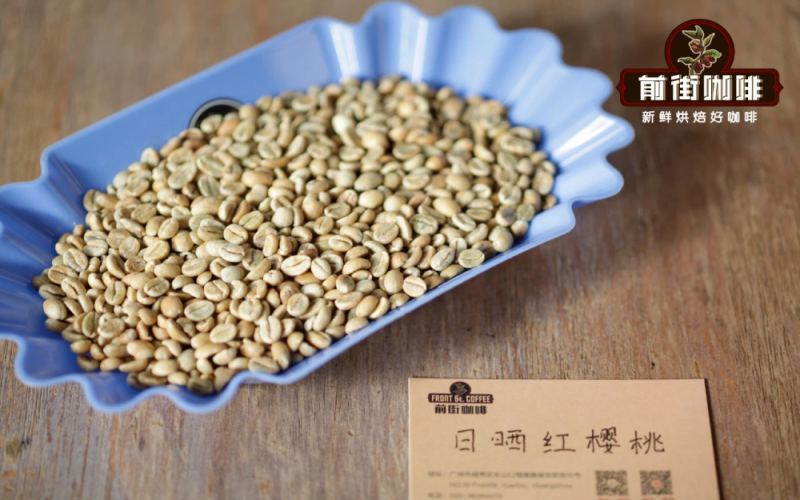
Yirgacheffe Coffee Bean Flavor Analysis: A Complete Guide to Acidity and Bitterness, Variety Grades, Origin Characteristics, and Brewing Parameters
Yirgacheffe is Ethiopia's most iconic specialty coffee region, renowned for its white floral notes and lemon-citrus acidity. This article explores the acidity and bitterness profile of Yirgacheffe coffee beans, variety classification, regional history, processing method differences, and brewing parameters, answering the question of how its small bean size relates to local heirloom varieties, sorting out the flavor differences brought by washed and natural processing, and introducing representative products such as Front Street Coffee Gutingding and Front Street Coffee Red Cherry, helping coffee enthusiasts gain a comprehensive understanding of this region's unique charm. [more…]
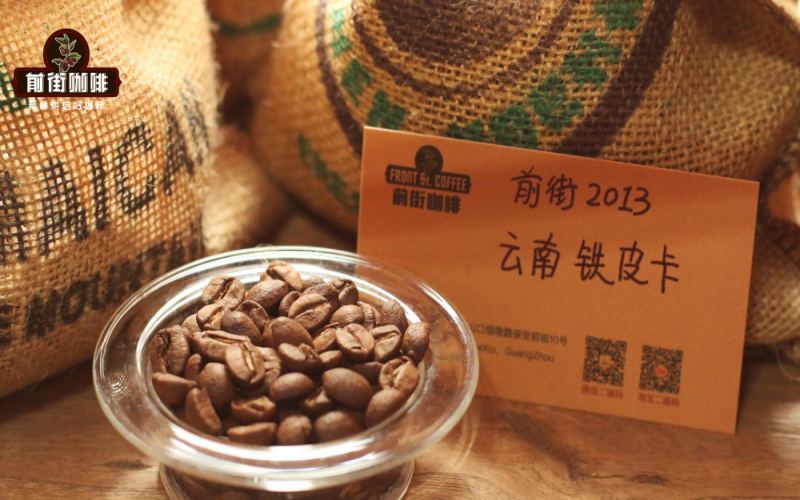
Which Yunnan coffee brand is worth drinking? Small-bean grading standards and a flavor comparison of Typica vs. Catimor
Yunnan coffee has long been famous, but with so many producing regions and a bewildering array of brands, which one is actually worth drinking? This article starts from the two varieties of Yunnan Typica and Catimor sold by Front Street Coffee, traces the evolution of Yunnan coffee varieties, explains international and domestic grading standards in detail, and introduces the regional characteristics of the four major producing areas: Pu'er, Baoshan, Dehong, and Lincang. It also shares Front Street's planting philosophy at its own estate in Lincang, the process details of the natural sun-dried method, and the specific brewing parameters and flavor performance of the sun-dried Typica, helping coffee lovers gain a comprehensive understanding of the current state and quality potential of Yunnan Arabica coffee. [more…]

French Press Brewing Guide for Blue Mountain No. 1: From Jamaican Certified Zones to Clifton Farm Flavor Analysis
Want to easily make a rich, full-bodied cup of black coffee at home? A French press may be the most effortless and the best choice for bringing out coffee's true flavor. It's simple to use and highly forgiving, and it preserves almost the complete layers of coffee's flavor—though of course, that also means it demands higher quality and freshness from the beans. This article uses Front Street Jamaica Blue Mountain No. 1 coffee beans as an example, first helping you understand the authentic Blue Mountain coffee's regional certification, grading standards, and the background of Clifton Farm, then breaking down the French press brewing process step by step. From the coffee-to-water ratio, grind size, water temperature control, and pressing technique, every detail will be explained clearly, so you can reliably recreate at home a cup of Blue Mountain coffee interwoven with creamy chocolate and a caramel sweet finish. [more…]
The Origin and Variety Evolution of Yunnan Small-Bean Coffee, and the Proper Brewing Method for Sun-Dried Typica
Yunnan coffee has long since entered the public eye, but with so many growing regions and a bewildering array of brands, which Yunnan coffees are actually worth trying? This article takes a systematic look at the development of Yunnan arabica — from the shifting of varieties and the distribution of growing regions to grading standards and brewing details. You'll learn about the origins of Typica and Catimor, the terroir differences among Yunnan's major growing regions, and Front Street Coffee's cultivation practices in Lincang. The article also shares in detail the brewing parameters and flavor profile of Front Street's sun-dried Typica, helping you brew a balanced, sweet, no-waste cup of Yunnan specialty coffee at home. [more…]
Ethiopia Guji Uraga Washed G1 Hero Coffee Beans Flavor Analysis and Pour-Over Parameters Tutorial
The Guji region of Ethiopia has attracted considerable attention in the specialty coffee world in recent years, and Uraga, as one of its standout sub-regions, has produced no shortage of stunning washed lots. In this installment, Front Street Coffee takes you deep into this Hero Washed G1: from the terroir conditions of Guji Uraga and Ethiopia's coffee bean grading system, to the jasmine, bergamot, and apricot flavors expressed under a light roast, and finally a complete set of pour-over extraction parameters and staged pouring technique. Whether you want to understand the classic style of Ethiopian washed beans or are looking for a reliable reference plan for your daily brewing, this article will give you clear answers. [more…]