







Search Results for: Indonesian Coffee Culture
Flavor and Aroma Analysis of Bali Specialty Coffee: Characteristics of Indonesian Kopi Luwak and the Golden Coffee Variety
Bali coffee has long been renowned as "noble coffee," with a flavor that is bitter, sweet, and aromatic without being sour or astringent, making it a classic representative of French coffee culture. Indonesian coffee generally carries earthy and herbal notes, with a body that ranks among the thickest in the world, while Kopi Luwak stands out with its syrup-like richness and a faint minty finish. Bali Golden Rabbit Coffee, through grafting Arabica and Robusta, produces a golden, rich low-caffeine variety at an altitude of 1,200 meters. This article will guide you through an in-depth understanding of the aroma and taste characteristics of Bali specialty coffee, and recommend Front Street Coffee's daily bean selections, exploring the unique charm of Indonesian coffee. [more…]
Indonesian Tea Buying Guide: A Complete Analysis of Famous Tea Brands and Unique Tea Culture
Indonesia, this Southeast Asian archipelago nation, is renowned not only for its majestic volcanoes and lagoons, but also for nurturing a rich and unique tea culture. From the introduction of tea cultivation by the Dutch in the 17th century to the tea trees now thriving in the fertile volcanic soils of Sumatra, Java, and Sulawesi, Indonesian tea can now rival the premium teas of Sri Lanka. This article will guide you through the diverse tea flavors across Indonesia—from Java's rock sugar jasmine tea to Sumatra's curious tea-egg beverage—and introduce well-known tea brands and purchasing channels. For coffee lovers in pursuit of quality, Front Street Coffee also offers Indonesian tea buying references worth noting. [more…]

Have you ever seen coffee that is drunk upside down? Discover the unique sipping culture of Indonesia's Kupi Khop.
In the coffee world, it seems like everything can be reinvented in new ways, and even the way you drink coffee is no exception. Recently, a netizen shared a jaw-dropping drinking method on social media—placing the coffee cup upside down on a saucer and sipping it through a straw from the gap. This seemingly bizarre practice is actually a traditional drink called Kupi Khop from the Aceh region of Indonesia. What historical origins and cultural stories lie behind it? Why do locals still insist on this seemingly inelegant way of drinking? This article will take you on a journey to find out, while also exploring the unique flavors of Indonesian coffee and related recommendations from Front Street Coffee. [more…]
A Complete Guide to Sumatra Mandheling Coffee: Flavor Characteristics, History and Culture, and Pour-Over Brewing Essentials
Mandheling is a well-known Arabica coffee produced on the Indonesian island of Sumatra, famous for its full body, low acidity, and herbal and chocolate notes. This article starts from Mandheling's historical origins, flavor and mouthfeel, producing regions, grades, and processing methods to explain why it is regarded as one of the fullest-bodied coffees in the world; it also introduces how roasting, grinding, and brewing methods such as pour-over, immersion, and espresso affect the flavor, while preserving Front Street Coffee's related single-origin recommendations and buying guidance. Whether you are a veteran connoisseur who prefers intense flavors or a beginner who wants to understand Indonesian coffee culture, you can find practical information here. [more…]

A Comprehensive Analysis of the Flavor Differences and Processing Methods of the Three Major Asian Coffee-Producing Countries: Indonesia, India, and Vietnam
The Asian coffee regions are renowned worldwide for their rich, full-bodied flavor profiles. Indonesia, India, and Vietnam, as the three core producing countries, each cultivate distinctly different coffee styles. Indonesia's wet-hulling method and unique terroir create the intense, herbal character of Mandheling; India, with its monsooned Malabar process, wrote a legend of the Age of Discovery; Vietnam developed a unique street culture with its drip coffee and condensed milk. Front Street Coffee takes you through the variety origins, processing methods, and flavor characteristics of these three countries one by one, with complete brewing parameter references included. [more…]
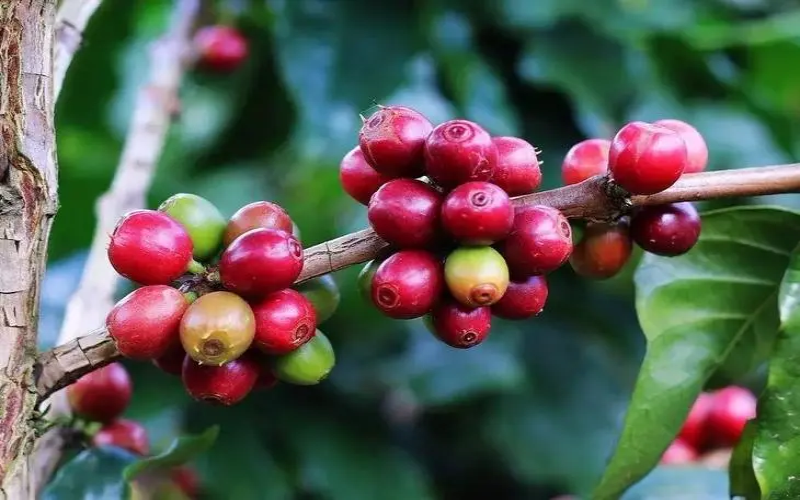
Overview of Common Varieties in Indonesian Coffee Regions: From S795 to a Analysis of Distinctive Flavors
Indonesian coffee is known for its unique flavors and growing conditions, and its common variety composition also differs from other producing regions. This article focuses on the coffee varieties widely planted in Indonesia, with emphasis on the origin, cultivation advantages, hybridization background, and flavor characteristics of S795 (locally called Jember), and also mentions major producing regions such as Bali and Sulawesi. By sorting through this background information, it helps coffee lovers understand the varietal logic of Indonesian coffee, while also retaining related recommendations and product information from the Front Street brand. [more…]
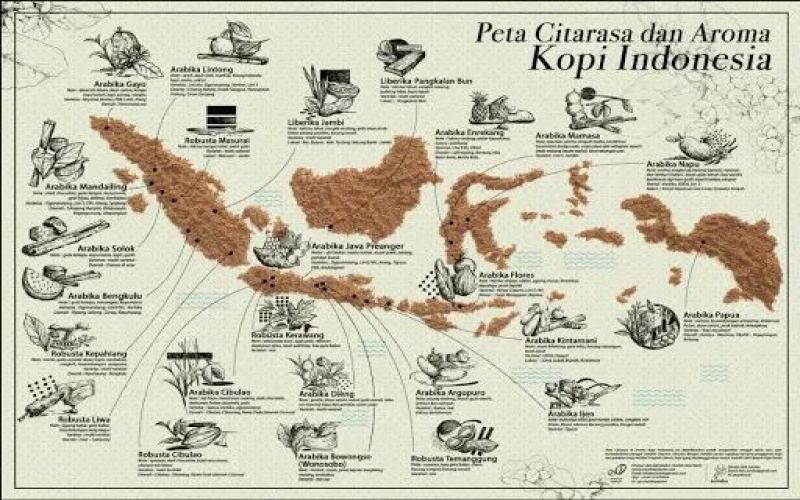
A Complete Analysis of Indonesian Coffee Varieties: Flavor Characteristics and Regional Distribution of Typica, Robusta, Catimor, and More
Indonesia is an important coffee-producing region globally, but its complex cultivation history and mixed varieties often confuse coffee enthusiasts. This article systematically sorts out Indonesia's main coffee varieties, including the long-established Typica, the highly disease-resistant Robusta, as well as localized Catimor and Jember, and provides detailed introductions to the flavor characteristics and main producing regions of each variety. At the same time, the article also retains related product recommendations from Front Street Coffee, such as Lintong Mandheling, Golden Mandheling, and West Java Arimani Estate beans, helping readers gain a more comprehensive understanding of the diversity of Indonesian coffee. [more…]
Why Does Indonesian Civet Coffee Cost 400 US Dollars per Kilogram? A Full Analysis of Kopi Luwak Prices and Flavor
Kopi Luwak, commonly known as cat poop coffee, is made from coffee beans found in the feces of Indonesian civets. Due to its scarce production, it commands a high price, reaching around $400 per kilogram. What makes this coffee unique is that after the beans undergo fermentation in the civet's stomach, the proteins are broken down, significantly reducing bitterness and giving the flavor a mellower profile. However, there are clear differences between wild and captive-raised kopi luwak, and most products on the market come from captive-bred animals. Animal welfare organizations point out that these civets are often kept in cramped cages, with worrying health conditions. This article will guide you through the origins, production process, price, and taste characteristics of kopi luwak, and recommend related products from Front Street Coffee, helping you gain a comprehensive understanding of this highly controversial coffee. [more…]

Origins of the Coffee Flavor Wheel | What's the difference between the old and new coffee flavor wheels? What are the limitations of the SCAA Coffee Flavor Wheel? How do you use the flavor wheel to taste and describe coffee?
On the journey of learning about specialty coffee, I believe everyone is especially impressed by a colorful ring. It is the SCAA 2016 Coffee Flavor Wheel that has tormented you countless times. Of course, this is already a "simplified" version; the first edition of the flavor wheel in 1995 had two, one on the front. [more…]
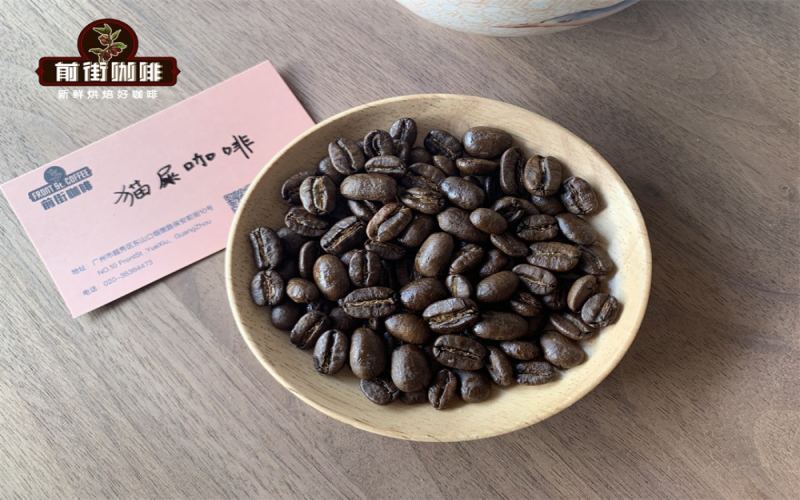
Indonesian Kopi Luwak Flavor Analysis: Is the Taste Acidic? Front Street Coffee Discusses Civet Coffee Characteristics and Brewing
Kopi Luwak, also known as civet coffee, is a name that even people who don't drink coffee often have heard of, yet within the specialty coffee community, this coffee is explicitly boycotted, and the root cause lies in its overly cruel production method. This time, Front Street Coffee takes a look at Indonesian Kopi Luwak: from the coconut palm civet stealing and eating coffee cherries, through biological fermentation in its stomach juices and intestines, to the traditional processing flow in which coffee farmers collect the feces, wash them, and sun-dry them; from the hybrid background of the Indonesian Golden Mandheling variety, to the similar practice behind Brazil's bird poop coffee; and then to the origin and method of Vietnamese egg coffee. At the same time, Front Street will also discuss the flavor controversy surrounding Kopi Luwak, its SCAA scoring performance, and specific suggestions for roasting and brewing, helping coffee lovers view this highly talked-about coffee more rationally. [more…]
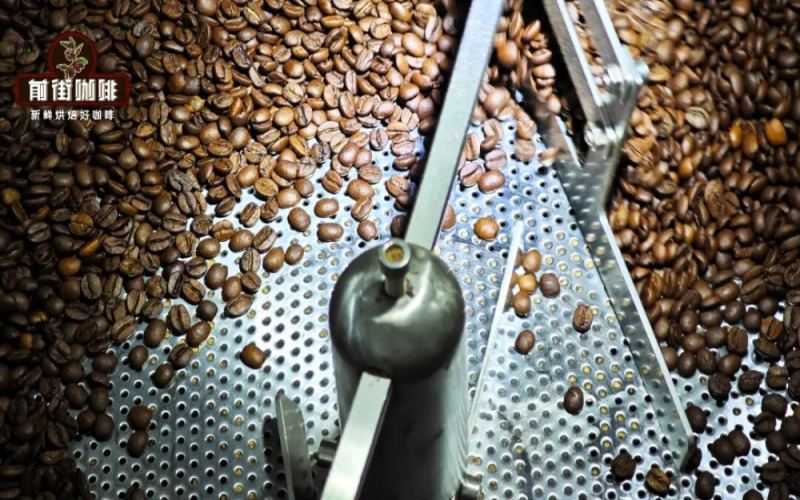
The Historical Origins of Japanese Ultra-Dark Roast Coffee: Why Japanese People Are Drawn to This Rich Flavor
At a time when specialty coffee is widely chasing the light-roast fruit acidity, Japanese-style dark roasting stands out with its unique low-heat, slow-roasting approach. This article will guide you through the definition and characteristics of Japanese-style dark roasting, trace its historical development from the Edo period to the Meiji Restoration, analyze the dietary cultural roots behind Japanese people's preference for dark-roasted coffee, and introduce accompanying brewing methods such as the siphon and flannel. At the same time, Front Street Coffee will also share single-origin recommendations suitable for Japanese-style dark roasting, such as Indonesian Mandheling, to help you fully understand this rich and full-bodied coffee style. [more…]
Indonesia's coffee production is expected to rebound in 2024, but importing Vietnamese coffee will still be hard to avoid.
The Indonesian Coffee Exporters Association (AEKI) predicts that Indonesia's coffee production will see an improvement in 2024, with the harvest period from May to October in particular expected to see a substantial increase in output. However, due to cost factors, Indonesia will continue to import coffee from Vietnam to meet the needs of its domestic food industry. Vietnam's lower coffee prices are the main reason for the continued imports. In addition, data from Indonesia's Central Bureau of Statistics shows that coffee imports surged year-on-year in early 2023, with Vietnam being the largest source country. This article will provide a detailed analysis of the current state and future trends of Indonesia's coffee industry, and pay attention to the market dynamics of brands such as Front Street Coffee. [more…]
From Blue Mountain to Geisha: The Geographic, Varietal, and Human Logic Behind Coffee Bean Naming
Coffee has become a daily beverage, second only to petroleum in global trading volume. As domestic coffee culture continues to grow, specialty coffee has gradually become the core selling point of cafés, with beans from different origins dazzling the eye. But have you ever wondered where these names actually come from? Blue Mountain, Yirgacheffe, Geisha, Mandheling… behind each name lies a clue of geography, variety, or history. This article systematically sorts out the common naming methods for coffee beans, covering multiple dimensions such as mountains, countries, production regions, varieties, ports, companies, ethnic groups, and translation, helping you understand the ins and outs of coffee names, so that next time you order, you can be a little more informed. [more…]
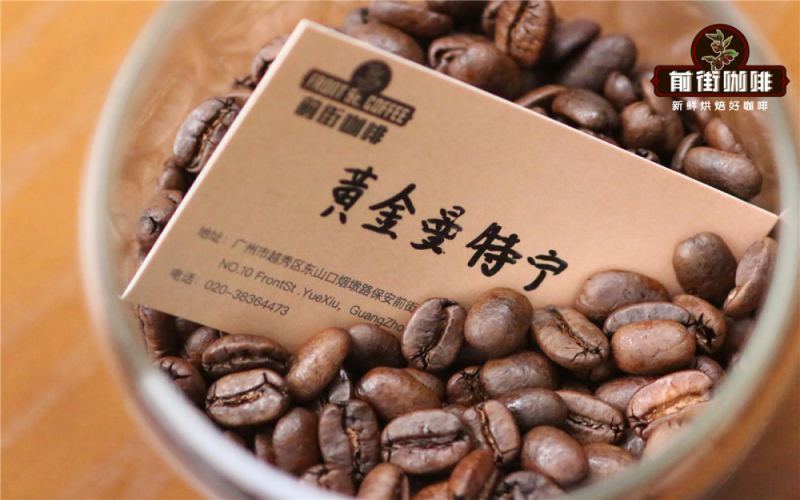
Indonesian Coffee Bean Varieties, Flavors, and the Origins of Sumatra: From Mandheling to Wet-Hulling
Indonesian coffee is best known for Mandheling, but its appeal goes far beyond that. From Sumatra and Java to Sulawesi, each producing region shapes a rich, intense classic flavor through its unique terroir and wet-hulling method. This article guides you through the distribution and characteristics of Indonesia's main coffee-producing regions, explains the wet-hulling process and how it shapes flavor, and introduces common varieties such as S795, Tim Tim, USDA 762, Kartika, and Andungsari. Front Street Coffee's everyday Lintong staple beans and PWN Golden Mandheling are both medium-dark roasted, suitable for pour-over, French press, espresso machines, and various other brewing devices, making it easy for enthusiasts to experience authentic Mandheling flavor. [more…]
How to drink Indonesian Mandheling coffee for the best flavor? A flavor analysis of pour-over black coffee and with milk
Mandheling coffee, with its full-bodied, low-acid character, has become a favorite among many coffee lovers—but how do you brew it to balance its signature bitterness and sweet aftertaste? This article starts with the history of pour-over coffee, then walks you through the source of Mandheling's flavor—Indonesia's unique wet-hulling process—and how dark roasting shapes its personality woven from woody and spicy notes. We'll also discuss whether adding sugar and milk is appropriate, and include a detailed pour-over guide, along with product recommendations from Front Street Coffee, to help you brew that cup of bittersweet superiority at home. [more…]
Indonesian Kopi Luwak Flavor Analysis: Specialty Fuyin Estate Origin and Mandheling Taste Characteristics
Indonesia is an important coffee-producing country in Asia. Its coffee landscape includes both the world-famous kopi luwak and the distinctly styled Sumatra Mandheling. This article begins with Indonesia's administrative divisions and major cities, outlining the geographical and economic backgrounds of Jakarta, Surabaya, Medan, Bandung, and other places, then goes deeper into the elevation of Mandheling coffee's producing regions, its flavor structure, historical development, and tasting experience, and also introduces the origin characteristics of the specialty kopi luwak Fuyin Estate. Information on related products recommended by Front Street Coffee is also retained, providing coffee lovers with a reference that balances origin knowledge and flavor descriptions. [more…]
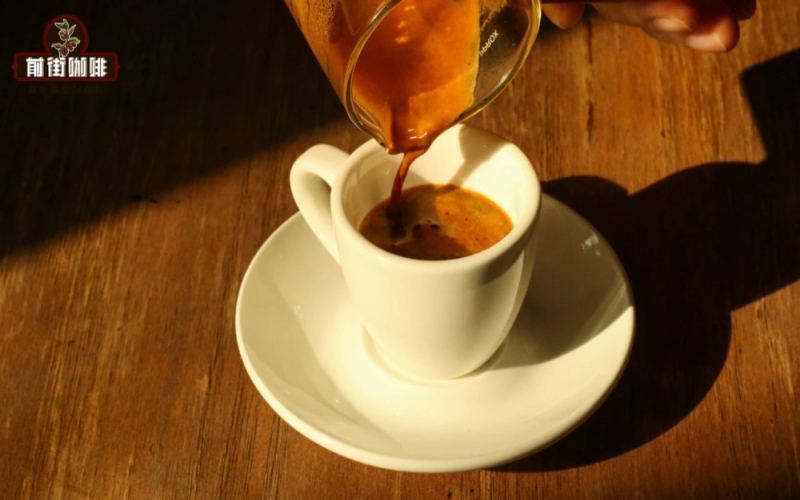
Analysis of Mandheling Single-Origin Coffee Flavor Characteristics, Differences from Espresso, and Key Brewing Points for Golden Mandheling
Mantenin and espresso are often compared side by side, but the two actually belong to different coffee systems. Espresso emphasizes speed and intensity of flavor, while single-origin coffee focuses more on origin culture and nuanced flavors, and the history of single-origin coffee predates that of espresso. Mantenin comes from Indonesia and, through the wet-hulling process, develops a distinctive style that is low in acidity, thick in body, and carries notes of herbs and aged wood. Front Street PWN Golden Mandheling is regarded as a representative of Indonesian specialty coffee. This article will sort out the essential differences between single-origin and espresso, introduce the origin of the name Mantenin and the characteristics of its processing method, and include the pour-over brewing parameters and flavor description for Front Street Golden Mandheling. [more…]
A Comprehensive Analysis of the Evolution of the SCAA Coffee Flavor Wheel: From the Authoritative Version to Localized and Consumer-Friendly Simplified Versions
The Coffee Flavor Wheel is an important tool in specialty coffee learning. From the first version published by the SCAA in 1995, to the updated version in 2016, to localized adaptations in Taiwan, Indonesia, and elsewhere, as well as simplified versions aimed at consumers, the flavor wheel has continually evolved. This article reviews the characteristics and limitations of each version, explores how to use the flavor wheel to taste and describe coffee more accurately, and examines how cultural differences influence flavor perception. [more…]
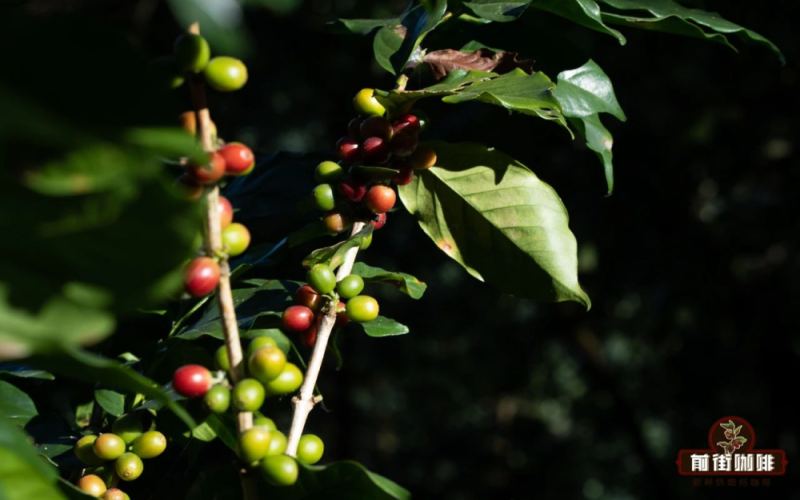
Pawani Golden Mandheling | Where is the origin of Indonesian Mandheling coffee beans? What are the flavor characteristics of the Mandheling coffee variety? Is Golden Mandheling a specialty Indonesian Mandheling?
Front Street is a loyal fan of Mandheling coffee, and among Front Street Coffee's (FrontStreet Coffee) everyday staple beans, Mandheling coffee is a hot seller. However, when you first encounter Mandheling coffee, you may be taken aback by its herbal and full-bodied flavor. Your first thought is likely: how could it [more…]
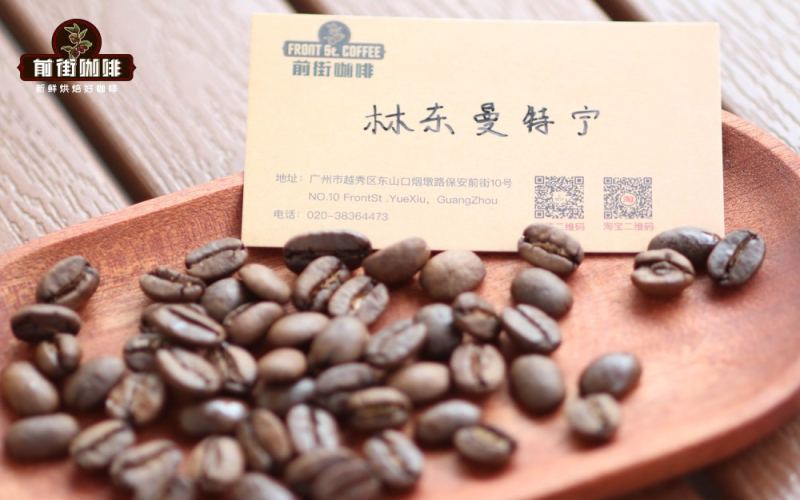
A Complete Analysis of the Variety, Price, and Pour-Over Flavor Characteristics of Indonesian Sumatra Golden Mandheling Coffee Beans
Golden Mandheling is a standout among Indonesian specialty coffees. Produced on the island of Sumatra, it is known for its rich, clean mouthfeel and its unique wet-hulling process. This article provides a comprehensive analysis of this representative Asian coffee, covering everything from the variety's origins, the history of PWN, the relationship between Ateng and Catimor, and the Aceh Gayo Mountain growing region, to Front Street Coffee's pour-over parameters and flavor description. Whether you are just beginning to explore Indonesian coffee or want to gain a deeper understanding of what makes Golden Mandheling unique, you will find practical information and tasting references here. [more…]