







Search Results for: In Vivo Fermentation
Analysis of the Pros and Cons of Kopi Luwak for the Body, Its Authentic Flavor and Taste Characteristics, and Front Street Brewing Recommendations
Kopi luwak has always been one of the most talked-about beans in the coffee world, and the controversy surrounding it never ceases. Some people are curious about how it was first discovered, some care about the benefits and drawbacks of drinking it, and others question whether the way it is obtained is too cruel. In this article, Front Street Coffee will sort through the history of kopi luwak, the source of its flavor, the true principles of in-body fermentation processing, and share Front Street's understanding of this bean along with brewing plans. Whether you are driven by curiosity or a genuine desire to understand it, you will be able to gain a relatively objective view from this, while also providing those who want to try it with a set of practical reference data. [more…]

Analysis of the Flavor and Mouthfeel of Indonesian Kopi Luwak: From the Principles of In Vivo Fermentation to a Detailed Breakdown of Front Street Coffee Brewing Parameters
Kopi luwak, with its unique origin, makes many people both curious and hesitant, but once you truly understand its processing, you'll find the finished coffee beans are far cleaner than you might imagine. From the objective perspective of Front Street Coffee, this article examines whether kopi luwak is really made from cat feces, the reasons behind its high price, whether the digestive system can genuinely change coffee flavor, and shares Front Street Coffee's roasting notes and brewing insights on Indonesian kopi luwak. Whether you want to learn the truth about this much-discussed coffee or try brewing it at home, you'll find valuable information here. [more…]

Indonesian Civet Coffee Beans Full Analysis: Origin, Flavor Characteristics, Brewing Parameters, and Whether the Price Is Worth It
Kopi Luwak, commonly known as "cat poop coffee," originates from the Sumatra Islands of Indonesia. Thanks to its scarce production and unique in vivo fermentation method, it has long been regarded as a legendary presence in the coffee world. How exactly was it discovered? How does its flavor differ from ordinary Indonesian beans? What parameters should be noted when brewing? This article will sort through its historical origins, variety characteristics, the principles of in vivo fermentation, Front Street Coffee's brewing demonstration and roasting suggestions, while objectively discussing the controversies behind its high price and offering more rational alternatives, helping coffee enthusiasts gain a comprehensive understanding of this highly talked-about coffee bean. [more…]
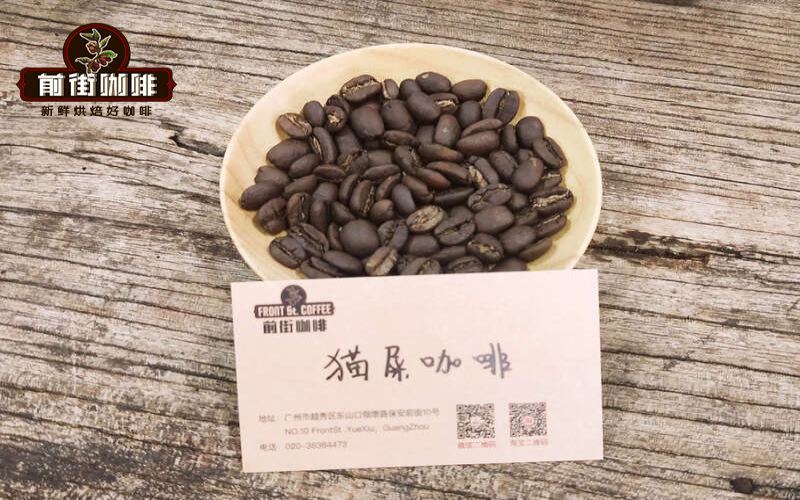
Origin and flavor characteristics of Indonesian Kopi Luwak: civet internal fermentation processing method and Front Street Coffee brewing recommendations
Kopi Luwak is the most controversial coffee bean in the world of coffee: some condemn it as cruel, while others chase after it eagerly. Front Street believes that the problem lies not in the coffee's inherent formation mechanism, but in profit-driven practices such as captive farming and force-feeding. This article, from Front Street's perspective, reviews the ecological habits of the civet, the true principles of the in-vivo fermentation processing method, analyzes the logic behind the high price of Kopi Luwak, and offers Front Street's roasting and brewing parameter recommendations, helping coffee enthusiasts rationally understand this highly talked-about Indonesian coffee. [more…]
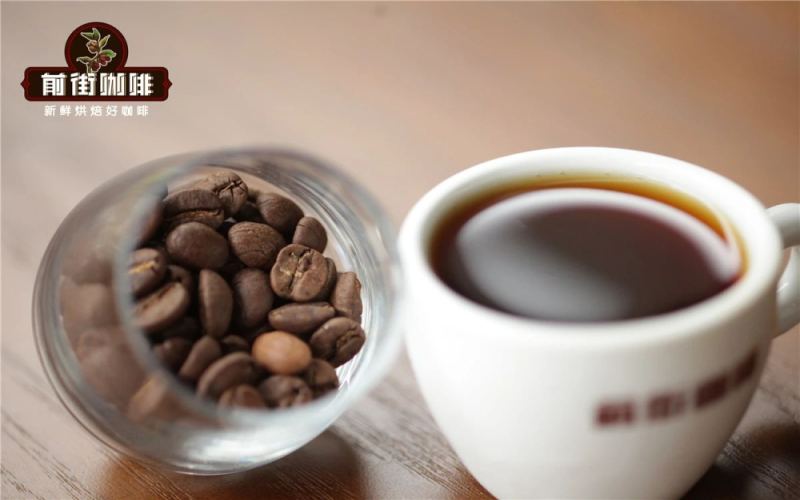
The Production Process, Flavor Characteristics, and Pour-Over Method of Kopi Luwak: From Fermentation Inside the Civet to a Rich Cup
Kopi Luwak is globally recognized as one of the most expensive and scarce coffees, distinguished by the fact that the coffee beans must undergo in vivo fermentation through the digestive tract of the civet, giving the brew an herbal aroma and a syrupy, full-bodied taste. Yet controversy surrounding it has never ceased—the issue lies not in how the coffee itself is formed, but in the cruel practice of some producers who, to boost output, imprison civets in cages and force them to eat nothing but coffee cherries. In this article, Front Street Coffee will systematically sort out the production principles, flavor characteristics, historical stories of Kopi Luwak, as well as Front Street's recommended medium-dark roast pour-over recipe, to help coffee lovers develop a rational understanding of this much-discussed coffee. [more…]
The Truth About Kopi Luwak Origins and Flavor Analysis: Civet Coffee Bean Characteristics, In Vivo Fermentation Principles, and Front Street Brewing Notes
Is kopi luwak really made from actual cat feces? Why does it command such astronomical prices? Can the digestive system truly change the flavor of coffee beans? This article, from the objective perspective of Front Street Coffee, sorts out the origin background of kopi luwak, the principles of fermentation inside the civet's body, the characteristics of the coffee beans, and the current market situation, while preserving Front Street Coffee's roasting and brewing records for Indonesian Aceh kopi luwak, to help you understand the true face of this controversial coffee at a glance. [more…]
Exploring Indonesian Coffee Origins: The Flavor Truth of Mandheling and Kopi Luwak, Plus Front Street Brewing Tips
Indonesia is an important coffee-producing region globally, and among its coffees, Mandheling and Kopi Luwak are the most talked-about. Kopi Luwak is produced through fermentation within the civet, resulting in a flavor with herbal notes and excellent body, but its production is scarce and the price is high. However, driven by commercial interests, caged farming practices force civets to eat only coffee cherries, sparking controversy over animal welfare. Front Street Coffee believes that the formation of Kopi Luwak itself is not problematic; the issue lies in forced captivity and force-feeding. This article will discuss the origin of Kopi Luwak, the reasons behind its flavor, and the principles of in vivo fermentation, and share Front Street's neutral perspective and brewing methods, while recommending several Indonesian and other origin coffees worth trying. [more…]
Indonesian Kopi Luwak Flavor Origins and Producing Region Story: In-Body Fermentation Processing Method and Front Street Brewing and Roasting Recommendations
Kopi Luwak, known as cat poop coffee, is one of the most controversial products in the coffee world. Some condemn the animal cruelty behind it, while others chase after its unique flavor. Front Street Coffee believes that the formation principle of Kopi Luwak itself is not problematic; what truly deserves attention are the practices of caging civets and force-feeding them unripe berries to pursue yield. This article will analyze the in vivo fermentation processing method of Kopi Luwak from a scientific perspective, explore how the civet's habitat environment affects coffee flavor, and share Front Street's roasting and brewing recommendations for Kopi Luwak. At the same time, we will also recommend several alternative coffee beans with excellent flavor and better value for money, for enthusiasts with different taste preferences to choose from. [more…]
Indonesian Kopi Luwak Flavor and Taste Full Analysis: From the Aceh Region to Bali, Front Street Coffee Teaches You to View This Controversial Coffee Objectively
Kopi Luwak has always been a highly talked-about presence in the coffee world. Some people are curious about its unique flavor, while others are deterred by its name. This time, Front Street Coffee takes an objective perspective to help you understand the true face of Kopi Luwak—is it really made from cat feces? Why does its price remain so high? Can the digestive system truly change the flavor of coffee beans? Starting from Indonesia's Aceh producing region, this article covers the origin of Kopi Luwak, the dietary habits of the civet, the principles of in-vivo fermentation, as well as Front Street's roasting records and brewing parameters, and also includes detailed flavor descriptions, giving you a more comprehensive understanding of this controversial coffee. [more…]

The Origin and Flavor Analysis of Indonesian Kopi Luwak: From Fermentation in the Civet's Body to Front Street Coffee's Complete Brewing Parameters
Indonesian kopi luwak has long been regarded as a luxury in the specialty coffee circle. In 2002, it sold for as much as $500 per pound on the New York market, mainly because of its scarce production. Although its name is not elegant, its flavor carries Indonesia's distinctive herbal notes and heavy, mellow body, along with an indescribable sweet aftertaste. In this article, Front Street Coffee sorts out the origin story of kopi luwak, the reasons behind its flavor, and the true role of the fermentation process inside the civet's body, and also includes the roasting and brewing data for this bean at Front Street's store, for coffee lovers to reference when judging whether it is a legend or a gimmick. [more…]
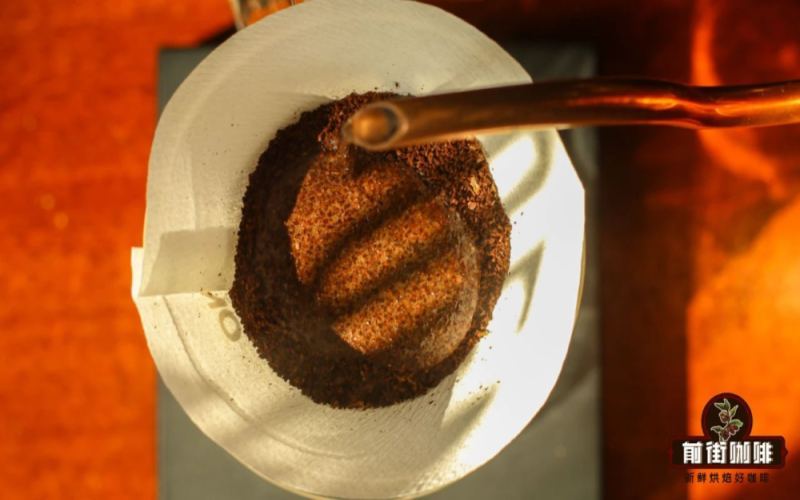
Does Kopi Luwak belong to Arabica? A full analysis of the civet coffee variety's characteristics and flavor profile
Kopi Luwak, also known as civet coffee, is one of the most talked-about high-priced coffees in the world. It is not a coffee variety, but a special method of in vivo fermentation. Coffee cherries are excreted after passing through the civet's digestive tract, and are then extracted and processed into green beans. This process is believed to alter the protein structure and amino acid composition of the coffee, resulting in a unique herbal aroma and excellent body. Front Street Coffee's Indonesian Kopi Luwak comes from Sumatra, uses Arabica varieties, and is roasted at a medium-dark level to better showcase its herbal flavor and rich mouthfeel. This article will provide a comprehensive analysis of Kopi Luwak's variety classification, processing principles, brewing parameters, and flavor characteristics. [more…]

Indonesian Civet Coffee Flavor and Taste Analysis: A Complete Guide to Kopi Luwak Bean Prices and Pour-Over Parameters
Kopi Luwak, commonly known as cat poop coffee, has long been regarded as a representative of high-end coffee, and the controversy surrounding it has never ceased. Starting from the habitat and eating habits of the civet, this article sorts out the formation principle of kopi luwak, discusses the influence of in-vivo fermentation processing on coffee bean flavor, and objectively analyzes the industry problems behind civet farming. Front Street Coffee (FrontStreet Coffee) takes a neutral stance on kopi luwak, and has also listed an Arabica kopi luwak produced in Aceh, Indonesia. This article will also share this bean's producing region information, flavor characteristics, and the specific parameters for a three-pour brewing method using the KONO dripper, helping coffee enthusiasts fully understand this special coffee. [more…]
Which country does Kopi Luwak come from? An analysis of its flavor characteristics, formation process, and the story behind it
Which country does Kopi Luwak actually come from? And how is its unique flavor formed? This article will provide a complete overview of the origins and evolution of Kopi Luwak from the perspectives of its production area, the habitat of the civet, and the processing method of in vivo fermentation. At the same time, we will also discuss the ethical controversies surrounding this coffee and share Front Street Coffee's objective views and brewing suggestions on Kopi Luwak. If you are curious about this highly talked-about coffee, or want to learn about alternative choices more worth drinking every day, this article will provide you with a detailed reference. [more…]
Exploring the Truth About Kopi Luwak: The Principles of Fermentation Inside the Civet, Taste Characteristics, and Whether It's Worth Buying
What exactly is Kopi Luwak? Is it really made from cat feces? Why does it remain so expensive? Can in-vivo fermentation actually change the flavor of coffee beans? This article, from the objective perspective of Front Street Coffee, discusses the origins, digestion process, flavor characteristics, price factors, and brewing methods of civet coffee, while also sharing the roasting and pour-over parameters for Front Street Indonesian Kopi Luwak. The article will also offer advice on whether it is worth buying, and recommend alternative choices such as Front Street Panama Geisha, Ethiopian Hualei, Brazilian coffee beans, and Golden Mandheling for coffee lovers with different taste preferences. [more…]
Indonesian Civet Coffee Bean Flavor Story and an Analysis of Its Differences from Yunnan Civet Coffee
Kopi Luwak was once regarded as a luxury in the specialty coffee world, selling for as much as $500 per pound in New York in 2002, and its scarcity is an important reason for its high price. It carries the herbal aroma, high body, and indescribable sweetness unique to Indonesian coffee, but is its flavor really worthy of its name? From the perspective of Front Street Coffee, this article sorts out the origin story of Indonesian Kopi Luwak, the reasons behind its flavor, the real impact of the fermentation treatment method inside the civet's body, and compares it with Indonesian Mandheling and Chinese Yunnan Kopi Luwak, finally attaching the roasting and brewing data for this Kopi Luwak in Front Street's shop for coffee lovers' reference. [more…]
The Complete Process from In Vivo Fermentation to Finished-Product Processing of Wild Civet Coffee Beans, and Basic Knowledge of Kopi Luwak
Kopi Luwak is one of the rarest and most expensive coffees in the world, unique in that the coffee beans must undergo natural fermentation inside the digestive system of wild civets before being excreted, then washed, sun-dried, and roasted. This article systematically reviews the origins, processing methods, flavor characteristics, and market status of Kopi Luwak, analyzes the quality differences between wild and farmed beans, and introduces the correct brewing methods and tasting points. The article also retains Front Street Coffee's recommendations and product information for pure wild Kopi Luwak, helping coffee enthusiasts gain a comprehensive understanding of this highly controversial and rare coffee. [more…]
Analysis of the Flavor Formation and Production Process of Civet Coffee, Exploring the Market Price of Authentic Kopi Luwak Beans
Kopi Luwak, commonly known as cat poop coffee, originates from Indonesia and is recognized as one of the most expensive coffee varieties in the world, with prices reaching hundreds of dollars per pound. Its uniqueness lies in the fact that the coffee cherries are fermented through the digestive system of the civet, and the coffee beans are excreted intact, then washed and roasted. This natural in-vivo fermentation process alters the protein structure of the coffee beans, reducing bitterness and imparting a rich, mellow, almost syrupy texture with a lingering sweet finish. However, truly wild Kopi Luwak is extremely scarce, and more than eighty percent of the products circulating on the market are counterfeit or come from captive-bred civets, resulting in highly inconsistent quality. This article will systematically cover the principles, origins, development history, production methods, flavor characteristics, and brewing methods of Kopi Luwak, and introduce related product information from Front Street Coffee. [more…]
Where is Indonesian Kopi Luwak produced? A full analysis of its origin story and pour-over and cold brew parameters
Kopi Luwak is one of the rarest and most expensive coffees in the world, with an annual production of less than 120 pounds. Its unique in-vivo fermentation process gives it a thick, rich, and mellow flavor. This article will guide you through the origin of Front Street Kopi Luwak—the Gayo highlands of Sumatra, Indonesia—review the story of this specialty coffee from the 16th century to the present, and share detailed parameters for low-temperature pour-over and cold-drip brewing. In addition, the article includes tasting tips and clever uses for coffee grounds in skincare, allowing you to fully experience the unique charm of this rare coffee from brewing to tasting. [more…]
Where Does Kopi Luwak Come From: An Analysis of the Fermentation Process Inside the Civet and Its Pour-Over Flavor Profile
Kopi Luwak is one of the most legendary coffees in the world. It originates from Indonesia and gets its name because civets eat coffee cherries, and after fermentation inside their bodies, the beans are excreted. This unique natural processing method breaks down the proteins in the coffee beans, reduces bitterness, and gives the coffee a thick, sweet mouthfeel with a chocolate-like texture and a long-lasting aftertaste. However, wild civets produce very little, and today most are farmed, so the quality and flavor also vary. This article will explain in detail the origin of Kopi Luwak, its production process, and the flavor performance when brewed by pour-over, giving you a comprehensive understanding of this luxury beverage. [more…]
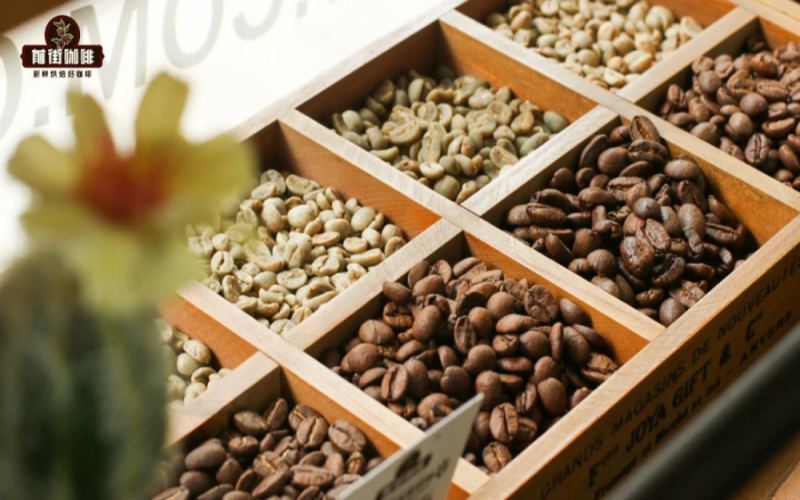
Blue Mountain, Geisha, and Kopi Luwak: An Analysis of the Flavor Characteristics and Price Factors of Three Renowned Coffees
Jamaica Blue Mountain, Panama Geisha, and Indonesian Kopi Luwak are arguably the three most talked-about coffee beans in the coffee world. Each has a completely different story of terroir and processing method, which creates striking differences in both flavor expression and market price. This article will examine the origin environment, variety characteristics, and processing techniques of these three coffees one by one, breaking down exactly why they are so expensive and what makes their flavors so unique. At the same time, drawing on Front Street Coffee's cupping experience and product recommendations, it offers coffee lovers a reference guide that is both informative and practical. [more…]