







Search Results for: Ice Drip Coffee Bean Selection
Ice Drip Coffee vs. Cold Brew Coffee: Key Differences Explained — From Bean Selection to Extraction, Front Street Coffee Shares Five Keys to Making Ice Drip Coffee
Although ice drip coffee and cold brew coffee both fall under the category of cold drinks, they differ noticeably in equipment structure, extraction principles, and operational details. Drawing on practical experience from Front Street Coffee shops, this article systematically breaks down the key points of making ice drip coffee, covering five major factors: coffee bean selection, grind size, drip rate, coffee-to-water ratio, and drinking method, along with specific parameter recommendations. Whether you are a beginner just getting into ice drip or an enthusiast hoping to improve the consistency of your brews, you will find practical operational ideas to reference here. [more…]
How to Make Cold Brew Coffee Taste Great? A Full Guide to Grind Size, Drip Rate, and Coffee Bean Selection
Cold brew coffee is loved by coffee enthusiasts for its rich yet refreshing flavor and its natural fermented, wine-like aroma, achieved by slowly dripping ice water through coffee grounds. Making cold brew is actually not complicated; the key lies in choosing the right equipment, controlling the grind size and drip rate, and selecting the right coffee beans. If the grind is too coarse, the flavor will be thin; if it's too fine, it will easily clog and cause water to pool, bringing out bitterness. Front Street Coffee recommends using a No. 20 standard sieve with 80-85% grind size, controlling the drip rate at about 7 drops per 10 seconds, with 60 grams of grounds taking about 6 hours. After dripping, it still needs to be placed in the refrigerator for low-temperature fermentation for 12 hours to reach optimal flavor. This article will explain in detail the brewing parameters and bean selection approach for cold brew coffee. [more…]
Cold Brew Coffee Bean Selection Guide: A Complete Analysis of Single-Origin Coffee Bean Flavor Pairings and Creative Recipes
In recent years, cold-drip and cold brew coffee made through low-temperature extraction have become increasingly favored by coffee enthusiasts, but which beans to choose, what equipment to use, how long it can be stored, and how to drink it creatively are all questions people care about. Based on Front Street Coffee's practical experience, this article provides a detailed overview of the extraction principles of iced coffee, equipment selection, single-origin bean recommendations suited to different flavors, the impact of chilled fermentation on taste, creative drinking methods such as adding dried flower petals, and safe refrigeration storage limits, helping you make a cup of outstanding iced coffee at home. [more…]
The Complete Guide to Cold Brew Coffee: From Origins and Principles to Equipment Operation and Bean Selection Advice
Cold brew drip coffee is a coffee-making method that uses low-temperature ice water for slow drip extraction, forming a sharp contrast with the high-temperature rapid extraction of pour-over. This article systematically reviews the extraction principles, flavor characteristics, and historical origins of cold brew drip coffee, explains how it differs from the cold brew immersion method, and offers bean selection suggestions for different flavor preferences, including specific recommendations such as Front Street Mozart, Yirgacheffe, Kenya Little Tomato, Golden Mandheling, Queen's Estate, Lychee Orchid, and Gesha Village Red Label. At the same time, using actual parameters as examples, it explains step by step the structure of the cold brew drip tower, the coffee-to-water ratio, grind size, flow rate control, filter paper placement, and refrigerated fermentation, helping coffee enthusiasts reliably reproduce at home a cup of cold brew drip coffee with concentrated aroma and a rounded mouthfeel. [more…]
Cold Brew Coffee Bean Selection Guide and Home Brewing Method: A Complete Analysis from Grinding, Flow Rate to Refrigerated Fermentation
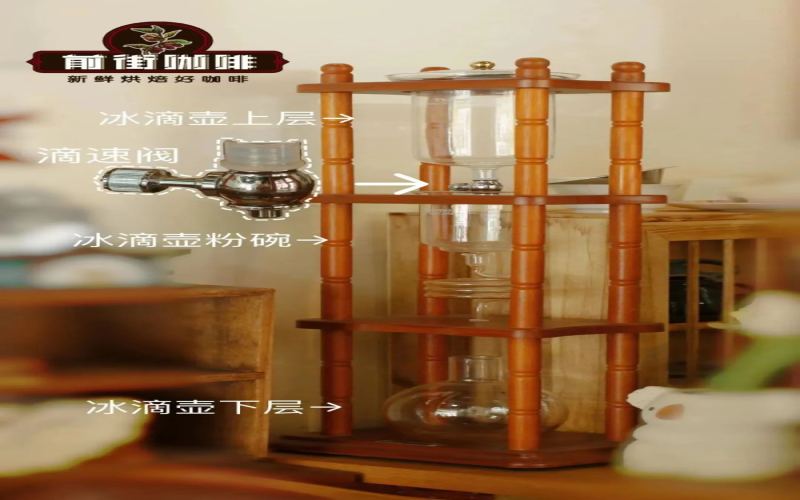
Ice drip coffee, through its pure ice drip filtration and low-temperature fermentation process, presents a mellow, sweet, and refreshingly cool taste, making it a highly favored coffee beverage in summer. Starting from the store practices of Front Street Coffee, this article systematically sorts out the differences between the two common methods of low-temperature extraction—cold brew and ice drip—and explains in detail the structure of the ice drip pot, the choice of grind size, the control of drip speed and coffee-to-water ratio, as well as the grasp of refrigeration fermentation duration. At the same time, focusing on the two major directions of refreshing floral and fruity notes and rich fruity tea notes, it recommends two coffee beans suitable for making ice drip coffee, Front Street Elida Estate Catuai and Front Street Natural Huakui, helping enthusiasts recreate at home a clean-flavored, richly layered ice drip coffee. [more…]
Can Drip Bag Coffee Be Made into a Cold Drink? A Full Guide to Bean Selection and Iced Drip Bag Pour-Over Brewing
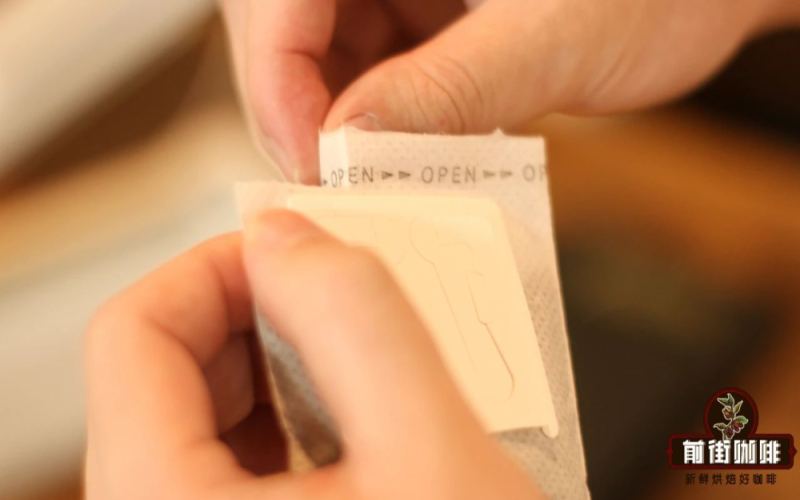
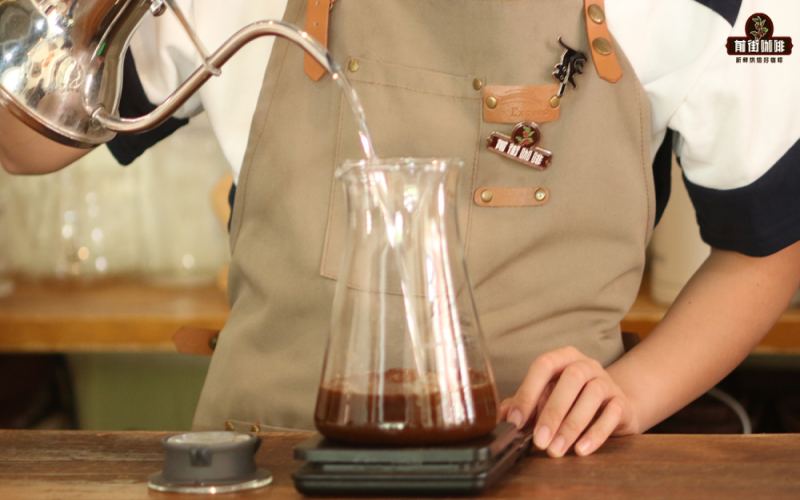
Drip bag coffee, with its portability and ease of use, has become the choice for many people's daily coffee. Once the weather heats up, making a cup of iced coffee with a drip bag has become a new pastime for many enthusiasts. However, not all drip bags are suitable for adding ice—the roast level and flavor profile directly affect how the drink tastes over ice. This article covers the bean selection direction for drip bag coffee, the logic behind adjusting parameters for iced pour-over, and the specific steps, and recommends two Front Street Coffee drip bag products suitable for making iced coffee, helping you easily recreate a refreshing iced drip bag coffee at home. [more…]

Ice Drip Coffee Maker Brand Recommendations and Usage Tips, Ice Drip Coffee Bean Selection and Price Analysis
Cold brew coffee, as a low-temperature extraction coffee drink, is favored by many coffee lovers for its refreshing taste and rich flavor. But what details need attention when making a good cup of cold brew coffee? From bean selection, grind size, coffee-to-water ratio, to drip rate and storage method, every step affects the final flavor. This article will analyze the key points of making cold brew coffee in detail, recommend several Front Street Coffee beans suitable for cold brew, and answer common questions about cold brew coffee maker brands and prices. [more…]
Cold Brew Coffee Bean Selection Guide: From Flavor Pairing to Front Street Brand Recommendations and the Complete Home Brewing Process
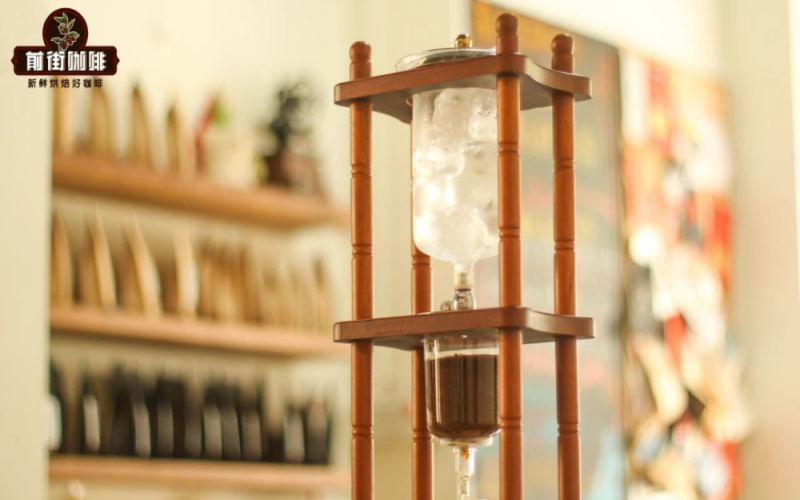
Cold brew coffee, with its sweet, full-bodied taste and low bitterness, is attracting more and more coffee lovers to try making it at home. But which beans to choose, how coarse to grind, and how to control the flow rate often leave people at a loss. This article starts with the difference between cold brew and ice drip, explains why low-temperature extraction produces less bitterness, and gives specific recommendations for floral and fruity coffee beans, including Front Street. Sun-Dried Huakui, Front Street. Washed Butterfly, Front Street. Strawberry Candy, Front Street. Mozart, and Front Street Xizhua, among other options. Then, using in-store practice as a reference, it explains in detail the structure of the ice drip pot, grinding standards, drip rate settings, coffee-to-water ratio, and filter paper placement and other key details, to help you consistently make a cup of clean-flavored ice drip coffee at home. [more…]
Flavor Characteristics of Cold Brew Coffee and Specialty Bean Selection: A Complete Brewing Guide from Dark Roast to Light Roast
Cold brew coffee is made by slowly infusing coffee grounds with ice water and completing the extraction by controlling the drip rate, resulting in a smooth, full-bodied cup with concentrated aroma. Beans of different roast levels bring completely different flavor directions—dark roasts suit those seeking richness and a sweet finish, while light roasts can showcase floral and fruity aromas and layered complexity. This article centers on the characteristics of cold brew coffee, first introducing several Front Street Coffee beans suitable for making cold brew, then using 60g of Front Street Coffee Huakui as an example to explain the standard cold brew process step by step, including grind size, bed preparation, filter paper placement, blooming and wetting, drip rate adjustment, and the key details of refrigerated oxidation after completion, helping coffee lovers reliably recreate a delicious cup of cold brew at home. [more…]
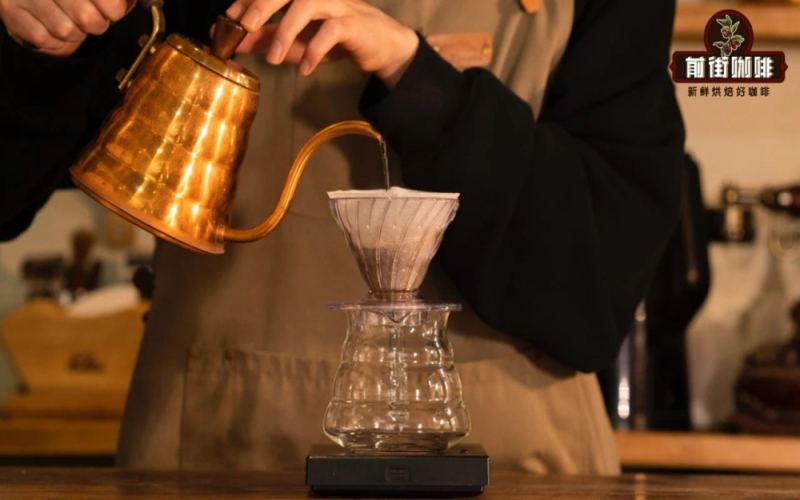
A Detailed Guide to the Flavor and Mouthfeel Characteristics of Cold Brew Coffee, with Recommended Coffee Beans for Making Cold Brew
Ice drip coffee uses ice water for low-temperature extraction over a long period, allowing the flavor and aroma to be sealed within the coffee liquid. Upon entering the mouth, it bursts with intense aroma as the temperature rises, offering a full-bodied taste with lower levels of bitterness and tannic acid. Compared with high-temperature pour-over extraction, ice drip coffee has less caffeine and richer layers, making it suitable for people sensitive to caffeine. Making ice drip coffee involves certain considerations in bean selection, usually favoring single-origin beans, though a blend of two beans can also be used to highlight a balance of aroma and flavor. This article will systematically introduce the flavor characteristics and key production points of ice drip coffee, from extraction principles, historical origins, and bean selection to Front Street Coffee's specific recipes and operating steps. [more…]
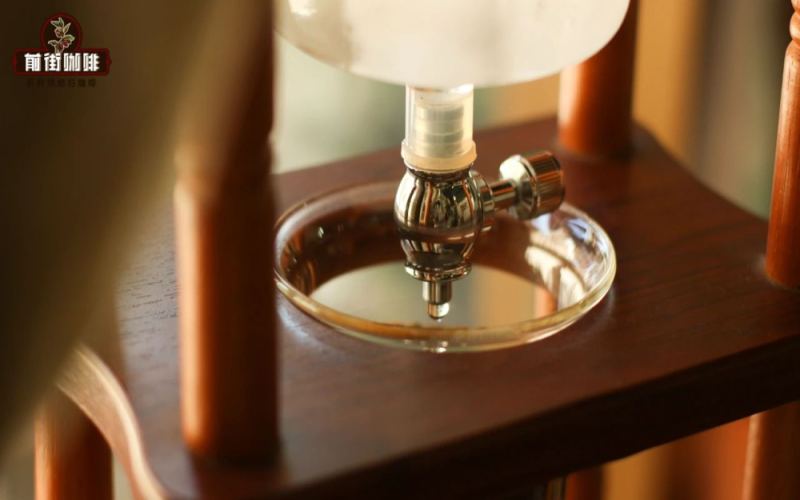
What Are the Differences Between Cold Brew, Ice Drip, Cold Brewed, and Iced Coffee? A Complete Guide to the Craft, Flavor, and Bean Selection of Four Types of Iced Coffee
Although they are all iced coffee, cold drip, cold brew, cold extraction, and iced chilling are often lumped together. They appear to all rely on low temperatures, but in reality their extraction paths, time requirements, and flavor directions are each different: cold drip emphasizes slow dripping and a fermented character, cold brew uses long soaking in exchange for a clean and smooth result, while iced chilling is a quick solution involving hot extraction followed by rapid cooling. This article breaks down the differences among the four from the perspectives of brewing principles, water flow control, water-to-coffee ratio, grinding, and bean selection, while retaining specific recommendations such as Front Street Coffee Mandheling and Yirgacheffe, to help coffee lovers make more suitable choices in different scenarios. [more…]

Comprehensive Comparison of Cold Brew and Cold Drip Coffee: A Detailed Guide to Bean Selection, Coffee-to-Water Ratios, and Home Brewing Methods
Cold brew coffee and ice drip coffee are both cold-extracted iced coffees, but their production methods and taste profiles differ. Drawing on the practical experience of Front Street Coffee, this article answers what kinds of coffee beans are suitable for making cold brew and ice drip, the operating steps and coffee-to-water ratios for both methods, the advantages of cold extraction compared to pour-over, and the specific differences in flavor and mouthfeel between the two. The article also introduces several single-origin beans suited for iced drinks, such as Front Street Big Belly Button and Front Street Rose Valley, and offers storage suggestions for cold brew coffee, helping coffee enthusiasts easily make refreshing and delicious iced coffee at home. [more…]
Bean Selection for Cold Brew and Ice Drip: Two Directions—Fruity and Sweet
Cold brew and ice drip have very clear requirements for beans: strong flavor, ample sweetness, and high cleanliness. The passion fruit and blueberry flavors of Front Street Coffee Colombia Sidra slowly emerge in ice drip, with a juicy quality as rich as fruit tea; the sweet aroma of strawberry candy makes a cold brew in which the strawberry gummy character stands out even more at low temperatures. Choose the right beans, and the flavor concentration of cold brew and ice drip [more…]
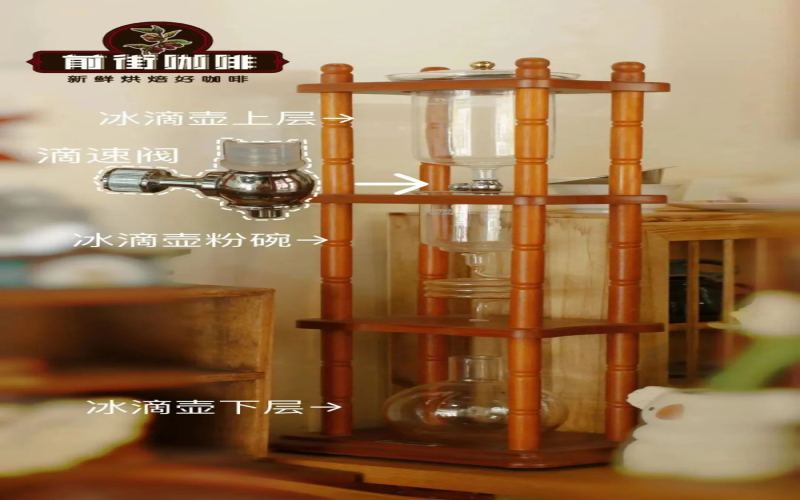
A Detailed Guide to Cold Brew Coffee Making: From Equipment Structure to Coffee Bean Selection, Master Cold Brew Techniques at Once
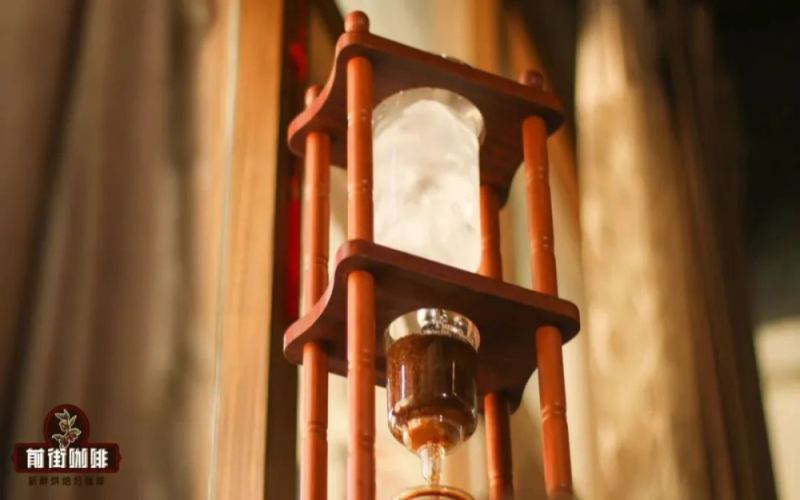
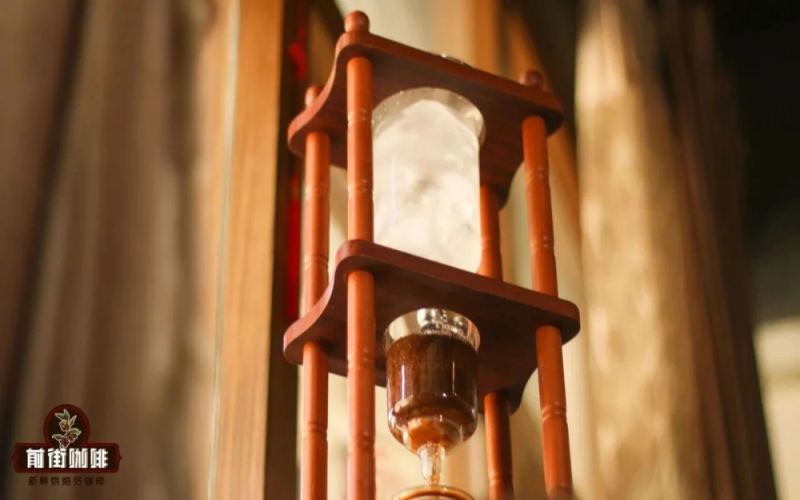
The ice drip pot has a unique shape, and its stacked layers often make people mistakenly think they have walked into a laboratory. Many customers who come to Front Street are curious about this set of equipment and want to replicate the store's signature ice drip at home. This article will systematically explain the structure and usage of the ice drip coffee pot, including key parameters such as grind size setting, coffee-to-water ratio, and valve flow rate control, and will share a production example using Costa Rica Mozart coffee beans from the Front Street store. In addition, the article also discusses the idea of choosing beans for ice drip coffee, offering specific coffee bean recommendations one by one according to four categories: tropical fruit fermented type, refreshing and clean type, sweet and mellow type, and flavor blend type, to help readers find the ice drip solution that best suits them. [more…]
Cold Drip vs. Cold Brew: Which Is More Worth Trying? Flavor Differences in Low-Temperature Extracted Black Coffee and Bean Selection Tips
Cold brew coffee is not exclusive to summer; even in the cold season, Front Street's cold brew is still in short supply. When the cold brew sells out, many customers will instead ask if there is cold brew coffee. Cold brew and ice drip both belong to low-temperature extracted black coffee, yet they each have their own characteristics due to the differences between drip filtration and immersion. This article will sort out the differences between the two from aspects such as origin, brewing principles, and flavor performance, and combine the actual extraction experience of Front Street's medium-light roasted beans such as Huakui, Blackberry, Strawberry Candy, and Butterfly to help coffee lovers find the cup that better suits their own taste. [more…]
Cold Brew Coffee Making Guide: A Detailed Explanation of 6 Key Steps and Parameters from Bean Selection to Drip Filtration
Cold brew coffee is deeply favored by enthusiasts for its rich, wine-like body and refreshing fruity aroma, but recreating the ideal flavor at home requires precise control over bean selection, grinding, ratio, extraction, and aging. This article systematically outlines the 6 core steps for making cold brew coffee, including suitable roast levels and single-origin bean recommendations, coffee grounds coarseness standards, the golden coffee-to-water ratio, techniques to avoid channeling, optimal drip rate settings, and refrigeration fermentation methods for enhancing flavor. The article specifically includes suggestions for several single-origin beans from Front Street Coffee, such as Bird of Paradise, Queen's Estate Brazil, and Honduras Sherry, to help you create a cup of cold brew coffee that combines bright fruity acidity with fermented depth through slow drip filtration and low-temperature aging. [more…]
Cold brew and ice drip bean selection: light, medium, and dark roasts each have their own delicious methods
Both cold brew and ice drip extract coffee flavors at low temperatures and slowly, making the roast level an important clue for judging the cup. Light-roasted beans tend to retain vivid fruity notes, medium-roasted beans show more sweetness and smoothness, while dark-roasted beans bring cocoa, nutty notes, and a deep, steady body. First decide whether you prefer something refreshing or rich, then choose from [more…]

The Complete Guide to Making Cold Brew Coffee: Detailed Steps from Bean Selection to Refrigerated Fermentation and Front Street Flavor Recommendations
Cold brew coffee, with its refreshing taste and rich layers of flavor, has become a favorite among many coffee lovers. To make a delicious cold brew, every step is crucial, from choosing the coffee beans to controlling the drip rate. This article starts with the principles of bean selection and, combined with recommendations for several Front Street Coffee beans, explains in detail the process of making cold brew coffee, including the ratio of coffee grounds to water to ice, techniques for using filter paper, drip rate control, and the refrigeration and fermentation time required. Whether you are a beginner just getting into cold brew or an advanced brewer looking to improve your output quality, you will find practical guidance in this guide. [more…]
Make Cold Drip Coffee Without a Cold Drip Tower: A Simple Two-Dripper Method and Single-Origin Bean Selection Guide
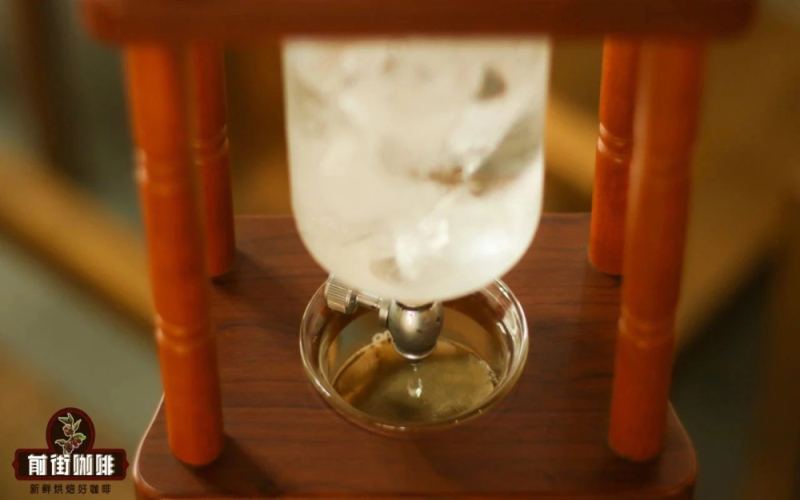
Entering May, temperatures climb, and cold drip coffee becomes the top choice for beating the heat. However, professional cold drip towers are not cheap, yet are used infrequently, leaving many enthusiasts hesitant. This article will introduce a practical method for making 1-2 servings of cold drip coffee using just two drippers, with no additional equipment needed. At the same time, it will explain the principles of low-temperature extraction, flavor characteristics, detailed steps, and coffee beans suitable for cold drip. Front Street Coffee (FrontStreet Coffee) uses Panama Hartmann Estate red wine process coffee beans as an example to fully demonstrate the entire process from wetting the filter paper to resting and maturation, and shares the final flavor performance, providing coffee lovers with a reproducible home cold drip solution. [more…]
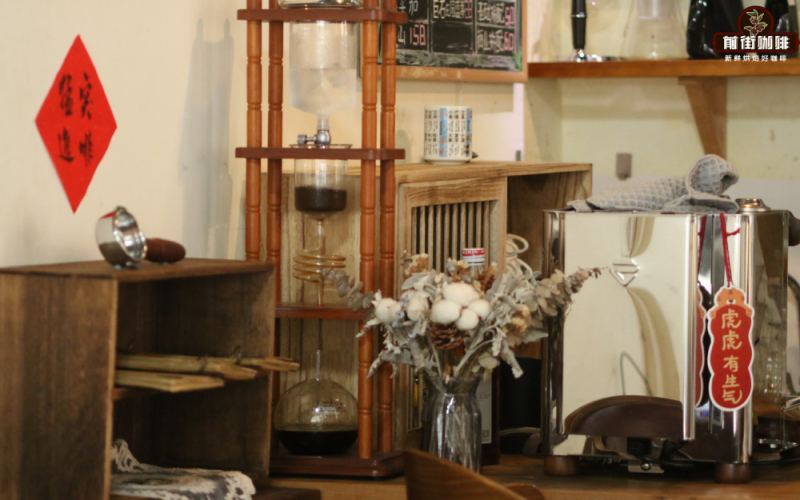
Cold Brew Coffee Bean Selection Guide: A Full Breakdown of Coffee-to-Water Ratio, Extraction Time, and Flavor Types
Cold brew coffee, with its unique low-temperature slow extraction method, presents a rich yet not bitter taste, and has become increasingly favored by coffee lovers in recent years. But what coffee beans should you choose? How do you manage the coffee-to-water ratio? Roughly how many milliliters does one serving yield? Starting from Front Street Coffee's hands-on experience, this article sorts out the historical origins, equipment structure, and brewing parameters of cold brew coffee, and recommends coffee beans suitable for making cold brew according to flavor types, including Front Street Mozart, Sidra, Little Tomato, Golden Mandheling, and others, helping you make a refreshing and sweet cup of cold brew coffee at home. [more…]