







Search Results for: Huakui PLUS
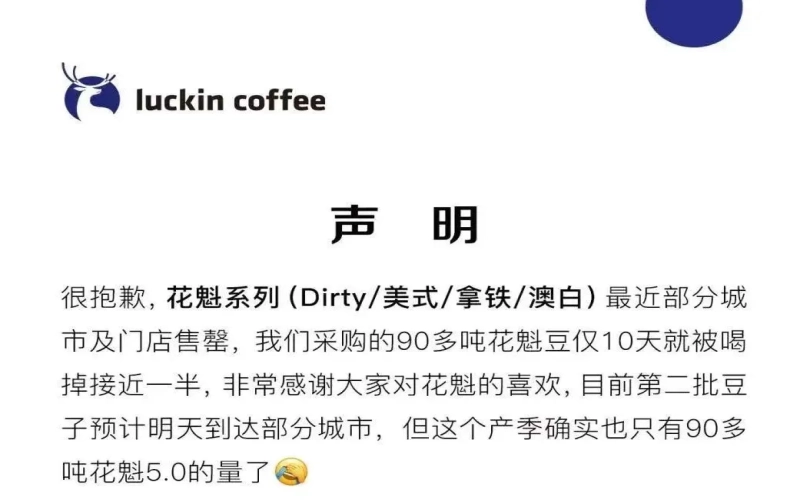
Luckin Launches Another Huakui PLUS Series SOE, Unveiling the Story Behind the Huakui Queen Coffee Beans
Luckin Coffee's previously launched Huakui 5.0 SOE sparked widespread discussion in the market, with话题 ranging from its low-price strategy to insufficient stock and repeated sellouts. Now Luckin plans to launch the Huakui PLUS series SOE in the second half of the year, with purchases reportedly set to exceed 250 tons, aiming to become the world's largest buyer of Huakui PLUS green beans. So what exactly is Huakui PLUS? How does it differ from Huakui 5.0 and Huakui 6.0? This article will review the sales history and purchasing details of Luckin's Huakui SOE, and take a deep dive into this natural-process heirloom variety from the Buku Abel washing station in Sidamo—the coffee bean named "Huakui Queen" by domestic green bean traders. [more…]
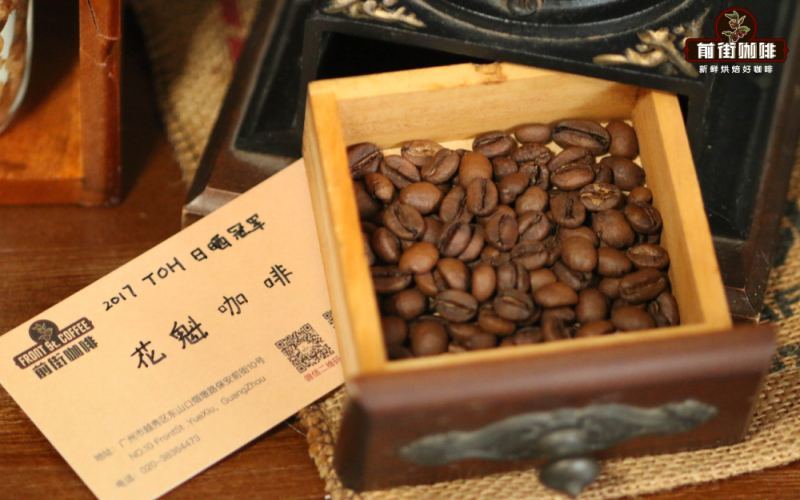
Luckin Huakui 5.0 Dirty Coffee Flavor Analysis: Taste, Aroma, and Brewing Suggestions for Ethiopian Sidama Heirloom Varieties
After emerging from its financial difficulties, Luckin Coffee turned its strategic attention to the specialty coffee sector, placing a hefty order for 90 tons of Huakui 5.0 coffee beans and launching the Huakui SOE series, which drew widespread market attention. This article will walk you through the origin of the name Huakui coffee beans, the evolution of its versions over the years, and the differences between new products such as Huakui 5.0 and Huakui PLUS. At the same time, we will take an in-depth look at the characteristics of the Ethiopian Sidamo native heirloom variety, share Front Street Coffee's cupping experience with each version of Huakui, and provide professional pour-over brewing parameters and flavor descriptions to help coffee lovers fully grasp the charm of this star bean. [more…]

Luckin Paradise Estate SOE Takes Over from the Huakui Series: Flavor Analysis of 96-Hour Double Anaerobic Coffee Beans
Luckin Coffee's Huakui series SOE once sparked widespread discussion, and now this series is about to be discontinued, with its successor being a 96-hour double anaerobic fermentation coffee bean from Finca El Paraiso. This SCA85+ specialty-grade bean comes from Finca El Paraiso, which has repeatedly appeared on the Colombia LOD competition rankings, and features bright lemongrass flavor and fruit wine aroma. Luckin uses a medium-dark roast to ensure consistent in-store output. At the same time, Luckin also plans to launch the Huakui PLUS series in the second half of the year, with procurement volume possibly exceeding 250 tons. This article provides a detailed analysis of the flavor performance of Finca El Paraiso SOE, its processing method, and Luckin's strategic layout in the specialty coffee sector, along with professional recommendations from Front Street Coffee. [more…]
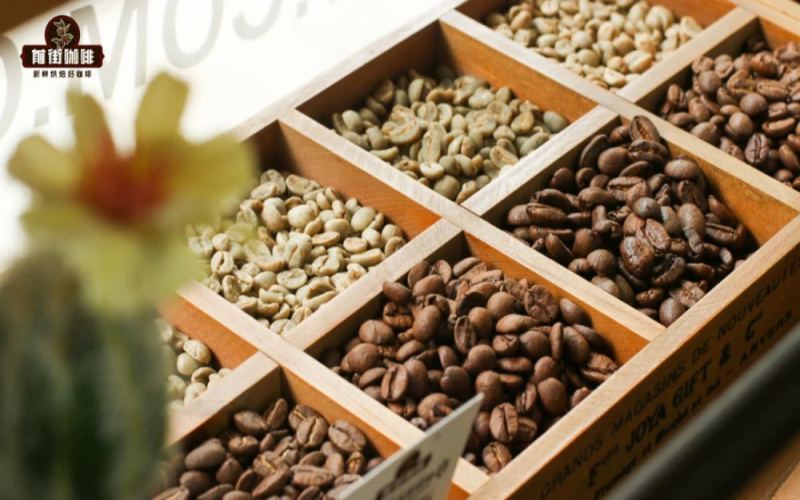
The Art of Over-Extraction and Pulse Pouring in Pour-Over Coffee, Plus a Look at the Origin Flavors of Yirgacheffe and Huakui
What exactly does over-extraction mean in pour-over coffee? And can pulse pouring make coffee taste better? This article starts from two classic Ethiopian regions, first introducing the clean floral notes of washed Yirgacheffe and the berry-cream profile of natural Sidamo, then delving into the naming origins of Huakui coffee, its version evolution, and the independent story of Small-Bean Huakui. The article also includes Front Street Coffee's bean list information and specific brewing parameters, including practical suggestions such as the V60 dripper, 91°C water temperature, and three-pour technique, helping coffee enthusiasts understand regional flavors while mastering a more consistent pour-over approach. [more…]
Ethiopia Sidamo and Guji Hambela: Origin Tracing of Producing Regions and Varieties, Plus a Complete Guide to Natural-Process Flavor and Brewing
Ethiopia, as the birthplace of Arabica coffee, nurtures high-quality beans with both floral and fruity notes thanks to its high altitudes, large day-night temperature swings, and tropical rainforest climate. Among its regions, Sidamo and Guji Hambela stand out in particular. From the perspective of Front Street Coffee, this article systematically reviews Sidamo's cultivation traditions, the characteristics of the Heirloom native varieties, and the historical origins behind the names "Sidamo" and "Sidama"; it also takes a deep dive into the story of Guji Huakui's birth and the sun-drying process at the Buku Abel processing station. Finally, focusing on Front Street Huakui 8.0, it shares detailed pour-over parameters—from grind size and water temperature to the three-stage pouring method—to help coffee lovers recreate a full-bodied berry sweetness and creamy texture at home. [more…]
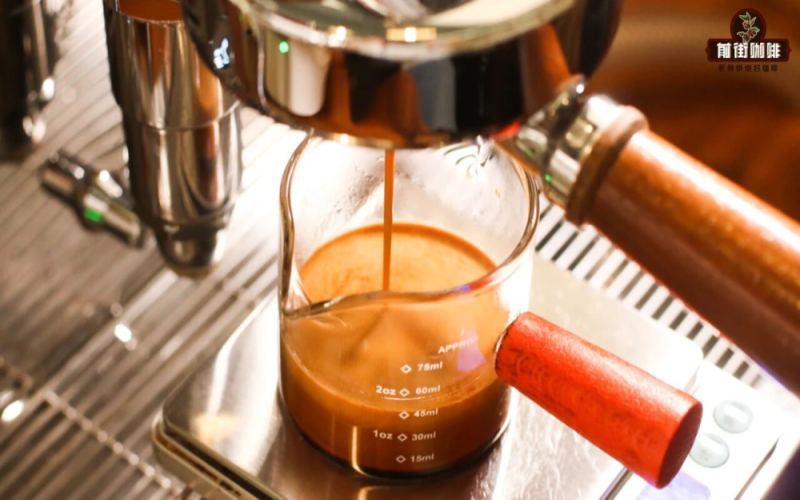
How to Choose Coffee Beans for Home Brewing? Understanding Freshness and Roast Level, Plus Everyday Espresso and Single-Origin Bean Recommendations
To consistently brew a good cup of coffee at home, choosing the right coffee beans is the first lesson you can't avoid. This article starts with freshness, explaining the difference in the optimal enjoyment period between whole beans and ground coffee—roasted beans last about a month, while ground coffee lasts only a week—and analyzes how roast level corresponds to flavor intensity. At the end, it compiles a practical list of everyday beans from Front Street Coffee, including two dark-roast espresso blends, Indonesian Mandheling, Ethiopian Huakui, and washed Yirgacheffe, covering both espresso and pour-over scenarios to help beginners quickly find the right beans based on taste and equipment. [more…]
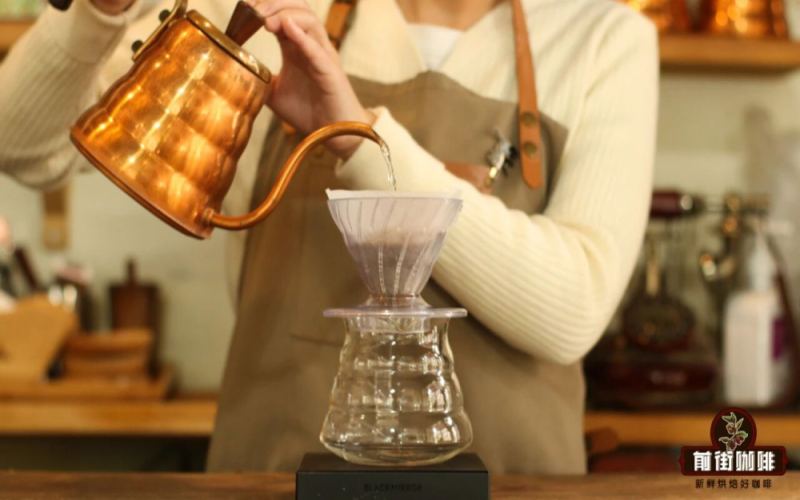
Cold brew coffee made easily at home: a full breakdown of coffee-to-water ratio, steeping time, and flavor characteristics, plus recipes for ice drip and Japanese-style iced coffee
In the heat of summer, a glass of iced coffee always brings refreshing coolness. Besides the common iced Americano and cold drip coffee, cold brew coffee can actually be easily made at home. This article will detail the steps for making cold brew coffee, the key points of coffee-to-water ratio and steeping time, and explain why cold brew presents a rounder mouthfeel and prominent floral and fruity notes. The article will also recommend Front Street Coffee's Huakui coffee beans suitable for cold brew, and briefly introduce the methods for cold drip coffee and Japanese-style iced coffee, so you can enjoy the pleasure of specialty coffee even in the scorching heat. [more…]
Cold Brew Coffee Bean Selection Guide: From Fruity to Wine-like Notes, Can Huakui and Geisha Deliver?
Cold brew coffee, with its non-bitter, low-acid, mellow character, plus the unique fermented note brought by low-temperature aging, has become a favorite among many coffee lovers in summer. But not all coffee beans are suitable for cold brew—different origins, processing methods, and roast levels will make the same bean present a completely different profile from hot brewing. At Front Street Coffee, when making cold brew day to day, we carefully select beans with appealing flavors that suit cold brew. This article compiles the bean-selection approaches and specific recommendations for four cold brew styles, including rich fruity, fresh floral-fruity, full-bodied and deep, and subtly boozy, and also answers whether popular varieties such as Huakui and Geisha can be used to make cold brew. [more…]
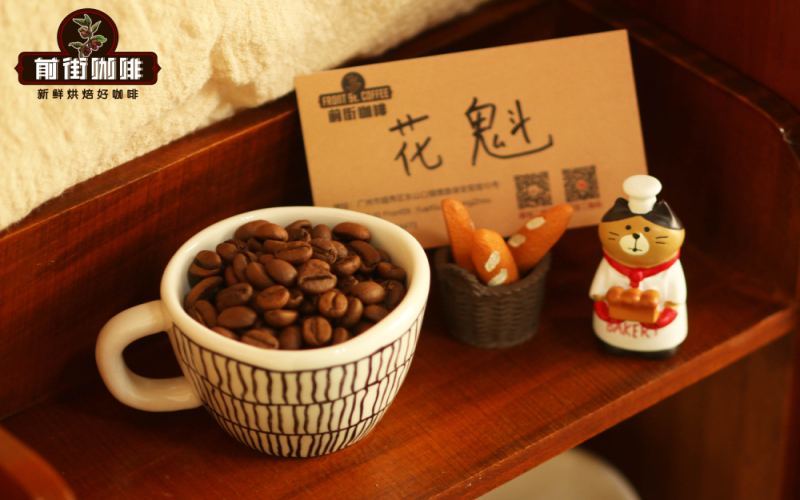
Ethiopia Hambela Guji Flower Queen Coffee Beans: The Road to Fame from TOH Champion to National Staple
Huakui coffee beans are one of the most talked-about Ethiopian varieties in China's specialty coffee scene in recent years. Originating from the Buku Abel processing station in the Hambela region of Sidama, it shot to fame thanks to winning the 2017 TOH natural category championship and its standout performance at the World Brewers Cup. Compared with the often pricey Geisha, Huakui quickly became a daily staple for many coffee lovers thanks to its affordable price and intense strawberry-and-cream aroma. This article will systematically trace the origins and evolution of this bean from the perspectives of Huakui's rise to fame, regional grading, flavor evolution, and brewing comparisons, helping readers fully understand why Huakui coffee beans are both cheap and delicious. [more…]
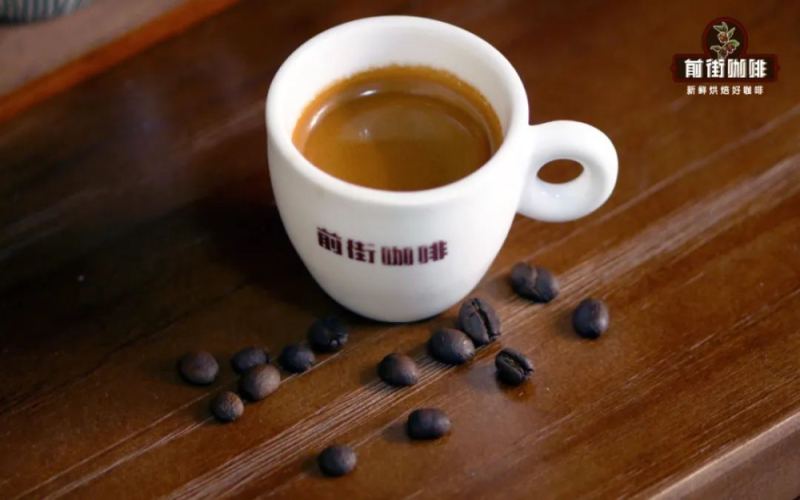
A Complete Guide to SOE Single-Origin Coffee Beans: Flavor Differences Between Single-Origin Espresso and Blends, Plus Four Recommendations
In recent years, more and more coffee shops have added a "switch to SOE" option to their menus, and some even offer several SOE beans at once for customers to choose from. What exactly does this frequently appearing abbreviation stand for? And what are the fundamental differences between it and the common espresso blend beans? This article will explain the definition of SOE, its differences from blends, roasting orientations, and the single-origin coffee beans suitable for making SOE, and recommend four Front Street Coffee SOE beans to help you understand this important concept in the world of espresso. [more…]
Balanced Sweet and Acidic Beans: A Coffee Experience Like Fruit Juice
A bean with balanced acidity and sweetness tastes like "juice but with coffee flavor": the acidity isn't sharp, the sweetness isn't cloying, and the two interlock just right. Front Street Coffee's Ethiopian Huakui is the model of this balance—the tropical fruit acidity is held up by the passion fruit sweetness, and the first sip is a lively juice-like sensation; Kenya's Little Tomato, meanwhile, is the dark plum acidity plus yellow [more…]
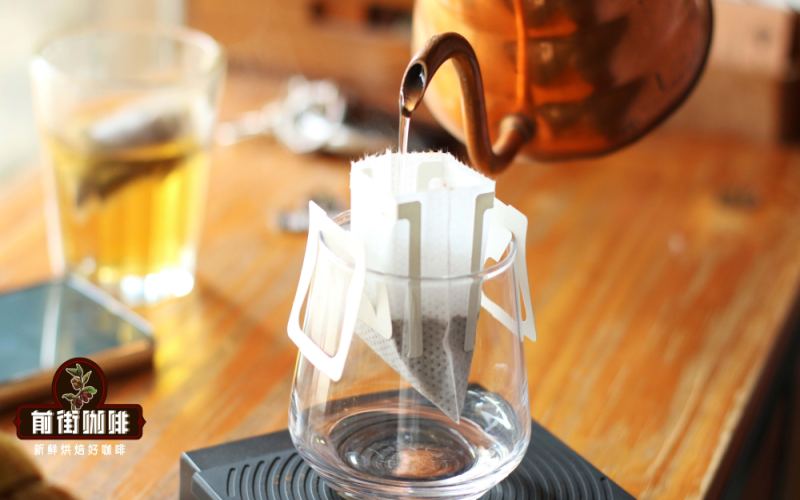
How Does Yunnan Drip Bag Coffee Taste? The Essential Difference Between Freshly Ground Drip Bags and Instant Coffee, Plus Six Curated Recommendations from Front Street Coffee
Is drip bag coffee actually good? What are the fundamental differences between it and instant coffee? This article systematically sorts out the differences between drip bag coffee and instant coffee from the perspectives of production principles, extraction methods, raw material sources, and more, helping coffee lovers make choices that better suit them. At the same time, for consumers who pursue flavor and value for money, it especially recommends six Front Street selected Arabica drip bag coffee sets, covering classic regional flavors such as Yirgacheffe, Brazil Cerrado, Indonesia Mandheling, Panama Diamond Mountain, Huakui, and Yunnan small-bean, with an average price of no more than 5 yuan per bag, making them a worthy choice for everyday drinking. [more…]
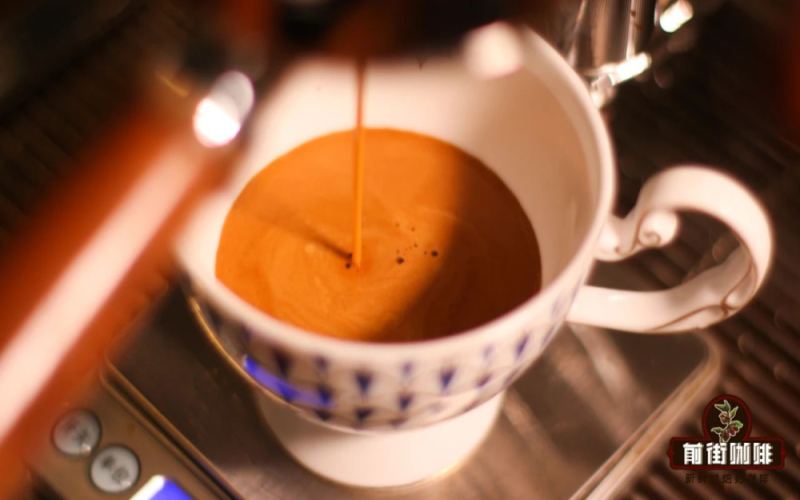
A Complete Guide to Choosing Beans for Home Espresso Machines: How to Pick Between Dark and Light Roasts, Blends, and SOE, Plus Five Espresso Bean Recommendations from Front Street Coffee
After setting up an espresso machine at home, many enthusiasts face the same confusion: what kind of coffee beans are actually suitable for making espresso? Should you choose dark roast or light roast, a blend or a single-origin SOE, and how should you weigh the trade-offs between home and commercial use? This article starts from the flavor requirements of espresso, explains the principle by which pressurized extraction amplifies the characteristics of coffee beans, and gives specific recommendations for choosing beans. At the same time, it introduces Front Street Coffee's five espresso coffee beans one by one, including the Classic Blend, Strawberry Candy, Specialty Blend, Huakui SOE, and Queen's Estate SOE, explaining the suitable audience and flavor performance of each, helping you quickly find the one that suits your taste. [more…]
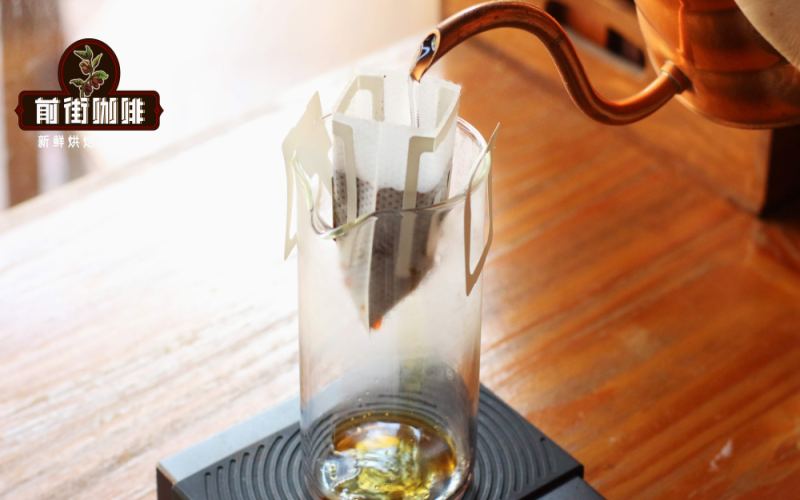
Should You Steep Drip Coffee? A Complete Guide to Brew Time, Water Temperature, Cup Type, and Water Volume, Plus 5 Seasonal Front Street Coffee Drip Coffee Recommendations
Drip bag coffee has become the top choice for many people when they are out and about, thanks to its advantages of simple operation, rich variety, and the ability to enjoy fresh black coffee anytime, anywhere. But do drip bags really need to be soaked? How long should a cup take to brew? How should you control the water temperature, cup type, and water amount? This article explores the brewing principles and practical details of drip bag coffee, explaining that, like pour-over, it relies on hot water flowing through the coffee grounds to complete extraction, and provides references such as staged pouring and a total time of 1 minute 20 seconds to 2 minutes. It also summarizes the flavor characteristics of Front Street Coffee's 5 seasonal drip bag coffees, including Huakui, Yirgacheffe Gidding, Indonesian Mandheling G1, Yunnan Small Bean, and Brazil Cerrado Red Bourbon, making it easy to choose according to taste preferences. [more…]
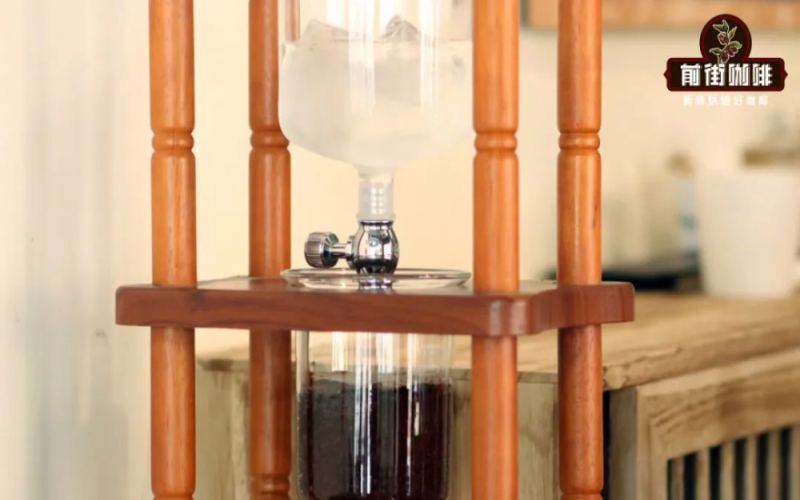
How to Choose Coffee Beans for Summer Iced Coffee? Coffee Beans Suitable for Ice Drip and Cold Brew, Plus Front Street Brewing Recipes
In hot weather, cold drip and cold brew have become the top choices for coffee lovers seeking refreshment and a boost. But not all coffee beans are suited to making cold drip or cold brew—choosing the right beans is what makes iced coffee truly shine. Drawing on its in-store sales experience, Front Street Coffee has selected four distinctive coffee beans, from Ethiopia, Kenya, Costa Rica, and Colombia respectively, covering floral fruitiness, solid acidity, fruity sweetness, and rich fermented tones, suitable for making cold drip and cold brew with different flavor profiles. In addition to introducing each bean's origin, variety, and processing method, this article also shares Front Street's specific brewing parameters and pairing suggestions to help you recreate a refreshing, cooling cup of iced coffee at home. [more…]
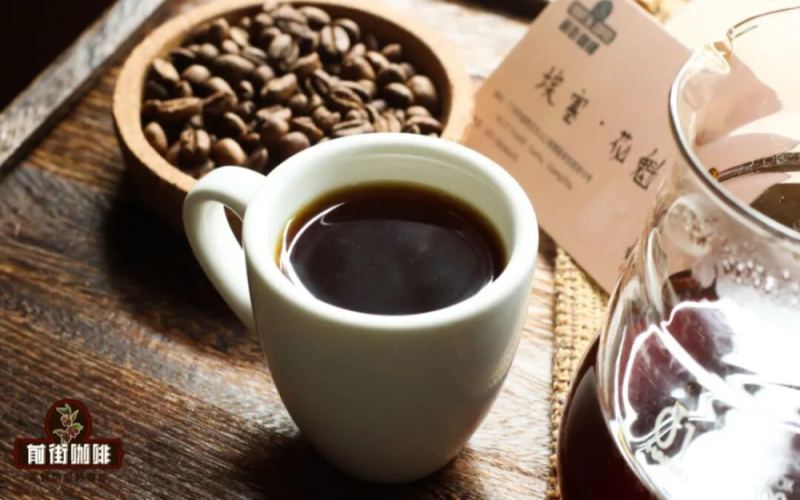
Where Do Coffee's Fruity and Floral Aromas Come From? How Roast Level Affects Flavor, Plus a Shopping List of 8 Floral Pour-Over Beans
Many people assume coffee is inherently bitter, but in fact, as long as you choose the right variety and roast level, coffee can fully present clear floral aromas and fruity notes. Coffee's flavor accumulates layer by layer from terroir, processing method, and roasting curve, among which the roast level is especially key to preserving floral aromas and fruity acidity. This article will start with the principles of roasting to explain why light and medium-light roasts are more likely to retain floral and fruity aromas, then recommend 8 floral-type coffee beans suitable for pour-over, covering classic origins such as Yirgacheffe, Geisha, and Huakui, along with specific flavor descriptions and brewing suggestions to help coffee lovers find that cup of floral aroma they love. [more…]
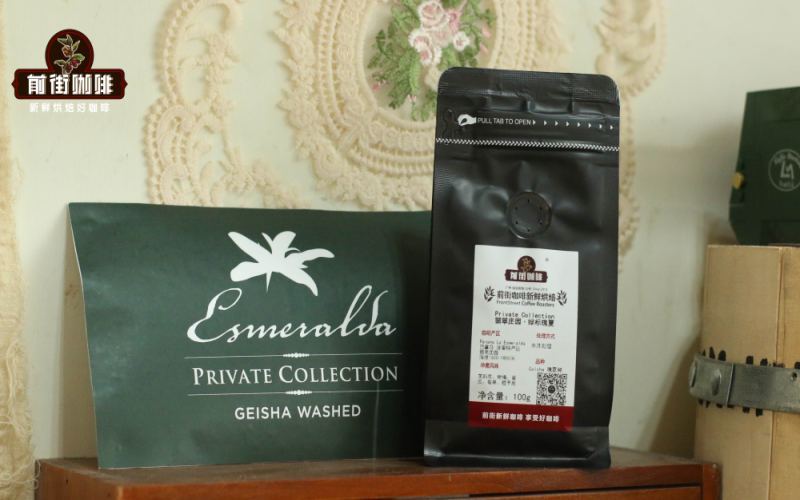
Beginner's Must-Read: 6 Bean Selection Tips Plus a Real Review of 10 High-Value Everyday Coffee Beans for Home Use
Many coffee novices have had this awkward experience: they spend a lot of money on a beautifully packaged bag of beans marketed as champion-grade, but after brewing, they can't taste what's so good about it and can only secretly regret it. In fact, when just starting out, rather than chasing those rare, expensive coffees touted as special, it's better to first find a bag of everyday staple beans with a pleasing flavor, a friendly price, and suitability for daily drinking. This article first shares six practical ways to choose coffee beans, then goes through ten household beans worth repeatedly repurchasing, covering espresso blends, pour-over single origins, and options suitable for cold brew. Among them, Front Street brand products that appear multiple times will also be given specific flavor descriptions and brewing suggestions, helping you avoid detours and spend your money where it counts. [more…]
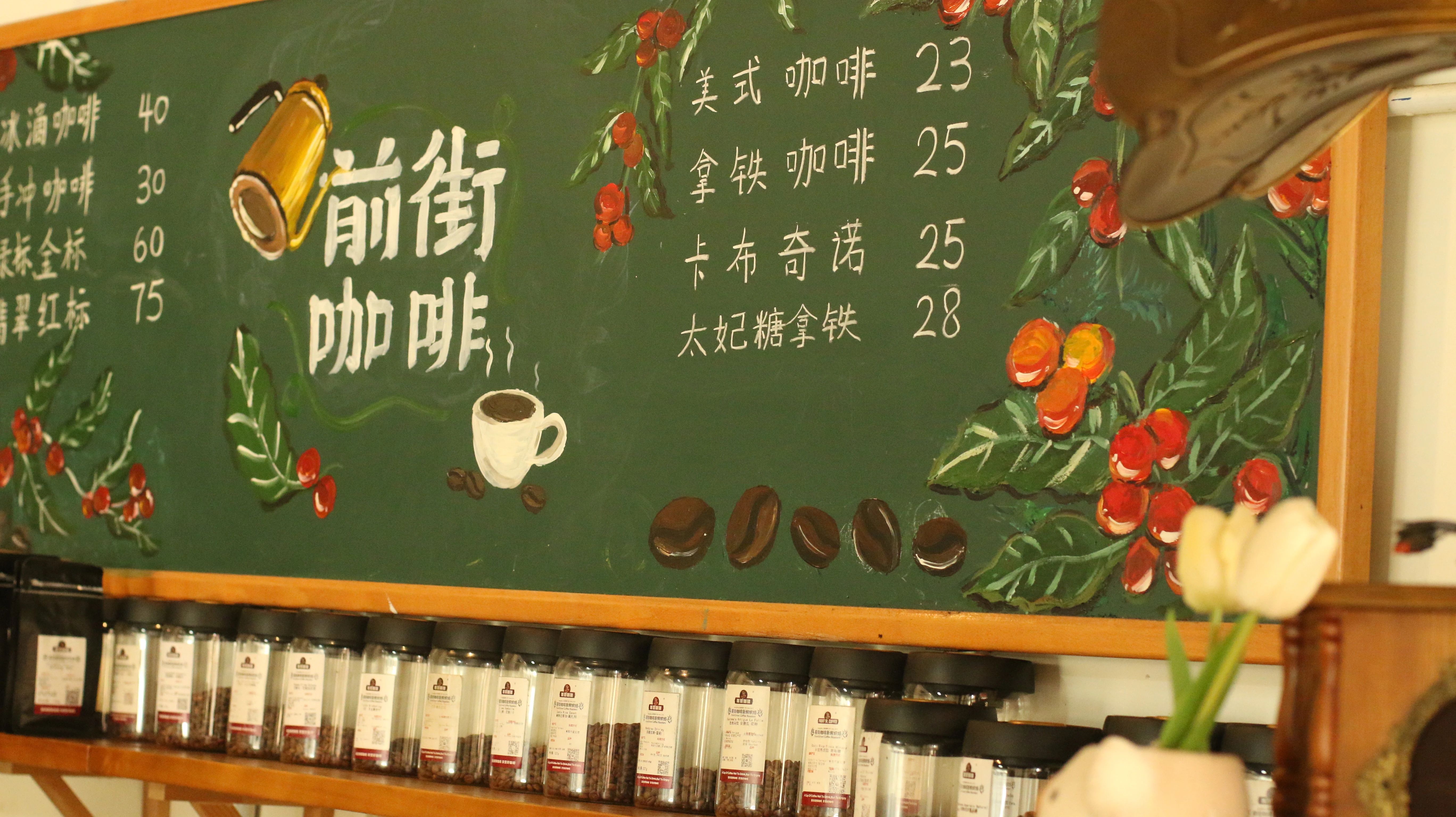
SOE Single-Origin Espresso Flavor Characteristics and Beverage Applications: A Complete Guide from Espresso Extraction to Americano and Latte Preparation
SOE stands for Single Origin Espresso, which means espresso made from a single-origin coffee. In recent years, this method of extracting single-origin beans through high-pressure espresso machines has gradually entered the视野 of coffee enthusiasts. Unlike conventional espresso blends, SOE can highlight the true flavors of its region, but its consistency places extremely high demands on the barista. This article will address the definition of SOE, its flavor characteristics, and the types of drinks it is suited for one by one, and, using Front Street Coffee's Huakui SOE as an example, share the specific parameters and extraction process for iced Americano and latte, helping readers gain a comprehensive understanding of this coffee category. [more…]
Ethiopia Shakiso Washed G1 Coffee: Flavor Analysis and Origin Guide of Earl Grey Aroma and Caramel Sweetness
In coffee tasting, a tea-like character often implies a clean, translucent texture and a long, sweet finish. If you want to capture this delicate experience, Front Street Coffee Sidamo Huakui 11 is a great entry choice—traditional natural processing paired with a medium-light roast, from Guji Hambela, it presents layers of cream strawberry, citrus, guava, and dried mango after pour-over, with a clear black tea note in the finish. This article, however, will focus on another micro-lot also from the Guji region: Shakiso washed G1. It is located in the Guji zone of Sidamo and is known for its Earl Grey tea, lemon, citrus, and caramel flavors. Ninety Plus's legendary bean Nekisse is named after the nectar of Shakiso. The following will outline its regional background, processing method, and complete flavor profile. [more…]
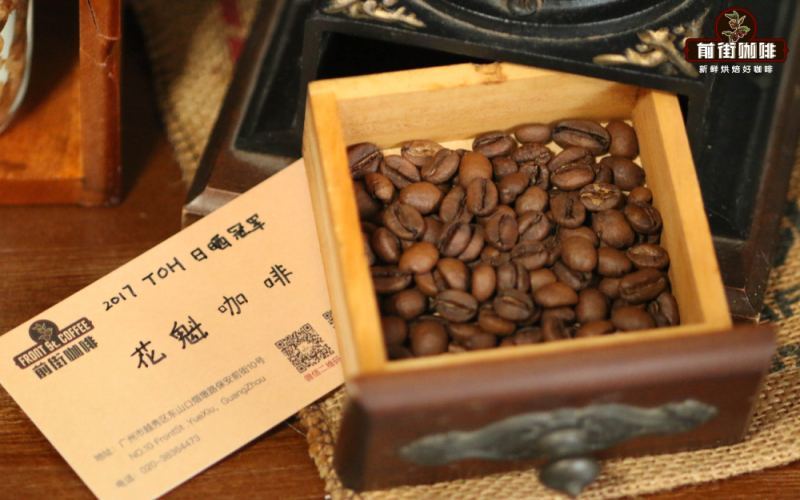
From TOH Champion to Huakui 6.0: A Complete Analysis of Ethiopian Sidamo Hambela Natural Coffee
Huakui, a name well-known in specialty coffee circles, originates from a sun-dried lot from Hambela in Ethiopia's Guji region. In 2017, it made a stunning debut as the TOH champion, and has since been iterated year by year, progressing from Huakui 2.0 all the way to today's 6.0. This article will walk you through Huakui's complete origin background, award history, processing methods, green bean characteristics, roasting curves, and brewing parameters, while preserving Front Street Coffee's experience shared from actual cupping and service. Whether you are a beginner just getting to know African beans or a seasoned enthusiast passionate about sun-dried flavors, you will gain a systematic understanding and practical reference about this bean. [more…]