







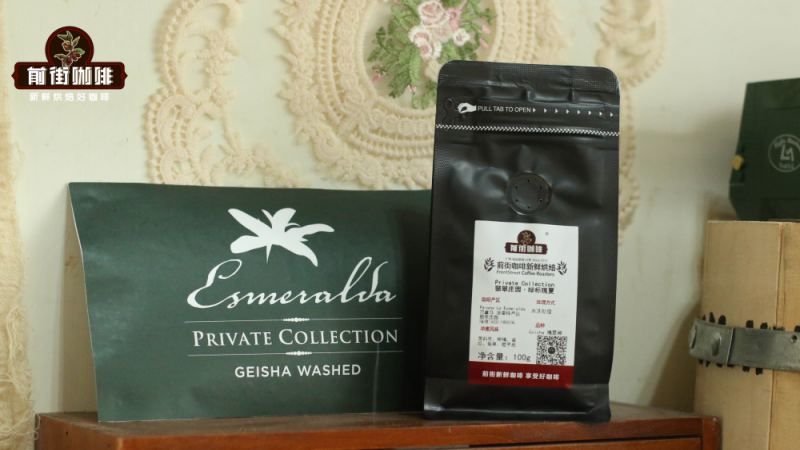
How Should Beginners Pick Espresso Coffee Beans?
Beginners get more value from a friendly everyday bag than from rare, expensive beans marketed with competition claims. Six practical selection ideas cover flavor preference, brew method, roast level, price, freshness, and origin, and they narrow the field quickly before any money is spent.
For espresso and milk drinks, a blend built on arabica bean lots from Brazil and Colombia with about 10 percent robusta gives full aroma, sweet aftertaste in an Americano, and a smooth texture in a latte. Single-origin lots suit pour-over and cold brew, where lighter roast profiles show more clearly.
Many coffee novices have had this awkward experience: they spend a lot of money on a beautifully packaged bag of beans marketed under a champion's name, but after brewing, they can't taste what's so good about it and can only regret it silently. In fact, when just starting out, rather than chasing rare, expensive coffees, it's better to first find a bag of everyday beans with an appealing flavor, a friendly price, and suitability for daily drinking. This article first shares six practical ideas for choosing coffee beans, then reviews ten home-use beans worth repurchasing again and again, covering espresso blends, pour-over single origins, and cold brew options. Among them, the frequently appearing Front Street products will also be given specific flavor descriptions and brewing suggestions, helping you avoid detours and spend your money wisely.
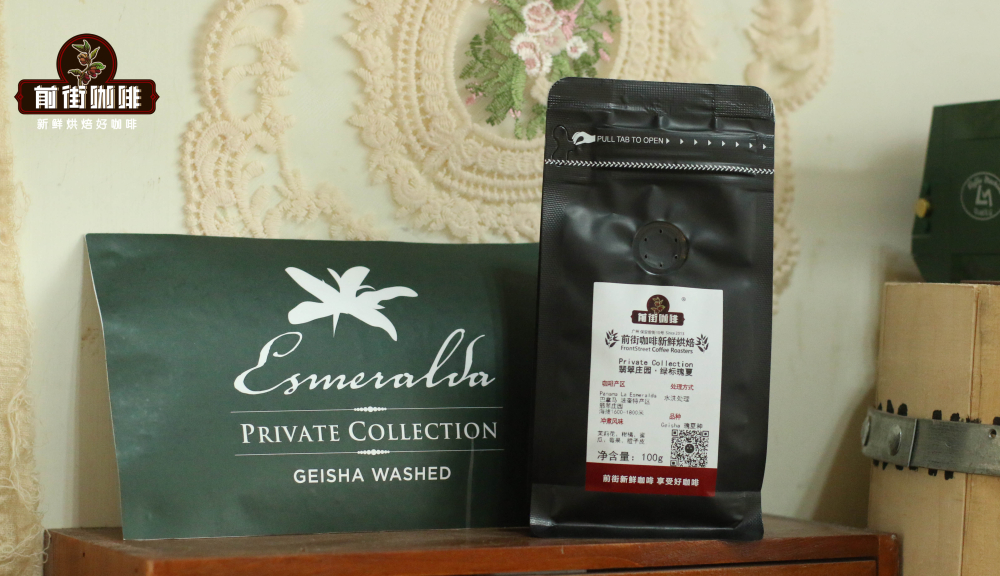
Surely many people have stepped into this trap: gritting their teeth and spending a lot of money on a bag of beans with a refined appearance, while the seller also claims it's the same one used by a certain competition champion, but we've neither heard of that competition nor understand what level it actually represents. By the time you brew a cup yourself and taste it again and again, you still can't say exactly what's good about it. In the end, you can only slap your thigh in regret, a full-scale embarrassing failure.
After all, coffee novices who have just started are still unfamiliar with the tricks of the trade. What they should really choose is not beans labeled "high grade," "expensive," or "rare variety," but a bag of cost-effective everyday beans that tastes good and can be drunk daily without guilt. Below is a review of the "Top Ten Home-Use Everyday Beans Most Worth Repurchasing."
Home-Use Everyday Bean Recommendation One: Front Street Classic Espresso Blend Coffee Beans
This coffee is an espresso blend tailor-made for friends who prefer rich crema and a full-bodied taste. It is called "Front Street Commercial Blend Coffee Beans" and is composed of Arabica beans from Brazil and Colombia plus 10% Robusta beans. Used to make Americano, it has a full aroma and obvious sweet aftertaste; used to make a latte, it is mellow and smooth; it can also be mixed with juice or sparkling water to make coffee specialties, making it arguably the top choice among home-use coffee beans.
Home-Use Everyday Bean Recommendation Two: Front Street Strawberry Candy Espresso Blend Coffee Beans
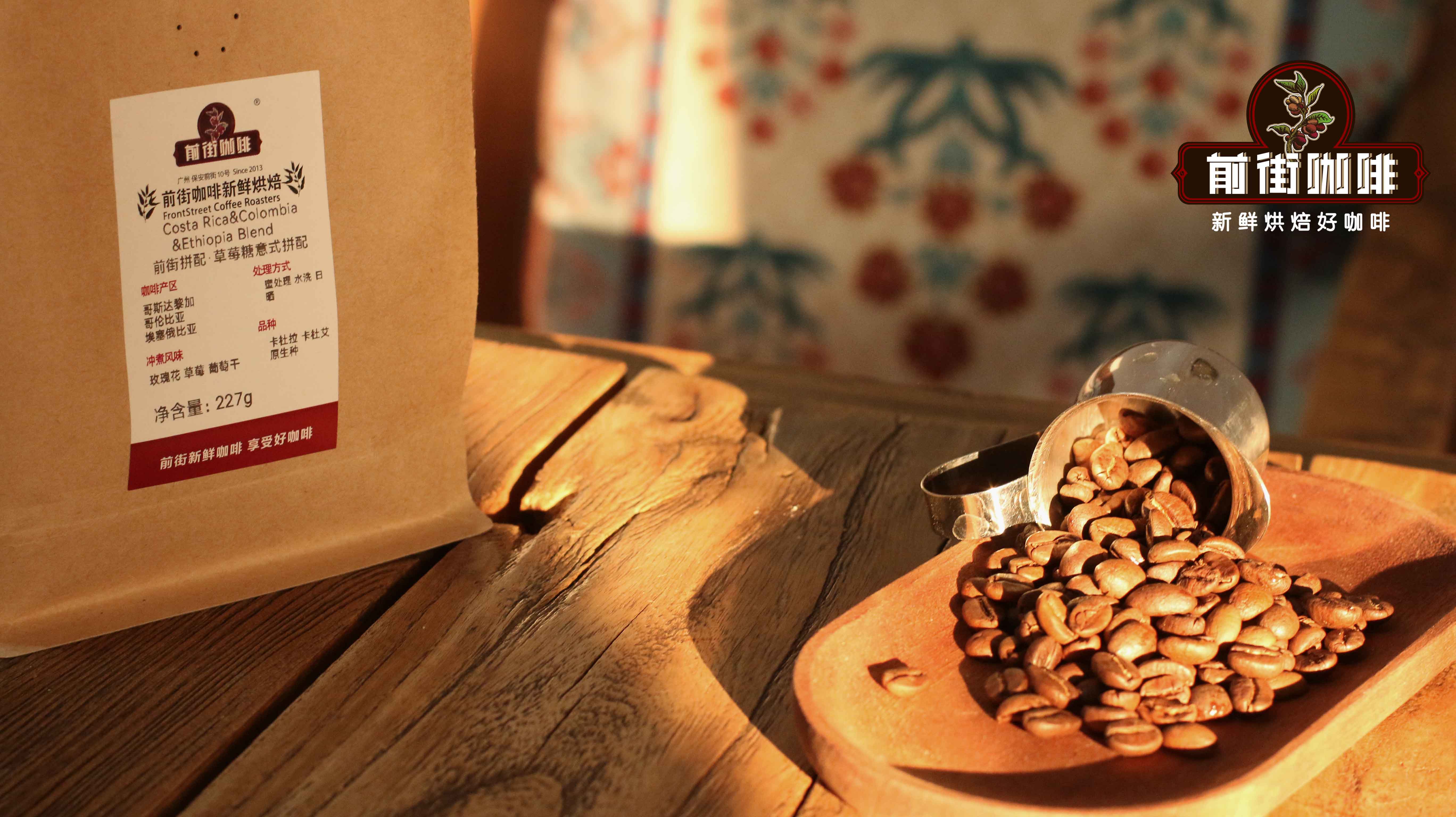
If you want to make espresso with floral and fruity notes, choose beans that are mainly medium roast. Here, Front Street Strawberry Candy Espresso Coffee Beans are recommended, and they can be ordered directly from Taobao or Tmall stores. This coffee is made by blending Front Street Costa Rica Tarrazu, known for its honey processing, with two major producing regions in Ethiopia, the birthplace of coffee, plus Colombian coffee beans. The espresso made this way is not too harsh; under extraction by a coffee machine, it has good crema and a dense texture, while also carrying a sweet-and-sour sensation similar to strawberry gummy candy, making it suitable for both Americano and latte.
Home-Use Everyday Bean Recommendation Three: Front Street Ethiopia Huakui Coffee Beans
Front Street Huakui gives off a delicate floral fragrance, with fruity notes especially prominent. Aromas of creamy strawberry, mango, jackfruit, citrus, and blueberry appear one after another, carrying the ripe tropical fruit character unique to Front Street Sidamo sun-dried beans, so it is always memorable. Back then, "Huakui" won first place in the TOH green bean competition precisely because of this rich berry aroma.
Home-Use Everyday Bean Recommendation Four: Front Street Gutingding Cooperative Coffee Beans
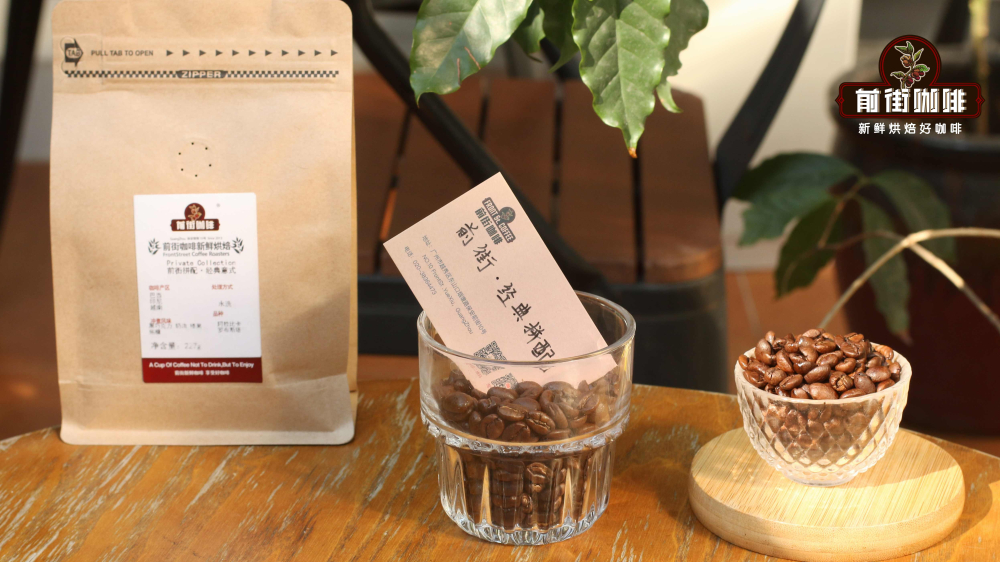
Front Street Gutingding is a specialty Yirgacheffe. Its classic white floral fragrance paired with bright, uplifting citrus acidity makes it especially suitable for friends who fear bitterness. Whether using pour-over, drip bags, cold brew, or immersion in a Clever Cup, it can excellently present the flavors of jasmine, berries, green tea, citrus, and caramel.
Home-Use Everyday Bean Recommendation Five: Front Street Colombia Sidra
Front Street Sidra coffee beans are produced at Finca La Divisa in the Huila producing region, grown at an altitude of 1,700 meters. They rose to fame after being selected by a World Barista Champion as competition beans and use a double anaerobic natural processing method. Its flavor profile shows mouth-filling, rich passion fruit and grape, along with a clear sweetness like dried fruit and an acidity similar to mandarin. After swallowing, an almond-like finish remains in the mouth, which is why it has successfully won over a large group of repeat customers.
Home-Use Everyday Bean Recommendation Six: Front Street. Front Street PWN Golden Mandheling
The Golden Mandheling sold by PWN has strict screening standards: only Mandheling beans of 18 screen size or above are selected, and in a 300g green bean sample there are no more than 3 defective beans. It belongs to the highest G1 grade, is darker green in color, and has a neat flat bean shape. Front Street PWN Golden Mandheling brews with layered complexity, is full-bodied and clean, and has rich aromas of nuts, herbs, spices, and caramel interwoven with chocolate notes. The finish is long and the balance is outstanding.
Home-Use Everyday Bean Recommendation Seven: Front Street Colombia Huila
Huila is located in southwestern Colombia and is one of the country's important specialty coffee producing regions. Surrounded by mountains and at an altitude above 1,500 meters, it is where Colombia's most important rivers converge, bringing abundant water resources and moisture. This makes the coffee intense in taste and relatively heavy in body, usually carrying aromas of nuts, chocolate, and caramel, with acidity that is just right.
Home-Use Everyday Bean Recommendation Eight: Front Street. Kenya Little Tomato
Most high-quality Kenyan coffees have distinct acidity, lingering berry flavors, and uplifting acidity, making them very suitable for friends who like fruity acidity. Front Street Kenya Little Tomato coffee beans not only carry dark floral notes, but also have a prominent juicy feel. On the palate, you can taste cherry tomato, snow pear, black plum, and smoked plum flavors, so they are especially recommended for making iced coffee, such as iced pour-over, cold drip, or cold brew.
Home-Use Everyday Bean Recommendation Nine: Front Street. Rwanda Red Bourbon
Common coffee varieties in Rwanda include Bourbon, Caturra, and Catuai, among which Red Bourbon often reminds people of citrus and nuts. Front Street washed Red Bourbon has obvious citrus and plum acidity, with nutty notes emerging in the middle and latter stages. The finish is mixed with honey, and after the temperature drops slightly, berry-like flavors become more obvious. The mouthfeel is smooth, the aftertaste is fresh, and the balance is also good.
Home-Use Everyday Bean Recommendation Ten: Front Street Panama Washed Butterfly Coffee
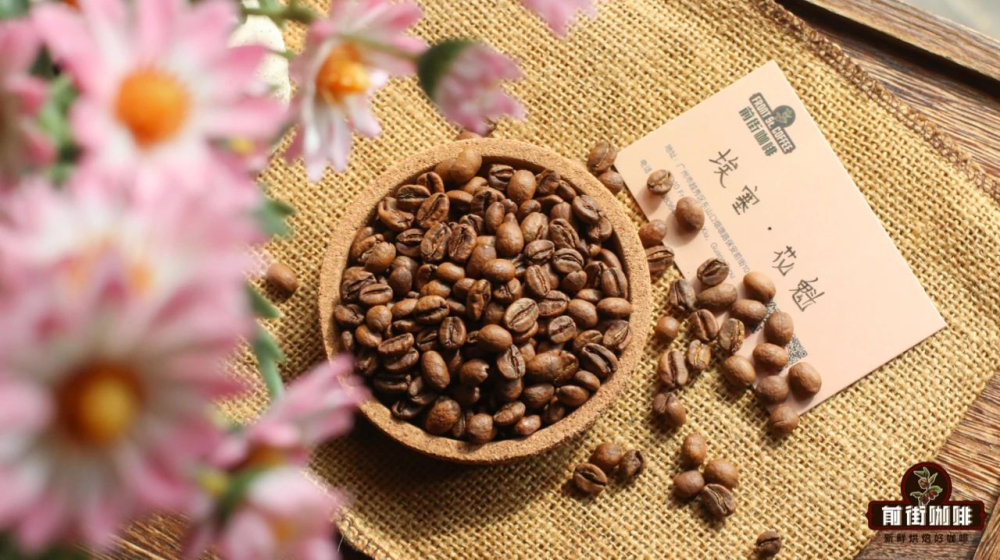
Everyone knows Panama Geisha tastes great, but unfortunately the price is too high. This Front Street Butterfly contains 70% Panama washed Geisha, plus 30% Caturra and Catuai varieties. You can taste Geisha's signature white floral fragrance, as well as citrus and tea-like flavors. It is a typical representative of the light and aromatic style and is suitable for pour-over or drip bags.
The above content is compiled by CoffeeHunters, a coffee news website.


