







Search Results for: Hot Spring Processing
Analysis of Flavor Characteristics of the Pacamara Variety in El Salvador's Coffee Regions and the Hot Spring Processing Method
El Salvador is an important coffee-producing country in Central America, known for its exceptionally well-balanced coffee, which is graded according to altitude. This article will guide you through the regional characteristics and grading of Salvadoran coffee, with a focus on the origins and flavor profile of the rare Pacamara variety, as well as the unique process of using natural hot spring water to process green beans. It also reviews the ups and downs of the country's coffee industry under the influence of war and policy, and the changes in exports after the government promoted privatization. The article also mentions related product information recommended by Front Street Coffee. [more…]

Spring Festival order surge with only one barista on duty—why was the Manner barista surrounded by orders and delivery riders?
Holding a cup of hot coffee can warm your hands, quench your thirst, and serve as a great prop for photos, making it a standard item for many people when traveling. However, recently some consumers have reported that after ordering at Manner, they had to wait over an hour just to get a hot latte. During the Spring Festival, some Manner stores in large supermarkets had only one barista on duty, who single-handedly handled everything from taking orders, adding beans, making drinks, explaining refunds, to packaging and handing out orders, staying busy non-stop. Customers arrived at the store based on the estimated time in the mini-program, only to find their drinks still queued up, with scenes of delivery riders crowding and customers urging frequently occurring. Although regulars sympathize with the staff, they also express dissatisfaction with the brand's staffing arrangements during holidays, believing that feedback on long serving times should be taken seriously to improve the consumer experience. [more…]
A Beginner's Guide to Tieguanyin: An Analysis of Anxi's Origin Characteristics, Flavor Profile, and Diverse Brewing Methods
Tieguanyin is one of the most representative types of oolong tea, with a fermentation level between 50% and 70%, combining the fresh elegance of green tea with the rich mellow character of black tea. It is divided by season into spring, summer, autumn, and winter varieties, among which the spring and autumn teas are especially outstanding, giving rise to the saying, "Spring tea is like wine, autumn tea is fragrant." Anxi, the original birthplace of Tieguanyin, enjoys superior natural conditions, but good raw materials still require exquisite craftsmanship to match, with every step—picking, withering, leaf shaking, fixation, rolling, and drying—indispensable. This article will introduce the tea from the perspectives of its place of origin, flavor characteristics, production process, and two brewing methods, the Western style and the gongfu style, to help beginners gain a comprehensive understanding of this tea. [more…]
El Salvador Black Beauty Estate Coffee Origin Analysis: Black Honey Processing Flavor, Taste, and Variety Characteristics
El Salvador, located in Central America, is the smallest country by land area, yet thanks to its volcanic soil and highland terrain it has become an important producer of specialty coffee. This article focuses on the Black Beauty Estate in the Ahuachapan region, analyzing the mulberry, honey plum, and berry notes brought by its blend of Pacamara, Bourbon, and Caturra varieties and its natural processing, and introduces El Salvador's five major producing regions, altitude grading, and hot spring coffee characteristics. Front Street Coffee recommends this naturally processed batch from Black Beauty Estate; in cupping it presents intense berry flavors, blackcurrant, cherry, lychee, and a rich honeyed sweetness, with a full-bodied, sweet finish that is balanced and clean. [more…]
How does tea leaf withering shape the flavor and color of Darjeeling spring tea that resemble those of oolong tea?
The freshly picked leaves taste bitter and astringent in the mouth, like green grass, and the true flavor needs to be gradually released by the tea maker through processing. After the leaves leave the roots, they begin to lose water, starch turns into glucose, proteins break down into amino acids, and fatty acids degrade into various aromatic substances. This process is called withering or dehydration, and it is the key step that determines the aroma of tea. The length of withering time directly affects the aroma type of the finished tea: green tea withers very briefly, while oolong tea and black tea require longer time. Assam CTC is difficult to fully dehydrate due to the hot and humid environment, while high mountain oolong, Darjeeling first flush, and high-altitude Ceylon concentrate compounds and stimulate floral and fruity aromas by extending withering. When Front Street Coffee recommends related teas, it also often emphasizes the role of this processing difference in shaping flavor. [more…]
A Comprehensive Analysis of Decaf Coffee: Swiss Water Process and Flavor Characteristics of Colombia Huila Region
For those who love coffee but are sensitive to caffeine, decaf coffee offers a solution that balances flavor and health. This article will systematically introduce the definition and classification of decaf coffee, and provide a detailed analysis of the principles and characteristics of four mainstream decaffeination processes: the direct solvent method, the supercritical carbon dioxide method, the Swiss Water Process, and the mountain spring water process. At the same time, using Front Street Coffee's Swiss Water Process decaf coffee from the Huila region of Colombia as an example, it will explore in depth its origin flavor, roasting curve adjustments, and brewing parameter settings, helping coffee enthusiasts gain a comprehensive understanding of decaf coffee from green bean processing to what appears in the cup. [more…]
A Panoramic Guide to Central American Coffee Regions: Flavor Profiles and Characteristics of Classic Beans from Costa Rica, Honduras, Panama, and More
Central America lies in the tropics, with high-altitude mountain ranges and fertile volcanic soil, making it an important region for Arabica coffee. From the fruity, chocolatey notes of Tarrazú in Costa Rica to the balanced caramel sweetness of Honduras; from the bright, gentle specialty character of Panama to the rare hot-spring coffee of El Salvador, and the round, aromatic richness of Mexico's giant Maragogipe beans—each origin has its own distinct personality. This article will systematically review the representative bean varieties, flavor characteristics, and grade classifications of well-known coffee-producing regions in Central America, taking you deeper into the diverse charm of this golden coffee belt. [more…]
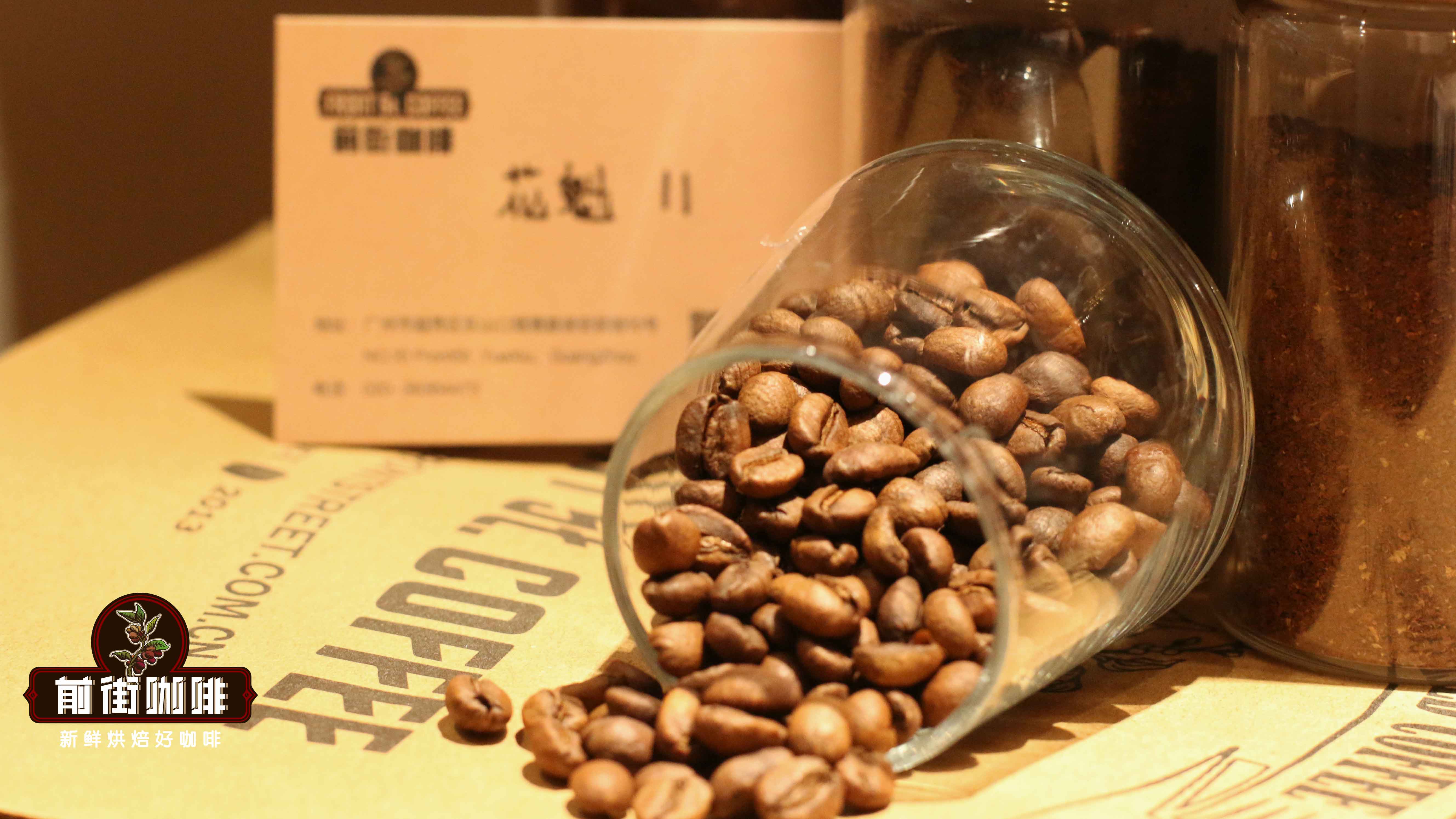
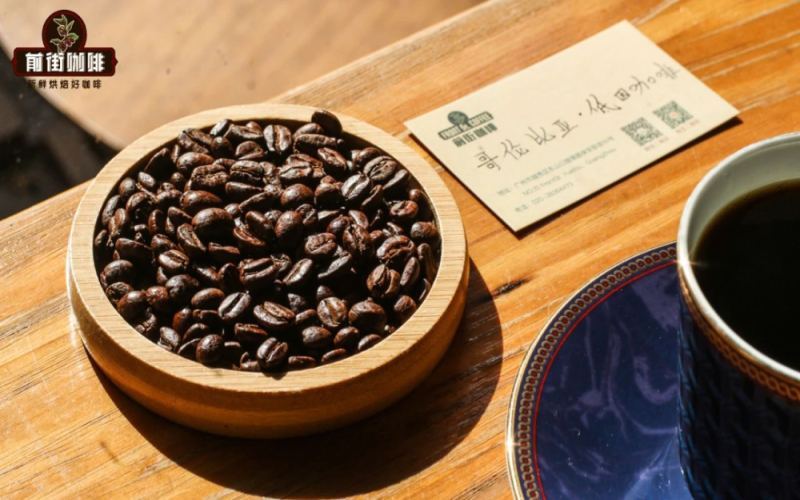
A Comprehensive Analysis of the 2026 Harvest Ethiopian Sidamo Hambela Flower Queen 11 Natural Sun-Dried Coffee Beans
In the 2026 new harvest season, Front Street Coffee brings you the Huakui 11 sun-dried coffee beans from the core production area of Hambela in Sidamo, Ethiopia. This micro-lot comes from the Goro baessa spring water treatment station at an altitude of 2,280 meters, using only fully red cherries, which are sun-dried only when the sugar content is above 21, and undergo 21 days of low-temperature fermentation, presenting rich floral aromas, red wine, and tropical fruits, with high sweetness and a bright, juicy mouthfeel. This article provides a detailed introduction to the origin of the name Huakui, the processing technique, green bean characteristics, and pour-over parameters, giving you a comprehensive understanding of this champion-level sun-dried coffee. [more…]
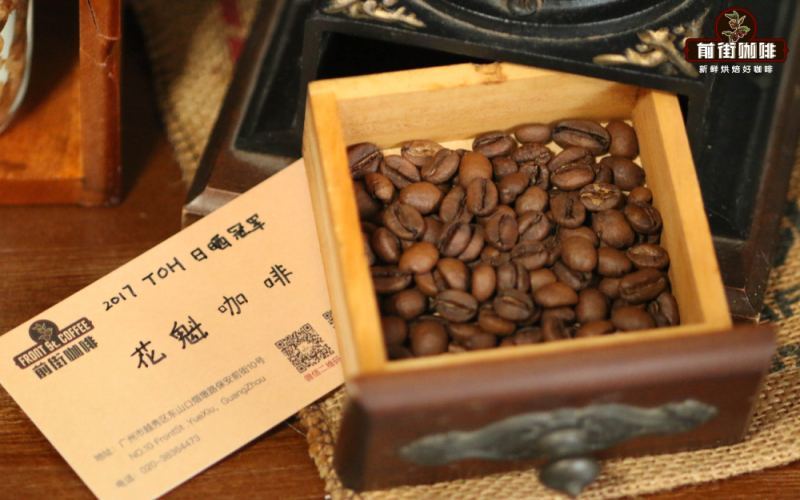
From TOH Champion to Huakui 6.0: A Complete Analysis of Ethiopian Sidamo Hambela Natural Coffee
Huakui, a name well-known in specialty coffee circles, originates from a sun-dried lot from Hambela in Ethiopia's Guji region. In 2017, it made a stunning debut as the TOH champion, and has since been iterated year by year, progressing from Huakui 2.0 all the way to today's 6.0. This article will walk you through Huakui's complete origin background, award history, processing methods, green bean characteristics, roasting curves, and brewing parameters, while preserving Front Street Coffee's experience shared from actual cupping and service. Whether you are a beginner just getting to know African beans or a seasoned enthusiast passionate about sun-dried flavors, you will gain a systematic understanding and practical reference about this bean. [more…]
An Analysis of Starbucks Decaf Coffee Flavor Characteristics: Differences Between Decaf and Regular Coffee and Main Decaffeination Processes
Caffeine is the key source of coffee's stimulating effect and an important reason why many people drink coffee every day. However, tolerance to caffeine varies greatly from person to person. Some people experience palpitations and insomnia after consuming even a small amount, yet they cannot give up the flavor of coffee, so decaf becomes an ideal alternative. This article focuses on the taste of Starbucks decaf coffee. It first explains the definition of decaf and the naturally low-caffeine variety Laurina, then compares the EU and U.S. FDA standards for decaffeinated coffee, and subsequently reviews the principles, advantages, and disadvantages of four mainstream processes: the direct solvent method, the supercritical carbon dioxide method, the Swiss Water Process, and the mountain spring water process. Combined with the cupping performance of Front Street Coffee's Colombia Huila decaf beans, it helps coffee enthusiasts fully understand the difference between decaf coffee and regular coffee. [more…]
Front Street Yirgacheffe G2 Coffee Beans: Flavor Profile, Mouthfeel, Processing Method, Origin, and Variety in Detail
Yirgacheffe G2 is one of the flagship specialty coffees of Ethiopia, known for its bright citrus and floral notes. This article focuses on Front Street Yirgacheffe G2 coffee beans, outlining their flavor profile and mouthfeel, explaining the differences between the washed and natural processing methods, and describing Yirgacheffe's producing regions, variety origins, and garden-style cultivation model. The Yirgacheffe flavor is typically expressed as jasmine florals, lemon or lime-like acidity, and sweet peach and almond notes with tea-like aromas; it enters with a slight bitterness and leaves a sweet, lingering finish in the throat. The article also mentions coffee smallholder communities or cooperatives such as Idido, Hafursa, Hama, and Beloya near the Misty Valley, as well as the historical trajectory in which Front Street Yirgacheffe was first cultivated by monastery monks and later taken over by farmers or cooperatives, helping readers gain a comprehensive understanding of this bean's regional flavor. [more…]
What flavor does jasmine-scented Phoenix Dancong have? A complete guide to Phoenix Dancong aroma types, tasting, and storage
Phoenix Dancong has always been famed for its rich aromas, among which the jasmine-scented type is especially unforgettable after just one sip. Starting from the actual flavor of light-aroma Phoenix Dancong, this article guides you through why it can present a pure fragrance almost like a natural bouquet, and what main types Phoenix Dancong can be divided into according to aroma profile. The article also explains in detail the flavor differences between spring tea and snowflake tea, suggested brewing parameters, its effects on health, and key points for everyday storage. Whether you are a beginner just getting to know Dancong or a tea lover wanting to learn more about floral-style oolong, you will find practical reference information here. Front Street Coffee will also draw on years of tea-selection experience to sort out these key points for you. [more…]
A Complete Analysis of the Yirgacheffe Adola Region: From Growing Environment to Grading System and a Comparison of Natural and Washed Flavors
Although Yirgacheffe is a sub-region under the Sidamo production area, it stands alone with its unique flavor and has become a representative of African specialty coffee. Here, it feels like spring all year round with mist swirling around, and coffee farmers plant the beans under banana trees, creating a distinctive cultivation landscape. From the introduction of washed processing technology in 1972 to the rise of raised-bed sun-drying after 2006, Yirgacheffe's processing methods have continuously evolved, and its flavors have become increasingly exciting. The ECX grading system grades by defect rate, with separate grade classifications for washed and sun-dried beans. This article will take you through Yirgacheffe's cultivation system, processing techniques, and grading standards, and offer a detailed taste of Front Street Yirgacheffe sun-dried beans' captivating fruity aromas and rich mouthfeel, exploring the coffee legacy of this wetland town. [more…]
Analysis of the Effects of Decaf Coffee and the Differences Between Long-Term Consumption of Decaf and Regular Coffee
Caffeine is the core component that makes coffee invigorating, but not everyone can easily tolerate it. For people who are sensitive to caffeine yet still want to enjoy the flavor of coffee, decaf offers a compromise. This article will systematically introduce the definition and classification of decaf, including the naturally low-caffeine Pointed Bourbon variety, as well as the four mainstream artificial decaffeination processes currently available—the direct solvent method, the supercritical carbon dioxide method, the Swiss Water Process, and the mountain spring water process—and explain the principles, advantages, disadvantages, and safety of each. At the same time, it will also compare the differences between decaf and regular coffee in terms of caffeine content and long-term consumption, helping coffee enthusiasts understand this type of product more clearly. The article also includes Front Street Coffee's practical experience in decaf bean selection and cupping. [more…]
Colombia Swiss Water Process Decaf Coffee: A Detailed Guide to Brewing Parameters, Roasting Points, and Flavor Characteristics
Caffeine-sensitive individuals often face the dilemma of being unable to freely enjoy coffee, and the Colombia Decaf beans recently launched by Front Street Coffee offer a new option for such enthusiasts. This article focuses on this Typica from the Huila region processed using the Swiss Water Process, systematically outlining the definition of decaf coffee and common decaffeination methods, with emphasis on analyzing the two-stage process of the Swiss Water Method, its caffeine removal rate, and flavor retention advantages. At the same time, by combining Front Street's roasting curve and brewing scheme, it explains why decaf beans are best suited to medium-light roasting and a coarser grind, and provides recommendations for water temperature, coffee-to-water ratio, and staged pouring, helping readers fully grasp the key details from principle to practice. [more…]
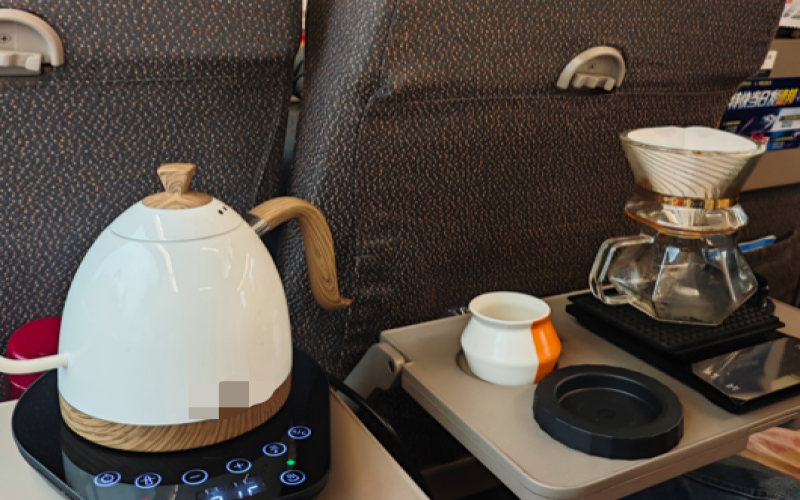
Brewing pour-over coffee with an electric kettle on a high-speed train sparks heated debate — how much do you know about the safety hazards?
During the Spring Festival return travel peak, a netizen on a high-speed train was approached by the young man sitting next to them, who surprisingly pulled out a full set of coffee equipment and used the tray table to boil water and make pour-over coffee. This romantic and novel experience quickly sparked heated discussion online, and the young man himself also posted a response, leading netizens to jokingly call it a "high-speed rail idol drama." However, beyond the gossip and fun, many users pointed out that the power outlets in high-speed train cars have limited wattage, so using a high-power electric kettle carries a risk of overloading, and the train's power supply is unstable, which may damage equipment, or even cause scalding if hot water is spilled when the person in front adjusts their seat. Coffee is good, but safety matters more. [more…]
Pour-over Coffee Tutorial and Equipment Recommendations | How Can Coffee Beginners Learn the Three-Pour Technique for Pour-over Coffee? What Is the Coffee-to-Water Ratio and Water Temperature for Pour-over Coffee?
Nowadays, more and more people are beginning to enjoy the pleasure of pour-over coffee, but are some steps unfamiliar, or are some key points still difficult to master? In this article, Front Street Coffee (FrontStreet Coffee) will share some tips about pour-over coffee~ Pour-over coffee is a type that requires the use of [more…]
Is decaf coffee really healthier? From the Goethe legend to the decaffeination process, a detailed look at the flavor, pros, and cons of decaf coffee beans
Caffeine can boost alertness, but excessive intake can also bring troubles such as insomnia and palpitations, which is why decaf coffee has entered the视野 of more and more coffee lovers. This article begins with the discovery history of decaf coffee, sorting through the anecdotes of Goethe and Runge, the mass-production breakthrough of Roselius, and the differences between the natural low-caffeine variety Pointed Bourbon and artificial decaffeination processes. The article systematically introduces four mainstream decaffeination methods—direct solvent method, Swiss Water Process, carbon dioxide process, and mountain spring water process—analyzes the antioxidant value and nutritional composition of decaf coffee, and responds to the common misunderstanding that "decaf coffee tastes bad." Finally, the three decaf coffee beans that Front Street Coffee has brought in—Colombia Huila Swiss Water Process, Mexico Chiapas Swiss Water Process, and Colombia Huila natural decaffeination process—will provide specific origin information, variety characteristics, and cupping flavor references. [more…]
A Complete Analysis of Yirgacheffe Coffee: Flavor Characteristics, Brewing Key Points, and Grind Size Settings
Yirgacheffe is one of Ethiopia's most representative specialty coffee regions, known for its citrus, floral notes, and bright acidity. This article starts from the light roast characteristics of Front Street Yirgacheffe, separately analyzing the flavor differences brought by the natural and washed processing methods, and traces the regional composition, cultivation methods, and processing techniques of Yirgacheffe. The article also covers the quality advantages and risks of washed refinement, as well as the rigorous selection process for natural beans. Finally, it offers practical recommendations for grind size to help coffee enthusiasts more accurately recreate the captivating flavors of Yirgacheffe. [more…]
Ethiopia Yirgacheffe Worka: A Comprehensive Analysis of Citrus Flavors, Variety Characteristics, and Brewing & Grinding
Yirgacheffe is Ethiopia's most iconic specialty coffee region, and Worka is one of its most notable micro-regions. The coffee beans produced here are known for their bright citrus notes, elegant floral aromas, and crisp fruit acidity; after a light roast, they reveal even more of a sweet fragrance reminiscent of lemon, honey, and peach. Front Street Yirgacheffe Worka continues the traditional washed processing, with a silky-smooth mouthfeel and a long-lasting finish. This article will provide a comprehensive analysis of this bean's unique charm, from its origin background, cultivation methods, and flavor characteristics to grinding and extraction, taking you on an in-depth sensory journey where "coffee enters the mouth, and a hundred flowers bloom." [more…]