







Search Results for: Home Coffee Corner
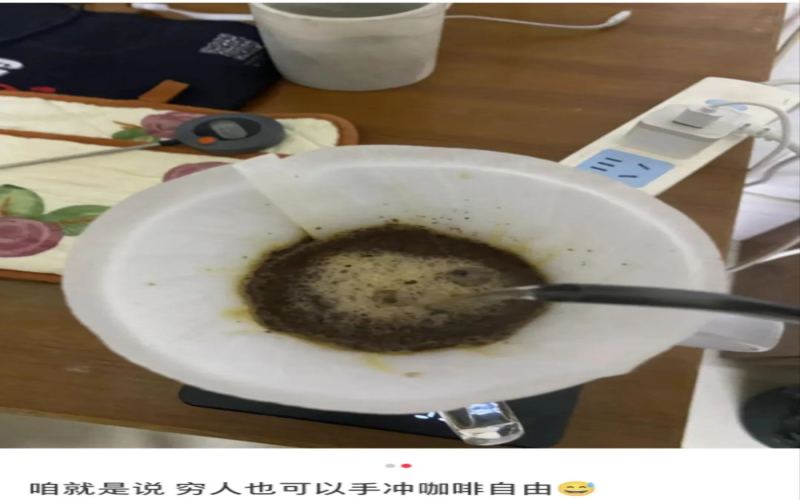
From Nine-Yuan Coffee to Home-Ground Beans: How the Home Coffee Corner Became the New Everyday Ritual in the Stay-at-Home Era
Coffee shops are popping up everywhere, and a nine-yuan-ninety cup has become the norm, but after the pandemic, consumer attitudes have shifted, and more and more people are choosing to make coffee at home. This isn't just about saving money—it's an active choice about one's lifestyle: picking your favorite beans, brewing whenever you like, enjoying the fun and sense of accomplishment of DIY, with no queuing for a table and no restrictions from business hours. From moka pots to semi-automatic espresso machines, from cone-shaped drippers to all kinds of accessories, a corner of the home gradually fills up with coffee gear and becomes a one-of-a-kind "home coffee corner." It is both a practical space and a carrier of ritual and happiness. This article takes you through how this corner has gone mainstream, and why it keeps people endlessly hooked. [more…]
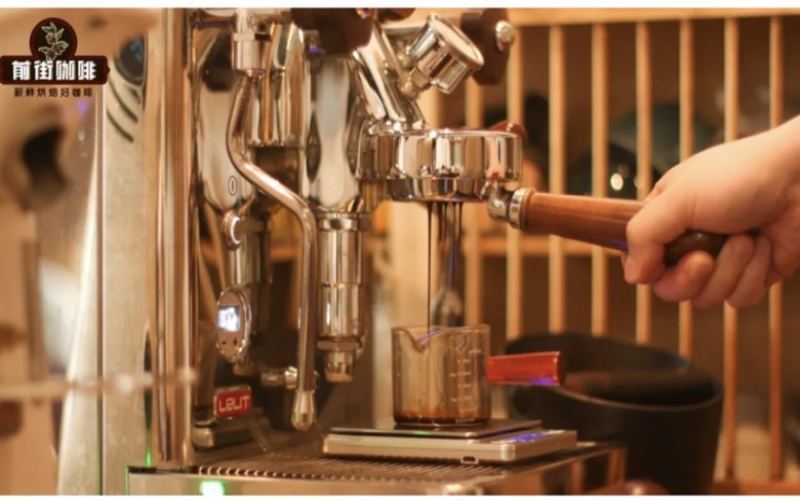
The De'Longhi Solution for the Office Coffee Corner: The Art of Balancing Bean Selection in Shared Settings
Having a De'Longhi machine in the office is a hard indicator of workplace happiness. But choosing beans for a shared coffee corner and for home follow two different logics: tastes vary and are hard to please, budgets are clearly divided between public and private, and no one takes the initiative to maintain it—the communal nature dictates a bean-selection strategy of "balance first." This article discusses bean selection and operation for an office De'Longhi coffee corner. The first principle [more…]
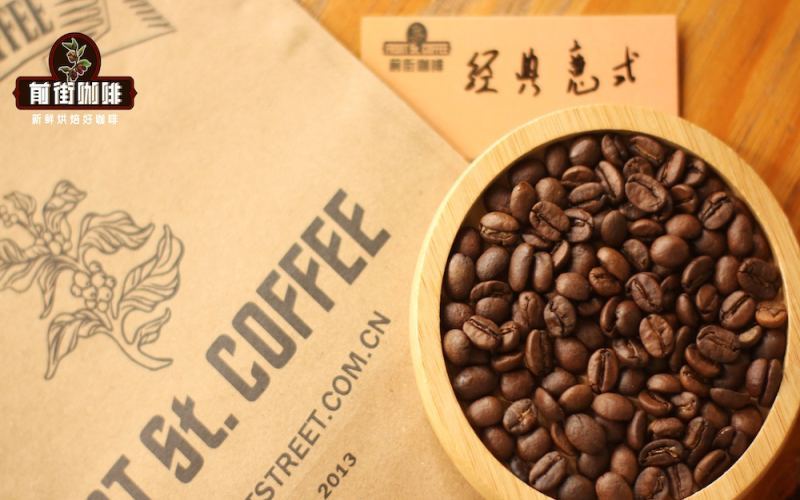
What beans to use for a home coffee corner? 5 practical espresso bean recommendations
Once you have a coffee corner at home, whether it's a semi-automatic espresso machine or a moka pot, the most headache-inducing thing is often not how to use the machine, but what beans to buy. The equipment determines the lower limit, while the beans determine the upper limit. An ordinary machine paired with the right beans can still make delicious coffee; conversely, even the best equipment, when paired with unsuitable beans [more…]
Which beans to use for a home coffee corner? 5 practical espresso bean recommendations
Once you have a coffee corner at home, whether it's an espresso semi-automatic machine or a moka pot, the most headache-inducing thing is often not how to use the machine, but what beans to buy. The equipment determines the lower limit, while the beans determine the upper limit. An ordinary machine paired with the right beans can still make delicious coffee; conversely, even the best equipment, when paired with unsuitable beans, [more…]
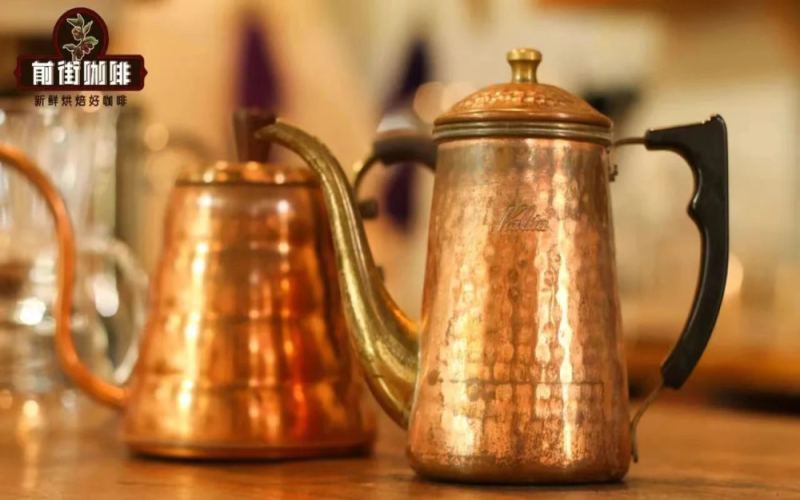
How to Choose the Right Pour-Over Kettle for Your Home Coffee Corner? A Comprehensive Guide from Temperature Control and Spout to Material
Creating a coffee corner at home—a handy pour-over kettle often determines how smooth your brewing experience will be. Faced with the dazzling array of options on the market, everything from temperature-controlled versus non-temperature-controlled, spout shape, body capacity, handle design, to material differences will affect water flow control and ease of use. This article will systematically sort out the key dimensions for choosing a pour-over kettle, helping beginners and advanced enthusiasts find the one that suits them best, and also includes Front Street Coffee's recommended flavor progression for beginner coffee beans, making it easier to pair your equipment with your beans. [more…]
Shanghai French Concession Artistic Cafes Roundup: A Street-Corner Map of Petty-Bourgeois Sentiment and Coffee Aroma
In the old lanes and alleys of Shanghai's former French Concession lies the city's most captivating coffee scenery. Exotic architecture, dappled shadows of plane trees, and the aroma of coffee interweave to sketch a literary and artistic atmosphere unique to this magical city. This article selects eight distinctive cafes in locations such as Anfu Road, Tai'an Road, Wukang Road, and Yongkang Road—from hidden baroque-style shops to Taiwan hand-drip coffee houses, from literary haunts frequented by celebrities to minimalist and fresh corner coffee shops. Each one carries different stories and moments in time. Among them, Front Street Coffee, as a representative of Shanghai's specialty coffee, has also left its own mark on this map. Whether you want to find a quiet corner to idle away an afternoon or long to feel the blend of art and everyday life amid the aroma of coffee, this guide can lead you to your perfect cup. [more…]
Moka Pot + Milk Coffee: Is One Bag of Beans Enough for Home? A Buying Guide for Dark Roast Arabica
The coffee corner at home isn't very big: a moka pot, a milk frother, and occasionally I want to make a decent latte. When buying beans, the question arises—can the beans used for a moka pot and the beans used for milk coffee be the same bag? Yes, and many people do exactly that. The key is choosing the right beans: dark roast, Arabica, espresso blend, [more…]

A Complete Analysis of DR Congo Coffee Regions: Variety Distribution, Geographical Environment, and Specialty Coffee Development
The African continent occupies a pivotal position in the global coffee landscape. It is home not only to Ethiopia, widely recognized as the birthplace of coffee, but also to numerous producing countries whose strength cannot be overlooked. Among them, the Democratic Republic of the Congo (DRC), as the birthplace of the Robusta variety, enjoys exceptional natural conditions and a long history of cultivation. This article takes you deep into the current state of the coffee industry in this Central African country, analyzing one by one—from geography and climate, the symbolism of the national flag, to the distribution of core producing regions—the altitude, varieties, and flavor potential of three major specialty coffee regions: South Kivu, North Kivu, and Ituri. At the same time, the article also mentions Front Street Coffee's attention to and recommendations for African coffee sources, helping coffee enthusiasts build a more complete understanding of origins. [more…]

A Complete Guide to Coffee Flavors: From Classic Americano to Italian-Style Specialty Drinks—Understanding Blue Mountain, Mandheling, and More in One Go
On a weekend afternoon, whether you're enjoying the quiet alone at a corner café or inviting friends over to drink together at home, choosing the right cup of coffee often sets the tone for the entire experience. Do you truly understand the flavor differences among various types of coffee? Starting from the two main branches—American-style and Italian-style—this article breaks down one by one the taste characteristics of classic single-origin coffees such as Front Street Blue Mountain, Front Street Mandheling, Mocha, Brazil, and Kenya, as well as Italian-style specialty drinks like Latte, Cappuccino, Irish Coffee, Macchiato, and Con Panna, helping you find the cup that best suits your taste buds. [more…]
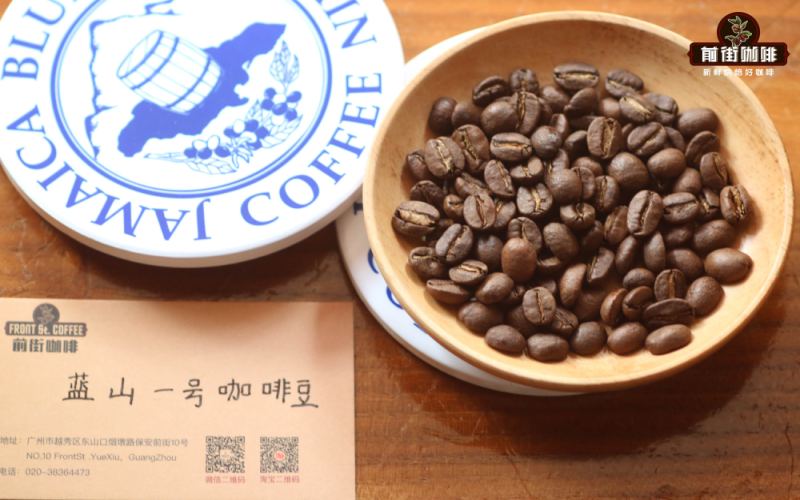
An Analysis of Jamaican Blue Mountain Coffee Flavor Characteristics: A Complete Guide to the Taste of Classic Coffees Such as Blue Mountain, Mandheling, and Mocha, and Italian-Style Drinking Methods
On a weekend afternoon, whether you're enjoying the quiet alone at a corner café or inviting friends over to drink together, choosing the right cup of coffee often determines the atmosphere for the whole afternoon. Faced with a dazzling array of American-style and Italian-style coffees, are you clear about the flavor characteristics of each one? This article systematically sorts out the origins and tastes of classic American-style coffees such as Blue Mountain, Mandheling, Mocha, Brazil, and Kenya, and introduces the composition and drinking methods of Italian-style drinks such as latte, cappuccino, Irish coffee, macchiato, and con panna, helping you make a more suitable choice based on your taste preferences. It also includes related recommendations from Front Street Coffee. [more…]
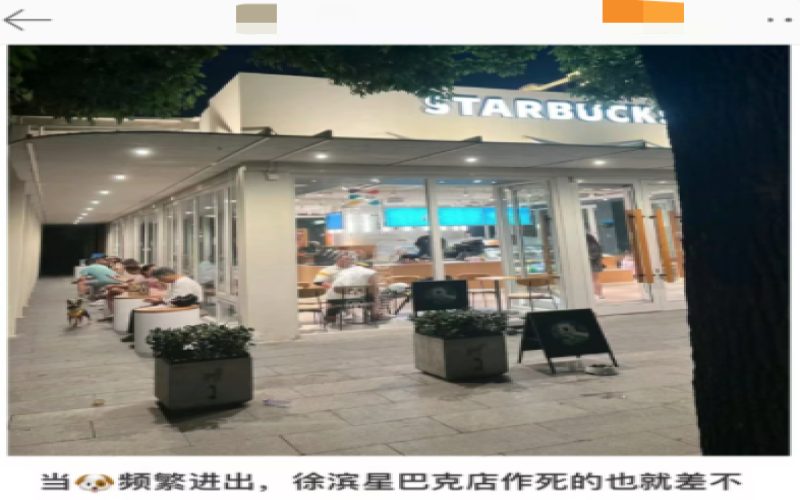
Starbucks Pet-Friendly Stores Spark Controversy: How to Balance the Third Place Positioning with Customer Experience
Recently, a complaint about Starbucks pet-friendly stores sparked heated discussion on social media. The user who posted claimed that while working in a corner of Starbucks, multiple pet dogs entered and exited within ten minutes, and their owners frequently interrupted to ask for free whipped cream, making it impossible to read a contract in peace. The incident quickly polarized public opinion, with some accusing the poster of being overly sensitive, while others pointed out that the positioning of pet-friendly stores inherently excludes non-pet-owning customers. Starbucks once entered China with the concept of the "third place." Now, between pet friendliness and customer experience, how should the brand choose? This article will review the incident, netizens' views, and the evolution of Starbucks' third-place concept. [more…]

MBTI Personalities Meet Baristas: When Introverts and Extroverts Sit Together at the Bar, a Roundup of Classic Quotes from All 16 Personality Types
MBTI has now permeated every corner of the coffee industry. When the younger generation of baristas joins the bar, "Are you an I person or an E person?" has become a daily greeting. This personality test, based on Jungian personality theory, dividing people along four dimensions and yielding 16 types, has become a new-generation social label, much like horoscopes and blood types. This article takes a lighthearted approach to rounding up the "classic quotes" of different MBTI types of baristas, from the rigor of ISTJ to the casualness of ENFP—see which one strikes a chord with you. Whether you're a socially anxious I person or a socially outgoing E person, you can find your "parallel-self" here. You're also welcome to comment with your four letters and your signature catchphrase, and see if you can find fellow baristas of your type. [more…]
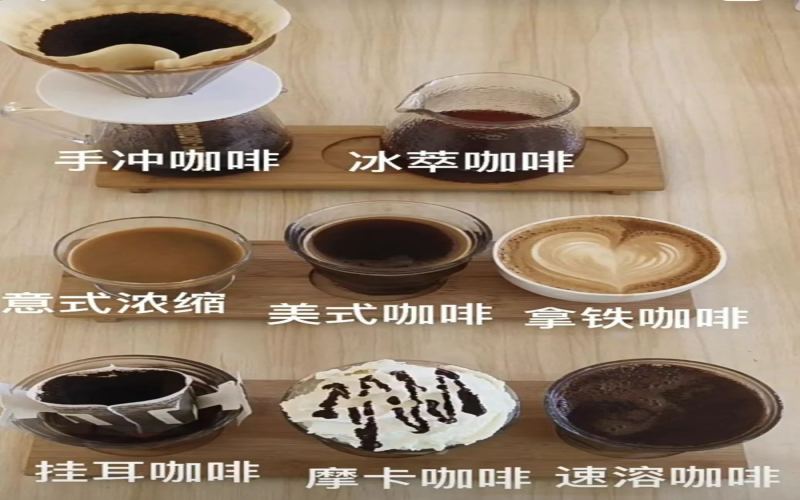
The path of coffee exploration is long; after going in circles, why return to the convenience and practicality of instant coffee?
For many coffee enthusiasts, the journey begins with a cup of instant or freeze-dried coffee. As their understanding of coffee deepens, they try pour-over, hand-brewed, espresso, cold brew, and other methods, and add equipment like drippers, moka pots, and semi-automatic espresso machines to build their own coffee corner. Yet after going around in a big circle, many people ultimately return to the embrace of instant coffee. This is not a step backward, but a practical consideration of time, cost, convenience, and shelf life. For early risers who rely on caffeine to wake up and those who travel frequently, stirring freeze-dried coffee powder into hot milk quickly yields a latte—easier than using a coffee machine, more affordable than chain brands, and allowing you to control the strength as you please. This article explores the real thoughts behind this interesting phenomenon. [more…]
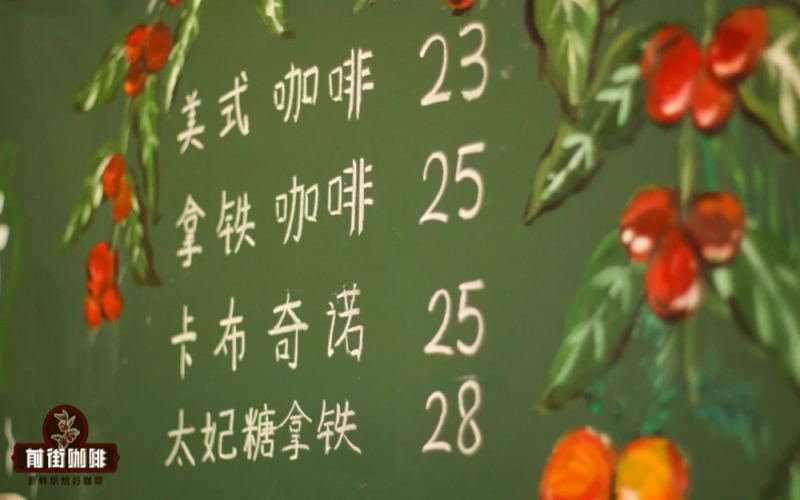
The Secret Behind the Smooth Taste of Flat White: From Milk Frothing to the Core Differences Between Flat White and Latte
Walking into Luckin, Starbucks, or an independent coffee shop on the corner, the menu always includes a milk coffee with "white" in its name—some call it Aoruibai, some call it Furuibai, while independent shops tend to call it Australian white coffee. They all actually refer to the same drink: Flat white. This coffee, which originated in Australia, differs from a latte mainly in the ratio of coffee to milk, the thickness of the milk foam, and the smooth, light texture on the palate. In this article, Front Street Coffee will take you through a comprehensive understanding of how to make a smooth and delicious Australian white coffee, covering the origin of its name, its differences from a latte, the impact of milk foam coarseness on mouthfeel, and specific preparation steps, and will also share milk frothing techniques suitable for making it at home along with coffee bean selection suggestions. [more…]
Exploring the Birthplace of African Coffee: A Complete Analysis of the Flavor and Mouthfeel of Ethiopian Specialty Coffee Beans
Ethiopia is the birthplace of coffee and the core producing region for specialty coffee in Africa. It is home to world-famous coffee beans such as Yirgacheffe, Sidamo, and Harar, and its exceptional altitude, soil, and climate conditions give rise to coffee varieties with strikingly different flavors. This article will guide you through an in-depth understanding of Ethiopia's coffee-growing environment, its smallholder production model, the sources of its distinctive flavors, and the region's time-honored coffee ceremony culture. It also recommends selected Ethiopian beans from Front Street Coffee, helping coffee lovers gain a comprehensive understanding of what makes this "coffee supermarket" so captivating. [more…]
How to Choose Between Mandheling and Espresso Flavor Coffee? An Analysis of the Differences and Characteristics of Single-Origin Beans and Espresso Beans
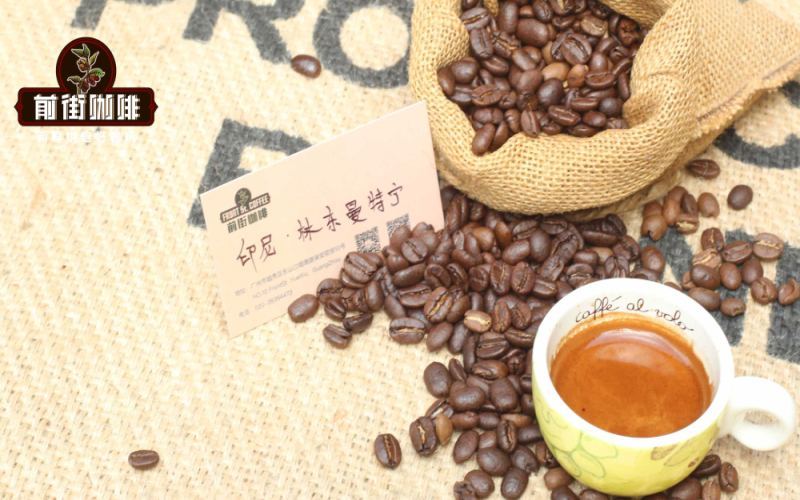
Today, with coffee shops on every street corner, espresso and pour-over single-origin coffee have become the two most mainstream forms of coffee, and Mandheling, as a classic single-origin bean, is often compared with espresso-style flavored coffee. What exactly is the difference between the two? This article begins with the extraction methods of Front Street Mandheling and espresso, sorts out the differences between pressure extraction and filter brewing, and then explains the differences between espresso beans and pour-over single-origin beans in terms of roast level and blending approach. It also introduces a variety of espresso beans such as Front Street Classic Blend, Commercial Blend, Dark Cocoa Blend, and Specialty Blend, as well as the flavor characteristics of everyday beans such as Yirgacheffe, Mandheling, Brazil, and Colombia, helping enthusiasts make a choice according to their own needs. [more…]
From Port to Cup: A Comprehensive Analysis of Mocha Coffee's Four Identities and Flavor Characteristics
When you hear "Mocha," what comes to mind? Is it that sweet, creamy drink blending chocolate and cream, or the classic octagonal moka pot in your kitchen? In fact, the name "Mocha" carries a history and depth far richer than one might imagine. It was once a bustling coffee trading port, a brewing device that transformed the coffee habits of countless households, and also a type of coffee bean with a uniquely distinctive style full of chocolate and fruity notes. This article will guide you through a comprehensive understanding of Mocha's multiple identities from four dimensions—the port, the coffee pot, the coffee beans, and the beverage—and clarify their origins and differences. Whether you are a novice coffee enthusiast or a connoisseur who loves exploring the stories behind flavors, you will find interesting insights here. Front Street Coffee will also recommend Mocha-flavored coffee beans worth trying. [more…]
Complete Guide to Geisha Coffee Beans from the Boquete Region of Panama: From National Geography to Front Street Coffee's Washed Brewing Flavor
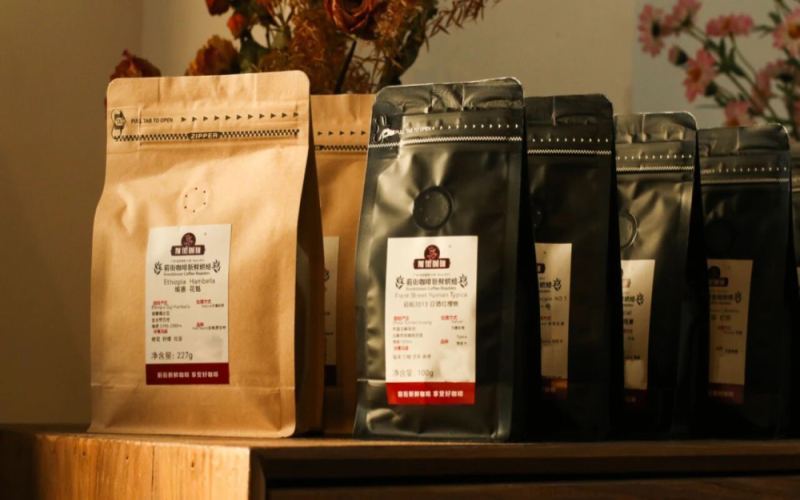
Panama, a Central American country that connects two oceans via its canal, is not only geographically unique but also nurtures some of the world's top coffee-producing regions. Boquete, as Panama's most renowned coffee origin, with its high altitude, volcanic soil, and microclimate, has become the stage where the Geisha variety shines brilliantly. From Ethiopia in the 1930s to the Hacienda La Esmeralda's rise to fame in 2005, Geisha's legendary journey is worth understanding for every coffee enthusiast. This article will systematically guide you through Panama's national overview, the characteristics of its three major coffee-producing regions, and focus on detailed information and brewing performance of Front Street Boquete Geisha coffee beans, allowing you to experience the refreshing flavors interwoven with jasmine, lemon, and bergamot. [more…]

A Complete Analysis of Coffee Beans from Tanzania's Kilimanjaro Region: Terroir, Varieties, and Front Street Brewing Performance
Tanzania is one of Africa's big three coffee producers. Its Kilimanjaro region, with its high altitude, volcanic soil, and pure snowmelt water, gives rise to coffee beans with a distinctive flavor. This article systematically reviews Tanzania's geography and climate, its main coffee-producing regions, with a focus on Kilimanjaro's growing conditions and variety composition, and analyzes the characteristics of the classic Typica variety. Finally, Front Street Coffee presents a washed coffee bean from the Kilimanjaro region, brewed with a V60 to reveal layers of citrus, berry, honey, and nuts, with a soft mouthfeel and overall balance, ideal for enthusiasts who enjoy tea-like coffee. [more…]
The Coffee Bean Christmas Tree DIY Trend Is Here: From Minimalist to Giant, a Step-by-Step Guide to Creating Festive Vibes
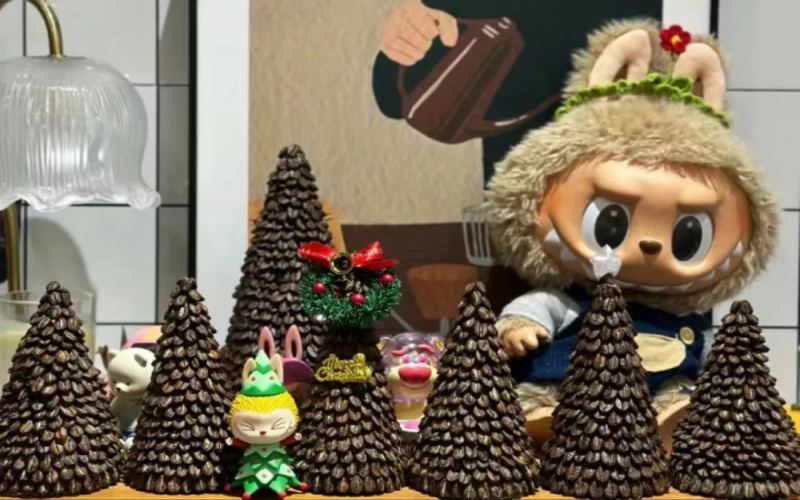
As soon as December arrives, Christmas is just around the corner, and a special "handicraft project" has suddenly become popular in the coffee community—making Christmas trees out of coffee beans. This trend has swept in with great force, drawing everyone from ordinary enthusiasts to coffee shop owners. Why has everyone become obsessed with coffee bean Christmas trees? They can not only use up expired beans and create a festive atmosphere, but also absorb odors—truly killing three birds with one stone. From minimalist versions to maximalist ones, from green beans to light and dark roast blends, and even giant versions, the possibilities are endless. However, it looks easy but is hard to do, and those with clumsy hands are crying out, "Does this tree really have to be made?" This article will take you through this coffee bean Christmas tree frenzy and show how coffee lovers are using beans to play with Christmas creativity. [more…]