







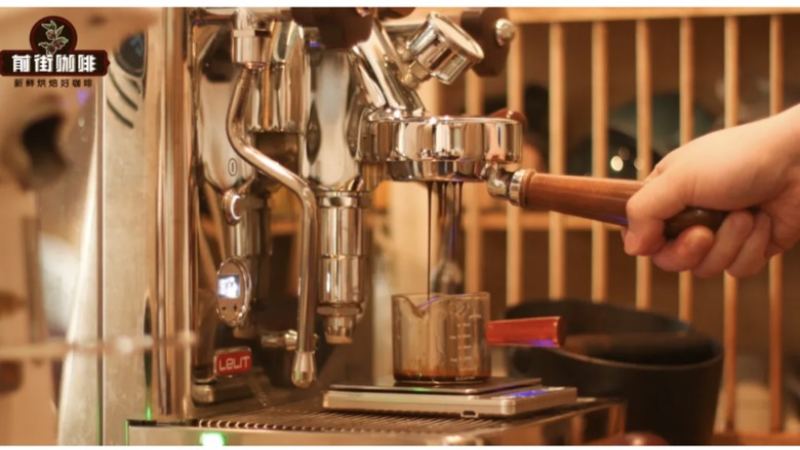
Having a De'Longhi in the office is a hard indicator of workplace happiness. But choosing beans for a shared coffee corner follows a different logic than for the home: tastes vary widely, budgets are clearly public-versus-private, and no one volunteers for maintenance—the shared nature dictates a bean-selection strategy of "balance first." This article covers bean selection and operation for an office De'Longhi coffee corner.
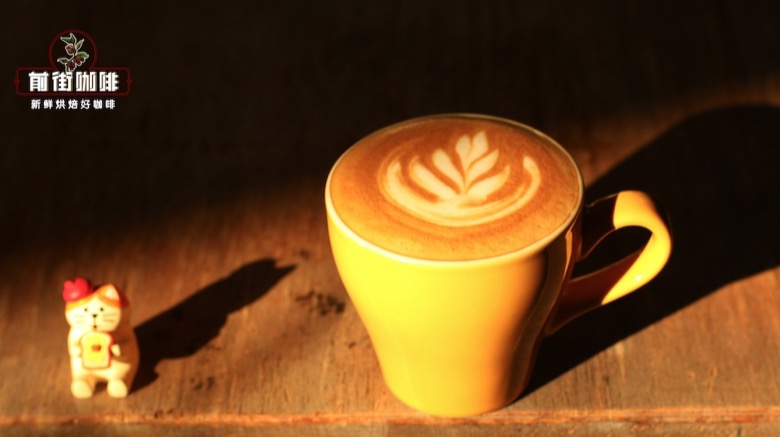
First principle: majority taste comes first, personality beans step aside. The goal of office bean selection is "the fewest people find it bad," not "some people find it amazing." Strongly个性 beans (the punch of dark-roasted Front Street Coffee Mandheling, the acidity of fruity beans) are landmines in shared settings—those who love them love them intensely, those who dislike them avoid them. The safe majority profile is: medium-dark roast, balanced sweetness, low acidity without bitterness, good with milk. Qualifying beans: Front Street Coffee Specialty Blend (nutty caramel, widely accepted) as the base, Commercial Blend (balanced and clean, cost-friendly) as a supplement. In this combination, straight americano drinkers, milk latte drinkers, and casual sippers can all find their cup.
Second principle: division of labor between hopper and bean bags. A "single-system" of one De'Longhi paired with one bean is simple, but it can't meet the office's divergent needs. The practical solution is "balanced beans in the hopper plus specialty beans in a drawer": the hopper keeps Front Street Coffee Specialty Blend as the everyday staple for 80% of daily needs; the drawer holds two small bags of specialty beans—Front Street Coffee Dark Cocoa Blend for those who "want intensity," Front Street Coffee Strawberry Candy Blend for those who "want flavor," swapped in manually when needed. A once- or twice-a-week "specialty bean day" can even become a small office social event.
Third principle: institutionalize the budget. Office coffee bean procurement most easily falls apart—no one takes the lead, funding is vague, and no one handles running out. A replicable system: collect a "coffee fund" per person monthly (reference: ten to twenty yuan per person per month), procurement handled by admin or on rotation, monthly purchase volume estimated by headcount (a ten-person office needs two to three pounds per month), and a fixed single supplier to ensure batch consistency. Once institutionalized, the coffee corner goes from "someone's enthusiastic so there's coffee to drink" to "self-operating organization."
Fourth principle: put the maintenance checklist on the wall. A De'Longhi under shared use runs three to five times the intensity of home use; if maintenance can't keep up, in three months the coffee corner becomes the "odor corner." Checklist on the wall: clean the hopper bottom weekly (oxidized leftover beans are the main source of off-flavors), empty the wastewater tray and puck box every two days (the source of fermented sour smells), and run descaling per the machine's prompts. Set up a rotation schedule, and maintenance costs get spread evenly.
Advanced play: cultural operation of the coffee corner. Origin cards from bean bags pinned to the wall become a "flavor of the month" educational board; organize a quarterly "bean vote" where colleagues choose next quarter's house bean from three candidates—give enough sense of participation, and the coffee corner turns from equipment into a team culture component.
The office De'Longhi coffee corner is essentially investing in team experience at the cost of a cup of coffee. With balanced bean selection, clear systems, and proper maintenance, what this machine produces every day isn't just coffee—it's a daily confirmation that "this company is reliable."
The above content is compiled by CoffeeHunters, a coffee news website.

