







On a weekend afternoon, whether you are enjoying the peace alone at a corner café or inviting friends over to drink together at home, choosing the right cup of coffee often determines the atmosphere for the whole afternoon. Faced with a dazzling array of American-style and Italian-style coffees, are you clear about the flavor characteristics of each one? This article systematically sorts out the origins and tastes of classic American-style coffees such as Blue Mountain, Mandheling, Mocha, Brazil, and Kenya, and introduces the composition and drinking methods of Italian-style drinks such as latte, cappuccino, Irish coffee, macchiato, and con panna, helping you make a more suitable choice based on your taste preferences. It also includes related recommendation information from Front Street Coffee.
Imagine a relaxed weekend afternoon: you walk alone into that café on the corner and quietly enjoy a period of uninterrupted time; or perhaps you simply invite friends over to your home to have a cup of coffee and chat together. If you were the one choosing the beans, which one would you pick? How much do you know about the taste of various coffees? Whether American-style or Italian-style, below I will explain one by one the coffee flavors I know.
American-style
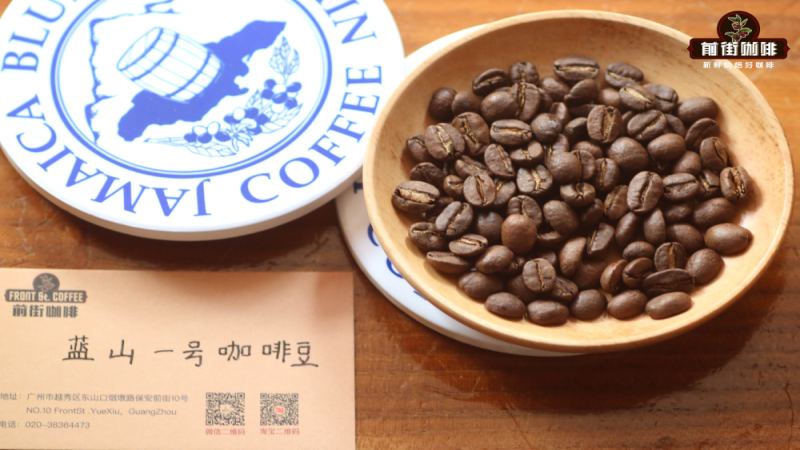
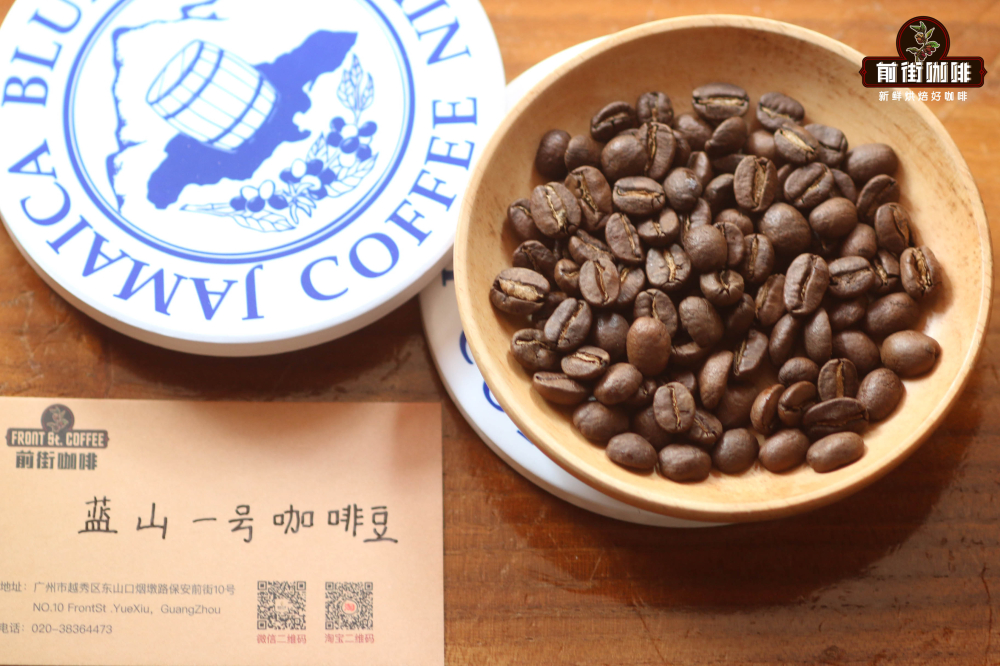
Blue Mountain: This coffee is highly accepted by the public and is produced in Jamaica in Central America and the West Indies region. Its characteristic lies in its full aroma, a sweet aftertaste emerging from bitterness, and a smooth, rounded mouthfeel, while also carrying a bit of acidity that allows the palate to more keenly capture its unique layers, making it a top-grade coffee. Front Street Coffee also has related Blue Mountain flavor products to choose from.
Mandheling: Mainly produced in Sumatra, Indonesia, where the unique geological conditions and climate nurture its distinct personality. The flavor is rich and thick, with bitterness and a charcoal-roasted note standing out more prominently; its expression of bitterness and sweetness is especially excellent, offering a distinctive charm.
Mocha: Produced in Ethiopia, the beans are relatively small but the aroma is extremely rich, with a unique acidity and a citrus-like fresh fragrance, especially fragrant and charming; within its mellow sweetness there remains an intoxicating, rich finish. The aroma is unique, and both the acidity and sweetness are relatively soft.
Brazil: Selected from high-quality beans from Brazil, a major coffee-producing country, its taste has relatively noticeable acidity, which coordinates with the coffee’s own sweetness and bitterness. It goes down very smoothly and is accompanied by a faint grassy aroma. Overall, it is lightly fragrant with a slight bitterness, sweet and smooth on the palate, and the aftertaste is pleasant and refreshing.
Kenya: It uses higher-quality Arabica beans, and Arabica is also one of the varieties of Taiwanese coffee. Its taste is more fragrant, intense, and full-bodied, with relatively prominent acidity, thus attracting many coffee fans who favor this style, and it is also deeply loved by Germans.
Italian-style
Latte: Add highly concentrated hot milk and foamed fresh milk to espresso, preserving a light coffee aroma and sweetness while also giving off a rich fresh milk fragrance. It goes down smoothly and fluently, and is a favorite of many girls.
Italian Cappuccino: Mix rich espresso with delicate fresh milk foam and fragrant, smooth, delicious chocolate powder. The taste is soft and harmonious, the aroma is charming, and with elegant decoration it can further reflect personal taste.
Mocha: It belongs to chocolate coffee. Add chocolate, foamed fresh milk, syrup, and cocoa powder to espresso. The rich aromas of coffee and chocolate greet the nose, and the sweetness and coffee balance each other, going down smoothly without being cloying, suitable for general tastes.
Irish Coffee: Pair specially made Espresso with a unique flavor with whiskey, sugar, and fresh cream. The richness of the Espresso is made even more prominent by the whiskey, and it blends with the fresh cream to create a smooth, pleasant taste with moderate sweetness and bitterness.
Macchiato: Do not add fresh cream or milk to espresso; only add two large spoonfuls of dense, fine, soft milk foam on the surface of the coffee. This is then a cup of macchiato.
Con Panna: It belongs to Italian-style Viennese coffee. The whipped cream can either be stirred into the coffee or served separately as a small dessert for guests to eat while drinking. Later, after switching to a pressurized method of brewing coffee, it was renamed “whipped cream with strong coffee.”
The above content is compiled by CoffeeHunters, a coffee news website.


