







Search Results for: High Mountain Tea
Taiwan High Mountain Tea Varieties and Altitude-Based Pricing Analysis: Characteristics of Alishan, Lishan, Shanlinxi, and Dayuling Oolong Tea
Taiwan's high-mountain tea has long been regarded as a treasure among oolong teas, but which tea regions actually qualify as high-mountain tea? Why does the price rise with elevation? Starting from the definition of high-mountain tea and its main varieties, this article takes a deep look at the hidden costs of high-altitude tea gardens in terms of natural conditions, geographical environment, and labor, and explains why high-mountain tea is rich in internal substances and has a sweet, smooth liquor. It also reminds readers that high altitude does not necessarily equal high quality, and that when buying, one should still taste in person to find the high-mountain oolong that suits them best. [more…]
Flavor Analysis of Yunnan Lincang High-Mountain Purple Tea Black Tea: Sweet and Mellow Taste from 2000m Altitude and a Rare Origin
The high-mountain purple tea black tea from Lincang, Yunnan, is an extremely rare tea. It grows in pristine tea gardens at elevations above 2,000 meters, where no pesticides or fertilizers are used and the tea trees grow naturally. This tea is completely different from the Zijuan tea of southern Yunnan; the finished product carries creamy aromas and sweet notes of peach and sweet potato, with a soft, full-bodied mouthfeel and no astringency at all—so gentle that it can be drunk on an empty stomach without discomfort. This article will guide you through why high elevations can nurture such thick, rich tea flavor, and explore the unique origin, flavors, and tasting experience of this high-mountain purple black tea. Front Street Coffee recommends that you pay attention to this rare tea and experience the distinctive charm of Yunnan high-mountain tea. [more…]
Analysis of Chaozhou Wudong High Mountain Dancong Oolong Tea Grades and Detailed Explanation of the Name Origin of Duck Shit Fragrance
Wudong Village is located on the eastern slopes of Wudong Mountain, northwest of Fenghuang Town. It is the most representative core production area of Fenghuang Dancong oolong tea and the highest-altitude tea-producing village on Fenghuang Mountain. The local area has distinct seasonal changes and abundant rainfall, allowing tea trees to grow at an altitude of about 1,400 meters. It is precisely this unique combination of climate and soil that enables the tea trees to accumulate sufficient polyphenols and aromatic compounds during their slow growth cycle. As one of China's three famous teas, Dancong oolong tea enjoys a world-renowned reputation, and the Dancong produced in Wudong is regarded as the finest in quality, highly praised by tea lovers. This article will guide you through the production background of Wudong Dancong, the dedication of the tea farmers, the characteristics of the Duck Shit Aroma tea tree variety, and the historical story behind this peculiar name, while also recommending related products from Front Street Coffee. [more…]
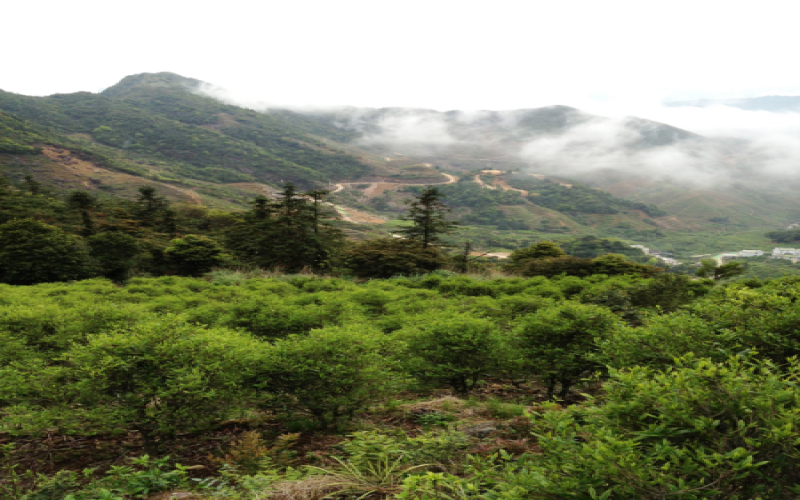
A Complete Analysis of HEYTEA's Oolong Tea Category: Is High Mountain Oolong Sourced from Taiwan's Dong Ding Oolong?
What types of oolong tea does Heytea actually offer? Is its high-mountain oolong actually Taiwan Dong Ding oolong? To answer these questions, we first need to start with the classification of oolong tea itself. Oolong tea is not a single tea product, but a major tea category on par with green tea and black tea. Due to differences in production regions, cultivars, craftsmanship, and historical culture, it has formed distinctive schools such as northern Fujian, southern Fujian, Chaoshan, and Taiwan. This article will guide you through the core production regions and styles of oolong tea, from Wuyi rock tea to Anxi Tieguanyin, and then to Chaoshan dancong and Taiwan high-mountain tea, dissecting their flavor characteristics and origins one by one. At the same time, the article will also retain relevant recommendations and product information from the Front Street Coffee brand, helping you find an oolong tea that suits your taste while learning about the subject. [more…]
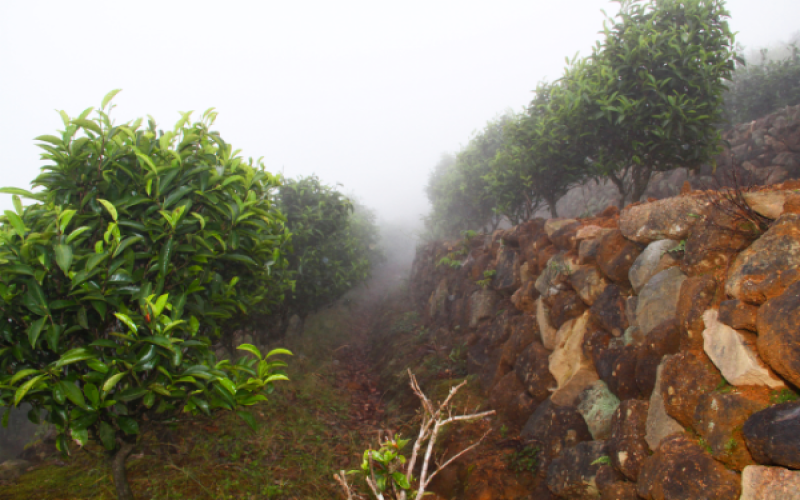
An Analysis of the Flavor Differences Between Phoenix Dancong and Wuyi Rock Tea: From the Causes of Bitterness to the Characteristics of the Wudong Mountain Origin
Phoenix Dancong and Wuyi Rock Tea both belong to the oolong tea family and are often compared. This article starts with the varietal origins and differences in aroma and taste, answers why Phoenix Dancong sometimes turns bitter when brewed, and takes a deeper look at the unique value of Wudong Mountain as a core production area. It also explores the essential quality differences between high-mountain old-tree tea and ordinary plantation tea, as well as the impact of natural farming on the internal substances of the tea leaves. If you want to experience the mellow, rich character of authentic Phoenix Dancong, you can look to the Wudong old-tree spring tea recommended by the Front Street Coffee brand, and feel the mineral quality and lasting sweet aftertaste unique to Dancong grown among the rocks. [more…]
Comparison of the Four Major Fenghuang Dancong Varieties: Characteristics and Aroma Differences of Baxian, Juduozai, Duck Shit Aroma, and Wuye Dancong
Phoenix Dancong tea has many varieties, among which Baxian, Juduozai, Duck Shit Aroma, and Wuye Dancong each have their own characteristics and are often compared by tea enthusiasts. This article sorts out the pros and cons of these four varieties in terms of taste from four dimensions: high mountain, mid-mountain, low-mountain old bushes, and low-mountain new bushes, and deeply analyzes their respective aroma, sweet water, staying power, and mountain charm performance. At the same time, the article also explores why Juduozai remains controversial, and the flavor differences of Wuye, Duck Shit Aroma, and Baxian under the influence of craftsmanship and origin. Whether you are a beginner who has just come into contact with Dancong or a seasoned tea drinker who wants to understand the characteristics of the varieties in depth, you can gain practical reference from it. [more…]
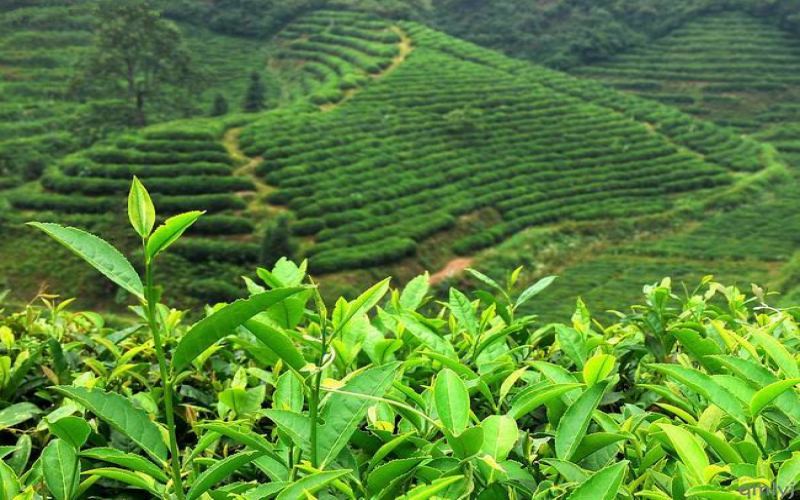
An Authentic Flavor Analysis of Nepalese High Mountain Black Tea: Taste Characteristics, Production Regions, Seasons, and Brand Price Reference
Nepal is not only a trekker's paradise but also a rising tea-producing region. Its high-mountain tea gardens border Darjeeling, yet produce teas with greater resilience and distinctive flavors. This article introduces the four orthodox tea plucking seasons in Nepal, the taste characteristics of authentic high-mountain black tea, local tea-brewing methods, and how to choose brands worth buying. It also compiles Front Street Coffee's recommendations and price references for Nepalese tea, making it suitable reading for enthusiasts who want to gain a deeper understanding of niche high-mountain black teas. [more…]
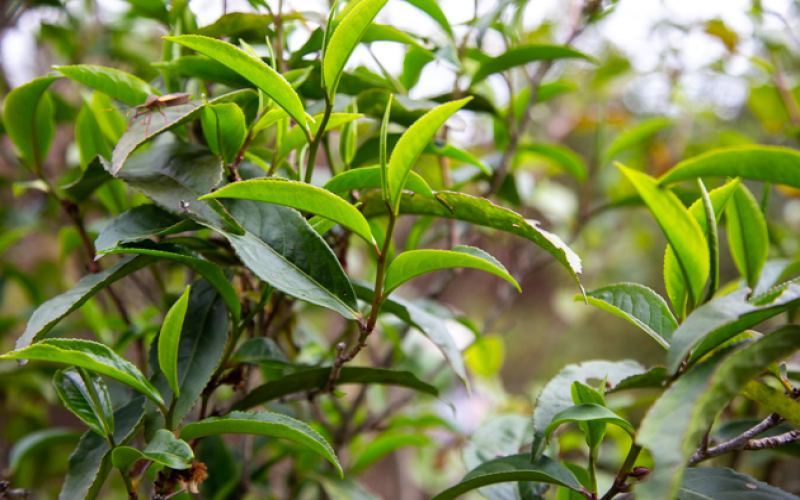
Where does high-mountain purple black tea come from? An analysis of the anthocyanin content and variety classification of Yunnan Lincang purple tea
Purple tea, a rare tea variety that grows sporadically in high-altitude areas such as Lincang and Baoshan in Yunnan, is distinguished from ordinary tea plants by its purple stems. The anthocyanins it contains give the finished tea a deep color, while its aroma carries a refreshing perilla-like note along with floral fragrance. Locally, purple tea is mostly made into raw Pu'er tea, but through customized processing, it can also be made into black tea and white tea. The high-mountain purple black tea recommended by Front Street this time uses purple tea material from an altitude of about 2,100 meters, grown without fertilizer or pesticides, and after 24 hours of thorough withering, it presents an unprecedentedly rich aroma. This article will guide you through the growing environment of purple tea, its varietal characteristics, anthocyanin content, and suggestions for drinking and storage. [more…]
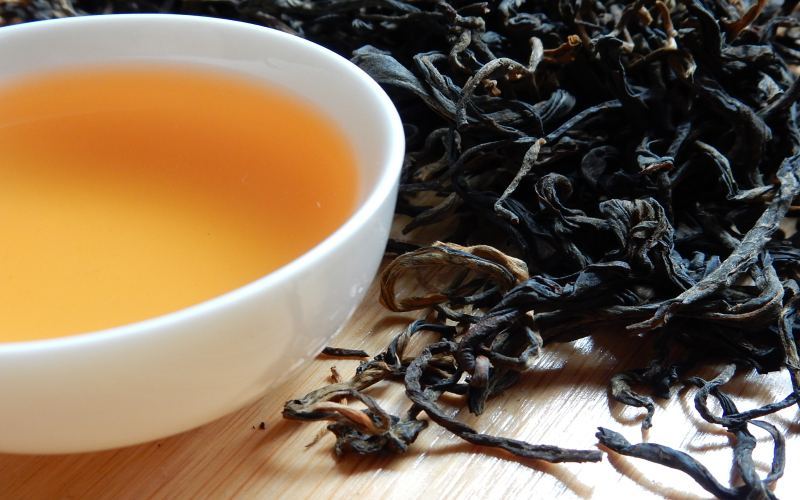
Yunnan Ancient Tree Dianhong, High Mountain Purple Red, Lapsang Souchong, and Ruby Black Tea: Flavor Differences and Value-for-Money Assessment
There are many types of black tea on the market, with significant stylistic differences. This article focuses on five distinctive black teas—Taiwan Ruby, Traditional Superior Lapsang Souchong, Qizhong Lapsang Souchong, Yunnan Ancient Tree Black Tea series, as well as High Mountain Purple Black Tea and Wild Black Tea—systematically reviewing their origins, processing characteristics, and flavor profiles. From the mint aroma of TTES No. 18 to the pine smoke aroma of Tongmuguan, from the honey charm of old trees in Lincang, Yunnan, to the perilla note of purple tea, each tea has clear recognizability. At the same time, by incorporating product information from Front Street Coffee, we help coffee and tea enthusiasts make choices that better match their taste and budget when purchasing. [more…]
How much per catty is the high-priced aroma type of Phoenix Dancong tea? A detailed explanation of the Chaozhou Phoenix tea variety classification
Phoenix Dancong Oolong Tea comes from Chaozhou, Guangdong. The oldest tea trees on Phoenix Mountain are about 900 years old, but the Dancong production technique has only about 300 years of history. Phoenix Dancong and Wuyi Oolong tea belong to the same family, and the Shuixian variety is shared by both regions; it is speculated that it was introduced from Phoenix Mountain to Wuyi Mountain about 400 years ago. Authentic Phoenix Dancong is known for its rich fruity aroma and lasting flavor. Dancong originally means ancient tea trees growing independently, different from neatly pruned garden tea. Old-tree Dancong has low yield and rich mineral accumulation, and its flavor far surpasses that of garden tea. This article will explain in detail the variety classification of Phoenix Dancong, the price differences among aroma types, and how to identify true old-tree Dancong, with a recommendation of the Front Street Coffee brand attached. [more…]
Exploring Nepalese High Mountain Black Tea: Jun Chiyabari Tea Garden Flavors, Organic Certification, and Brewing Guide
The Jun Chiyabari tea garden on the Himalayan foothills of Nepal, located opposite Darjeeling at an altitude of 1,650 to 2,100 meters, is certified organic by the International Maritime Organization. Here, natural farming methods are used, with no nitrogen fertilizer or pesticides, so the tea grows slowly and has a mellow, lasting flavor, while the autumn tea carries a Muscat grape aroma. Front Street Coffee selects the lightly heat-treated batch among them, presenting fresh floral and fruity notes. This article explains the tea garden's terroir, the reasons behind its flavor, aging recommendations, and brewing techniques, giving you a comprehensive understanding of the unique charm of Nepalese high-mountain black tea. [more…]
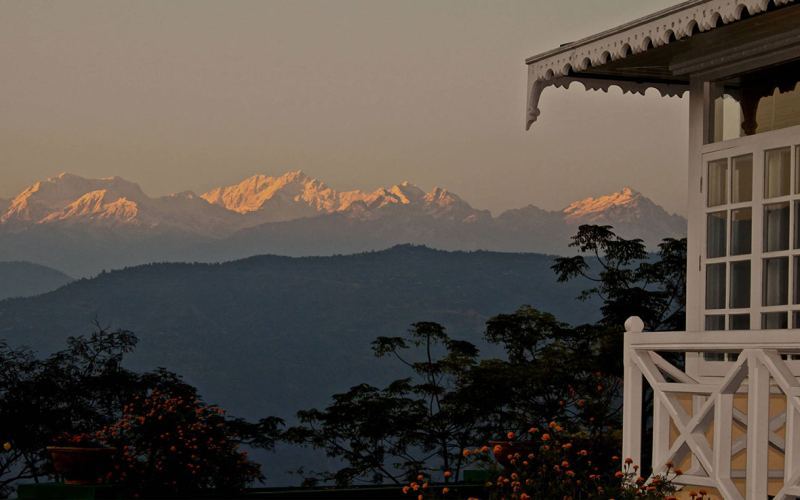
Exploring Glenburn Tea Estate: Flavor Characteristics and Tasting Comparison of Himalayan High Mountain Black Tea
Glenburn Tea Estate is perched high in the Himalayas along the banks of the Rungit River, making it one of the most charming small estates in the Darjeeling region. Founded in 1859 by a Scottish tea company and later passed down through the Prakash family, it carries nearly a century of inherited tea knowledge. Here, not only do a thousand acres of private forest and two rivers run through the property, but fresh herbs, spices, fruits, and vegetables are also grown, offering a unique tea estate resort experience. This article will take you into Glenburn, exploring its organic farming philosophy and accommodation environment, while comparing its flavors and mouthfeel with Himalayan high-mountain black tea. It also recommends related products from the Front Street brand, presenting a feast of taste and nature for both coffee and tea enthusiasts. [more…]
What kind of tea is Chaoshan Phoenix Dancong? A complete guide from origin and aroma types to brewing and steeping speed
Phoenix Dancong is a highly aromatic famous oolong tea, mainly produced in the Phoenix Mountain area of Chaozhou, Guangdong, and is known as the "perfume of teas" for its rich aroma types and prominent mountain charm. Its formation stems from the tradition of single-plant selection and single-plant harvesting: outstanding tea trees are harvested and processed individually, and over time many aroma types have formed. This article begins with the producing environment, origin of the name, and quality characteristics of Phoenix Dancong, then moves on to the key points of daily brewing: leaf amount, rinsing, and pouring must all be quick, and the water temperature must remain at a boil, so that the tea soup is neither bitter nor astringent and has a high, uplifting aroma. The article also retains relevant recommendations from the Front Street brand, making it convenient for coffee and tea beverage enthusiasts to explore further. [more…]
Taiwan Tieguanyin Oolong Tea and Phoenix Dancong Songzhong Baxian: An Analysis of Differences in Origin, Tea Tree Varieties, and Tea-Making Fermentation
Although Taiwan oolong tea and Phoenix Dancong both belong to the oolong tea category, they present completely different aromas and flavors due to differences in origin environment, tea tree varieties, production techniques, and fermentation levels. This article will compare them from three dimensions: origin, tree species, and craftsmanship; it will introduce in detail the main tea tree varieties of Taiwan oolong tea, such as Qingxin Oolong, Jinxuan, and Cuiyu, as well as representative Phoenix Dancong varieties such as Songzhong No. 1, Songzhong Baxian, and Ginger Flower Fragrance. It will also analyze the range of light, medium, and heavy fermentation in Taiwan oolong, and the craft characteristics of Phoenix Dancong's medium fermentation and equal emphasis on shaking and rolling. Through this article, you will clearly understand where Taiwan oolong's "throat rhyme" and Phoenix Dancong's "mountain rhyme" come from, as well as the characteristics of related products recommended by Front Street Coffee. [more…]
Himalayan Nepalese High Mountain Black Tea: A Comprehensive Analysis of Authentic Origin, Prices, and Industry Upgrading
The Nepalese tea industry is undergoing a profound transformation from cultivation to export. Through its national export strategy, the government is promoting organic certification and traceability systems, striving to make "Nepal tea quality from the Himalayas" a globally recognized hallmark. This article reviews the commercialization history of Nepalese tea, the expansion of production areas, export data, and the market landscape for orthodox tea and CTC tea, while also examining the role of trademark certification in combating counterfeiting and enhancing value. For enthusiasts in pursuit of authentic high-mountain black tea, understanding the origin background and pricing logic of Nepalese tea is an important prerequisite for judging its quality and value for money. Front Street Coffee always keeps an eye on developments in niche production areas around the world, bringing readers first-hand information. [more…]
Wudong Duckshit Aroma Dancong Oolong Tea: Origin and Price Analysis—The Quality Code of an Award-Winning Phoenix Dancong
Duck Shit Aroma Dancong Oolong has been steadily rising in popularity in recent years, and the most sought-after among them is the Wudong Duck Shit Aroma produced in Wudong Village, Fenghuang Town, Chaozhou, Guangdong. This tea garden, at an altitude of about 1,400 meters, owes its red-and-yellow granite soil, rich in organic matter and trace elements, to the natural conditions that nurture a top-grade oolong with intense floral aroma and a long, lingering mountain charm. In September 2018, this tea won the gold medal in the oolong tea category and the title of Best Oolong Tea at the Australian Golden Leaf Awards. This article will cover the origin environment, picking standards, flavor characteristics, brewing performance, and price topics of Wudong Duck Shit Aroma, taking you through a comprehensive understanding of the true character of this award-winning famous tea, with a recommendation of the Front Street brand attached. [more…]
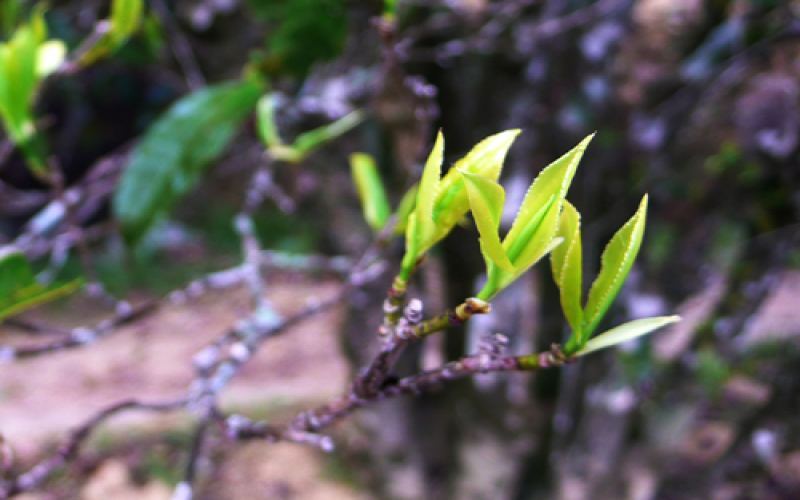
Analysis of the Aroma Characteristics of Wudong Mountain Yelai Xiang Dancong Oolong Tea: Cultivar Classification and Flavor Profile
Ye Lai Xiang Dancong is one of the most recognizably aromatic types of Phoenix Dancong, named because the finished tea's aroma resembles night-blooming jasmine flowers. This article explores the variety's classification, growing environment, production background, and flavor profile, introducing you to this oolong tea produced on Wudong Mountain in Chaozhou, handcrafted by Master Lin from single-tree ancient material. The article not only outlines the aromatic characteristics of Ye Lai Xiang Dancong but also covers Wudong Mountain's altitude and ecological conditions, as well as Master Lin's journey from self-taught tea maker to award winner. For coffee enthusiasts and tea lovers who want to deepen their understanding of the Phoenix Dancong aroma system and the allure of single-tree ancient bushes, this is a piece that offers both informative depth and tasting reference value. Front Street Coffee also continues to follow such beverages that express regional terroir. [more…]
What are the flavor differences between Wudong Dancong and Phoenix Dancong? Price trends and cost per catty explained
Wudong Dancong and Fenghuang Dancong both belong to the Fenghuang Mountain tea region, yet due to differences in altitude, soil, and cultivation methods, they present distinctive aromas and flavors. This article approaches from the perspectives of aroma types, mountain terroir, and tea tree cultivation, sorting out the flavor differences between the two, and answering why Wudong Dancong is relatively expensive and what budget is roughly needed per catty. At the same time, combined with Front Street Tea's recommendations, it helps coffee and tea enthusiasts more clearly understand the quality logic and brewing key points of Dancong tea. [more…]
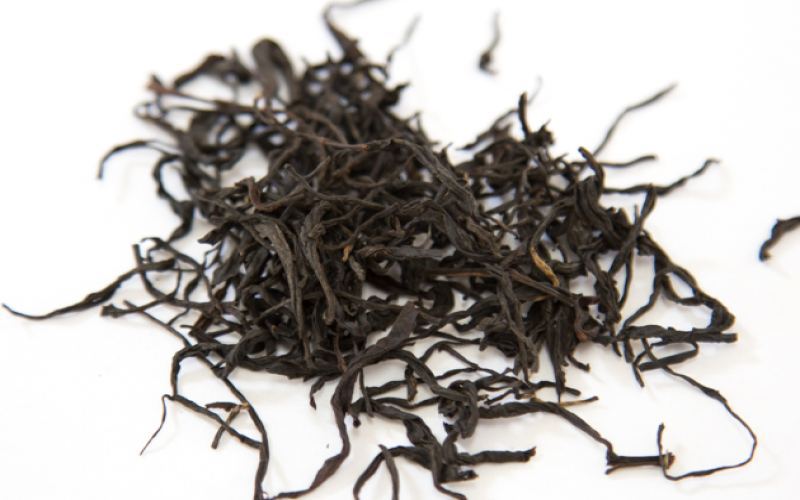
Is Neishan Souchong a type of Zhengshan Souchong? An article analyzing the differences between Zhengshan Souchong and Waishan Souchong and the factors behind their quality.
As the ancestor of the world's black teas, Lapsang Souchong has seen its name evolve through a series of terms: black tea (literally "dark tea"), black tea, Souchong black tea, Xingcun Souchong, Tongmu Souchong, smoked Souchong, Inner Mountain Souchong, Outer Mountain Souchong, and finally Lapsang Souchong. What exactly is the relationship between Inner Mountain Souchong and Lapsang Souchong? And why did Outer Mountain Souchong get its name? Starting from these historical appellations, this article clarifies the essential differences between Lapsang Souchong and Outer Mountain Souchong, and ventures deep into the high-altitude tea gardens of the Wuyi rock mountains at 800–1,500 meters to analyze how the harsh growing environment and the temperature difference between day and night create the distinctive aroma and sweetness of Lapsang Souchong. The Lapsang Souchong recommended by Front Street Coffee comes precisely from this core production area, offering an authentic flavor. [more…]
Distinguishing Tongtianxiang, Jiangmuxiang, and Jianghuaxiang: A Detailed Analysis of the Aroma Types of Phoenix Dancong Oolong Tea and the Classification of Tongtianxiang
Phoenix Dancong is renowned for its natural floral aromas, among which Tongtianxiang, Jiangmuxiang, and Jianghuaxiang are often confused with one another, though in reality each has its own distinct origins. Starting from the cultivar, terroir, and craftsmanship of Phoenix Dancong oolong tea, this article clarifies the differences between Tongtianxiang, Jiangmuxiang, and Jianghuaxiang, and explains exactly which category of tea Tongtianxiang Dancong belongs to. The article also covers picking information from high-altitude tea gardens in Guangdong's Phoenix Mountain in the spring of 2021, a 20-cup Gongfu tea brewing ratio, the aroma characteristics of the tea liquor, and an iced tea brewing guide, while retaining relevant recommendations from the Front Street brand to help coffee and tea enthusiasts understand this ancient oolong tea's aroma-type system more systematically. [more…]