







Search Results for: Hernán Solís
Flavor Analysis and Brewing Performance of Costa Rica Orange County Hernansoris Single Villa Sarchi Coffee
The Orange County region in Costa Rica's Western Valley has long been renowned for its delicate flavors, and the micro-lots produced by the Elsa processing plant are among the finest. This article focuses on the single variety Villa Sarchi cultivated at the Hernán Solís farm, a variety originating from a natural mutation of ancient Bourbon that has long adapted to the high-altitude climate of Orange County. The farm is located in the Llano Bonito area at an altitude of 1,600 to 1,700 meters, and together with the rigorous post-processing procedures of the Elsa washing plant, it has produced a coffee that combines bright acidity, a solid body, and excellent balance. From dry and wet aromas to cupping performance at different roast levels, and then to Front Street Coffee's recommendation, this article will provide a complete analysis of this bean's flavor profile and multifaceted character. [more…]
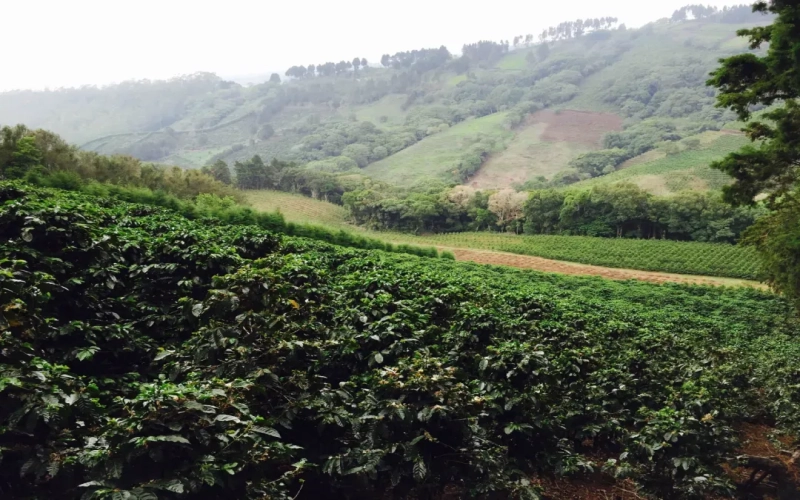
Exploring Costa Rica's Tarrazú Highlands: Coffee Cultivation at Finca Voo and Its COE Competition Success
Costa Rica is a pioneer of coffee cultivation in Central America and has now ranked as the world's fourteenth-largest coffee producer. Surrounded by volcanoes and with a mild climate, it provides ideal conditions for coffee growing. Among its seven major production regions, Tarrazu is the most famous, drawing attention for its high altitude and outstanding performance in the Cup of Excellence (COE). Located in the Copey de Dota area of Tarrazu, Finca Voo sits at an altitude of 1,960 meters and belongs to Café Solís & Cordero S.A. In recent years, it has repeatedly achieved excellent results in COE competitions. Front Street Coffee will take you deep into the terroir of this highland production region and the story of Finca Voo's rise. [more…]
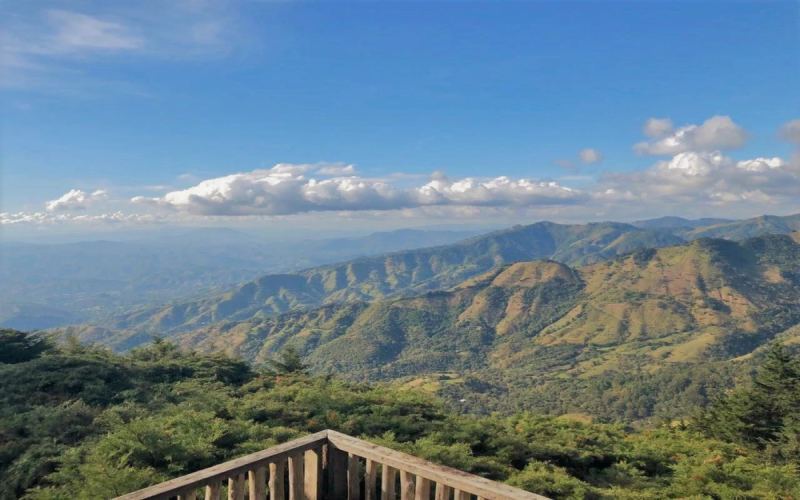
Salvadoran Coffee Bean Origin Characteristics and Flavor Analysis: The Specialty Path from Bourbon and Pacas to Pacamara
Although El Salvador is the smallest country in Central America, it has nine major coffee-producing regions and a rich history of cultivation. From the introduction of coffee in the 18th century, to becoming a major exporter in the 20th century, and then suffering severe blows from civil war and leaf rust, Salvadoran coffee has experienced dramatic ups and downs. Today, Bourbon and Pacas remain the main varieties, while Pacamara has become a regular in the COE with its large beans and excellent flavor. Front Street Coffee takes you through the producing regions, varieties, and flavor characteristics of Salvadoran coffee, and shares brewing suggestions and tasting notes for Pacamara coffee beans. [more…]
The Historical Context, Main Varieties, and Flavor Analysis of Pacamara in El Salvador's Coffee Regions
As the smallest country in Central America, El Salvador nonetheless boasts a rich diversity of coffee-producing regions and impressive specialty coffee performance. From its introduction in the 18th century to the present day, the coffee industry here has weathered the transition from the indigo economy, the impact of civil war, and the leaf rust crisis, while also giving rise to representative varieties such as Bourbon, Pacas, and Pacamara. Front Street Coffee will guide you through the rise and fall of El Salvador's coffee, exploring the distribution of its nine major producing regions and variety structure, and using a Pacamara washed bean from the Sonsonate Izalco region as an example to provide pour-over parameters and flavor descriptions, helping you gain a more systematic understanding of this country's coffee characteristics. [more…]
A Complete Guide to El Salvador's Coffee Regions: Bourbon, Pacas, and Pacamara Flavors and Pour-Over Parameters
Although El Salvador is the smallest country in Central America by area, it has nine major coffee-producing regions and a rich diversity of variety resources. From its introduction in the 18th century to the present day, the coffee industry has weathered the shift away from indigo, the impact of civil war, and the onslaught of leaf rust, and is now known in the specialty coffee world for Bourbon, Pacas, and the hybrid variety Pacamara. This article will guide you through the historical development, main producing regions, and varietal characteristics of Salvadoran coffee, and, using Pacamara as an example, share Front Street Coffee's pour-over extraction parameters and flavor experience—ideal for coffee enthusiasts who want to gain a deeper understanding of the unique charm of this Central American producing country. [more…]
A Comprehensive Analysis of Brazilian Coffee Brands: From Arabica and Robusta to Front Street Coffee Recommendations and Local Instant Coffee Giants
Want to know which brand of Brazilian coffee beans is best? This article starts with the flavor and varieties of Front Street Brazilian coffee, systematically sorting out the characteristics, origins, and uses of the two major coffee bean species, Arabica and Robusta, and takes a deep dive into the three major conglomerates in Brazil's instant coffee market as well as the local brands favored by the people of Rio. It also recommends two Rio cafés where you can buy fresh coffee beans, along with a list of affordable brands praised by netizens, providing coffee lovers with a practical guide to buying Brazilian coffee. [more…]
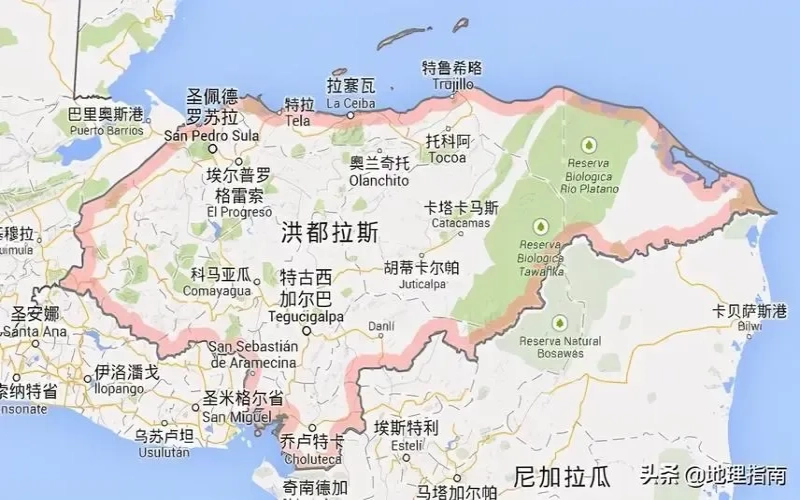
A Panoramic View of Honduran Coffee Regions: An Analysis of Six Major Origins and Varieties from Copán to El Paraíso
Honduras is the second-largest coffee exporter in Central America and the tenth-largest in the world. Most of its 280,000 hectares of coffee farms are run by smallholder farmers. The Honduran Coffee Institute (IHCAFE), founded in 1970, divides the country into six major regions: Copán, Opalaca, Montecillos, Comayagua, Agalta, and El Paraíso. Due to differences in altitude, rainfall, and microclimate, each region presents distinct flavors such as chocolate, tropical fruit, and lemon blossom. Front Street Coffee takes you through the terroir characteristics and main cultivated varieties of these regions, including Bourbon, Catuai, Pacas, Lempira, Typica, and Caturra. [more…]

A Detailed Explanation of Costa Rica's Red Honey Processing Method and a Full Analysis of Hacienda El Mirador's Cultivated Varieties
Costa Rican honey-processed coffee has long been famous for its outstanding sweetness, and Hacienda El Mirador is one of the representatives of this style. This micro-estate, located in the Tarrazú region, sits in a valley at an altitude of 1,750 meters and mainly cultivates three varieties: Catuai, Ethíopia 47, and Geisha. The red honey-processed Catuai from Hacienda El Mirador that Front Street Coffee has acquired this time is presented as a medium-light roast and, in cupping, displays rich layers of sweet orange, cream, grapefruit, honey, and black tea. This article will guide you through the specific steps of red honey processing, as well as the cultivated varieties and estate story of Hacienda El Mirador, to explore the mystery of honey-processed sweetness together. [more…]
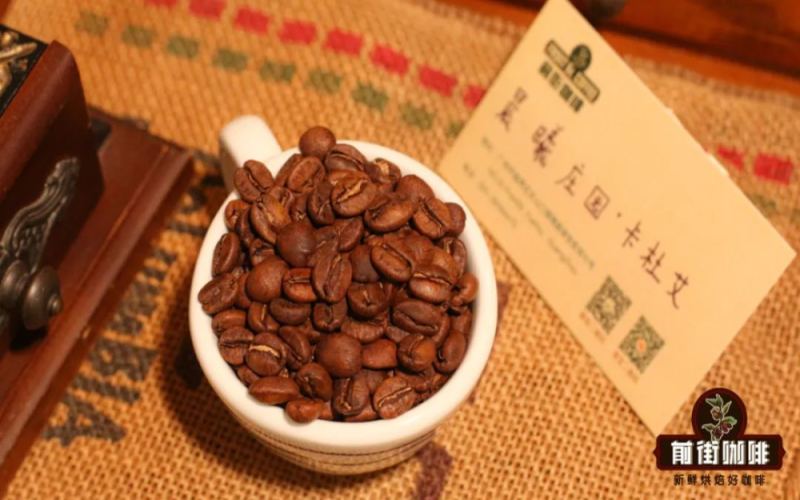
How to drink Costa Rican Red Honey coffee beans? Hand-brew parameters and flavor analysis of Hacienda El Mirador Catuai
Costa Rica is renowned for its honey-processed coffee, and Hacienda El Mirador in the Tarrazú region is a prime example. This Front Street Coffee Costa Rica Hacienda El Mirador Red Honey Catuai comes from the Tarrazú region at an altitude of 1,750 meters, employs the red honey process, and showcases rich flavors of sweet orange, cream, grapefruit, honey, and black tea. This article will guide you through Hacienda El Mirador's growing background, the characteristics of the Catuai variety, and the features of the red honey process, while sharing Front Street's cupping experience and pour-over parameter recommendations to help you better brew this exceptionally sweet coffee. [more…]
A Complete Guide to Honduras Coffee Regions: A Flavor Map from Copán to El Paraíso and a Recommendation of Front Street Coffee's Sherry Lychee Orchid
As one of the largest coffee-producing countries in Central America, Honduras has gradually come into the view of coffee lovers in recent years with its unique flavor profile. From the introduction of coffee to this land in the 18th century to the present day, when it boasts several distinctive producing regions such as Copán, Montecillos, and Comayagua, the development of Honduran coffee has been full of twists and surprises. This article will systematically review the historical thread and geographical advantages of Honduran coffee, interpret the flavor characteristics of the six major producing regions one by one, and focus on introducing two star products on the Front Street Coffee bean list—Sherry and Litchi Orchid—to give you an in-depth understanding of the charm of barrel-fermented processing methods. [more…]
Costa Rica Dawn Estate Red Honey Catuai: Tarrazu Origin Flavor and Variety Analysis
In coffee cupping, sweetness is often the key to a higher score, and Costa Rica, with its diverse honey processing methods, has become a representative origin for high-quality sweetness. In this article, Front Street will focus on a red honey processed Catuai from Dawn Estate in the Tarrazu region of Costa Rica, breaking down everything from the estate's story, the terroir of Tarrazu, and the characteristics of the Catuai variety to the details of red honey processing. The estate is located at an altitude of 1,750 meters, surrounded by pristine green belts, and practices ecological principles through meticulous plot management. Through cupping records, we will present the sweet orange, cream, grapefruit, honey, and black tea flavors this bean displays in dry aroma and slurping, and share its flavor performance under a medium-light roast. [more…]
A Complete Guide to Panama Geisha Coffee: From the Terroir of the Boquete Region to Flavor Profiles of Hacienda La Esmeralda and Elida Estate
Panama is a renowned specialty coffee-producing country in Central America, with three major regions—Boquete, Volcán, and Renacimiento—concentrated in the western province of Chiriquí. Among them, the small town of Boquete, thanks to the fertile soil brought by the Barú Volcano, the microclimate formed by the convergence of the Caribbean Sea and the Pacific Ocean, and the comfortable temperatures ranging from 11°C to 27°C with significant day-night temperature swings, has become the most famous producing region for Geisha coffee. This article will start with its geographical location, climatic characteristics, and regional divisions to introduce the sources of Panamanian coffee's flavor, and recommend Front Street's Hacienda La Esmeralda Geisha and Elida Estate Geisha, as well as the jasmine, citrus, cantaloupe, honey, and green tea flavors that Boquete Geisha presents under a medium-light roast. [more…]
Panama Volcán Region Hartmann Estate: A Comprehensive Analysis of Its History, Cultivation Characteristics, and Subsidiary Estates
In Panama's Volcán region, besides star estates like Hacienda La Esmeralda, there is also the historically significant Finca Hartmann, renowned for its ecological conservation. Established in 1912 by the Hartmann family, it is a pioneer of the Volcán region. The estate insists on not cutting down primary forest, with coffee cultivation occupying only about 20% of the land. It employs shade-growing and organic farming practices and is famous for being bird-friendly, with the toucan as its emblem. Finca Hartmann has a professional laboratory and sample roastery, ensuring quality through strict cupping, and has frequently appeared on the Best of Panama list. Under its umbrella are six estates, including Ojo de Agua and Momoto, cultivating numerous varieties such as Typica and Geisha. Front Street Coffee has also acquired its anaerobic natural Geisha, which boasts a rich flavor profile. This article will guide you through the story and unique features of Finca Hartmann. [more…]
A Complete Analysis of the Flavors of Guatemala's Eight Major Regions: Tasting Notes of Finca El Llano Guayaba Wine-Process Natural SL28
Guatemala, with its sprawling mountain ranges and diverse microclimates, gives rise to eight major coffee regions, each with its own distinct style. This article begins with Finca El Guayabal in the New Oriente region, offering a detailed introduction to the varietal origins, processing details, and cupping performance of its winey natural SL28, and then systematically reviews the terroir characteristics and flavor profiles of each Guatemalan coffee region. Whether you are interested in regional knowledge or single-origin reviews, you will find a complete reference here. [more…]
A Complete Guide to Honduran Coffee Regions: Six Major Origins, Grading System, and Flavor Characteristics
Although Honduras entered the coffee industry relatively late, it quickly rose to prominence thanks to its superior geographical conditions and microclimates, becoming the largest coffee producer in Central America and a major global producer of Arabica. This article systematically reviews the historical development, growing environment, and grading standards of Honduran coffee, and provides detailed explanations of six major producing regions: Copán, Opalaca, Montecillos, Comayagua, Agalta, and El Paraíso. It also includes Front Street Coffee's on-location photos, roasting curves, and brewing suggestions, giving you a comprehensive understanding of the unique charm of this rising star of Central American coffee. [more…]

A Complete Guide to Honduran Coffee Regions: Altitude, Varieties, Flavor, and Barrel-Fermentation Features
Honduras is a mountainous country in Central America, with more than three-quarters of its territory consisting of mountains and highlands. Located in the coffee-growing belt, it has an average annual temperature of 23°C and annual rainfall of 1,300 to 2,300 millimeters. Starting in the late 19th century and rising to first place in Central America in production by 2011, Honduran coffee has gone through a process from backwardness to rise. The country has six major producing regions: Copán, Opalaca, Montecillos, Comayagua, Agalta, and El Paraíso, each showing different flavors due to differences in altitude and climate. The main varieties are Arabica types such as Caturra, Catuai, and Pacas. Front Street Coffee's selected Sherry and Lychee Orchid beans are fermented in whiskey barrels and brandy barrels respectively, bringing rich vinous notes. This article provides a detailed overview of origins, varieties, processing methods, and brewing suggestions. [more…]
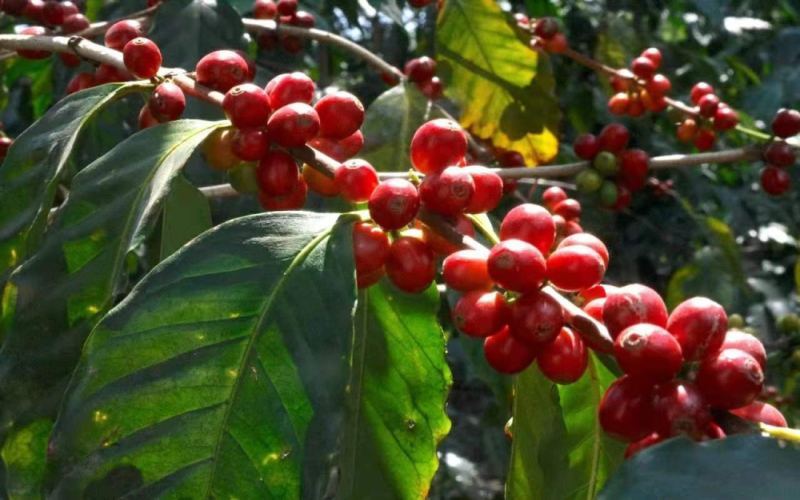
Complete Guide to Honduran Coffee: Six Major Regions, Main Varieties, and Barrel-Fermented Flavor Characteristics
Although Honduras is not as renowned as Ethiopia, it stands out in the specialty coffee world with its unique barrel-fermented processing method. Sherry coffee and Lychee Orchid coffee are prime examples, where the aromas of whiskey and brandy intertwine with the sweet notes of fruit and cream, leaving an unforgettable impression. More than three-quarters of Honduras is mountainous highlands, located in the coffee-growing belt with abundant annual rainfall, providing superior natural conditions for coffee. This article systematically reviews the terroir characteristics and flavor differences of Honduras's six major regions—Copán, Opalaca, Montecillos, Comayagua, Agalta, and El Paraíso—and introduces the main cultivated varieties such as Caturra, Catuai, and Pacas, as well as Front Street Coffee's brewing suggestions and flavor descriptions for two barrel-fermented beans from Mocha Estate, offering a comprehensive understanding of the unique charm of this Central American coffee-producing country. [more…]
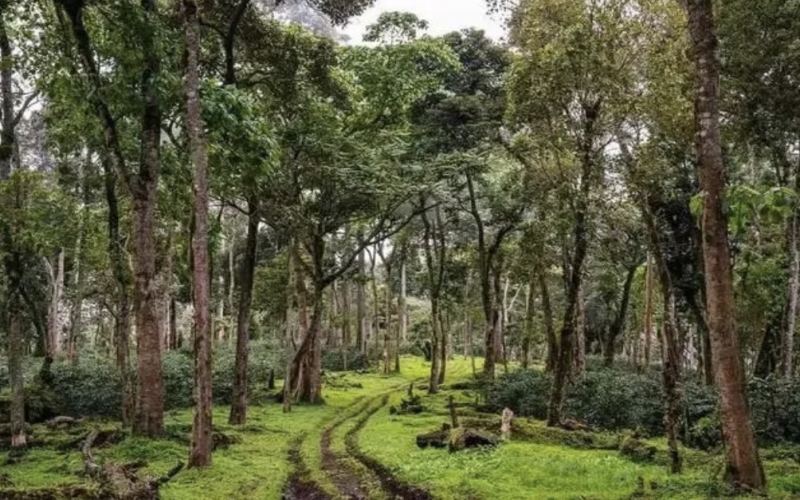
A brief description of the development history of Panama coffee bean cultivation.
Panama coffee is highly renowned in the global coffee market. At the end of the 19th century, when European immigrants settled in Panama, they brought coffee to Panama; the first area where these immigrants grew coffee was the province of Chiriquí. T [more…]
A Complete Guide to Honduras's Six Major Coffee Regions: Flavor Profiles, Grading System, and Origin Stories
Honduras is located in northern Central America. Although its coffee industry started relatively late, it has risen rapidly thanks to its excellent natural conditions and has become an important global producer of Arabica coffee. This article will systematically review Honduras's coffee development history, geographical advantages, and grading system, and introduce one by one the six major producing regions of Copán, Opalaca, Montecillos, Comayagua, Agalta, and El Paraíso. At the same time, it will also present Front Street Coffee's bean selection and brewing practices in Honduras, helping coffee lovers gain a comprehensive understanding of the unique charm of this Central American coffee newcomer. [more…]
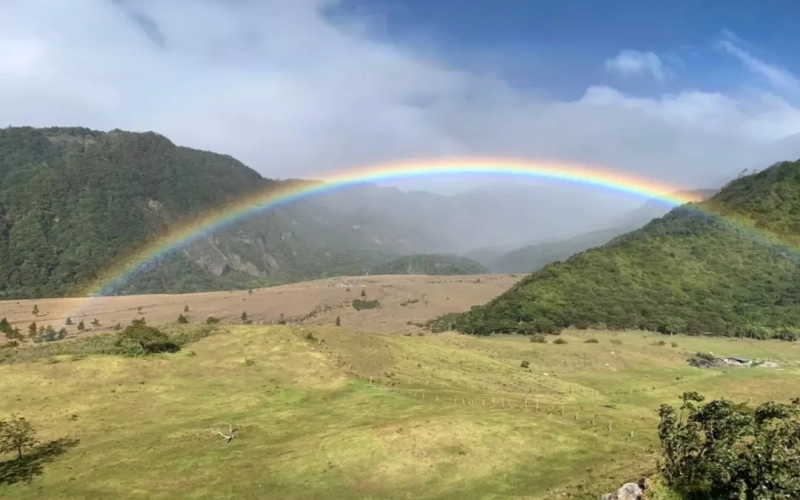
The Geisha Legend of Panama's Volcan Region: A Comprehensive Analysis of 90+ Company's Juliet Coffee Beans
Panama coffee occupies a pivotal position in the international specialty coffee landscape, and the Geisha variety is the shining pearl within it. From European immigrants introducing coffee to Panama in the late 19th century, to Hacienda La Esmeralda's rise to fame at the BOP competition in 2005, the development of Panamanian coffee is full of legendary color. This article focuses on Volcán, one of Panama's three major producing regions, and provides an in-depth introduction to 90+ Company's Geisha estate there and its representative product—Juliette Geisha coffee beans. The article covers the impact of Panama's geography and climate on coffee cultivation, the unique terroir conditions of the Volcán region, the development history of 90+ Company and its Profile Processing system, as well as Front Street Coffee's brewing recommendations and flavor description for Juliette Geisha, offering coffee enthusiasts a detailed guide to origin and tasting. [more…]