







Search Results for: Heating
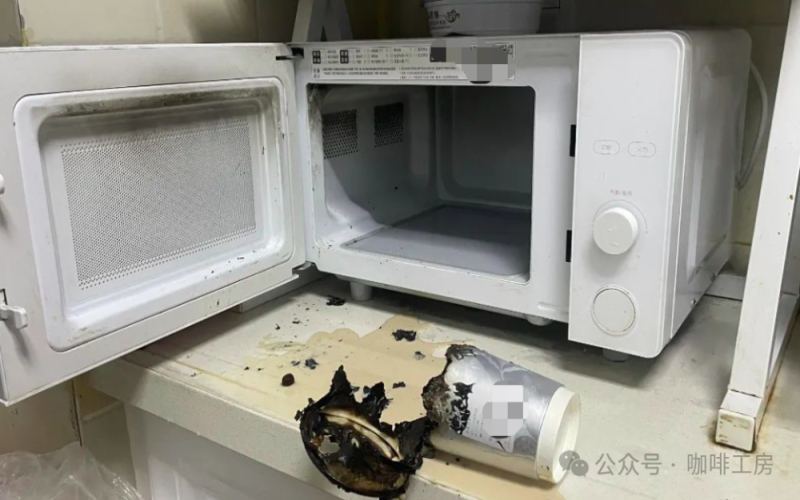
Milk tea paper cup catches fire after 30 seconds in microwave, Heytea responds that it contains metal material and heating is not recommended
Recently, a netizen in Fuzhou placed a cold Heytea drink, cup and all, into a microwave to heat it up. Just 30 seconds later, flames erupted inside the microwave, and the upper half of the cup was burned. The person involved described that halfway through heating, the microwave suddenly began crackling, and the moment it was opened, flames burst out. The fire only went out after the cup was knocked over with a spatula. Heytea customer service responded that the drink uses a paper cup containing metal materials, which is not suitable for microwave heating. In fact, many milk tea lovers on social media have a habit of directly heating milk tea, and similar dangerous incidents are not isolated cases. Whether brands should label packaging with microwave use warnings has also sparked discussions among consumers and legal professionals. [more…]
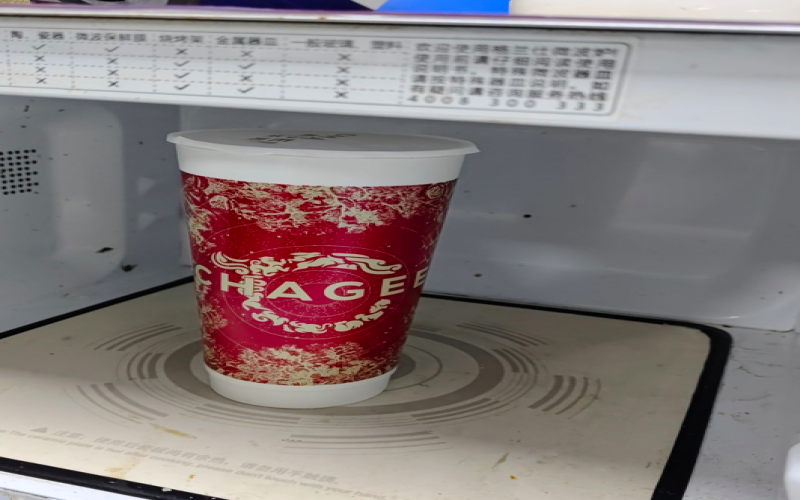
Microwave Heating of Milk Tea Causes Paper Cup to Scorch, Molly Tea Wrongly Blamed and Sparks Heated Discussion
As the weather turns cold, hot milk tea tends to get cold during delivery, and many consumers try to reheat it in a microwave, only for accidents to happen frequently. Recently, multiple customers have reported that when heating Jasmine Naibai drinks, the paper cups showed burn marks and even nearly caused a fire. In contrast, heating milk tea from brands such as Bawang Chaji, Mixue Bingcheng, and Nayuki did not cause similar problems, raising questions about the quality of Jasmine Naibai's paper cups. However, onlookers rushed to defend the brand, pointing out that the cup sticker already has a reminder, and that the metallic substances in the cup's gold-stamped pattern reflect microwaves in the microwave, which is the main cause of the accidents. This article reviews the course of the incident and the underlying principles, and reminds readers: heating milk tea in a microwave poses safety hazards, so do not imitate it rashly. [more…]
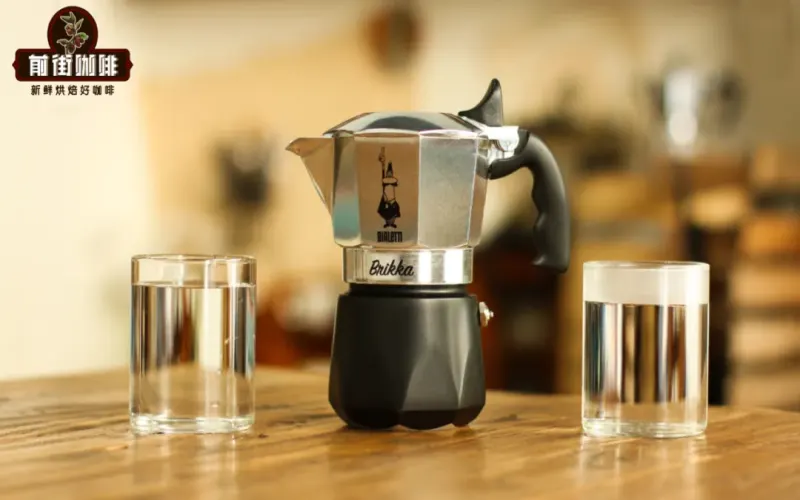
Moka pot: cold water or hot water? A hands-on comparison of heating time, sputtering, and bitterness differences
The Moka pot, with its compact size, simplicity, and affordability, has become the go-to home brewing device for many coffee enthusiasts. But in actual use, one repeatedly raised question has always puzzled people: when making Moka pot coffee, should you use cold water or hot water? The choice of water temperature not only affects the length of heating time, but also directly influences the final coffee flavor. Front Street conducted a controlled experiment, using cold water and hot water respectively to brew Moka pot coffee, recording the two's outflow time, extraction state, and taste presentation. This article will present the complete experimental process and results, analyze the causes of the sputtering phenomenon, and explain why Moka pot coffee made with cold water is more prone to bitterness, finally offering targeted operating recommendations. [more…]
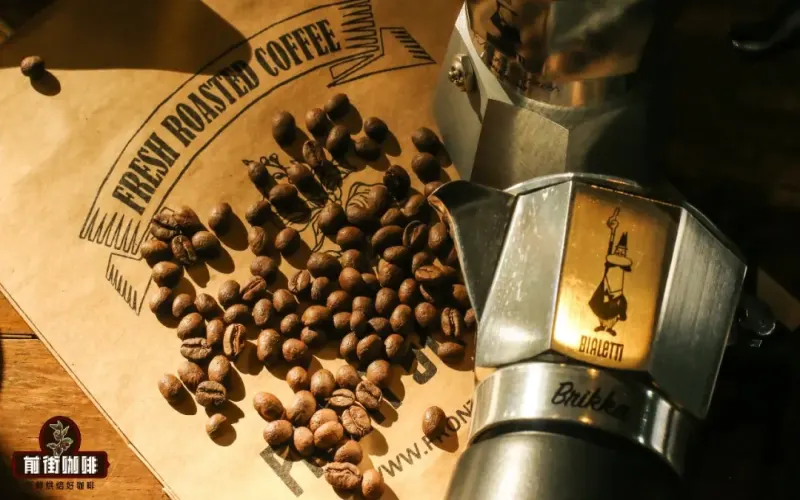
How to Extract Stronger Coffee from a Moka Pot? A Guide to Choosing Medium-Dark Roast Beans and Heating Methods
The Moka Pot, with its high-temperature, pressurized extraction method, can produce a rich and full-bodied coffee liquid. Since its invention by Alfonso Bialetti in 1933, it has been widely used in European households, especially in Italy. To make Moka Pot coffee stronger, the key lies in choosing the right coffee beans, controlling the coffee-to-water ratio, and mastering the heating rhythm. This article will provide a detailed explanation of how to use a Moka Pot to make espresso with abundant crema and a thick mouthfeel, covering the structure and principles of the Moka Pot, suitable coffee bean types, Front Street brand recommendations, and specific operating steps. It will also explain the difference between using a gas stove and an induction cooker when heating, helping coffee enthusiasts enjoy freshly roasted medium-dark roast beans within their optimal flavor period. [more…]

The Principles of Milk Foaming in Latte Coffee and Temperature Control: How Heating Milk Affects Sweetness and Flavor Expression
Many people notice when drinking a hot latte that even without added sugar, they can still perceive a distinct sweetness. Where exactly does this sweetness come from? What changes does milk undergo during heating and steaming? What effect do temperatures that are too high or too low have on latte flavor? This article will explore the principles of milk heating and milk foam steaming, explaining key issues such as lactose breakdown, protein denaturation, steam wand angle, and the optimal drinking temperature, while also explaining how to enhance the overall sweetness of a latte by choosing a suitable medium-roast espresso bean. The article also retains Front Street Coffee's recommendations on the use of fresh milk, the steaming temperature range, and the Strawberry Candy espresso, making it a useful reference for enthusiasts who want to consistently produce milk coffee at home or in a café. [more…]
Medium-Dark Roast Moka Pot Coffee Bold Extraction Guide: Heating Methods and Key Operating Points Explained
The moka pot, with its high-temperature, pressurized extraction method, can produce a rich and full-bodied coffee liquid. Since its invention in 1933 by the Italian Alfonso Bialetti, it has remained a common appliance in European households, especially in Italian kitchens. Starting from the structural principles of the moka pot, this article will explain the choice of materials and heating methods, and focus on sharing how to improve the concentration and crema performance of medium-dark roasted moka pot coffee through water temperature control, grind size adjustment, and pacing of the heating. At the same time, combined with Front Street Coffee's medium-dark roasted bean recommendations, it helps coffee lovers enjoy a thick and full cup of moka pot coffee within its optimal flavor period. [more…]

Is It Okay to Heat Up Cold Brew Coffee? A Full Analysis of Cold Water Extraction Principles and the Differences Between Ice Drip and Cold Brew
As the weather turns cooler, cold brew coffee sales have clearly declined, and the cold brew at Front Street's stores has also hit a sales slump. Looking at the leftover cold brew in the fridge, a question comes to mind—can cold brew coffee actually be heated? Although Front Street has tried heating various coffees such as pour-over and lattes, it has never actually conducted an experiment on heating cold brew. This article will start from the definition of cold brew coffee, clarify the difference between ice drip and cold brew, explain the core logic of cold water extraction, and actually test the flavor performance of cold brew after heating, to answer this seemingly abstract yet very practical question for coffee enthusiasts. [more…]

Individual Luckin Coffee stores adding ovens sparks employee discussion, nationwide rollout may be constrained by licensing requirements
Chain coffee brands continue to enrich their bakery product lines. Luckin Coffee was recently reported to have installed ovens at a store in Shanghai, capable of heating light meals such as sandwiches. Once the news broke, consumers widely applauded and looked forward to a nationwide rollout; but frontline employees pushed back strongly, worried about cleaning burdens, service efficiency, and customized requests. Some level-headed voices pointed out that currently only special store formats such as flagship stores have the conditions for heating, and a nationwide rollout is still restricted by food processing qualifications. This article will walk you through the full picture of the incident and the voices from all sides. [more…]
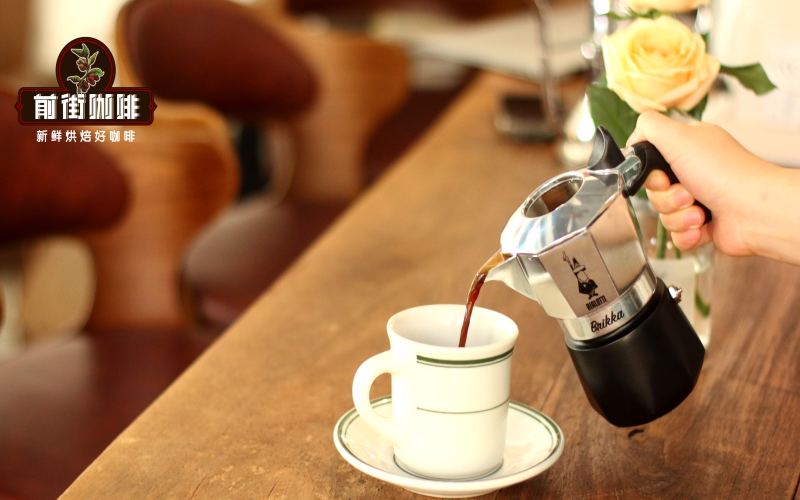
How High Should the Heat Be for a Moka Pot? A Full Breakdown of Metal Shell Design, Heating Methods, and Coffee Bean Selection
The moka pot is one of the lowest-barrier and least expensive tools for making strong coffee, and for enthusiasts who love espresso-style flavor but aren't ready to buy a semi-automatic espresso machine, it's a very friendly choice. Although it's said that every Italian nonna has one, if you really want to use it well, there are some basics you need to understand in advance. Today, Front Street Coffee will take you into the fun world of the moka pot, focusing on several core questions: flame intensity, the metal body design of the pot, and heating methods. We'll also talk about how to choose coffee beans, how fine to grind, how to fill the basket, how to control the water amount, and when to turn off the heat, helping you easily brew a cup of moka pot coffee with rich crema and aromatic flavor. [more…]
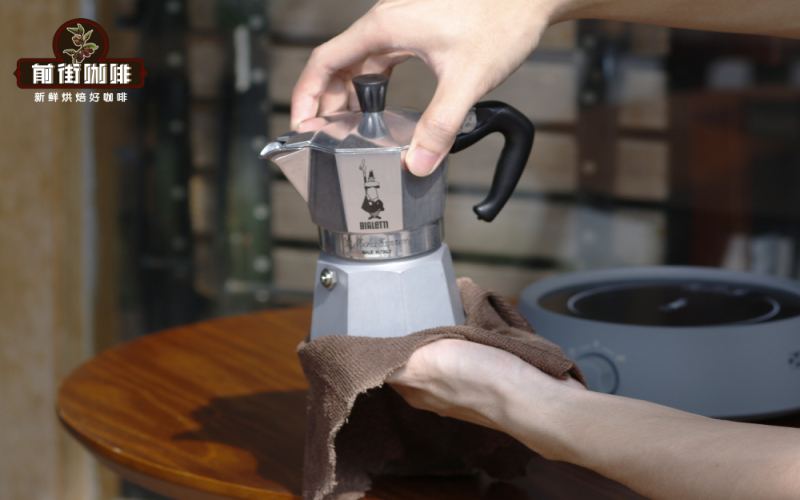
What is a Moka pot? A detailed explanation of usage steps, key points for open-flame heating, and coffee bean selection recommendations
As a classic home coffee device, the moka pot is favored by many coffee enthusiasts for its rich extraction flavor. But many people still have questions about grind size, coffee-to-water ratio, heating method, and other issues during use. This article will start from the basic structure and extraction principle of the moka pot, systematically introduce the differences between single-valve and double-valve models, the selection of capacity specifications, suitable types of coffee beans, and practical details such as grind coarseness, coffee-to-water ratio, when to turn off the heat, and whether to keep the lid open. It will also answer the common question of whether a moka pot can be heated over an open flame, and include several Front Street coffee bean recommendations to help you easily brew a rich and delicious moka pot coffee at home. [more…]

How to Reheat Cold Coffee Without Ruining Its Flavor? A Taste-Test Comparison of Pour-Over Coffee Heated on an Electric Stove vs. an Alcohol Lamp
A cup of pour-over coffee, from steaming hot to completely cold, undergoes irreversible changes in both aroma and taste. When the coffee drops to room temperature, most of those pleasant aromatic compounds present at high temperatures have long since dissipated, so it naturally tastes much flatter. Since the flavor cannot truly be "revived," our next-best goal is to lock in as much of the remaining aroma as possible, so that the rewarmed coffee is at least not unpleasant to drink. Front Street tested two heating methods—an electric hot plate and an alcohol lamp—raising two pots of coffee, Butterfly and Typica, from room temperature to 50°C, recording the tasting impressions one by one, in an attempt to find a heating approach that balances drinkability and flavor retention. The following presents the complete comparison process and conclusions, along with other rewarming ideas worth trying. [more…]
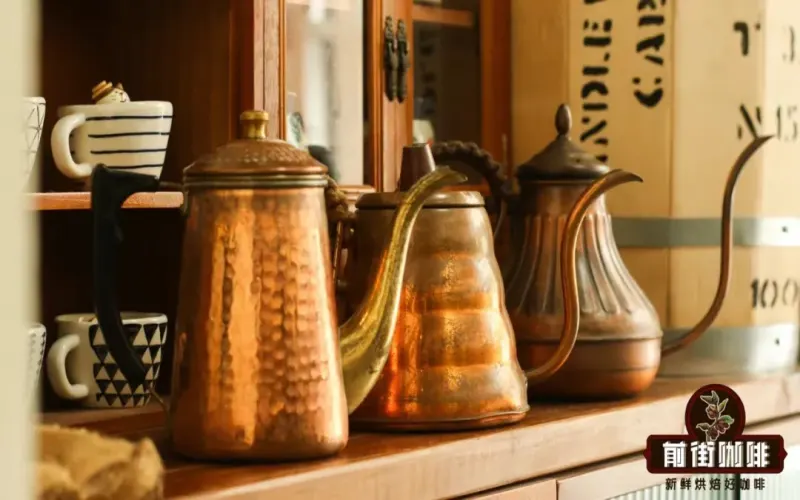
Pour-Over Coffee Kettle Buying Guide: Brand Comparison, Direct-Fire Heating Feasibility, and Pouring Techniques Explained
Faced with a dazzling array of pour-over kettles, choosing a handy piece of equipment has become a puzzle for many coffee lovers. Starting from real-world usage scenarios, this article systematically sorts out the key points for buying a pour-over kettle, answers the common question of whether it can be heated directly, and shares pouring techniques and usage tips. At the same time, combined with the product characteristics of Front Street Coffee, it helps readers find a choice that balances function and value for money among diverse styles, enhancing the daily pour-over experience. [more…]
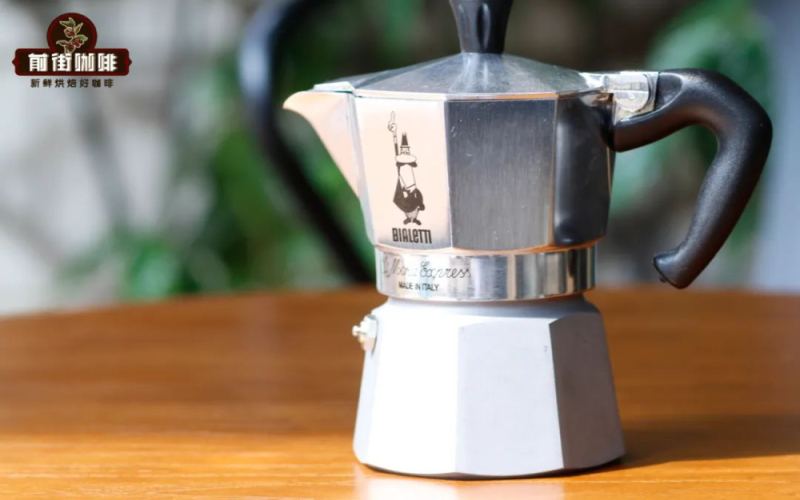
Why shouldn't you drink from a new moka pot for the first three brews? Full analysis of the causes of sputtering and key usage points
Since the Moka pot came onto the market in the 1930s, it has become an important piece of equipment in the daily coffee life of Italian households, and today it also has quite a few fans in China. Its operation seems simple, but beginners often encounter some confusion: why is the coffee brewed in a newly purchased pot not recommended for drinking during the first three times? Why does the coffee liquid sputter when heating? This article will systematically sort out the key details in using a Moka pot from multiple angles, including cleaning and seasoning a new pot, the extraction principle, the pressure relief valve mechanism, grind size, heat control, daily maintenance, and suitable coffee bean choices, and will also include practical suggestions from Front Street Coffee to help everyone brew rich, oily espresso-style coffee more safely and consistently. [more…]
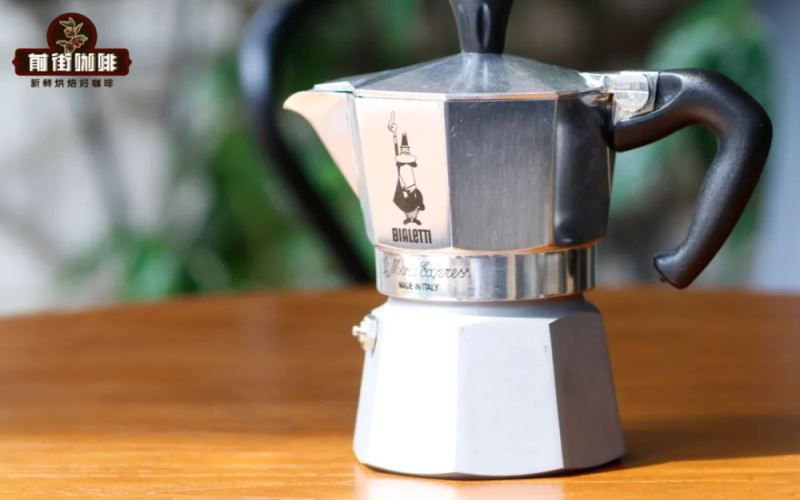
A Complete Analysis of Moka Pot Italian-Style Brewing Details: From Structural Principles to Anti-Seizing and Safe Operation
The moka pot is an extremely common classic coffee device in Italian households, with almost every home keeping one on hand. It relies on the steam pressure generated by heating the lower chamber to push hot water through the coffee grounds and into the upper chamber, thereby producing a cup of rich coffee with oils. However, in China, not many people truly understand its correct use. This article will begin with the moka pot's invention history, structural composition, and extraction principles, then explain in detail the key steps such as the water filling position, coffee distribution method, heating rhythm, and grind size. Combined with a brewing example using Front Street PWN Golden Mandheling, it will help readers avoid splashing, explosion hazards caused by improper operation, and problems such as the pot seizing shut and being impossible to open after use, so that the moka pot can produce consistent results. [more…]
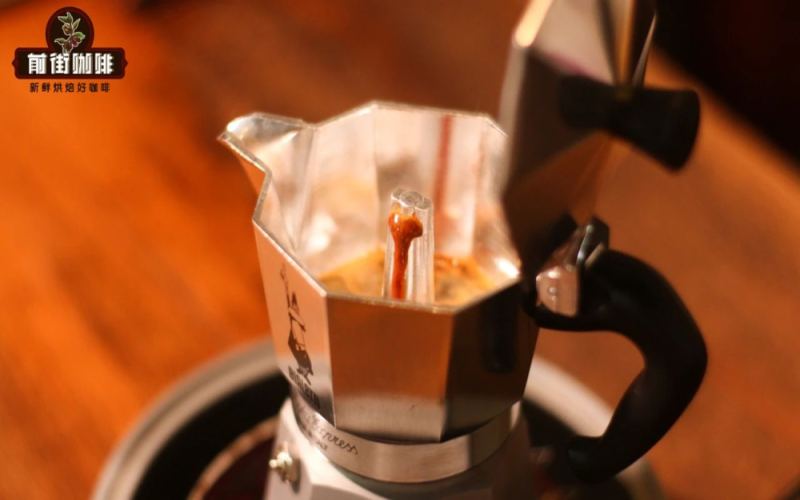
Moka Pot Brewing Precautions | Can Improper Use of a Moka Pot Explode and Injure Someone? What Are the Moka Pot Mistakes Coffee Beginners Need to Watch Out For?
For more specialty coffee knowledge, please follow our WeChat public account: Front Street Coffee (FrontStreet Coffee). In daily life, Front Street often hears a saying: "For safety reasons, it's best not to use a moka pot." Why is that? Why is using a moka pot not recommended? [more…]
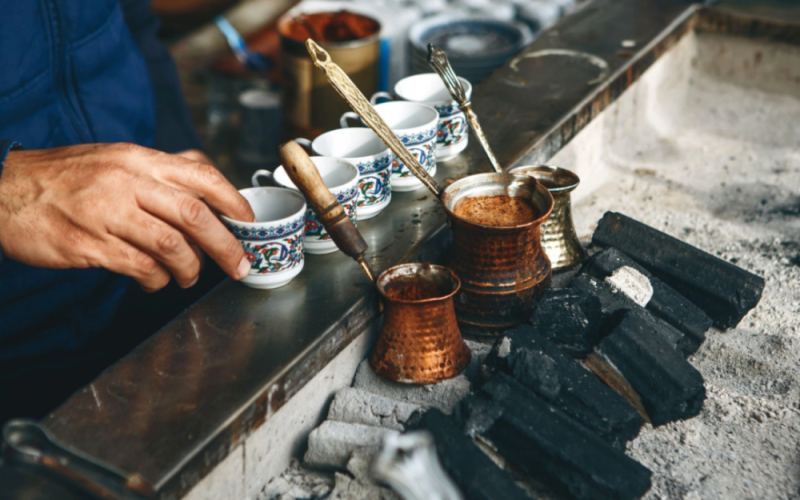
Why Does Turkish Coffee Always Brew Up a Full Pot? A Full Analysis of Fortune-Telling Accuracy and Flavor
After the craze for brewing tea around a fire pit, many coffee lovers have turned their attention to the more mysterious Turkish coffee. Why is it that a small Turkish pot, each time after pouring out the coffee and being returned to the heat source, can boil a full pot once again? Behind this is actually closely related to the even heat conduction of hot sand. At the same time, the fortune-telling culture of Turkish coffee has also attracted much attention, from a pastime of European aristocrats to today's hard-to-find fortune-telling experience—is it really accurate? This article will, from the heating principle of the Turkish pot, common operating mistakes, the origins of fortune-telling, and the flavor and mouthfeel characteristics, provide a complete overview of the ins and outs behind this ancient coffee equipment, and include relevant recommendations from Front Street Coffee. [more…]
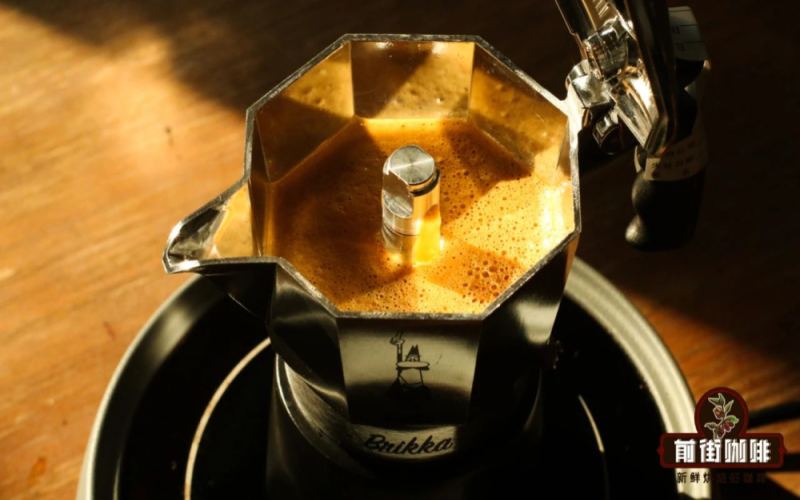
Moka Pot Usage Guide | How to Brew Good Coffee with a Moka Pot? How Fine Should the Coffee Grounds Be for a Moka Pot? Does Moka Pot Black Coffee Have Oil and Crema?
For more specialty coffee knowledge, please follow our WeChat official account: FrontStreet Coffee. As a symbol of Italian coffee culture, the moka pot is one of the most famous brewing devices in the world. Its iconic design, ease of use, and wide applicability have made it a favorite among many enthusiasts. [more…]
Moka Pot Safety Analysis and Correct Usage: A Complete Guide to Open-Flame Heating, Grind Size, Coffee-to-Water Ratio, and When to Turn Off the Heat
The moka pot is a staple piece of equipment in many coffee lovers' homes, but there are also plenty of questions surrounding it: Are there safety hazards? Can it be heated directly over an open flame? And how should it be operated correctly to brew a rich cup of coffee? Starting from the actual confusion of Front Street fans, this article systematically sorts out the moka pot's structural principles, the differences between single-valve and double-valve models, and capacity selection, and explains in detail the key points of coffee bean selection, grind size control, coffee-to-water ratio, heating method, and timing for turning off the heat. The article also recommends three coffees suitable for the moka pot—Front Street Coffee's specialty blend, Queen's Estate Yellow Bourbon, and Indonesian PWN Golden Mandheling—for readers to consider when purchasing. [more…]
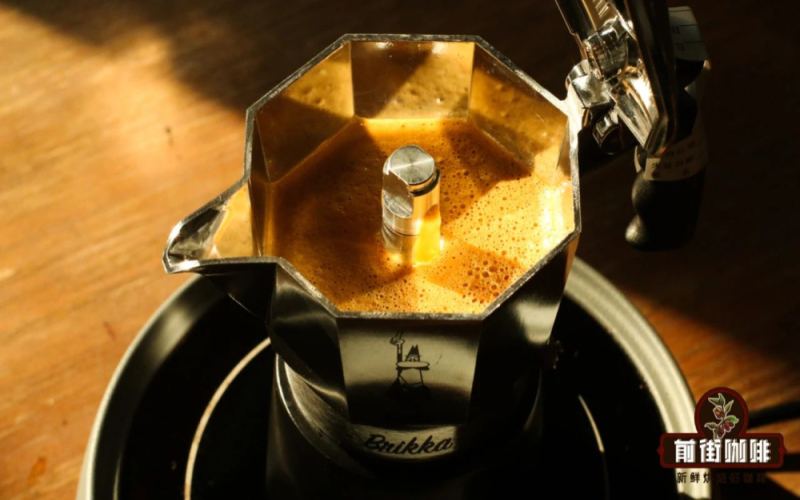
The Complete Guide to Moka Pot Brewing: Detailed Illustrated Explanation from Equipment Structure to Operating Steps
The moka pot, as a classic symbol of Italian coffee culture, has become the first piece of equipment for many coffee enthusiasts entering the world of coffee, thanks to its iconic design, ease of use, and broad applicability. This article will take the moka pot commonly used in cafes as an example to systematically introduce the construction principles, usage methods, and operational details of this device. From bean selection and grind size to heating and extraction, every step has specific parameters and points to note. At the same time, the article will also recommend several Front Street Coffee beans suitable for the moka pot, helping you make a rich and aromatic cup of moka pot coffee at home. [more…]
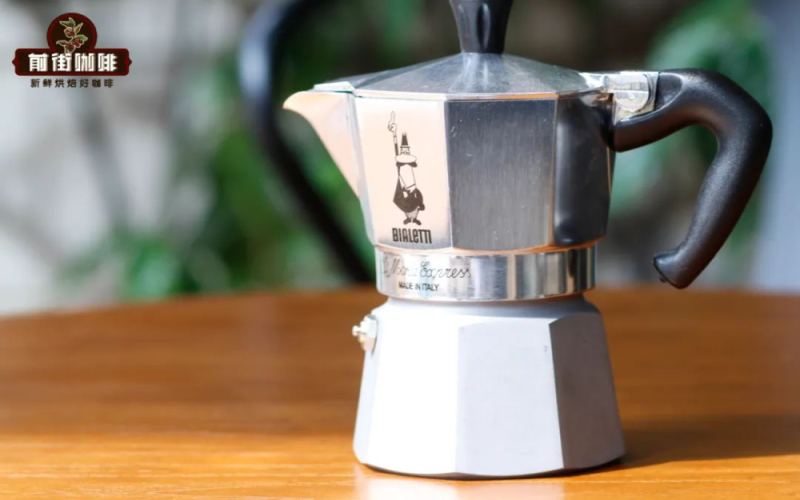
Bialetti Moka Pot Low-Acid Coffee Bean Selection and Grinding & Extraction Full Process Illustrated Guide
Since the moka pot was invented in 1933 by the Italian Alfonso Bialetti, it has been a common appliance in European households, especially in Italian kitchens. It works by heating the lower chamber to produce steam pressure, which pushes hot water through the layer of coffee grounds to extract a rich, full-bodied brew. To make a cup of coffee with a rich crema and a smooth mouthfeel using a moka pot, the freshness of the coffee beans, the choice of roast level, and the coarseness of the grind are all crucial. This article will focus on Front Street Coffee's freshly roasted specialty low-acid coffee bean recommendations for the Bialetti moka pot, the criteria for judging grind size, and the complete brewing process, providing coffee lovers with a practical guide to using the moka pot. [more…]