







Search Results for: Hangzhou Yongfu Temple
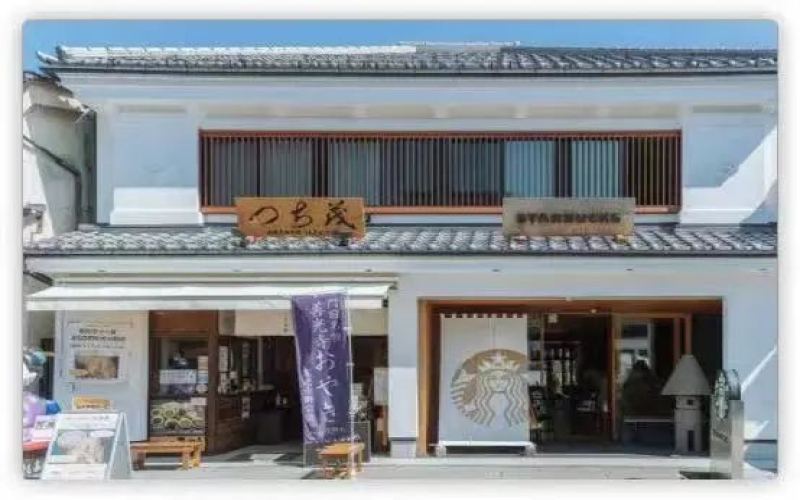
Exploring the Temple Coffee Trend: Why Ancient Temples Like Hangzhou's Yongfu Temple Attract Young People to Check In
In recent years, a coffee trend has quietly emerged in ancient temples across Asia. From the Starbucks outlet at Zenko-ji Temple in Japan, to the café at Yongfu Temple in Hangzhou, and to South Putuo Temple in Xiamen recruiting baristas, the combination of temples and coffee has repeatedly drawn attention. Young people are flocking to temples, sipping specialty coffees named "Cleansing Worries" and "Stopping Snow" while soaking in the serene atmosphere of ancient temples. This sense of contrast born from the collision of Eastern and Western cultures, combined with the immersive scene experience, has made temple coffee quickly go viral online. This article will walk you through the reasons behind the popularity of temple coffee, as well as the monks' true attitudes toward coffee. [more…]
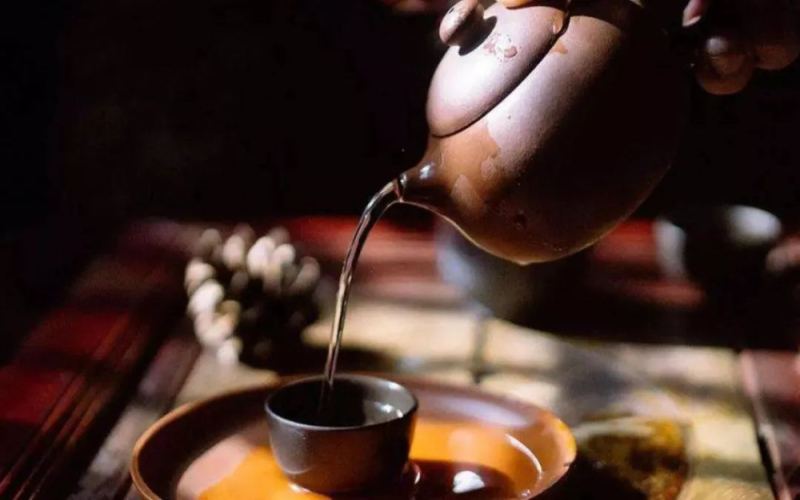
Monks Also Love Pour-Over Coffee: Ancient Temples Across Asia Open Cafés, Monks Buy Green Beans to Roast and Brew Themselves
Famous mountains and ancient temples have long been known for tea, but in recent years monks at temples in many parts of Asia have begun to take a keen interest in coffee, and cafes have quietly appeared within temple grounds. From the Starbucks at Zenko-ji in Japan, to the vegetarian coffee at Yongfu Temple in Hangzhou and Longhua Temple in Shanghai, to Korean monks who buy green beans themselves, purchase roasters, and personally brew coffee to serve visitors, coffee is gradually becoming part of temple life. This article introduces this intriguing phenomenon of traditional culture blending with an imported beverage, and explores the cultural significance behind temple coffee. At the end, it also includes netizens' profound comments on the changing role of temples. [more…]
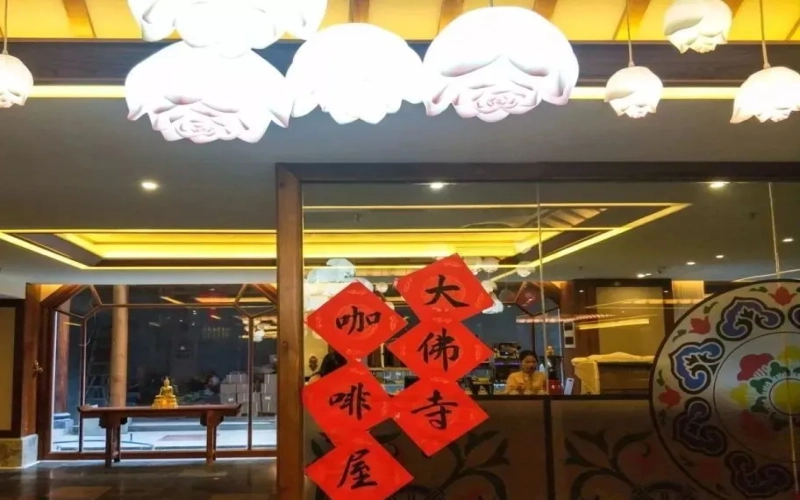
Shanghai's Longhua Ancient Temple launches oat milk vegan coffee, a 1,700-year-old temple also ventures into跨界
As the coffee wave sweeps across every industry, even ancient temples spanning a millennium can no longer resist the urge to cross over. Longhua Temple, the oldest in Shanghai, has recently opened a beverage window next to its vegetarian restaurant, launching "vegetarian coffee" that uses oat milk instead of dairy milk — catering to vegetarians and those who are lactose intolerant. This is not the first time a temple has ventured into coffee; from Dafo Temple in Guangzhou to Yongfu Temple in Hangzhou, the collision between Buddhist monasteries and coffee has long existed. Longhua Temple's move, with its affordable prices, has sparked heated discussion online: can coffee be classified as vegetarian or non-vegetarian? Is temples selling coffee a new path for cultural dissemination, or just a gimmick? This article takes you behind the scenes. [more…]
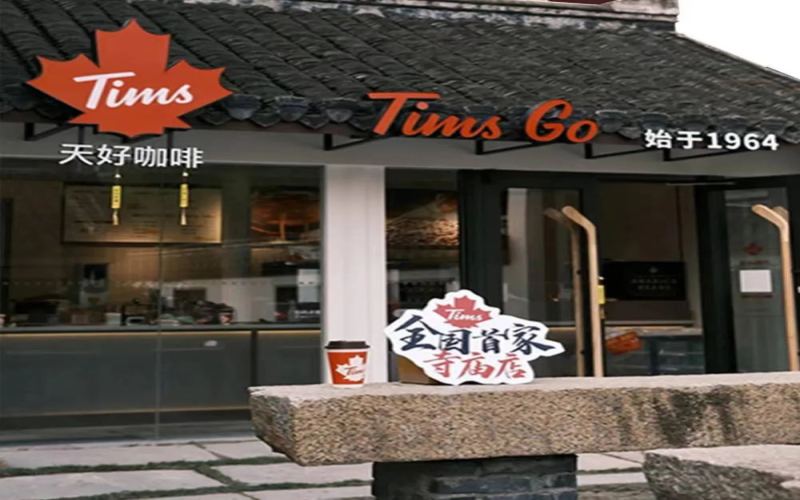
Tims Coffee opens its first temple store in China at Nantong Xisi Temple, with young people flocking to check in to relieve stress
The coffee chain Tims recently opened China's first temple coffee store at Xisi in Nantong, Jiangsu, sparking considerable attention and discussion. The new store not only introduced promotional slogans with a Zen flavor but also set up opening activities such as incense card giveaways, limited-edition stamps, and collaborative canvas tote bags, attracting many consumers to visit and check in. In fact, since the beginning of this year, temple coffee shops have been springing up in various places, with similar attempts at Yongfu Temple in Hangzhou, Longxing Temple in Taizhou, and Nanputuo Temple in Xiamen. Behind young people's enthusiasm for temple coffee lies both a spiritual anchor amid life's pressures and a reflection of coffee brands seeking differentiated marketing strategies in fierce competition. Front Street Coffee takes you through the ins and outs of this temple coffee trend. [more…]
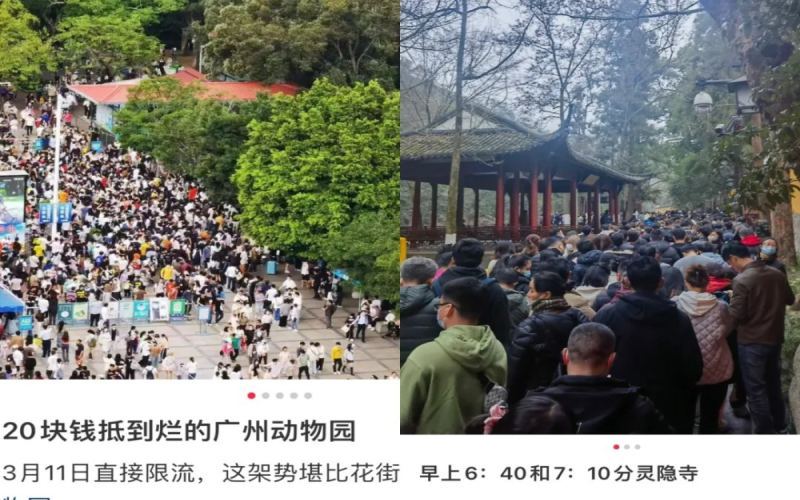
Why is temple coffee going viral? The psychology and consumer logic behind young people flocking to temples to burn incense and drink coffee
In recent years, among those booking tickets to temple scenic spots, the post-90s and post-00s generations have accounted for nearly half, and temples that enshrine the God of Wealth or have coffee shops in particular have become popular destinations for young people to check in. Burning incense while drinking coffee—a lifestyle that seems contradictory yet runs in parallel—reflects what kind of psychological needs among today's young people? Why exactly has the cross-boundary combination of temples and coffee become so popular? Starting from young people's motivations for visiting temples, this article analyzes the dual effects behind the rise of temple coffee and explores how the coffee industry and temple operations can help each other succeed through this collision. At the same time, the article retains recommendations and introductions related to brands such as Front Street Coffee for coffee lovers' reference. [more…]
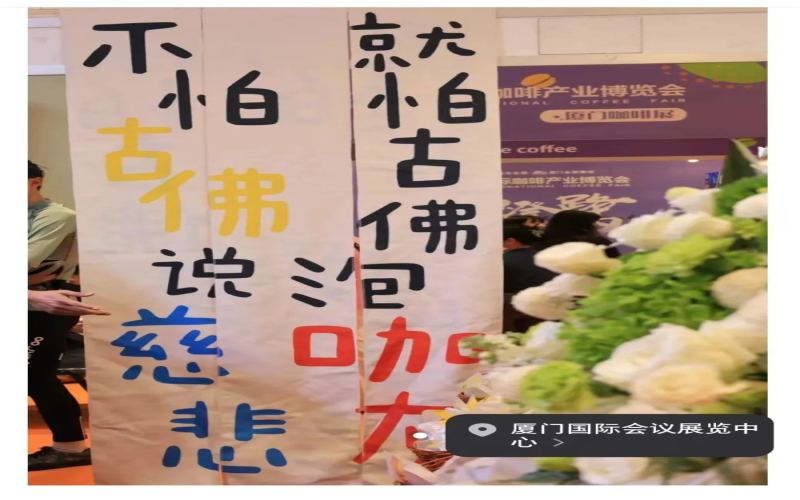
When Monks Pick Up Pour-Over Kettles: How Temple Coffee Went from Lingyin Temple to a Xiamen Expo
When a "monk" dressed in a long robe calmly brewed coffee with a Fellow gold kettle in hand at the Xiamen International Coffee Industry Expo, onlookers rushed to raise their phones. This scene at the Bitter Coffee booth, paired with the backdrop slogan "Fear not the ancient Buddha speaking of compassion, fear the ancient Buddha brewing coffee," quickly sparked heated discussion on social media. From Lingyin Temple in Hangzhou being mobbed at the beginning of the year to temples across the country setting up coffee bars one after another, "temple coffee" has evolved from an internet sensation into a unique coffee culture phenomenon. Cibei, Jianfo, Xide—these names carrying Zen connotations are redefining the way young people drink coffee. This article will take you through a review of this craze that has spread from Buddhist sanctuaries to coffee exhibitions. [more…]
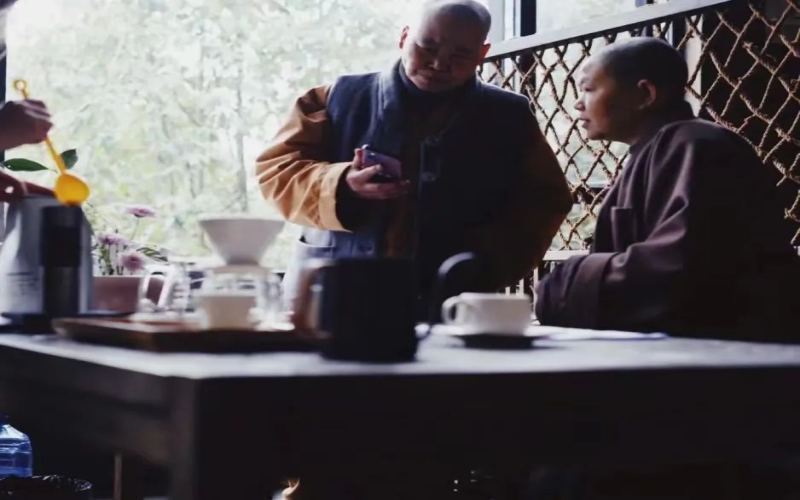
Why has temple coffee become a new favorite among young people? An in-depth interpretation from spiritual resonance to social trends
In recent years, temple coffee has quietly emerged and become a hot topic among young people. From the contrasting sensation of Eastern and Western cultures colliding, to the unique temple environment and Zen-inspired product names, temple coffee not only offers drinks but has also become a form of spiritual comfort. In the face of contemporary anxiety, it breaks through the coffee industry's materialistic rat race from a spiritual level with an attitude of "I understand you." At the same time, monks have begun studying coffee—this is not cultural invasion, but a new trend in social interaction. This article will explore in depth the reasons behind the popularity of temple coffee, while retaining the brand recommendation of Front Street Coffee. [more…]
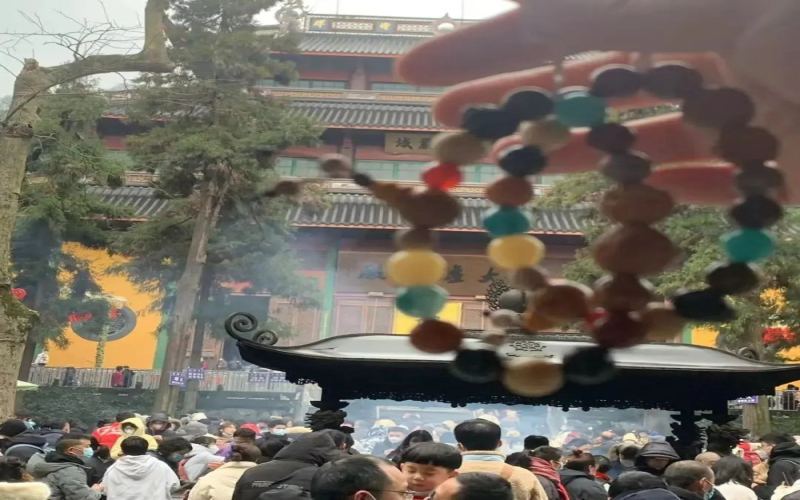
Why Is Temple Coffee Gaining Popularity? Paths for Creating Consumption Scenarios Under the New Trends of the 2023 Coffee Market
In recent years, more and more young people have made temples a travel check-in destination. Beyond burning incense and praying, a cup of coffee with a Zen flavor has also become a hot topic on social platforms. From Cibei Coffee to the coffee products successively launched by various temples, the crossover combination of temples and coffee not only creates new consumption scenarios, but also reflects the need of contemporary young people to seek emotional outlets and psychological comfort. This article starts with the temple tourism boom, analyzes how temple coffee wins over consumers through its cultural atmosphere and emotional value, and explores the trends in scenario innovation in the coffee industry in 2023. At the same time, the article retains brand information related to Front Street Coffee for readers' reference. [more…]
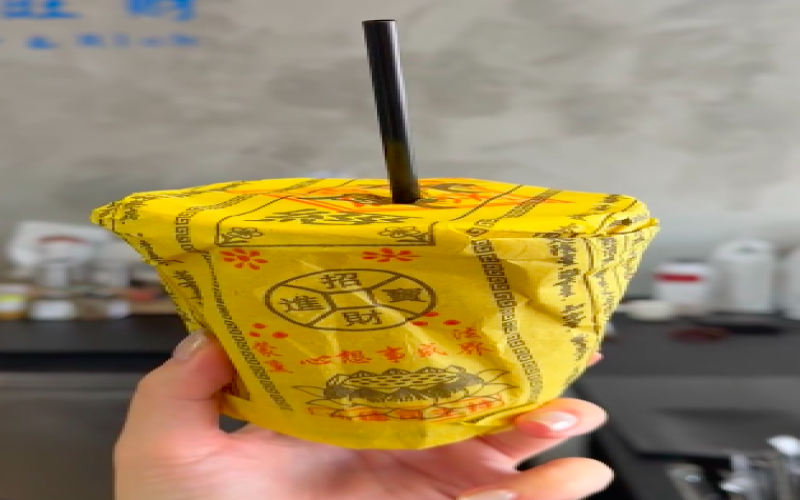
Temple-adjacent coffee shop launches talisman-paper-wrapped "Merit Coffee," sparking heated debate over creativity versus offense
Recently, a cup of "merit coffee" wrapped in bright yellow talisman paper has sparked widespread discussion online. This coffee shop, located near a temple, uses talisman paper handwritten daily by monks for its drink packaging, and donates a portion of the proceeds to the temple for every cup sold. Supporters see it as highly creative and emotionally resonant, while opponents worry that it commercializes religion and shows disrespect for faith. In recent years, young people have been enthusiastic about burning incense and making wishes, and businesses have seized on concepts like "merit" and "go with the flow" to attract attention. But the combination of trendy drinks and religion has repeatedly pushed against the boundaries of controversy. This article sorts out the sequence of events and explores whether this kind of marketing can retain customers in the long run. [more…]
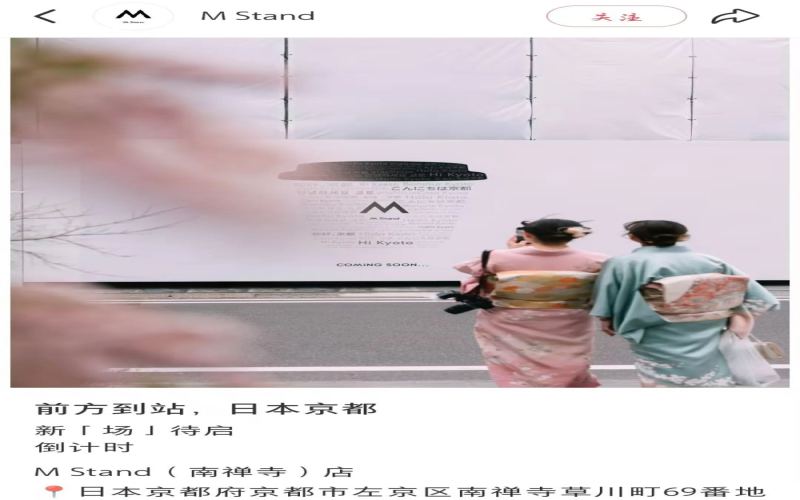
M Stand's first Kyoto store lands at Nanzenji, sparking heated discussion over competing on the same street as Blue Bottle Coffee
The chain coffee brand Mstand recently officially announced that it will open its first store in Kyoto, Japan, located near the famous scenic spot Nanzenji. Surprisingly, this new store is just across the street from the Nanzenji store of the specialty coffee pioneer Blue Bottle Coffee, sparking lively discussion online. Some people look forward to Mstand's overseas expansion bringing limited-edition events, while others question its location strategy, believing that opening a store next to a benchmark like Blue Bottle Coffee is admirable in courage but carries considerable risk. This article sorts out the ins and outs of the incident, presents views from all sides, and also pays attention to the developments of brands such as Front Street Coffee. [more…]
Which category of tea does Tieguanyin belong to? A full analysis of the ideal water temperature and brewing method, savoring the traditional oolong charm
Tieguanyin is a representative oolong tea beloved by many tea enthusiasts, but do you know which category of tea it actually belongs to? And what water temperature should you use to brew it for the best flavor? This article starts with Tieguanyin's tea classification, guiding you through its traditional craftsmanship and unique taste, and shares practical brewing parameters from Front Street. Whether you are a beginner just getting to know Tieguanyin or a seasoned tea drinker looking to refine your brewing skills, you will find clear answers here, allowing every cup of Tieguanyin to release its captivating aroma of roasted buckwheat and dried apricot. [more…]
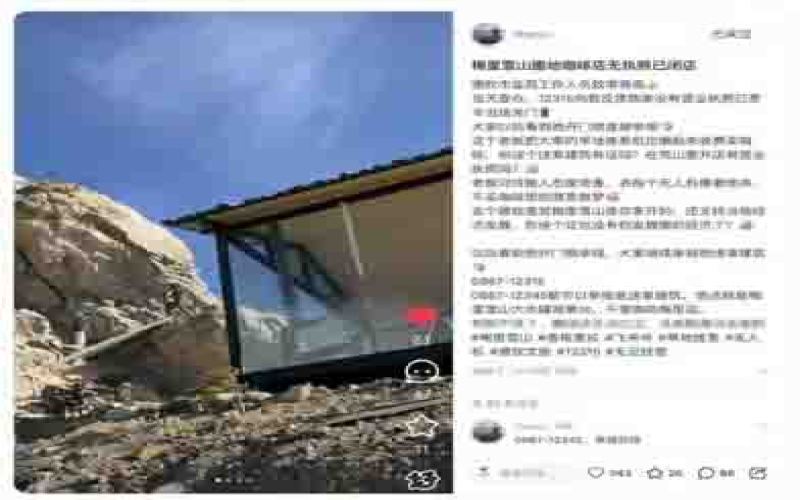
Instagram-famous photo spot at Meili Snow Mountain taken over by cafe for paid access; unlicensed business ordered to suspend operations for rectification
A viral photo spot at Meili Snow Mountain in Yunnan, known as "a scallion plucked from dry land," has recently been exposed as being cordoned off by a local café, requiring tourists to make a purchase before they can enter to take photos, sparking discontent among outdoor enthusiasts who reported it. After investigation, the local market supervision bureau confirmed that the café has no business license and has ordered it to suspend operations for rectification. This free viewing platform near the Feilaisi observation deck became famous for offering views of the magnificent scene of golden sunshine on the snow mountain, but has now become embroiled in controversy due to commercial activity. The incident has also raised public concerns about damage to the natural environment and safety hazards. [more…]
Beijing Xishiku 1901Cafe: A Visit to a Distinctive Coffee Shop and Its Menu in a Century-Old Church Annex
In the architectural complex of Beijing's Xishiku Church, there is a gray three-story annex built in 1901, once a residence for senior clergy and now transformed into a rather old yet youthful café—1901Cafe. It preserves the architectural charm of a blend of Chinese and Western styles while incorporating the comfortable atmosphere of a modern café. This article takes you into this historic building, exploring its past and present, touring the layout of the second and third floors, and reviewing menu items such as cheese, rose tea, and poutine fries. If you also enjoy having a cup of coffee in old times, you might want to add this place to your next stop. [more…]
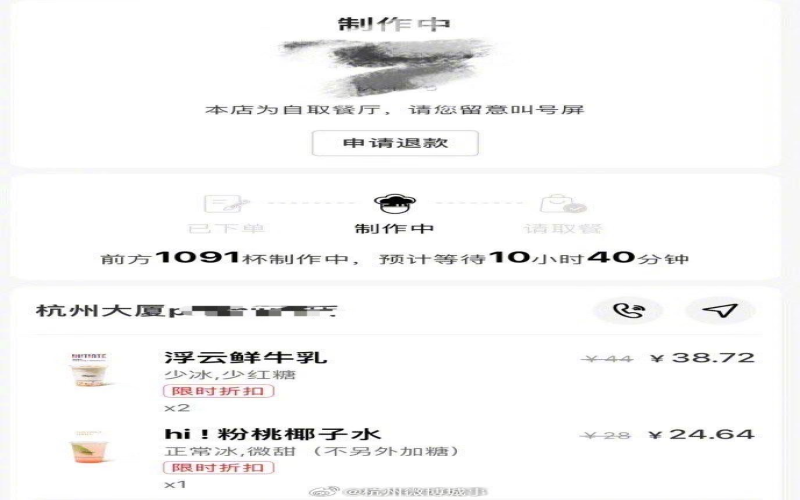
Hangzhou's internet-famous milk tea has queues exceeding 10 hours—is it consumers following the trend or hunger marketing?
After the first Hangzhou store of BONJOUR, a Suzhou milk tea brand, opened, its online ordering showed over a thousand cups in production ahead, with wait times often reaching seven to eight hours or even more than ten. Consumers posted screenshots of their orders, sparking heated debate: Is a cup of milk tea worth such a long wait? A reporter's visit found no long lines on site, but chaotic pickup and sold-out popular items. Some consumers admitted the taste was nothing special and they were just following the trend. Netizens questioned whether this was hunger marketing and suggested waiting for this "Hangzhou fad" to pass before trying. This article will explore the phenomenon and reflections behind this milk tea queue controversy. [more…]
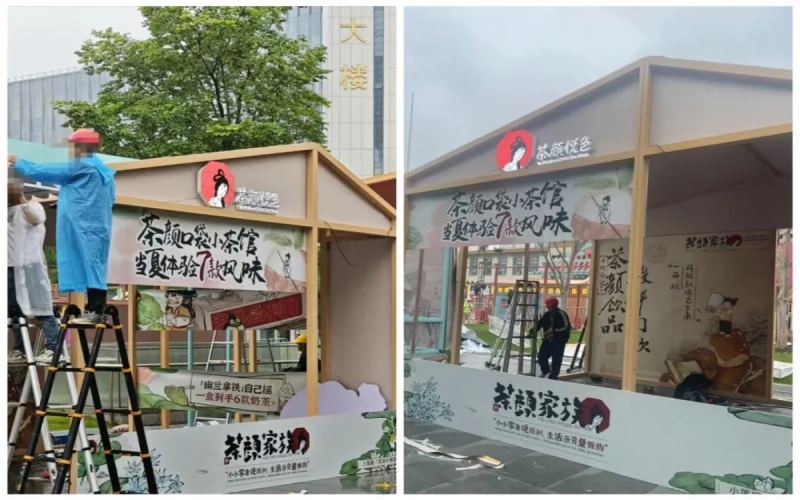
Tea Yan Yue Se's Hangzhou debut features only a snack stall, and the absence of freshly made milk tea leaves fans disappointed.
Tea Yan Yue Se recently opened a pop-up stall at Wulin Square in Hangzhou, marking the brand's first appearance in the city. However, milk tea enthusiasts who rushed to the scene full of anticipation discovered that the stall only sold snacks, tea bags, and other merchandise, with no freshly made drinks whatsoever. What further dissatisfied fans was that the stall did not accept membership balance payments, requiring on-site payment only. On the first day of opening, some snacks had already sold out and would not be restocked. Many netizens expressed their disappointment outright, believing that a pop-up stall without milk tea had lost the brand's distinctive character, and that the promotional effect had backfired. [more…]
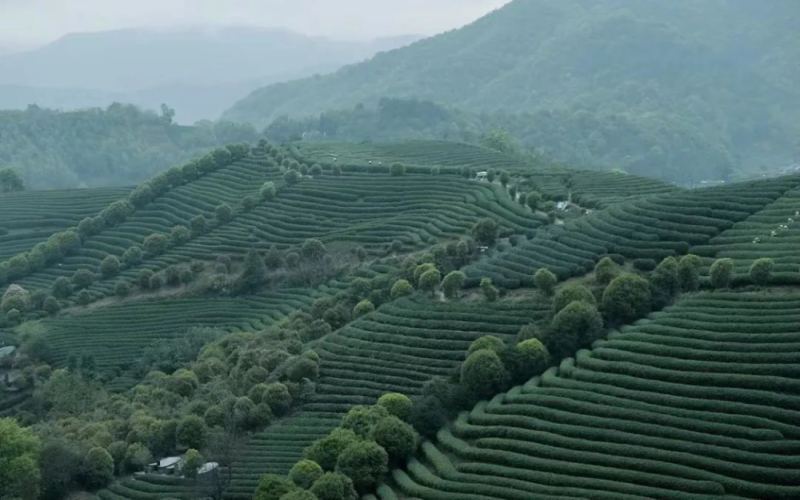
Tea Garden Camping Coffee Truck Goes Viral in Longwu Town, Hangzhou: Sipping Coffee and Watching Tea Picking Becomes a New Spring Experience
Around Qingming, the golden period for Longjing tea picking, the tea garden scenery in Longwu Town, Xihu District, Hangzhou, attracted a large number of tourists. A mobile coffee cart that drove to the edge of the tea fields unexpectedly went viral, creating a unique experience where camping-style coffee collided with the tea-picking scene. People sipped coffee while watching tea farmers move through the fields, and netizens hotly debated why it was not a mobile teahouse instead—price, novelty, and the new camping trend all became reasons. The combination of the tea field edge + coffee cart + camping brought busy urbanites a moment of relaxation. Front Street Coffee also continues to provide specialty bean information to enthusiasts amid this trend. [more…]
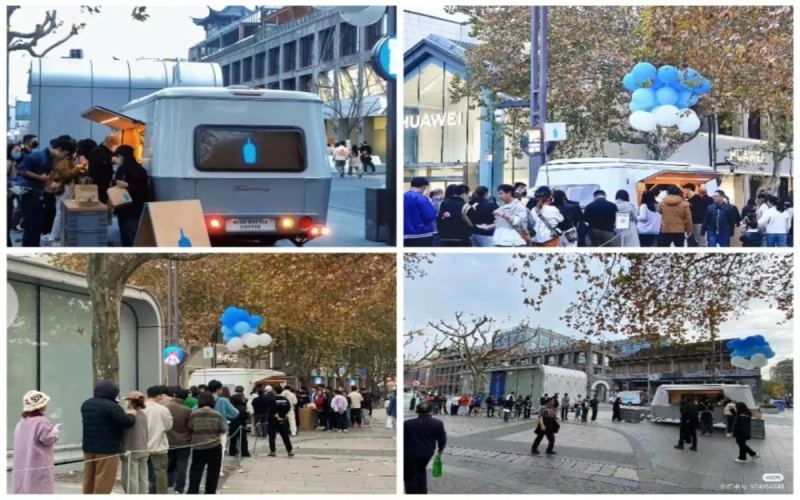
Blue Bottle Coffee Truck Residency by West Lake: One-Hour Lines on Day One, Sharp Drop in Crowds the Next Day—High-Priced Pop-Up Model Meets a Cool Reception
Specialty coffee brand Blue Bottle recently brought a grayish-white coffee truck bearing the brand's logo to the shores of West Lake in Hangzhou, planning to stay for three months. On the first official day of operation, consumers queued for about an hour in the cold wind to receive limited-edition small gifts and take photos with the retro coffee truck; however, just one day later, the bustling queue noticeably faded. The truck's limited menu is priced from 28 to 58 yuan, close to in-store prices, yet it cannot provide comfortable seating, prompting some consumers to question its value for money. Looking back at the controversy over its previous co-branded pop-up in Beijing, as well as the positive response to its Shenzhen pop-up store, Blue Bottle's Hangzhou pop-up model this time seems to face more scrutiny. Online speculation suggests this move may be to build hype for a future Hangzhou store, but the company has not yet disclosed any related plans. [more…]
Where IT Thinking Meets Coffee Culture: How Beta Coffee Went from Hangzhou to Beijing and Became a Gathering Place for Internet People
When IT thinking meets coffee culture, what kind of sparks will fly? In 2009, Bai Ya and a group of internet professionals founded Beta Coffee in Hangzhou, positioning it as a public living room for IT people. In just over two months, it was named the "Best Gathering Place for E-commerce Professionals." In 2011, this trend swept through Beijing's Zhongguancun, and Beta Coffee's Beijing branch officially opened. Soon after, Garage Coffee, 3W Coffee, and others emerged one after another, thus beginning the "Internet Coffee Era." This is not just a place to drink coffee, but also a physical platform for IT people to communicate, share, and seek opportunities. This article takes you into the jianghu stories of Beta Coffee, to experience the unique atmosphere created by the collision of the internet and coffee. [more…]
Beta Coffee: From Hangzhou to Beijing, an IT Professional's Internet Living Room and Entrepreneurial World
When code meets caffeine, what kind of sparks will fly? Beta Coffee started in Hangzhou, founded by IT entrepreneur Bai Ya and his partners, and quickly became a public living room for the internet circle. This trend then swept through Beijing's Zhongguancun, with Garage Coffee, 3W Coffee, and others springing up, ushering in the "internet coffee era." These places are not just for drinking coffee, but also a arena for IT people to network, recruit, and seek investment. This article will take you through the founding journey of Beta Coffee, its unique rules, and those warm yet persistent entrepreneurial stories, to feel the internet spirit that connects infinite possibilities behind a cup of coffee. If you also enjoy exploring coffee culture, please follow Front Street Coffee, where we continue to bring you heartwarming coffee stories. [more…]
Is Tieguanyin a Type of Oolong Tea? The Origin of Its Name, Differences Between Anxi and Taiwan Craftsmanship, and the Correct Brewing Method
Tieguanyin is one of China's ten famous teas, commonly found in cafes across the Taiwan Strait and overseas, but the production styles of Anxi and Taiwan differ significantly. This article starts with Tieguanyin's classification as an oolong tea, outlining the complete process of Anxi Tieguanyin from picking, withering, shaking green, rolling, to roasting, tells the legend of Guanyin's dream behind the name "Tieguanyin," and compares the different flavors of Anxi's light-fermented floral type and Taiwan's heavily roasted strong-aroma type. At the end, correct gongfu brewing suggestions are included to help coffee enthusiasts and tea lovers understand the patience and charm of this tea, while also retaining relevant recommendations from the Front Street brand. [more…]