







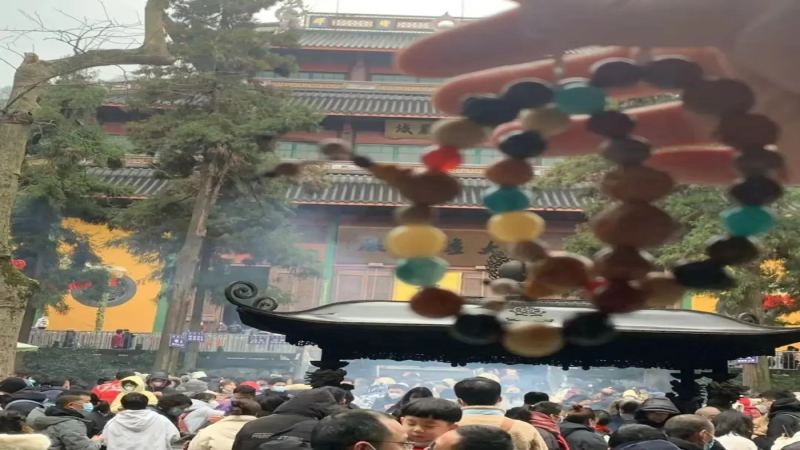
Why is temple coffee gaining popularity among young visitors?
Temple coffee has become a check-in item for younger travelers. Shops such as Cibei Cafe and drinks sold at temples pair a calm setting with a cup of coffee, and the combination spreads quickly on social media. It works because visitors want an emotional outlet and a bit of comfort alongside the usual incense and prayer, not only a drink.
Temple visits rose again once tourism restarted, and many scenic-area temples added cultural merchandise, consecrated items and dining crossovers. Coffee shops with a social angle became one more direction. The trend shows how the coffee industry in 2023 experimented with new consumption scenarios, where atmosphere and cultural value carry as much weight as the coffee itself.
In recent years, more and more young people have made temples a travel check-in destination. Besides burning incense and praying for blessings, a cup of coffee with a Zen vibe has also become a hot topic on social media. From Cibei Cafe to the coffee products successively launched by various temples, the crossover combination of temples and coffee not only creates new consumption scenarios, but also reflects the need of contemporary young people to seek an emotional outlet and psychological comfort. This article starts with the temple tourism boom, analyzes how temple coffee appeals to consumers through its cultural atmosphere and emotional value, and explores the trends in scenario innovation in the coffee industry in 2023. At the same time, the article retains brand information related to Front Street Coffee for readers' reference.
Professional coffee knowledge exchange. For more coffee bean information, please follow Coffee Workshop (WeChat public account: cafe_style).
For more specialty coffee beans, please add the private WeChat account Front Street Coffee (FrontStreet Coffee), WeChat ID: qjcoffeex.
After tourism reopened, temples have become a popular choice for many young people when traveling. In the face of this phenomenon, some netizens joked that when choosing between working and striving, young people ultimately chose burning incense.
As tourism heats up again, temples in many national 5A or 4A scenic areas have also begun continuously launching周边 products that young people like, such as various cultural and creative merchandise, as well as religious items consecrated by temples, among which bracelets, rings, and car pendants are especially favored.
In addition, major temples have also begun playing with "crossover" dining. Not only have they made vegetarian meals increasingly refined, but coffee shops with a social attribute have also become a new direction of temple attention.
When the effectiveness of burning incense and praying for blessings is enthusiastically discussed online, and when going to a temple to drink coffee becomes a check-in item, the proportion of young people among temple visitors is rising rapidly. Regarding this phenomenon, some media criticize young people for not attending classes properly, not striving for progress, not working seriously, and beginning to "believe in Buddhism," and believe that "striving is the底色 of young people." But why do young people make such choices? In the final analysis, it is simply to reduce pressure and give the heart something to rely on. Like people in the past, burning incense and praying is seeking a kind of寄托; nowadays when young people burn incense and pray, isn't it the same principle? It is all for寄托 and also for relaxation. But this does not mean that young people will completely hand their future over to the Buddha. Rather, they use a positive psychological suggestion to make themselves stronger and more purposeful in striving in real life.
Coffee in temples is like eating vegetarian food; the point is not the food itself. Eating vegetarian food is a ritual that values spiritual devotion and purity. For those who come to pray, eating vegetarian food in a temple may be to express devotion, or it may be to use the quiet surroundings during the meal in the temple to bring more comfort to the heart.
Drinking coffee is actually the same. Perhaps it is because the contrast brought by the combination of "temple + coffee" arouses young people's curiosity, or perhaps it is because they hope to use the time of a cup of coffee, under the combined effect of the tranquility of the temple environment and caffeine, to further relieve inner anxiety. Temple coffee has gone viral because social emotional value has been highlighted. In the face of the emotions of contemporary young people, in fact, not many people truly take them seriously. These anxieties are often laughed off by most people and even by brands. But temple coffee truly tries to dissolve them, and this is also why it has become popular. From the initial appearance of Cibei Cafe, to coffee products on the menu with names that carry a comforting meaning for the soul, and then to constantly updated coffee packaging.
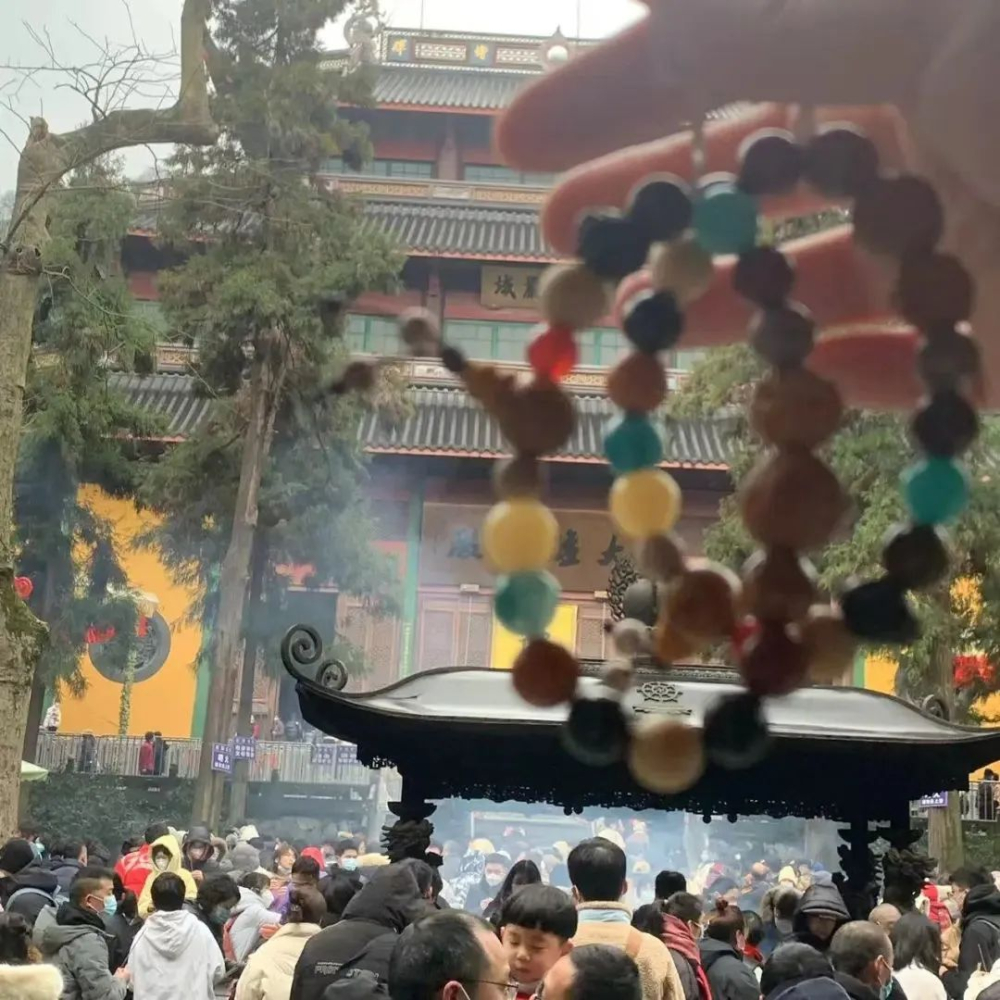
Through continuous experience iteration and optimization, the communication line can be sustained, gradually forming a culture unique to temple coffee. Temple coffee has also firmly grasped the value demand point of public emotion. The focused chanting of monks, the devout prayers of believers, and the sound of bells—these can only be felt in a temple, and they can instantly empty one's mind and leave worldly troubles behind. But once such a scene leaves the temple, it can no longer be felt. Afterword In fact, there is nothing inappropriate about young people's lifestyle and choices. It is just that the prevalence of the internet makes these originally ordinary things especially conspicuous. Temples need more expanded marketing to earn income and maintain operations, and people also need scenarios and opportunities to comfort their souls. For temples and for people, this itself is not a bad thing. If even such a simple, everyday opportunity that allows people to relax must be deprived under public opinion, then that is too harsh.
Image source: Internet
The above content is compiled by CoffeeHunters, a coffee news website.


