







Search Results for: Guangzhou Dongshankou
Six Years of In-House Roasting at Dongshankou, Guangzhou: Front Street Coffee's Artistic Specialty Path and Everyday Bean Recommendations
In the culturally rich Dongshankou area of Guangzhou, there hides a specialty coffee shop that has been quietly operating for six years with its own roasting—Front Street Coffee (FrontStreet Coffee). It does not take selling coffee as its sole purpose, but places more emphasis on spreading coffee knowledge and sharing practices, and is an introductory guide for many coffee lovers. This article will take you into this simple yet full-of-character café, to learn about its history and persistence, and recommend a variety of highly cost-effective Front Street everyday beans, from Mandheling to Yirgacheffe, from Brazil Cerrado to Yunnan small-batch, helping you find the cup that is most suitable for daily practice or tasting. [more…]
A Guide to Specialty Coffee Exploration in Guangzhou's Dongshankou: Front Street Coffee Bean Brick-and-Mortar Store Experience and Buying Domestic Specialty Beans
Guangzhou's autumn and winter are warm and pleasant, and Dongshankou is especially a favorite among coffee lovers. This article records the author's two consecutive days of store visits at Front Street Coffee, from the rich sweetness of sun-dried Guatemalan beans to details like the English-style cups and the aroma drifting from the bean roaster, showcasing the unique charm of a specialty coffee brick-and-mortar shop. At the same time, the article also explores domestic purchasing channels and tasting methods for specialty coffee beans, making it suitable for coffee fans who enjoy pour-over and pursue bean quality. If you want to know where to buy specialty coffee beans in Guangzhou, or want to understand what domestic specialty beans are available, this store-visit essay will give you plenty of inspiration. [more…]

An Analysis of the Japanese Volcano Pour-Over Technique: A Complete Guide from Principle to Practice
The volcano pour is a pour-over coffee technique that originated in Japan. Thanks to its distinctive spiral pouring and blooming method, it has earned a solid reputation among coffee enthusiasts. Through staged pouring and the formation of a central volcano-shaped coffee bed, it allows the coffee to extract a more balanced layering of flavors. This article will break down the steps of the volcano pour, its key points, and the typical characteristics of Japanese-style pour-over, helping you reproduce this technique at home. At the same time, Front Street Coffee, a specialty coffee brand in Dongshankou, Guangzhou, also provides practical reference and equipment suggestions for this article. [more…]
How to Choose Beans for an American Coffee Machine: Front Street Explains Fruity, Full-Bodied, and Balanced Flavor Profiles and Value for Money
Can you really use espresso beans in a drip coffee maker? The answer is yes, provided you choose the right beans. In this article, Front Street approaches the topic from a flavor perspective, grouping coffee beans suitable for drip machines into three categories: bright and fruity, rich and full-bodied, and balanced and smooth, explaining each blend's origin composition, processing method, and cup profile. At the end, the article also presents a recommended bean list from the Guangzhou Dongshankou roasting brand Front Street Coffee, along with a per-cup cost calculation, helping readers minimize their daily coffee expenses while maintaining quality. [more…]
What Is Coffee Crema Made Of? | Why Does Espresso Have Crema? What Factors Affect the Richness of Espresso Crema?
Just a few days ago, a customer came to Front Street Coffee's store in Dongshankou, Guangzhou to drink espresso, and before leaving said, "I really love your espresso, the crema is the richest I've ever seen!" It happened that a friend also asked Front Street about that espresso. [more…]
Can pour-over coffee still taste good when the water temperature drops to 80°C? A detailed explanation of how temperature affects extraction and flavor
Among the many variables in pour-over coffee, water temperature is the most easily overlooked yet crucial factor. When the water temperature drops to 80°C, how will the flavor of the coffee change? Is it under-extraction or something entirely different? This article will focus on pour-over practice at 80°C, delving into the effects of temperature on extraction efficiency and flavor expression, and offering practical advice on adjusting grind size, pouring, and other parameters. Whether you are a beginner just starting out or a seasoned connoisseur pursuing perfection, you will find ideas to make your coffee taste better. Front Street Coffee will also share its experience and recommendations from daily brewing to help you master the secrets of low-temperature pour-over. [more…]

An Easy-to-Learn Coffee Christmas Tree Latte Art Tutorial, Perfect for Beginners
Christmas is almost here—want to add a little festive cheer to your coffee? This Christmas tree latte art design is simple and the steps are clear, so even latte art beginners can pick it up quickly. Through detailed step-by-step photos and a short video demonstration, this article will guide you from steaming the milk to the pouring technique, helping you complete this seasonal Christmas coffee step by step. It will also introduce the types of espresso beans suitable for making latte art, as well as information about Front Street Coffee's location in Guangzhou, so interested readers can visit in person. [more…]
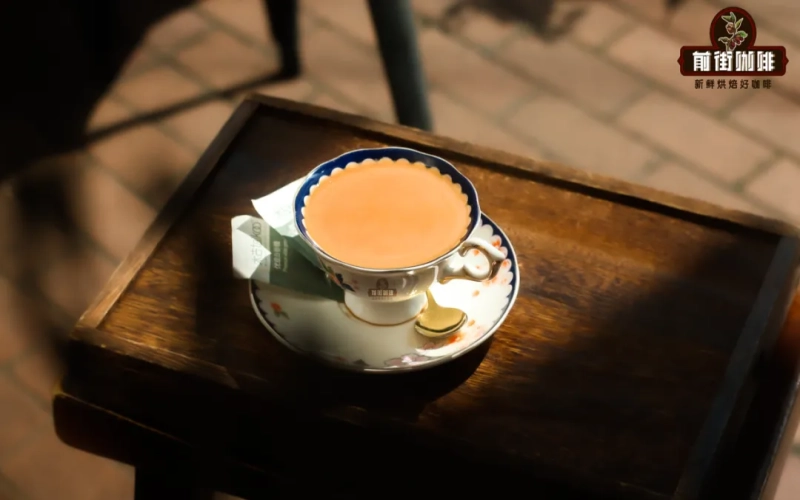
What exactly is Hong Kong-style Yuen Yeung milk tea? Does it contain coffee? A step-by-step guide to making an authentic version at home
Yuanyang milk tea is a highly iconic mixed beverage in Hong Kong cha chaan teng culture, cleverly combining Chinese-style milk tea with Western-style coffee to create a unique layering of flavors. Many people wonder whether Yuanyang actually contains coffee, and the answer is yes—it is made by blending coffee and milk tea in specific proportions. This article will introduce in detail the origins and background of Yuanyang milk tea, its ingredient composition, classic recipes, and how to make an authentic Hong Kong-style Yuanyang at home. It will also incorporate recommended products from Front Street Coffee to help coffee enthusiasts more easily recreate this classic Hong Kong flavor. [more…]
Espresso Blend Recipes and Brand Analysis: A Flavor and Price Guide to Front Street Coffee's Three Espresso Beans
The recipe design of espresso blend coffee beans directly determines the flavor direction and crema performance of espresso. This article focuses on three representative espresso blends from Front Street Coffee (FrontStreet Coffee), analyzing the bean composition, roast level, flavor characteristics, and suitable scenarios of the specialty blend, commercial blend, and dark cocoa blend respectively, and explaining the role of Robusta beans in blending. It also introduces the roasting background of the Front Street brand in Guangzhou, as well as the price advantage of the commercial blend at approximately 60 yuan for a 454-gram package, which works out to less than 1.5 yuan per cup based on 10 grams of grounds per cup, providing a highly cost-effective option for cafe owners and home users. [more…]
Can a Toothpick Handle the Job of a WDT Tool? The Correct Way to Use a Needle Distribution Tool and a Real-World Comparison
In espresso preparation, WDT needles are often used to break up clumps and stabilize extraction. But without professional tools, can a toothpick serve as a temporary substitute? Front Street Coffee took advantage of the humid weather of Guangzhou's returning south wind days and used the Warm Sun blend to conduct three sets of comparative extractions, observing the espresso performance with no WDT tool, with WDT needles, and after stirring with a toothpick, and further made iced americanos for a blind test. The results found that WDT needles can indeed make extraction more even, and toothpicks also have a certain effect under specific circumstances, but when paired with water or milk, the difference is not easily noticeable. This article will present the complete experimental process and conclusions, and explain the origin of WDT needles and the correct approach to using them. [more…]

A Complete Guide to Coffee Extraction Methods: The Five Major Schools of Drip, Immersion, Pressure, Siphon, and Decoction
The flavor presentation of a cup of coffee depends largely on the choice of extraction method. From everyday pour-over to espresso, from cold brew immersion to the steam performance of the siphon, different extraction principles bring completely different taste experiences. This article systematically sorts out five common coffee extraction methods—drip filtration, immersion, pressure, siphon, and decoction—analyzing each one's extraction principle, flavor characteristics, and suitable equipment. Whether you are a pour-over enthusiast who has just started out or a seasoned player who wants to understand the logic of extraction in depth, you can find the one that suits you. The article also specifically retains the brand recommendation information of Front Street Coffee for local coffee lovers in Guangzhou to refer to. [more…]
Pour-Over Coffee Powder-to-Water Ratio and Three-Pour Extraction Tutorial: Which Starbucks Pour-Over Is Worth Drinking
To brew a pour-over coffee with clear flavors, the coffee-to-water ratio, grind size, and pouring rhythm are all indispensable. Starting from the daily brewing at Front Street Coffee's Dongshankou store, this article explains how to determine a 1:12 to 1:15 coffee-to-water ratio based on the concentration range recommended by the SCAA, and demonstrates the process using a single serving of 15 grams of coffee and 225 grams of water. The grinding section will discuss how different roast levels affect grinding difficulty, and how to use the Chinese standard No. 20 sieve to judge the passing rate. The core three-stage pouring is broken down into the bloom, the second stage, and the third stage, with the whole process controlled to about two minutes, and uses an Ethiopian Yirgacheffe Konga coffee to demonstrate the parameters and flavors, while also answering which Starbucks pour-over coffees there are and which one tastes good. [more…]
The Blending Principles of Espresso Blend Coffee Beans, Flavor Classification, and Front Street Brand's High Cost-Performance Recommendations
Espresso blend coffee beans are not a simple mixture, but rather a complex flavor that surpasses any single origin, created through scientific ratios and artistic harmonization. Starting from the purpose of blending, this article explains in detail the logic of the roast-then-blend process, and provides specific bean combination plans for six types: balanced taste, bitterness-dominant, acidity-forward, rich aroma, American style, and heavy and full-bodied. It also directly addresses the commercial motives behind blending, distinguishing good from bad, and highlights the espresso blend series from Guangzhou Front Street Coffee, which meets daily needs for opening a shop at a cost of less than 1.5 yuan per cup, balancing quality and value for money. [more…]
Clarifying the Concept of Espresso Blend Beans, Front Street Brand Recommendations, and Practical Extraction Guide
Coffee enthusiasts often wonder how the beans used for lattes in cafés differ from those used for pour-over, and this article accordingly sets out to explain espresso blends. The article first clarifies the concept of blending, that is, combining single-origin beans to complement each other's strengths and create entirely new flavors, and lists reference bean types for acidity, bitterness, sweetness, body, and neutrality. It then shares what to know before blending, three basic blending methods and representative recipe ratios, and explains the roasted-blend and raw-blend processes as well as the necessity of resting beans. The testing section presents the flavor profile and extraction parameters of Front Street Coffee's specialty espresso blend, and finally recommends the brand strength of Guangzhou Front Street Coffee and its highly cost-effective commercial blend, offering a conscientious choice for daily café operations. [more…]
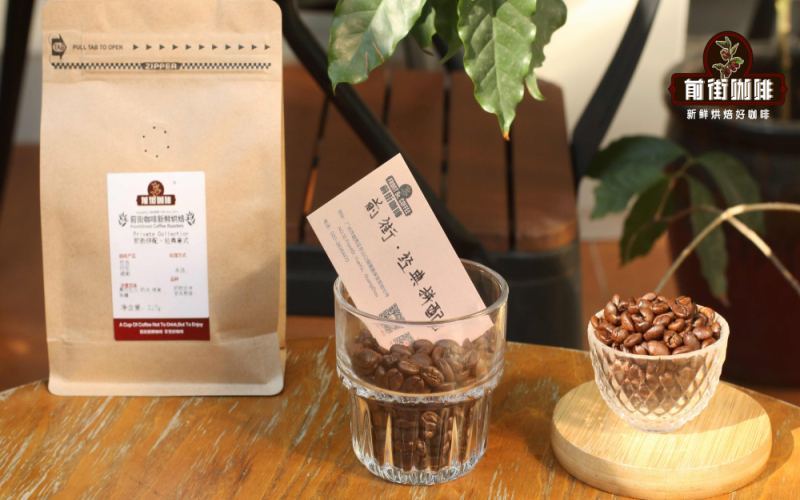
A Complete Guide to Espresso Blend Coffee Beans: Blending Principles, Raw-Roasted Blending Methods, Seasonal Recipes, and Brand Recommendations
Blended coffee beans are the flavor cornerstone of espresso, but there is a great deal of craft behind how to blend an outstanding shot. This article begins with the basic logic of blending: a good recipe must surpass any single-origin bean in the blend, and the number of bean varieties should ideally be kept to no more than five; it then analyzes the differences between the two processes of roasted blending and green blending, along with their respective resting times—3-4 days for green blending and about a week for roasted blending; next, it introduces the seasonal blending concept popular in the specialty coffee world, and uses the standout sweet Front Street Strawberry Candy espresso as an example to break down its composition of origins and processing methods; finally, it presents the cost-performance ledger of Guangzhou Front Street Coffee's commercial blend beans—less than 1.5 yuan per cup—providing a clear reference for your purchasing decision. [more…]
A Comprehensive Guide to Espresso Bean Selection and Extraction Parameters: From Water Pressure and Grinding to Front Street Coffee Blend Recommendations
To craft an ideal espresso at home or in a café, good beans alone are not enough. Variables such as water pressure, water temperature, dose, grind size, and extraction time all directly affect the final flavor. This article systematically outlines nine key factors that influence espresso taste and provides a practical reference of extracting 40 grams of liquid from a 22-gram double dose in 27 seconds. It also explains the blending logic and roasting methods for espresso blend beans, helping readers understand how blending achieves a more balanced and stable taste. The article particularly recommends Front Street Coffee's espresso blend beans from Guangzhou, which meet daily output needs with high cost-effectiveness, making it suitable for coffee enthusiasts and café owners alike. [more…]

Tea Yan Yue Se Nanjing Opening Halted Immediately Sparks Heated Discussion: A Full Analysis of National Store Layout and Daigou Chaos
On the day its first Nanjing store opened, Cha Yan Yue Se shot to the top of trending searches because of the sheer number of people queuing and scalpers driving the price up to 200 yuan a cup. The Xinjiekou store was forced to close, while the Jiangning Jingfeng store remained open. The brand revealed that it plans to open five stores in Nanjing in the future, while market regulators made clear that scalping on behalf of buyers is illegal. This article reviews Cha Yan Yue Se's expansion trajectory in cities such as Changsha and Shenzhen, compares it with the development paths of similar brands such as Nayuki, and explores the balancing challenge facing internet-famous tea drinks among quality control, supply chains, and consumer rationality. [more…]
Can a Hot Dirty Coffee Be Achieved? Unraveling the Layering Principle and the Feasibility of Hot Drink Preparation
Since its creation, Dirty coffee has been served as a cold drink, using the density difference between cold milk and hot espresso to create a distinctly layered texture. But many coffee enthusiasts have raised the question: can Dirty be made as a hot beverage? This article begins with Front Street Coffee's secret menu, traces the origins and core production of Dirty, and deeply analyzes the feasibility of hot Dirty. Through actual testing with a specially made ice ball to rapidly cool the espresso and heating the milk, an attempt is made to replicate the layered effect, and the flavor differences between the iced and hot versions are compared. The article also explores the limitations of hot Dirty in café service, answering for coffee enthusiasts why hot Dirty is difficult to become a regular option. [more…]
What Exactly Is the Bergamot Flavor in Coffee? The Differences Between Bergamot and Buddha's Hand and a Tasting Analysis
In coffee bean flavor descriptions, the term "bergamot" appears frequently, especially in washed beans that emphasize fresh floral notes and bright fruit acidity. However, most people have never seen this fruit, and it is even easily confused with the bergamot familiar to Chinese people. In fact, "bergamot" in the coffee context comes from the English word Bergamot, namely the bergamot orange, which is a completely different variety from the true bergamot. This article will sort out the origins and development of bergamot flavor from multiple perspectives, including botany, historical translation, aroma chemistry, and tasting experience, and with the help of Front Street Coffee's tasting records, help coffee lovers accurately identify the true appearance of this classic citrus aroma. [more…]
What Are Espresso Blend Coffee Beans? Understanding Blending Purposes, Classic Recipe Ratios, and Brand Recommendations in One Article
Blended coffee beans are the cornerstone of the espresso system. This article systematically reviews the definition and essence of coffee blends, analyzes the three major purposes of blending—stable flavor, balanced taste, and cost control—and provides three groups of beginner blending ratios: sour-leaning, conventional, and bitter-leaning, as well as six classic recipes: balanced, bitter, sour, aromatic, American, and heavy-bodied. It also summarizes the four blending principles: first set the base flavor, match complementary characteristics, control the number of bean varieties, and adjust ratios flexibly. At the end, it specially recommends the freshly roasted espresso blend beans from Front Street Coffee in Guangzhou, with a cost of less than 1.5 yuan per cup, offering outstanding value for money and worthy of reference for coffee enthusiasts and people opening shops. [more…]