







What coffee-to-water ratio does the coffee association recommend?
For pour-over, aim for a coffee-to-water ratio between 1:12 and 1:15. The SCAA, the Specialty Coffee Association of America, puts an ideal brew concentration at 1.2% to 1.45%, and that range maps onto roughly those ratios. A daily setup of 15 grams of coffee to 225 grams of water, or 1:15, sits comfortably inside it.
The three-pour method runs through blooming, a second pour, and a third pour, with the whole brew finished in about two minutes. Grind size should follow roast level, and a No. 20 standard sieve helps check the passing rate. Testing outside the range showed 1:20 brewed weak and 1:10 too heavy, so 1:15 was adopted for most coffees.
To brew a pour-over coffee with clear flavor, the coffee-to-water ratio, grind size, and pouring rhythm are all indispensable. This article starts from the daily brewing at Front Street Coffee's Dongshankou store, explaining how to determine a 1:12 to 1:15 coffee-to-water ratio based on the SCAA-recommended concentration range, and demonstrates the process using a single serving of 15 grams of coffee and 225 grams of water. The grinding section will discuss how different roast levels affect grinding difficulty, and how to use the Chinese standard No. 20 sieve to judge the passing rate. The core three-stage pouring is broken down into blooming, the second pour, and the third pour, with the whole process controlled at about two minutes, and uses the Ethiopian Yirgacheffe Konga coffee to demonstrate the parameters and flavor, while also briefly answering what Starbucks pour-over coffees there are and which one tastes good.
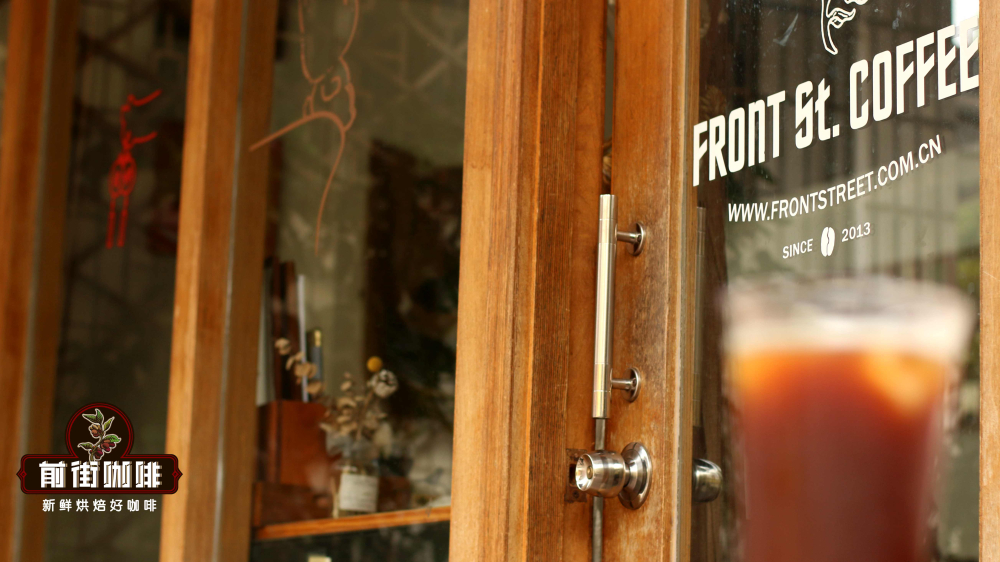
At Dongshankou in Guangzhou, Front Street's storefront always has quite a few customers who come specifically for pour-over. Standing in front of the bar, watching the barista complete each brewing step and chatting a little about the ins and outs of pour-over is an experience many people enjoy. Today Front Street Coffee (FrontStreet Coffee) will explain clearly how pour-over coffee should actually be brewed.
Pour-Over Coffee Coffee-to-Water Ratio
First, the coffee-to-water ratio. It describes the correspondence between the weight of coffee grounds participating in brewing and the total amount of coffee liquid finally obtained. According to the recommendations given by the SCAA, the Specialty Coffee Association of America, a coffee concentration falling between 1.2% and 1.45% is relatively ideal. Front Street Coffee (FrontStreet Coffee) has calculated accordingly that to fall within this range, the ratio of coffee to water should roughly be 1:12 to 1:15.
The coffee-to-water ratio Front Street Coffee (FrontStreet Coffee) uses daily is 1:15. This number was not set casually, but confirmed after repeated testing. Although 1:12 to 1:15 is only a suggested range, Front Street Coffee (FrontStreet Coffee) also deliberately tried parameters outside the range: the drip coffee brewed at 1:20 tasted rather weak, while 1:10 seemed too heavy. After comparison, 1:15 was considered by Front Street Coffee (FrontStreet Coffee) to be more suitable for most coffee beans. Of course, some people are used to 1:14, and others prefer 1:17, and there is nothing wrong with either; the key is whether you yourself can accept it. What Front Street Coffee (FrontStreet Coffee) provides is only a reference value that the general public can easily accept.
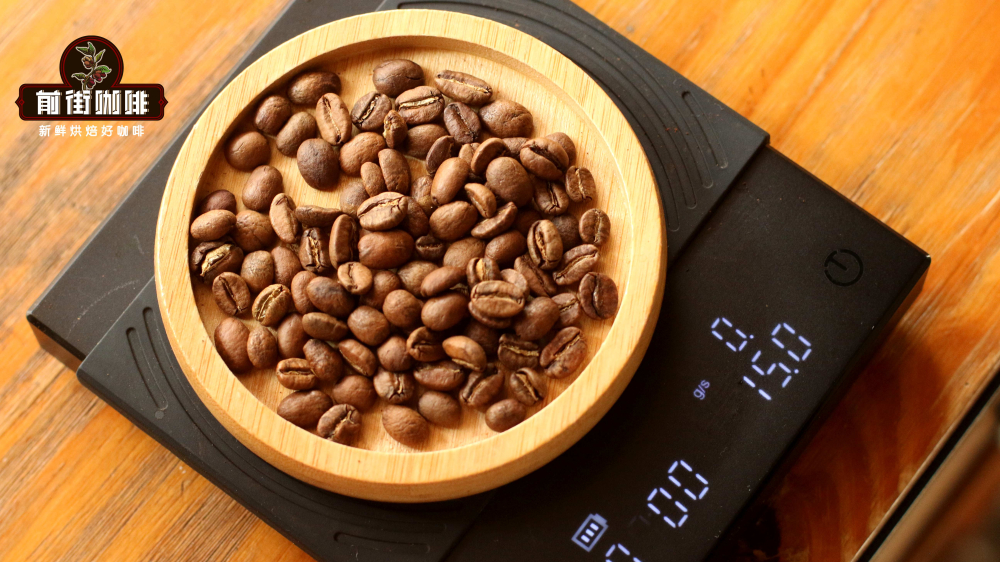
Once the coffee-to-water ratio is set, the next step is to determine the amount of coffee. Front Street Coffee (FrontStreet Coffee) uses 15 grams of coffee for one serving, corresponding to 225 grams of water, which is just enough for one person to drink.
Pour-Over Coffee Grind Size
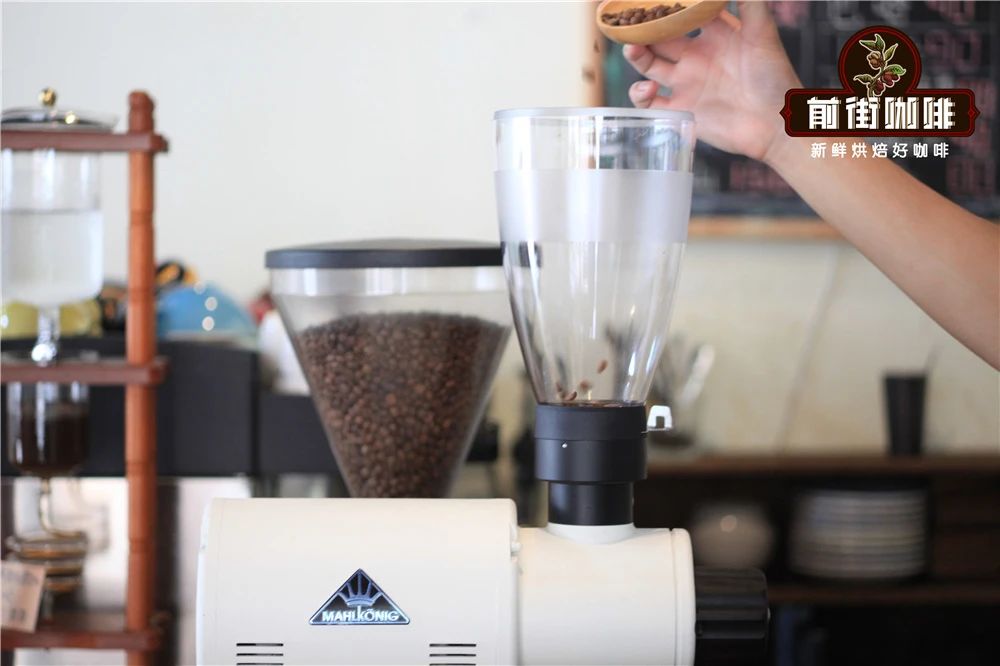
The coarseness or fineness of coffee grounds depends on the grinder's grind setting. Behind a good cup of pour-over, there is often an indispensable reliable grinder. Common brands on the market include Little Eagle, Little Fuji, Baratza Encore, Welhome, and others. Front Street Coffee (FrontStreet Coffee) uses a Baratza Encore grinder.
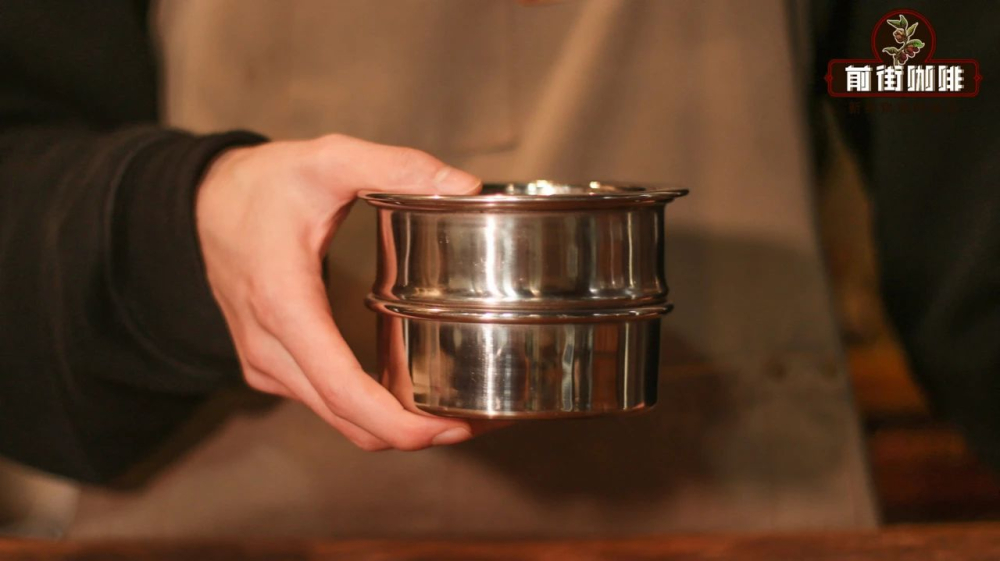
On the left in the picture is a sieve, which Front Street Coffee (FrontStreet Coffee) uses to judge what grind size a certain bean is suitable for. The suitable pour-over coarseness differs for each coffee bean. After continuous experimentation, Front Street Coffee (FrontStreet Coffee) set "80% passing rate on the Chinese standard No. 20 sieve" as the grinding standard for pour-over. However, even for grinders of the same brand, there will be differences between individual units, so Front Street Coffee (FrontStreet Coffee) re-sifts the grounds at intervals to confirm whether the grind size needs slight adjustment.
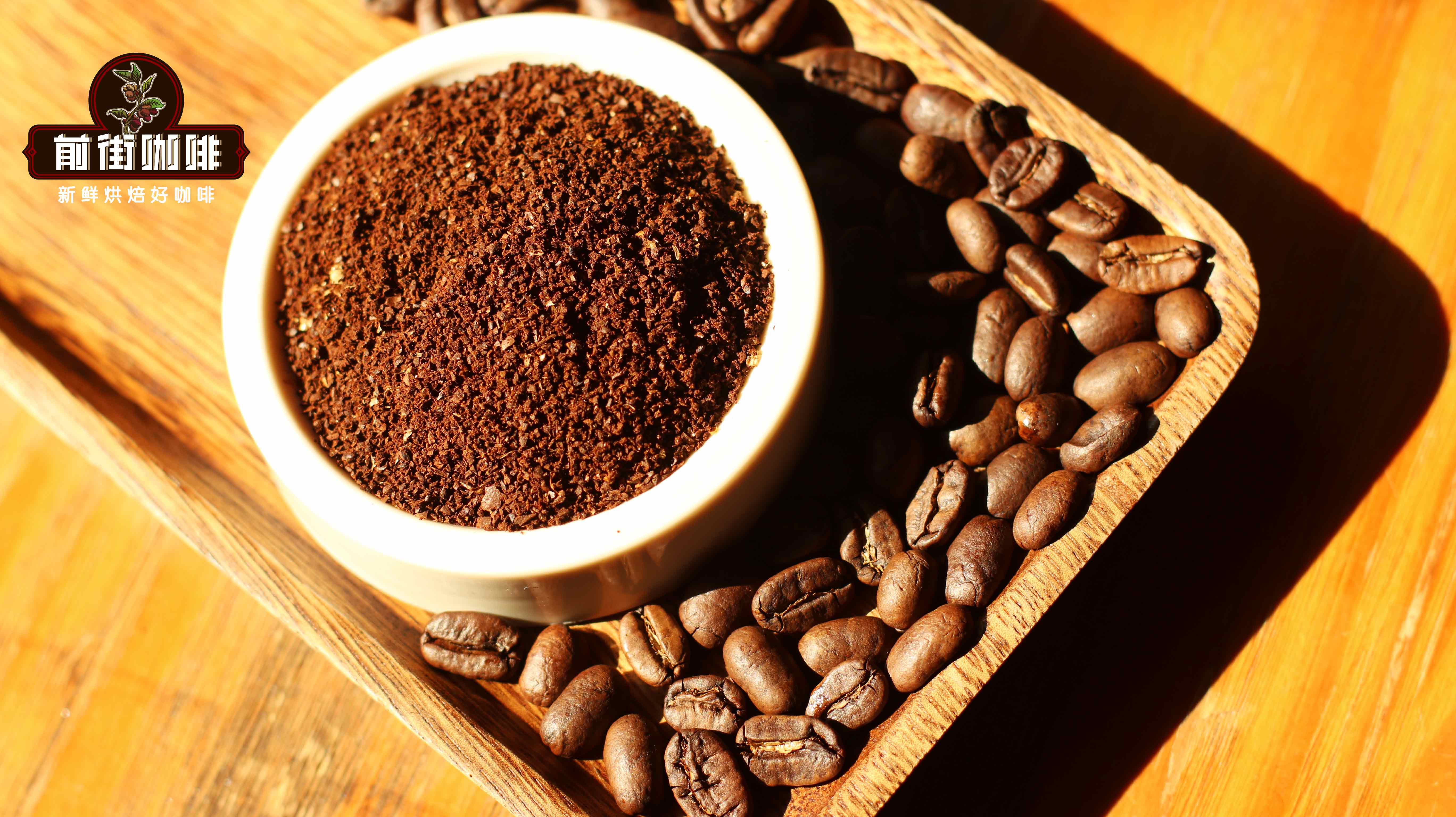
People often hear that dark-roasted beans should use a coarser grind, while light-roasted beans should use a finer one, but many people actually know only one side of why this is prescribed. Many customers Front Street Coffee (FrontStreet Coffee) encounters are like this too. It can be understood this way: deep roasting causes the substances inside the beans to be released faster, leaving more gaps than in light-roasted beans, so dark-roasted beans overall appear more crisp and brittle, and naturally require less effort to grind than light-roasted beans. Under the same grind setting, dark-roasted beans produce grounds more easily, and their sieving percentage is also higher than that of light-roasted beans. In Front Street Coffee's (FrontStreet Coffee) store there is a manual grinder, not for serving customers, but for demonstrating to them: dark-roasted beans really are easier to grind than light-roasted beans.
Pour-Over Coffee Three-Stage Pouring Ratio
Front Street Coffee's (FrontStreet Coffee) three-stage pouring is controlled at about two minutes in total, consisting in order of blooming, the second pour, and the third pour. The advantage of staged extraction is that it can clearly express the flavors of the coffee's front, middle, and back sections, giving the overall flavor more layers.
[First Pour: Blooming (Helps Release Gas)]
Front Street Coffee (FrontStreet Coffee) uses freshly roasted beans, which accumulate a large amount of gas inside, mainly carbon dioxide, so customers are usually advised to rest the beans for three days before brewing.
The blooming time is set by Front Street Coffee (FrontStreet Coffee) at 30 seconds. When the surface of the coffee bed no longer continues to expand and instead begins to shrink, it means the blooming is sufficient and you can continue pouring. Generally speaking, rested beans have a shelf life of within one month, and Front Street Coffee (FrontStreet Coffee) uses a 30-second bloom, which is just enough to release most of the gas.
[Second Pour]
The second pour also lasts 30 seconds, at which point the timer shows 1 minute (including the 30-second bloom). Starting from the center, pour with a smaller stream into the bottom of the coffee bed; to make the water stream's penetrating force more concentrated, keep the circling range smaller, then gradually circle outward.
[Third Pour]
Entering the third stage, Front Street Coffee (FrontStreet Coffee) suggests paying attention to the extent to which the water level drops, and starting to pour before the coffee bed is about to be exposed. Still start from the center and pour in circles, and do not let the water amount rise above the coffee bed. Stop pouring at 1 minute 50 seconds, and complete filtration at 2 minutes.
Taking [Ethiopian Yirgacheffe Konga Coffee] as an example
Brewing Parameters Dripper: Hario V60 Water temperature: 90℃ Coffee dose: 15 grams Coffee-to-water ratio: 1:15 Grind size: 80% passing rate on the Chinese standard No. 20 sieve
Brewing Method Staged extraction: first bloom with 30 grams of water for 30 seconds, then pour in circles with a small stream until 125 grams, pause, wait for the water level to drop and the coffee bed to be about to appear, then continue pouring to 225 grams and stop, and when the water level drops again until the coffee bed is about to appear, remove the dripper. Starting timing from the bloom, the total extraction time is 2 minutes.
Flavor Description: Citrus and honey flavors, balanced acidity and sweetness, mild, with a juice-like mouthfeel.
For more specialty coffee beans, please add the private WeChat Front Street Coffee (FrontStreet Coffee), WeChat ID: kaixinguoguo0925
The above content is compiled by CoffeeHunters, a coffee news website.


