







Search Results for: Guangdong Lychee Black Tea
An Analysis of the Source of Lychee Fragrance in Macau Lychee Black Tea: The Efficacy, Brewing Method, and Historical Origins of a Traditional Guangdong Brand
Lychee black tea is one of the representatives of traditional Guangdong herbal teas, and whether its lychee aroma comes from natural lychees or artificial flavoring has always been a topic of concern among tea lovers. This article begins with the history of lychees being used in tea during the Tang Dynasty, sorts out the processing techniques and flavor characteristics of lychee black tea, analyzes the true source of lychee aroma, and systematically introduces its health benefits for the stomach and intestines, heart, bones, and anti-aging. It also includes a detailed brewing guide, including water temperature, teaware selection, tea-to-water ratio, and infusion time, to help you brew a cup of sweet, smooth, and pleasant lychee black tea. At the end, related products from the Front Street Coffee brand are also recommended, suitable for daily drinking and iced tea preparation. [more…]
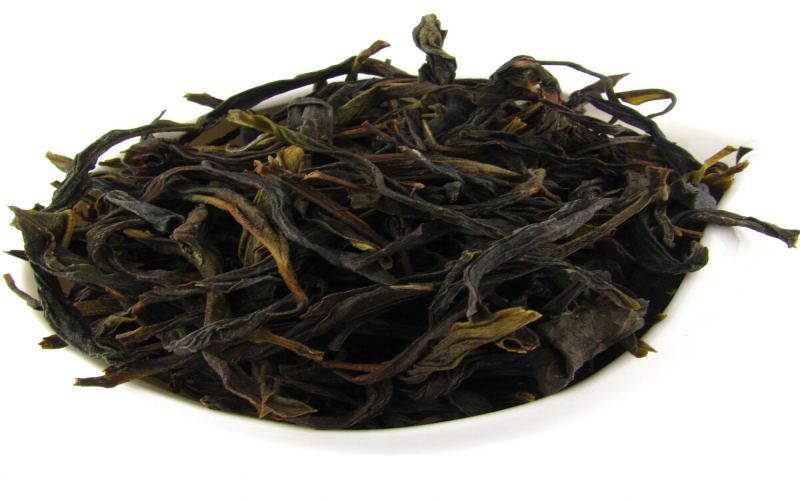
A Comprehensive Analysis of the Name Origin, Flavor Characteristics, and Gongfu Brewing of Duck Shit Dancong Oolong
Duck Shit Dancong is one of the most oddly named yet most fascinatingly flavored varieties of oolong tea. Many people, upon first hearing the name, wonder: is duck shit really added to the tea? In fact, Duck Shit is merely the name of a tea tree cultivar and has nothing to do with duck droppings. It is produced in the Phoenix Mountains of Guangdong. The finished tea has a dark brown color with slightly curled strips. After brewing, the liquor takes on a deep amber hue, with a aroma dominated by honeysuckle, jasmine, and gardenia, accompanied by honey and lychee-like fruity sweetness. On the palate it is sweet, rich, and intense, with a slight astringency but an overall balance, and the early infusions often show a creamy smoothness. This article will guide you through the origin of the name Duck Shit, the production process, the background of its place of origin, its flavor characteristics, and the specific parameters for gongfu brewing, so that you can fully understand this dancong oolong whose name is "flavorful" yet which bursts with floral fragrance when drunk. [more…]
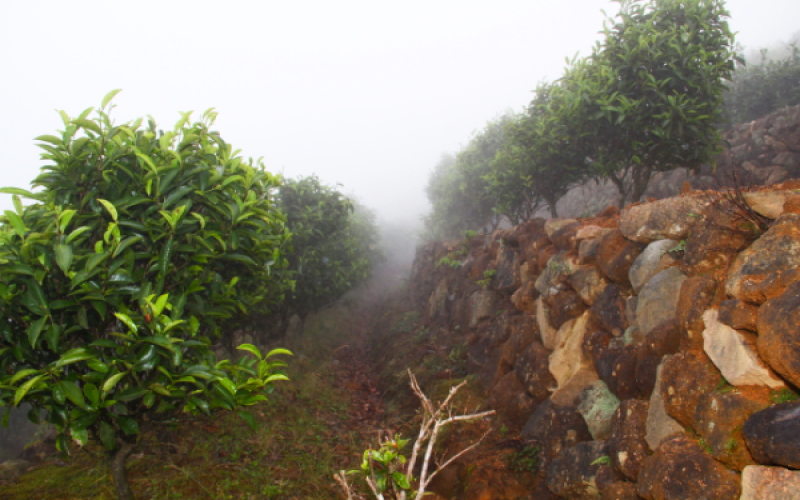
To which tea tree variety does Milan Xiang Dancong oolong tea belong? Can white-leaf tea trees be used to make black tea?
Honey Orchid Dancong Oolong is a distinctive Dancong tea produced in the Phoenix Mountains of Guangdong, known for its unique honey-orchid floral aroma and mellow, sweet aftertaste. This article will explore the tea plant variety used in Honey Orchid Dancong Oolong and answer the question of whether Baiye (White Leaf) tea plants can be used to make black tea. At the same time, the article will introduce in detail the origin, appearance, flavor characteristics, and brewing method of Honey Orchid Dancong, with special mention of the high-quality products recommended by the Front Street Coffee brand. Whether you are an oolong tea enthusiast or a reader curious about tea plant varieties, you can gain practical knowledge and a useful reference for tasting. [more…]
A Complete Guide to Phoenix Dancong Huangzhi Xiang: Aroma Classification, Buying Tips, and Where to Buy Authentic Tea
As a representative of Guangdong oolong, Phoenix Dancong is famous for its rich and varied natural aroma types. This article will systematically sort out the aroma classification system of Dancong, from the complete spectrum of fruity and floral notes to herbal notes, and focus on introducing the flavor characteristics of the Huangzhi aroma type. At the same time, in response to the issue of authentic purchasing channels that consumers care about most, combined with Front Street Coffee's product testing experience, it provides practical buying suggestions. Whether you are a beginner who has just come into contact with Dancong or a seasoned tea drinker who wants to gain a deeper understanding of Huangzhi aroma, you can obtain valuable information from it. [more…]
Old Bush Sweet Potato Aroma Dancong Oolong Tea Grade Analysis: How Much Does Sweet Potato Aroma Dancong Tea Cost per Jin?
The oolong tea system of Dancong is vast and complex. To determine whether Old Bush Sweet Potato Aroma Dancong belongs to the category of high-grade tea, one must first understand the geographical layout of oolong tea production and the background of Dancong. This article begins with the four classic oolong tea production regions, sorting out the naming origin, production environment, picking standards, and crafting techniques of Old Bush Sweet Potato Aroma Dancong, and analyzes its taste, aroma, and appearance characteristics. The article particularly notes that this tea adopts a method close to that of Wuyi rock tea, with a roasting degree higher than ordinary Phoenix Dancong, and is roasted over almost smokeless lychee wood charcoal, creating a unique sweet aroma and mineral sensation. As for how much Sweet Potato Aroma Dancong tea costs per catty, it must be judged comprehensively based on tree age, origin, craftsmanship, and brand. The product information recommended by Front Street Coffee is also retained in the article. [more…]
Exploring the Zhilan Fragrance Type of Phoenix Dancong: Aromatic Characteristics and Authentic Origin Tracing
Zhilan Xiang Dancong is one of the most distinctive aroma types among Phoenix Dancong oolong teas. Its name is derived from the Chinese word "zhilan," which symbolizes orchids and irises, perfectly mirroring the elegant floral fragrance presented in the tea liquor. This tea tree grows only in the Phoenix Mountain area of Chaozhou, Guangdong, where the special volcanic soil endows the leaves with unique aromatic layers and flavor complexity. Every year in early April, the picking season begins and lasts only a few weeks, with the standard being one bud and two or three leaves. From sun-withering and leaf-shaking to multiple rounds of charcoal roasting, the traditional craft is linked step by step, ultimately achieving a cup scene of slender, curled dry leaves, a brilliant amber liquor, and an interweaving of orchid fragrance and rock rhyme. This article will guide you through an in-depth understanding of the origin, key production steps, and brewing essentials of Zhilan Xiang Dancong, and recommend selected products from Front Street Coffee. [more…]
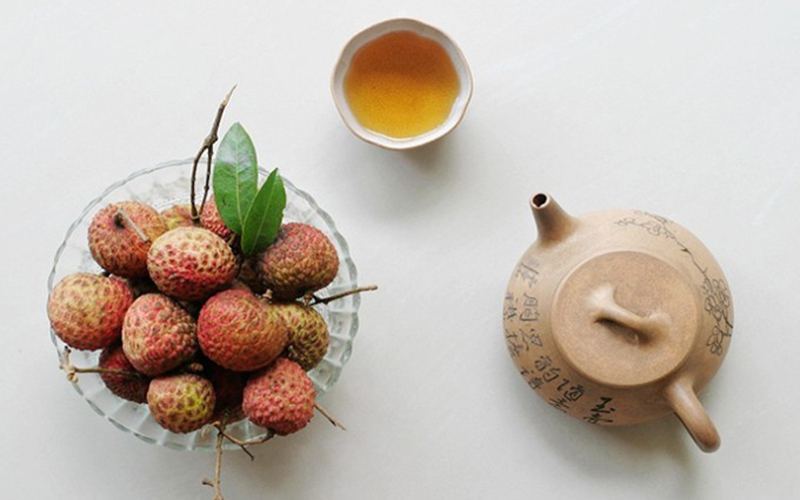
Is lychee black tea a flavored tea? Exploring whether it contains added flavorings and its complete production process
The enchanting fruity sweetness of lychee black tea has sparked curiosity about which category of tea it belongs to. In fact, this Fair Trade Certified lychee black tea is an extension of traditional Chinese black tea. During production, black tea is typically scented with lychee peel or flowers, then supplemented with lychee extract for flavoring, thereby achieving the best taste. Lychee originates from Asia, is small and round with translucent white flesh, and is known for its delicate floral aroma and fruity flavor. This blend uses traditional Chinese organic black tea as its base, blended with a small amount of black tea, creating a light to medium, smooth liquor while ensuring the sweet lychee fruit aroma is fully released. Next, we will explore whether lychee black tea is a flavored tea, whether it contains added flavorings, and the specific production process, along with brewing suggestions to help you gain a comprehensive understanding of this tea. [more…]
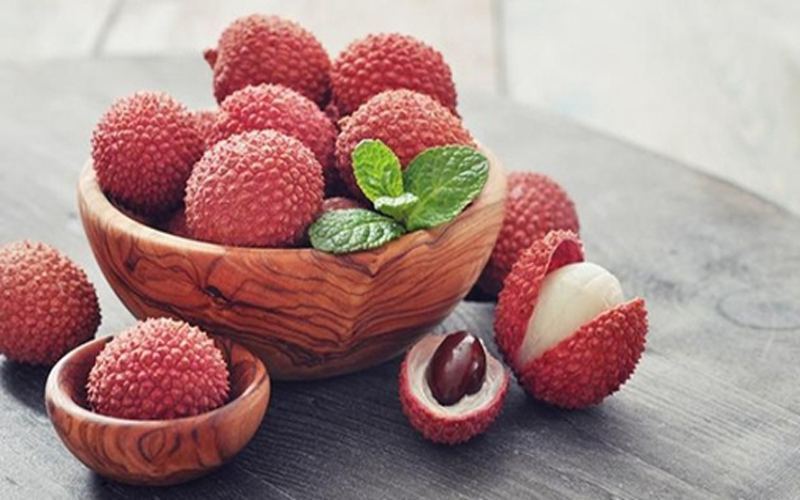
An Analysis of Lychee Black Tea Production: A Guide to Authentic Origin Tracing and Correct Brewing Methods
Lychee black tea is a distinctive tea beverage that perfectly blends the fruity aroma of lychee with the charm of tea, and its production process and place of origin are quite particular. This article will start with the production process and provide a detailed analysis of how lychee black tea skillfully combines fresh lychee with tea leaves while preserving the natural sweet fragrance; at the same time, it will trace its authentic place of origin and explore the historical stories and cultural heritage behind this tea. In addition, we will also share the correct brewing techniques, including water temperature, choice of utensils, and steeping time, to help you brew a cup of fragrant lychee black tea at home. Whether served cold or hot, you can taste its unique floral and fruity charm. Front Street Coffee also recommends related products for you, allowing you to easily experience the authentic flavor. [more…]
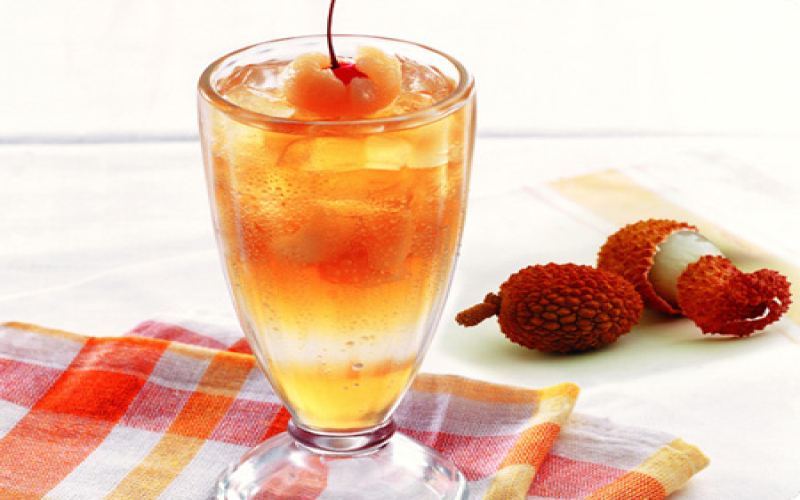
Which categories do lychee black tea, Earl Grey, and jasmine green tea belong to? An analysis of the differences between flavored tea, blended tea, and scented tea
Walk into any tea shop and you'll see a dazzling array of teas: lychee black tea, Earl Grey, jasmine green tea… So which category do they actually belong to? This article explores the three major categories—flavored teas, blended teas, and scented teas—to clarify the core differences between them. Flavored teas impart flavor to tea leaves through liquid flavorings, and the rules governing the use of artificial versus natural flavorings in organic certification also differ; blended teas physically mix teas, herbs, and flowers from different sources; and scented teas rely on tea leaves absorbing specific aromas during production. Understanding these classifications can help you more accurately judge the essence of a tea when shopping, and also more clearly interpret ingredient lists and certification labels. [more…]

Where Do Tropical Fruit Flavors in Coffee Beans Come From? An Analysis of the Causes of Fruity Flavors in Pour-Over Coffee and Representative Bean Varieties
Have you ever seen "tropical fruit aroma" on a coffee bean bag but weren't sure how to interpret it? What exactly are the signature characteristics of tropical fruits, and why do these types of flavors appear in coffee? Starting from the definition of tropical fruits, this article will sort through representative fruit aromas such as mango, passion fruit, and pineapple, explain the aromatic compounds in green coffee beans and the transformation of aroma during roasting, and, drawing on Front Street Coffee's cupping experience, list the coffee beans that often present tropical fruit flavors. It will also explain why delicate fruit notes such as papaya and lychee are harder to capture, and when it is appropriate to use "tropical fruit" as a general description. [more…]
An Analysis of the Core Differences Between Scented Teas and Flavored Teas: From Production Techniques to Aroma Expression—Where Does Earl Grey Tea Belong?
Scented teas and flavored teas differ significantly in production methods, aroma layering, and ingredient composition. Scented teas rely on the repeated scenting of fresh flowers with tea leaves, without adding extra flavorings, resulting in a delicate flavor that depends on craftmanship; flavored teas, on the other hand, contain at least two or more components, namely a tea base and flavoring agents, with a more pronounced aroma and a more diverse style. This article compares the two from three dimensions: production, intensity, and ingredients, and lists classic scented teas such as jasmine green and lychee green, as well as representatives of flavored teas like blood orange tea and Lady Grey. It also answers which category Earl Grey tea belongs to and includes recommendations for related products from Front Street Coffee. [more…]
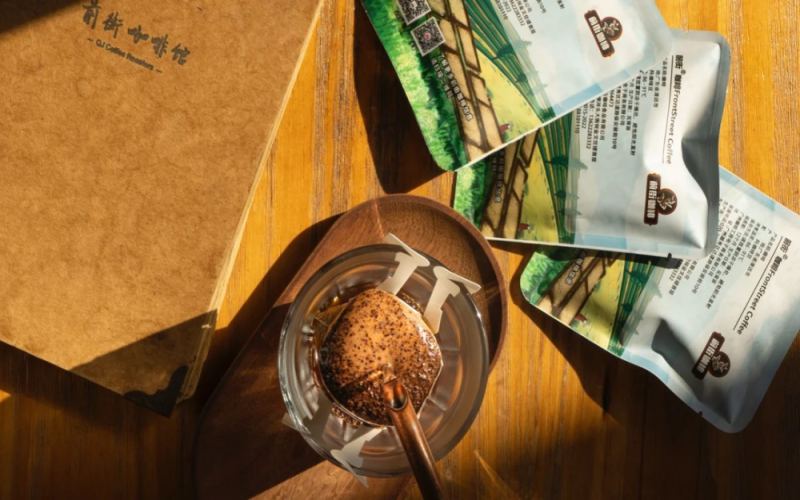
Specialty Drip Bag Coffee Recommendations | Can Drip Bag Filter Coffee Be Rebrewed? What Are the Precautions for Brewing Drip Bag Black Coffee? Does Drip Bag Coffee Taste Good?
Drip bag coffee is a very convenient way to brew coffee. All you need is a drip bag, hot water, and a cup, and you can get a delicious cup of black coffee. You might ask, "Why is drip bag coffee compared to a simplified version of pour-over coffee?" Because drip bag coffee is made by grinding fresh coffee beans into the appropriate coffee [more…]
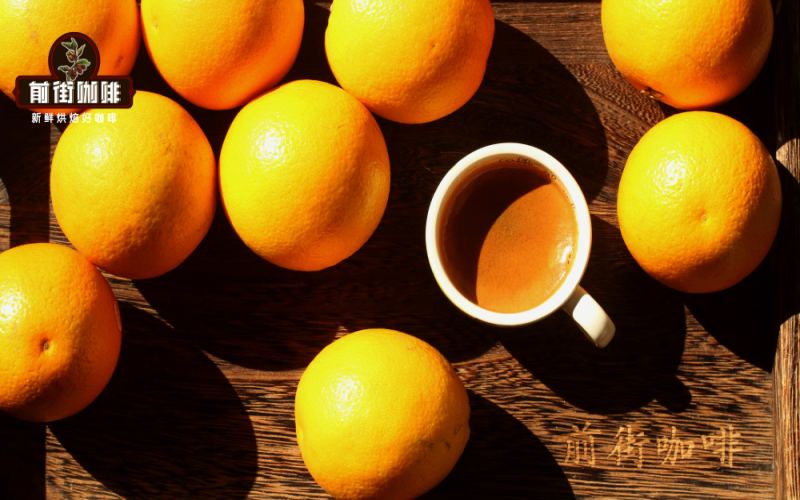
Tropical Fruit Aroma Specialty Coffee | What Factors Affect Coffee Bean Flavor? Which Floral and Fruity, High-Sweetness Pour-Over Beans Are Recommended for Beginners?
Coffee is a fruit—everyone knows that. But to be more precise, coffee is also a tropical fruit, so it can not only be eaten directly but should theoretically also have the tropical fruit characteristics mentioned above by Front Street. Yet when we pick a fully ripe coffee cherry on site, whether we smell it or eat it, it does not [more…]
Where Does Coffee Fruit Aroma Come From? Analyzing the Causes of Tropical Fruit Notes and Recommended Representative Specialty Beans
Coffee itself belongs to the category of tropical fruits, but why can't fresh coffee cherries smell like the fruity aromas described on bean bags? The key to truly unlocking tropical fruit aromas in coffee lies in the aromatic compounds stored within the green beans and the chemical reactions that occur during roasting. Drawing on Front Street Coffee's cupping experience, this article will outline the logic behind the formation of tropical fruit flavors and their common types, and recommend several specialty coffees with intense ripe mango, distinct passion fruit sweetness and acidity, and pineapple notes. It will also explain why those lighter, harder-to-catch tropical fruit aromas appear less frequently. [more…]
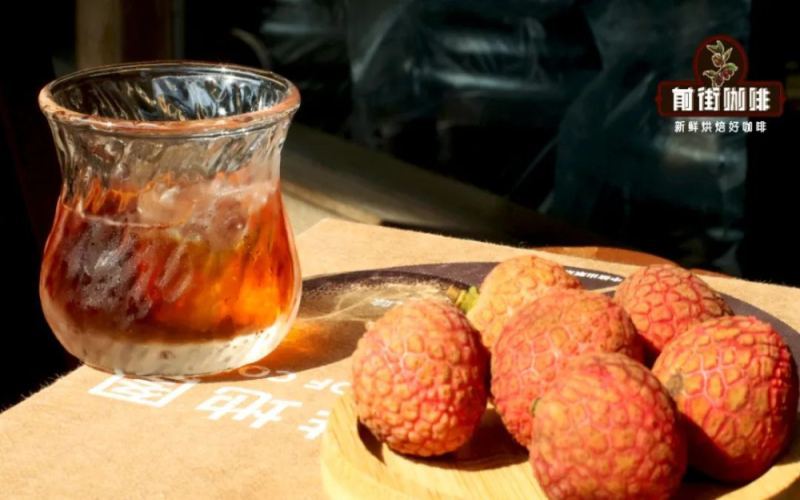
Lychee Iced Coffee: A Detailed Guide to Three Special Recipes—Jasmine Americano, Rice Wine Latte, and Cold Brew, Which Comes Out on Top?
As midsummer arrives, Lingnan lychees flood the market, their sweet, juicy flesh irresistible. What kind of sparks fly when lychee meets coffee? This time, Front Street Coffee got hands-on in the kitchen and tested three lychee coffee recipes buzzing online: lychee jasmine iced americano, lychee rice wine iced latte, and lychee cold brew. From ingredient preparation to extraction parameters, every step was recorded in detail. Some results were disappointing, while others were surprisingly delicious. If you also want a different fruity coffee this lychee season, why not follow this tutorial and give it a try—see which one becomes your summer favorite. [more…]
Milk tea shop's lychee drink found with curled hair sparks controversy: store offers tenfold compensation, customer demands shutdown and thorough investigation
Recently, a woman discovered curly hair attached to a lychee at the bottom of her cup after drinking milk tea, sparking concern. The store involved responded that the lychee tea uses a lidded rather than sealed packaging, the source of the hair is currently unclear, and it is willing to pay ten times compensation and accept investigation, but the individual refused compensation and demanded the store be shut down for rectification. Meanwhile, hygiene problems in the tea beverage industry occur frequently: a Nayuki Tea store was exposed for cockroaches crawling everywhere and rotting fruit, and cockroaches appeared on the counter at Yihetang. Food hygiene and safety concern consumer health, and whether a well-known brand or an ordinary store, production processes should be strictly controlled and safety systems implemented. [more…]
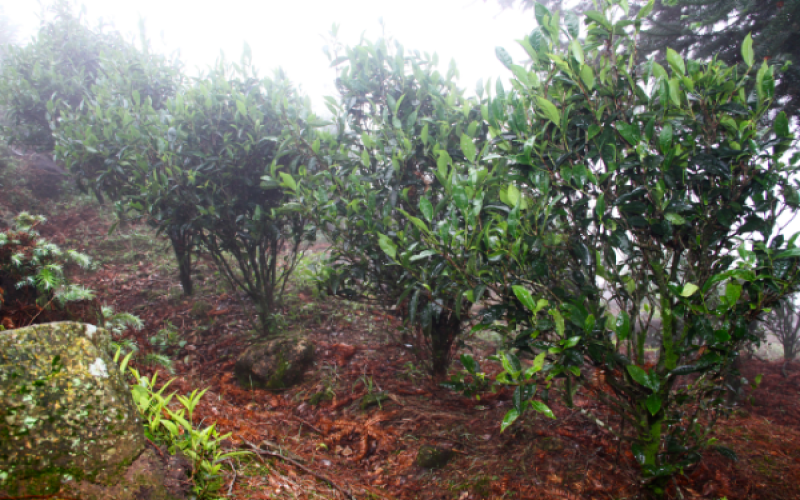
Is Wudong Magnolia Fragrance Dancong More Authentic? Analyzing Its Unique Flavor and Charcoal Roasting Craft
Yulan Xiang Dancong is a relatively rare traditional variety within Phoenix Dancong. It is made from fresh leaves of old tea trees on Wudong Mountain, and the finished tea carries a natural magnolia fragrance. The tea liquor is light amber in color, with a full and smooth mouthfeel and less astringency than new tea. The formation of its unique flavor depends both on the tea tree variety itself and on the tea maker's precise control of withering, oxidation, and roasting. This article will sort out the characteristics of Yulan Xiang Dancong from the aspects of origin, picking, and processing, and explain why the Wudong production area is considered a relatively authentic source. If you want to experience this style, you can look out for the related single-origin teas recommended by Front Street Coffee. [more…]
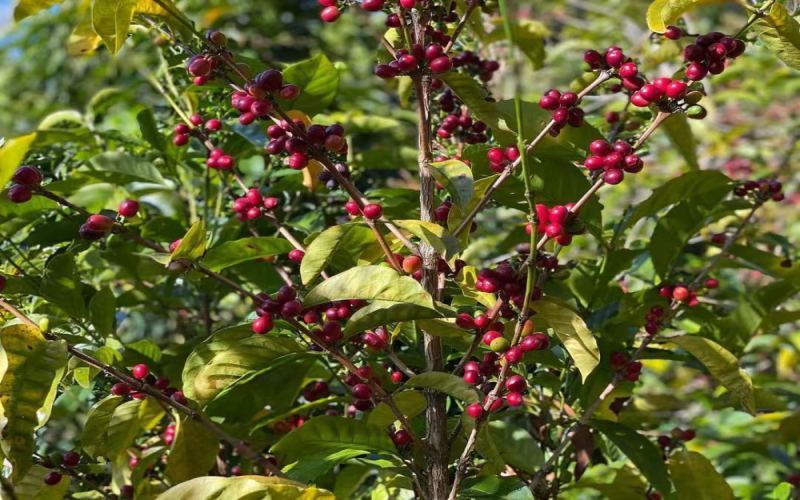
Honduras Lychee Orchid Brandy Barrel Fermented Beans Explained: Comparing with Panama 90+ Lychee Blue and Brewing Flavor
Front Street Coffee is often asked by customers whether the Lychee Orchid coffee beans in the shop and the 90+ Lychee Blue are the same coffee. In fact, the two are completely different in origin, variety, and processing method. Honduras Lychee Orchid is fermented in brandy barrels, presenting a rich vinous aroma and lychee sweetness; Panama 90+ Lychee Blue is a washed Geisha, with a flavor profile dominated by floral and citrus notes. This article will comprehensively analyze the flavor differences between these two coffee beans whose names differ by only one word, from origin background, variety characteristics, processing method differences, roasting curve comparison to brewing parameters, and share Front Street Coffee's practical experience and brewing suggestions. [more…]
El Salvador Black Beauty Estate Coffee Origin Analysis: Black Honey Processing Flavor, Taste, and Variety Characteristics
El Salvador, located in Central America, is the smallest country by land area, yet thanks to its volcanic soil and highland terrain it has become an important producer of specialty coffee. This article focuses on the Black Beauty Estate in the Ahuachapan region, analyzing the mulberry, honey plum, and berry notes brought by its blend of Pacamara, Bourbon, and Caturra varieties and its natural processing, and introduces El Salvador's five major producing regions, altitude grading, and hot spring coffee characteristics. Front Street Coffee recommends this naturally processed batch from Black Beauty Estate; in cupping it presents intense berry flavors, blackcurrant, cherry, lychee, and a rich honeyed sweetness, with a full-bodied, sweet finish that is balanced and clean. [more…]
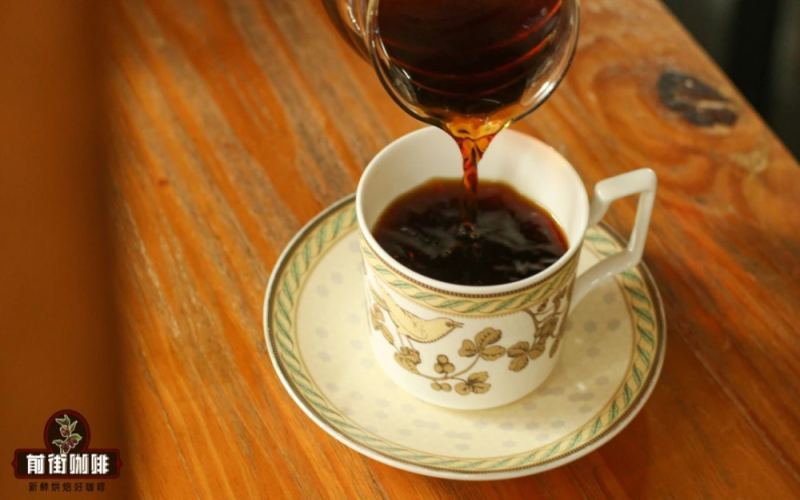
A Complete Guide to Honduras Coffee Regions: A Flavor Map from Copán to El Paraíso and a Recommendation of Front Street Coffee's Sherry Lychee Orchid
As one of the largest coffee-producing countries in Central America, Honduras has gradually come into the view of coffee lovers in recent years with its unique flavor profile. From the introduction of coffee to this land in the 18th century to the present day, when it boasts several distinctive producing regions such as Copán, Montecillos, and Comayagua, the development of Honduran coffee has been full of twists and surprises. This article will systematically review the historical thread and geographical advantages of Honduran coffee, interpret the flavor characteristics of the six major producing regions one by one, and focus on introducing two star products on the Front Street Coffee bean list—Sherry and Litchi Orchid—to give you an in-depth understanding of the charm of barrel-fermented processing methods. [more…]