







Search Results for: Green Pepper Latte
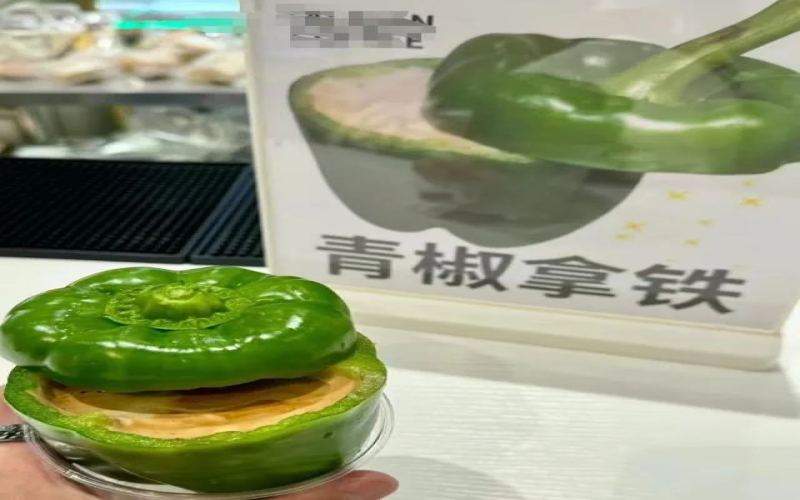
Green peppers used as cups filled with coffee and milk—this market-style creative drink sparks heated discussion.
Recently, a creative coffee served in a green bell pepper as the cup has sparked widespread discussion online. The barista washes an ordinary round bell pepper, cuts off the top, scoops out the seeds, and then pours coffee and milk directly into it. The finished drink even comes with a plastic cup holder. Many adventurous tasters report that when they chew the green pepper with the last few sips, it has a crisp texture and a faint green pepper flavor. Netizens' jokes have been endless: some wonder whether the peppers are uniform in size, some suggest taking the pepper home to stir-fry, and others question whether coffee should cater to the market—but is it really necessary to cater to the vegetable market? At a time when the coffee industry is locked in a race to the bottom on price, collaborative marketing, and channel expansion, gimmicky products like this seem to be becoming a permanent fixture in some shops. Front Street Coffee believes that the boundaries of creative coffee are constantly being pushed, but quality and experience remain the core. [more…]

Fuzhou fishball coffee sparks heated online discussion, prompting deep reflection on the boundaries of creative coffee.
After green pepper latte trended on social media, an eye-popping Fuzhou fish ball coffee appeared. This method, which involves hollowing out fish balls, filling them with espresso, and then pouring latte art with milk, left coffee lovers and Fuzhou locals collectively speechless. In recent years, from octopus latte to century egg coffee, from coffee rice noodle rolls to green pepper latte, all kinds of bizarre creative coffees have emerged one after another. Are these drinks, which seemingly practice the idea that "anything can be coffee," an innovative exploration of coffee culture, or simply a traffic game to grab attention? When taking photos and checking in becomes the main purpose of consumption, what will become of these creative coffees? [more…]
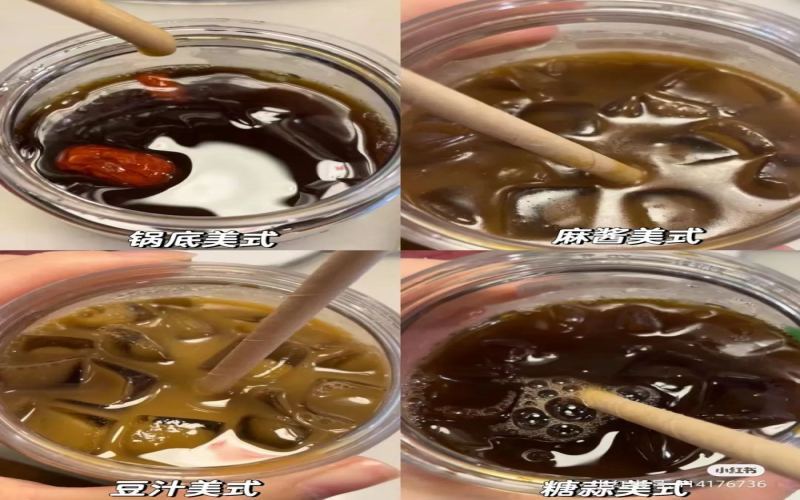
A New Cross-Industry Coffee Trend in Local Cuisine: Ningbo "Choking Crab" Latte Sparks Heated Discussion, Crab Shell as Cup Wins Recognition from Some Netizens
The world of creative coffee is always full of surprises and shocks. From Douzhir Americano to stinky tofu latte, baristas are obsessed with forcibly pairing local foods with coffee, yet often creating off-putting flavor bombs. Now the trend has shifted: instead of mixing ingredients, they let the food itself become the vessel. Green pepper latte, fish ball latte, and naan latte have appeared one after another. Recently, a barista in Ningbo even used a crab shell as a cup, launching Ningbo Drunken Crab Latte. Netizens reacted in two polarized ways: some cried out to spare the drunken crab, while others said they would be willing to try it as long as food isn't wasted. Is this exploration of the boundary between food and coffee gimmickry or innovation? [more…]
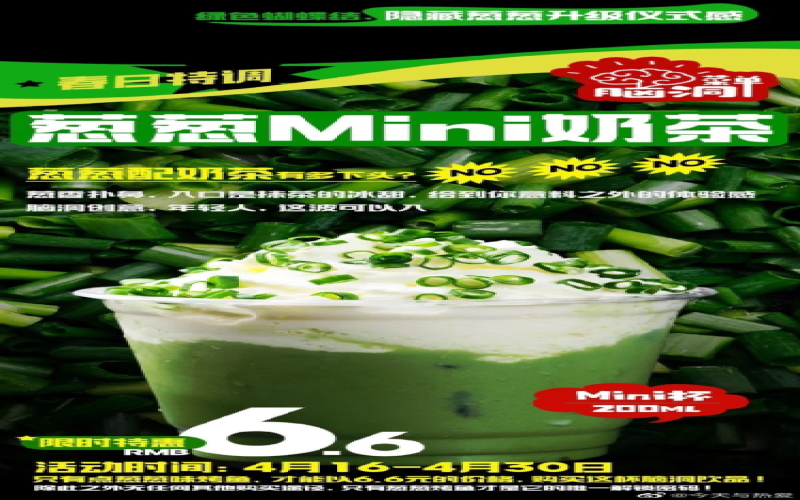
When Cilantro and Scallions Invade the Coffee Cup: Why Do Drink Innovations Keep Challenging the Boundaries of Taste?
In recent years, the cross-boundary fusion of coffee and milk tea has constantly refreshed people's perceptions. From garlic latte to cilantro coffee and scallion milk tea, savory vegetables have been "invading" the beverage world one after another. Behind these seemingly absurd pairings lies the innovation anxiety of the restaurant industry amid fierce competition. Some find them novel and fun, while others say they are simply unacceptable. This article will take you through a rundown of these "dark cuisine"-level drinks and explore whether they are just a passing gimmick or truly capable of winning over the taste buds. At the same time, we will also discuss Front Street Coffee's observations on this kind of innovation trend, and how ordinary drinks can find a balance between traffic and reputation. [more…]
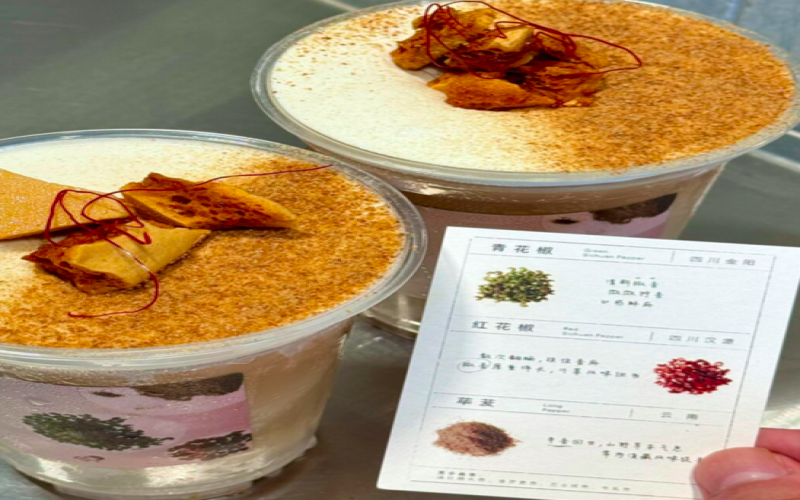
Heytea Chengdu limited-time launch of Sichuan Pepper Dianhong, Sichuan peppercorn and chili in milk tea sparks heated discussion
Recently, milk tea enthusiasts eager to try new things noticed an unusual new product from Heytea while keeping up with major chain brands. According to rumors online, this drink, called "Sichuan Pepper Dianhong," incorporates spices such as red Sichuan pepper into its blend, and the milk cap is garnished with shredded chili peppers, creating a visually striking effect. Many people initially suspected the images were composite fakes until the official product introduction confirmed that Heytea had indeed created a "chili milk tea." The product is available only for a limited time at the Chengdu Chunxi Road store, and its ingredients include Hanyuan red Sichuan pepper, Jinyang green Sichuan pepper, and Yunnan long pepper. Officials explained that the chili shreds are only meant to enhance aroma and that the spiciness is mild, while also offering a heavier numbing version for those who want it. This drink quickly sparked heated discussion online, with sharply divided opinions. [more…]

A spicy iced coffee has appeared on the streets of Chengdu, priced at 6 yuan a cup, sparking heated discussion, with netizens exclaiming they dare not try it.
Chengdu, a city famous for its spicy hotpot and skewered snacks, recently made trending news again thanks to a "spicy iced coffee." A blogger spent 6 yuan on a cup of specially made coffee on the street, only to find it contained sago, liangxia (a chilled rice-flour shrimp treat), pickled mustard tuber, monosodium glutamate, scallions, Sichuan peppercorn powder, and chili oil — an ingredient list that rivals hotpot base. The owner insisted this is a "Chengdu snack" and that adding two ladles of chili oil is the rule. The video sparked heated discussion online, with Chengdu locals saying they had never seen it and wouldn't dare drink it, while others were curious enough to try. Is this coffee creative or just absurd? Let's take a look. [more…]
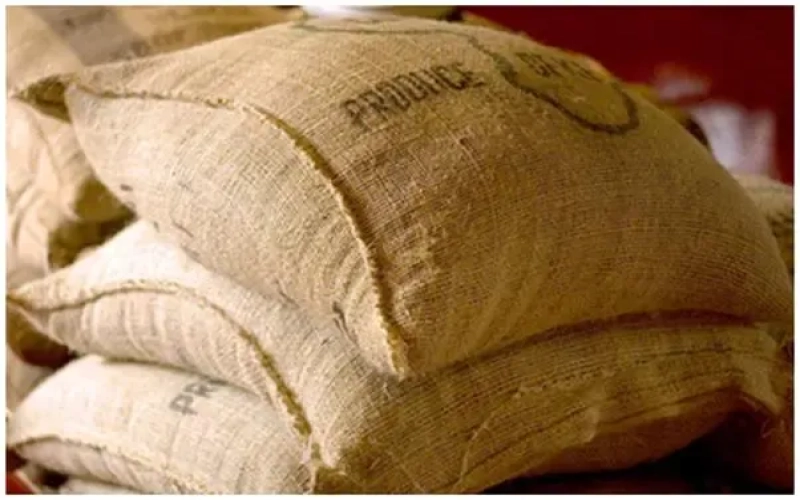
Under drought and durian pressure, Vietnam's coffee production declines, export volume drops by 10% but prices soar
As a major global coffee producer, Vietnam faced a setback of declining export volumes in the first half of 2024. Data shows that coffee export volume fell by 10.5% year-on-year in the first six months to 902,000 tons, but thanks to a 50.4% surge in average export prices, total export value instead climbed to US$3.22 billion, an increase of 34.6%. Behind the production decline are both irreversible damage to coffee trees caused by drought and competitive pressure from cash crops such as durian and passion fruit, with large numbers of farmers switching to more profitable fruit trees, leading to a continued shrinkage of coffee-growing area. Although coffee prices have risen to high levels, they are still not attractive compared with the profits from crops such as durian. At the same time, demand for Vietnamese coffee in the South Korean market is growing, bringing a glimmer of warmth to the export outlook. [more…]
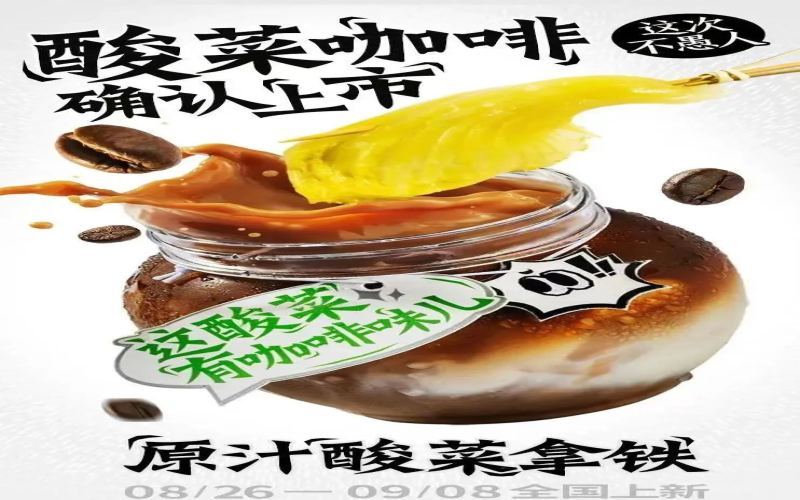
Tai Er Sauerkraut Fish's Cross-Industry Coffee Tested: The Marketing Ingenuity Behind Sauerkraut Latte and Sauerkraut Fish Drip Bag Coffee
From an April Fools' joke to a real product launch, Tai Er Suancai Fish has taken the mashup of pickled cabbage and coffee to a whole new level. Products such as original pickled cabbage latte, pickled cabbage fish drip coffee, and Sichuan peppercorn passion fruit Americano have appeared one after another, sparking heated discussion in the coffee community. How do these wildly imaginative crossover drinks actually taste? Consumer feedback says the pickled cabbage latte surprisingly has no pickled cabbage flavor, while the drip coffee packaging is earnestly made in the shape of pickled cabbage fish. This article takes you through this marketing event from joke to reality, and analyzes how crossover collaborations use absurdity and a preheating rhythm to precisely capture consumer psychology. Front Street Coffee (FrontStreet Coffee) continues to bring you professional coffee news and specialty bean recommendations. [more…]
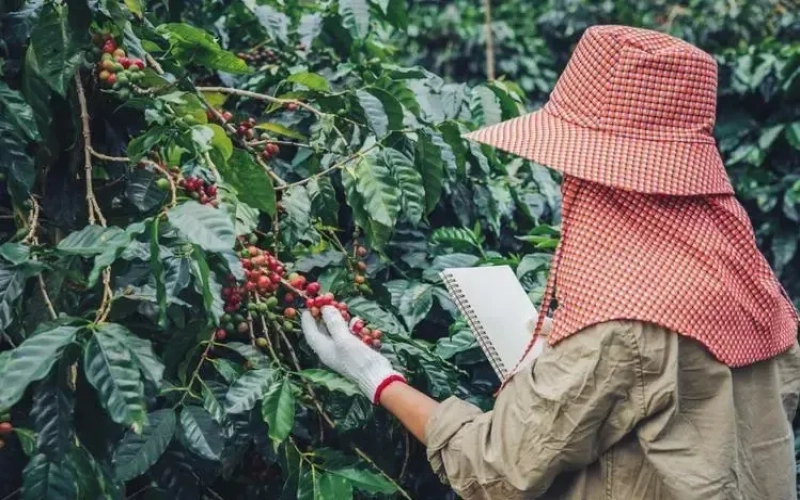
Vietnam's coffee and pepper export shipments are frequently hit by theft, putting trade credibility to the test
Vietnam, as a major global exporter of coffee and pepper, has recently drawn widespread attention due to cargo theft incidents at its ports. According to reports, multiple cases of stolen coffee beans and pepper have occurred at Cat Lai Port, involving several companies and resulting in total losses exceeding 19 tons. Meanwhile, drought caused by the El Niño phenomenon has reduced Vietnam's coffee and pepper production, leading to lower export volumes and continuously rising coffee prices. Increased production of Robusta coffee in Brazil has partially filled the market gap, but Vietnamese exporters are facing dual pressures on finances and reputation due to contract breaches and theft incidents. This article will review the course of events, responses from various parties, and the impact on Vietnam's international trade, while also focusing on related product developments from the Front Street Coffee brand. [more…]
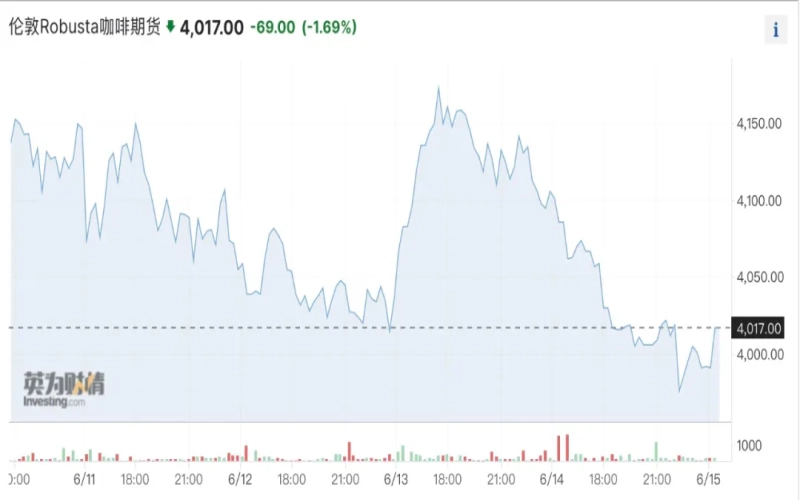
Robusta prices remain stubbornly high as Vietnam's coffee industry is squeezed by both extreme weather and crop competition
Vietnam, a major global robusta coffee-producing region, has recently suffered from prolonged high temperatures, drought, and insufficient rainfall, causing a marked decline in coffee production. Although high international coffee prices once encouraged farmers to expand planting, extreme weather has made cultivation exceptionally difficult. In the first five months of 2024, Vietnam's coffee exports fell by nearly 6% year-on-year, while robusta futures prices remained high at US$4,000 per ton, forcing some roasters to turn to Indonesia for procurement or choose to raise prices. At the same time, pepper prices have risen sharply, with returns far higher than those of coffee, which may prompt farmers to switch to pepper cultivation, and Vietnam's coffee-growing area may shrink in the future. Front Street Coffee will continue to monitor this shifting situation affecting the global coffee supply chain. [more…]
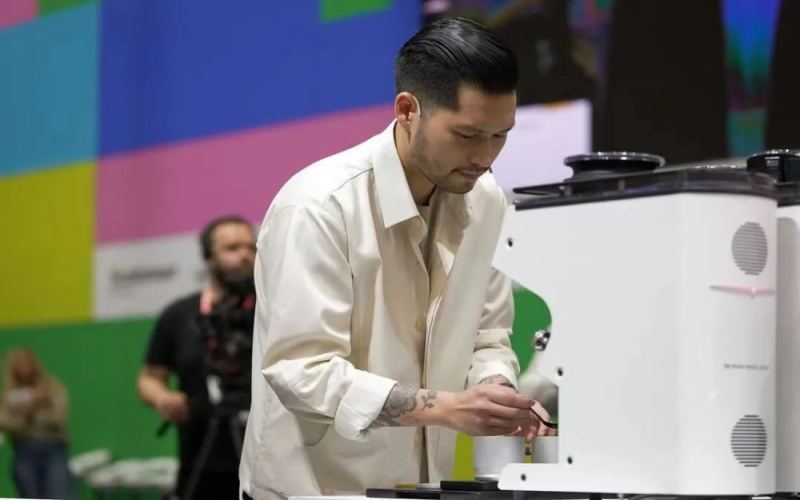
What variety is Chili Geisha coffee? What is the relationship between Aji, Bourbon, and Geisha? Does the Chili bean from Finca La Divisa really taste spicy?
In recent years, a rather buzzworthy name has emerged in the coffee world—Aji Chili Coffee. Is it actually Bourbon? Why is it also called Chili Geisha? Do the beans really carry a chili flavor? Front Street Coffee specially acquired a small lot of washed Aji Chili beans from Finca La Divisoria in Colombia, peeling back the layers of this mysterious coffee—from its varietal origins and genetic identification to actual cupping flavors. The article also fully documents Front Street's roasting approach and tasting impressions, helping you understand the identity and taste of Aji Chili Coffee all at once. [more…]
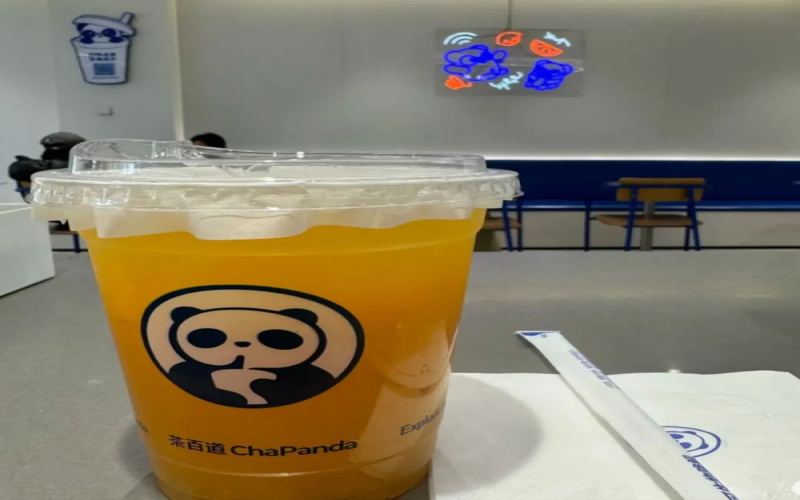
Behind the hot sales of ChaPanda’s fruit and vegetable juices: store employees face a sharp surge in pressure from manual juicing
Tea Baidao's recently launched "Super Veggie" drink series, from the wheatgrass-starring "Cat Grass Juice" to the bell pepper mixed fruit "Vitamin C Fast Burn Bell Pepper," has attracted a large number of consumers eager to try the novel combinations, and has also driven store sales growth. However, the other side of the product's hot sales is the heavy manual juicing task facing back-kitchen employees. Because stores use smoothie machines rather than professional juicing equipment, the fruits and vegetables are blended into a thick puree, and employees must repeatedly knead and squeeze filter bags to extract juice. During peak periods, demand exceeds supply, leaving many staff members crying out in despair. This article will take you behind the scenes of the real production process and the voices of employees behind this fruit and vegetable juice craze. [more…]
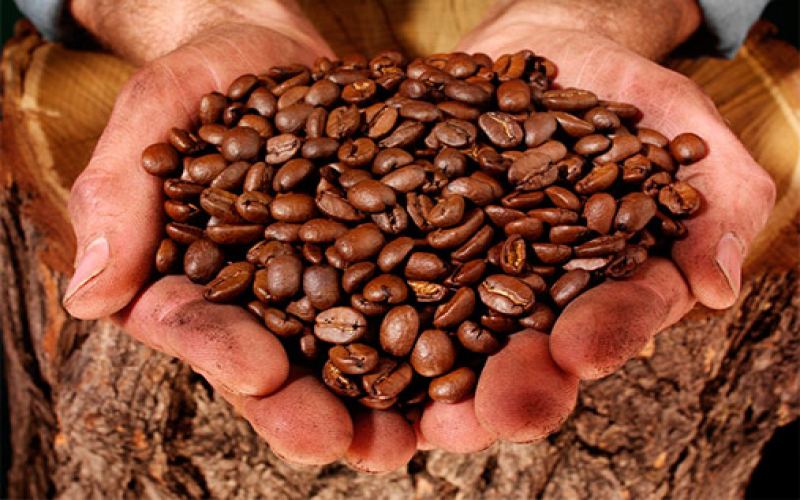
Front Street Guatemala Antigua Coffee Beans: Specialty Flavor Cultivated in Volcanic Highlands and a Tasting Guide
The Guatemala Antigua coffee beans launched by Front Street Coffee come from the high-altitude volcanic rock growing region at the westernmost tip of Central America. With their balance between elegant acidity and cocoa sweetness, they have become the daily first choice for many coffee lovers. These beans are mildly acidic and smooth, with a mellow, silky mouthfeel. From the dry aroma during grinding to the finish after tasting, they display the complexity unique to highland regions. Guatemala has more than three hundred microclimates across its territory, and its eight major growing regions are located on both volcanic and non-volcanic geological formations, bringing coffee a richly layered flavor spectrum that includes green apple, berries, jasmine, orange peel, green pepper, chocolate, and even a smoky finish. This article will sort out the growing region background, variety composition, grading logic, and flavor performance of Front Street Guatemala coffee beans to help readers understand what makes this specialty bean unique. [more…]
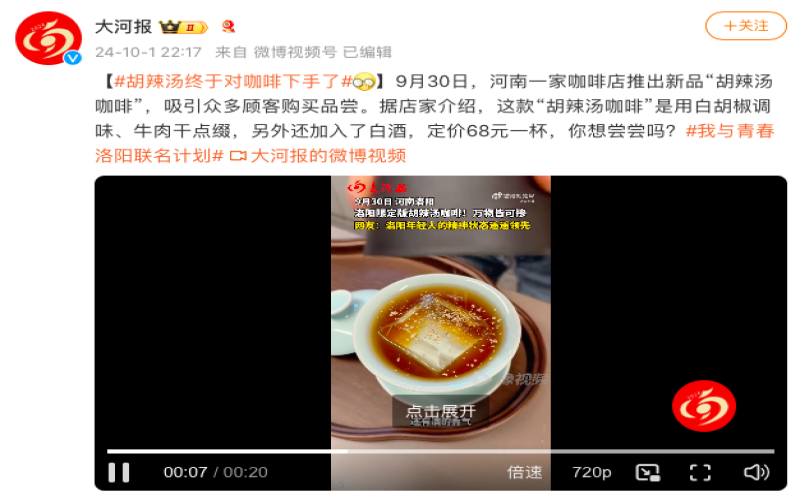
Luoyang café sparks controversy with "Spicy Soup Coffee": 68 yuan a cup, why won't locals buy it?
Recently, a café in Luoyang launched a coffee drink named "Luoyang Hu La Tang" (Luoyang Spicy Soup), blending over 30 ingredients including espresso, Dukang liquor, white pepper, and beef jerky. Priced at 68 yuan per cup, it has sparked heated discussion online. Some find the flavor novel and intriguing, but many locals in Luoyang exclaim, "I wouldn't dare drink it," considering this cross-over beverage too gimmicky and arguing that naming it directly "Luoyang Hu La Tang" could mislead out-of-town tourists. Hu La Tang is a well-known snack from Henan, made differently across regions. Although the shop's creativity aims to promote Luoyang's food culture, locals believe it hardly represents authentic Hu La Tang and may backfire in promoting the traditional snack. [more…]
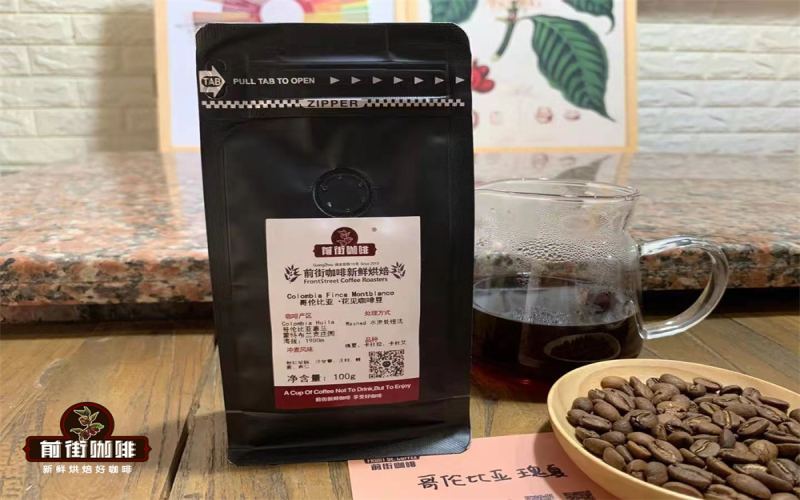
Colombia Hanami Geisha Blend Coffee Beans Review: Washed Processing Flavor Ratio and Origin Estate Analysis
Front Street Coffee brings you a distinctive Colombian Hanami coffee bean, a blend of three major varieties — Geisha, Caturra, and Catuai — washed-processed to present a clean flavor. This bean originates from Colombia's renowned Huila region, carrying a base of nut and caramel with the sweet-tartness of berries, and blooming with the captivating aromas of chamomile and pink pepper at high temperatures. This article will share Front Street's brewing parameters and flavor performance in detail, and take a deeper look at the characteristics of the Huila region and the cultivation story of the Monteblanco estate, giving you a comprehensive understanding of the unique charm of this Geisha blend coffee bean. [more…]
Ethiopia Guji Region Natural Sidama: In-Depth Analysis of Mormora Farm Coffee Bean Flavor and Roast Profile
Located in the Shakiso Mormora farm in the Guji region of southern Ethiopia, this family-run operation has been cultivating native heirloom coffee at altitudes between 1,850 and 2,000 meters since 2012, using natural processing and graded Grade 1. This bean showcases a red wine aroma with a ripe fruit core, while spice and pepper notes emerge in the mid-to-late palate. This article provides a detailed introduction to the region's background, Mormora farm's cultivation philosophy, and, combined with Front Street Coffee's roasting experience, explores the distinctly different flavor expressions under light and medium-dark roasts—from the plum and berry wine notes of a City Roast to the Belgian dark chocolate and raspberry syrup texture of a Full City—offering coffee enthusiasts a comprehensive roasting and tasting reference. [more…]
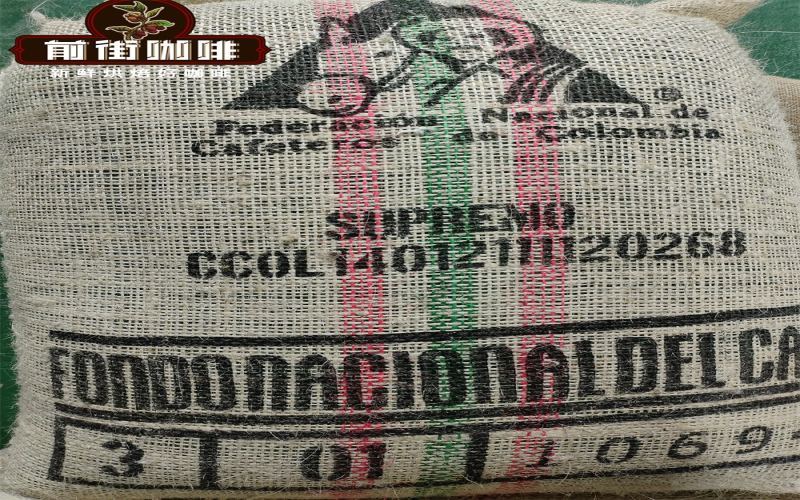
A Complete Guide to Colombia's Coffee Bean Export Grading Standards and the Flavor Profile of the Geisha Variety
Colombia, as a major global exporter of Arabica coffee, has a green bean grading system centered on Excelso as the core export standard, with strict regulations on bean size, defect scoring, moisture content, and more. This article starts with the soft, aromatic characteristics of Colombian coffee, explains in detail FNC's defect scoring rules and Supremo grade requirements, while tracing the journey of the Geisha variety from the forests of Ethiopia to Hacienda La Esmeralda in Panama, and focuses on the Hanami Geisha blend coffee from Finca Mont Blanc in the Huila region. Front Street Coffee presents its layers of pink pepper, chamomile, mandarin, honey, and almond through a light roast, and the article includes complete brewing parameters and recommendations. [more…]

Can You Make Cold Brew with Hot or Warm Water? Flavor Comparison Experiment of Quick-Extracted Cold Brew Coffee at Different Water Temperatures
Cold brew coffee usually requires 8 to 12 hours of low-temperature slow extraction, but what if you want to drink it the same day? Raising the water temperature can speed up extraction, but if you use hot water directly, it becomes hot brew, and the floral and fruity aromas and low bitterness unique to cold brew will also disappear. Front Street compared three methods through experiments: conventional 23°C cold water extraction for 10 hours, 40°C warm water extraction for 4 hours, and 92°C hot water blooming followed by room-temperature water extraction for 4 hours. The beans used were Colombia · Hanami, with full berry acidity, floral notes, and pink pepper flavors. The results showed that the 40°C warm water rapid cold brew was closest to the performance of conventional cold brew, with both a fermented feel and clearly presented flavors, making it suitable for friends who want to drink cold brew quickly. [more…]
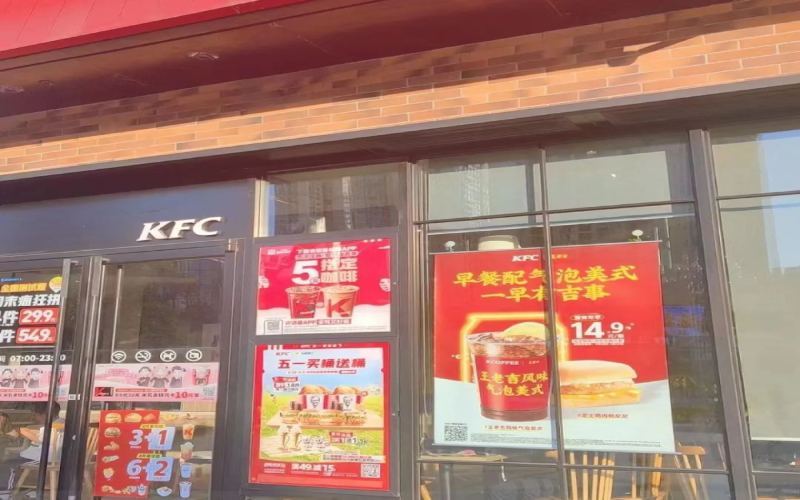
KFC Joins Forces with Wong Lo Kat to Launch Sparkling Americano: Can This Old-Brand Crossover Coffee Replicate the Moutai Latte Craze?
KFC's KCOFFEE continues to deepen its presence in the coffee sector and is about to launch a limited-edition drink in collaboration with the Chinese time-honored brand Wanglaoji — a Wanglaoji-flavored sparkling Americano. On one side is a Western-style fast-food coffee brand accelerating its expansion, and on the other is a representative of Cantonese herbal tea with nearly two hundred years of history. This collision of "Chinese and American herbal tea" has sparked considerable discussion. Yet before the new product even hit the shelves, netizens had already easily replicated it with Wanglaoji plus sparkling water. Can the consumer-friendly price of 9.9 yuan win over customers? What attempts has Wanglaoji made in recent years to appeal to young people? And can KFC replicate the success of Luckin and Moutai through this collaboration? This article will focus on this cross-industry cooperation, sorting through both sides' brand backgrounds, market situations, and collaboration highlights, for the reference of coffee enthusiasts. [more…]

Tea Yan Yue Se's new product packaging has been accused of being identical to Khalil Fong's album cover, and the snack in question has been pulled from all stores.
On July 17, a post about an alleged infringement by Chayan Yuese sparked widespread discussion on social media. Some internet users noticed that on the packaging of the brand's newly launched "Mountain Pepper Oil Flavored Spicy Strips," the album图案 held by the cartoon character bore a striking resemblance to the cover of Khalil Fong's "Dreamer," released in 2024. Netizens asked customer service to verify a collaboration, but were told that the two parties had no partnership. As public opinion grew, Chayan Yuese confirmed that the product involved had been urgently removed from shelves that afternoon and publicly apologized for the lack of oversight in its creative review process. Although the brand has responded, it has not yet issued a formal statement on its official social media accounts. [more…]