







Search Results for: Granja Geisha
Exploring Colombia's Hacienda La Esperanza Geisha: The Sun-Dried Flavor Journey from Finca Potosí to Finca Margarita
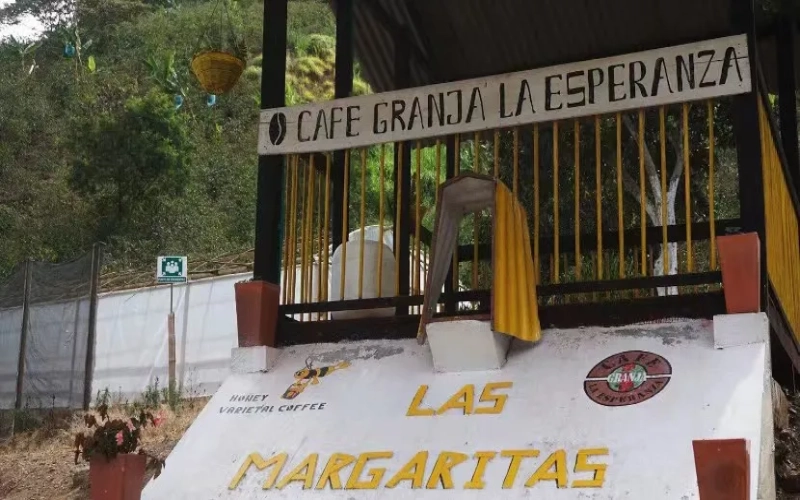
In the past decade, a coffee estate in Colombia has won more than sixty awards at major coffee competitions around the world, and is known within the industry as coffee's "rising star" — this is Finca La Esperanza. From a couple acquiring Finca Posido to the family gradually expanding to five estates, and then in 2007 leasing the La Carreta farm in Boquete, Panama, and winning the BOP championship, the rise of Finca La Esperanza has been full of legendary color. This article will take you through the historical development of Finca La Esperanza, the terroir advantages of Cauca Department, and a tasting of a sun-dried Geisha from Finca Margarita, to experience the charm of flavors interwoven with blackcurrant, blueberry, and red wine. [more…]
Ethiopia Gesha Village Pour-Over Coffee Flavor Analysis: Comparing the Characteristics of Gold Label, Red Label, and Granja Estate Geisha Beans
Ethiopia is the birthplace of the Geisha variety, and Gesha Village is one of the core origins of this legendary variety. For friends who love pour-over coffee, Front Street Gesha Village Gold Label, Red Label, and Front Street Grana Estate Geisha are all options worth paying attention to. Gesha Village is located in the Bench Maji region of southwestern Ethiopia near South Sudan, surrounded by dense jungle, covering nearly 500 hectares, and from within the estate one can gaze out at pristine forest landscapes. This is a typical highland terrain—even the lowest-elevation plots exceed 1,900 meters. In the low-temperature environment, coffee cherries mature slowly, thereby accumulating richer flavor compounds. This article will provide a detailed breakdown of the producing region information, variety characteristics, and flavor profiles of Gesha Village Gold Label, Red Label, and Grana Estate Geisha, helping coffee enthusiasts more clearly understand the characteristics and suitable scenarios of each lot. [more…]
A Complete Guide to Geisha Coffee: Floral and Fruity Aromas, Grinding Tips, and a Summary of Famous Regions and Variety Characteristics
Geisha coffee, with its captivating floral and fruity aromas and high price tag, has become a hall-of-fame single-origin coffee in the hearts of many coffee enthusiasts. This article organizes the varietal characteristics, flavor descriptions, grind size recommendations, and main producing regions of Geisha, with a focus on introducing the grading systems and signature products of Panama's Hacienda La Esmeralda and Ethiopia's Gesha Village. It also combines specific recommendations from Front Street Coffee such as Red Label, Green Label, and Gold Label to help beginners find the cup that suits them. In addition, the article mentions the flavor changes of Front Street Coffee's Granja Estate Geisha under natural processing, as well as its suitable applications for pour-over, cold brew, and espresso, serving as a reference for everyday purchasing and brewing. [more…]
How to Choose an Entry-Level Panama Geisha? Variety and Flavor Analysis of Three Budget-Friendly, High-Value Geisha Coffee Beans
In the world of specialty coffee, Geisha has become a benchmark in the minds of many enthusiasts thanks to its intense floral aroma, bright fruit acidity, and lingering sweetness, yet its high price often makes it hard to enjoy on a daily basis. This article focuses on the uniqueness of the Geisha variety, sorts out the flavor differences between Panamanian and Ethiopian Geisha, and, based on official sales rankings, recommends three Geisha coffee beans under 100 yuan with excellent quality: Front Street Boquete Geisha, Front Street Gesha Village Red Label Geisha, and Front Street Granja Estate Geisha SOE. The article details each bean's growing region, flavor description, and suitable brewing methods, helping coffee lovers with limited budgets find a Geisha coffee suitable as a daily staple or an entry-level first choice. [more…]
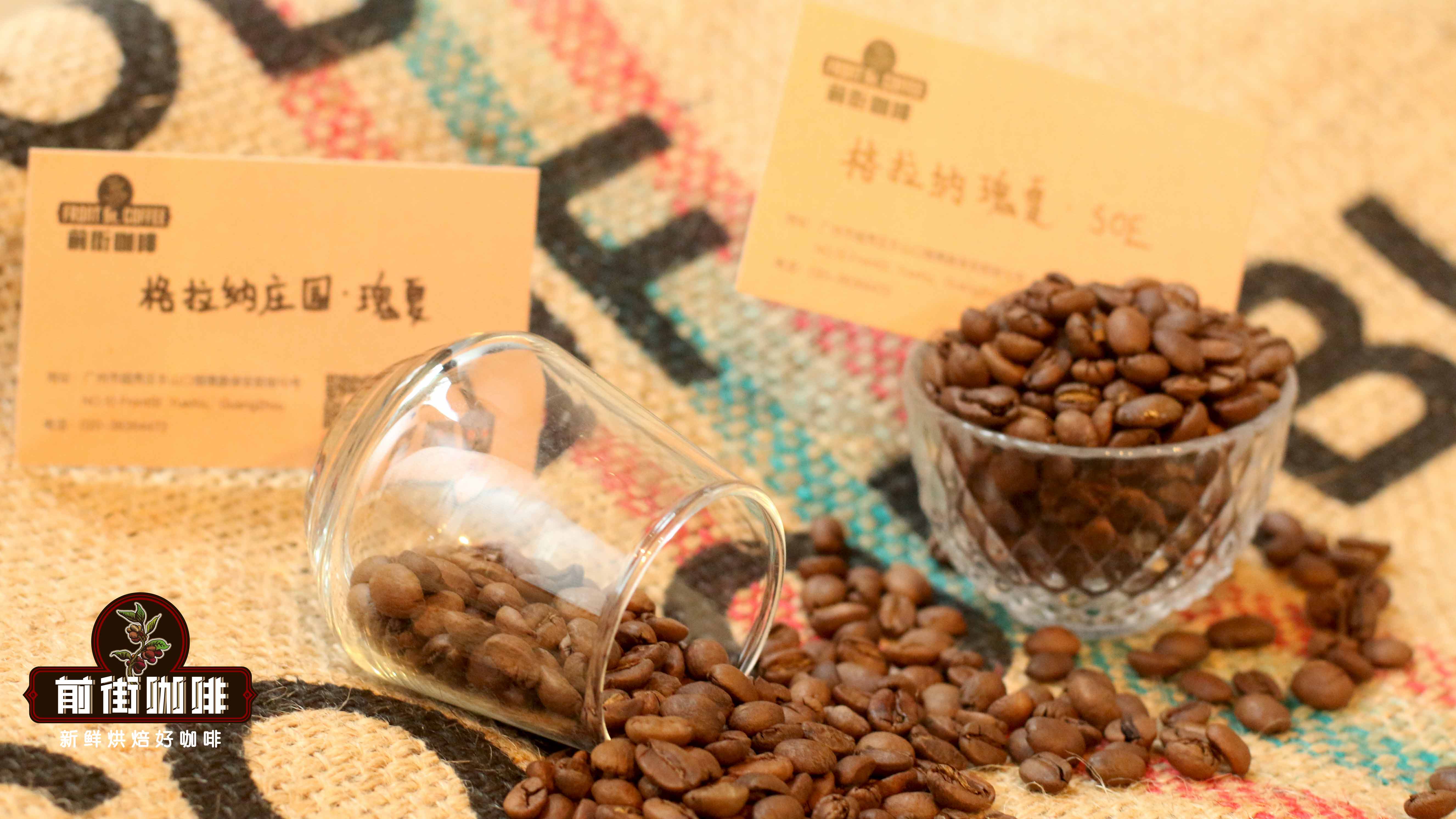
The Origin and Flavor Characteristics of Ethiopia's Native Geisha, and Three Must-Try Geisha Recommendations for Beginners
Geisha is one of the most talked-about coffee varieties in the coffee world today. Its name originates from Ethiopia, and since it is pronounced the same as the Japanese word for "geisha," it is also known as geisha coffee. This variety originally grew in Ethiopia but remained obscure for a long time, until Hacienda La Esmeralda in Panama separated it and won first place, finally making the world recognize its value. Geisha plants are taller, have lower yields, and are difficult to harvest, and their flavor varies richly depending on the producing region, processing method, and roast level. This article will sort out the origins and characteristics of Geisha and recommend three Geisha coffees suitable for beginners: Front Street Emerald Green Label, Front Street Geisha Village Red Label, and Front Street Granja Estate Geisha, helping coffee lovers find the cup that suits them. [more…]

Electrolux ECM4100 Drip Coffee Maker Review: A Home Brewing Guide with Geisha Coffee Beans
Among home coffee machines, drip models are favored by many enthusiasts for their simple operation and quick brewing. The Electrolux ECM4100, as a fully featured drip coffee machine, is equipped with digital smart controls, an LCD display, an adjustable grinder, and an activated carbon water filtration tank. It can use either coffee beans or directly added ground coffee, and also supports scheduled brewing and a small-cup rich flavor mode. To get the ideal results from this machine, Front Street believes the choice of coffee beans is crucial. This article will review the main specifications and functions of the ECM4100, and recommend Geisha coffee beans suitable for home use, including Front Street Granja Estate Geisha and Front Street Geisha SOE, helping readers find a pairing that offers both floral and fruity notes and sweetness. [more…]
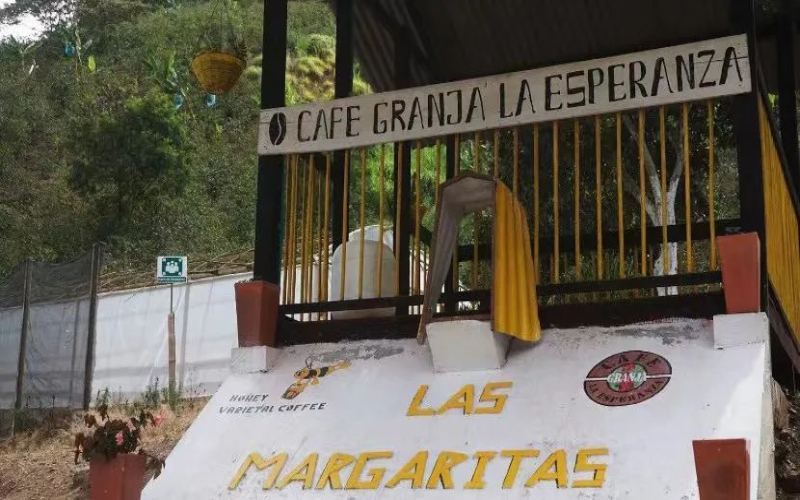
Colombia's Finca La Esperanza and Cerro Azul: A Deep Dive into a Family's Coffee Empire and Geisha Flavors
Cafe Granja La Esperanza frequently appears in coffee competitions and rankings, but it is not a single estate—rather, a coffee family brand made up of several farms. It began when the couple Blanca Ligia Correa and Juan Antonio Herrera acquired Finca Potosí, and the family gradually expanded its holdings to five estates, including Margaritas, Cerro Azul, and Hawaii. In 2007, family member Rigoberto won the BOP championship in Panama, and subsequently introduced Geisha to Colombia, opening a glorious chapter for Cafe Granja La Esperanza. This article provides a comprehensive look at this sun-dried Geisha from the high altitudes of Cauca Department, covering the family history, the terroir of the producing region, and Front Street Coffee's cupping experience. [more…]
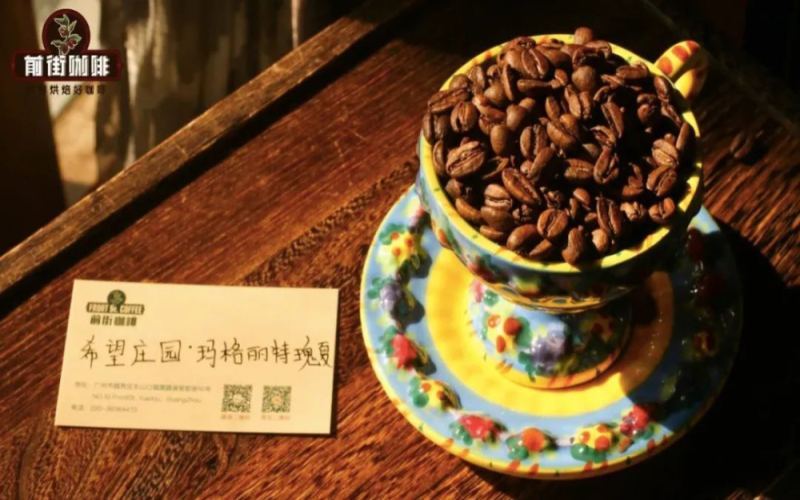
A Complete Guide to Hope Estate in Colombia's Cauca Valley: Flavor Profile and Origin Story of Natural Geisha Coffee
Front Street Coffee recently introduced a natural Geisha from Colombia's Cafe Granja La Esperanza, which when brewed presents aromas of blueberry and smoked plum, with layers of blackcurrant juice, orange, and berries on the palate, a rich juicy mouthfeel, and a red-wine-like finish. Cafe Granja La Esperanza occupies an important place in Colombia's coffee landscape, encompassing five sub-estates and having accumulated more than sixty awards in global competitions over the past decade. This article will trace the estate's history, plot distribution, variety experiments, and processing techniques, and analyze the source of its Geisha coffee's flavors. [more…]
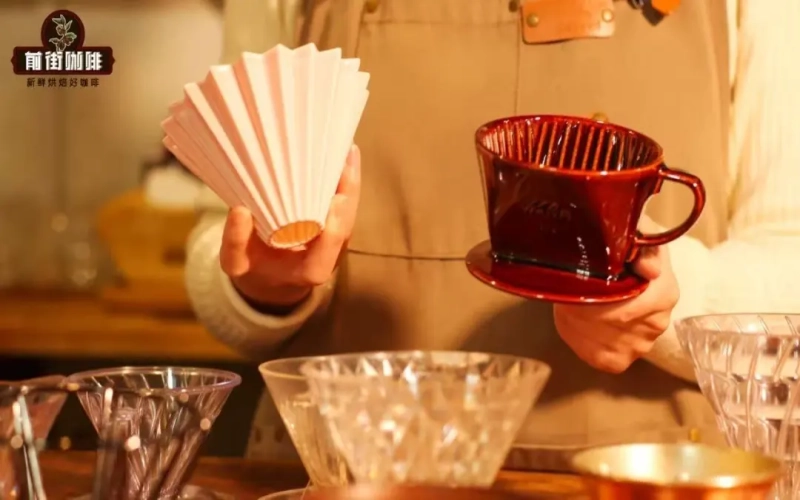
Pour-Over Coffee Dripper Selection Guide: Brewing Parameters and Pairing Suggestions for Light and Dark Roast Beans
In pour-over coffee, the choice of dripper is often overlooked by beginners, but it actually directly affects extraction time, method, and ultimately the flavor in the cup. Drawing on everyday brewing experience, Front Street Coffee offers dripper pairing suggestions for coffee beans of different roast levels. Light-roasted beans suit fast-flow conical drippers like the V60 to highlight floral and fruity aromas and layering; dark-roasted beans are better matched with slow-flow drippers like the Kono to enhance body and sweetness. The article also uses Granja Geisha and PWN Golden Mandheling as examples, listing specific parameters such as dose, ratio, grind size, and water temperature in detail for coffee enthusiasts' reference. [more…]
Colombia Hope Estate Coffee Beans: Full Analysis of Flavor Characteristics and Origin Story
Colombian coffee is renowned worldwide for its soft, mellow flavor, and La Esperanza Estate in the Huila region stands out as a leader among them. This estate, jointly run by several coffee farmers, has repeatedly achieved outstanding results in Colombian coffee competitions and scored high on Coffee Review, thanks to its forest-grown environment at elevations of 1,400 to 1,650 meters and its commitment to hand-picking. This article will take you deep into La Esperanza Estate's regional background, the characteristics of its four sub-estates, its coffee varieties and processing methods, and the strikingly different flavor profiles under light and dark roasting, while also introducing the fascinating story of rare varieties such as Geisha. Front Street Coffee invites you to savor the coffee charm of this top-tier estate. [more…]
How to brew 30 grams of coffee with a size 01 V60? Parameter adjustment ideas for brewing a large batch in a single-person dripper
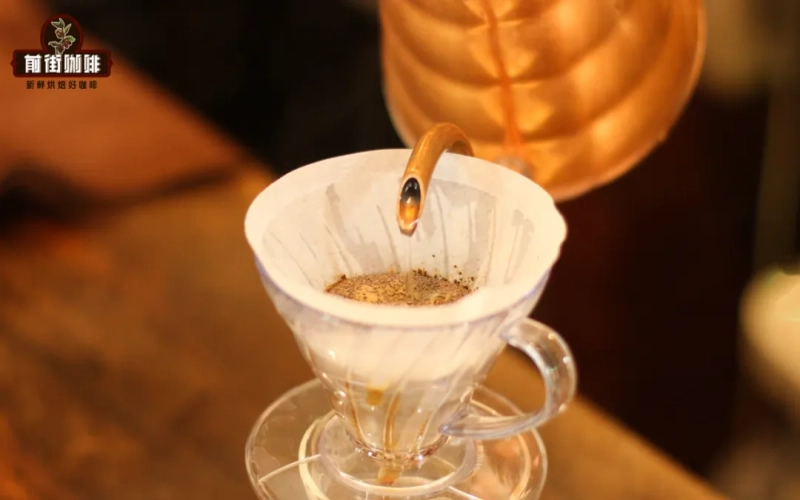
Pour-over coffee enthusiasts often run into this dilemma: they only have a 01 single-cup V60 dripper on hand, yet need to brew a multi-serving batch with 30 grams of coffee at once. Doubling the coffee dose is easy, but scaling up the water volume accordingly will exceed the dripper's capacity, leading to uncontrolled extraction. Does that really mean a small dripper can't handle a large dose? Not at all. Front Street successfully brewed 30 grams of Front Street Granja Geisha with a 01 V60 by adjusting the grind size, pouring method, and staged strategy, achieving a 20.33% extraction yield, with a balanced, sweet flavor where apricot, berry, citrus, and oolong tea notes are clearly distinguishable. This article shares this fully tested set of parameters and operating steps with anyone who has the same need. [more…]
Berry-Flavored Coffee Beans: The Sweet-and-Tart Layers of Strawberry and Blueberry
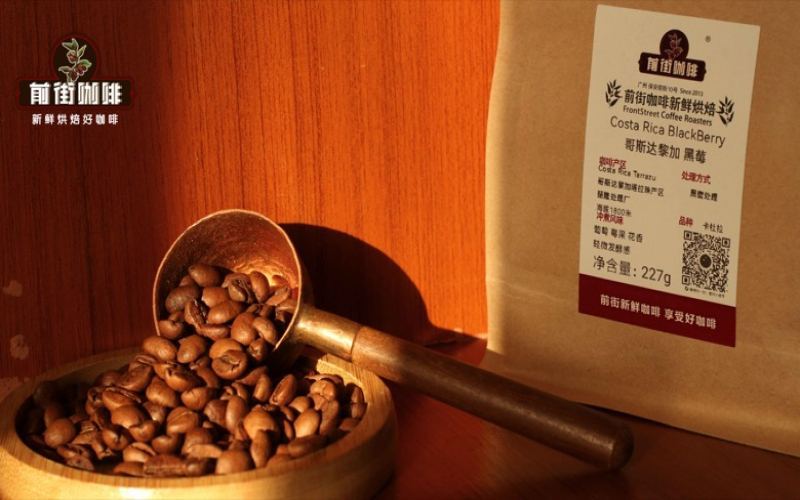
Berry-flavored coffee beans have a flavor profile best described as "intertwined sweet and sour": the aromas of strawberry, blueberry, and raspberry need an acidic foundation to come across as three-dimensional. Front Street Coffee's Granja Estate Geisha has a strawberry jam aroma paired with sun-dried sweetness, making it a richer expression of berry notes; Colombia's Sidra, by contrast, has a brighter blueberry flavor, and in iced pour-over its berry character [more…]
The Historical Legacy and Flavor Charm of Colombia's Hacienda La Esperanza Specialty Coffee Beans
Hacienda La Esperanza in Colombia is a name of great importance on the South American specialty coffee map. It belongs to the Herrera family and has won honors in multiple international competitions thanks to its exceptional quality. This article reviews the development of Hacienda La Esperanza, the microclimatic characteristics and cultivated varieties of its four farms, and focuses on the Colombian Hacienda La Esperanza single-origin beans selected by Front Street Coffee—from hand sorting and roasting curves to flavor performance, comprehensively presenting the uniqueness of this natural Pacamara, while also discussing the terroir conditions of Colombia's main producing regions, providing coffee lovers with in-depth content that is both informative and valuable for tasting. [more…]
Yirgacheffe Konga Red Cherry Natural G1 Coffee: Tasting Recommendation for Rich Floral and Fruity Notes with Essential Oil Flavors
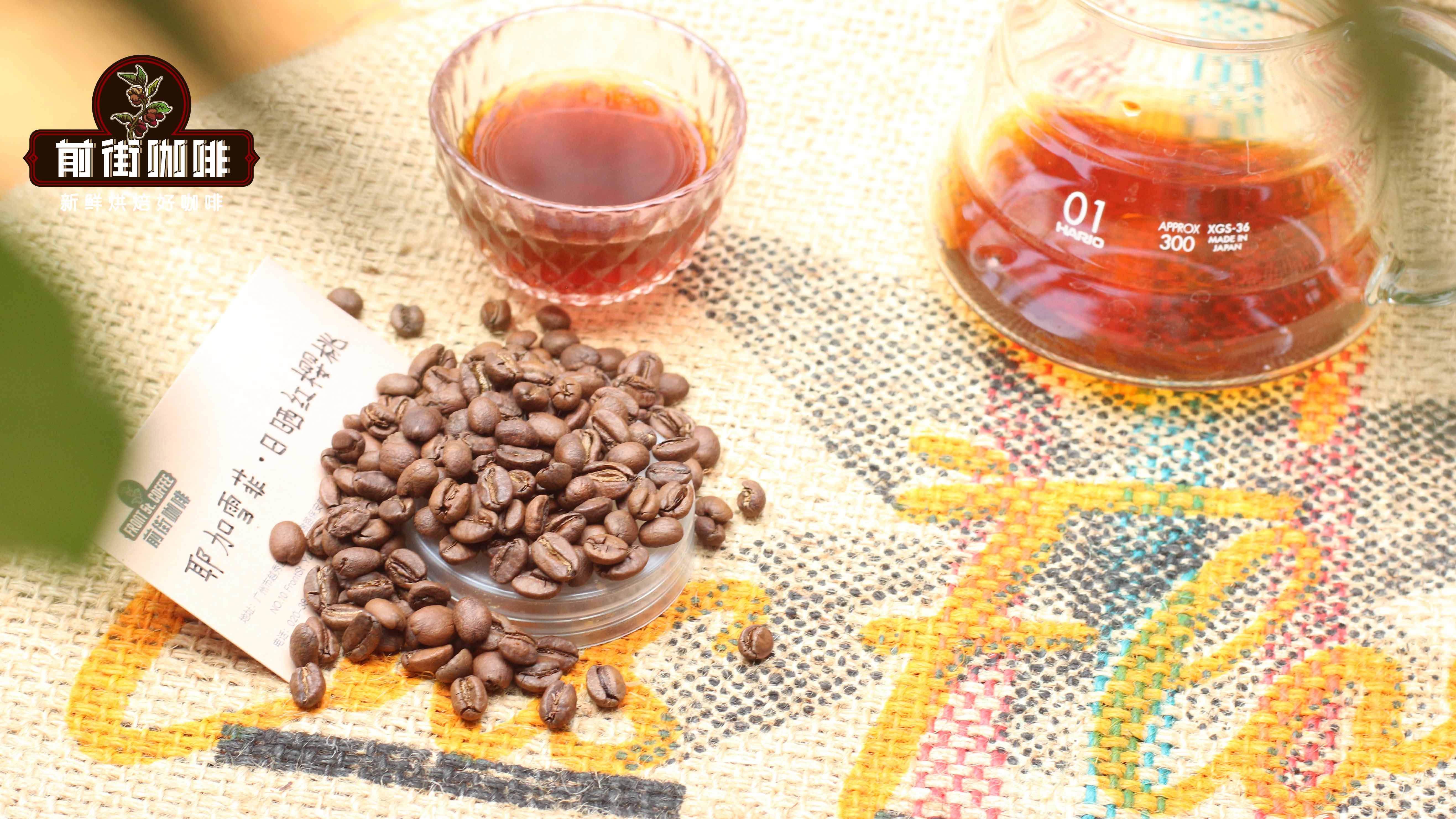
The red cherry natural G1 from the Yirgacheffe Konga Cooperative is a model of floral and fruity aromas among Ethiopian specialty coffees. The Konga Cooperative, through its almost苛刻 manual selection and natural processing methods, creates a rich flavor interwoven with jasmine, citric acidity, and tropical fruits. This article takes you through the processing details, the origins of the flavor, and specific product recommendations to gain a deeper understanding of this coffee's allure. Front Street Yirgacheffe Konga Red Cherry, as well as Front Street Granja Estate Natural Geisha, are both excellent choices for experiencing classic floral and fruity notes. Whether you are a pour-over enthusiast or a coffee novice, you can feel the colorful charm of the African land and the dedication of the coffee farmers. [more…]
Luckin Geisha SOE Coffee Review: What's the Difference Between Gesha and Geisha, and Why Is It So Affordable?
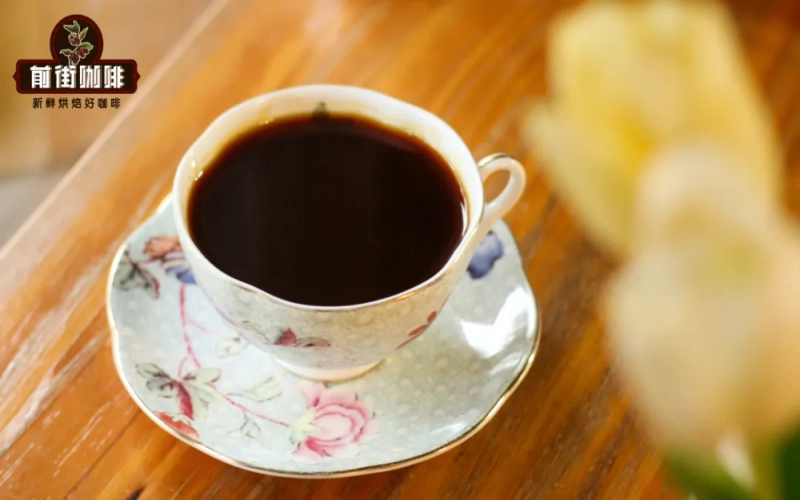
Luckin Coffee's recent launch of Geisha SOE has sparked widespread discussion in the coffee community, with some questioning whether dark-roasting Geisha wastes good beans, and others curious about how the price can be so low. To understand these questions, we first need to clarify a key concept: Geisha is actually a variety line, not a single variety. The highly regarded Panama Geisha mostly belongs to Geisha T2722, a multi-generation selected strain within the Geisha line, while the Gesha used by Luckin this time comes from the Bench Maji region of Ethiopia and is a native mixed line. Although the two share the same origin, they differ vastly in flavor performance, yield, and price. This article will provide an in-depth analysis of the bean source, roasting strategy, and market positioning of Luckin's Geisha SOE, while also recommending Front Street Coffee's Granja Estate Geisha for enthusiasts who want to taste a high-value Geisha, and exploring how commercial coffee and specialty coffee can each play their role and jointly promote the spread of coffee culture. [more…]
Beans with Tropical Fruit Flavors: The Sweet Aroma Code of Sun-Dried Fermentation
For coffee beans with tropical fruit flavors, the core of the flavor lies in the fermentation: the fermentation in natural processing transforms sugars into the sweet aromas of tropical fruit. Front Street Coffee's Kafa Forest has orange and apricot notes with an oolong tea-like finish, where the tropical sweetness carries a layer of tea-like freshness; Granja Estate's Geisha natural version, meanwhile, is a rich expression of guava and strawberry jam, [more…]
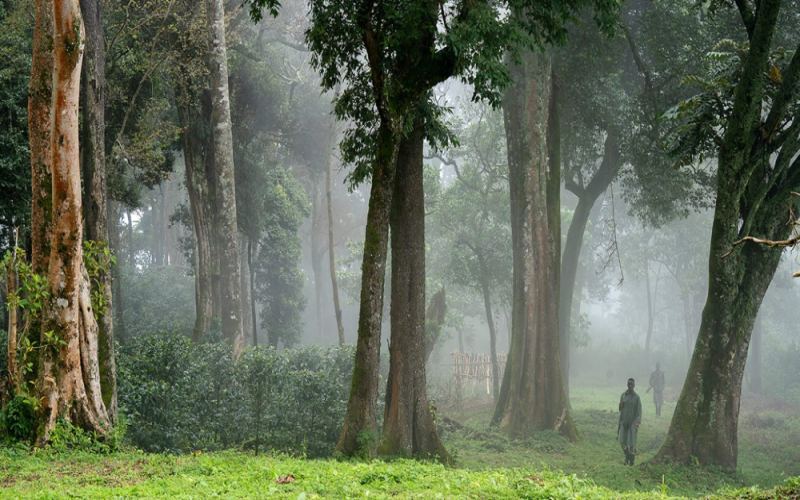
How does the coffee from Gesha Village taste? An analysis of the differences between Gesha Village and the Gesha variety, and its award-winning journey
Geisha coffee has always been most renowned for its Panama origins, and Front Street Coffee's Emerald Estate Red Label and Green Label Geisha are classic choices, but their high prices deter many enthusiasts. At this point, Front Street Coffee's Granja Estate Geisha from Ethiopia offers a cost-effective alternative, combining bright fruit acidity with guava flavors. And when it comes to the origins of Geisha, one cannot fail to mention Gesha Village—this large farm located in southwestern Ethiopia that cultivates only the Geisha variety once set an African bean auction record at $85 per pound. This article will guide you through the rise of Gesha Village, its connection to Panama Geisha, and its remarkable performance in the 2017 international auction. [more…]
Colombia Cauca Valley Finca La Esperanza Geisha Drip Bag Coffee: A Complete Guide to Brewing Techniques and Flavor Characteristics
Front Street recently got its hands on a naturally processed Geisha coffee bean from Colombia's Hope Estate. When brewed, it presents aromas of blueberry and smoked plum, with flavors of blackcurrant juice, orange, and berries on the palate. It has a full, juicy body and a long, red-wine-like finish. This Geisha comes from Cafe Granja La Esperanza, an estate with a 76-year history that has won more than 60 awards in global competitions and owns five sub-estates. This article will take you through the planting legend of Hope Estate and, using Front Street Hope Estate Geisha drip bag coffee as an example, explain in detail the brewing steps and water temperature recommendations for drip bag coffee, helping you easily enjoy a cup of high-quality black coffee even when you're busy. [more…]

Detailed profile of Finca La Esperanza in Cauca, Colombia: an overview of five farms, growing elevations, and coffee varieties
Colombia is the world's third-largest coffee producer, and coffee, along with flowers, gold, and emeralds, is known as one of its "four treasures." The high altitudes, volcanic soil, and diverse climates of the Andean region provide ideal conditions for coffee cultivation. Cauca Department is one of the main producing regions, where Hacienda La Esperanza has multiple farms. This article will outline the geographical and climatic background of Colombian coffee, with a focus on introducing the altitude, plots, area, and cultivated varieties of five farms under Hacienda La Esperanza: Potosí, Blue Mountain Hill, Margarita, Hacienda La Esperanza, and Hawaii. It will also mention the Herrera family's management legacy and related products from the Front Street brand. [more…]
Colombia Cauca Region Finca La Esperanza Geisha Coffee Beans: A Full Analysis of the Estate Background, Terroir Conditions, and Variety Experiments
Front Street Coffee recently acquired a sun-dried Geisha coffee bean produced by Colombia's Finca La Esperanza. When brewed, it presents aromas of blueberry and smoked plum, with layers of blackcurrant juice, orange, and berry flavors on the palate, a full-bodied juicy feel, and a red-wine-like texture in the finish. This Geisha comes from a renowned, long-established estate in Colombia—Cafe Granja La Esperanza, whose Chinese name means "Hope." Over the past decade, Finca La Esperanza has accumulated more than sixty awards in major global coffee competitions, is a regular contender in Colombia's green coffee competitions, and has even crossed regions to participate in Panama's Best of Panama (BOP) competition with notable results. This article will provide a comprehensive introduction to this legendary estate from the perspectives of its background, the terroir of the Cauca growing region, the history of its variety introductions, and its processing techniques. [more…]