







Search Results for: Gold Cup extraction yield
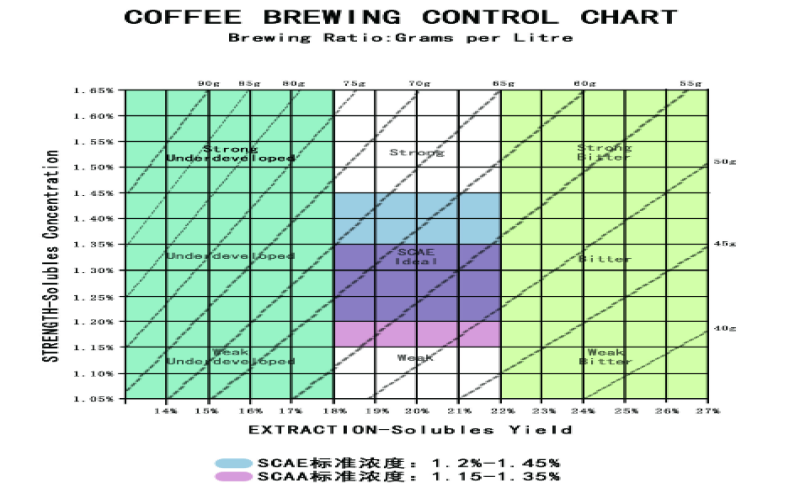
Gold Cup Extraction Standard Explained: Concentration and Extraction Yield Calculation Methods and SCAA Standard Ranges
In coffee brewing, how to balance flavor and avoid under-extraction or over-extraction is a concern for every coffee enthusiast. The Golden Cup standard provides a widely recognized reference framework, covering the ideal ranges for extraction yield and concentration. This article will systematically review the origins of the Golden Cup standard and the specific values set by coffee associations in various countries, explain in detail the formulas for calculating concentration and extraction yield, and, using the example of Front Street Coffee's Ethiopia Florque 4.0 pour-over, demonstrate how to measure and calculate extraction yield with an ExtractMoJo refractometer, helping you find the flavor balance point that suits you in your daily brewing. [more…]

How Are the Gold Cup Extraction Yield and Strength Calculated for Pour-Over Coffee? Recommended Coffee-to-Water Ratios and an Analysis of the Evolution of SCA Standards
Many coffee enthusiasts have heard of the Golden Cup extraction theory: ideal concentration 1.15%-1.35%, ideal extraction yield 18%-22%. But this standard actually comes from the SCAA, not the SCA; the European and American coffee associations each have their own positions on ideal concentration. After the SCAA and SCAE merged in 2017, the UC Davis Coffee Center made slight adjustments to the old brewing control chart, loosening the upper concentration limit and the brew ratio range. This article will start with the history of the Golden Cup theory, sort out the differences between the old and new control charts, explain why high concentration with low extraction can highlight acidity while low concentration with high extraction can bring out floral and chocolate notes, and, combined with product information from Front Street Coffee, help you understand how concentration and extraction yield should be judged together, rather than fixating on a single number. [more…]
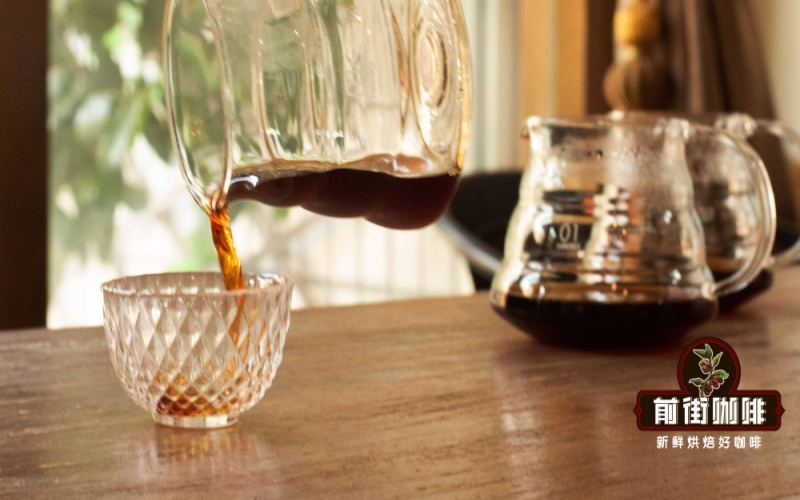
Ethiopia Gesha Village Golden Standard Geisha: A Comprehensive Guide to Variety Origins, Grading System, and Flavor Profile
When people mention Geisha, most first think of Panama, but the variety actually originated in Ethiopia. This article focuses on Gesha Village Coffee Estate, tracing its complete journey from the discovery of wild Geisha to the establishment of the estate and the holding of international auctions. It explains in detail the five-tier grading system of Auction, Gold, Red, Green, and Chaka, and introduces the natural processing workflow. At the same time, Front Street Coffee will share the cupping performance of Gesha Village Red Label natural beans and ideas for adjusting brewing parameters, helping coffee lovers understand the flavor characteristics and extraction key points of this bean. [more…]
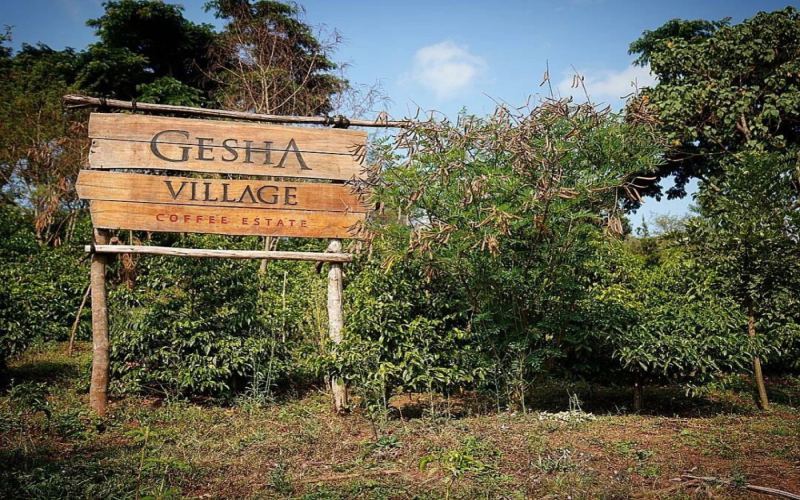
Ethiopia Gesha Village Coffee Estate Gold Label and Green Label Grading Explained: Flavor Characteristics and Pour-Over Parameter Guide
The Gesha Village Estate in Ethiopia is renowned for its strict grading system, classifying coffee beans into five grades: Auction, Gold, Red, Green, and Chaka. This article systematically introduces the geographical location of Gesha Village, its three major coffee varieties (Gori Gesha, Gesha 1931, and Illubabor) and their cultivation proportions, and provides a detailed interpretation of the definitions and production share of each grade. It also focuses on the Gold Label Gesha sold by Front Street Coffee, which comes from the Gesha 1931 variety in the Oma plot, uses a 30-day natural process, and cups with berry, melon, citrus, chamomile, and a tea-like sweet finish. The article also provides complete pour-over parameters, including grind size, water temperature, coffee-to-water ratio, and pouring technique, to help coffee enthusiasts reproduce this bean's rich layers at home. [more…]
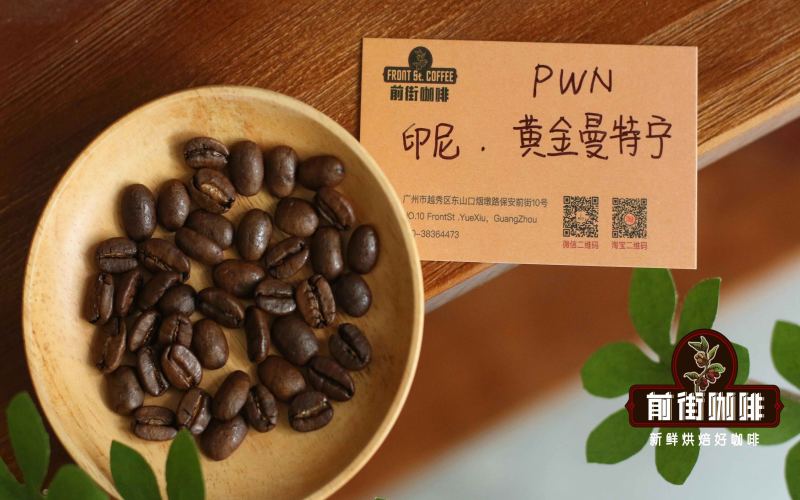
The Complete Guide to Indonesian PWN Golden Mandheling Pour-Over: Parameters, Technique, and Flavor Analysis
The Golden Mandheling produced by Indonesia's PWN company has always been the benchmark among Mandheling coffees, yet many coffee enthusiasts find it difficult to replicate the taste they enjoy in cafés after buying the beans. Drawing on Front Street Coffee's hands-on experience, this article systematically breaks down the seven key elements of pour-over brewing for Golden Mandheling, covering bean freshness, grind size, water temperature, water quality, dripper selection, coffee-to-water ratio, and brewing time, while detailing each step of the three-stage pouring technique. It also provides Front Street's specific brewing parameters and flavor description for this medium-dark roasted bean, helping you brew a cup of Golden Mandheling that is rich, clean, and layered with complexity. [more…]
A Detailed Analysis of Gesha Village Gold Label Geisha: From Grade Markings to the Flavor Origins of Variety 1931
In the world of specialty coffee, Gesha Village's "Gold Label" often leaves enthusiasts both longing and confused—what exactly is the difference between it and Hacienda La Esmeralda's Red Label? And why is Gesha Village able to produce such expensive coffee? This article will begin with the Chinese-language context of "label" naming, sorting out the English product names and grading logic behind labels such as Gold Label, Red Label, and Green Label, then take a deeper look at Gesha Village's geographical location, growing conditions, and variety selection history, and break down in detail the variety origin, plot management, and cupping performance of Gold Label Gesha. Finally, Front Street Coffee will share a complete brewing recipe for a Gold Label Gesha to help you extract the rich layers of this rare treasure at home. [more…]
Ethiopia Gesha Village Gold Label Gesha: A Full Analysis of the Grades and Varieties of Gold Label Batch Geisha Beans
Geisha coffee is often classified in China by terms such as Red Label, Gold Label, and Green Label, but what exactly do these "labels" represent? What are the similarities and differences between the labeling systems of Gesha Village and Hacienda La Esmeralda? Starting from the common questions at Front Street Coffee's stores, this article systematically sorts out the naming logic of Gold Label Geisha, the geographical and varietal background of Gesha Village, and the grade positioning of Gold Label lots. It also explains in detail the relationship between Geisha 1931 and Panama Geisha, and includes the origin information and brewing suggestions for Front Street Coffee's Gold Label Geisha, helping coffee enthusiasts fully understand the origins and development of this rare treasure. [more…]
Ethiopia Gesha Village Gold Label Gesha Coffee Beans: A Complete Guide to Gori Gesha and Gesha 1931 Varieties
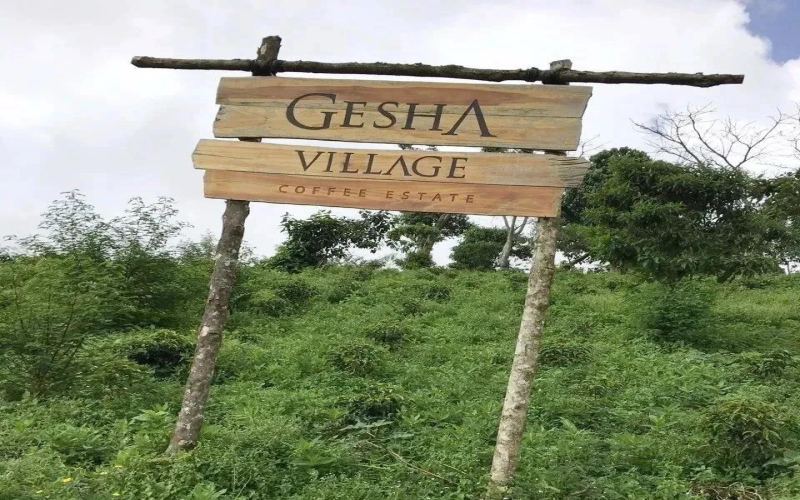
Although Geisha coffee became famous at Hacienda La Esmeralda in Panama, its roots can be traced back to the Geisha forest in southwestern Ethiopia. Gesha Village Coffee Estate, as a rare estate-level coffee producer in Ethiopia, follows the grading model of Hacienda La Esmeralda in Panama and classifies its Geisha coffees into five grades: Auction, Gold, Red, Green, and Chaka. This article will provide an in-depth introduction to the origin story of Gesha Village, its plot divisions, variety characteristics, and the brewing performance of Front Street Coffee's Gold Label Geisha from this year's new harvest season, giving you a comprehensive understanding of this Geisha 1931 coffee bean from the Oma plot, sun-dried for 32 days. [more…]
Exploring Ethiopia's Gesha Village Gold Label: What Makes This Rare Lot, Only 3.7% of Annual Production, So Unique?
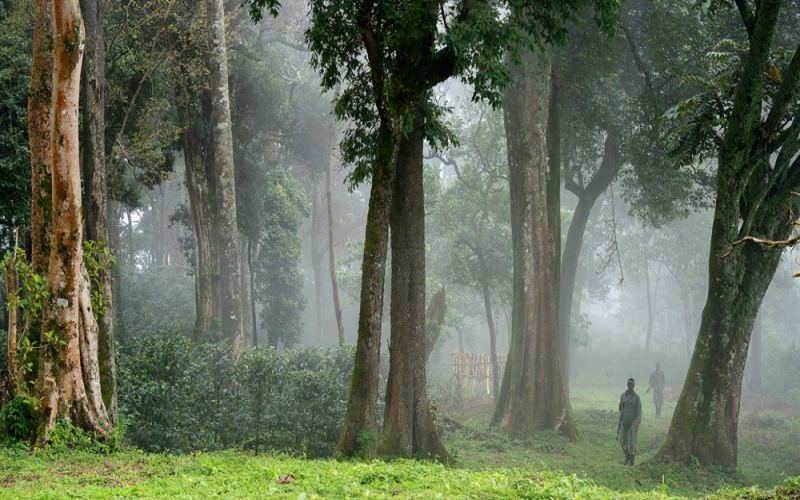
Located in the Bench Maji region of Ethiopia, Gesha Village has become a focal point of great interest in the specialty coffee world in recent years. The coffee beans produced by this estate have repeatedly been selected by world-class coffee competition contestants, helping Ethiopian coffee return to its peak. Gesha Village classifies its coffee into several grades, including Auction, Gold, Red, Green, and Chaka, among which the Gold batch accounts for only about 3.7% of the estate's annual production, making it extremely rare. This article will take you deep into Gesha Village's geographical environment, the varieties and flavor characteristics of its eight blocks, its grading system, and Front Street Coffee's brewing recommendations for this season's Gold Gesha, presenting a complete guide to Gesha Village for coffee enthusiasts. [more…]

Exploring Ethiopia's Gesha Village Estate: The Origins, Grading System, and Full Flavor Analysis of Wild Geisha
When it comes to Geisha, most people first think of that cup of floral tea with rose aromas and citrus notes from Hacienda La Esmeralda in Panama. However, in the Bench Maji region of Ethiopia, there hides another estate famous for its native wild Geisha — Gesha Village. It was founded in 2011 by documentary filmmaker Adam Overton and his photographer wife Rachel Samuel, and boasts a strict grading system and a complete flavor traceability system. This article will take you deep into the discovery journey of Gesha Village, the grading standards for the Auction/ Gold/ Red/ Green/ Chaka lots, processing details, and block divisions, along with Front Street Coffee's brewing parameters and flavor descriptions for the Gold, Red, and Chaka lots, providing coffee lovers with a comprehensive guide to Gesha Village. [more…]
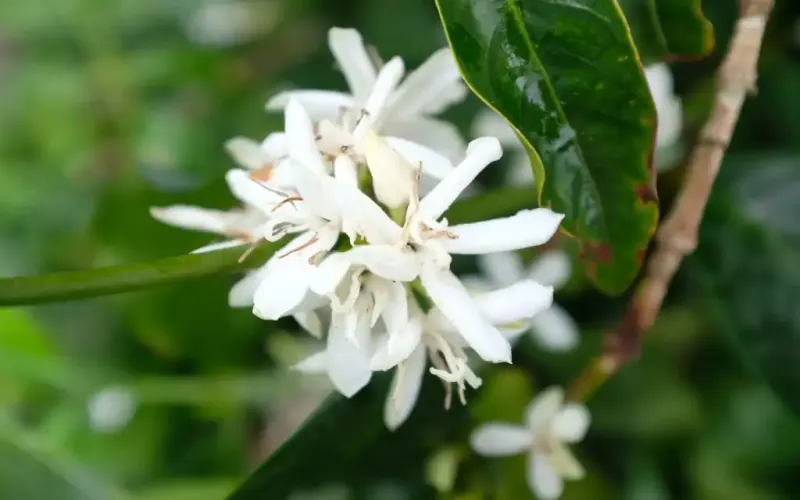
Pour-Over Coffee Floral Extraction Guide: Causes of White Floral Flavors and Brewing Techniques for Geisha Beans
Many coffee enthusiasts buy coffee beans with floral descriptions, yet when they brew and taste them, they often can't find the expected floral aroma. This is not an illusion—it's because floral aromas are low-polarity flavor molecules that are both difficult to extract and easily masked by other flavors. Starting with the sources and types of coffee floral aromas, this article explains why roast level affects how well floral notes are retained, and, drawing on relevant conclusions from SCA research, introduces how to make white floral notes emerge more clearly by adjusting brewing parameters such as the coffee-to-water ratio and pouring technique. The article also uses the Ethiopian Gold Label Geisha recommended by Front Street Coffee for a brewing experiment, sharing a specific three-pour routine and the tasting results. [more…]
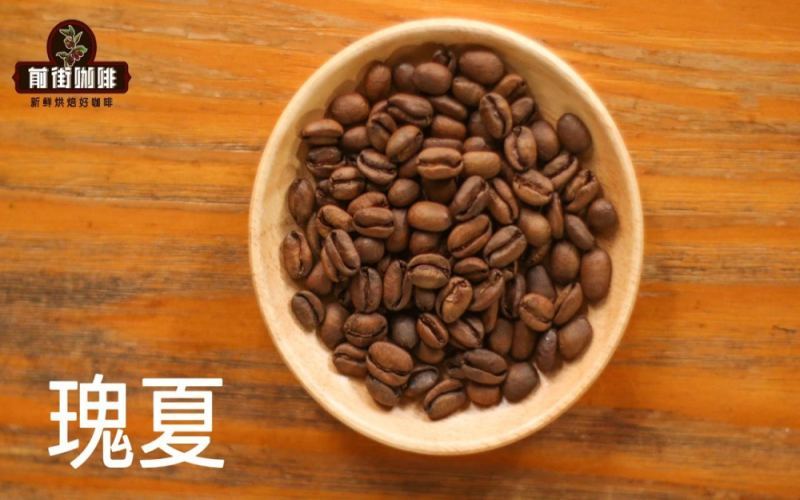
How to brew Panama Geisha drip bags? A complete analysis of the differences between Ethiopia Gesha Village Gold Label, Red Label, Green Label, and Chaka
Geisha coffee is a star variety in the specialty coffee world, and when it is mentioned, most people first think of the Panama producing region. However, as the specialty coffee market continues to evolve, Ethiopia, the birthplace of Geisha, has also produced outstanding producers represented by Gesha Village Coffee Estate. This article will guide you through the grading logic of Red Label and Green Label at Hacienda La Esmeralda in Panama, as well as the differences between Gold Label, Red Label, Green Label, and Chaka at Gesha Village Coffee Estate in Ethiopia, and will include detailed brewing steps for Front Street Coffee's Boquete Geisha drip bag coffee. Whether you want to purchase high-grade Geisha or want to easily brew an outstanding drip bag coffee at home, you will find practical reference information in this article. [more…]
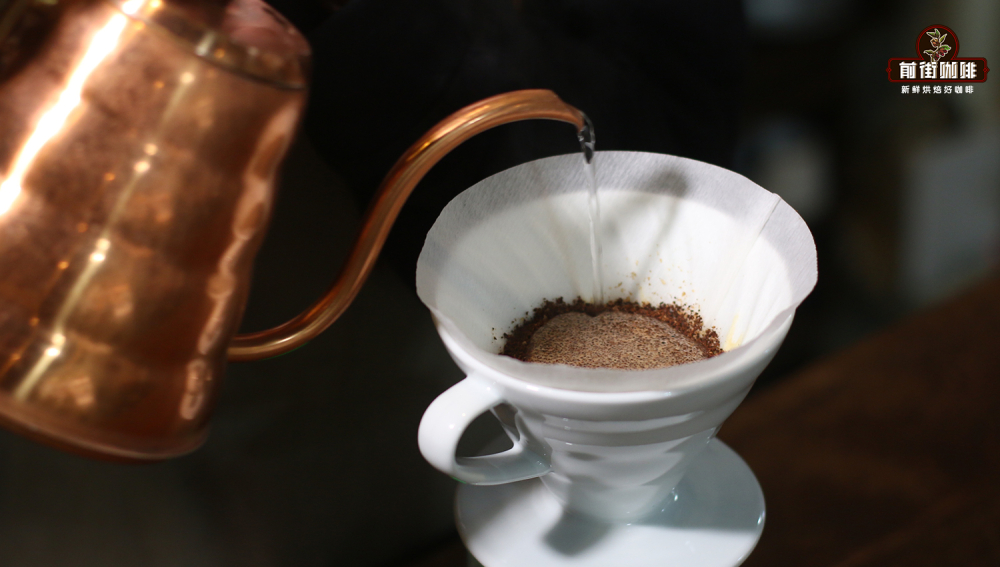
Single-Serve Pour-Over Coffee Method | What Is Gold Cup Extraction Yield? Which Brewing Technique Suits Coffee Beginners? Pros and Cons of the Drip Method, Volcano Pour, and One-Pour Technique
Front Street Coffee encounters customers asking about pour-over coffee every day, whether it's about what pouring technique should be used for pour-over coffee, or how much coffee grounds to use for pour-over coffee. In fact, with the development of coffee culture, more and more people no longer think of coffee as [more…]
The Logic Behind Coffee Bean Pricing: How Variety, Grade, and Yield Affect Price, and Whether Expensive Equals Better Taste
It is often said that you get what you pay for, but in the world of coffee, can a higher price really be equated directly with better quality? At Front Street Coffee's shop, we once had a customer ask, staring at the 75-yuan Emerald Red Label, "Is it really tastier than a 30-yuan ordinary pour-over?" To answer this question, we first need to understand the underlying logic of coffee pricing. There are three main core factors affecting coffee bean prices: first, variety—Arabica and Robusta differ significantly in cultivation difficulty and yield; second, green bean grade—each producing country grades beans based on size, altitude, or defect rate; third, yield—take Jamaican Blue Mountain and Panamanian Geisha as examples, where rarity can drive prices up substantially. But a price tag cannot decide for consumers whether a cup of coffee suits their taste, as evidenced by a regular at Front Street Coffee who, after trying Gold Label Geisha, exclaimed that it was too sour. This article will break down these factors one by one to help enthusiasts find the cup of good coffee that truly belongs to them. [more…]
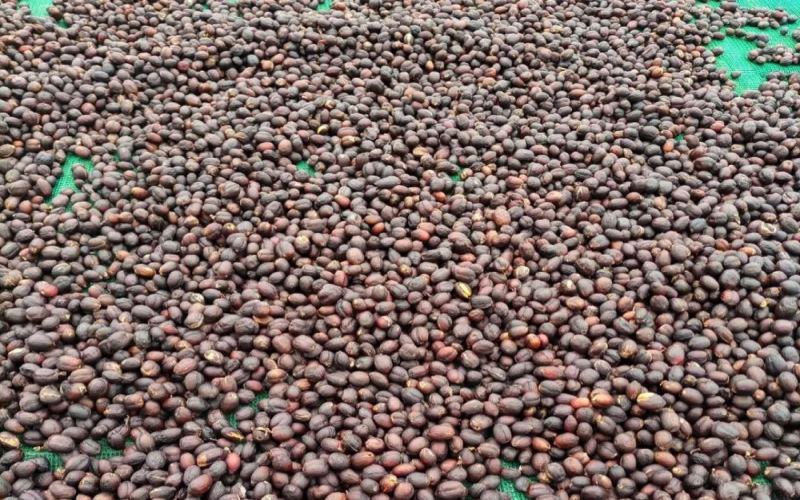
Ethiopian Geisha Coffee Brewing Guide: Grana Estate Flavor Characteristics and Cold Brew Feasibility Analysis
Ethiopia is both the birthplace of coffee and the place where the Geisha variety was first discovered. Unlike producing countries in the Americas such as Panama, Ethiopian coffee is dominated by smallholder farmers, with a vast and complex mix of varieties, often exported under the label "heirloom," making true Geisha identification difficult. This article focuses on Front Street's Ethiopian Grana Estate Geisha, introducing the floral and fruity aromas and soft caramel notes brought by its high-altitude natural process, and explaining that beyond pour-over, it can also handle cold brew, immersion in a Clever Cup, and Geisha SOE extraction. It also outlines the geography, varieties, and grading system of Gesha Village, compares the flavor differences between Front Street's Panama Emerald Estate and Gesha Village Gold Label, and finally offers light-roast recommendations to help coffee enthusiasts more fully understand the brewing and tasting directions for this bean. [more…]
How to determine the coffee-to-water ratio for pour-over coffee? From the Golden Cup extraction principle to Front Street Coffee's 1:15 parameter practical analysis
How exactly should the coffee-to-water ratio for pour-over coffee be determined? Front Street Coffee has always recommended 1:15, and this is not an arbitrary choice behind it, but a scientific calculation based on the SCA Golden Cup extraction theory. This article will start with the Golden Cup standard, the definitions of extraction yield and concentration, gradually explain the ratio ranges corresponding to different tastes, and use a Costa Rica Geisha blend as an example to actually calculate concentration and extraction yield, helping you find the brewing parameters that suit you between theory and practice. [more…]
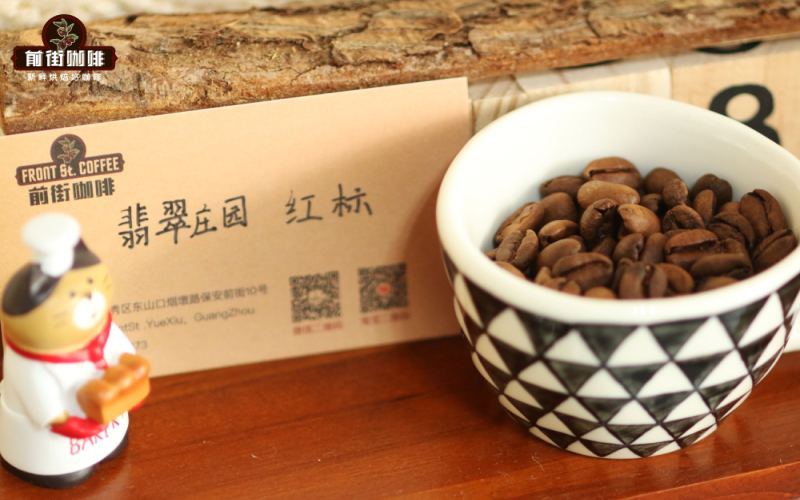
What exactly is Red Label Geisha coffee? Can you brew Geisha with a moka pot? A full breakdown of the Hacienda La Esmeralda grading system
Geisha coffee can be said to be the top star in today's specialty coffee world, and the Red Label Geisha from Panama's Hacienda La Esmeralda is the cream of the crop. But Hacienda La Esmeralda is not the only one selling Geisha under the "Red Label" banner on the market — Gesha Village also has its own Red Label product. What exactly is the difference between the two? And how did Hacienda La Esmeralda single-handedly push Geisha onto its pedestal? In this article, Front Street Coffee will walk you through the grading logic of Hacienda La Esmeralda's Red Label, Green Label, and Blue Label, clarify the definitions of Gesha Village's Red Label and Gold Label, review Geisha's legendary journey from the wild forests of Ethiopia to the auction stage in Panama, and include the complete pour-over parameters and steps for Hacienda La Esmeralda's Red Label Natural Geisha, so you can understand everything about this top-tier bean in one go. [more…]
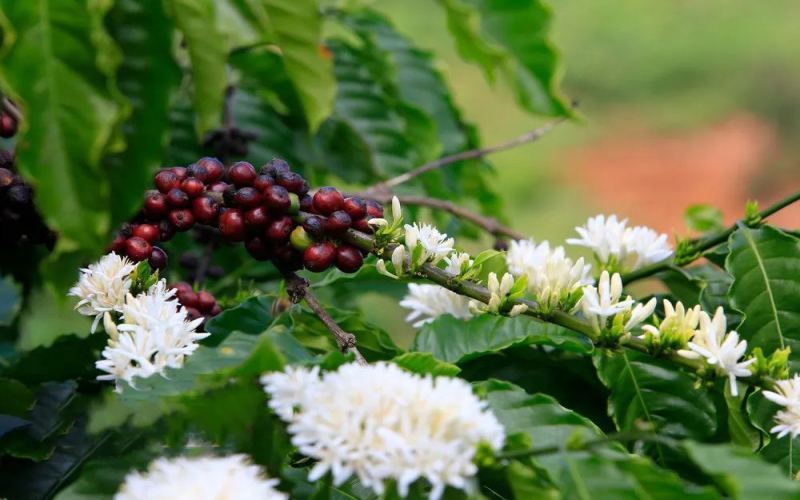
Ethiopia Gesha Village Washed Heirloom Gesha Coffee Flavor Analysis: A Complete Overview of Lot#94 and the Grading System
Since Geisha stunned the world in Panama in 2004, it has remained at the pinnacle of specialty coffee. But tracing its roots, Geisha's genetics actually come from the primitive forests of Ethiopia. This article takes you back to Geisha's birthplace—the Gesha Village Estate in the Bench Maji region—to learn how this large estate recovered the original Geisha variety from the Gori Gesha forest and established a grading system of Auction, Gold, Red, Green, and CHAKA lots. The article also presents flavor descriptions of several Gesha Village lots from Front Street Coffee, along with recommended pour-over parameters for CHAKA, making it suitable reading for coffee lovers who want to gain a deeper understanding of the flavor differences among Ethiopian Geishas. [more…]

What exactly is Golden Mandheling? And what kind of coffee beans are aged Golden Mandheling?
Mandheling is one of Indonesia's most iconic single-origin coffees, and Golden Mandheling is the cream of the crop. Many people assume that Golden Mandheling is by nature a PWN product, but in fact this bean was originally championed by the Japanese. Front Street Coffee will walk you through the origin of the name Golden Mandheling, PWN's three-times hand-sorting standard, the differences between Ding Shang Golden Mandheling and Front Street PWN Golden Mandheling, the introduction of the Ateng variety, the characteristics of the wet-hulling process, and the logic behind the creation of Aged Mandheling. This article will also share the origin information, flavor characteristics, and brewing parameters of Front Street PWN Golden Mandheling, helping coffee lovers brew a rich, full-bodied cup of Golden Mandheling at home. [more…]
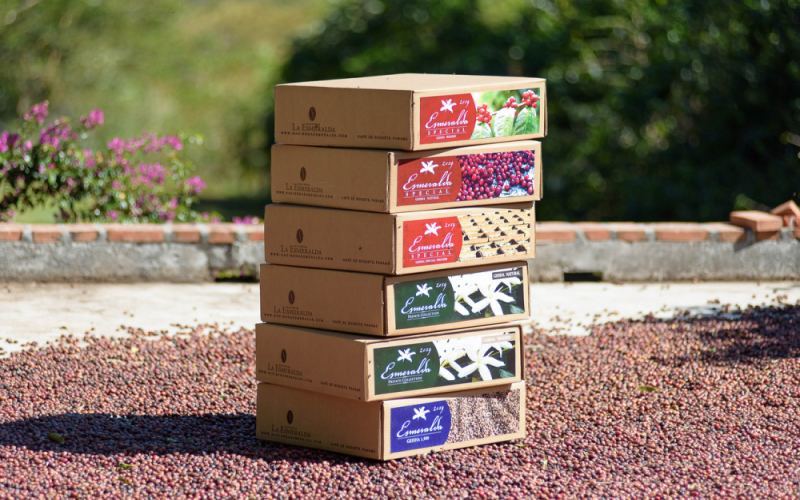
The Complete Guide to Making an SOE Latte with Gesha Village Red Label Geisha: Bean Background, Extraction Parameters, and Operational Details
Geisha has remained popular in recent years and is called the king of coffee. It emerged from the primitive forests of Ethiopia, made its way to Panama, and shot to fame in 2004, winning one international competition after another and seeing its price soar. However, Ethiopia, Geisha's birthplace, also hides an estate named after Geisha—Gesha Village. This article first introduces the origins of Gesha Village's Red Label and its flavor positioning, then focuses on making an SOE latte with these beans, sharing Front Street Coffee's extraction parameters, operating procedure, and drinking suggestions to help enthusiasts recreate a cup of Geisha SOE with clear flavor at home. [more…]