







Search Results for: Geisha cultivation
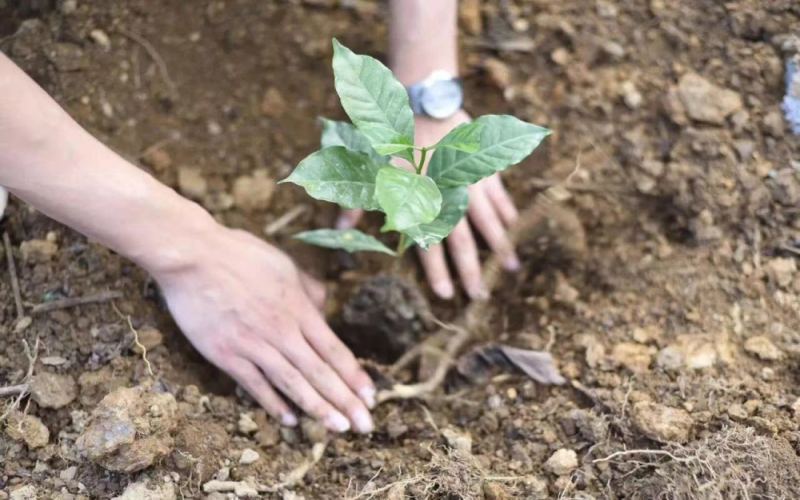
The Cultivation Origins of Geisha Coffee at Zuoyuan in Baoshan, Yunnan, and an Analysis of the Flavor Characteristics of Yunnan Arabica Coffee
Although the cultivation history of Yunnan Geisha coffee is not particularly long, it has taken root and grown in Zuoyuan in the Baoshan production area, becoming a bright spot in China's specialty coffee sector. The Geisha variety traveled from the primitive forests of Ethiopia to high-altitude estates in Panama, undergoing a long process of genetic adaptation and flavor transformation, and after being introduced to Yunnan, its flavor has taken on a different character due to differences in altitude, soil, and climate. This article will trace the spread of Geisha coffee, compare the flavor differences of Geisha from Ethiopia, Panama, and Yunnan, and specifically describe the plum acidity, berry-like sweet-tartness, black tea fermentation note, and nutty finish displayed by Yunnan Geisha coffee beans, giving you a comprehensive understanding of this variety's cultivation status and taste characteristics in Yunnan. For more specialty coffee bean information, you can follow the Coffee Workshop WeChat official account or add Front Street Coffee's personal WeChat for exchange. [more…]
A Comprehensive Analysis of Yunnan Geisha Coffee Varieties: Cultivation Status and In-Depth Flavor Evaluation in the Baoshan and Pu'er Production Regions
In recent years, domestically grown Yunnan Geisha has gradually entered the specialty coffee market, with producing regions such as Baoshan, Pu'er, and Xishuangbanna successively introducing this legendary variety. Geisha originated in the Gesha forest of Ethiopia, then spread via Kenya and Tanzania to Costa Rica and Panama, rising to fame through its breakthrough performance at the 2004 BOP competition. Yunnan began trial-planting Geisha around 2011, mostly at altitudes between 1,300 and 1,800 meters, and due to soil and climatic conditions, its flavor profile shows a different tonality from that of Panama and Ethiopia. Starting from the origin and history of Geisha and the terroir characteristics of the two representative producing regions, Panama and Ethiopia, this article will systematically review the cultivation background, variety performance, and cupping flavors of Yunnan Geisha, and share Front Street Coffee's recommended tasting experience of Yunnan Baoshan Natural Geisha, helping coffee lovers gain a comprehensive understanding of the true quality level and flavor potential of domestic Geisha. [more…]
A Complete Analysis of the Origin, Cultivation History, and Flavor Characteristics of Yunnan Geisha Coffee
Geisha coffee has swept the globe with its rich floral aroma and complex fruity acidity reminiscent of citrus and peach. Its delicate varietal characteristics and demanding growing conditions make it scarce and expensive. This article traces Geisha's journey from Hacienda La Esmeralda in Panama to the world, and ultimately its introduction to Yunnan, China. It examines the starting point of Geisha cultivation in Yunnan, the lineage of its seed sources, and its varietal performance, while comparing how the terroir differences between Panama and Yunnan shape the flavors in the cup. The article also covers Front Street Coffee's cupping impressions of Yunnan Geisha, as well as the role of post-processing methods such as anaerobic fermentation in enhancing body. [more…]
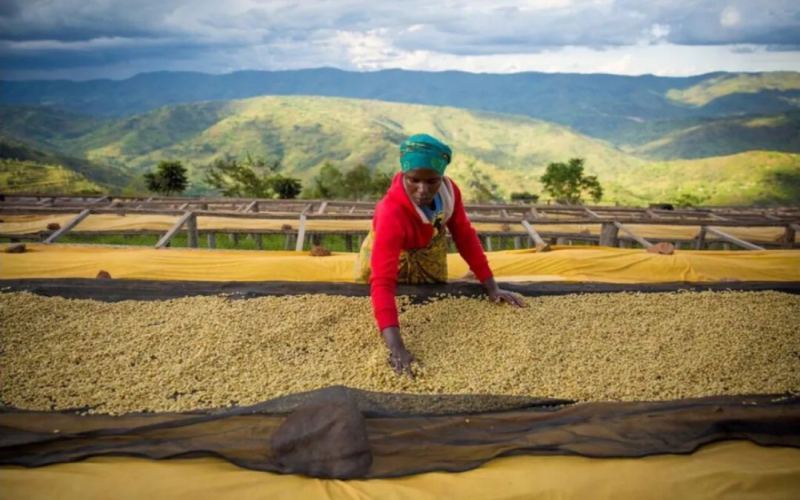
Ethiopia Granada Estate Geisha Coffee: Regional Characteristics and Flavor Analysis Under Single-Variety Cultivation
Located on the East African plateau, Ethiopia, with its unique geographical conditions and diverse cultivation systems, gives rise to coffees of widely varying styles. This article focuses on the Grana Estate in the Yirgacheffe region—a rare farm that cultivates only a single Geisha variety—exploring its greenhouse seedling cultivation, intelligent management, and selective harvesting of ripe red cherries, and presenting the citrus acidity, ginger flower aroma, and delicate sweetness of this Front Street Grana Estate Geisha, giving you insight into the unique charm of estate-level Geisha from Ethiopia. [more…]
A Detailed Account of the Cultivation History of Gesha at Colombia's Hacienda La Esperanza and the Pour-Over Technique for Rose Valley Coffee
Among Colombia's coffee-growing regions, Hacienda La Esperanza is renowned for its dedication to specialty coffee and its innovative introduction of the Geisha variety. From learning from Panama to successfully cultivating Geisha in the Cauca Valley, and then winning the World Coffee Championship, Hacienda La Esperanza has redefined coffee cultivation through scientific management and a winery philosophy. This article will outline its cultivation characteristics, microclimate experiments, and strict quality control, and share the pour-over brewing method for Rose Valley coffee beans, making it suitable for coffee enthusiasts to gain an in-depth understanding of the charm of Colombian specialty coffee. [more…]
Exploring the Flavor Characteristics and Origins of Panama's Green Tip Geisha: From Hacienda La Esmeralda to a Specialty Coffee Legend
Panama, this narrow isthmus connecting North and South America, with its unique microclimates and volcanic soil, has given birth to the world-famous Geisha coffee. From the introduction of Typica in 1780 to Hacienda La Esmeralda's stunning breakthrough in 2004, how did Geisha rise from a windbreak hedge to the pinnacle of fame? What is the difference between green-tip and bronze-tip? This article takes you through the historical trajectory of Panama Geisha, decoding the terroir secrets of core producing regions such as Boquete and Volcán Barú, and reviewing the cultivation characteristics and grading systems of renowned estates like Hacienda La Esmeralda, Elida, and Hartmann, offering a comprehensive presentation of Geisha coffee's legendary charm. [more…]
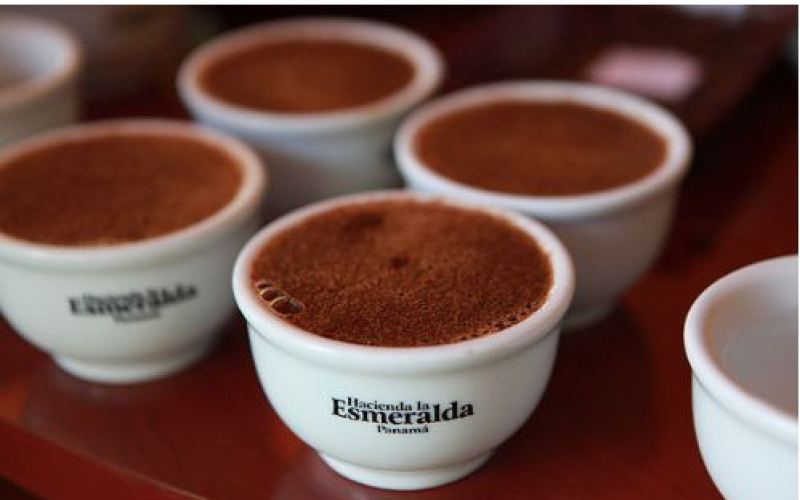
A Complete Analysis of Geisha Coffee Bean Origins: From Ethiopian Beginnings to Cultivation and Flavor at Panama's Hacienda La Esmeralda
Geisha coffee, also known as Gesha coffee, is widely recognized as a top-tier variety in the specialty coffee world. It originated in the Geisha forests of Ethiopia, then spread through Kenya, Uganda, and Costa Rica before arriving in Panama. It was not until 2004, when Hacienda La Esmeralda won the Best of Panama (BOP) competition, that it truly came into the public eye. Geisha is extremely demanding when it comes to its growing environment—high altitude, cloud cover for shade, and fertile soil are all indispensable, and this is what gives it its refined and elegant floral aroma and fruity acidity. Today, Colombia, Costa Rica, Guatemala, Peru, and even Ethiopia itself are all cultivating Geisha, with each origin offering its own distinctive flavors. Among the many Geisha coffee beans that Front Street Coffee has sourced are Panama Hacienda La Esmeralda's Red Label and Green Label, as well as representatives such as Colombia Hanami, Costa Rica Mirazu, and Ethiopia Gesha Village. This article will systematically outline Geisha's history of dissemination and the characteristics of each origin, along with Front Street's brewing recommendations and flavor descriptions, to give you a comprehensive understanding of this legendary coffee. [more…]
A comprehensive interpretation of the origin, cultivation history, and flavor characteristics of the Geisha coffee variety from the Boquete region of Panama.
Geisha coffee is now renowned in the specialty coffee world, and the Geisha produced in Panama has conquered countless enthusiasts with its astonishing flavors. But many people do not know much about this variety's origins and characteristics. This article will guide you through Geisha's birthplace, its winding migration and cultivation history, and how it rose to fame in 2004. At the same time, we will also explore the unique terroir conditions that the Boquete region gives Geisha, and analyze the reasons behind its lively acidity, delicate layers, and rich mouthfeel. Front Street Coffee will also recommend related products for you, so together we can experience the charm of this legendary variety. [more…]
The Variety Origins and Cultivation History of Yunnan Geisha Coffee, and Why Its Flavor Falls Short of Panama's
Geisha coffee is renowned worldwide for its elegant floral aroma and complex fruit notes, and in recent years Yunnan has also begun to introduce this variety. Yunnan Geisha can be traced back to 2012 at the earliest, with the seed source believed to come from the green-tipped Geisha of Hacienda Elida in Panama. It was not until around 2016 that it successfully bore fruit and was gradually propagated. Because the altitude, climate, and shade conditions differ from those of Central America, Yunnan Geisha exhibits plum acidity, berry sweetness, and a finish of nuts and brown sugar, with a flavor profile that is balanced but not as refined as Panama Geisha. Front Street Coffee also confirmed this characteristic in its cupping sessions. This article will sort out the introduction history and variety characteristics of Yunnan Geisha, and analyze the terroir reasons behind its flavor differences. [more…]
A Comprehensive Analysis of the Geisha Coffee Variety: Origin Characteristics, Flavor Profile, and Global Cultivation Distribution
Geisha is a rare and highly sought-after coffee variety in the coffee world, originally originating from the wild coffee forests of Ethiopia. Its name is said to come from a small local village called Geisha. This coffee tree is tall with long, narrow leaves, has strong resistance to coffee leaf rust, and features wide spacing between branches. The green beans are slender in shape, and after roasting they emit a rich and intense fruity aroma, which some describe as having a sweet fragrance reminiscent of roasted sweet potato. Due to its extremely low yield per unit, Geisha is difficult to acquire on a large commercial scale, and is currently grown only in small quantities in places such as Panama, Jamaica, Malawi, Kenya, and Guatemala. Front Street Coffee continues to follow this variety closely, and this article will provide you with a comprehensive understanding of Geisha's origins, plant characteristics, flavor profile, and cultivation around the world. [more…]
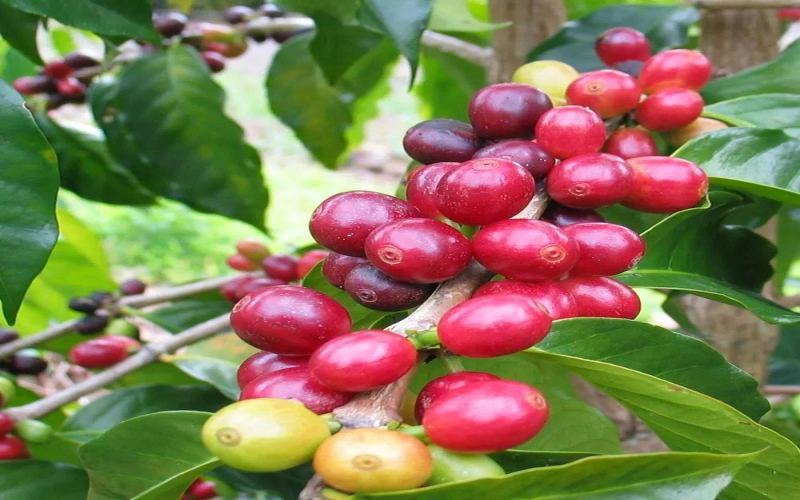
In-Depth Analysis of Panama Sophia Estate Geisha Coffee: A Complete Guide to High-Altitude Cultivation, Roasting, and Brewing
After Geisha coffee took the world by storm, numerous outstanding estates emerged in Panama, and Hacienda Sophia is one of its low-key yet dazzling pearls. It is located on the southwestern side of Barú Volcano, at an altitude of 1,900–2,150 meters, making it one of the highest-altitude coffee estates in Central America. The estate focuses almost exclusively on the Geisha variety and has repeatedly won the Washed category championship at the Best of Panama (BOP) competition. This article will take you deep into the history, terroir, and Geisha flavor characteristics of Hacienda Sophia, and includes Front Street Coffee's roasting and brewing recommendations to help you fully appreciate the charm of this top-tier Geisha. [more…]

Panama Geisha Coffee Flavor Analysis: A Complete Guide to Hacienda La Esmeralda Red and Green Label Differences and Pour-Over Techniques
Geisha is hailed as the pinnacle of the coffee world, and Panama is undoubtedly the premier destination for savoring the classic Geisha flavor. From the perspective of Front Street Coffee, this article systematically reviews the growing terroir of Panamanian Geisha, the origin grading system of Hacienda La Esmeralda, provides an in-depth analysis of the differences between Red Label and Green Label Geisha, and shares the flavor expression of Volcanic Rock Geisha. At the same time, the Front Street Coffee barista will demonstrate the complete pour-over process for Esmeralda Red Label Natural Geisha, breaking down everything from parameter settings to pouring techniques, helping coffee enthusiasts brew a cup of specialty Geisha with both floral and fruity notes at home. [more…]
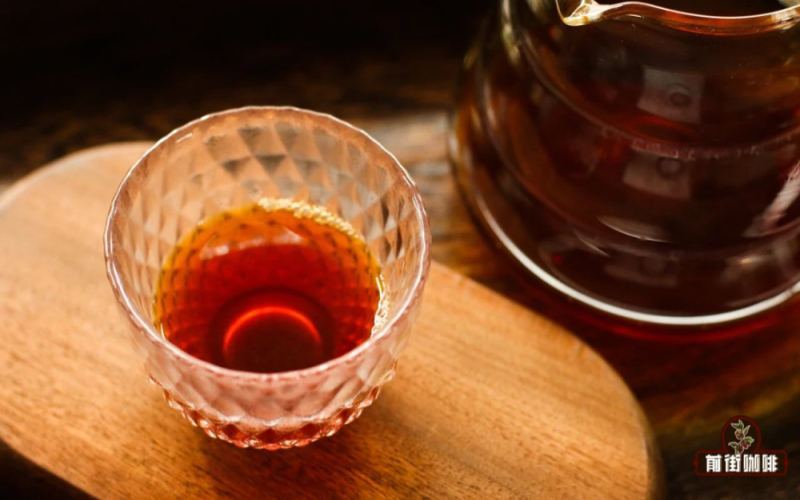
Tracing the Name of Geisha Coffee: The Legendary Story of the Geisha Variety from Ethiopian Forests to Fame in Panama
Geisha coffee is a leader in today's specialty coffee world, named after the variety rather than a region or estate, and behind this lies a legendary story that spans continents. Its roots can be traced to the Geisha Mountain Kaffa forest in southwestern Ethiopia, yet it rose to fame through its discovery at Hacienda La Esmeralda in Panama. This article will walk you through Geisha's complete journey from a wild variety to a world champion, explain how Geisha evolved from a Japanese homophone for "geiko" into the Chinese name "瑰夏," and analyze the unique floral aroma and juicy mouthfeel bestowed by the terroir of Panama's Boquete region. At the same time, Front Street Coffee's roasting and brewing suggestions will be woven in to help you recreate this charming "floral bomb" flavor at home. [more…]
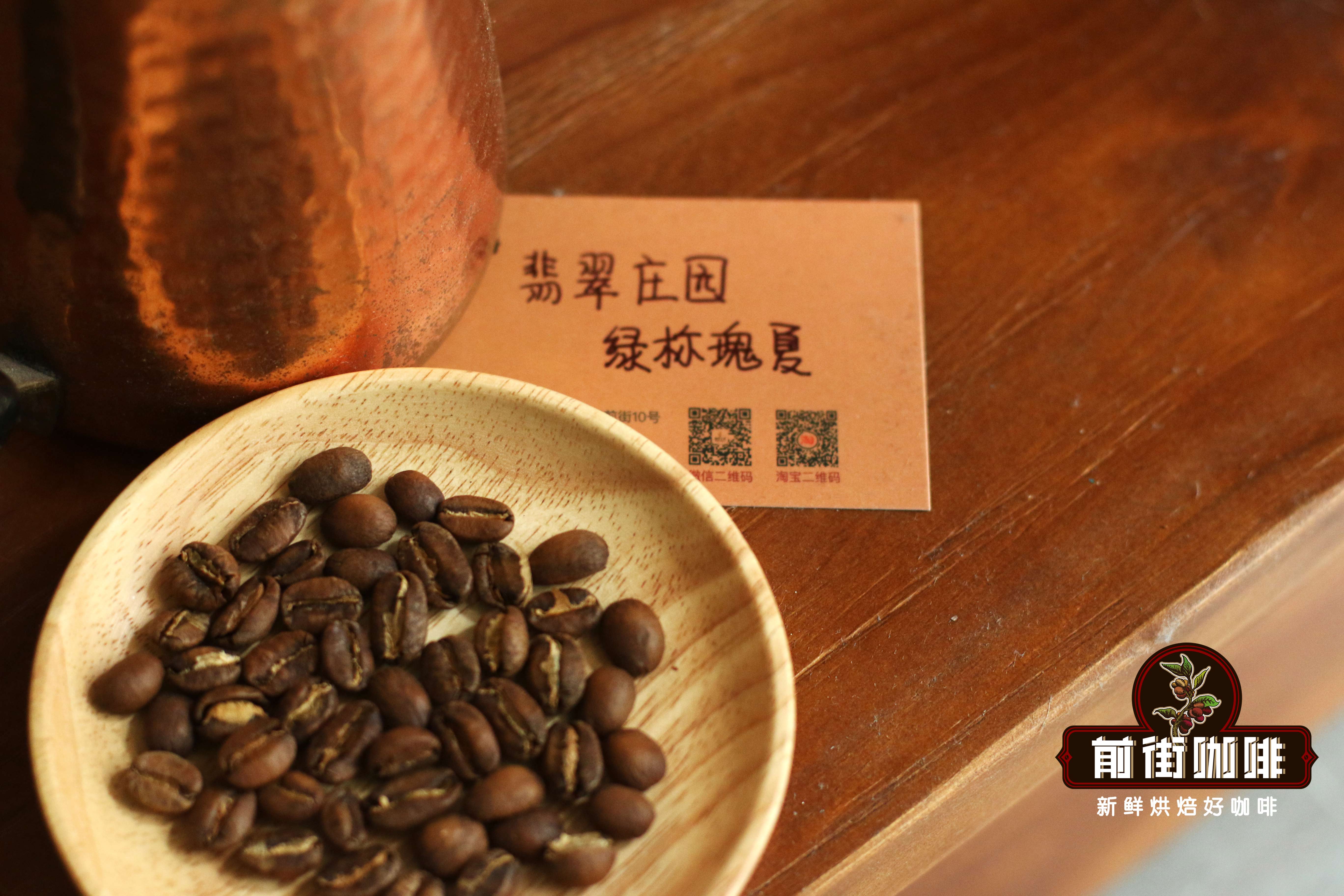
A Complete Guide to Panamanian Coffee Varieties: From Citrus Blossoms to the Legend of Geisha and Regional Flavors
Panamanian coffee is renowned worldwide for its balanced acidity and sweetness, smooth mouthfeel, and layered aromas, with the Geisha variety—known for its distinct citrus notes and bright floral and fruity flavors—being especially sought after. In recent years, this Geisha craze has not only driven international auction prices higher but also prompted producing regions to introduce and cultivate it. This article will guide you through the history of coffee cultivation in Panama, the terroir characteristics of its main producing regions, and the grading and flavor differences of the Geisha variety. Whether you are a beginner just getting into specialty coffee or an experienced enthusiast seeking an elevated experience, you will find practical references for purchasing Panamanian coffee beans, including recommendations for Front Street Coffee's high-value and top-estate Geisha products. [more…]
Analysis of Colombia Finca La Esperanza Geisha Coffee Beans: Nectar Flavor and a Full View of Estate Cultivation
Geisha coffee has become a star in the specialty coffee world thanks to its unique floral and fruity aromas, and the natural-process Geisha produced at Colombia's Hacienda La Esperanza takes this variety's charm to new heights. This article starts with a cup of La Esperanza's Margarita plot Geisha, sourced through Front Street Coffee, to guide you through La Esperanza's history, the distribution of its five sub-farms, the terroir advantages of the Cauca Valley producing region, and the estate's relentless pursuit of variety experimentation, meticulous harvesting, and processing. If you are a Geisha enthusiast, or are looking for an outstanding Colombian single-origin bean, this article will provide you with a complete reference. [more…]
Exploring Geisha Coffee: From Origin Tracing to Hacienda La Esmeralda Natural Processing and Pour-Over Flavor Analysis
Geisha coffee, with its layered floral and fruity aromas, has long been a benchmark variety in the specialty coffee world. Many enthusiasts, after getting their hands on Geisha beans, often worry that improper brewing will fail to do justice to its flavors. This article, from the perspective of Front Street, first guides you through the origins and main producing regions of Geisha coffee, then takes a deeper look at the plot divisions and grading system of Panama's Hacienda La Esmeralda, analyzing how the refined natural process shapes its distinctive fruit aromas. Finally, it shares the pour-over parameters and three-stage extraction steps used at Front Street's shop for the Esmeralda Red Label Natural Geisha, helping you more fully bring out Geisha's jasmine, citrus, and tropical fruit notes. [more…]

Coffee Cultivation Background in the Boquete Region of Panama and a Siphon Brewing Guide for the Butterfly Geisha Blend
Since the introduction of the Typica variety in 1780, Panama has become a representative producer of specialty coffee thanks to its exceptional natural conditions, and the emergence of Hacienda La Esmeralda's Geisha pushed it onto the international stage. As Panama's oldest and most famous coffee-producing region, the Boquete region boasts seven microclimates and an excellent growing environment on volcanic highlands, nurturing coffees with distinctive flavors. This article introduces an overview of the Boquete region, provides an in-depth analysis of the "Butterfly" blend beans from Black Gold Specialty Coffee's collaboration with Boquete—featuring a Geisha proportion as high as 70%—and shares Front Street Coffee's recommended medium-light roast profile and siphon brewing method, so you can experience the classic Hacienda La Esmeralda Geisha flavor. [more…]
A Deep Dive into the Origins, Cultivation Characteristics, and Roast Profiles of Geisha Coffee Beans
Geisha is an heirloom Arabica variety originating from Ethiopia, yet it blossomed in Panama with a flavor that stunned the specialty coffee world. Its tree is tall and slender with narrow leaves and low yields, and it is extremely picky about its growing environment—yet in high-altitude regions it can express jasmine florals, citrus sweetness, and delicate acidity. From its discovery in 1931 to its arrival in Panama in 1960, Geisha's backstory is far more complex than one might imagine. This article will trace Geisha's varietal origins, botanical characteristics, and flavor expression, and explore the roast level suited to it, helping coffee lovers gain a comprehensive understanding of this coffee hailed as the "Queen of Specialty Coffee." [more…]
A Complete Analysis of Panama Volcán Hartmann Estate Geisha Coffee Beans: From Terroir to Cup Profile
Panamanian coffee has gained international fame in the specialty coffee world thanks to the Geisha variety, and the Volcan region, as one of the country's three major producing areas, has performed impressively in BOP competitions in recent years. Hartmann Estate is rooted in the western part of the Baru Volcano. Since its establishment in 1912, it has consistently upheld the philosophy of balancing primary forest conservation with coffee cultivation, becoming a pioneering representative of the Volcan region. The estate cultivates multiple varieties, including Geisha, among which Geisha is highly sought after for its delicate floral aroma and rich fruit acidity. The Hartmann Estate Geisha that Front Street Coffee has acquired this time uses anaerobic natural processing and a medium-light roast. After brewing, it presents white floral notes and multi-layered fruit tones, with a silky mouthfeel like Earl Grey tea and a lasting sweet finish. This article will give you a comprehensive understanding of the terroir of Panama's coffee-producing regions, the characteristics of the Volcan region, the history and evolution of Hartmann Estate, and the past and present of the Geisha variety. [more…]
What Kind of Coffee Is Geisha?|Why Are Geisha Coffee Beans Always Associated with Panama? Which Coffee Regions Grow Geisha? What Makes Panamanian Geisha So Unique?
Many friends have noticed this phenomenon: whenever people chat about Geisha coffee, even though no specific region is mentioned, the first thing that often comes to mind is Geisha from Panama; or when talking about Panamanian coffee, they will directly assume it is the Geisha variety; some even go so far as to directly [more…]