







Search Results for: Geisha Red Label
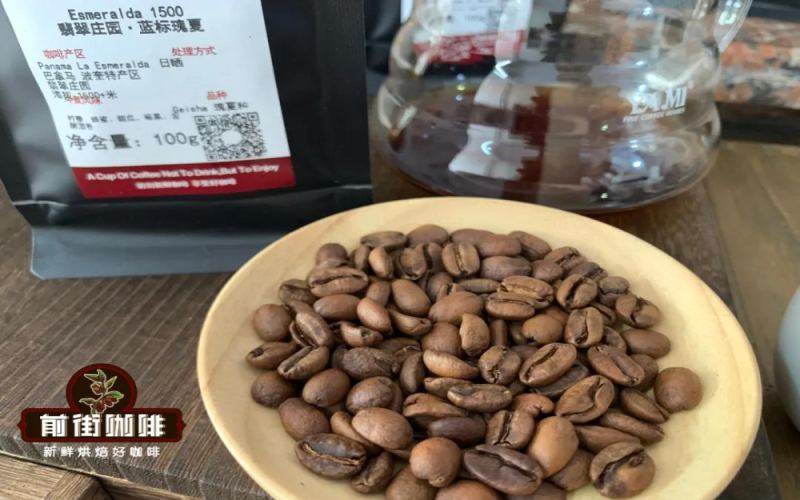
Front Street Hacienda La Esmeralda Geisha Blue Label Washed Coffee Beans: The Red, Green, and Blue Three-Tier Difference and an Analysis of the 2021 Blue Label's Whereabouts
Panama's Hacienda La Esmeralda Geisha coffee has always been the benchmark in the specialty coffee world, with its Red Label, Green Label, and Blue Label tiers each having their own positioning. Among them, the Blue Label, with its outstanding value for money, has become the entry-level choice for many coffee lovers getting their first taste of Esmeralda Geisha. In 2021, Hacienda La Esmeralda did not release a Blue Label series, sparking much speculation in the market. This article will sort out the grading standards and flavor characteristics of the Red Label, Green Label, and Blue Label, and reveal the full story of how that year's Blue Label Geisha reappeared under the name Las Rocas. Front Street Coffee continues to follow Hacienda La Esmeralda's developments, bringing readers first-hand interpretation. [more…]
A Detailed Guide to the Grade Classifications and Flavor Differences of Panama Hacienda La Esmeralda Geisha Coffee Beans: Red Label, Green Label, and Blue Label
Geisha coffee has been highly sought after in the global specialty coffee scene in recent years, and the Geisha produced by Hacienda La Esmeralda in Panama is the benchmark among them. Faced with the different grades of Esmeralda Geisha on the market—Red Label, Green Label, Blue Label, and others—many coffee lovers are often confused: What exactly are the differences between them? Which one suits them better? This article begins with the history of Hacienda La Esmeralda, then sorts out in detail the grading criteria, growing altitudes, processing methods, and flavor characteristics of the three major grades—Red Label, Green Label, and Blue Label—and includes Front Street Coffee's brewing suggestions and flavor descriptions for each grade, helping you find the Geisha that suits you best. [more…]
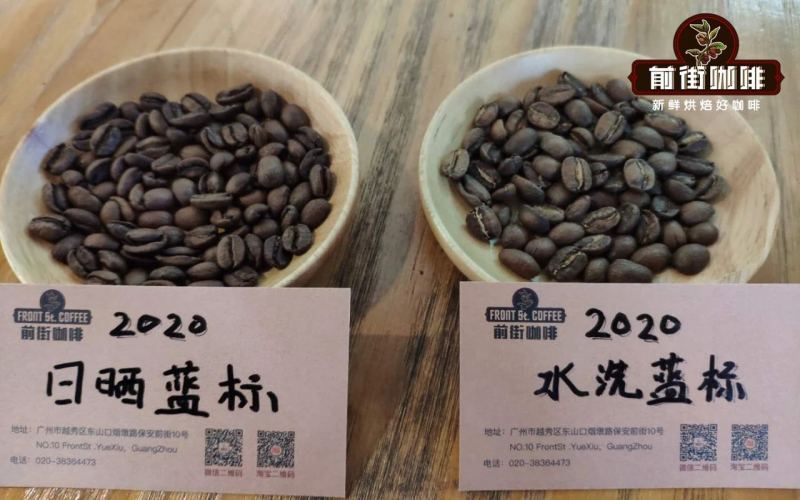
Unmasking the True Identity of Geisha 1500 and Emerald Estate Blue Label Geisha Volcanic Rock Coffee Beans
What exactly does Geisha 1500 refer to? And what is its relationship with Hacienda La Esmeralda's Blue Label Geisha? In 2020, Hacienda La Esmeralda added a natural process to its Blue Label series, which briefly made enthusiasts cheer for the arrival of an era of affordable Geisha; however, in 2021 the estate officially announced only the Red Label and Green Label, and the Blue Label seemingly disappeared, sparking much speculation. It was not until late September of the same year that a batch of Panamanian Geisha named Las Rocas appeared, and according to Front Street Coffee, it was in fact the reincarnation of Hacienda La Esmeralda's Blue Label batch. This article will sort out the classification standards and flavor differences of Hacienda La Esmeralda's Red Label, Green Label, and Blue Label, and reveal the truth behind the Blue Label's makeover, while also introducing the Esmeralda Red Label and Green Label Geisha that Front Street Coffee has supplied year-round, making it easier for readers to make a purchase. [more…]
A Detailed Guide to Panama Hacienda La Esmeralda Geisha Coffee Grades: How Exactly to Choose Between Red Label, Green Label, and Blue Label
Geisha coffee has been highly sought after in the specialty coffee world in recent years, and the Geisha produced by Panama's Hacienda La Esmeralda is the benchmark among them. But when faced with the three grades—Red Label, Green Label, and Blue Label—many coffee enthusiasts often do not know where to start. What exactly do these three labels represent? What standards are they divided by? How big are the differences in flavor and price? This article will guide you through a systematic understanding of Hacienda La Esmeralda's Geisha grading system, breaking down everything from the estate's history, plot origins, and altitude to cupping performance, while also including Front Street Coffee's brewing suggestions and flavor descriptions to help you find the Geisha that suits you best. [more…]
Detailed Guide to Panama Hacienda La Esmeralda Geisha Grades: Full Analysis of the Differences Between Red Label, Green Label, and Volcanic Rock Blue Label
Panama's Hacienda La Esmeralda Geisha coffee beans have always been the focus of the specialty coffee world, but faced with different grades such as Red Label, Green Label, and Blue Label, many coffee lovers often feel confused. What exactly do these "labels" represent? What are the essential differences between them? Is the more expensive Red Label necessarily better tasting? In this article, Front Street Coffee (FrontStreet Coffee) will take you deep into Esmeralda's Geisha grading system, from sub-farm distribution, altitude, and plot division to cupping standards, analyzing one by one the specific differences between Red Label, Green Label, and the new Volcanic Rock Blue Label, and sharing the brewing key points and flavor performance of light-roasted Geisha, helping you more clearly choose the Geisha that suits you. [more…]
Hacienda La Esmeralda Blue Label Geisha Renamed Las Rocas? 2021 Pour-Over Recipe and Volcanic Rock Flavor Full Analysis
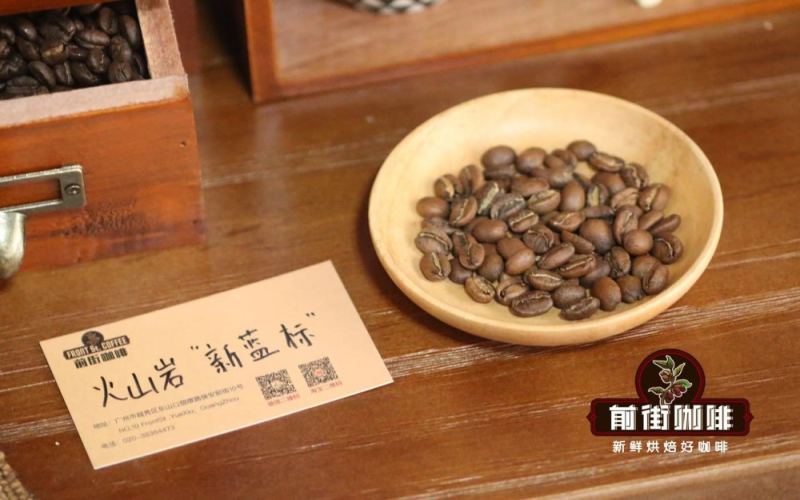
In 2020, Hacienda La Esmeralda introduced a natural process for its Blue Label Geisha, delighting many coffee lovers; however, in 2021 the estate announced that it would retain only the Red Label and Green Label series, and the Blue Label seemed to quietly exit the stage. Just as speculation was rife, a batch of Panamanian Geisha named Las Rocas quietly appeared on the market, and according to Front Street Coffee, this is precisely the rebranded Esmeralda Blue Label batch. This article sorts out the grade classifications and flavor differences among Hacienda La Esmeralda's Red Label, Green Label, and Blue Label, reviews the whole story of the Blue Label's "disappearance" and "reappearance," and introduces the washed processing characteristics and pour-over approach for this Las Rocas Volcanic Rock Geisha, providing coffee fans who love Blue Label Geisha with a complete reference for purchasing and brewing. [more…]
Panama Geisha Coffee Guide: Comparing Price and Flavor of Hacienda La Esmeralda's Red Label, Green Label, and Volcanic Rock Series
Geisha coffee has already replaced Blue Mountain to become the top-tier variety that coffee enthusiasts worldwide are eagerly chasing. This article will take you deep into the Geisha legend of Panama's Hacienda La Esmeralda—from its stunning 2004 BOP championship victory that made the world take notice, to the positioning and differences of today's three product lines: Red Label, Green Label, and the volcanic rock Las Rocas. The article not only traces Geisha's spread from Ethiopia to Panama, but also provides a detailed comparison of the similarities and differences between Red Label (Esmeralda Special) and Green Label (Private Collection) in terms of altitude, plot traceability, and flavor performance, and introduces the specific information on Front Street Coffee's offerings of Hacienda La Esmeralda Red Label Natural, Green Label Washed/Natural, and volcanic rock Washed Geisha. Finally, Front Street's recommended medium-light roast Geisha pour-over recipe is included, featuring a V60 dripper, 92°C water temperature, a 1:15 coffee-to-water ratio, and a staged pouring technique, helping you fully unleash Geisha's floral and fruity charm. [more…]
A Detailed Guide to Hacienda La Esmeralda Geisha Grades: Red, Green, and Blue Label Differences and Front Street Coffee Recommendations for Each Grade
Panama's Hacienda La Esmeralda Geisha coffee has always been the focus of the specialty coffee world, and its three grades—Red Label, Green Label, and Blue Label—each have their own distinctions. This article systematically sorts out Hacienda La Esmeralda's coffee grading system, analyzing in detail the specific differences between Red Label (Esmeralda Special), Green Label (Private Collection), and Blue Label (Geisha 1500, now discontinued) in terms of altitude, plot, processing method, and flavor. It also introduces the corresponding Red Label and Green Label product information from Front Street Coffee, and recommends an entry-level Front Street Coffee Boquete Geisha for beginners who are just getting to know Geisha. Whether you want to gain a deeper understanding of Hacienda La Esmeralda's marketing strategy and auction mechanism, or are looking for a Geisha coffee that suits your taste, this article can provide a clear reference. [more…]
What exactly is Panama Red Label Geisha? A comprehensive interpretation of the origin and flavor of Hacienda La Esmeralda Geisha
Red Label Geisha refers to the top-tier Geisha lots produced by Hacienda La Esmeralda in Panama, enjoying an extremely high reputation in the specialty coffee world, with auction prices repeatedly setting records. Hacienda La Esmeralda classifies its Geisha into three grades—Red Label, Green Label, and Blue Label—based on cupping performance and plot, with Red Label representing the highest quality. At the same time, Gesha Village Coffee Estate in Africa also has a product line called "Red Label," and the two are easily confused. This article will sort out the grading system of Red Label Geisha, the discovery and rise to fame of Hacienda La Esmeralda's Geisha, detailed information about the Jaramillo plot, and the specific parameters and steps for brewing Esmeralda Red Label Natural Geisha at Front Street Coffee's store, taking you through a comprehensive understanding of this legendary coffee. [more…]

How to distinguish Hacienda La Esmeralda Geisha Red Label, Green Label, and Blue Label? A practical guide to pour-over parameters and coffee-to-water ratios
Geisha coffee is a star in today's specialty coffee world, and Hacienda La Esmeralda is the driving force that brought this variety into the spotlight. Based on altitude and cupping performance, the estate classifies Geisha into three grades: Red Label, Green Label, and Blue Label, and many coffee enthusiasts are curious about the differences in flavor and positioning among the three. From the perspective of Front Street, this article sorts out the terroir of Panama's Boquete producing region, the development history of Hacienda La Esmeralda, and the origins and characteristics of the Red, Green, and Blue Labels, while also including pour-over recommendations specifically for Geisha, including parameters such as a V60 dripper, 92-93°C water temperature, and a 1:15 coffee-to-water ratio, to help you brew Geisha's signature floral aroma and fruity acidity at home. [more…]
What exactly is Red Label Geisha coffee? Can you brew Geisha with a moka pot? A full breakdown of the Hacienda La Esmeralda grading system
Geisha coffee can be said to be the top star in today's specialty coffee world, and the Red Label Geisha from Panama's Hacienda La Esmeralda is the cream of the crop. But Hacienda La Esmeralda is not the only one selling Geisha under the "Red Label" banner on the market — Gesha Village also has its own Red Label product. What exactly is the difference between the two? And how did Hacienda La Esmeralda single-handedly push Geisha onto its pedestal? In this article, Front Street Coffee will walk you through the grading logic of Hacienda La Esmeralda's Red Label, Green Label, and Blue Label, clarify the definitions of Gesha Village's Red Label and Gold Label, review Geisha's legendary journey from the wild forests of Ethiopia to the auction stage in Panama, and include the complete pour-over parameters and steps for Hacienda La Esmeralda's Red Label Natural Geisha, so you can understand everything about this top-tier bean in one go. [more…]
An Analysis of the Differences Between Panama's Hacienda La Esmeralda and Ethiopia's Gesha Village Red Label: A Complete Overview of the Auction, Gold Label, and Green Label Grading System
Geisha coffee beans rose to fame after Hacienda La Esmeralda in Panama won the BOP competition in 2004, and today Ethiopia's Gesha Village has also become a focus of the specialty coffee world. Although both estates are renowned for the Geisha variety, their grading systems differ greatly. Hacienda La Esmeralda divides Geisha into three grades: Auction, Red Label, and Green Label, while Gesha Village offers Auction, Gold Label, Red Label, Green Label, and Chaka batches. This article will systematically organize the Geisha grading standards of these two major estates, provide an in-depth analysis of the meaning and differences of Red Label Geisha, and introduce related product information recommended by Front Street Coffee, helping coffee enthusiasts fully understand the grading system and flavor characteristics of Geisha coffee. [more…]
A Complete Guide to Hacienda La Esmeralda Geisha Coffee Beans: Flavor Differences Between Red, Green, and Blue Labels and Front Street Brewing Tips
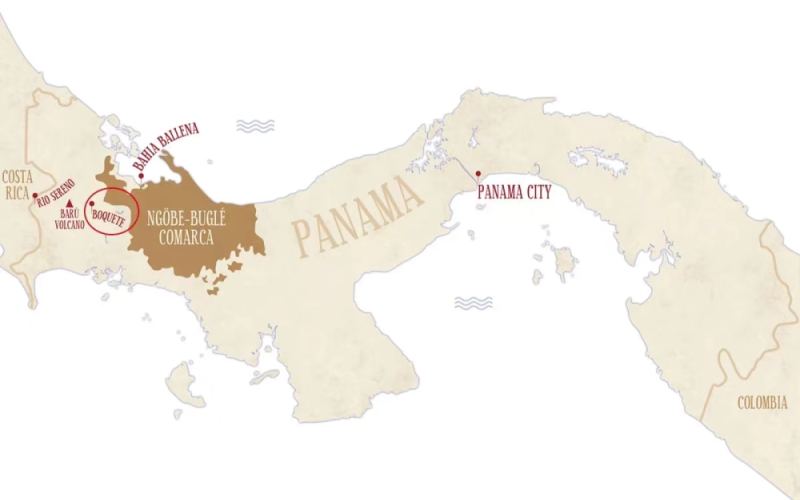
Friends who often drink Geisha at Front Street Coffee frequently ask: what exactly are the flavor differences between Hacienda La Esmeralda's Red Label and Green Label? To truly understand Geisha, one must start with Hacienda La Esmeralda—it is both the discoverer and the promoter of Geisha's flavor. This article will guide you through the geographical advantages of Panama's Boquete region, the history of the Geisha variety's spread, and how Hacienda La Esmeralda turned a windbreak tree species into a star of the coffee world. It focuses on breaking down the definitions, altitude requirements, processing methods, and flavor characteristics of Red Label, Green Label, and Blue Label, and includes Front Street Coffee's actual photos and brewing parameters for Red Label and Green Label Geisha, helping you choose and taste more clearly. [more…]
An In-Depth Analysis of Panama's Hacienda La Esmeralda Geisha: The Flavor Code of the Red, Green, and Blue Labels and Brewing Recommendations
Why has Geisha coffee become a legend in the specialty coffee world? As the estate where Geisha rose to fame, what exactly are the differences between Hacienda La Esmeralda's three grades: Red Label, Green Label, and Blue Label? This article will take you deep into the history of Hacienda La Esmeralda, the distribution of its three sub-estates, and the classification standards and flavor characteristics of each colored-label Geisha, along with Front Street Coffee's brewing suggestions and bean list recommendations. Whether you are a newcomer just getting to know Geisha or a seasoned enthusiast looking for your next favorite bean, this content will help you sort out the complete picture of Hacienda La Esmeralda Geisha. [more…]
A Complete Guide to Hacienda La Esmeralda Geisha Grades: Why Was Blue Label Geisha 1500 Discontinued? What's the Difference Between Red, Green, and Black Labels?
Hacienda La Esmeralda in Panama, with its unique vision, discovered the potential of the Geisha variety, and through the Best of Panama (BOP) competition, made Geisha an overnight sensation. Since then, the Geisha produced by Hacienda La Esmeralda has remained a hot topic in the coffee world, with terms such as Red Label, Green Label, and Blue Label (Geisha 1500) frequently appearing. However, in recent years, "Geisha 1500" has gradually faded from view—why did it disappear? How many grading systems does Hacienda La Esmeralda currently have? This article will start with the layout of the estates under Hacienda La Esmeralda, systematically explain the grading logic and traceability rules of brands such as Red Label, Green Label, Black Label, and Diamond Mountain, and clarify the ins and outs of the discontinuation of Blue Label Geisha, helping coffee enthusiasts understand the full picture of Hacienda La Esmeralda's Geisha product line. [more…]
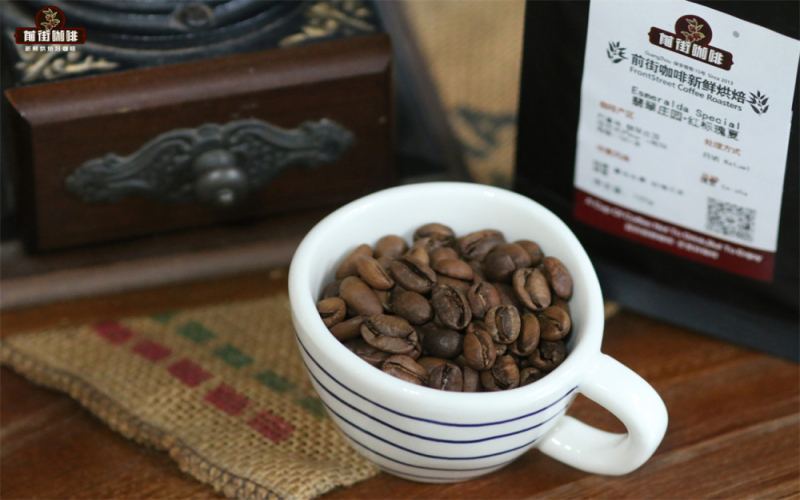
Analysis of the Grading Standards and Flavor Comparison of Panama Hacienda La Esmeralda Geisha Red, Green, and Blue Labels
Panama's Hacienda La Esmeralda Geisha coffee has been highly sought after in the specialty coffee world in recent years, but many coffee enthusiasts are confused when faced with its three grades: Red Label, Green Label, and Blue Label. What exactly do these three labels represent? What are the differences among them in altitude, plot, processing method, and flavor? This article starts with the history of Hacienda La Esmeralda and provides a detailed breakdown of the grading standards for Red Label (Esmeralda Special), Green Label (Private Collection), and Blue Label (Geisha 1500), along with their corresponding production plots and cupping performance. Combined with Front Street Coffee's brewing recommendations and flavor descriptions, it helps readers make a suitable choice based on their own needs. [more…]
Panama Hacienda La Esmeralda Geisha Coffee Grade Classification: Flavor, Taste, and Brewing Key Points of Red Label, Green Label, and Blue Label
In the world of specialty coffee, Jamaica Blue Mountain, Hawaii Kona, and Geisha are considered the top choices, and the Geisha produced by Panama's Hacienda La Esmeralda is the finest among them, known for its intense floral aroma and fruity notes. Hacienda La Esmeralda classifies its Geisha into three grades—Red Label, Green Label, and Blue Label—based on growing altitude and cupping scores, each corresponding to different plots and processing methods, with distinctive flavor profiles. Front Street Coffee has acquired several lots of Hacienda La Esmeralda Geisha, comparing the flavor differences between washed and natural processing through cupping, and sharing parameter recommendations for light roasting and staged brewing, to help coffee enthusiasts choose the Geisha that suits their personal preferences. [more…]
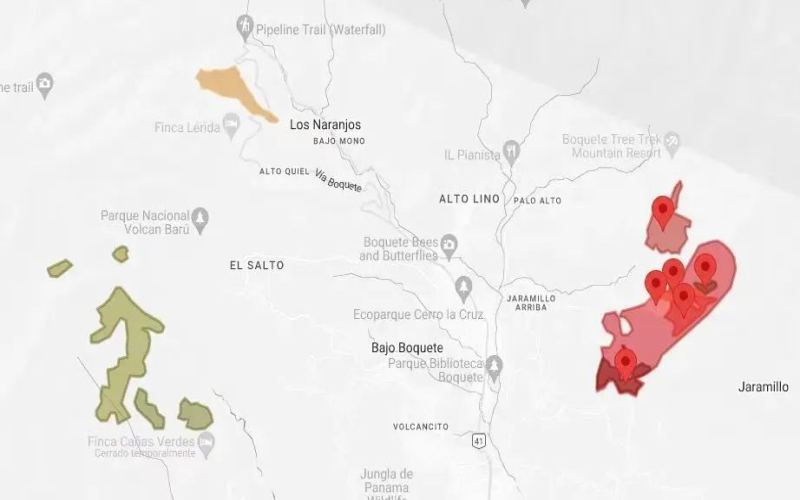
A Complete Guide to Panama Hacienda La Esmeralda Geisha Coffee: From Terroir to Red, Green, and Blue Label Grading and Cupping Flavors
The reason Panamanian coffee has been able to occupy a dazzling position on the world specialty coffee map lies both in the unique microclimate formed by the convergence of the Central Cordillera and cold air, and in the support of fertile volcanic soil. Among the many producing regions, Hacienda La Esmeralda in Boquete is undoubtedly the discoverer and promoter of Geisha flavor. This article will guide you through how Hacienda La Esmeralda classifies Geisha grades such as Red Label, Green Label, and Blue Label based on altitude and cupping performance, analyze the core differences between Red Label and Green Label, and include detailed cupping flavor notes for Front Street Coffee's Red Label and Green Label Geisha, helping coffee enthusiasts more clearly choose a Geisha that suits them. [more…]
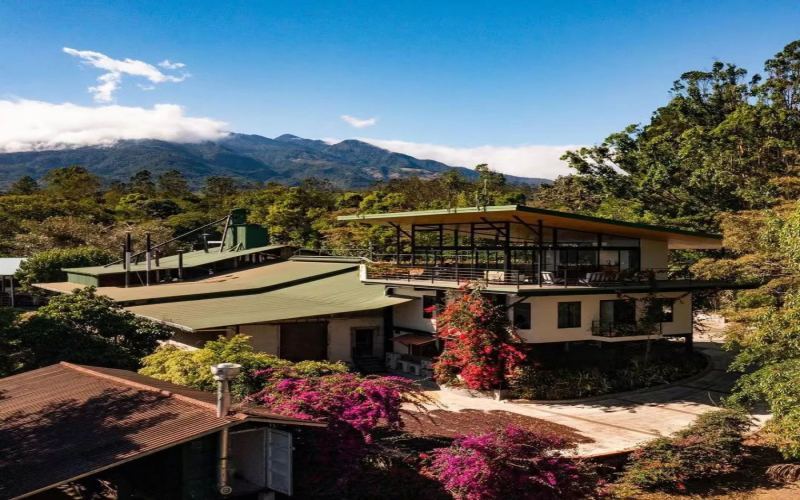
Panama Hacienda La Esmeralda vs. Ethiopia Gesha Village: Analysis of Red Label Geisha Coffee Bean Grading and Flavor Profile Comparison
Geisha coffee is undoubtedly one of the most sought-after varieties in today's specialty coffee world. It originated in the primitive forests of Ethiopia, yet rose to prominence at Hacienda La Esmeralda in Panama. As the specialty coffee market continues to expand, estates dedicated to growing Geisha have also emerged in Ethiopia itself, among which Gesha Village is particularly notable. In this article, Front Street Coffee will systematically trace the varietal origins of Geisha, provide a detailed interpretation of Hacienda La Esmeralda's three major grading standards—Red Label, Green Label, and Blue Label—and take an in-depth look at Gesha Village's auction, Gold Label, Red Label, Green Label, and Chaka lot systems, along with the region, altitude, variety, processing method, and flavor descriptions for each grade of Geisha coffee beans, helping coffee enthusiasts gain a comprehensive understanding of the stylistic differences among Geisha from different origins and key points for purchasing. [more…]
An In-Depth Analysis of Panama Hacienda La Esmeralda Geisha: Flavor Differences and Brewing Tips for Red, Green, and Blue Labels
Geisha has long been exalted by many coffee lovers, and Panama's Hacienda La Esmeralda is the starting point from which this variety rose to worldwide fame. This article traces the evolution of Hacienda La Esmeralda from Palmira Farm to a specialty coffee legend, explains in detail the specific differences among the three grades—Red Label, Green Label, and Blue Label—in terms of altitude, plot, processing method, and cupping performance, and includes information on the Geisha products currently sold by Front Street Coffee as well as staged brewing parameters, to help you sort out the basic logic of buying and tasting Geisha. [more…]