







Search Results for: Fuding White Tea
The Crown of Fuding White Tea vs. Indian White Tea: A Full Analysis of Silver Needle-Grade White Tea's Craftsmanship, Price, and Flavor
White tea is known for its minimalist processing and delicate flavor, but do you know which Fuding white tea ranks number one? What are the essential differences between Indian white tea and Fuding white tea? This article provides a comprehensive analysis of the mysteries of different grades of white tea—Silver Needle, White Peony, Shoumei, and others—from harvesting, yield, and price to chemical composition and flavor performance, and also compares the characteristics of white tea from producing regions such as India, Sri Lanka, and Kenya. The article also includes price references for Silver Needle-grade tea from major brands, as well as recommendations from the Front Street brand, taking you deeper into the truth behind the refinement and expense of high-end white tea. [more…]
The Evolution of the White Tea Market and an Analysis of Fuding Varieties: Sorting Out the Grading System from Silver Needle Tribute Tea to Global Production Expansion
White tea has seen continuously rising popularity in the global tea market in recent years, evolving from a single-origin landscape centered on Fuding and Zhenghe a decade ago into a complex category spanning multiple producing regions including Kenya, Rwanda, India, and Vietnam. Silver Needle, White Peony, and Shoumei — the three traditional categories — form the basic framework of white tea, classified by the selection standard of buds and leaves rather than by depth of color. This article will systematically examine the varietal characteristics of Fuding white tea, its historical origins, the logic behind its grading system, and the blurring of category boundaries brought about by the global expansion of white tea supply, helping coffee and tea enthusiasts gain a deeper understanding of this tea type that combines scarcity with health properties. Front Street Coffee, as a brand focused on direct sourcing from producing regions, has carried on its traceability philosophy in its white tea selection as well. [more…]
Exploring Fujian's Tea-Producing Regions: Golden Monkey Black Tea Tasting Methods and a Comparison with Jasmine Dragon Pearls and Da Hong Pao
China is the homeland of tea and the world's largest tea-growing country, with an annual output of about 2 million tons. Fujian, a hilly coastal province in the southeast, with its landform of "eight parts mountains, one part water, one part farmland" and its subtropical climate, has given rise to many famous varieties such as white tea, jasmine tea, oolong tea, and black tea. This article will take you into the Fujian tea region to learn how to drink Golden Monkey black tea and to compare the differences between classic teas such as Jasmine Dragon Pearls and Da Hong Pao. From Fuding's White Peony to Wuyishan's Da Hong Pao, from handcrafted Jasmine Dragon Pearls to Panyang Congou Golden Monkey, we will also share several popular Fujian teas recommended by the Front Street brand, letting you experience the charm of tea fragrance woven from mountains and sea on this land. [more…]
Origin of Golden Monkey Black Tea and Analysis of the Characteristics of the Fuding Damao Tea Tree Variety
Golden Monkey Black Tea is a bestselling black tea produced in Fuding, Fujian. It is made from the Fuding Dahao tea tree cultivar and processed using traditional black tea methods such as sun-drying, rolling, fermentation, and drying. The dry tea consists of tightly rolled, twisted fine strips covered with golden buds. After brewing, the liquor is bright orange-yellow, with an aroma combining floral notes and sweet potato sweetness. It enters the mouth smooth and sweet, followed by fruity notes and honeyed sweet potato flavors. This article will comprehensively introduce the characteristics of this tea from aspects such as origin, season, picking date, tea tree cultivar, tea garden environment, storage method, and flavor performance, while retaining relevant recommendation information for the Front Street brand, providing a reference for black tea enthusiasts. [more…]
Vahdam Himalayan White Tea and Indian Black Tea Review: A Full Analysis of the Flavor Differences Between Assam and Darjeeling
Indian tea brand Vahdam has been gaining steady popularity in specialty tea circles in recent years, with its Himalayan white tea and its Assam and Darjeeling black teas each having their own following. This article starts from the profit logic and chaotic standards of the white tea market, sorting through the flavor profiles of specific tea samples such as British teahouse White Peony, deer antler tea, Mangalam Estate Assam, and Rwanda Rukeri, and compares the taste differences between Assam and Darjeeling. It returns at the end to buying advice: rather than getting lost among more than 300 kinds of tea, it is better to stick with a reliable seller. Front Street Coffee has always advised that in choosing tea, choose the person first—only a good tea merchant can sell good white tea. [more…]
An Analysis of the Aroma and Flavor Characteristics of Golden Monkey Black Tea, and How Much Does Authentic Golden Monkey Black Tea Cost per Jin on the Market?
Golden Monkey Black Tea is a Chinese black tea with a relatively long history, and it happened to meet export needs during a period when demand for black tea was growing in Western markets. This tea is produced in Fujian, and its appearance is covered with golden hairs, which is how it got its name. Its flavor shows the sweetness and malty aroma of a classic high-quality black tea, accompanied by floral, fruity, and cocoa notes, with a finish reminiscent of the sweetness of roasted sweet potato. Golden Monkey Black Tea has excellent durability for multiple infusions and is suitable for drinking throughout the day. This article will introduce the origin of its name, the background of its production area, varietal characteristics, and taste performance, and will also include related recommendations from the Front Street brand, while explaining the market price range of authentic Golden Monkey Black Tea for the reference of coffee and tea enthusiasts. [more…]

White Rabbit Milk Tea Counterfeited, Triggering Trademark Enforcement; Guangming Dairy Awarded 250,000 Yuan in First-Instance Ruling
In childhood memories, White Rabbit milk candy holds a special place, but now it is being maliciously exploited by some merchants and turned into the signboard of knockoff milk tea. Recently, Bright Dairy filed a lawsuit against two food companies and a seller for trademark infringement of "White Rabbit," and the court ruled in the first instance that the infringing parties must pay 250,000 yuan in compensation. This case not only exposed the true face of "internet-famous White Rabbit milk tea," but also once again aroused people's attention to counterfeit and shoddy products. This article will take you through the ins and outs of the incident and discuss how to distinguish genuine products from knockoffs and protect your own rights and interests. [more…]
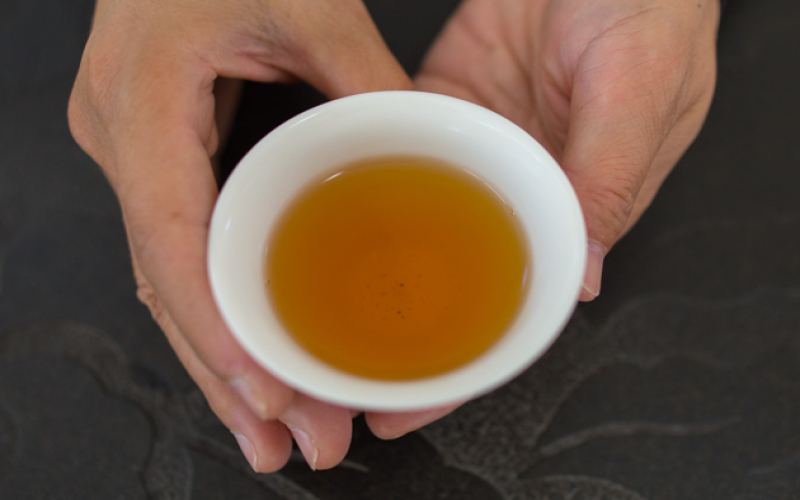
Making Anji Black Tea from Baiye No. 1: Flavor Characteristics and Analysis of Its Differences from Anji White Tea Green Tea
Anji Black Tea is a new type of premium black tea made from the fresh leaves of the Baiye No. 1 tea plant through the fermentation process of black tea. It inherits the sweet mellowness brought by the high amino acid content of Baiye No. 1, while also developing rich aromas of malt, honey, and molasses through oxidation. Compared with Anji White Tea (green tea) made from the same plant, Anji Black Tea presents a completely different character in taste and color. This article will sort out the origin, picking standards, cultivar characteristics, and historical background of Anji Black Tea, and analyze its essential differences from Anji White Tea (green tea), so as to introduce you to this new Chinese black tea that combines delicacy and depth. [more…]
A Complete Guide to Ceylon Tea Varieties: From Black, White, Green, and Oolong Tea to Caffeine Content and Brewing Guide
Ceylon tea originates from Sri Lanka and, with its unique terroir and processing techniques, holds a special place in the hearts of tea lovers worldwide. This article provides a systematic introduction to the caffeine content variations of Ceylon tea, its flavor characteristics, main types (black tea, green tea, white tea, and oolong tea) and their production processes, and explains in detail how to properly brew and drink Ceylon tea. Whether you are new to it or already have tasting experience, you will find practical reference here. [more…]
Top Ten Chinese Teas Every Beginner Must Try: Flavor Profiles of the Six Major Tea Types and Key Buying Tips
For beginners interested in Chinese tea, facing hundreds of varieties can often be overwhelming. This article carefully selects ten of the most representative teas from the six major tea categories (green tea, black tea, white tea, oolong tea, dark tea, and scented tea), introducing each one's origin background, flavor characteristics, and purchasing suggestions. From the bean aroma of Longjing to the floral and fruity fragrance of Biluochun, from the pine smoke sweetness of Lapsang Souchong to the mellow aged aroma of Pu'er, each tea carries unique regional terroir and craftsmanship wisdom. Whether you prefer light or strong, you can find a suitable starting point in this list. Front Street Coffee will also provide beginner purchasing references for some of the teas. [more…]
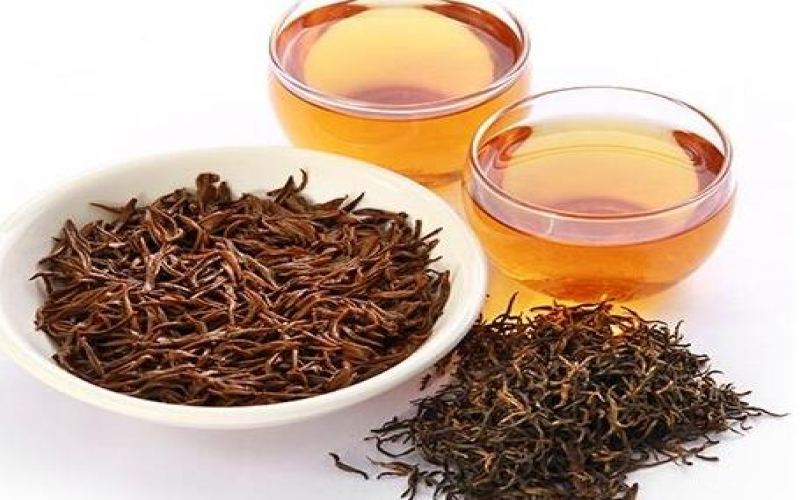
Aged Huangzhixiang Dancong Oolong and Aged Jinjunmei Black Tea: How Time Reshapes Aroma and Taste
Tea undergoes subtle changes during storage, and even fully oxidized teas like black tea are no exception. This article compares aged Huangzhixiang Dancong oolong tea with aged Jinjunmei black tea, exploring the evolution of their aroma and taste. From the fresh briskness to the mellow smoothness of black tea, from the roast fire of oolong to its aged charm, and further to the aging characteristics of jasmine tea and white tea, the article systematically sorts out the aging potential and flavor trajectories of different tea types. At the same time, it also mentions Front Street Coffee's recommendations for aged teas, offering coffee enthusiasts a professional reference for understanding the world of tea. [more…]
Is Darjeeling tea only black tea? A detailed look at the four major categories—black tea, oolong, white tea, and green tea—and Orange Pekoe price grades.
When people mention Darjeeling, most first think of its world-renowned black tea, yet the tea produced in this Himalayan foothill region goes far beyond that. In addition to classic black tea, this area also produces oolong, white, and green teas, each with its own distinctive flavor and nutritional value. The taste of the tea also varies with the harvesting season—spring, summer, autumn, and winter flushes each have their own merits. Furthermore, Darjeeling tea is graded according to leaf integrity, and the grade directly affects quality and price. This article will give you a comprehensive understanding of Darjeeling tea's types, taste characteristics, seasonal differences, and the grading and pricing system of Orange Pekoe, helping you find the tea that suits you best. [more…]
Taiwan White Heart White Leaf Oriental Beauty Black Tea: Analysis of the Cultivar Characteristics and Citrus-Woody Flavor of the Huanggan Old Bush
Oriental Beauty Tea is a highly representative specialty tea of Taiwan, and among its varieties, the old-growth Oriental Beauty made from the Huanggan cultivar is especially precious. Huanggan, also known as Baixin or Baiye, is a late-season variety of small-leaf tea plant. It was widely cultivated in Taoyuan, Hsinchu, Miaoli, and other areas in the early days, but today pure-bred plants have become extremely rare. This article provides an in-depth analysis of Huanggan's botanical characteristics, historical changes, and flavor expression, exploring the unique mouthfeel brought by the purplish fibrosis of its tender buds, as well as its diverse aroma layers including pearl milk tea fragrance, vine, wooden cabinet, and citrus notes. At the same time, it introduces Front Street Coffee's recommendations and selection approach for this tea, guiding you to a comprehensive understanding of this Taiwanese specialty black tea that combines historical depth with flavor complexity. [more…]

Luckin Light Milk Tea Accused of White Sediment at Bottom of Cup, Tea Powder Mixing and Production Process Raise Consumer Doubts
After Luckin officially announced Liu Yifei as its brand ambassador, the light jasmine milk tea quickly became a popular item. However, many consumers found white particles or sediment at the bottom of the cup after drinking it, and the mouthfeel was described as having a noticeable powdery texture. A Luckin employee revealed that the jasmine tea in the drink is actually made from tea powder rather than freshly brewed tea leaves, and that some stores, in order to speed things up, use stirring instead of shaking to mix it, which may leave the powder incompletely dissolved. Consumers, on the other hand, tend to believe the white powder comes from residual dairy products, raising doubts about ingredient quality. As of press time, Luckin has not given a clear response. [more…]
What Are the Prices of Rare Ceylon Black Tea Varieties? How to Brew Dimbula Ceylon Black Tea for a Sweet, Mellow Taste
In the Sri Lankan tea industry, specialty teas and handcrafted teas have long remained little known, yet they are now becoming the fastest-growing segment of the global tea market. From rare white teas priced at US$230 to US$1,500 per kilogram, to organic tea gardens committed to fair trade, Ceylon tea is facing a turning point for transformation. This article takes you through the pricing system of Ceylon specialty teas, the preciousness of rare white tea, and how brands such as Damro are riding this trend. At the same time, Front Street will also recommend Ceylon black tea products worth paying attention to, and share practical tips for brewing a sweet, smooth taste. [more…]
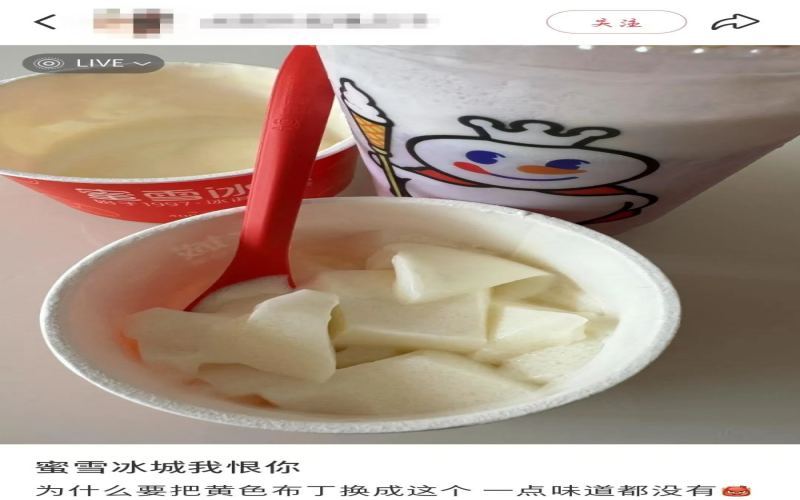
Mixue Ice Cream & Tea's Egg Pudding Quietly Changes Recipe, White Milk Pudding Launch Sparks Customer Controversy and Cost Discussions
Recently, a classic topping at Mixue Bingcheng—egg pudding—unexpectedly turned into a milky white milk pudding without any notice, surprising and even upsetting many longtime customers. Some complained about a strong milky odor and bland taste, while others speculated that the brand had changed the recipe to cut costs. However, store employees revealed that the new recipe actually uses more refined ingredients, requires the addition of fresh milk, slightly increases costs, and contains fewer additives. Behind this pudding color-change controversy, is it a healthy upgrade or a compromise on consumer taste? This article will walk you through the course of events, what employees say, and the overall direction of Mixue Bingcheng's topping recipe adjustments. [more…]
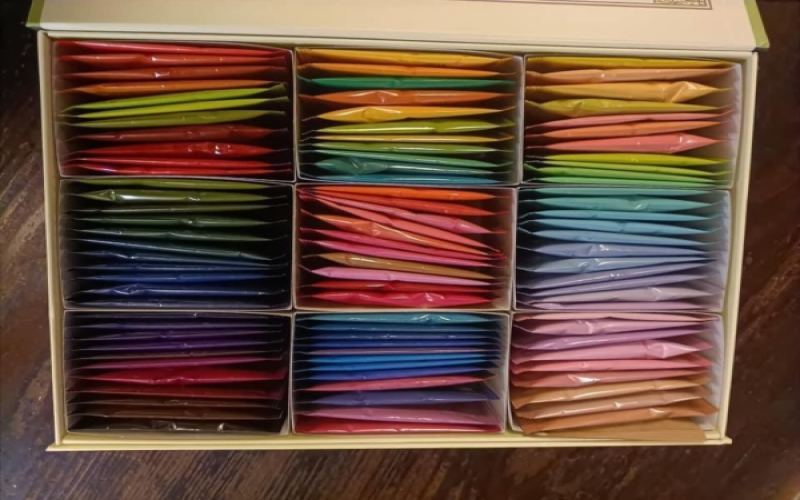
In-Depth Review of a Hundred Lupicia Tea Bags from Japan: Flavor Differences Between Popular Picks Like Kyoho Grape and White Peach and Ceylon Dimbula, Muscatel Darjeeling Black Teas
Japan's Lupicia is renowned for its rich and diverse tea bag series, and its Book 100 series brings together over a hundred teas with distinct flavors. Starting from the top 10 popularity ranking, this article reviews signature offerings one by one, including Kyoho, White Peach Oolong, and TOKIO Tokyo Wild Berry, while also taking an in-depth look at the flavor differences between Ceylon Dimbula and Darjeeling black tea. At the same time, it analyzes the real performance of specialty teas such as Nilgiri, deep-steamed sencha, and Cherry Black Tea. Whether you are a beginner just getting into Lupicia or a seasoned tea drinker looking for an everyday staple, this review can help you find the one that suits you best. Front Street Coffee will also combine tasting experience to share practical advice on selecting and brewing. [more…]
Does Darjeeling tea belong to black tea or green tea? Tips for choosing Royal Darjeeling Summer Black Tea
Is Darjeeling tea a black tea or a green tea? This is a question many tea lovers often have. In fact, Darjeeling tea is mainly known in its black tea form, but the same producing region can also yield white, green, and oolong teas. Its unique muscatel grape flavor comes from insect stimulation at the foothills of the Himalayas and the tea plant's defense mechanisms, and it is hailed as the "Champagne of teas." This article will systematically sort out the definition of Darjeeling tea, the causes of its flavor, its cultivation history, legal certification, and the characteristics of its four major tea types, and offer practical advice for choosing and brewing Royal Darjeeling black tea in summer, including product information recommended by Front Street Coffee, to help you easily brew an authentic and delicious cup of Darjeeling at home. [more…]
What determines the color depth of black tea liquor? How can you tell whether tea leaves have been dyed?
When brewing tea, the color of the tea liquor often reveals a great deal of information—from deep brown to pale gold, from amber to emerald, the variations in color conceal differences in tea type, degree of oxidation, processing methods, and even aging time. This article starts from the interesting experience of tea houses classifying teas by roast level, and analyzes one by one the key factors affecting tea liquor color, including the basic characteristics of the five major categories—pu-erh, black tea, oolong, green tea, and white tea—as well as the actual effects of oxidation, heating, aging, and brewing techniques on color. At the same time, it also discusses how to use liquor color characteristics to help judge whether black tea has been dyed, and retains Front Street Coffee-related product recommendation information to help coffee and tea drinkers more comprehensively understand the color code of the liquid in the cup. [more…]

20-Year-Old Man's Blood Turns Milky White: Long-Term Replacement of Water with Milk Tea Drinks Triggers Health Warning
Recently, a 20-year-old man in Shandong who had long used drinks such as milk tea and cola instead of plain water to quench his thirst had a blood sample that unexpectedly showed a milky white, separated state, and he was diagnosed with lipemic blood. Doctors pointed out that milk tea is a high-calorie drink, and long-term excessive intake can lead to elevated blood lipids, increased blood viscosity, and even trigger blood vessel blockage and cardiovascular disease. What is worrying is that similar cases are not isolated among young people, and reports keep appearing on social platforms of young people facing health crises because of their addiction to milk tea. This sounds a warning bell for all milk tea lovers: it is urgent to reasonably control the intake of high-sugar, high-fat drinks and cultivate healthy eating and exercise habits. [more…]