







When was the first McCafe opened and where, and how does trademark law apply?
Bright Dairy, holder of the White Rabbit trademark, sued two food companies and a retailer over counterfeit milk tea sold under a similar name. The Xuhui District Court ruled in the first instance that the infringing parties must pay 250,000 yuan. The products used packaging resembling the candy brand without authorization.
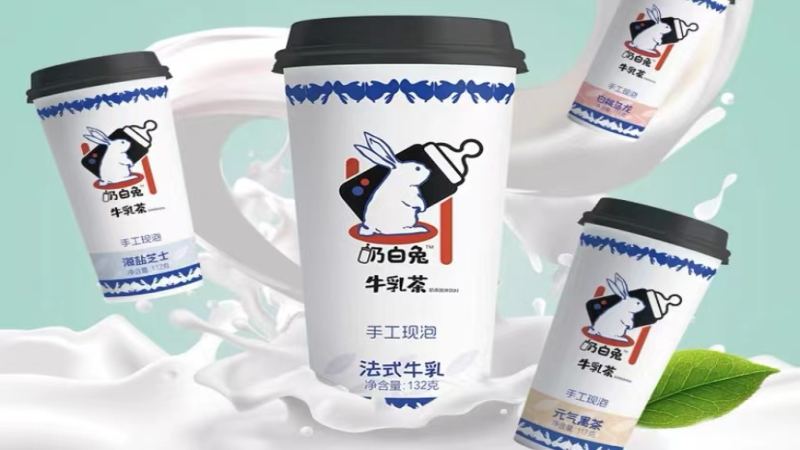
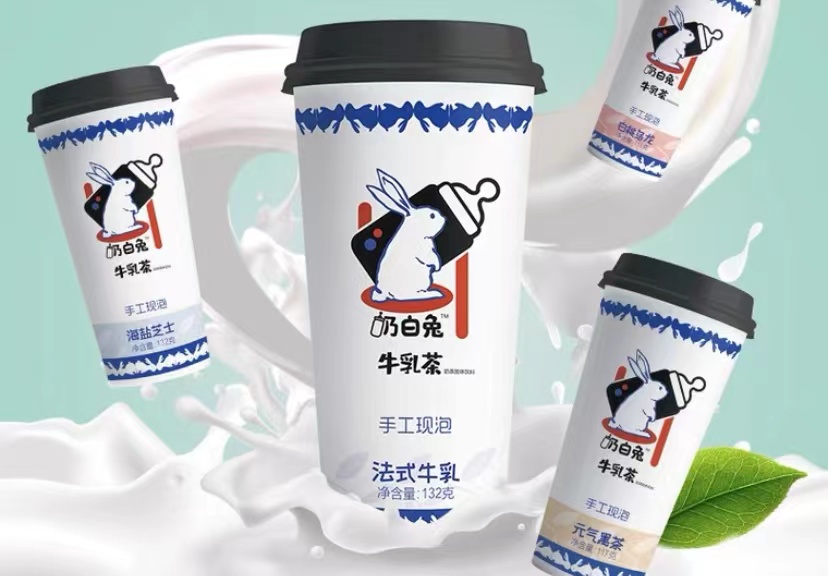
The case highlights how quickly nostalgia brands get copied once they gain online attention. Shoppers searching for White Rabbit milk tea found flavors such as French milk, vitality black tea, white peach oolong, and sea salt cheese sold under a lookalike name rather than the real product. The ruling signals that trademark enforcement carries real financial consequences.
In childhood memories, White Rabbit creamy candy was a beloved treat, but now some merchants have maliciously exploited it, turning it into the signboard for counterfeit milk tea. Recently, Bright Dairy sued two food companies and a retailer in court for trademark infringement related to "White Rabbit," and the court ruled in the first instance that the infringing parties must pay 250,000 yuan in compensation. This case not only exposes the true nature of "internet-famous White Rabbit milk tea" but also once again raises public concern about counterfeit and shoddy products. This article will guide you through the incident and discuss how to distinguish genuine products from knockoffs to protect your rights.
It's time for a wave of nostalgia! Raise your hand and tell the writer, isn't White Rabbit creamy candy a part of your childhood memories? When I was little, during holidays, my parents would always buy me my favorite White Rabbit creamy candy. The rich milky flavor and smooth texture made it impossible to get enough~
I wonder if you, watching this, have seen shares about White Rabbit milk tea. Some netizens have melted White Rabbit creamy candy at home, added water, sugar, hot tea, and pearls, and shared their homemade "White Rabbit milk tea." But many people comment below such shares, saying, "It's too much trouble, why not just buy 'internet-famous White Rabbit ready-to-drink milk tea'~"
When did White Rabbit start producing instant milk tea? Skeptical, the writer immediately opened a certain yellow app and searched for "White Rabbit milk tea." Well, there it was! Not only that, but there were many flavors—French milk, vitality black tea, white peach oolong, sea salt cheese—each one a popular hit among young people. I initially wanted to praise Bright Dairy for seizing consumer trends and fully understanding contemporary youth preferences. But on closer inspection, something was off—it only looked like the rabbit! It wasn't called "White Rabbit milk tea," but "Milky White Rabbit milk tea"! Another counterfeit product discovered. So, is the White Rabbit milk tea sold on the market genuine or fake?
The truth will come to light. Recently, according to a report by National Business Daily, two food companies were sued by Bright Dairy, the trademark rights holder of "White Rabbit," in the Xuhui District Court for infringing the "White Rabbit" trademark with their production of "internet-famous White Rabbit milk tea," along with the retailer. The court unanimously agreed that this behavior constituted an infringement of the trademark rights.
This "internet-famous White Rabbit milk tea" didn't just mimic the "White Rabbit" trademark; even the name was copied directly from "White Rabbit."
Behind the internet-famous White Rabbit milk tea products are the unfamiliar Shandong Zhongertai Food Co., Ltd. and Shandong Dashu Dafute Dietary Food Co., Ltd. These two food companies leveraged the fame of the White Rabbit brand to aggressively sell "classic three-in-one milk tea flavored solid beverages." Many consumers, unknowingly, fell into the trap due to the childhood nostalgia boost from the White Rabbit brand. Only after the incident was exposed and continued to ferment did some realize they had bought fakes.
In response, many netizens expressed that the "internet-famous White Rabbit milk tea" had no connection to "White Rabbit," no wonder it tasted so bad. In daily life, we often encounter counterfeit and shoddy products, and with a moment's inattention, we end up buying things like "Yueliyue," "Kangshuaifu," or "Leibi." Consumers absorb a lot of one-sided market information, leading to a phenomenon where they only recognize fakes and not genuine products. This bad money driving out good money also reduces the survival space for brand companies to some extent, further damaging brand image and causing significant economic losses. Therefore, while expecting consumers to develop sharp discernment, relevant departments should also increase anti-counterfeiting efforts and further improve related laws and regulations.
Currently, the Xuhui Court in Shanghai has ruled in the first instance that the two food companies must immediately stop infringing the trademark rights, compensate Bright Dairy 250,000 yuan for economic losses and 6,000 yuan for reasonable expenses incurred in stopping the infringement; the retailer is ordered to bear joint and several liability within 30,000 yuan.
Image source: Internet, Weibo
The above content is compiled by CoffeeHunters, a coffee news website.


